尼康

Search documents
开盘大涨!
中国基金报· 2026-01-22 02:18
【导读】日韩股市走高,现货白银跌超2% 中国基金报记者 李智 一起来看下日韩股市的最新情况。 韩国股市突破5000点 1月22日,韩国股市KOSPI指数涨超2%,再创历史新高,首次突破韩国总统李在明设立的 5000点目标。 | 首尔综合指数 | | | | | | | | --- | --- | --- | --- | --- | --- | --- | | 指 HQ.KOSPI | | | | | | | | 5013.74 +103.81 +2.11% | | | | | | | | 01-22 08:28:30 | | | | | | | | 今开 4987.06 | | | 最高 5019.54 | | | | | 昨收 4909.93 | | | 最低 4985.69 | | | | | 分时 月K | 日K | 周K | | 室K | 更多, ◎ | | | 均价:5007.79 最新:5013.74 +103.81 +2.11% | | | | | | | | 201854 | | | | | | 2.23% | | 4909.93 | | | | | | 0.00% | | 4800.32 | ...


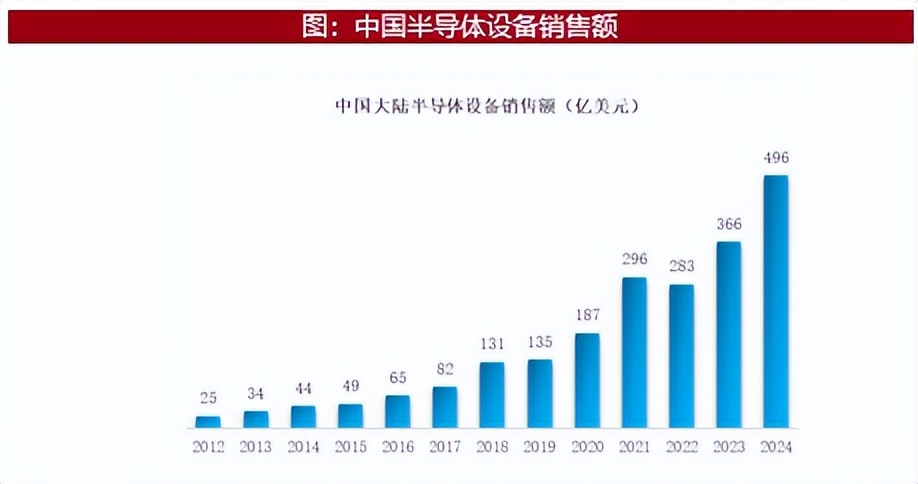
半导体行业景气上行,核心设备工艺与国产替代现状如何?
Mei Ri Jing Ji Xin Wen· 2026-01-21 01:12
Core Insights - The semiconductor equipment sector is expected to experience strong growth driven by AI and advanced process demands, particularly in GPU-related revenues [1] - The global semiconductor equipment market has shown stable growth, primarily due to the increasing demand for consumer electronics [1] - China's semiconductor equipment market has rapidly grown, capturing approximately 40% of the global market share, driven by both rising chip demand and the need for self-sufficiency in the domestic semiconductor industry [4][2] Semiconductor Equipment Market Overview - Wafer manufacturing equipment accounts for about 90% of the semiconductor equipment market, with thin film deposition, etching, and lithography each contributing around 20% [2] - The growth of the Chinese semiconductor equipment market significantly outpaces the global average due to the rising demand for semiconductor chips [2] Chip Manufacturing Process - The chip manufacturing process involves multiple steps, including purification of industrial sand, pulling of silicon rods, and various processes like polishing and cutting to create wafers [6] - Thin film deposition methods include CVD, PVD, and ALD, with ALD being the most advanced due to its precision at the atomic level [6] Lithography Technology - Lithography is a critical process in chip manufacturing, with high technical barriers; the fourth-generation lithography machines operate at a wavelength of 193 nm [7] - The EUV lithography machines, which are essential for advanced processes, are currently monopolized by overseas companies, particularly ASML, which holds over 80% of the market share [7] Investment Opportunities - The semiconductor equipment sector has transitioned from a focus on self-sufficiency to a landscape influenced by overseas computing power, with significant capital expenditure changes in foreign storage companies impacting the domestic sector [8] - The semiconductor equipment ETF (159516) is highlighted as a strong investment tool, offering exposure to leading companies in the equipment and materials sectors, and is positioned well to capitalize on the industry's cyclical growth [8]
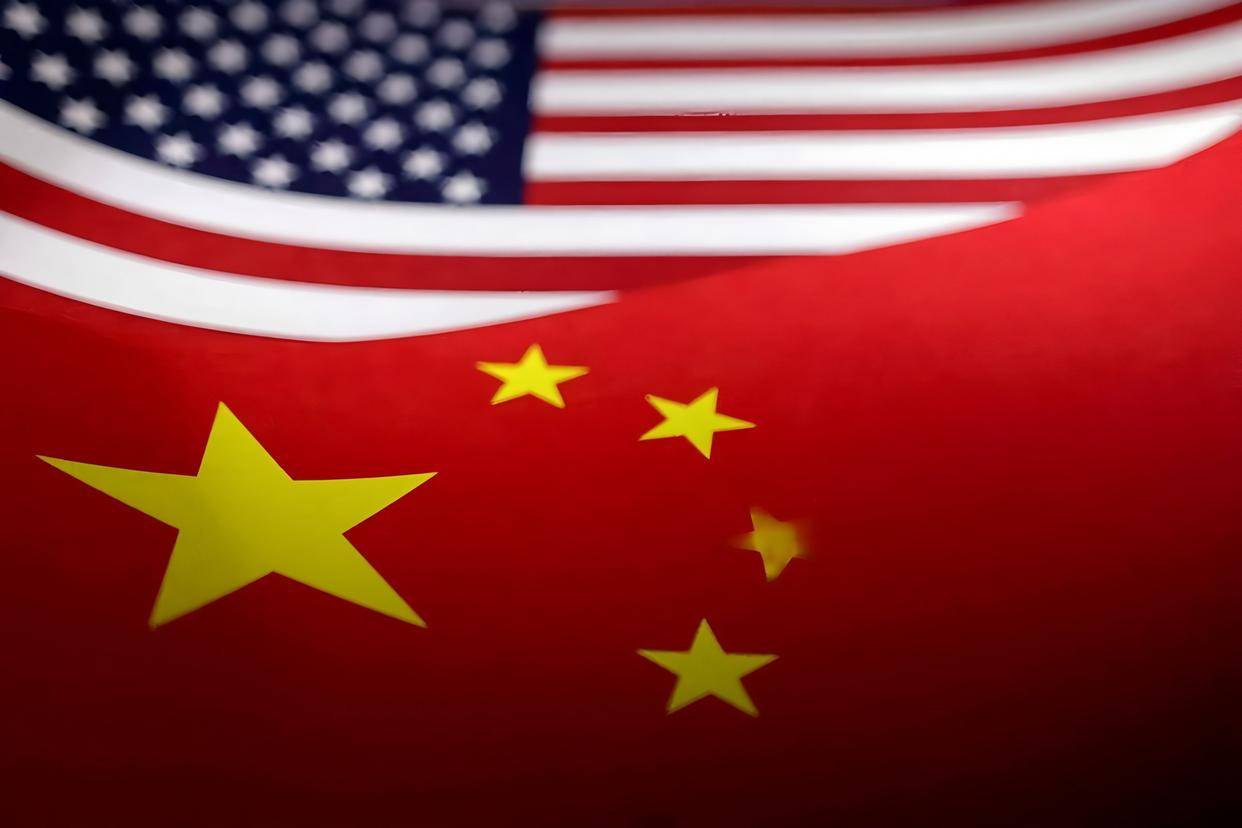
赢家通吃格局突变,日本制造业跌落,谁将主宰中美欧新战局
Sou Hu Cai Jing· 2026-01-20 18:06
Core Viewpoint - The decline of Japanese manufacturing, once a symbol of quality and technology, is attributed to a combination of historical missteps, internal stagnation, and external pressures, leading to a significant loss of market share to competitors from China, the US, and Europe [1][20]. Group 1: Historical Context - The decline of Japanese manufacturing can be traced back to events like the Toshiba incident in the 1980s, which led to severe sanctions and a loss of international standing in high-end industrial equipment and electronics [3][4]. - Japanese companies such as Hitachi and Panasonic faced fierce competition from South Korean firms like Samsung and LG, ultimately leading to their exit from key markets like televisions and semiconductors [4][8]. Group 2: Internal Challenges - The internal promotion system and reliance on traditional advantages have made Japanese companies slow to respond to global competition, resulting in management rigidity and a lack of innovation [6][9]. - The economic bubble burst in the 1990s led to a prolonged period of stagnation, with reduced R&D investment and a shift in talent away from engineering to finance and services, further eroding innovation capabilities [11][13]. Group 3: External Pressures - The US-Japan semiconductor agreement in the 1980s significantly hampered Japan's semiconductor industry, allowing South Korea's Samsung to rise as a dominant player in the global market [8][9]. - The current global manufacturing landscape is characterized by a push for reshoring in the US and Europe, which is attracting investments away from Japan, exacerbating its industrial hollowing [15][16]. Group 4: Competitive Landscape - Chinese companies, such as BYD, are rapidly advancing in sectors like electric vehicles, effectively outpacing traditional Japanese automakers like Toyota and Honda [6][18]. - Japanese brands are losing ground in both emerging and developed markets, as Chinese firms leverage lessons from Japanese manufacturing while being more responsive to local market demands [18][20].
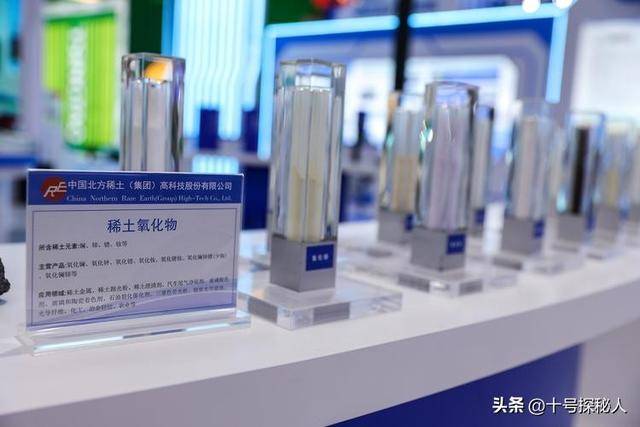
稀土断供213吨重创日本;高市早苗接到死亡通知:血债必须清算!
Sou Hu Cai Jing· 2026-01-20 06:45
Core Viewpoint - Japan is facing a crisis due to its heavy reliance on Chinese rare earth exports, which have significantly decreased, threatening its advanced manufacturing sector and military capabilities [1][3][21]. Group 1: Economic Impact - China's rare earth exports to Japan dropped by 213 tons in December, leading to critical shortages for companies like Mitsubishi Heavy Industries, which now has only 15 days of alloy powder inventory left [1][5]. - Japan's dependency on Chinese rare earths exceeds 70%, with nearly 100% reliance in heavy rare earths, highlighting the vulnerability of its high-end manufacturing industry [3][21]. - The procurement cycle for neodymium-iron-boron magnets has extended from 1-2 months to 3-4 months, directly impacting the operational readiness of Japan's main fighter jets [11][29]. Group 2: Supply Chain and Regulatory Changes - The Chinese government has mandated that all companies exporting rare earths to Japan must provide detailed information about the entire supply chain, including potential resale to the U.S. [7][9]. - A "rare earth fingerprint" tracking system has been implemented, allowing China to monitor the flow of rare earths and impose severe penalties for any violations, which complicates procurement for Japanese firms [9][21]. Group 3: Geopolitical Tensions - China's maritime patrols near the Diaoyu Islands have intensified, with a recent 29-hour operation demonstrating a show of force against Japan [15][21]. - Japan's government is increasing its defense budget and engaging in military collaborations with the Philippines, indicating a strategic pivot in response to perceived threats from China [15][25]. - The diplomatic landscape is strained, with Japan's provocative statements regarding Taiwan and historical grievances exacerbating tensions with China [19][23][30]. Group 4: Historical Context and Future Outlook - China's recent statements emphasize the need for historical accountability regarding Japan's militaristic past, framing current tensions within a broader historical narrative [23][34]. - The economic repercussions for Japan are severe, with a potential GDP loss of 0.43% due to supply chain disruptions, further complicating its economic recovery [29][30]. - Japan's attempts to balance relations with the U.S. while confronting China may lead to further economic and diplomatic challenges, as it navigates a precarious geopolitical landscape [30][32].

国外展会又被中国厂商占领了?我感觉它们的心态变了。。
Sou Hu Cai Jing· 2026-01-10 05:18
Core Insights - The article highlights the evolving strategies of Chinese manufacturers at CES, showcasing a shift towards more mature and rational marketing and product strategies [3][55] - Companies are increasingly focusing on brand exposure and adapting their products to meet international market demands, rather than solely relying on domestic success [28][29] Group 1: Marketing Strategies - Chinese manufacturers are utilizing innovative promotional tactics, such as Insta360's distribution of free branded bags, which created significant visibility and engagement at the event [5][7][9] - The trend of extensive advertising by companies like追觅 indicates a willingness to invest heavily in brand recognition in unfamiliar markets [18][20] Group 2: Product Development - Companies like 绿联 are diversifying their product offerings, showcasing NAS products alongside traditional items, reflecting a deeper understanding of international consumer needs [22][26] - The emergence of new product categories, such as AI-integrated devices like Loona DeskMate, illustrates a trend towards combining hardware with AI capabilities, moving beyond simple applications [44][49] Group 3: Industry Trends - The article notes a broader industry trend of rationality returning to product development, with manufacturers focusing on core market needs and product functionality rather than just following trends [55] - Companies are increasingly aware of the differences in consumer preferences between domestic and international markets, leading to more tailored product strategies [28][29]

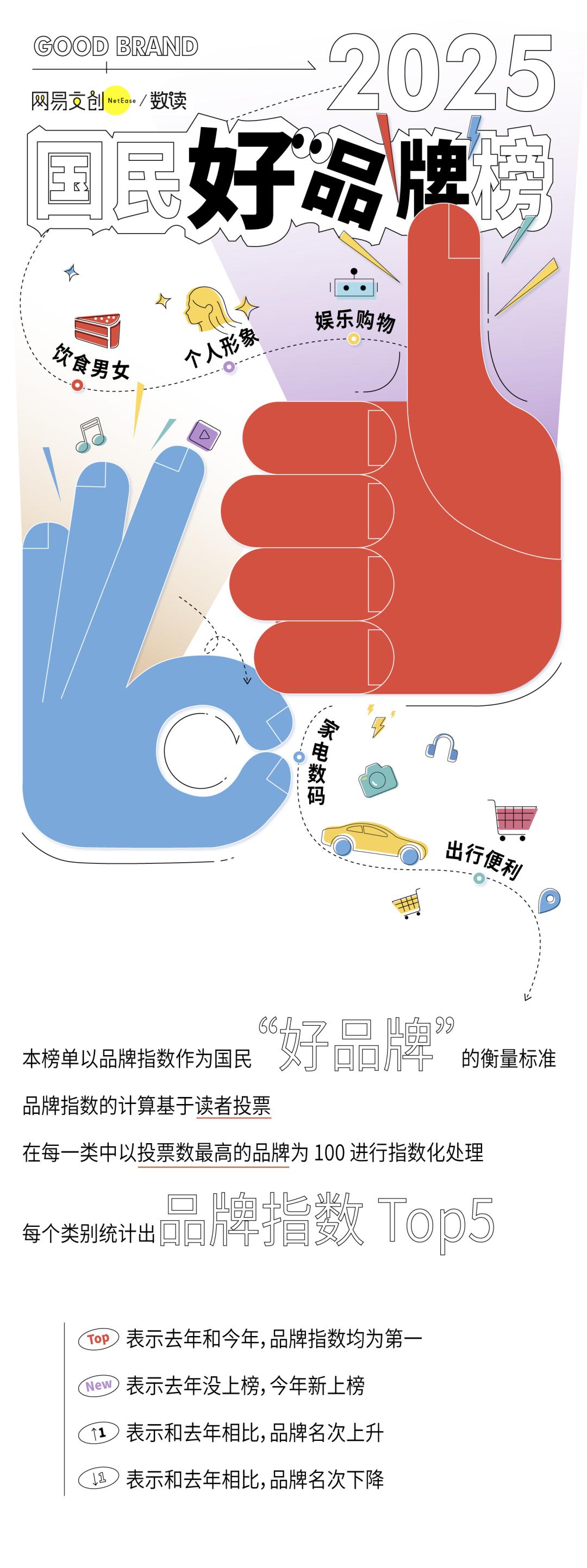
喜茶掉队、DeepSeek被它打败,2025年好品牌之争谁赢了
3 6 Ke· 2026-01-04 02:24
Group 1 - The brand index is used as a measurement standard for the public, calculated based on reader votes, with the highest voted brand in each category set to 100 for index processing [2] - The top five brands in various categories have been identified, with changes in rankings noted, including new entries and shifts in positions compared to the previous year [4][9] - The overall consumer sentiment indicates a cautious approach to spending, with a significant portion of respondents prioritizing product quality and reliability over brand loyalty [123][124] Group 2 - Heytea has fallen behind, with Guming Tea replacing it in the top five, and Guming Tea's store count reaching 11,179 with a net profit of 1.625 billion yuan, surpassing its total profit from the previous year [9] - Haidilao remains the top brand in the hot pot category, while KFC and McDonald's have swapped positions, with KFC slightly ahead [12] - The beverage market sees a return of Nongfu Spring to the top ranks, while Wahaha faces management turmoil, impacting its brand perception [15][17] Group 3 - In the beauty and personal care sector, Estee Lauder and L'Oreal dominate, with significant changes in rankings and the absence of local brands in the top positions [41] - Anta and Li Ning lead the sportswear category, with Li Ning rising to first place from fourth last year, while Adidas has returned to the rankings [45] - Douyin has surpassed Bilibili in the short video sector, with Douyin's daily active users reaching 600 million, while Bilibili has improved its profitability [55] Group 4 - The e-commerce landscape is evolving, with traditional platforms like JD, Meituan, and Taobao entering the instant retail competition, leading to significant financial investments in subsidies [73] - The AI app market is witnessing explosive growth, with ByteDance's products leading in active user numbers, indicating a shift towards AI-driven applications [80] - The adult product market is quietly rising, with brands like Durex and Okamoto leading the category [82] Group 5 - The home appliance market is characterized by intense competition, with Midea focusing on diversified business strategies, while Haier emphasizes high-end and localized operations [92] - Huawei continues to focus on the high-end market, with significant developments in its HarmonyOS ecosystem, while Apple faces challenges with its latest iPhone series [94][95] - The hotel industry is shifting towards new chain hotels, with traditional five-star hotels losing appeal as consumers seek more modern accommodations [116]

SEMICON Japan走访见闻
2025-12-22 15:47
SEMICON Japan 走访见闻 20251222 2026 年半导体行业迎来存储超级周期,DRAM 资本开支迅速增长超 20%,NAND 主要集中于升级投资,利好东京电子、Kokusai Electric 等企业。 先进工艺升级驱动后道设备需求,Advantest、Teradyne 等受益。3 纳米和 2 纳米工艺光刻强度提升,ASML 和 LaserTech 等公司有望受益。 日本企业预测 2026 年中国市场持平或微增,长存和长兴表现突出,未 来资本开支仍有上行空间。光纤光缆供应紧张,藤仓、住友电工和古河 电气产能全满。 英特尔 CEO 更换后股价上涨,可能通过先进封装技术或代工业务实现复 苏,现有产品竞争力或回升,投资者对此高度关注。 软银押注 OpenAI 存在争议,出售英伟达股票并承担高杠杆风险,投资 收益具有不确定性。WSTS 预测 2026 年全球半导体行业加速增长,总 规模接近 1 万亿美元。 中国企业市场份额不断提升,预计到 2026 年底市占率可能从 23%- 24%提高到 30%左右,显著高于东京电子等海外厂商的预期。 台积电 CoWoS 产能受限仍是全球 AI 发展的瓶颈之一,预 ...
初芯集团入主皮阿诺 三个月前曾收购韩国光刻胶龙头在中国十家工厂
Cai Fu Zai Xian· 2025-12-22 10:15
Group 1 - Japan has reportedly stopped exporting photoresists to China, impacting the semiconductor supply chain significantly [1] - Photoresists are crucial materials in semiconductor manufacturing, accounting for 12% of chip material costs [1] - Major Japanese companies like Canon, Nikon, and Mitsubishi are rumored to halt core photoresist supplies and maintenance of lithography machines [1] Group 2 - The global semiconductor photoresist market is highly concentrated, with Japanese companies dominating and accounting for 95% of the total supply [2] - China is shifting from a passive to an active approach in response to supply pressures, including acquiring South Korean photoresist leader Dongjin Semichem [2] - Dongjin Semichem has developed EUV photoresists and is positioned as a key player in breaking Japan's monopoly in this sector [3] Group 3 - Dongjin Semichem is selling ten factories in China for $260 million, which represents about 25% of its projected revenue and profit for 2024 [4] - Initial Group, the buyer, is a notable player in the semiconductor investment space, focusing on high-tech industries and has been active in the market since 2015 [4] - Initial Group's founder has been recognized as a leading investor in the semiconductor sector, indicating strong strategic positioning [4] Group 4 - Initial Group is also acquiring control of the listed company Pianuo, with plans to increase its stake to 29.99% [5] - The acquisition aligns with current trends in mergers and acquisitions in high-value technology sectors, supported by favorable policies [6] - The ongoing policy environment encourages technological advancements and ecosystem expansion in various industries [6]
据报道,中国利用较旧的ASML组件制造EUV原型机,Eyes 2028芯片制造
Xin Lang Cai Jing· 2025-12-19 15:22
Core Viewpoint - China is making unexpected progress in developing extreme ultraviolet (EUV) technology, with a prototype machine assembled using old ASML components, aiming to produce practical chips by 2028, although 2030 is seen as a more realistic target [2][4]. Group 1: Prototype Development - The prototype machine is expected to be completed by early 2025 and is currently undergoing testing, although it has not yet produced functional chips [2]. - The development of the prototype involved former ASML engineers who reverse-engineered the EUV equipment, highlighting the importance of their expertise in this project [3]. - The recruitment of these engineers was part of a talent acquisition initiative launched in 2019, offering substantial signing bonuses and housing subsidies [3]. Group 2: Role of Huawei - Huawei plays a central role in coordinating the EUV project, which is led by the Chinese government, involving a network of thousands of engineers from various enterprises and research institutions [4]. - Employees from Huawei have been deployed across different locations to support the project, often working under strict conditions due to the sensitive nature of the work [4]. Group 3: Technical Limitations - Despite the development of the EUV prototype, its technology is still significantly behind that of ASML, particularly in matching the ultra-precision optical systems produced by Western suppliers [5]. - The prototype is expected to utilize components subject to export restrictions from Japanese companies Nikon and Canon, further complicating its development [7].


日本公司,大幅降低芯片制造成本
半导体行业观察· 2025-12-10 01:50
Core Viewpoint - DNP has developed a technology that could reduce energy consumption in advanced semiconductor manufacturing by 90%, significantly lowering the production costs of AI chips [2]. Group 1: Technology Development - DNP plans to start mass production of a template material for manufacturing cutting-edge 1.4 nm chips by 2027 [2]. - The current manufacturing of such advanced chips requires EUV lithography equipment, which is exclusively produced by ASML Holding [2]. - Lithography processes account for 30% to 50% of the total cost of chip manufacturing, with smaller circuit sizes leading to increased power consumption [2]. Group 2: Market Dynamics - Canon has begun selling semiconductor lithography machines in 2023, which consume less power than EUV equipment, with an estimated price of several billion yen (approximately 6.4 million USD) [2]. - The introduction of nanoimprint lithography technology could face challenges in large-scale production due to the need for high economic efficiency [3]. - Major companies like Samsung and TSMC plan to start mass production of 1.4 nm chips in 2027 and 2028, respectively, and are interested in nanoimprint lithography technology [3]. Group 3: Industry Opportunities - If the nanoimprint market expands, it could create opportunities for material manufacturers like DNP [4]. - Fujifilm Holdings has announced plans to enter the market by producing materials for circuit formation on wafers [4]. - Canon is set to deliver its first nanoimprint lithography equipment to the Texas Instruments research institute in 2024 [4].