问界

Search documents
问界M9即将三登央视春晚 节目创意引发期待
Ge Long Hui· 2026-02-16 07:01
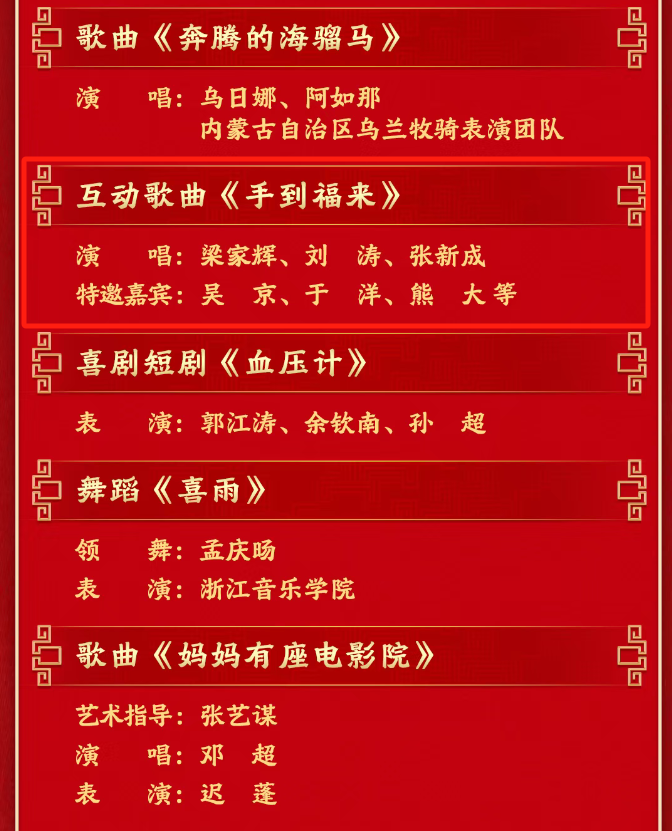
Group 1 - The core point of the article is the announcement of the program list for the CCTV Spring Festival Gala, highlighting the expected appearance of the AITO Wenjie M9 vehicle during the show [1] - AITO Wenjie has released a promotional poster titled "Hand to Fortune," indicating a high probability of the M9 being showcased in the "Hand to Fortune" segment of the gala [1] - The M9's previous performance at last year's Spring Festival Gala, featuring a memorable technology light show, has generated significant anticipation among viewers for its third consecutive appearance [1]

汽车行业周报:1月新能源车出口量同比翻倍,创历史同期新高
KAIYUAN SECURITIES· 2026-02-14 10:20
Investment Rating - The investment rating for the automotive industry is "Positive" (maintained) [2] Core Insights - In January 2026, China's new energy vehicle (NEV) exports doubled year-on-year, reaching a historical high for the month, with a growth rate of 103.6%. NEVs accounted for 49.6% of total exports, an increase of 12.5 percentage points year-on-year. BYD led the exports with nearly 100,000 units, while traditional automakers like Geely, Chery, and SAIC also saw over 200% growth in NEV exports [3][25][22]. Summary by Sections New Energy Vehicle Exports - In 2025, China's NEV exports grew by 70%, with plug-in hybrid vehicles (PHEVs) being the core growth driver. The growth rate for PHEVs was 127.5%, significantly higher than the 32.5% for pure electric vehicles (EVs) [14][15]. - January 2026 saw NEV exports reach 28.6 million units, with a year-on-year increase of 103.6%. BYD's exports approached 100,000 units, while Geely, Chery, and others also reported significant growth [25][27]. Industry News - The retail market for passenger vehicles in January 2026 was 1.544 million units, a decline of 13.9% year-on-year. February is expected to see the lowest sales of the year due to the impact of the Spring Festival [31]. - The Ministry of Industry and Information Technology is seeking public opinion on five mandatory national standards related to intelligent connected vehicles and autonomous driving systems [35]. Market Performance - The automotive sector outperformed the market, with the Shanghai and Shenzhen 300 index rising by 0.36% and the automotive sector increasing by 1.74%, ranking 9th among A-share industries [5][40]. - The passenger vehicle index rose by 1.21%, while the commercial vehicle index saw a significant increase of 6.28% [5]. Investment Recommendations - For passenger vehicles, the demand for high-end domestic luxury cars is exceeding expectations, with recommendations for companies like JAC Motors and Seres. Beneficiaries include Geely [6]. - In the auto parts sector, profitability is expected to improve, with recommendations for companies such as Desay SV and Zhejiang Xiantong, while beneficiaries include Weichai Power and Fuyao Glass [6].



BBA,不能再小步慢行了
3 6 Ke· 2026-02-13 01:41
Core Insights - The luxury car market in China is experiencing a significant contraction, affecting major players like Porsche, BMW, Mercedes-Benz, and Audi (collectively known as BBA) [1][3] - BBA's sales in China have declined sharply, with a total drop of approximately 260,000 units, representing a 12.3% decrease year-on-year [3][5] - The market dynamics are shifting, with domestic brands increasingly challenging BBA's dominance, leading to a re-evaluation of the luxury car segment [3][12] Group 1: Market Performance - In 2025, BBA's sales in China fell significantly, with Audi selling 1.623 million units (down 2.9%), Mercedes-Benz 2.16 million units (down 10%), and BMW 2.463 million units (up 0.5%) [5][6] - The decline in the Chinese market for BBA was more pronounced than the global average, indicating a critical shift in their traditional profit center [5][6] - The share of BBA in the Chinese luxury car market has decreased from 80% to around 50%, highlighting a significant loss of market dominance [8][12] Group 2: Structural Changes - The luxury car market is undergoing structural changes, with a notable shift towards lower-priced vehicles, as evidenced by the market share of models priced above 400,000 yuan dropping from 6.3% to 5.2% [12][14] - Consumer preferences are evolving, with a growing inclination towards value-oriented and technologically advanced vehicles from domestic brands, impacting BBA's sales [12][14] - The competitive landscape is intensifying, with new entrants and established domestic brands like BYD and NIO gaining traction in the luxury segment [12][14] Group 3: Strategic Responses - BMW's recent price cuts signal a shift in strategy, moving from maintaining brand premium to aggressively pursuing market share [17][19] - BBA is planning a series of new product launches in 2026, with Mercedes-Benz set to introduce over 15 new and updated models, while BMW aims to release more than 20 new vehicles [19][21] - The year 2026 is viewed as a critical period for BBA to regain market footing and respond to the evolving competitive landscape [21][22]
从《星光之夜》看问界M9重构高端汽车市场的价值新范式
Xin Lang Cai Jing· 2026-02-11 03:21
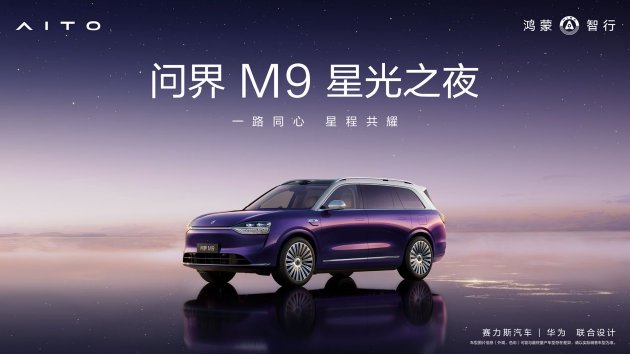
当汽车产业的智能化浪潮席卷全球,中国高端汽车市场正迎来一场前所未有的变革 —— 长期被外资品 牌垄断的价值格局被打破,本土品牌以科技为刃,开启了从 "追随者" 到 "定义者" 的跃迁。 2月9日,"问界M9星光之夜"如期启幕,马东、胡兵、刘谦、尚雯婕、洪灏、罗振宇、刘涛、张馨予等 多领域精英车主齐聚一堂,从伦敦时装周的国际秀场到珠峰脚下的险途,从无人区的卫星救援到小区门 口的生死避险,一个个鲜活的故事勾勒出高端智能汽车的消费新趋势。 27 万辆交付背后,高端市场的本土替代与价值重构 "问界M9星光之夜"的现场,没有喧嚣的营销宣讲,只有车主们的真诚分享 —— 胡兵带着问界 M9 登上 伦敦时装周的国际舞台,让中国科技成为世界焦点;所长 Wy 驾驶 M9 闯格聂、登珠峰,在险途中见证 中国智造的硬核实力;70 岁的罗忠俊与太太开着 M9 环游中国,用 4 万公里的行程打破年龄与距离的 边界。 这些来自时尚、财经、科技、演艺界的精英,以及热爱生活、勇于探索的普通车主,选择问界M9的背 后,是中国高端汽车市场消费逻辑的深刻变革,而 27 万辆的累计交付,正是这场变革最鲜活的注脚。 长期以来,50 万级以上高端汽车市场 ...
插混车型增程化行得通吗?
Zhong Guo Qi Che Bao Wang· 2026-02-11 02:01
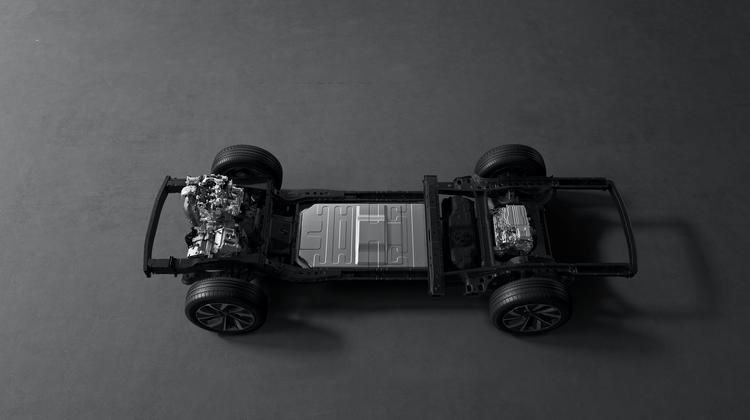
Core Viewpoint - The emergence of range-extended vehicles is becoming a significant trend in the automotive industry, with various manufacturers launching new models, leading to a blurring of lines between plug-in hybrids and range-extended vehicles [1][3]. Group 1: Market Trends - Numerous car manufacturers, including XPeng and Volkswagen, are introducing range-extended models, indicating a growing interest in this segment [1]. - The market is witnessing a convergence in product experience between plug-in hybrids and range-extended vehicles, driven by consumer preferences for electric driving experiences [3][5]. - The share of plug-in hybrid vehicles in the new energy vehicle market is approximately 30%, while range-extended vehicles account for less than 10% [6]. Group 2: Technical Differences - Plug-in hybrids combine electric and internal combustion engine (ICE) power, while range-extended vehicles use the ICE solely to generate electricity for the electric motor [3][9]. - The structural simplicity of range-extended vehicles allows for a more focused integration of smart cabin and comfort features, enhancing product appeal [7]. - Despite the convergence in user experience, fundamental differences in technology and cost structures remain between the two types of vehicles [9][10]. Group 3: Consumer Preferences - Range-extended vehicles are particularly successful in the mid-to-high-end market, addressing consumer concerns about range anxiety with extended driving ranges exceeding 1000 kilometers [7]. - The trend of "range extension" in plug-in hybrids is driven by both market demand and policy changes, such as increased electric range requirements for tax incentives [8]. - Consumers are encouraged to choose vehicles based on practical use cases rather than technical specifications, with range-extended vehicles being preferable for urban commuting and plug-in hybrids for long-distance travel [10].
2026格局与趋势 |(上):天黑请睁眼
3 6 Ke· 2026-02-10 01:20
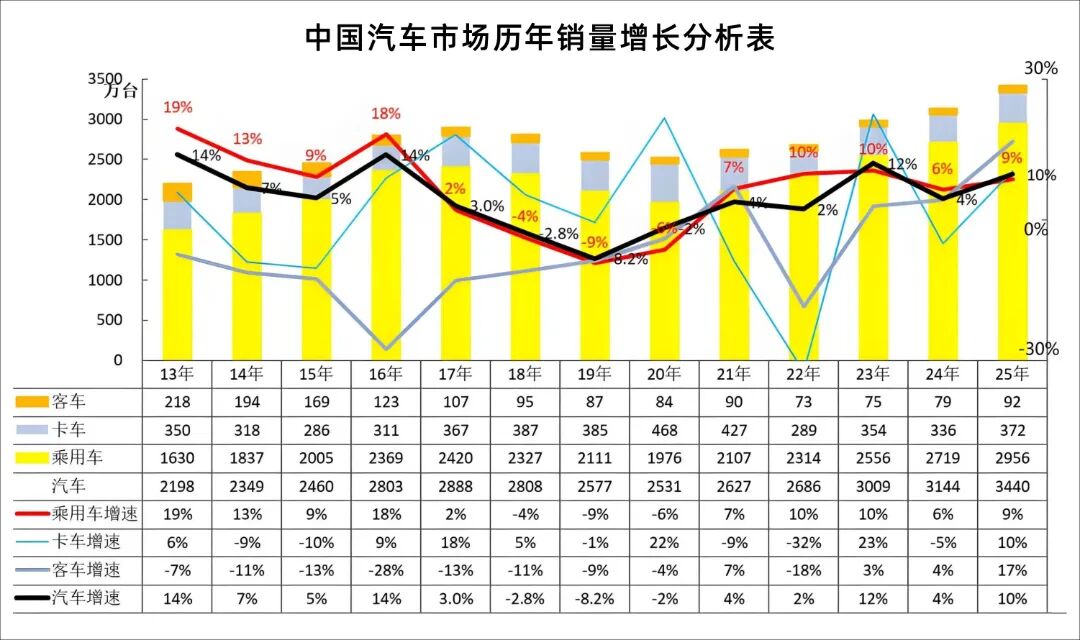
Core Viewpoint - The Chinese automotive market is facing significant challenges in 2026, with predictions of a decline in sales due to economic pressures and changing consumer behavior, despite some optimistic forecasts for growth in exports and specific segments like new energy vehicles [1][3][4]. Group 1: Market Trends and Predictions - In 2026, the overall automotive sales in China are expected to range between 34.5 million to 35 million units, with a potential decline in domestic retail sales by over 5% if no significant policy changes occur [3][7]. - January 2026 data shows a dramatic decline in retail sales, with a 28% year-on-year drop, indicating a challenging start to the year [6]. - Various institutions predict a range of outcomes for 2026, with the most pessimistic forecasts suggesting a 7% decline in sales, while the most optimistic predict only a 1% increase [4][7][8]. Group 2: Policy and Economic Influences - Key factors affecting the market include adjustments to subsidy policies for new energy vehicles, which have shifted from full exemptions to partial reductions, impacting consumer purchasing behavior [6][9]. - The decline in consumer confidence and shrinking middle-class income due to economic downturns are expected to further suppress automotive sales [6][9]. Group 3: Competitive Landscape - The automotive industry is experiencing intense competition, with a shift from price wars to a focus on technological advancements and value creation as companies seek to stabilize their market positions [12][16]. - Major players are adjusting their sales targets, with some aiming for significant growth while others adopt more conservative strategies in response to market conditions [18][19]. Group 4: Export Opportunities - Exports are projected to be a key growth area, with expectations of a 12-15% increase, potentially reaching 8 million units, which could help offset domestic market declines [22][26]. - The global supply chain dynamics are pushing Chinese automotive companies to enhance their international presence, with a focus on building global production and R&D capabilities [26][28]. Group 5: Segment-Specific Insights - The new energy vehicle segment is anticipated to grow, with retail sales expected to increase by 12-15%, driven by favorable policies for mid-range models [9][10]. - The large six-seat SUV market is projected to maintain strong growth, with expectations of a 30-50% increase in sales, despite overall market challenges [31][32].



OTA“暂停”一年,车企的饼画不下去了
汽车商业评论· 2026-02-09 23:05
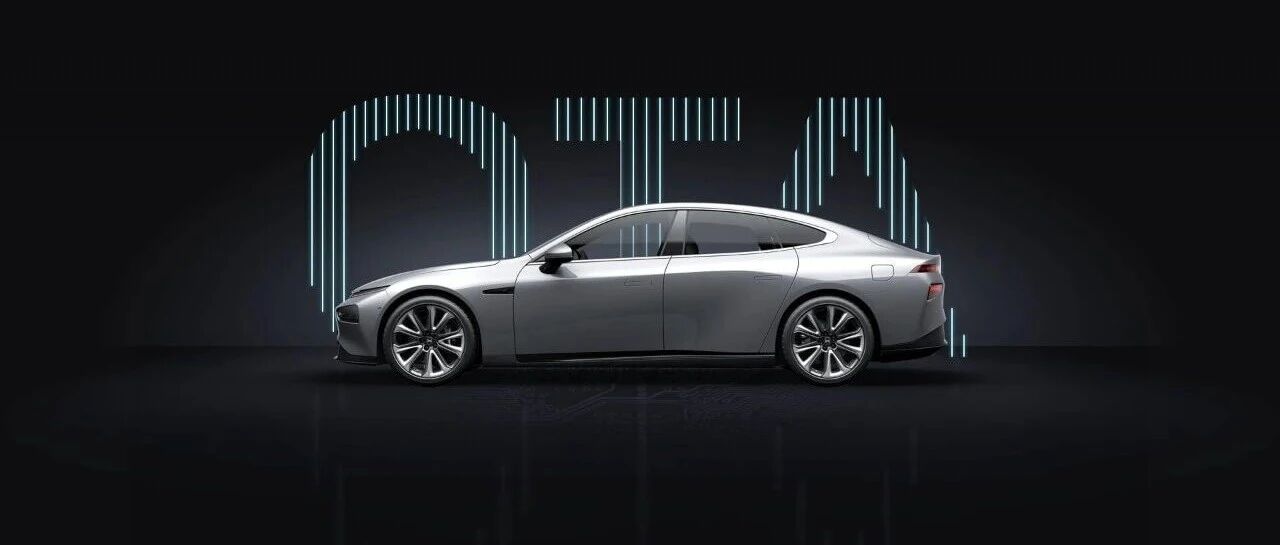
Core Insights - The article discusses the evolving landscape of Over-The-Air (OTA) updates in the automotive industry, highlighting a shift from rapid growth to a more regulated and structured approach due to increased government oversight [4][7][9]. Group 1: OTA Market Trends - In 2024, 92 brands are expected to conduct 751 OTA updates, while in 2025, the number of brands will decrease to 85, with 792 updates, indicating a consolidation in the market despite the rise of smart vehicles [4]. - The first half of 2025 is characterized as a policy adaptation period with low OTA activity, while the second half sees a surge, particularly in December, where 133 brands are active, marking the peak of the year [6][7]. - By 2025, domestic brands account for 78% of OTA activities, with an average of over 12 brands pushing updates monthly, reflecting a 50% year-on-year increase [10]. Group 2: Regulatory Impact - In 2025, multiple regulatory announcements from the Ministry of Industry and Information Technology and the State Administration for Market Regulation aim to standardize OTA updates, requiring companies to register their OTA activities and ensure compliance with national standards [9]. - The increased regulatory scrutiny has led to a temporary decline in OTA activity as companies focus on compliance restructuring and internal process adjustments [9][10]. Group 3: Technological Advancements - The article notes a significant increase in the number of AI-related features introduced via OTA, with 276 AI functionalities launched in 2025, indicating a shift towards more advanced user experiences [20]. - The growth in smart cockpit features outpaces that of smart driving, with a 39.3% increase in cockpit functionalities compared to a 10% increase in driving features, suggesting a focus on enhancing user interaction [18]. Group 4: Monetization of OTA - The trend of charging for OTA updates is emerging, with various brands introducing paid features, such as Tesla's subscription model for entertainment services, marking a shift from previously free offerings [26][31]. - By 2025, over 30 paid OTA features are reported, with hardware upgrades becoming a significant revenue source for companies [26][28]. Group 5: Future Outlook - Looking ahead to 2026, the article identifies three key trends: the drive for OTA technology innovation through large models, the integration of vehicles into a broader IoT ecosystem, and the evolution of vehicles into "intelligent agents" capable of continuous learning and adaptation [34][36]. - The competition will increasingly focus on the comprehensive capabilities of companies, including software lifecycle management, continuous delivery, and deep user insights [36].
低频的事故车维修缘何这么香?
Zhong Guo Qi Che Bao Wang· 2026-02-09 03:59
Core Viewpoint - The automotive dealership sector is increasingly entering the accident vehicle repair market, traditionally dominated by insurance companies, leading to heightened competition and new service offerings aimed at capturing market share [1][4]. Group 1: Market Dynamics - The accident vehicle repair market is driven by a large vehicle stock, millions of annual accidents, rising repair costs, and evolving automotive technology, with an estimated annual market value of 300 to 500 billion yuan [4]. - Accident vehicle repairs typically involve significant parts replacement and labor, with profit margins generally higher than routine maintenance, accounting for approximately 60% of after-sales profits [4]. - The relationship with insurance companies and the number of retained customers are crucial for profitability in the accident repair sector, as better relationships lead to more repair referrals [4]. Group 2: New Service Offerings - Zhongsheng Automotive has launched an "Accident Vehicle Differential Compensation" service, providing financial incentives for customers to replace vehicles at their dealerships after accidents [5]. - Other companies, including Wanjie, BYD, Xiaomi, and Zeekr, have introduced similar service packages with comparable conditions, emphasizing the need for customers to return to authorized centers for repairs [5][6]. - The introduction of these service packages is seen as a defensive strategy against insurance companies, aiming to reclaim control over repair flow and customer retention [6][10]. Group 3: Consumer Implications - The new service packages, akin to GAP insurance, provide additional financial protection for vehicle owners, particularly beneficial for high-end vehicle customers [7][8]. - While these packages offer immediate benefits to consumers, they may also limit consumer choice, as customers must return to authorized service centers to access the promised benefits [9]. - The potential for increased repair wait times and restrictive service terms may arise as consumers become more dependent on these packages [9]. Group 4: Future Trends - The competition in the accident vehicle repair market is expected to shift from price-based to data and standard-based competition, leading to a polarization where leading manufacturers dominate high-value repairs [10][11]. - Independent repair shops may struggle unless they develop specialized skills or strong community ties, potentially relegating them to lower-margin services [11]. - The trend towards "financialization" of services is anticipated, with standardized repair services evolving into financial products, and subscription-based repair services may emerge in the future [11].
蔚来实现单季盈利,1亿次换电达成!比亚迪发布新品牌“领汇”!多款新车登陆工信部!加拿大将大幅降低中国电动车关税!丨一周大事件
电动车公社· 2026-02-08 16:06
New Car Launches - The new BMW i5 was launched with a price range of 368,000 to 458,000 yuan, featuring upgrades in comfort and battery optimization for improved range [3][8] - The all-new Li Auto L9 was revealed, with the top version "Li L9 Livis" priced at 559,800 yuan, showcasing significant design and technology enhancements [9][11][13] - Chery's new QQ3 has opened for blind orders, featuring a compact design and advanced driver assistance systems [14][17][21] Company Developments - NIO achieved its first quarterly profit, projecting an operating profit of approximately 290 million to 1 billion yuan for Q4 2025, and reached a milestone of 100 million battery swaps [51][54] - BYD announced its fifth sub-brand "Linghui Auto," targeting the B-end market with customized vehicles [55][57] - SAIC-GM-Wuling reported global sales of 105,792 units in January [58] Battery Market Insights - CATL maintained a dominant market share of 39.2% in the global battery market, with a projected global installation volume of 464.7 GWh for 2025 [61][62] - Changan announced the upcoming mass production of the world's first sodium battery passenger vehicle, indicating advancements in battery technology [64][67] International News - Canada announced a significant reduction in import tariffs on Chinese electric vehicles from 106.1% to 6.1%, facilitating easier market access for Chinese automakers [68][71]



又一新能源车事故后打不开车门,车企紧急回应
第一财经· 2026-02-07 01:27
Core Viewpoint - The safety issue of car door handles has gained public attention following a recent accident involving the 2024 Dongfeng Yipai 007, where the hidden door handles failed to function during a fire emergency, raising concerns about escape risks in collision scenarios [3][4]. Group 1: Incident Overview - A video of the 2024 Dongfeng Yipai 007 accident went viral, showing the vehicle emitting smoke and later catching fire after a collision, with passengers struggling to escape due to the malfunctioning door handles [3]. - Dongfeng Yipai issued a statement acknowledging the incident, which occurred on March 19, 2025, and confirmed that the accident was caused by a high-speed collision with a truck [3]. Group 2: Safety Concerns - The inability to open hidden door handles during emergencies has been a recurring issue in recent traffic accidents, highlighting the potential risks associated with this design [4]. - The Ministry of Industry and Information Technology has developed a mandatory national standard, GB 48001-2026, which will take effect on January 1, 2027, addressing safety requirements for car door handles [4]. Group 3: New Standards - The new standard mandates that each car door must be equipped with a mechanical release for the outer door handle, ensuring that doors can be opened in emergencies, such as battery thermal runaway [5]. - Each door must also have at least one mechanical release inner handle that operates independently, with specific placement and visibility requirements to facilitate emergency access [5][6]. - The standard specifies that the inner handle must be clearly marked with identifiable symbols and instructions, ensuring visibility and ease of use in low-light conditions [6].