
52TOYS

Search documents
52TOYS上推出马年限定系列产品
Bei Jing Shang Bao· 2026-01-19 12:06
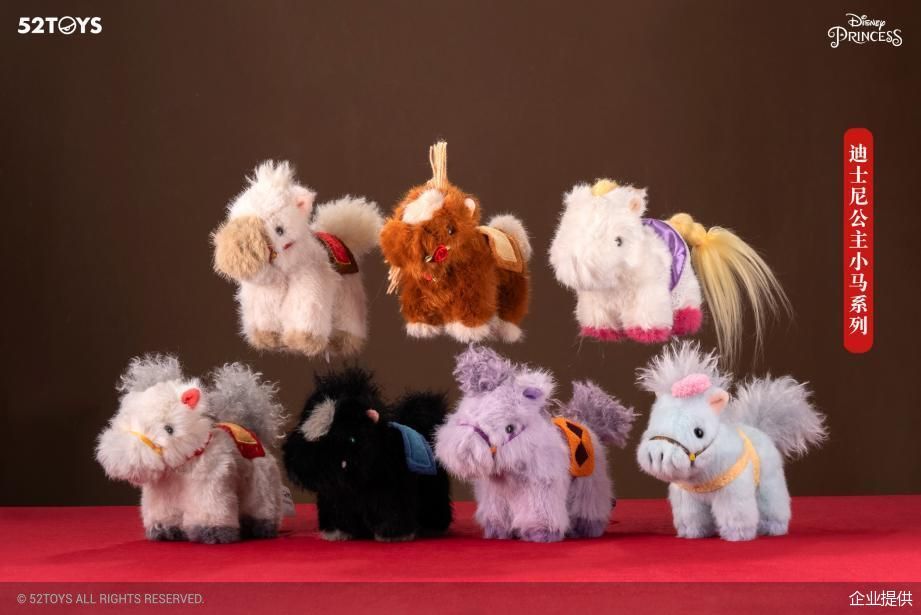
Group 1 - 52TOYS launched a limited edition product series for the Year of the Horse, featuring diverse styles, innovative designs, and engaging gameplay to enhance the festive spirit for consumers [1] - The Disney Princess Pony series incorporates surprise elements of blind boxes with the comforting texture of plush accessories, aligning perfectly with the Year of the Horse theme [3] - The Super Activation God Blessing series plush accessories are designed based on core Chinese deities, modernizing their images with a cute Q-version style, including figures like Wenchang Dijun and Guan Yu [5] Group 2 - There is a growing market preference for products that embody Chinese cultural identity, with 52TOYS leveraging its mature product categories to infuse Chinese cultural essence and creative inspiration [6] - Collaborations with cultural institutions, such as the National Museum's creative brand, have led to innovative products like the "Cultural Relics Walk Two Steps" series, which brings historical artifacts to life through modern interpretations [6] - The Sci-Fi IP Beast Box's "Qinglong and Baihu Set" showcases classic figures from Chinese traditional culture in a transforming mech toy format, enhancing player engagement with traditional culture [6]

9.9卖盲盒,5000万买IP:桑尼森迪的港股IPO成色几何
Sou Hu Cai Jing· 2026-01-19 08:12
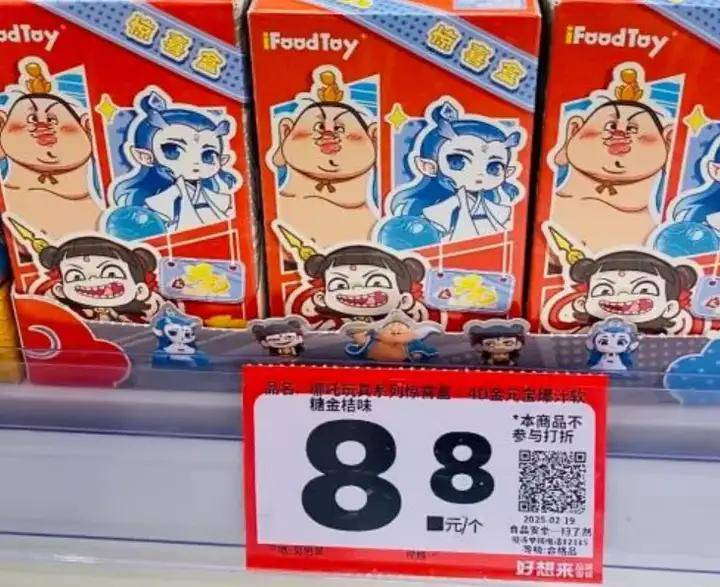
Core Viewpoint - The company, Sannisen Di, has successfully entered the Hong Kong stock market with its affordable IP toys, leveraging the popularity of the "Nezha" franchise, but faces challenges due to high IP costs and reliance on single-hit products [1][3][36] Financial Performance - In the first three quarters of 2025, Sannisen Di reported revenue of 386.49 million yuan, significantly surpassing the total revenue of 245 million yuan for 2024 [5][6] - The company's net profit reached over 50 million yuan in the first three quarters of 2025, a turnaround from a loss of over 19 million yuan in the same period of 2023 [9] - The gross profit margin increased from 16.9% in 2023 to 35.3% in the first three quarters of 2025, nearly doubling due to scale effects and supply chain optimization [10] Product Strategy - Sannisen Di focuses on affordable toys priced around 9.9 yuan, targeting lower-tier markets and price-sensitive consumers, differentiating itself from mid-to-high-end brands like Pop Mart [13][15] - The company has expanded its product distribution to 32,000 retail points across China, primarily in regional supermarkets and community toy stores, enhancing accessibility to a broader consumer base [15] IP Dependency and Costs - The revenue from IP toys, particularly from "Nezha 2," accounted for approximately 50.8% of total revenue, contributing around 196 million yuan [6][18] - The cost of IP licensing surged from over 6 million yuan in 2023 to over 50 million yuan in the first three quarters of 2025, becoming a significant operational expense [18][20] Market Competition - The toy industry is experiencing intense competition, with multiple companies, including 52TOYS and TOPTOY, also seeking IPOs, which may dilute Sannisen Di's market position [31][32] - Sannisen Di's reliance on non-exclusive IP licenses poses a risk, as competitors can produce similar products, potentially impacting long-term revenue stability [23] Strategic Challenges - The company faces a strategic dilemma between maintaining its low-cost model and pursuing brand upgrades, which may require significant investment and could alienate existing customers [35][36] - Sannisen Di's product line remains relatively narrow, primarily focusing on plastic figures and blind boxes, which may limit its competitiveness against rivals offering a broader range of products [28] Future Outlook - The company plans to use IPO proceeds to enhance product competitiveness, increase IP acquisitions, and expand sales channels, aiming to convert short-term gains into long-term brand equity [36]
“哭哭马”,戳中了“打工人”什么?
3 6 Ke· 2026-01-15 03:46
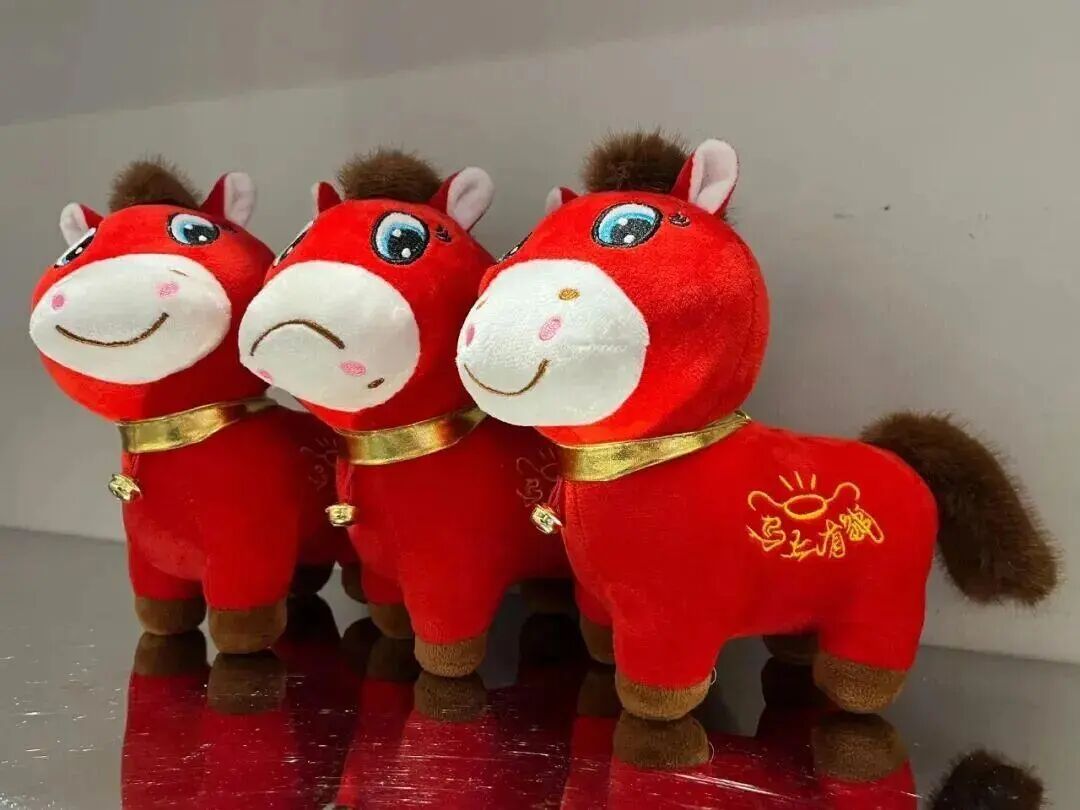
Core Insights - The "Crying Horse" toy, initially considered a defective product, has gained popularity among consumers, highlighting a shift in consumer behavior towards "interest consumption" where emotional value and personal resonance take precedence over traditional product quality [1][2] Group 1: Consumer Behavior Changes - Consumers are moving from a focus on "perfect products" to accepting "real expressions," valuing authenticity and emotional connection over traditional aesthetics [2][3] - The rise of products like "Crying Horse" reflects a broader trend where consumers seek items that resonate with their emotions and personal experiences, rather than just functionality [2][6] - This shift indicates a fatigue with uniformity in product design, leading consumers to embrace imperfections and unique expressions [2][7] Group 2: Market Trends in Toy Industry - The toy industry, particularly in the collectible segment, is witnessing a structural trend where brands are moving away from traditional aesthetics to embrace unique and sometimes "ugly" designs that resonate with younger consumers [3][6] - Brands like Pop Mart and 52TOYS are successfully creating characters that reflect diverse emotional states and personal experiences, allowing consumers to find connection and representation in their products [6][7] - The success of these brands is attributed to their ability to infuse personality, emotion, and storytelling into their products, transforming them from mere items into long-term value propositions [7][9] Group 3: Supply Chain and Production Dynamics - The ability of companies to quickly adapt production based on real-time consumer feedback is becoming crucial, as seen in the case of "Crying Horse," where rapid adjustments led to successful sales conversion [9][10] - The trend towards flexible manufacturing and small-batch production allows companies to respond swiftly to market changes, enhancing efficiency and reducing risk [9][10] - This flexibility is essential in a fragmented market where consumer preferences can shift rapidly, making it vital for brands to capture trends and adjust supply accordingly [9][10] Group 4: Implications for Brands and Retailers - Brands must evolve their product design, marketing strategies, and distribution channels to align with the growing consumer demand for emotional resonance and meaningful experiences [10][11] - Understanding the aesthetic language of younger consumers and establishing emotional connections are becoming key competitive advantages in the market [11]
从资本狂欢到全球市场,潮玩在上升期混战
3 6 Ke· 2026-01-15 00:22
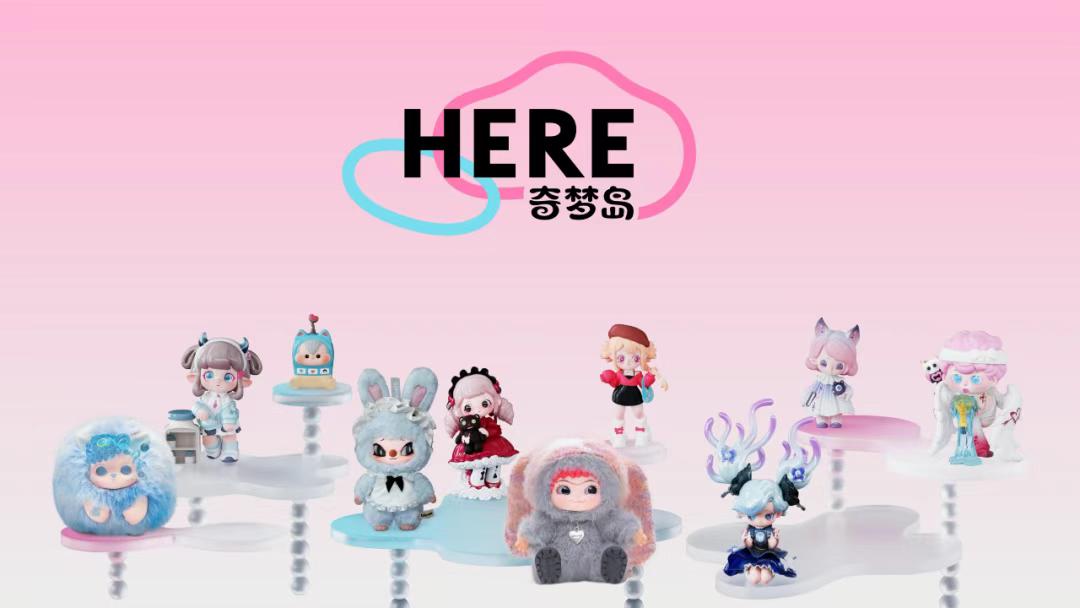
Core Insights - The潮玩 industry is experiencing a significant surge in 2025, marked by a variety of capital events and a shift towards mainstream visibility, with over 32,000 related companies registered in China by early 2026, including over 9,000 new registrations in the past year [2][3][25] - The market is characterized by high-density competition, with established brands like Pop Mart seeing explosive growth, including a 200% increase in revenue in the first half of the year and an 11-fold increase in the Americas [2][3][25] - New players are entering the market with diverse backgrounds and strategies, leading to a more fragmented competitive landscape [3][4] Industry Dynamics - The潮玩 market is transitioning to a more diversified participant structure, with new entrants leveraging celebrity resources and marketing strategies to gain traction [4][6] - Companies like Quantum Song have shifted focus from education to潮玩, indicating a trend of capital restructuring and strategic pivots within the industry [4][6] - The emergence of AI潮玩 and interactive toys is expanding the product offerings beyond static collectibles, with over 30 public financing events in the AI toy sector in the past year [10] Capital and Investment Trends - The潮玩 industry is witnessing a surge in investment, with nearly 20 financing events throughout the year, indicating strong investor interest in high-growth潮玩 brands [7][8] - Major companies are increasingly investing in潮玩 brands to enhance their IP portfolios, with significant investments from firms like Wanda and Tencent [7][12] - The competition for IP is intensifying, with companies like Pop Mart actively seeking new growth points and diversifying their IP offerings [11][12] Marketing and Consumer Engagement - Star marketing and emotional resonance are becoming key strategies for潮玩 brands to enhance marketing efficiency and consumer engagement [7][8][11] - Brands are utilizing various channels, including social media and e-commerce platforms, to maximize their reach and sales, with companies like AYOR TOYS achieving significant revenue through targeted online strategies [20][21] - The trend of celebrity endorsements is prevalent, with brands like TNT潮玩 and HEYONE leveraging star power to boost sales [7][8] Global Expansion - The潮玩 industry is increasingly looking towards global markets, with companies like Pop Mart reporting a fourfold increase in overseas revenue, particularly in the Americas [22][24] - New entrants are also targeting international markets from the outset, bypassing domestic competition to capture untapped consumer segments [24][25] - The global expansion strategy is becoming a core growth driver for潮玩 companies, with a focus on leveraging established supply chains and IP systems [22][24] Competitive Landscape - The潮玩 market is evolving into a more complex ecosystem, with companies adopting varied operational strategies based on their unique resources and market positioning [15][18] - Brands are exploring different paths, such as Pop Mart's differentiated IP management and TNT潮玩's large blind box concept, to maintain competitive advantages [15][17] - The market is witnessing a shift towards more refined operations, with companies focusing on supply chain efficiencies and consumer feedback to optimize their offerings [18][20]
2025年第53周:服装行业周度市场观察
艾瑞咨询· 2026-01-14 00:06
Industry Environment - The domestic mid-to-high-end women's clothing market is witnessing the emergence of new brands that attract high-net-worth customers through differentiated positioning and high-quality materials [2] - Brands like AWPROJECT and CHICJOC are expanding rapidly, with AWPROJECT focusing on urban women and CHICJOC implementing a "luxury alternative" strategy to achieve high repurchase rates [2] - International brands such as AnnAndelman are accelerating their presence in the Chinese market, leveraging unique designs and online-offline integration to drive market reshuffling [2] Outdoor Lifestyle Migration - Over 500 million participants are engaged in outdoor sports in China, with a shift in consumer logic towards multi-scenario adaptability, sustainability, and emotional value [3] - The outdoor apparel market is growing at an annual rate of 49%, with consumers prioritizing durability, environmental friendliness, and multifunctionality [3] - Future trends include the proliferation of smart equipment, community integration, and the "no-trace outdoor" concept, driving professional development in the industry [3] Fast Fashion Trends - The fast fashion industry is undergoing significant changes by 2025, characterized by three main trends: premiumization, acceleration, and technology-driven innovation [5] - International brands like Uniqlo and H&M are entering the high-end market through price increases and collaborations, while local brands are expanding overseas [5] - The integration of online and offline channels is deepening, with brands utilizing AI technology in design, warehousing, and marketing to enhance efficiency [5] Luxury Goods Market - The luxury goods sector is experiencing a "store opening wave," with brands like CHANEL and Louis Vuitton opening new stores in China, indicating signs of recovery [7] - The Asia-Pacific market, particularly China, is a key growth driver, while the Japanese market shows mixed performance due to currency and tourism impacts [7] - Brands are focusing on core markets and accelerating localization marketing to strengthen cultural resonance [7] Consumer Behavior Shifts - Consumers are increasingly prioritizing functionality and brand trust over mere trends, as evidenced by the popularity of high-value down jackets [4] - The success of Sam's Club's down jackets reflects a new rational consumption trend where consumers value core needs like warmth and cost-effectiveness [4] - The shift in women's shopping behavior towards men's and children's clothing highlights a growing demand for quality and practicality over traditional fashion norms [13] Jewelry Market Trends - The jewelry market is witnessing a resurgence of retro styles, with a focus on emotional resonance and personalized design appealing to younger consumers [14] - The global jewelry market is expected to grow, with the U.S. and U.K. projected annual growth rates of 1.78% and 3.35%, respectively [14] - The industry is transitioning from "material consumption" to "spiritual consumption," emphasizing the balance between craftsmanship and emotional needs [15] Brand Dynamics - The luxury e-commerce platform Mile has acquired the bankrupt fashion retailer Matches, aiming to reshape luxury retail with a new business model [24] - Scottish luxury cashmere brand Begg x Co is expanding into the Chinese market through a strategic partnership with Meizui, launching its official Tmall flagship store [25] - Sequoia China has acquired a controlling stake in the fashion brand Golden Goose, aiming to support its global expansion and strengthen its market position [26]


潮玩赛道资本涌动 上市公司多元化布局“抢地盘”
Zheng Quan Shi Bao· 2026-01-07 22:20
Core Insights - The潮玩 (trendy toys) industry is experiencing significant growth and investment, with 2025 being a pivotal year for its expansion and market penetration [2][6] - Companies are increasingly recognizing the potential of潮玩 as a long-term strategic focus, rather than a temporary trend [1][4] Investment Trends - In 2025, over 15 significant financing activities occurred in the潮玩 sector, marking a notable increase compared to 2022 and 2023, with many cases exceeding 100 million yuan [2][3] - Notable investments include元气玛特's nearly 100 million yuan C-round financing in January and闪魂's several million yuan first-round financing in August [2][3] Company Strategies - Companies like恺英网络 are leveraging their technological expertise to enter the潮玩 market, viewing it as a strategic extension of their existing capabilities [4][5] - The潮玩 brand "暖星谷梦游记" is positioned as a key element in恺英网络's "AI + IP" strategy, aiming to integrate characters into users' lives [5] Market Dynamics - The潮玩 market is driven by strong emotional consumer demand, particularly among younger audiences, which is seen as a significant growth opportunity [6][7] - Companies are exploring various channels for潮玩 distribution, including self-built teams, partnerships, and retail expansions [5][8] Competitive Landscape - The entry of listed companies into the潮玩 sector is increasing, with firms like万达电影 and元隆雅图 actively investing and developing潮玩 products to enhance their market presence [3][8] - The潮玩 industry is characterized by high growth rates, with泡泡玛特 reporting a revenue increase of 245% to 250% year-on-year in Q3 2025, and overseas market revenue growth reaching 365% to 370% [7] Future Outlook - The潮玩 sector is viewed as a "super track" with immense market potential, attracting significant interest from venture capital and established companies alike [7][8] - The integration of潮玩 with existing business models is expected to create synergies and enhance overall market competitiveness [6][8]
动画电影 VS AI漫剧,产业范式转换进行时
3 6 Ke· 2026-01-06 05:03
Core Insights - The animation industry is experiencing a dichotomy of success and challenges, characterized by explosive growth in animation films and AI-driven content, while traditional television animation faces procurement cuts and market pressures [1][2][3][4]. Group 1: Animation Film Success - The year 2025 is pivotal for the Chinese animation film industry, with significant box office achievements, including "Nezha: Birth of the Demon Child" grossing 15.44 billion, marking a new era for animated films [6][8]. - Six animated films made it to the top 20 box office list, showcasing a diverse range of styles and themes, indicating a robust market for high-quality animated content [6][10]. - The success of animated films is attributed to their established IPs, which provide a lower risk for studios in a challenging market environment, contrasting with the struggles faced by live-action films [10][11]. Group 2: Challenges in Television Animation - The television animation sector is facing a downturn, with platforms reducing procurement budgets, forcing traditional animation companies to either focus on high-quality productions or expand internationally [2][11]. - Companies are adapting by reducing production volumes while enhancing content quality, with a shift towards creating fewer but more impactful animated series [11][13]. - The market is witnessing a trend towards "premiumization" and "long-running series," as companies aim to cater to changing viewer habits and preferences [15][16]. Group 3: AI-Driven Content Growth - AI-driven animation, particularly AI manga series, is experiencing explosive growth, with a reported 83% month-over-month increase in supply and a projected market size exceeding 20 billion in 2025 [22][24]. - Traditional animation companies are cautiously exploring AI technologies, with some planning to integrate AI into their production processes while maintaining a focus on quality [24][27]. - The cost of producing AI-driven content is significantly lower than traditional animation, making it an attractive option for studios looking to innovate [23][24]. Group 4: Emotional Value and IP Derivatives - The emotional connection consumers have with IP derivatives is becoming increasingly important, with products like plush toys and collectibles gaining popularity among younger audiences [16][19]. - Companies are recognizing the need to develop derivatives that resonate emotionally with consumers, leading to higher price points and increased sales [19][21]. - The success of IP derivatives is closely tied to the quality of the underlying content, with companies focusing on understanding consumer desires to create appealing products [21][22].
卡游港交所上市二度遭拒,对赌期限还剩7个月将何去何从?
Sou Hu Cai Jing· 2026-01-05 03:41
Core Viewpoint - The company, 卡游, faces significant challenges in its pursuit of a second IPO, having failed twice within six months, raising concerns about its business model and regulatory compliance [2][4][11]. Financial Performance - 卡游 reported a revenue of 10.057 billion yuan in 2024, with a gross margin of 71.3%, dominating 71.1% of the collectible card market in China [2][4]. - The company has a high dependency on its core consumer group, with 90% of its customers under 15 years old, leading to concerns about sustainability and ethical practices [5][7]. Business Model and Regulatory Issues - The business model heavily relies on minors, with 43.2 billion card packs sold in 2024 primarily to elementary school students, raising ethical and regulatory concerns [5][12]. - Complaints about minors' irrational spending have surged, with over 60,000 complaints on consumer platforms regarding excessive spending on cards [5][12]. - Regulatory scrutiny has intensified, with the company facing challenges in complying with guidelines that restrict minors from purchasing blind boxes independently [5][12]. IP Dependency and Risks - 卡游's revenue is heavily reliant on licensed IPs, with 86% of its income coming from IPs, particularly 73% from the Ultraman franchise, while its own IPs account for less than 3% [8][14]. - The expiration of 38 IP licenses in 2025 and 39 in 2026 poses a significant risk to future revenue, as increased licensing fees or termination of contracts could severely impact the business [8][14]. Governance and Management Concerns - The company reported a net loss of 1.242 billion yuan in 2024, primarily due to high share-based payment expenses, raising concerns about governance and the founder's compensation practices [9][14]. - The founder's significant control over the company, with over 85% family ownership, raises questions about the protection of minority shareholders' interests [9][14]. Industry Environment and Competition - The tightening regulatory environment and increased competition from companies like 泡泡玛特 and 52TOYS are further squeezing 卡游's market position [13][14]. - The overall collectible card industry is undergoing a regulatory reshuffle, with new restrictions on marketing and sales practices, directly impacting 卡游's revenue model [11][12]. Future Outlook - The impending deadline for the company's performance under the investment agreement adds pressure, as it must either pivot its business model or face significant financial penalties [2][18]. - The company's current trajectory suggests a lack of readiness for necessary transformation, with a focus on expansion rather than addressing core issues [18][19].

全球潮玩进化论:在不同坐标里,拆开相似的快乐
Sou Hu Cai Jing· 2026-01-04 07:16
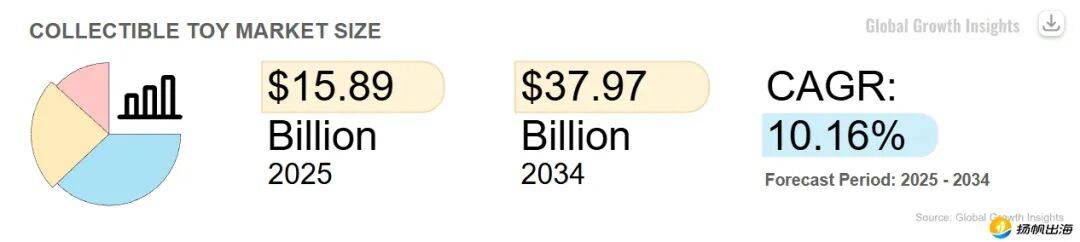
Core Insights - The toy market is experiencing significant growth, particularly in collectible toys, with the global market expected to reach approximately $15.89 billion in 2025 and grow to $37.97 billion by 2034, reflecting a compound annual growth rate (CAGR) of about 10.16% from 2025 to 2034 [1][3] - The trend of adult consumers collecting trendy toys is becoming mainstream, with emotional expression and personal interests driving this consumption shift [3][4] - The U.S. toy market is witnessing structural changes, with adult consumers aged 18 and above increasing their spending by approximately 12% year-on-year in Q1 2025, reaching about $1.8 billion [4] Market Trends - The collectible toy segment, particularly trendy toys, has gained a significant share of over 36% in global consumer preferences, with around 40% of buyers prioritizing limited edition items [1][3] - Emotional support toys are becoming popular, with social media platforms like TikTok showcasing their role in emotional well-being, leading to increased consumer discussions and purchases [3][4] - In the U.S., the toy industry saw a 7% year-on-year sales increase in the first three quarters of 2025, driven by adult consumers and collectible toys [4] Brand Strategies - Brands like Relatable are capitalizing on the emotional support trend by creating products that resonate with consumers' emotional needs, such as the "Emotional Support Pals" series [6][9] - Established IPs are crucial for driving toy sales, as they lower consumer decision-making costs and facilitate long-term purchasing choices [10] - Chinese brand Pop Mart reported a revenue of approximately 13.88 billion RMB in the first half of 2025, a 204.4% increase year-on-year, with significant growth in overseas markets [17][19] Regional Insights - The French toy market reached a total sales volume of 4.3 billion euros in 2024, with around 5 million active collectors spending an average of over 500 euros annually [12] - In Germany, popular brands include LEGO and Playmobil, reflecting consumer preferences for familiarity and quality [14] - The UK toy market saw a sales increase of over 1 billion pounds in the first half of 2025, with licensed toys related to movies and TV shows growing at nearly double the rate of other toys [14] Global Expansion - Chinese brands are increasingly entering the global toy market, with Pop Mart leading the way through social media and limited edition strategies [17][19] - 52TOYS is adopting a dual approach of self-owned and licensed IPs, achieving rapid growth with overseas revenue exceeding 1.47 billion RMB [21] - TOPTOY is exploring overseas markets by leveraging existing channels and localizing production, showing a flexible approach to international retail [23]

你好!港股
Guo Ji Jin Rong Bao· 2026-01-03 07:28
Core Insights - The Hong Kong stock market is experiencing a significant resurgence in 2025, with 114 new IPOs and a total fundraising amount of 286.3 billion HKD, marking a 63% increase in new listings and over 200% growth in fundraising compared to 2024, reclaiming the top position in global IPOs after four years [1][3][26] IPO Market Performance - The year 2025 saw a total of 114 new stocks listed on the Hong Kong Stock Exchange, a substantial increase from 70 in 2024 [1][3] - The total fundraising amount reached 286.3 billion HKD, representing a growth of over 200% year-on-year [1][3] - Eight new stocks raised over 10 billion HKD each, with Ningde Times raising 41 billion HKD, becoming the second-largest IPO globally [3] New Stock Subscription Records - The market witnessed record-breaking subscription rates, with Jin Ye International Group achieving a subscription multiple of 11,465 times, the highest in Hong Kong's history [4] - The IPO of Mixue Group saw a frozen capital scale of 1.84 trillion HKD, making it the "frozen capital king" of Hong Kong IPOs [4] - The IPO failure rate dropped to 28.83%, the lowest in five years, indicating a strong market sentiment [4] Company Listings and Trends - The new listings in 2025 can be categorized into three tiers: new consumer brands, A+H listed companies, and resilient companies transitioning from A-share failures [5][6][8] - New consumer brands like Mixue Group and Lin Qingxuan have shown strong market performance, with Mixue Group's market value reaching 109.3 billion HKD [7][8] - A+H listed companies contributed significantly to the IPO recovery, with 19 such companies raising about 50% of the total fundraising [8] Market Dynamics and Future Outlook - The IPO market is expected to remain active in 2026, with over 300 applications pending, predicting around 160 new listings and a total fundraising of at least 300 billion HKD [15][18] - The influx of southbound capital and selective foreign investment is reshaping the market structure, with domestic investors gaining significant pricing power [22][24] - The trend of A-share companies seeking dual listings in Hong Kong is likely to continue, supported by favorable policies encouraging domestic companies to list abroad [17][18] Capital Market Evolution - The capital market is witnessing a shift in funding structure, with southbound capital net purchases reaching nearly 1.41 trillion HKD, a record high [22] - The integration of companies into the Hong Kong Stock Connect is enhancing liquidity and valuation, creating a positive cycle for listed firms [22][24] - Companies are increasingly focusing on operational efficiency and sustainable growth to attract capital, moving away from mere storytelling [20][21]




