
华熙生物

Search documents
化妆品医美行业周报:林清轩本周港股IPO,领跑国货高端精华油赛道-20251228
Shenwan Hongyuan Securities· 2025-12-28 13:13
Investment Rating - The report maintains a "Positive" outlook on the cosmetics and medical beauty industry [2]. Core Insights - The cosmetics and medical beauty sector underperformed the market, with the Shenwan Beauty Care Index declining by 1.1% from December 19 to December 26, 2025, which is weaker than the market performance [4][5]. - Lin Qingxuan is set to lead the high-end domestic essence oil sector with its upcoming IPO on December 30, 2025, planning to issue 13.9665 million H shares. The company has shown significant growth, with revenue projected to increase from 690 million yuan in 2022 to 1.21 billion yuan in 2024, representing a compound annual growth rate (CAGR) of 32.7% [4][10]. - The report highlights the strong performance of Yiwang Yichuang (300792SZ) in the e-commerce agency sector, leveraging AI to enhance operational efficiency and revenue potential [11][12]. Summary by Sections Industry Performance - The cosmetics and medical beauty sector's performance was weaker than the market, with specific indices showing declines: the Shenwan Cosmetics Index fell by 1.3%, and the Shenwan Personal Care Index decreased by 1.0% [4][5]. Key Company Developments - Lin Qingxuan's IPO is anticipated to bolster its market position, with a focus on high-end skincare products. The company has achieved a market share of 1.4% in the high-end skincare segment and ranks 10th in the anti-wrinkle product market with a 2.2% share [10]. - Yiwang Yichuang's business model is robust, with a comprehensive coverage of consumer goods categories and deep collaboration with Alibaba, positioning it well for future growth [11][12]. Market Trends - The report notes a recovery in the e-commerce agency sector, driven by increased demand for brand representation on platforms like Alibaba, with a notable rebound in traffic [12][13]. - The overall retail sales of cosmetics in China showed a growth of 4.8% year-on-year for the first 11 months of 2025, with November alone seeing a 6.1% increase, aided by promotional events [18][20]. Regulatory and Product Innovations - Jiangsu Chuangjian Medical Technology's collagen implant product received approval from NMPA, indicating ongoing innovation in the medical beauty sector [22]. - The report also mentions the investment by L'Oréal in a Chinese pharmaceutical company, marking a significant move into the skin health sector [25].
商贸零售行业周报:潮宏基多渠道高效推新,毛戈平推出高端冻龄系列-20251228
KAIYUAN SECURITIES· 2025-12-28 02:41
Investment Rating - The industry investment rating is "Positive" (maintained) [1] Core Views - The retail industry is experiencing a transformation with a focus on emotional consumption and innovative product offerings, particularly in the jewelry and cosmetics sectors [6][33] - Companies like潮宏基 and毛戈平 are leveraging multi-channel strategies to enhance brand visibility and product sales, indicating a strong market presence [26][31] Summary by Sections Retail Market Overview - The retail index closed at 2462.73 points, with a weekly increase of 0.16%, underperforming the Shanghai Composite Index, which rose by 1.88% [5][15] - The retail sector has seen a year-to-date increase of 10.00%, lagging behind the Shanghai Composite Index's 18.26% rise [15][19] Company Highlights - **潮宏基**: Achieved a revenue of 62.37 billion yuan in the first three quarters of 2025, up 28.4% year-on-year, with a net profit of 3.17 billion yuan, reflecting a 0.3% increase [42] - **毛戈平**: Launched the "琉光赋活" skincare series, set to debut on January 1, 2026, focusing on high-end skincare needs [31] - **周大福**: Reported a revenue of 389.86 billion HKD for FY2026H1, a slight decrease of 1.1%, but with a net profit increase of 0.1% [39] Investment Themes - **Gold and Jewelry**: Focus on brands with differentiated product offerings and consumer insights, recommending潮宏基 and老铺黄金 as key players [6][33] - **Offline Retail**: Emphasis on companies adapting to market changes, with recommendations for永辉超市 and爱婴室 [6][33] - **Cosmetics**: Highlighting brands that innovate with emotional value and safe ingredients, recommending毛戈平 and珀莱雅 [6][34] - **Medical Aesthetics**: Targeting differentiated product manufacturers and expanding medical aesthetic chains, with recommendations for爱美客 and科笛-B [6][34]


业绩滑坡、纷争升级……医美上游企业告别“野蛮生长”态势,行业迎来“洗牌期”|年终盘点
Xin Lang Cai Jing· 2025-12-27 06:33
Core Viewpoint - The medical aesthetics industry is entering a "cooling period" by 2025, with increasing competition leading to performance declines for upstream companies, making it challenging for leading manufacturers to maintain high growth rates. Price wars are becoming inevitable as the number of competitors rises, and conflicts over product pricing and agency rights are escalating among companies [1][2][4]. Industry Overview - The medical aesthetics market is approaching saturation, with many listed companies experiencing significant declines in performance. For instance, Huaxi Biological reported a revenue drop of 18.36% and a net profit decline of 30.29% for the first three quarters of the year. Similarly, Aimeike experienced a revenue decrease of 21.49% and a net profit drop of 31.05% [2][3]. - Despite the current challenges, industry experts remain optimistic about the future growth of the medical aesthetics market, projecting a double-digit growth rate driven by consumer preferences and increasing demand for aesthetic procedures [3][4]. Competitive Landscape - The approval of various hyaluronic acid and collagen products has intensified competition, leading to a "price war" among manufacturers. The market for "童颜针" (AestheFill) has seen a significant increase in competition, with multiple products now available, creating a scenario referred to as "九子夺嫡" (Nine Princes Competing for the Throne) [4][5][6]. - The pricing strategies of downstream institutions are causing conflicts with upstream manufacturers, as some institutions adopt low-price strategies that disrupt traditional pricing systems [4][5]. Mergers and Acquisitions - The industry is witnessing a wave of mergers and acquisitions as companies seek to acquire technology, brands, or channel resources. Notable transactions include Aimeike's acquisition of a majority stake in Korean REGEN and Bausch Health's acquisition of Wuhan Zhibo Zhenmei Technology [6][7]. - The trend of consolidation is expected to continue, with both upstream and downstream companies engaging in strategic acquisitions to enhance their market positions and operational efficiencies [7].
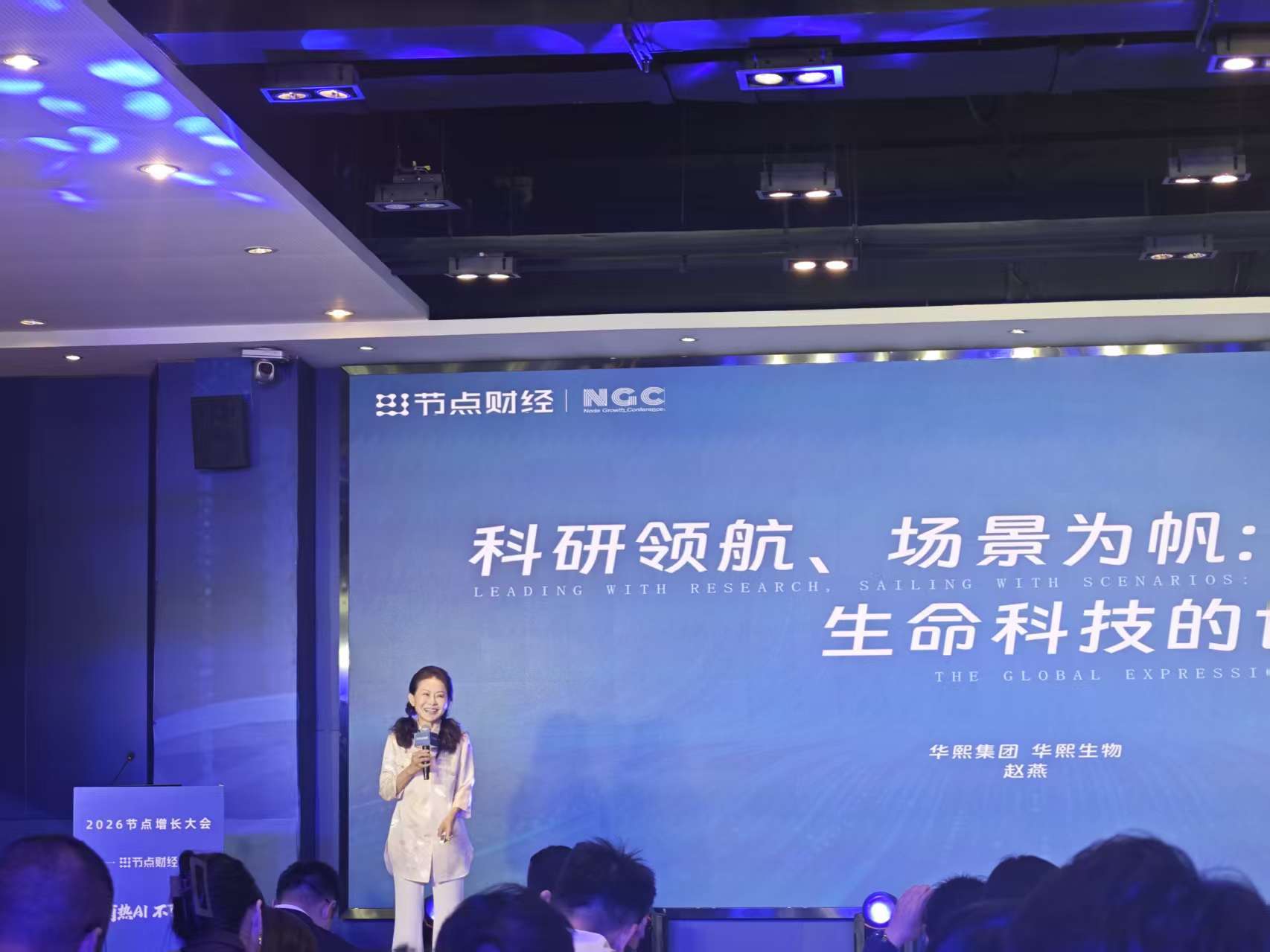
华熙生物董事长赵燕:健康投资已从治己病转向治未病
Sou Hu Cai Jing· 2025-12-26 14:04
Group 1 - The core message of the speech emphasizes a shift in health investment from treating existing diseases to preventing them, thereby extending healthy lifespans [1][3] - The chairman of Huaxi Bio, Zhao Yan, predicts that chronic diseases such as cancer, diabetes, hypertension, hyperlipidemia, hyperglycemia, and even Alzheimer's may be curable in the next decade, contingent on the importance placed on prevention [1] - The speech aligns with the "Healthy China 2030" initiative, which advocates for a preventive approach to health, promoting healthy lifestyles and early diagnosis and treatment to reduce disease occurrence [3] Group 2 - Zhao Yan highlights that the essence of aging intervention is not merely anti-aging but rather controlling risks to reduce the incidence of chronic diseases [3] - The proposed path to health should focus on preventing diseases, minimizing their occurrence, and delaying their onset, with technological innovation playing a crucial role in this intervention [3]

医美大变局:跨界资本涌入上游,合规与技术成竞争核心|2025中国经济年报
Hua Xia Shi Bao· 2025-12-26 09:59
Core Insights - The Chinese medical aesthetics industry in 2025 will be defined by "compliance foundation" and "value reassessment" [2] - The shift from a "flow-driven" model to a "technology-driven" model is evident, with an emphasis on the importance of regulatory compliance and technological advancements [2][3] Regulatory Normalization - Regulatory normalization is becoming the core theme of the medical aesthetics industry, with policies reshaping development logic [3] - The release of the "Guidelines for the Pricing of Cosmetic Surgery Medical Services" by the National Medical Insurance Administration standardizes 101 pricing items, addressing issues like "same item different price" [3] - Over 18,000 illegal institutions were shut down, and 327 physicians had their licenses revoked, indicating a shift from sporadic regulation to ongoing purification [3][4] Cross-Industry Capital Involvement - The entry of cross-industry capital is reshaping the compliance landscape and highlighting the long-term value of upstream technology [5] - A strategic investment of 3.403 billion yuan by Zhong Shanshan's Yangshengtang in Jinbo Biological marks a significant milestone in the industry, with Zhong becoming the second-largest shareholder [5][6] - This investment reflects a merging of "technology" and "channel," aiming to leverage Jinbo's unique technology in collagen production with Yangshengtang's extensive distribution network [6][7] Intensifying Competition - The medical aesthetics industry is experiencing intensified competition over core product control, leading to conflicts between brands and distributors [9] - A significant arbitration case between Aimeike and Jiangsu Wuzhong over exclusive agency rights for a key product highlights the ongoing struggle for market control [9][10] - The outcome of such disputes will significantly impact market dynamics and the distribution of profits within the industry [11] Future Landscape - The industry is expected to undergo consolidation and innovation in business models, with leading chains capturing 30%-40% of the market share [13] - The integration of "medical aesthetics + health management" is anticipated to become mainstream, with a focus on preventive care among younger consumers [13] - Investors are advised to focus on upstream core technologies and compliant institutions with strong medical management capabilities, as the industry transitions to a more sustainable and professional era [13]

中国蛋白胨市场前景预测报告(产业链上下游分析)
QYResearch· 2025-12-26 03:20
Core Viewpoint - Peptone is widely used as a major nutrient component in culture media, promoting cell proliferation and production, with its raw materials including meat, casein, whey, gelatin, soy, yeast, and grains [2][4]. Summary by Sections 1. Peptone Market Overview - The Chinese peptone market is projected to reach 411 million yuan in 2024 and 620 million yuan by 2031, with a compound annual growth rate (CAGR) of 4.98% [4]. - Peptone serves as an important nitrogen source in microbial culture, with applications in antibiotics, vaccines, recombinant proteins, and fermentation products [8]. 2. Peptone Classification and Characteristics - Peptone is categorized into three types: animal peptone, plant peptone, and yeast peptone, each with unique properties based on the source and quality of the starting protein material [3][8]. - Animal peptone accounts for 37.01% of total consumption in 2024, with challenges in availability, cost fluctuations, and animal-source risks leading to a relative decline in demand [9]. 3. Industry Concentration Analysis - The Chinese peptone market is highly concentrated, with the top five suppliers accounting for 62.05% of sales in 2024. Angel Yeast is the largest supplier, offering a range of products across various applications [10]. 4. Peptone Industry Chain Analysis - The upstream of the peptone industry includes raw materials such as meat, casein, whey, gelatin, soy, yeast, and grains, with animal peptone being the most widely used [15][16]. - The midstream consists of manufacturing enterprises that prepare nitrogen sources from different origins, with a notable reliance on imported high-end peptone technologies [19][20]. 5. Downstream Applications - Downstream applications of peptone are concentrated in pharmaceuticals, food, cosmetics, and research, with high-end pharmaceutical companies requiring high quality and batch consistency [21]. - The market shows a diverse landscape with high-value products and a focus on process stability, indicating a robust demand across various sectors [21].


2025年中国NMN行业研究报告
艾瑞咨询· 2025-12-26 00:05
Core Viewpoint - NMN (β-Nicotinamide Mononucleotide) is gaining attention in the global health industry for its potential in anti-aging, DNA repair, and metabolic regulation, with significant advancements in regulatory approval and market potential expected by 2025 [1][2]. Industry Development - The NMN industry has evolved from laboratory research to commercial applications, with major markets like the US, Japan, Canada, and Australia recognizing its legal status through various regulatory pathways [1][2]. - China is currently the largest producer of NMN raw materials, with leading companies building competitive barriers through technological innovation and industry chain layout [2]. NMN Definition and Function - NMN is a direct precursor of NAD+ (Nicotinamide Adenine Dinucleotide), crucial for delaying aging and enhancing physiological functions [3][4]. - Supplementing NMN can quickly elevate NAD+ levels in the body, playing a vital role in anti-aging, cardiovascular health, and metabolic improvement [4][6]. Synthesis Pathways - NMN supplementation shows significant advantages in NAD+ synthesis pathways compared to other precursors, with no known adverse reactions and the highest conversion efficiency [6][7]. Natural Sources and Supplementation - Natural food sources of NMN are limited, making NMN supplements, which can provide up to 300 times the dietary intake, more effective for achieving beneficial doses [8]. Synthesis Technology - The NMN synthesis process has shifted from chemical methods to fully enzymatic methods, focusing on high purity, safety, and environmental sustainability [10][11]. - Leading companies are innovating in full enzymatic synthesis and patenting technologies to create competitive advantages [12]. Market Trends and Applications - NMN is primarily used in health supplements and cosmetics, with potential expansion into pet nutrition, medical health, and agricultural technology [24][28]. - The NMN market in China is expected to exceed 3 billion yuan by 2025, driven by regulatory changes and new applications [28]. Sales Channels - NMN products are mainly sold through cross-border e-commerce and private channels, with cross-border platforms accounting for 60%-70% of market share [35]. Certification and Compliance - The "blue hat" certification for health supplements in China represents the highest standard for NMN products, with strict approval processes impacting market dynamics [37]. Future Prospects - The NMN industry is poised for growth, with increasing demand driven by an aging population and younger consumers seeking anti-aging solutions [19][21]. - Technological advancements in synthesis, quality control, and delivery methods are expected to enhance market growth and product efficacy [21][22]. Challenges - The NMN industry faces challenges such as regulatory hurdles, market education, and the need for scientific validation to support claims [61][63].



2025年第51周:美妆行业周度市场观察
艾瑞咨询· 2025-12-26 00:05
Group 1: Industry Environment - The international college market has become a battleground for fashion and beauty brands, with Generation Z's annual beauty spending reaching $5 billion, and skincare usage starting as early as ages 11-13, showing a trend of gender convergence in consumption [3] - Brands are leveraging campus ambassadors, pop-up events, social media, and influencer collaborations to penetrate the college market, while health brands utilize clubs and TikTok to reach their target audience [3] - The strong purchasing power and loyalty of Generation Z make campus settings strategic for brands, necessitating innovative activities to capture attention [3] Group 2: Market Dynamics - Traditional chain pharmacies are accelerating their transformation by expanding into beauty and personal care categories to address industry challenges, with YST planning to add beauty and maternal products in 70% of its stores (nearly 8,000 locations) [5] - The beauty segment now accounts for nearly 60% of the health category in these pharmacies, as other chains like Shuyupingmin and Yifeng also enter the beauty market to cope with tightening medical insurance policies and declining foot traffic [5] - Cosmetic brands such as Winona and Kefu Mei are actively entering pharmacy channels to enhance brand value through professional credibility, although expanding OTC channels requires significant investment and faces challenges in product selection and private domain operations [5] Group 3: Major Brand Developments - Major beauty brands like L'Oréal and Estée Lauder have signed global ambassadors, enhancing their brand influence, while LVMH invests in the French niche fragrance brand BDK to support its international expansion [6] - The clean beauty sector is experiencing differentiation, with Korean brand Aromatica's stock surging while L'Oréal shuts down related brands [6] - Japanese high-end brand SUQQU is entering the Chinese market, targeting the premium segment [6] Group 4: Technological Innovations - Estée Lauder Group has launched a global innovation center for fragrance in Paris, integrating R&D and creative teams, utilizing AI to monitor trends, optimize formulas, and accelerate approval processes while respecting brand uniqueness [7] - AI assists perfumers in innovation by analyzing data and emotional preferences, with the launch of an AI fragrance consultant tool by Jo Malone in December, providing personalized fragrance recommendations [7] Group 5: Company Performance - Huaxi Biological has faced declining performance due to the diminishing market dividends of hyaluronic acid, with a 18.36% year-on-year revenue drop and a 30.29% decline in net profit for the first three quarters of 2024, resulting in a market value loss of 100 billion [8] - The company has adjusted welfare policies, reduced employee benefits, and cut staff, particularly in sales, while its skincare business has seen significant revenue declines and multiple sub-brands have been eliminated [8] - Increased competition and product homogenization in the hyaluronic acid market have pressured profits, prompting Huaxi Biological to explore new sectors like weight loss and invest in small nucleic acid drugs, although it faces fierce industry competition and consumer skepticism regarding ingredients [8] Group 6: Digital Transformation - Digitalization is increasingly important in retail for product management, marketing, and user experience, especially in a saturated market, necessitating innovative digital transformations to enhance efficiency [9] - Huamei's collaboration with Hanshu Technology has been recognized as an excellent digital innovation case, reshaping the beauty store shopping experience through a "warehouse-style display + artistic aesthetics" model [9] - The use of electronic price tags supports real-time information updates and enhances marketing conversion, demonstrating how digitalization can seamlessly integrate into brand identity and improve customer experience [9]

昊海生科溢价收购亏损企业背后:未设置对赌协议等保障机制 实控人早已潜伏标的公司
Xin Lang Zheng Quan· 2025-12-25 09:38
Core Viewpoint - Haohai Biological Science and Technology Co., Ltd. is facing significant challenges as its core business growth engines have stalled, leading to declining performance and governance issues, despite its previous status as a market star in the medical aesthetics sector [1] Financial Performance - The company reported a revenue of 1.899 billion yuan for the first three quarters of 2025, a year-on-year decline of 8.47%, and a net profit attributable to shareholders of 305 million yuan, down 10.63% year-on-year [2] - The medical aesthetics segment, which contributes the largest share of revenue, has shown signs of fatigue, with hyaluronic acid sales dropping to 347 million yuan in the first half of the year, a significant decline of 16.8% [2] - The eye care business, a strategic focus for the company, has been adversely affected by policy changes and market conditions, with revenue from cataract surgery products, including artificial lenses, decreasing by 28.76% year-on-year, amounting to a reduction of approximately 66.68 million yuan [2] Dividend Policy - Despite declining performance, the company has announced a generous cash dividend of 230 million yuan for the 2024 fiscal year, representing a record high of 54.92% of the annual net profit attributable to shareholders [3] Acquisition Strategy - In response to growth challenges, the company is pursuing external acquisitions, but recent deals have raised concerns due to high valuations and lack of protective measures [4][5] - The company announced a plan to acquire a 19.8% stake in Ruijibio for 38.35 million yuan, despite Ruijibio's poor financial performance, which included a net loss of 11.77 million yuan in 2024 [4] - The acquisition lacks any performance guarantees or compensation mechanisms, raising questions about the rationale behind such a high-priced investment in a loss-making company [5] Related Party Transactions - Prior to the acquisition, the company's controlling shareholder was already the second-largest shareholder of Ruijibio, leading to potential conflicts of interest and concerns about the fairness of the transaction [6] - The company recently completed another acquisition of a 20% stake in a subsidiary, which had previously failed to meet profit targets, resulting in a significant shortfall and raising doubts about the commercial viability of the deal [7]

济南|济企出海:越过浅滩 驶入深港
Da Zhong Ri Bao· 2025-12-25 02:36
Core Insights - The article discusses the transformation of Chinese companies, particularly those from Jinan, from being mere exporters to becoming integral players in global supply chains, emphasizing the shift from selling products to providing comprehensive solutions [1][4]. Group 1: Export Growth and Strategy - Jinan's total import and export value reached 258.81 billion yuan from January to November 2025, marking a 24.9% year-on-year increase, the highest in the province [1]. - Qilu Pharmaceutical has transitioned from exporting raw materials to finished pharmaceutical products, with 34 products now exported to the U.S., establishing a significant presence in major regulatory markets [2]. - In the first three quarters of the year, Qilu Pharmaceutical achieved an export value of 869 million USD, reflecting an 11% increase [2]. Group 2: Innovative Business Models - Qilu Pharmaceutical's ability to provide a reliable management system has allowed it to be recognized as a trusted solution provider, enhancing its international standing [2]. - Jinan Kehong Biopharmaceutical has adopted a "global selection + global coverage" model, establishing a network across nearly 70 countries and regions, and integrating over 40 domestic pharmaceutical products into its offerings [3]. Group 3: Localized Operations and Ecosystem Building - China National Heavy Duty Truck Group has shifted its business model from trade to a comprehensive global operation covering R&D, manufacturing, and service, reflecting a significant change in operational logic [4][5]. - The company has localized its workforce in Australia, achieving over 50% local team composition, which has helped it quickly rise to a top-five market position [5]. Group 4: Advanced Technology and Market Positioning - Shandong Tianyue Advanced Technology has emerged as a leader in the silicon carbide substrate market, achieving a 47.53% share of overseas revenue and establishing partnerships with top semiconductor manufacturers [7]. - Huaxi Biotechnology has invested significantly in a synthetic biology pilot transformation platform, aiming to address global challenges in biomanufacturing and expand its market presence [8][9]. Group 5: Comprehensive Solutions and Industry Integration - Shandong High-Speed Group is transitioning from an engineering contractor to a comprehensive solution provider, exemplified by its involvement in high-profile projects in Serbia and Bangladesh [6]. - The company has developed a collaborative ecosystem with five regional companies and ten specialized firms to support local enterprises in international markets [6].