中国稀土

Search documents
宏观波动加剧,坚定看好金属行情
Zhong Guo Neng Yuan Wang· 2026-01-19 02:12
Group 1: Market Overview - COMEX gold price increased by 2.26% to $4620.5 per ounce, influenced by geopolitical risks, resulting in a strong market fluctuation [4] - LME copper price rose by 1.41% to $13148.5 per ton, while Shanghai copper decreased by 0.63% to ¥100,800 per ton [2] - LME aluminum price increased by 0.71% to $3171.5 per ton, while Shanghai aluminum fell by 1.66% to ¥23,900 per ton [3] Group 2: Supply and Demand Dynamics - Copper inventory in major regions increased by 17.2% week-on-week, with a year-on-year increase of 212,800 tons [2] - Domestic aluminum oxide production capacity reached 110.32 million tons per year, with an operating rate of 80.82% [3] - Rare earth exports in November increased by 12% month-on-month and 28% year-on-year, reaching a historical high for the same period [5] Group 3: Price Movements - The price of praseodymium and neodymium oxide rose by 8.01% this week [5] - Tungsten concentrate price increased by 6.33% due to tight supply conditions [5] - Lithium carbonate price rose by 20.1% to ¥158,300 per ton, while lithium hydroxide price increased by 21.2% to ¥153,700 per ton [5] Group 4: Industry Insights - The copper wire and cable industry is expected to see a decrease in operating rates due to weak downstream consumption [2] - High aluminum prices are suppressing downstream consumption and industry operating rates [3] - The demand for enameled wire is supported by the peak season effect in the home appliance industry [2]
光大证券:重视各国战略金属收储带来投资机会 全面看好战略金属价值重估
智通财经网· 2026-01-19 01:52
Core Viewpoint - The report from Everbright Securities highlights the increasing importance of strategic metals (copper, aluminum, cobalt, nickel, tin, antimony, tungsten, rare earths) due to supply disruptions and the limitations in production capacity in China and abroad [1][2]. Group 1: Strategic Metal Storage Initiatives - Australia announced a strategic reserve plan for critical minerals worth AUD 1.2 billion, with AUD 185 million allocated for necessary mineral reserves, prioritizing antimony, gallium, and rare earths [2] - The European Commission approved a resource revival action plan to raise EUR 3 billion for supply chain strategies, establishing a platform to support critical material reserves [2] - The U.S. Defense Logistics Agency (DLA) plans to procure USD 500 million in cobalt, USD 245 million in antimony, USD 100 million in tantalum, and USD 45 million in scandium [2] Group 2: Investment Opportunities in Strategic Metals - The focus on strategic metal storage in the U.S. and Australia presents significant investment opportunities, particularly in metals with concentrated supply chains and security risks, such as cobalt from the Democratic Republic of Congo and lithium from South America [3] - The rapid development of AI and energy transition is expected to drive demand for copper, aluminum, and tin, although supply constraints exist for these metals [4] - Military-related metals like tungsten, antimony, and rare earths are facing tightening supply, with production declines attributed to lower resource grades and regulatory controls [5] Group 3: Supply Concentration and Constraints - Copper, lithium, cobalt, and nickel supply is highly concentrated in South America, the Democratic Republic of Congo, and Indonesia, with Chile and Peru accounting for 35% of global copper production and the Democratic Republic of Congo producing 76% of global cobalt [4] - The rapid growth of AI is expected to significantly increase demand for copper, aluminum, and tin, but supply for these metals is constrained [4] - Tungsten, antimony, and rare earths are critical for military applications, but their production has decreased due to resource management practices and regulatory measures [5] Group 4: Investment Recommendations - For copper, recommended companies include Zijin Mining, Luoyang Molybdenum, and Western Mining [5] - For aluminum, Yunnan Aluminum is recommended, with China Aluminum as a focus [5] - For cobalt and nickel, Huayou Cobalt is recommended, with attention to Liqin Resources and Shengtun Mining [5] - For tungsten, focus on China Tungsten High-tech [5] - For tin, Xiyang Tin Industry is recommended, with interest in Xingye Silver Tin [5] - For antimony, Huaxi Nonferrous is highlighted, and for rare earths, Northern Rare Earth is recommended with a focus on China Rare Earth [5]



180天必须脱钩中国稀土!特朗普发出最后通牒,七国沦为冤大头
Sou Hu Cai Jing· 2026-01-18 19:44
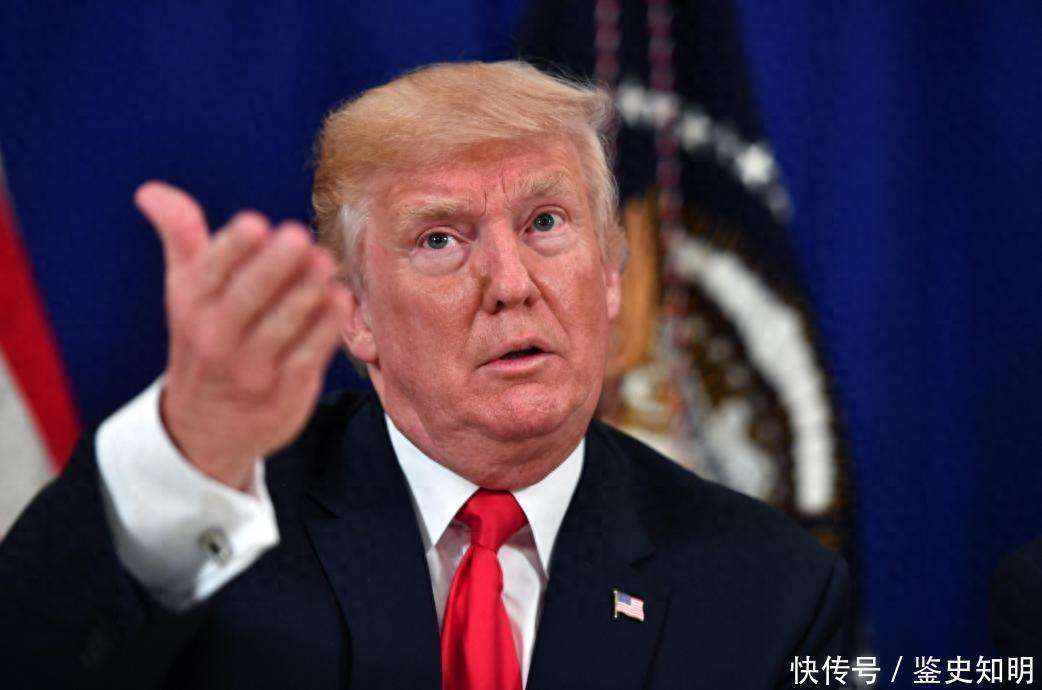
Core Viewpoint - The article discusses Trump's recent "presidential announcement" demanding allies to eliminate Chinese elements from their rare earth supply chains within 180 days, threatening high tariffs and trade barriers if they fail to comply [3][5]. Group 1: Supply Chain Dynamics - Trump has set a strict deadline of July 13 for allies to replace Chinese rare earth elements in their supply chains, emphasizing the urgency of this political maneuver [3][5]. - The U.S. is heavily reliant on imports for critical minerals, with 12 key minerals being 100% imported and 29 minerals having over 50% import dependency, highlighting a significant vulnerability in the supply chain [5][7]. - Despite having domestic resources, the U.S. struggles to utilize them effectively, as most mined materials are sent to China for processing before being sold back to the U.S. [7][9]. Group 2: Economic Implications - The push for a complete supply chain overhaul within six months is seen as unrealistic, with experts suggesting that establishing a stable supply chain independent of China would take at least a decade [9]. - The U.S. Treasury's proposal for a "price floor" on rare earth transactions aims to maintain high prices to support domestic production, which could lead to increased costs for allies like Germany and India [11][13]. - The artificially inflated prices could severely impact industries, particularly in Germany's automotive sector, and place additional burdens on India's economy, which is already facing high tariffs from the U.S. [13][15]. Group 3: Long-term Challenges - The article argues that the U.S. administration's approach to supply chain restructuring is fundamentally flawed, as it overlooks the decades of expertise and technological advancements that China has in rare earth processing [17][19]. - Environmental regulations in Western countries complicate the establishment of new production facilities, making it difficult to shift high-pollution processes to other regions without significant time and investment [19][21]. - The proposed "price floor" contradicts basic economic principles, suggesting that the ultimate burden of these policies will fall on consumers and taxpayers in the U.S. and allied nations, exacerbating inflationary pressures [21].


战略金属系列报告之二:战略收储风再起,金属价值续重估
EBSCN· 2026-01-18 14:46
Investment Rating - The report maintains an "Overweight" rating for the non-ferrous metals sector [5]. Core Insights - The report highlights the renewed focus on strategic metal reserves by countries like Australia, the EU, and the US, indicating a significant increase in the importance of "critical mineral resources" since 2025 [2][3]. - The strategic metal storage initiatives are expected to create investment opportunities, particularly in metals with concentrated supply chains and those essential for AI and energy transition [2][3]. Summary by Sections Strategic Metal Storage Initiatives - Australia announced a AUD 1.2 billion strategic reserve plan for critical minerals, prioritizing antimony, gallium, and rare earths [1]. - The EU plans to raise EUR 3 billion for a supply chain strategy, establishing a platform for critical materials [1]. - The US plans to procure USD 500 million of cobalt, USD 245 million of antimony, USD 100 million of tantalum, and USD 45 million of scandium [1]. Investment Opportunities - The report identifies investment opportunities in metals with high supply concentration and security risks, such as cobalt from the Democratic Republic of Congo, copper and lithium from South America, and nickel from Indonesia [2]. - It emphasizes the demand for copper, aluminum, and tin driven by AI and energy transition, while noting supply constraints for these metals [3]. - Military-related metals like tungsten, antimony, and rare earths are highlighted as having tight supply, with significant applications in defense [3]. Company Recommendations - The report recommends several companies based on their strategic positioning in the metals market: - Copper: Zijin Mining, Western Mining, and Luoyang Molybdenum [4]. - Aluminum: Yunnan Aluminum and China Aluminum [4]. - Cobalt and Nickel: Huayou Cobalt and others [4]. - Tungsten: China Tungsten High-Tech [4]. - Tin: Xiyang Tin and others [4]. - Antimony: Huaxi Nonferrous [4]. - Rare Earths: Northern Rare Earth and others [4].


有色金属周报:宏观波动加剧,坚定看好金属行情-20260118
SINOLINK SECURITIES· 2026-01-18 11:51
Group 1: Copper - LME copper price increased by 1.41% to $13,148.5 per ton, while Shanghai copper decreased by 0.63% to ¥100,800 per ton [1] - Domestic copper inventory increased by 17.2% week-on-week, with total inventory up by 21,280 tons year-on-year [1] - The operating rate of waste anode plate enterprises rose to 75.90%, with expectations of a slight decrease next week [1] Group 2: Aluminum - LME aluminum price rose by 0.71% to $3,171.5 per ton, while Shanghai aluminum fell by 1.66% to ¥23,900 per ton [2] - The operating rate of domestic aluminum processing enterprises increased by 0.2% to 60.2% due to pre-holiday inventory demand [2] - The total production capacity of metallurgical-grade alumina is 11,032 million tons/year, with an operating capacity of 8,916 million tons/year [2] Group 3: Gold - COMEX gold price increased by 2.26% to $4,620.5 per ounce, with SPDR gold holdings rising by 10.24 tons to 1,074.8 tons [3] - Geopolitical risks have led to a strong fluctuation in the gold market, with concerns over U.S. military actions against Iran [3] - The 10-year TIPS decreased by 0.02 percentage points to 1.88% [3] Group 4: Rare Earths - The price of praseodymium and neodymium oxide increased by 8.01%, with exports of rare earth permanent magnets reaching a historical high [4] - The expectation of more relaxed export policies is anticipated to boost future demand [4] - Key companies to watch include China Rare Earth, Guangsheng Nonferrous, and Northern Rare Earth [4] Group 5: Tungsten - Tungsten concentrate price rose by 6.33%, with supply remaining tight due to pre-holiday clearances [4] - The establishment of a $2.5 billion "strategic resilience reserve" in the U.S. may increase tungsten's priority [4] - Companies to focus on include China Tungsten High-Tech and Xiamen Tungsten [4] Group 6: Tin - Tin price increased by 7.55%, with inventory levels still acceptable despite recent accumulation [4] - Supply from Indonesia and Myanmar remains below expectations, supporting an upward price trend [4] - Companies to consider include Yunnan Tin and Huaxi Nonferrous [4] Group 7: Lithium - The average price of lithium carbonate rose by 20.1% to ¥158,300 per ton, while lithium hydroxide increased by 21.2% to ¥153,700 per ton [4] - Total lithium carbonate production reached 22,600 tons, with a slight increase week-on-week [4] - The market is expected to maintain a strong upward trend due to low inventory and high demand [4] Group 8: Cobalt - Cobalt price decreased by 1.3% to ¥454,000 per ton, while cobalt intermediate prices increased by 0.6% to $25.38 per pound [5] - The market is experiencing cautious purchasing behavior due to high cost pressures [5] - The price of cobalt salts continues to rise, providing support for electric cobalt prices [5]
能源金属行业周报:2026年钨价格继续新高,看好价格重估背景下的关键金属全面行情-20260118
HUAXI Securities· 2026-01-18 08:26
Investment Rating - The industry rating is "Recommended" [3] Core Views - Nickel supply from Indonesia is expected to contract, providing support for nickel ore prices. As of January 16, the LME nickel spot price was $17,625 per ton, down 0.28% from January 9, while the total LME nickel inventory increased by 0.33% to 285,732 tons. The Shanghai nickel price rose by 5.01% to 144,000 yuan per ton during the same period [1] - The cobalt raw material supply in China is expected to remain structurally tight for a long time, with cobalt prices likely to continue rising. As of January 16, the price of electrolytic cobalt was 455,000 yuan per ton, down 1.30% from January 9 [2][5] - Antimony prices have stopped falling and are expected to be supported by improved demand and tight supply. As of January 15, the average price of domestic antimony concentrate was 142,500 yuan per ton, up 1.42% from January 8 [6] - Lithium carbonate prices have continued to rise significantly, with the average market price reaching 157,900 yuan per ton as of January 16, up 12.72% from January 9. The demand for lithium is expected to remain strong [8][19] - The price of tungsten is expected to rise further due to tight supply conditions. As of January 16, the price of white tungsten concentrate (65%) was 505,500 yuan per ton, up 5.20% from January 9 [13][21] Summary by Sections Nickel and Cobalt Industry - Nickel prices are expected to be supported by supply constraints from Indonesia, with a projected mining quota of 250-260 million tons for 2026, lower than market expectations. The market is also concerned about additional taxes on by-products like cobalt and iron [1][16] - Cobalt supply is expected to tighten further due to export quota policies from the Democratic Republic of Congo, with a projected production of 29,000 tons globally in 2024, a 21.8% increase year-on-year [5][17] Antimony Industry - Antimony prices are supported by tight supply and improved demand, with expectations of further price increases due to ongoing supply constraints, especially in northern China [6][18] Lithium Industry - The lithium carbonate market is experiencing significant price increases, driven by strong demand and supply uncertainties. The average price reached 157,900 yuan per ton, with expectations for continued strong performance in the near term [8][19] Tungsten Industry - The tungsten market is facing tight supply conditions, with prices expected to rise further. The domestic mining quota for tungsten is projected to be lower than previous years, contributing to supply constraints [13][21] Uranium Industry - The uranium market is experiencing supply tightness, with prices remaining high due to geopolitical factors and structural shortages in supply. The global uranium price was $63.51 per pound as of December [14][15]
多金属价格高波震荡,重视稀土涨价行情
Guotou Securities· 2026-01-18 05:22
Investment Rating - The report maintains an investment rating of "Leading the Market - A" for the non-ferrous metals sector, indicating an expected return that will exceed the CSI 300 index by 10% or more over the next six months [4]. Core Viewpoints - The report highlights the volatility in multi-metal prices, particularly emphasizing the rising prices of rare earth elements. It notes that while short-term fluctuations in copper prices are expected due to macroeconomic factors, certain metals like rare earths and tantalum may continue to rise independently of supply-demand dynamics [1]. - The report expresses a long-term positive outlook on metals such as copper, aluminum, rare earths, tin, lithium, gold, tantalum, niobium, antimony, and uranium [1]. Summary by Sections Non-Ferrous Metals - The report discusses the recent developments in the non-ferrous metals market, including the temporary suspension of tariffs on key minerals by the U.S. and its impact on copper prices. It notes that the expectation of increased tariffs on refined copper has significantly decreased, although risks remain [1]. - It emphasizes the importance of monitoring the supply chain, particularly in Chile, where production is affected by strikes, and the stable production guidance from the Kamoa-Kakula copper mine [3]. Precious Metals - Gold and silver prices have shown significant increases, with COMEX gold and silver closing at $4,590 and $89.2 per ounce, respectively, reflecting increases of 2.2% and 13.1% [2]. - The report indicates that the U.S. core CPI is at a four-year low, which has led to a revival in market expectations for interest rate cuts, positively influencing gold prices [2]. Industrial Metals - Copper prices have shown fluctuations, with LME copper closing at $12,822.5 per ton, down 2.63% from the previous week. The report notes an increase in copper social inventory and highlights the recovery in downstream production post-holiday [3]. - The report also discusses aluminum prices, which have been volatile, with LME aluminum closing at $3,128.5 per ton, reflecting a 0.65% decrease [4]. Energy Metals - Nickel prices have experienced significant volatility, driven by expectations of tightened production quotas in Indonesia. The report notes that domestic social inventory has increased, indicating weak demand [8]. - Cobalt prices are under pressure, with the report highlighting a tight supply situation in the Chinese market, expected to persist into the first quarter [9]. Strategic Metals - The report indicates a continued rise in rare earth prices, with specific increases noted for praseodymium and terbium oxides. It anticipates stable growth in both domestic and international demand for rare earths, suggesting a potential new inventory replenishment cycle [12]. - The report recommends monitoring companies involved in rare earth production and related sectors, indicating a positive outlook for these investments [12].
特朗普向全球发通牒:180天内准备对中国稀土动手,不帮忙就加税
Sou Hu Cai Jing· 2026-01-17 12:40
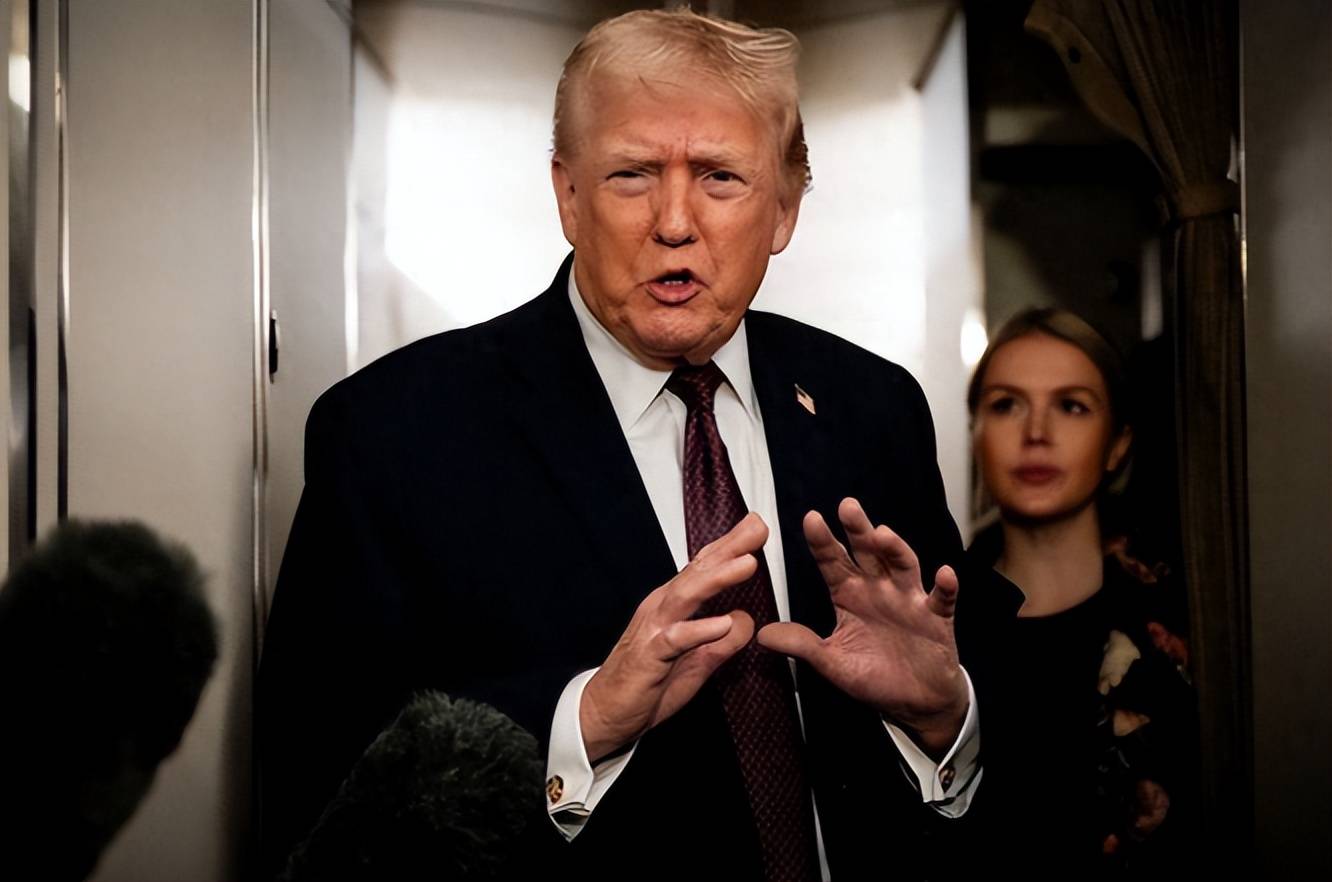
Core Viewpoint - The recent 180-day ultimatum issued by the U.S. regarding rare earth supply chains highlights the ongoing geopolitical struggle, revealing America's dependency on China and its attempts to mitigate this reliance through pressure tactics [1][3]. Group 1: U.S. Rare Earth Dependency - The U.S. imported approximately 400 tons of rare earth metals in 2023, with 70% of these imports coming from China between 2020 and 2023 [7]. - The U.S. is entirely dependent on imports for 12 critical minerals and has over 50% reliance on imports for 29 minerals, indicating significant supply chain vulnerabilities [7]. - In contrast, China holds 4.4 million tons of rare earth reserves, accounting for 36.67% of global reserves, and has developed a complete industrial chain from mining to processing [9]. Group 2: China's Dominance in Rare Earth Processing - China produced over 60% of the world's rare earth minerals in 2023 and controls 92% of the global rare earth processing industry [9]. - This dominance is attributed to decades of technological accumulation and large-scale production, creating a gap that the U.S. struggles to bridge, as U.S. rare earth reserves only account for 2% of the global total [9]. Group 3: U.S. Strategic Moves and Challenges - The U.S. has attempted to establish alternative supply chains, including a 2025 agreement with Australia, but experts suggest that building a substitute supply chain will take at least 10 years [11]. - The U.S. is also trying to rally allies like Ukraine and Russia and has initiated a "Critical Minerals Action Plan" with G7 nations, but domestic production costs remain significantly higher than those in China [13]. - The ultimatum is seen as an escalation of pressure due to previous failures in establishing a reliable supply chain, with plans to impose a "price floor" that could increase manufacturing costs for allies [13][15]. Group 4: Implications for Global Supply Chains - The proposed "price floor" could lead to increased manufacturing costs, hindering economic recovery for allied nations, with significant differences in positions among countries like the EU and India [15]. - U.S. domestic industries, including automotive and defense, heavily rely on Chinese rare earth products, and the imposition of tariffs could lead to price volatility that negatively impacts these sectors [17]. - The ultimatum is perceived as a political maneuver ahead of midterm elections, with the underlying complexities of the global rare earth supply chain suggesting that administrative orders alone cannot easily reshape established market dynamics [19][21]. Group 5: Future Outlook - Historical attempts by the U.S. to decouple from China in sectors like semiconductors and energy have yielded limited success due to high replacement costs, indicating that the rare earth sector may face similar challenges [21]. - The stability of the rare earth supply chain is crucial for global industrial collaboration, and unilateral sanctions or "small circle" operations could ultimately harm all parties involved, exacerbating U.S. strategic anxieties [23].
G7达成一致,减少进口中国稀土,北约秘书长:中国也算是北极国家
Sou Hu Cai Jing· 2026-01-17 10:35
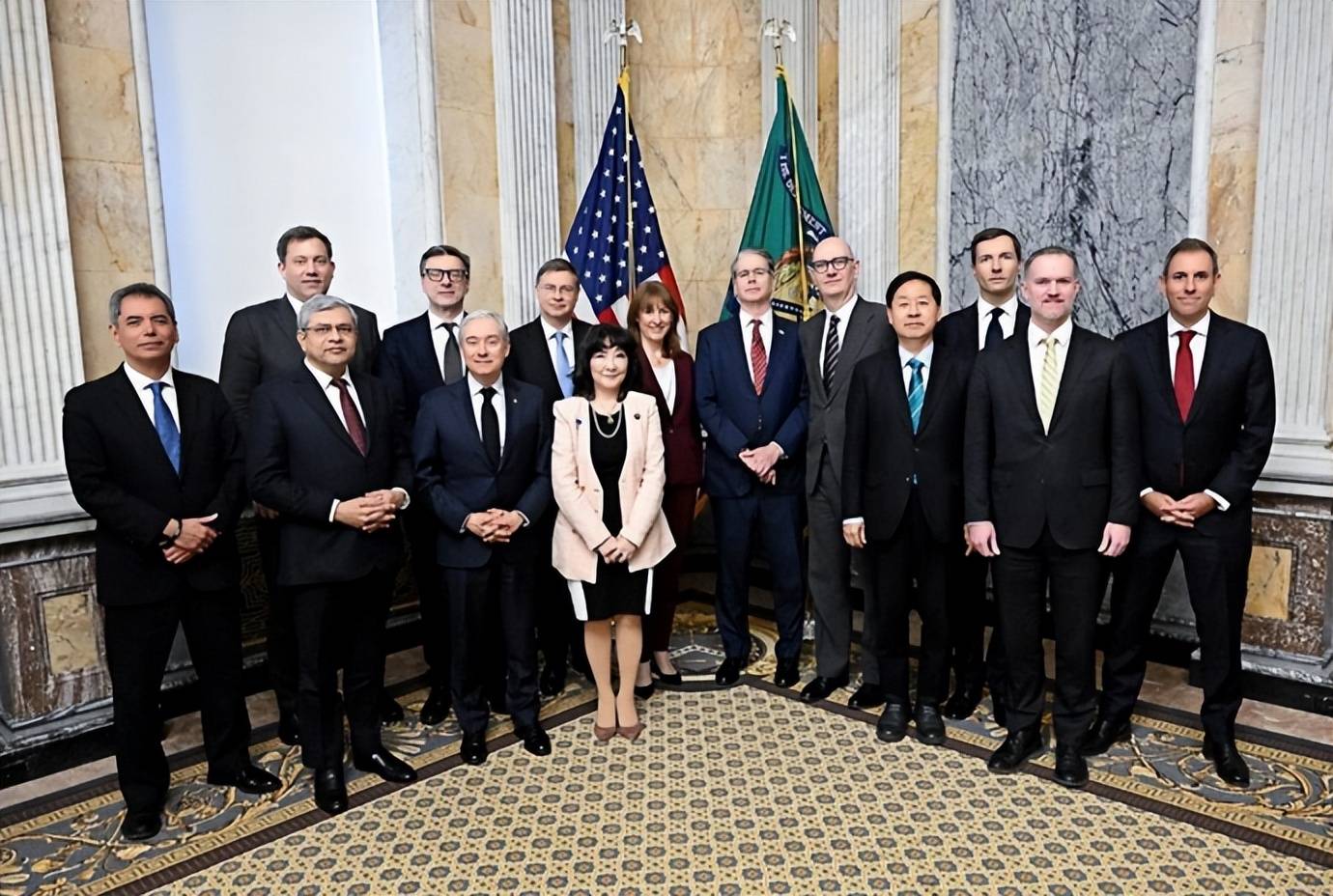
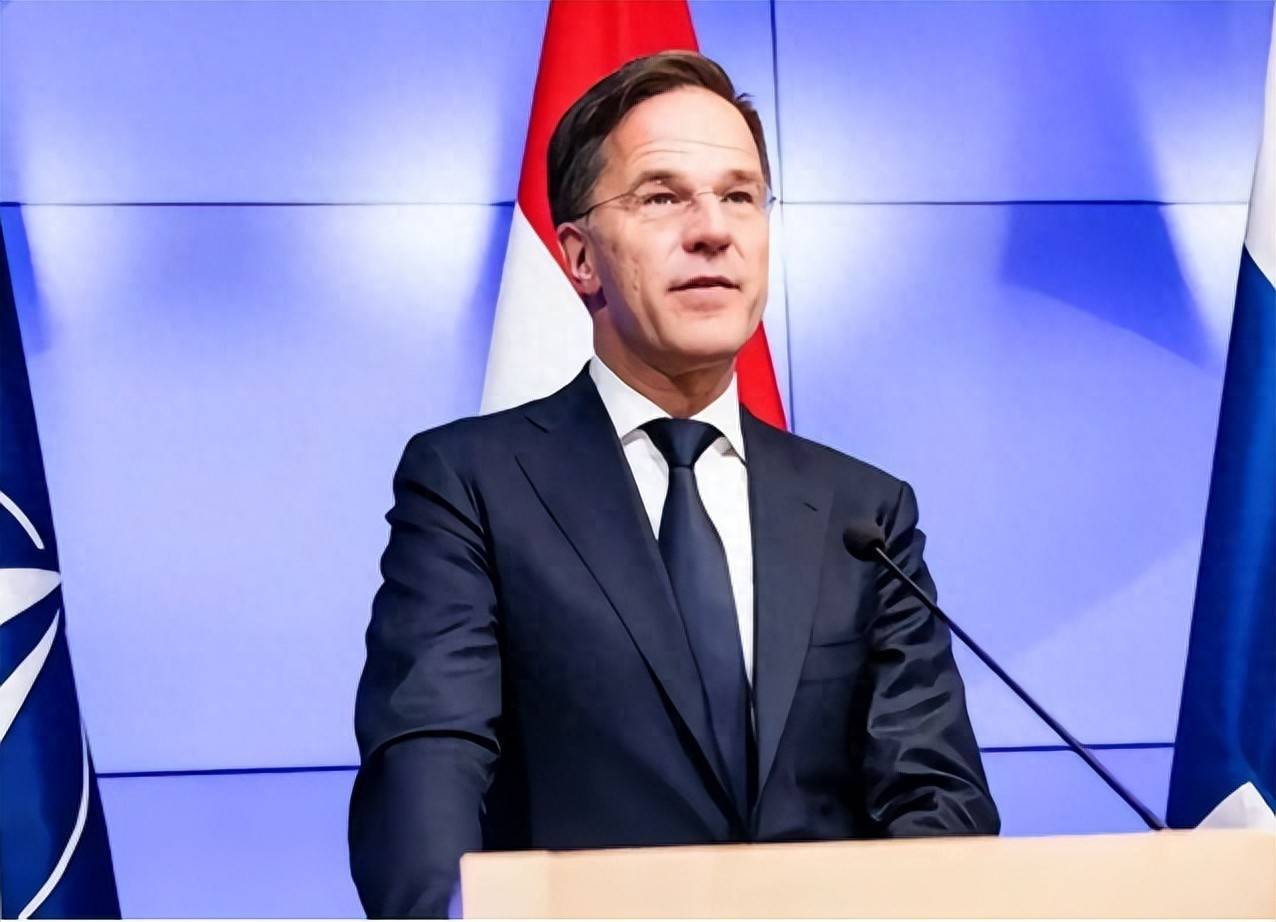
Group 1: G7's Strategy on Rare Earths - The G7 finance ministers have reached a consensus to accelerate the reduction of dependence on Chinese rare earths, driven by concerns over China's control of the global rare earth supply chain and its implications for high-end manufacturing [1][3][4] - Rare earths are critical resources, often referred to as "industrial vitamins," essential for industries such as electric vehicles, wind energy, aerospace, and defense [3][4] - China currently dominates the rare earth market, controlling 60% of global production and holding 58% of global patents, with extraction costs significantly lower than those in the U.S. [4][6] Group 2: Challenges in Decoupling from China - Despite significant investments from the U.S. and Germany to achieve "decoupling" from China, progress has been slow, with companies like MPMaterials and Volkswagen facing delays and technical challenges [6][8] - The cost of establishing an independent rare earth supply chain is prohibitively high, with recycling costs exceeding direct imports from China by 230% [8][10] - Many countries, including India and Vietnam, are reluctant to abandon cooperation with China, recognizing its role as both a major supplier and consumer in the rare earth market [8][10] Group 3: China's Role in Global Supply Chains - China's commitment to maintaining the stability of global critical mineral supply chains was emphasized by a Chinese foreign ministry spokesperson, warning against the potential consequences of disrupting these chains [10][20] - The G7's approach to rare earths appears to be more of a political maneuver rather than a viable solution, as the existing global supply chain is heavily reliant on China's dominance [10][18] Group 4: Arctic Governance and China's Involvement - NATO Secretary General Jens Stoltenberg's statement regarding China as a "near-Arctic state" reflects the geopolitical complexities and the desire of European nations to balance U.S. dominance in Arctic affairs [12][16] - The Arctic is becoming increasingly important due to climate change, with new trade routes and resource opportunities emerging, prompting nations to seek a more collaborative governance approach [14][16] - China's involvement in Arctic affairs, through research and commercial cooperation, positions it as a significant player in the region, which may help to shift governance from a Western-dominated model to a more multipolar one [16][20]
特朗普下最后通牒,180天内必须击败中国稀土,盟友不帮忙就加税
Sou Hu Cai Jing· 2026-01-17 07:12
Group 1 - The core message of the news is that the Trump administration is taking aggressive steps to reduce U.S. dependence on Chinese rare earth minerals by issuing a 180-day ultimatum for global suppliers to reach agreements with the U.S. or face punitive measures [1][14][18] - The G7 meeting held on January 12 focused on reducing reliance on Chinese rare earths and aimed to create a supply chain alliance based on shared values, inviting countries like India and Mexico to join [5][7] - Despite the enthusiasm at the G7 meeting, no binding agreements were made, and countries like Germany and France expressed concerns about the potential economic impact of reducing dependence on China [9][12] Group 2 - The announcement by Trump is based on the Trade Expansion Act, elevating the issue of critical minerals to a national security concern, and includes strategies for creating alternative supply chains and setting a price floor for rare earths [16][17] - The proposed price floor of $110 per kilogram for rare earths is intended to support U.S. domestic companies but may lead to higher costs for allies, raising political concerns about domestic economic impacts [17][21] - The challenges faced by the U.S. in achieving its goals within the 180-day timeframe include reliance on Chinese processing capabilities and the limited processing capacity of potential partner countries like Australia and Japan [20][21] Group 3 - In contrast to the U.S. approach, China is enhancing its supply chain stability and has implemented a universal licensing system for critical mineral exports starting in 2025, which aims to provide predictability for partners [27][30] - China's comprehensive control over the rare earth supply chain, including processing and manufacturing capabilities, solidifies its dominant position in the global market, making it difficult for the U.S. to find viable alternatives [30][32] - The European response to the U.S. strategy indicates a preference for stable and reliable supply chains over political rhetoric, highlighting the challenges the U.S. faces in persuading allies to decouple from China [33]