三星电子

Search documents
中国厂商掌握6成日本电视市场
36氪· 2026-02-13 13:34
Core Viewpoint - The article discusses the significant shift in the Japanese television market, highlighting the increasing dominance of Chinese companies and the necessity for Japanese firms to adapt their business models as they retreat from the consumer electronics sector [4][5]. Group 1: Market Dynamics - Sony Group plans to divest its television business, transitioning it to a joint venture led by Chinese giant TCL, which will result in Chinese companies controlling 60% of the Japanese domestic television market by 2025 [5][6]. - REGZA, a brand associated with Toshiba, is primarily manufactured and sold by TVS REGZA, which is 95% owned by China's Hisense Group, indicating a significant shift in capital ownership within the market [5][6]. Group 2: Competitive Landscape - Chinese companies, such as TCL, are outperforming Japanese firms in pricing, with a 43-inch 4K LCD TV priced around 50,000 yen (approximately 2,257.55 RMB) compared to Sony's price of around 100,000 yen (approximately 4,515.1 RMB) [5]. - By 2025, if Sony's brand is fully integrated into the TCL-led joint venture, the Chinese market share in Japan's television sector is projected to reach 60% [6]. Group 3: Broader Implications - The global television market is increasingly dominated by companies like Samsung and LG, with Japanese firms losing their competitive edge [8]. - Panasonic is the only major Japanese company pursuing an independent strategy in the television sector, while others are considering divestment or restructuring [8][9]. - Japanese companies are shifting focus from hardware to digital services and infrastructure, as exemplified by Sony and Hitachi's transition to revenue models based on continuous service offerings [9].




日本,陷入缺芯困境
Sou Hu Cai Jing· 2026-02-13 12:54
Core Viewpoint - The traditional advantages of Japan's consumer electronics industry are being gradually weakened due to structural changes in global storage chip supply, driven by the rapid growth in AI server demand [2][3]. Group 1: Industry Changes - The demand for high-bandwidth and high-capacity storage chips is surging due to AI model training and cloud computing, marking a fundamental shift in the demand landscape [2]. - Major storage manufacturers are reallocating production capacity away from low-end consumer storage chips to prioritize high-margin AI-related chip production [3]. - Japan's consumer electronics companies, traditionally relying on stable supply chains, are facing challenges as the supply of general storage chips becomes tight, impacting their product planning and market pricing strategies [2][3]. Group 2: Cost and Profitability Pressures - Rising costs of storage chips are squeezing the profit margins of Japanese consumer electronics firms, creating a dilemma between passing costs to consumers or absorbing them internally [3][4]. - The pressure is particularly acute in high-volume product categories like TVs and home appliances, where even mid-to-high-end products are affected by rising storage chip costs [4]. Group 3: Competitive Positioning - Japanese companies are shifting towards high-value, premium products to avoid price wars, but the overall increase in storage chip costs limits their ability to maintain competitive pricing [4]. - The traditional bargaining power of Japanese consumer electronics firms is diminishing as AI and cloud service clients become the primary profit sources for storage manufacturers [5]. - If Japanese companies do not adapt to the new supply chain dynamics and continue to rely on traditional cyclical thinking, they risk further contraction in the consumer electronics sector [5].
家用电器行业双周研究观点:把握龙头α:治理提效和海外扩张-20260213
GF SECURITIES· 2026-02-13 12:01
Core Insights - The report emphasizes the importance of governance improvement and overseas expansion for leading companies in the home appliance industry, particularly in the white goods sector [2][11]. Group 1: White Goods - The governance improvements in leading white goods companies are expected to enhance market confidence in sustainable growth, which can lead to a higher valuation [16]. - Midea Group has experienced a significant valuation increase from a PE of 8x to over 20x due to governance reforms and market conditions, despite recent performance challenges [17]. - Haier Smart Home's privatization has led to a notable stock price increase, with a 59% rise following the announcement of its restructuring plan [22][23]. Group 2: Black Goods - Japanese brands like Sony and Samsung are facing significant challenges, with Sony's ET&S department reporting an 8.2% decline in revenue and a 22.6% drop in operating profit [47][49]. - Chinese brands are expected to continue gaining market share globally, with TCL Electronics forming a joint venture with Sony to enhance their market presence [48]. - The Mini LED segment is seeing increased penetration, with a 32.25% online market share, indicating a positive trend for domestic competition [50][56]. Group 3: Small Appliances - The robotic vacuum cleaner market has shown a 10% year-on-year increase in online sales, driven by a low base effect from the previous year and seasonal factors [7]. - The competitive landscape in the small appliance sector is improving, with leading brands like Ecovacs and Roborock increasing their market shares [7]. Group 4: Investment Recommendations - The report recommends investing in white goods companies like Midea Group, Haier Smart Home, Gree Electric, and Hisense Home Appliances due to their stable growth and high dividend yields [7]. - For black goods, TCL Electronics and Hisense Visual are highlighted as beneficiaries of product iteration and improved domestic competition [7]. - In the cleaning appliance sector, Ecovacs and Roborock are expected to see profit margin recovery in 2026, making them attractive investment options [7].





这些芯片,太难了
半导体芯闻· 2026-02-13 09:35
Core Viewpoint - The surge in storage chip prices is forcing major global electronics companies to face three challenging options: raise product prices, absorb costs, or adjust product configurations [1][2]. Group 1: Impact on Electronics Manufacturers - The AI boom is significantly impacting the supply chain, as AI requires extensive data center support, leading to a shortage of storage chips for manufacturers of smartphones, PCs, and gaming consoles [1][2]. - Dell Technologies has raised prices of some commercial laptops by up to 30%, while Acer has reduced the multitasking storage space in its budget PCs [1][3]. - Xiaomi has halted production of low-memory versions of new mid-range devices and increased prices, while LG Electronics has a dim outlook for TV sales this year due to rising storage chip prices [1][2]. Group 2: Market Trends and Predictions - The shortage of storage chips is expected to worsen for the smartphone, PC, and gaming console industries, with anticipated declines in shipment volumes [2][4]. - According to TrendForce, contract prices for DRAM and NAND flash have increased to approximately seven times their previous levels over the past 12 months [2][3]. - Analysts predict that supply will remain tight until the end of 2028, with little chance of price drops in the short term due to ongoing AI infrastructure investments [2][3]. Group 3: Financial Implications for Companies - The rising cost of storage chips, which accounts for 30% of total costs in PCs, is expected to suppress demand in the personal computer and smartphone sectors, although price increases may offset this decline [3][4]. - Apple CEO Tim Cook noted that while the impact of rising storage chip prices was minimal in the last fiscal quarter, a more significant effect is expected in the current quarter [3][4]. - Qualcomm's CEO expressed a desire for more storage chips, indicating that the supply constraints are affecting even companies not directly involved in consumer electronics [4].



HBM 4,竞争激烈
半导体芯闻· 2026-02-13 09:35
Core Viewpoint - The competition among the three major global memory semiconductor companies for HBM4 (the sixth generation high bandwidth memory) is intensifying, with Samsung Electronics leading the way in production ahead of SK Hynix and Micron, highlighting its advantages in R&D speed and performance [1][2]. Group 1: HBM4 Production and Market Dynamics - Samsung Electronics announced the mass production of HBM4 on the 12th, ahead of its competitors, emphasizing its commitment to exceeding JEDEC standards from the beginning of HBM4's development [2]. - The HBM4 memory will be installed in NVIDIA's upcoming "Rubin" AI accelerator, featuring 2048 I/O ports, which is double the number of the previous generation [2]. - SK Hynix and Micron are also set to begin mass production of HBM4 this month, with SK Hynix claiming to be the only company capable of simultaneously supplying both HBM3E and HBM4 [3][4]. - The term "mass production" used by these companies refers to "risk production," where chips are produced before receiving formal purchase orders, which may lead to market confusion [4][5]. Group 2: Supply Chain and Performance Concerns - The supply chain dynamics for HBM4 are expected to be significantly influenced by NVIDIA's supply strategy, which balances performance and supply stability [6]. - Samsung's HBM4 achieves a stable operating speed of 11.7 Gbps, setting a new industry standard, which is approximately 46% faster than the previous 8 Gbps standard [6]. - Despite Samsung's advancements, the company currently has a yield rate of about 60% for its 1c DRAM, which may decline further during post-processing [6][7]. - SK Hynix has secured the largest HBM4 allocation in negotiations with NVIDIA, but initial reliability assessments indicate challenges in meeting the 11 Gbps performance target [7]. Group 3: Future Expectations and Strategic Adjustments - Industry insiders suggest that NVIDIA may relax its performance requirements for HBM4 to ensure stable supply, given the current memory shortage [7]. - The ongoing investments in new and upgraded production facilities for 1c DRAM will take time to translate into actual capacity, impacting the overall supply chain [7].


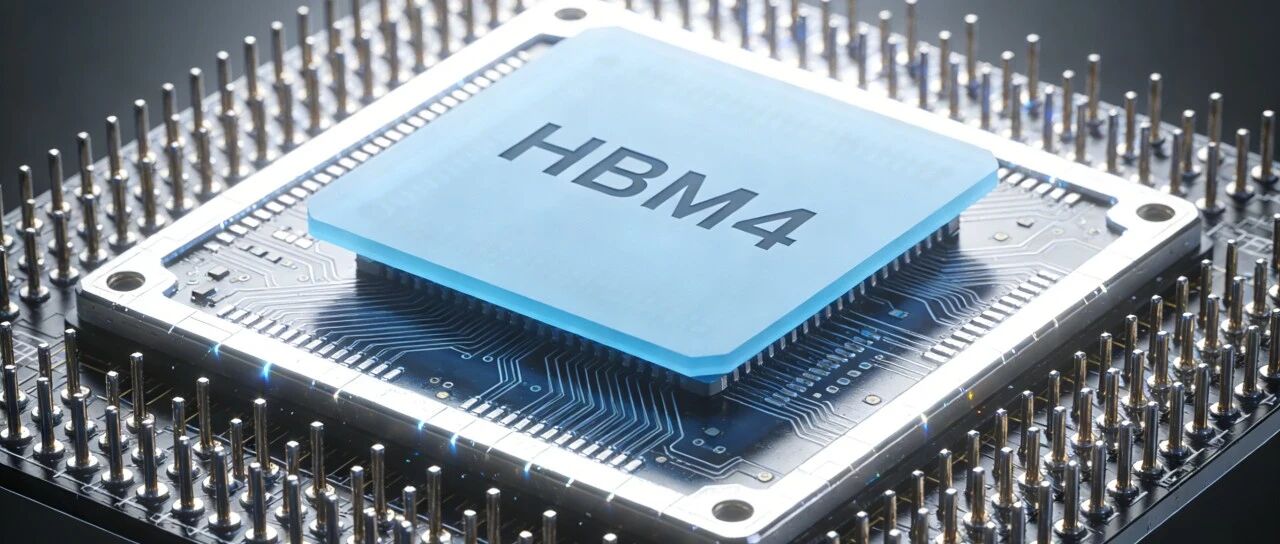
报道:英伟达或放宽HBM4规格要求,因三星、SK海力士面临产能和良率限制
Hua Er Jie Jian Wen· 2026-02-13 07:59
Core Insights - Nvidia is facing significant supply chain challenges as it approaches the production timeline for its next-generation AI accelerators, potentially leading to a shift in its procurement strategy to prioritize supply stability over extreme performance [1][5] - The overall market supply dynamics are heavily influenced by Nvidia's final procurement decisions, with expectations that it will adopt a more pragmatic approach by procuring both top-spec and slightly lower-spec versions of HBM4 [1][2] Group 1: Supply Chain Challenges - Major storage chip suppliers are encountering dual obstacles in capacity expansion and yield improvement, which may force Nvidia to relax its technical specifications for HBM4 [1] - Samsung Electronics, despite being ahead in the qualification process for HBM4, may struggle to meet Nvidia's demand for large-scale production due to yield and capacity limitations [3] - SK Hynix is also facing challenges in meeting performance standards for HBM4, with its products struggling to reach the required 11Gbps performance level [4] Group 2: Procurement Strategy - Nvidia is likely to implement a dual-track procurement strategy, purchasing both the highest specification HBM4 and slightly lower-spec versions to ensure stable supply from major suppliers like Samsung, SK Hynix, and Micron [5] - This strategy is seen as a necessary measure to ensure the timely delivery of the next generation of AI infrastructure amid increasing shortages in the storage chip market [5]
暴拉!最猛散户进场扫货
Ge Long Hui· 2026-02-13 07:20
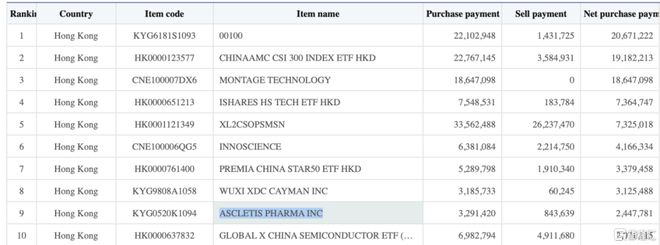
Group 1 - The core viewpoint of the news highlights the significant surge in Chinese AI model stocks, particularly with companies like Zhiyu and MiniMax experiencing substantial price increases, with Zhiyu rising over 130% in five trading days and MiniMax increasing over 40% in the same period [1] - The launch of new AI models such as GLM-5 by Zhiyu and Minimax 2.5 by MiniMax is expected to drive further interest and investment in the sector, with additional models from Alibaba and ByteDance anticipated to be released around the Chinese New Year [1] - Korean retail investors are actively purchasing Chinese AI model stocks, indicating a shift in investment preferences towards emerging technology companies, as evidenced by their buying patterns in the Hong Kong stock market [2][4] Group 2 - Data from the Korea Securities Depository shows that Korean investors have favored stocks like MiniMax and various ETFs related to Chinese technology and semiconductors, reflecting a strong interest in these sectors [2][3] - The Korean stock market has seen a remarkable increase, with the composite index rising by 130% since 2025, largely driven by a few major stocks like Samsung Electronics and SK Hynix, which have contributed significantly to the overall market performance [6][7] - The trend of Korean retail investors converting their currency to invest in foreign markets, including the Chinese stock market, has raised concerns about the depreciation of the Korean won, as highlighted by the Bank of Korea [10][11]



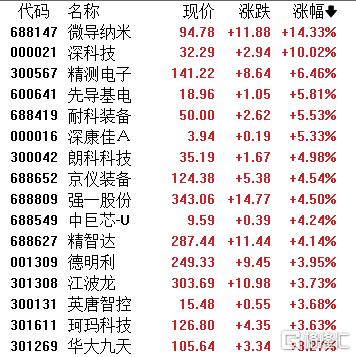
闪存巨头甩出业绩王炸!港A存储芯片股应声大涨
Ge Long Hui· 2026-02-13 07:03
Group 1: Market Performance - The semiconductor and memory chip sectors in A-shares experienced significant gains, with stocks like Weidao Nano rising over 14% and Deep Technology hitting the daily limit [1][2] - In the Hong Kong market, semiconductor and chip stocks were also active, with Aixin Yuanzhi increasing by over 15% [3][4] Group 2: Financial Performance of Key Players - Kioxia reported a strong financial performance for Q3 of FY2025, achieving revenue of 543.6 billion yen, a year-on-year increase of 20.8% and a quarter-on-quarter increase of 21.3% [5][6] - The company expects operating profit for FY2025 to reach between 709.57 billion yen and 799.57 billion yen, significantly exceeding market expectations [7] Group 3: Market Trends and Demand - The demand for AI computing power is driving strong growth in the memory chip sector, with significant price increases expected for NAND flash memory [8] - The global semiconductor sales are projected to reach $791.7 billion in 2025, a 25.6% increase from 2024, with expectations of surpassing $1 trillion in 2026 [9] - The semiconductor equipment market is anticipated to grow, with TSMC planning capital expenditures of $52 billion to $56 billion in 2026, a substantial increase from $40.9 billion in 2025 [9]
受人工智能相关担忧影响,华尔街股市大幅下挫,随后亚洲股市多数走低
Xin Lang Cai Jing· 2026-02-13 06:26
Core Viewpoint - Asian stock markets mostly declined, following a significant drop in Wall Street tech stocks, as investors are concerned about potential impacts on companies from industry changes driven by artificial intelligence [1][3][9]. Group 1: Market Performance - The Tokyo Nikkei 225 index fell by 0.8% to 57,165.13 points, after previously surpassing 58,000 points [1][7]. - The Hong Kong Hang Seng Index decreased by 1.8% to 26,547.97 points [2][8]. - The Shanghai Composite Index dropped by 0.7% to 4,105.04 points [2][8]. - The Australian S&P/ASX 200 index declined by 1.4% to 8,919.30 points [3][9]. - The South Korean KOSPI index rose by 0.4% to 5,545.49 points, driven by gains in tech stocks, with Samsung Electronics up by 1.2% [1][7]. Group 2: U.S. Market Impact - The S&P 500 index fell by 1.6%, or 108.71 points, to 6,832.76 points, marking the second-largest single-day drop since Thanksgiving, yet remains close to last month's record high [3][9]. - The Dow Jones Industrial Average decreased by 1.3%, or 669.42 points, to 49,451.98 points [3][9]. - The Nasdaq Composite index dropped by 2%, or 469.32 points, to 22,597.15 points [3][9]. - Cisco Systems' stock plummeted by 12.3% despite better-than-expected quarterly results, as investors expressed concerns over its sustained profitability [3][9]. - AppLovin's stock fell by 19.7%, even with quarterly profits exceeding expectations, due to worries about AI's potential impact on its business [3][9]. Group 3: Analyst Perspectives - Some analysts believe that the uncertainty stemming from AI-related transformation risks may persist for some time, affecting investor confidence in related companies, particularly in the software sector [3][9]. - Conversely, some analysts, including those from Capital Economics, remain optimistic about AI-related trends, predicting a "good year" for the S&P 500, led by tech stocks [3][9][10]. - Thomas Matthews from Capital Economics stated that a significant drop in tech stocks is necessary for a sustained reversal in their strong performance, but he expects tech stocks to perform well [10]. Group 4: Other Market Movements - McDonald's reported better-than-expected earnings, leading to a 2.7% increase in its stock price [10]. - Walmart's stock rose by 3.8% following positive earnings results [10]. - Oil prices saw a slight decline, with U.S. benchmark crude down by 0.1% to $62.77 per barrel, and Brent crude down by less than 0.1% to $67.49 per barrel [10]. - Gold prices increased by nearly 1% to $4,995.80 per ounce, while silver rose by 1.4% to $76.72 per ounce [10].
突发,暴跌!全线大跳水!AI恐慌交易,接连引爆!
券商中国· 2026-02-13 06:12
Core Viewpoint - The logistics sector has become the latest victim of "AI panic trading," following significant declines in software and financial sectors, with major logistics stocks experiencing sharp drops in both US and European markets [1][4][6]. Group 1: Market Reactions - On February 12, the Russell 3000 Trucking Index fell by 7.8%, with Robinson Global Logistics (CHRW) dropping over 14% and Expeditors International (EXPD) declining over 13% [1][4]. - In the A-share market, several transportation stocks also saw significant declines, with China Ocean Shipping Energy (中远海能) down over 8% and China Merchants South Oil (招商南油) down nearly 7% [1][3]. - The sell-off in logistics stocks was primarily influenced by the overnight plunge in US and European logistics stocks [4][6]. Group 2: AI Impact - The recent sell-off was triggered by Algorhythm Holdings' announcement that its SemiCab platform could increase freight volume by 300% to 400% without adding operational staff, leading to a surge in its stock price by nearly 79% at one point [4][5]. - Algorhythm's CEO emphasized that the logistics industry has been historically limited by human resources, and their platform aims to break this dependency by embedding intelligence directly into freight operations [5]. Group 3: Broader Market Context - Analysts noted that the current AI "super cycle" is reshaping global industry dynamics, intertwining technological benefits with market anxieties [2][6]. - The panic selling is not limited to technology stocks; any sector associated with AI news is experiencing similar reactions, indicating a broader market trend of fear and uncertainty [7][8]. - The ongoing turmoil in the market has not yet significantly impacted discussions on monetary policy, but prolonged volatility could change this [8].