
大参林

Search documents
医药生物行业双周报(2025、7、11-2025、7、24)-20250725
Dongguan Securities· 2025-07-25 08:09
Investment Rating - The report maintains an "Overweight" rating for the pharmaceutical and biotechnology industry, expecting the industry index to outperform the market index by over 10% in the next six months [1][40]. Core Insights - The SW pharmaceutical and biotechnology industry outperformed the CSI 300 index, rising by 7.84% from July 11 to July 24, 2025, exceeding the CSI 300's performance by approximately 4.13 percentage points [4][14]. - Most sub-sectors within the industry recorded positive returns during the same period, with the medical research outsourcing and raw materials sectors leading with increases of 14.23% and 9.30%, respectively [4][15]. - Approximately 91% of stocks in the industry achieved positive returns, with notable performers including Borui Pharmaceutical, which saw a weekly increase of 78.98% [16]. Summary by Sections 1. Market Review - The SW pharmaceutical and biotechnology industry outperformed the CSI 300 index, with a rise of 7.84% from July 11 to July 24, 2025, surpassing the CSI 300 by about 4.13 percentage points [14]. - Most sub-sectors recorded positive returns, particularly medical research outsourcing and raw materials, which increased by 14.23% and 9.30%, respectively [15]. - About 91% of stocks in the industry had positive returns, with Borui Pharmaceutical leading at 78.98% [16]. 2. Industry News - The report highlights the ongoing progress of the 11th batch of national drug procurement, with significant updates provided during a government open day event on July 22, 2025 [4][28]. - The announcement of the 11th batch of national drug procurement included a notification for drug information submission, which was highly anticipated [4][28]. 3. Company Announcements - Yekang Pharmaceutical announced that its subsidiary received FDA approval for clinical trials of YKYY029 injection for hypertension treatment [29]. 4. Industry Outlook - The report maintains an "Overweight" rating for the industry, citing a continuous rise in the pharmaceutical and biotechnology sector driven by positive sentiment towards innovative drugs and improved financing data [30]. - The report suggests focusing on investment opportunities within the innovative drug supply chain and highlights several companies across various segments, including medical devices, pharmaceutical commerce, and innovative drugs [30][32].






中国医疗健康:2025 年上半年预览 -China Healthcare_ 1H25 preview_ UIH bottom out_MR still in trough; Weak IVD_cataract, strong insulin
2025-07-25 07:15
Summary of Key Points from the Conference Call Industry Overview - **Industry Focus**: The conference call primarily discusses the healthcare sector in China, particularly the medical technology (Medtech), in vitro diagnostics (IVD), retail pharmacies, hospitals, vaccines, and insulin markets [1][2]. Core Insights and Arguments Medtech - **Key Areas of Focus**: 1. Progress of capital equipment value-based procurement (VBP) and the trade-in policy [1] 2. Channel destocking trends [1] 3. Import substitution trends post-VBP, including intraocular lenses (IOLs) and IVD [1] - **VBP Impact**: The June bidding value data showed a year-on-year growth rate of 49%, but a month-on-month decline of 3%, indicating lower unit prices due to VBP [10]. IVD Market - **Weak Demand**: The IVD sector continues to face challenges, with a projected 20% year-on-year decline in the CLIA reagent market size for 2025 [19]. - **AmoyDx Performance**: AmoyDx is expected to grow against the trend due to its strong presence in compliant in-hospital sales channels, benefiting from the anti-corruption campaign [21]. Insulin Market - **Domestic Substitution**: The insulin industry has seen significant growth, particularly for insulin analogs from companies like Gan & Lee and THDB, which reported rapid revenue growth in 1Q25 [22]. Retail Pharmacies - **Market Pressure**: Retail pharmacies are under pressure due to strict reimbursement policies and weak consumer spending. However, there is a potential market-clearing trend expected by year-end [31]. Hospitals - **New Product Feedback**: Hospitals are seeing new product introductions, such as the new version of SMILE surgery and new PIOL products, which are expected to drive consumption recovery [1]. Vaccine Market - **Anti-Corruption Campaign**: The ongoing anti-corruption campaign within the CDC system is impacting vaccine demand and distribution channels [1]. Financial Performance and Estimates Earnings Revisions - **Mindray**: Annual earnings estimates revised down by 2.1% to 5.0% for 2025E-27E due to industry headwinds in medical equipment and IVD [2][37]. - **United Imaging**: Revenue and earnings forecasts adjusted down to reflect lower-than-expected bidding data [39]. - **SNIBE**: Earnings estimates revised down by 1.4% to 7.1% for 2025E-27E due to policy headwinds in the IVD sector [40]. Revenue Growth Expectations - **High Growth Companies**: THDB and Gan & Lee are expected to achieve the highest revenue growth due to a low base from VBP renewal in 2Q24 [6]. - **Mindray's Decline**: Mindray's China business is expected to decline by 26% year-on-year in 2Q25 due to IVD weakness [9]. Other Important Insights - **Trade-in Policy Concerns**: The trade-in stimulus fund is expected to run out, leading to a decline in applications and a reduced stimulus effect in the second half of 2025 [10]. - **Market Dynamics**: The healthcare market is experiencing a shift with increasing government support for procurement and a focus on innovative products [47][48]. Conclusion - The healthcare sector in China is facing various challenges, including policy headwinds, weak demand in certain segments, and the impact of ongoing reforms. However, there are also opportunities for growth, particularly in innovative products and domestic substitution trends. Companies like AmoyDx, Gan & Lee, and THDB are positioned to benefit from these trends, while others like Mindray and SNIBE are facing headwinds that may impact their performance in the near term.



7月23日主题复盘 | 雅江电站概念继续打高度,大消费、核聚变局部活跃
Xuan Gu Bao· 2025-07-23 08:09
Market Overview - The market experienced fluctuations with mixed performance across the three major indices, with the Shanghai Composite Index briefly surpassing 3600 points before retreating [1] - The overall market saw a high rate of stock volatility, with a 50% rate of stocks hitting their daily limit down [1] - The total trading volume for the day reached 1.9 trillion yuan [1] Hot Topics Yarlung Tsangpo River Hydropower Project - Stocks related to the Yarlung Tsangpo River hydropower project continued to surge, with companies like China Power Construction and Huaxin Cement hitting their daily limit up [4] - The project has garnered significant market attention, leading to a valuation recovery for infrastructure stocks due to low valuations and high dividend yields [5] Consumer Sector - The consumer sector showed strong activity, with companies such as Hanchang Group and Nanjing New百 hitting their daily limit up [6] - The World Health Organization raised alarms regarding the spread of the chikungunya virus, which could impact public health and consumer behavior [6] Nuclear Fusion Sector - The nuclear fusion sector saw notable movements, with companies like GuoJi Heavy Industry and XueRen Group experiencing significant gains [8] - The establishment of China Fusion Energy Co., a subsidiary of China National Nuclear Corporation, was announced, with an investment of approximately 11.49 billion yuan from various stakeholders [8] Stock Performance Yarlung Tsangpo River Project Stocks - Key stocks in this sector included: - ShanHe Intelligent: 10.67 yuan, +10.00%, market cap 11.445 billion yuan - Tibet Tianlu: 12.75 yuan, +10.01%, market cap 16.93 billion yuan - Deep Water Regulation Institute: 27.82 yuan, +20.02%, market cap 6.206 billion yuan [5][16] Consumer Sector Stocks - Notable performers included: - Hanchang Group: 10.92 yuan, +9.97%, market cap 3.22 billion yuan - Nanjing New百: 7.55 yuan, +10.06%, market cap 8.796 billion yuan - Rainbow Group: 22.65 yuan, +10.00%, market cap 2.38 billion yuan [7][16] Nuclear Fusion Stocks - Key stocks included: - GuoJi Heavy Industry: 4.09 yuan, +9.95%, market cap 29.503 billion yuan - XueRen Group: 11.44 yuan, +10.00%, market cap 7.443 billion yuan [9][10]



财通资管医疗保健混合A:2025年第二季度利润2479.39万元 净值增长率12.31%
Sou Hu Cai Jing· 2025-07-21 10:00
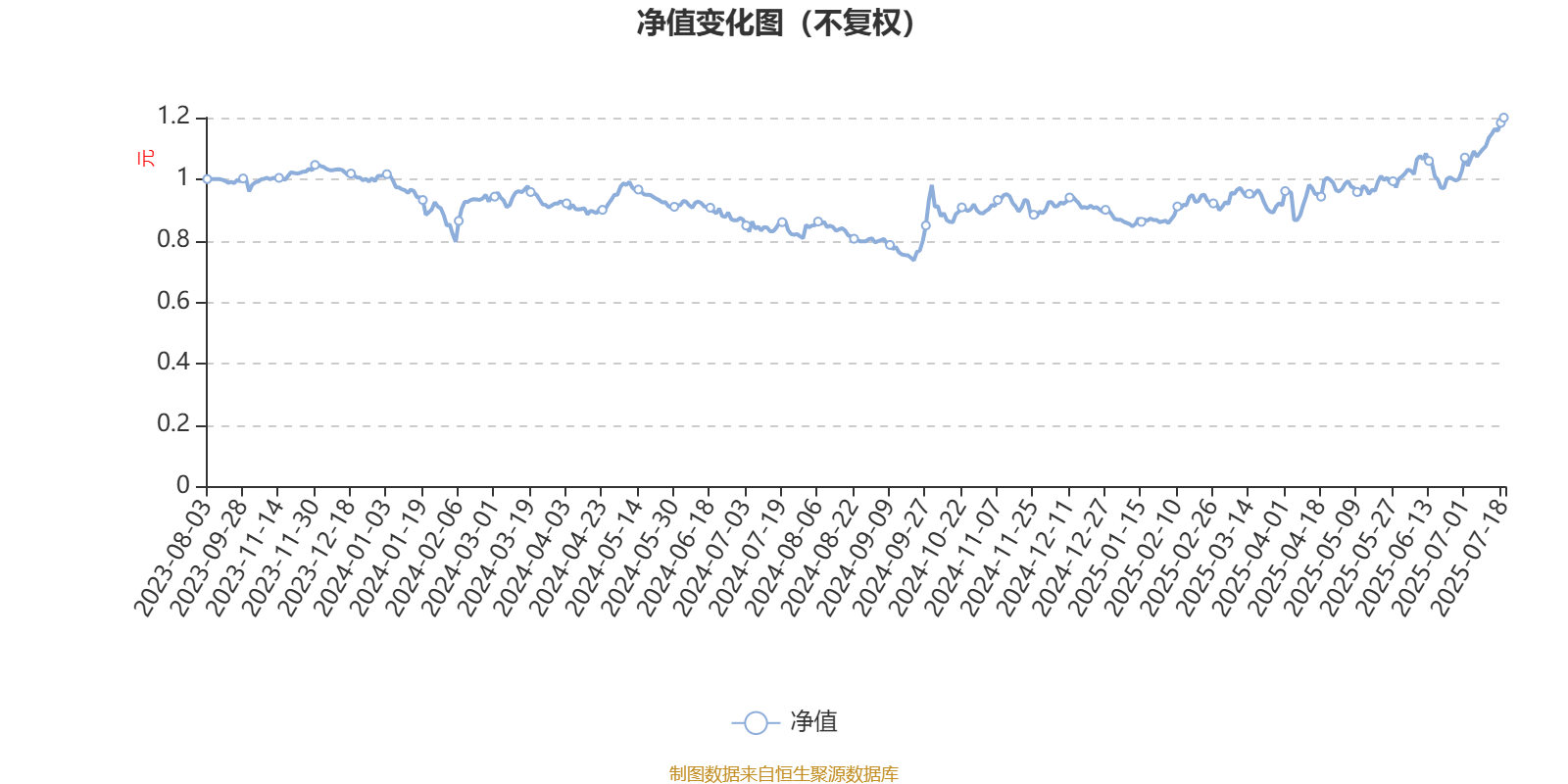
Core Insights - The AI Fund Caizheng Asset Management Healthcare Mixed A (018484) reported a profit of 24.79 million yuan for Q2 2025, with a weighted average profit per fund share of 0.1341 yuan [2] - The fund's net value growth rate for the reporting period was 12.31%, and the fund size reached 131 million yuan by the end of Q2 [2][14] - The fund focuses on long-term investments in pharmaceutical and healthcare stocks, with a unit net value of 1.2 yuan as of July 18 [2] Performance Metrics - As of July 18, the fund's one-year cumulative net value growth rate was 40.05%, ranking 68 out of 133 comparable funds [3] - The fund's three-month and six-month cumulative net value growth rates were 27.15% and 38.72%, ranking 71 out of 138 and 73 out of 138 respectively [3] - The fund has maintained an average stock position of 85.93% since inception, with a peak of 92.29% at the end of Q1 2024 [13] Risk and Return Analysis - The fund's Sharpe ratio since inception is 0.2868, indicating a moderate risk-adjusted return [7] - The maximum drawdown since inception is 29.68%, with the largest quarterly drawdown occurring in Q1 2024 at 21.64% [10] Investment Strategy - The fund manager, Yi Xiaojin, emphasizes identifying investment targets that can benefit from the aging economy and domestic demand evolution, focusing on sectors such as innovative drugs, medical devices, and pharmacies [2] - The fund aims to invest in companies that are actively embracing international expansion, particularly in medical consumables, raw materials, and innovative medical devices [2] - The fund holds a concentrated portfolio, with the top ten holdings including companies like Rejing Biology, Zhaoyan New Drug, and WuXi AppTec [17]
广东商业风向标:“万亿城央”开创跨省跨区域商业发展新模式
Nan Fang Du Shi Bao· 2025-07-18 14:33
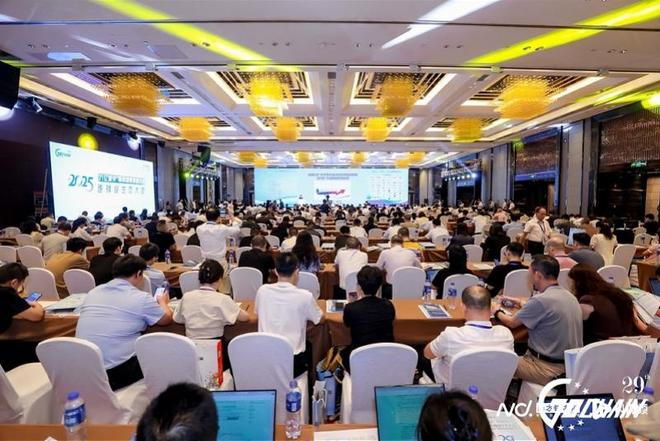
Core Insights - The "Wanqi Chengyang" new commercial development alliance was established to promote cross-regional cooperation in commercial services and brand growth from regional to national levels [1][3] - The alliance includes six economically strong districts and aims to enhance resource sharing and collaboration among major commercial entities [3][5] - Reports on consumer trends and ESG (Environmental, Social, and Governance) practices were released, highlighting the evolving landscape of consumer expectations and corporate responsibility [6][11] Group 1: Alliance and Events - The "Wanqi Chengyang" alliance was initiated by six districts, with the first rotating leadership held by the Zhencheng District of Foshan [3] - The alliance has organized four major exchange events and established a resource database that includes 11 major commercial circles and 48 leading brands [3][5] - The second rotating leadership will be held by the Yuzhong District of Chongqing, focusing on attracting investment and providing comprehensive services to businesses [5] Group 2: Consumer Trends and Market Insights - The 2025 Guangdong Commercial ESG report indicates that nearly 60% of companies have established ESG leadership at the board level, with 40% incorporating ESG performance into management compensation [11][12] - Consumer behavior is shifting towards a focus on quality-price ratio, with an emphasis on emotional value driving consumption growth [12][14] - The 2025 High-Quality Consumption Brand TOP100 report shows that over 200 brands are distributed across more than 20 provinces, with significant growth in the beauty and outdoor sectors [14][15] Group 3: Company Performance - The top 100 Guangdong chain enterprises reported a total sales of 537.6 billion yuan, a slight decline of 1.1% year-on-year, while the number of stores increased by 7.1% [15][17] - Meiyijia topped the list with a sales figure of 55.9 billion yuan and 37,900 stores, leading the Guangdong chain industry [17]
线下角力:中药企业加码门店布局 连锁药店收缩转型 | 中药大健康赛道迭变
Xin Lang Cai Jing· 2025-07-18 04:51
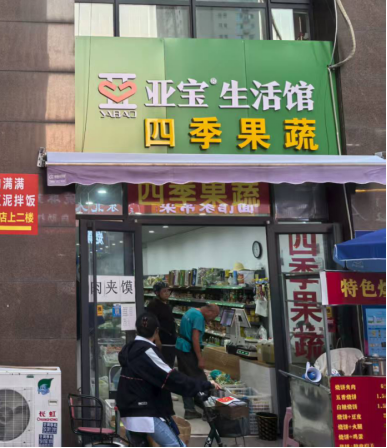
Group 1 - The offline channels in the pharmaceutical and health industry have undergone significant changes due to industry policies, demographic shifts, and changing consumer habits, with traditional chain pharmacies reducing store numbers and transitioning to diversified operations [1] - Chinese medicine production companies are increasingly focusing on the health sector, with a notable rise in the importance of health products, as market entry barriers for these products are lower compared to pharmaceuticals [1] - Chain pharmacies are adopting a mixed business model, integrating health food sales alongside traditional products, which is seen as a growth opportunity [1] Group 2 - Yabao Pharmaceutical plans to invest over 100 million yuan to establish 500 Yabao Life Halls, targeting the elderly demographic and combining physical stores with online promotions [2] - Yabao Life Halls have rapidly expanded, with over 3,000 locations currently and plans to reach 5,000 by the end of the year, with low initial investment costs for franchisees [2] - Guangyuyuan has launched a plan to expand its store count from approximately 500 to 1,000, focusing on health products like medicinal wine and herbal teas [4] Group 3 - Chain pharmacies are experiencing a contraction phase, with major players like Dazhenlin and Laobaixing closing over 1,000 stores due to poor performance [6] - The number of retail pharmacies is projected to decline significantly, with an expected closure of 14,114 stores in 2024, indicating a turning point in the industry [6] - Many pharmacies are reducing their operational space and shifting focus to health food products, reflecting a strategic pivot in response to changing consumer purchasing behaviors [7][9] Group 4 - The sale of health food products in pharmacies is still in the exploratory phase, with staff often lacking knowledge about these products, which hinders sales [10] - Several chain pharmacies view health food products as a key area for future transformation, with some adjusting their business scope to include food sales [12][13]
器械、药店2025年H2策略及Q2前瞻:需求恢复,拐点将至
ZHESHANG SECURITIES· 2025-07-11 07:31
Group 1: Medical Devices - The medical device sector is expected to see a recovery in performance in H2 2025, driven by the resumption of hospital tenders and inventory clearance [5][34]. - High-value consumables are anticipated to benefit from significant domestic substitution opportunities and the completion of centralized procurement, leading to improved performance elasticity for companies [5][24]. - The home medical sector is projected to recover growth due to an improved consumer environment and ongoing new product investments [5][35]. - The IVD (in vitro diagnostics) sector is expected to enter a structural recovery phase, with head companies and differentiated competitors seeking innovation and overseas expansion [5][28]. Group 2: Investment Recommendations - Recommended companies in the medical device sector include Xinhua Medical, Kaili Medical, Mindray Medical, and Union Medical, with a focus on those benefiting from tender recovery and overseas expansion [5][36]. - For high-value consumables, companies like Microelectrophysiology and Microinvasive Medical are highlighted, particularly those in electrophysiology, orthopedics, and coronary intervention [5][36]. - IVD companies with high technical barriers and continuous new product launches, such as Aide Biological, are also recommended [5][36]. Group 3: Chain Pharmacies - The chain pharmacy sector is experiencing a recovery in performance expectations and valuation due to diversified product expansion [41]. - The industry is witnessing an acceleration in store closures and a slowdown in new openings, with leading companies expected to increase their market share [42][60]. - Recommended leading pharmacy companies include Dazhenlin, Yifeng Pharmacy, and Laobaixing, with a focus on those with superior management capabilities [43][87]. Group 4: Valuation and Market Dynamics - The valuation of chain pharmacies has seen recovery due to improved profit growth expectations and diversified strategies [47]. - The supply side is facing stricter drug price controls, but leading pharmacies are expected to maintain better pricing power due to their market position [56]. - The industry is undergoing adjustments, with leading companies likely to recover profit growth in 2025 as they adapt to market changes [74][79].
华人健康收盘下跌1.97%,滚动市盈率38.16倍,总市值57.68亿元
Jin Rong Jie· 2025-07-08 10:24
Group 1 - The core viewpoint of the articles highlights the financial performance and market position of Huaren Health, indicating a steady growth in revenue and profit, alongside a relatively high PE ratio compared to industry averages [1][2] - As of July 8, Huaren Health's closing price was 14.42 yuan, with a PE ratio of 38.16 times and a total market capitalization of 5.768 billion yuan [1] - The company operates in the pharmaceutical retail and distribution sector, with a focus on traditional and Western medicines, health products, and medical devices [1] Group 2 - For the fiscal year 2024, Huaren Health reported a record revenue of 4.532 billion yuan, representing a year-on-year growth of 19.34%, and a net profit of 138 million yuan, up 20.09% from the previous year [1] - The first quarter of 2025 showed a revenue of 1.267 billion yuan, an increase of 14.71% year-on-year, and a net profit of 61.22 million yuan, reflecting a growth of 28.15% [2] - The company’s R&D expenses reached 29.39 million yuan, marking a 21.46% increase compared to the previous year, indicating a commitment to innovation and development [1]
阵痛中的连锁药店:有上市连锁也考虑整体出售 70万家药店寻找新方向
Di Yi Cai Jing· 2025-07-03 00:13
Core Viewpoint - The chain pharmacy industry in China is facing significant challenges, including declining profits, difficulties in online transformation, and a lack of investor confidence, leading to a period of deep adjustment and potential consolidation [1][8][16]. Group 1: Industry Performance - In 2024, only Yifeng Pharmacy among the six major listed chain pharmacy brands achieved profit growth, while the other five experienced varying degrees of profit decline [1][5]. - The revenue growth of the six major chains did not exceed 10% in 2024, with the highest growth at 8.01%, a stark contrast to previous years where growth often exceeded 10% [5][6]. - Yifeng Pharmacy was the only company to report profit growth, while others, including Shuyupingmin, faced their first losses since 2019 [6][7]. Group 2: Market Dynamics - The number of offline pharmacies in China grew from 520,000 in 2019 to 700,000 in 2024, with major chains aggressively expanding through various methods [2]. - The expectation of prescription outflow has not materialized, with prescriptions returning to grassroots medical institutions instead of flowing to retail pharmacies [3][4]. - The introduction of stricter regulations, such as comprehensive inspections of pharmacies and mandatory traceability codes, has increased compliance costs for pharmacies [4]. Group 3: Investor Sentiment - There have been multiple instances of major shareholders in chain pharmacies, such as Yifeng and Laobaixing, reducing their stakes, raising concerns about the industry's future [7]. - Several chain pharmacies are reportedly seeking to sell their businesses, but a lack of interested buyers indicates a significant loss of confidence in the industry [1][6]. Group 4: Online Transition - The online pharmacy market is growing, with online sales reaching 329.2 billion yuan in 2024, while physical pharmacy sales declined for the first time [10]. - Major online pharmacy players like JD Health and Alibaba Health reported strong revenue growth, contrasting with the struggles of traditional pharmacies [10][11]. - Chain pharmacies are increasingly investing in online channels, with significant growth in their O2O (Online to Offline) sales, although they face challenges in competing with larger platforms [11][12]. Group 5: Strategic Shifts - Chain pharmacies are exploring non-pharmaceutical business models, with companies like Yixin Tang and Laobaixing diversifying their product offerings to include health and personal care items [14][15]. - The shift towards a more diversified product range aims to reduce reliance on prescription sales and adapt to changing consumer preferences [14][16]. - The industry is undergoing a transformation phase, necessitating a reevaluation of value propositions in light of declining prescription flows and increased competition from e-commerce [16][17].

浙江震元: 浙江震元股份有限公司2024年向特定对象发行股票募集说明书(修订稿)
Zheng Quan Zhi Xing· 2025-07-02 16:36
Group 1 - The company plans to issue A-shares to specific investors, pending approval from the Shenzhen Stock Exchange and the China Securities Regulatory Commission (CSRC) [2][3][4] - The final issuance price will be no less than 85% of the average trading price of the company's shares over the 20 trading days prior to the pricing date [3][4][5] - The total number of shares to be issued will not exceed 25% of the company's total share capital, amounting to a maximum of 83,530,821 shares [5][6] Group 2 - The funds raised will be allocated to specific projects, including the construction of a production base for amino acids and an enhancement project for raw materials [6][7] - The company may adjust the investment priorities and amounts based on the actual net amount raised and project urgency if the net proceeds are less than planned [6][7] - The company has committed to using the raised funds in compliance with relevant regulations and will replace any pre-invested funds once the raised funds are available [6][7] Group 3 - The company operates in the pharmaceutical industry, which is subject to strict regulatory oversight from various government bodies, including the National Medical Products Administration and the National Healthcare Security Administration [19][20] - The pharmaceutical industry is characterized by significant competition and regulatory challenges, including drug approval processes and pricing regulations [19][20][21] - The company’s business encompasses pharmaceutical distribution, manufacturing, and health services, with a focus on both commercial and industrial sectors [19][20]
