
微软

Search documents
中国AI拒绝仰视
3 6 Ke· 2026-02-05 12:58
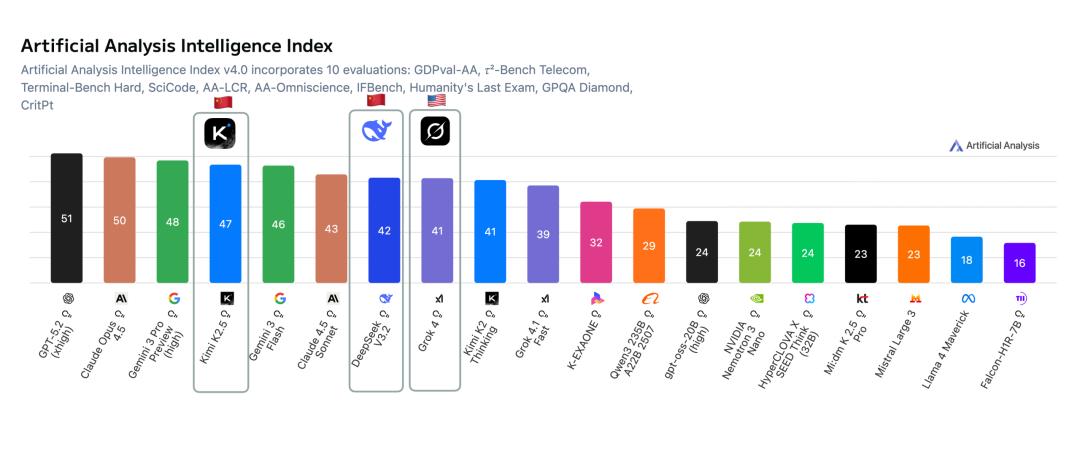
Group 1 - The core event involves the merger of xAI and SpaceX, resulting in a new entity valued at $1.25 trillion, with xAI's valuation prior to the merger reaching $200 billion to $230 billion [1] - The valuation disparity between Chinese and American AI companies is highlighted, with xAI's valuation significantly exceeding that of all Chinese AI startups combined [1] - The article discusses the systemic undervaluation of Chinese tech companies compared to their American counterparts, with Nasdaq's median valuation at 34 times earnings versus Hong Kong's at 18-19 times [7] Group 2 - The article argues that the valuation differences reflect a deeper "capital hegemony," where American investors are willing to pay a premium for potential market-defining technologies [9][10] - It contrasts the "ecosystem pricing" approach of the U.S. market with China's "efficiency pricing," which focuses on tangible results and financial visibility [12] - The historical context of American tech dominance is presented, suggesting that past successes have led to a biased perception of future potential [14] Group 3 - The financial performance of xAI is scrutinized, revealing a cash burn rate of approximately $1 billion per month, indicating challenges in achieving self-sustainability [15] - In contrast, Chinese AI companies are noted for their rapid technological advancements and practical applications, with significant growth in open-source model downloads [17][24] - The article emphasizes that Chinese AI firms are not merely low-cost alternatives but are becoming essential components of the global developer ecosystem [24] Group 4 - The narrative suggests a shift in capital market perceptions, with increasing recognition of the core competencies of Chinese tech firms, such as engineering talent and comprehensive industrial support [26] - It predicts a potential turning point in profitability for Chinese tech giants, with AI adoption expected to enhance their valuations by 15% to 20% [26] - The conclusion posits that the future of technology investment should focus on practical applications and real-world value creation rather than speculative narratives [27][28]

微软市值暴跌5000亿后,市场焦点转向亚马逊AWS云业务财报
Hua Er Jie Jian Wen· 2026-02-05 12:50
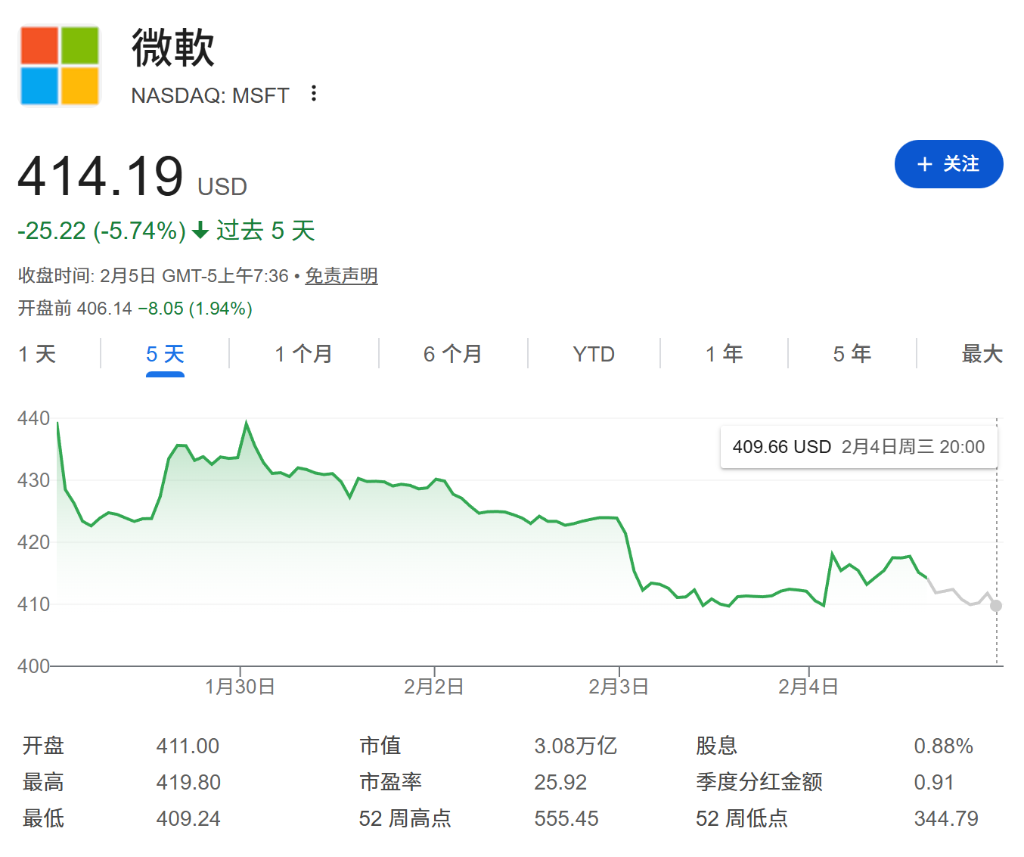
Core Insights - Amazon's upcoming earnings report is a focal point for investors seeking insights into the growth prospects of the cloud computing industry, especially following Microsoft's stock decline due to Azure's slowing growth [1][3] - Concerns are rising about whether Microsoft's issues are company-specific or indicative of a broader slowdown in the cloud services sector, which could have lasting impacts [3] - Analysts expect Amazon's AWS to report a 21% year-over-year revenue growth, reaching $34.8 billion, as investors look for catalysts to boost Amazon's stock price [3][6] Valuation and Market Expectations - Amazon's stock has underperformed, rising only 5.2% over the past year, compared to a 20% increase in the Nasdaq 100 index [4] - The expected price-to-earnings ratio for Amazon is around 24 times, significantly lower than its 10-year average of 46 times, indicating a relatively cheap valuation [4] - Post-earnings report, Amazon's stock is anticipated to experience about a 7% volatility, as investors seek high growth rates to meet market expectations [4] Key Financial Data Outlook - Analysts project Amazon's total revenue for Q4 to grow by 13% to $211.5 billion, with adjusted earnings per share expected to rise by 8% to $2.40 [6] - The previous earnings report saw a nearly 10% stock surge due to better-than-expected AWS revenue, but current market sentiment is cautious due to a broader "anti-software" sentiment affecting the tech sector [6] Capital Expenditure and AI Investment Strategy - Investors will closely monitor Amazon's future capital expenditure guidance and its specific investments in artificial intelligence, especially in light of Microsoft's aggressive AI spending [7] - Amazon's investment in Anthropic PBC, amounting to $8 billion, and potential $50 billion investment in OpenAI are key points of interest, as these could enhance Amazon's earnings [7] - The performance of Amazon's AI chatbot "Rufus" in the retail business will also be scrutinized to assess the effectiveness of AI technology in core operations [7] Cloud Business as a Core Indicator - Despite Amazon's diversified revenue streams, the cloud business remains the primary focus for investors, with AWS being described as the "crown jewel" of the company [8] - A stable and clear outlook for AWS is essential for maintaining investor confidence, as it is the focal point of Amazon's growth narrative [8]


银行股,资金出手了
3 6 Ke· 2026-02-05 11:21
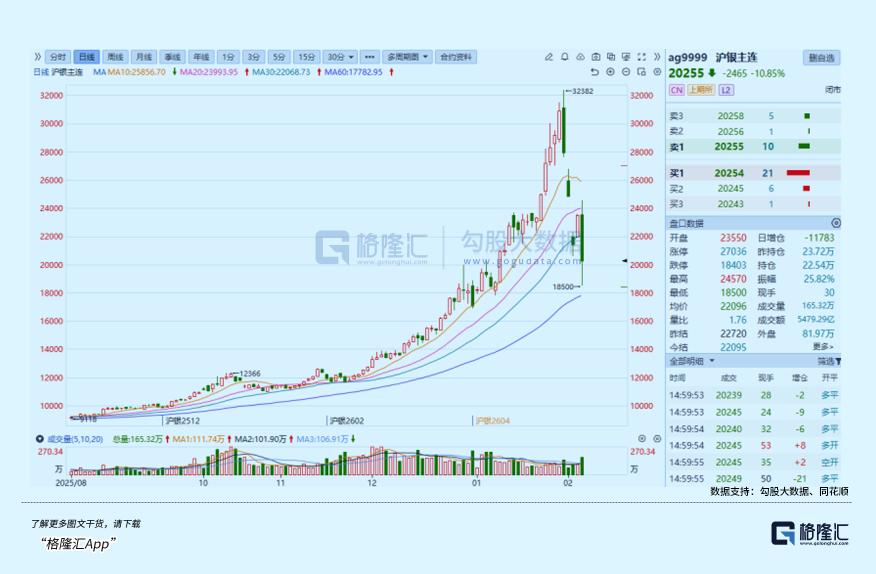
Core Viewpoint - A significant market shift occurred as global funds fled from technology stocks and precious metals, leading to a notable decline in major indices and a surge in bank stocks as a safe haven for investors [1][2][3]. Group 1: Market Reactions - On February 4, U.S. tech stocks experienced a sharp decline, with the Nasdaq dropping over 2% and major companies like Nvidia, Meta, and Tesla falling more than 3%. AMD saw a staggering drop of 17.3%, marking its largest single-day decline in nearly nine years [1][3]. - The panic spread to A-shares and Hong Kong stocks, with sectors like solar energy and precious metals witnessing significant sell-offs. Silver futures plummeted nearly 20% at one point, exacerbating market fears [2][5]. - Despite the overall market turmoil, the banking sector in A-shares rose by 2.1%, with all 42 bank stocks closing in the green, indicating a flight to safety among investors [2][10]. Group 2: Capital Flows - Southbound funds recorded a net purchase of over 22 billion HKD, with major Chinese banks like ICBC, CMB, and CCB becoming core targets for accumulation [3][13]. - A significant shift in capital is underway, with funds moving from tech and precious metals to banks, which are perceived as having a higher safety margin [3][9]. Group 3: Banking Sector Performance - The banking sector is supported by strong earnings growth and historically low valuations, making it an attractive option for risk-averse investors [15][20]. - As of February 4, several banks reported robust earnings, with Qingdao Bank, Hangzhou Bank, and others showing significant profit increases, further solidifying the sector's appeal [16][18]. - The banking sector's average dividend yield ranges from 4.87% to 5.2%, significantly higher than the 10-year government bond yield of around 2%, enhancing its attractiveness in a low-interest-rate environment [21][22]. Group 4: Future Outlook - The recent market volatility raises questions about whether the declines in tech stocks and precious metals will lead to further panic selling. However, the influx of funds into bank stocks suggests a potential shift in market sentiment [23].






高通(QCOM):FY26Q1业绩符合预期,内存短缺拖累下游需求
EBSCN· 2026-02-05 11:09
Investment Rating - The report maintains a "Buy" rating for Qualcomm (QCOM.O) [6] Core Insights - Qualcomm's FY26Q1 performance met expectations, but the guidance for FY26Q2 fell short due to adverse impacts from memory shortages and price increases affecting downstream demand [1] - FY26Q1 Non-GAAP revenue was $12.252 billion, a 5% year-over-year increase, with Non-GAAP net profit at $3.781 billion [1] - The guidance for FY26Q2 is projected Non-GAAP revenue of $10.2 to $11 billion, below the consensus estimate of $11.16 billion [1] Summary by Sections QCT Mobile Business - FY26Q1 mobile business revenue was $7.824 billion, up 3% year-over-year, driven by increased shipments of Snapdragon chips [2] - Qualcomm secured a 75% supply share for high-end smartphone chips for Samsung's upcoming series [2] - The guidance for FY26Q2 mobile revenue is approximately $6 billion, with expectations of growth being constrained by memory chip shortages [2] QCT IoT Business - FY26Q1 IoT revenue reached $1.688 billion, a 9% year-over-year increase, primarily due to higher shipments in edge networking and consumer products [3] - The company continues to expand into vertical applications in edge networking and industrial IoT, with new products launched at CES 2026 [3] - The PC segment saw the release of the Snapdragon X2 Plus chip, enhancing performance significantly [3] QCT Automotive Business - FY26Q1 automotive revenue was $1.101 billion, a 15% year-over-year increase, attributed to higher shipments of vehicles equipped with Qualcomm's smart cockpit technology [4] - Qualcomm signed a long-term supply agreement with Volkswagen Group, expanding its supply to brands like Audi and Porsche [4] - The company is collaborating with CARIAD and Bosch to develop autonomous driving systems [4] Financial Forecast and Valuation - The report forecasts GAAP net profits of $11.5 billion, $12.5 billion, and $13 billion for FY2026, FY2027, and FY2028 respectively, with growth rates of 107.7%, 8.4%, and 4.2% [4] - The current price corresponds to FY2026-2028 P/E ratios of 14X, 13X, and 12X [4]

银行股,资金出手了!
格隆汇APP· 2026-02-05 10:15
Core Viewpoint - A significant market shift is occurring, characterized by a mass exodus of funds from technology and precious metals sectors, with a notable influx into bank stocks as a safe haven amid rising panic and volatility [2][5][21]. Group 1: Market Dynamics - The U.S. tech stocks experienced a sharp decline, with the Nasdaq dropping over 2%, and major companies like Nvidia, Meta, and Tesla falling more than 3%. AMD saw a staggering drop of 17.3%, marking its largest single-day decline in nearly nine years [2][5]. - Panic spread to A-shares and Hong Kong stocks, with sectors like solar energy and oil equipment witnessing significant sell-offs. Precious metals, which had recently rebounded, also faced a sharp decline, with silver futures plummeting nearly 20% in a single day [3][5]. - The market turmoil was triggered by negative news affecting U.S. tech stocks, leading to a valuation bubble burst. Despite AMD's strong performance, its results fell short of the most optimistic analyst expectations, resulting in a drastic stock price drop [5][6]. Group 2: Bank Sector Resilience - In contrast to the broader market, the banking sector saw a rise, with A-share bank stocks collectively increasing by 2.1%. All 42 bank stocks closed in the green, with Xiamen Bank hitting a rare limit-up and several city commercial banks rising over 3% [3][15]. - Southbound funds significantly targeted bank stocks, with a net purchase exceeding 22 billion HKD, focusing on major banks like ICBC, CMB, and CCB as core investment targets [4][20]. - The banking sector is viewed as a "safe haven" due to its strong earnings growth and historically low valuations, making it an attractive option for risk-averse investors [21][22]. Group 3: Earnings and Valuation - Recent earnings reports from several banks indicate robust growth, with Qingdao Bank, Hangzhou Bank, and Shanghai Pudong Development Bank showing significant increases in net profits. For instance, Qingdao Bank reported a net profit of 51.88 billion CNY, a 21.66% year-on-year increase [23][25]. - The banking sector has undergone a six-month correction, leading to a new valuation bottom. The sector's price-to-earnings ratio stands at a low 6.7 times, and the average dividend yield is between 4.87% and 5.2%, making it appealing in a low-interest-rate environment [27][28]. - Institutional interest in bank stocks is rising, with over 370 institutions conducting research on 11 listed banks, indicating a strategic shift towards these stocks amid market volatility [28][29].





国泰海通:光纤光缆供不应求 看好行业涨价趋势
Zhi Tong Cai Jing· 2026-02-05 09:01
Group 1 - The core viewpoint is that the fiber optic industry is entering a price increase trend, driven by rising demand for G657A2 and other products, leading to reduced supply of G652D and longer delivery times [2][4] - The demand for fiber optics is significantly boosted by AI-driven data centers and DCI (Data Center Interconnect) scenarios, with global fiber demand expected to continue rising [3][4] - The export performance of fiber optic and cable companies is strong, with overseas markets becoming an important growth point for the industry [3][6] Group 2 - The competition in computing power is driving a concentrated explosion in fiber demand, with AI data centers requiring significantly more fiber than traditional data centers [4][5] - The demand for specialty and multimode fibers is growing, with companies rapidly advancing in the development and application of hollow-core fibers [5] - Major domestic fiber optic manufacturers are expected to benefit from the price increase trend, with profit elasticity likely to be continuously revised upwards [6]




美股科技软件板块大崩盘,罪魁祸首竟是这家公司?
阿尔法工场研究院· 2026-02-05 07:48
Core Viewpoint - The emergence of native AI models, exemplified by Anthropic's new automation tools, poses a significant threat to traditional software companies, raising questions about the sustainability of their business models and competitive advantages [2][3]. Group 1: Impact of Anthropic's Tools - Anthropic's release of a legal tool plugin for its Claude Cowork platform has triggered panic selling in the software sector, particularly affecting legal software and data service companies [2]. - Major companies like Thomson Reuters and LegalZoom saw their stock prices plummet by 21% and over 20% respectively, as their core business models were directly challenged by the cost-effective and integrated solutions offered by AI [3]. - The market fears that if companies can use a single AI plugin to handle legal compliance tasks that previously required multiple expensive software subscriptions, the subscription value of traditional SaaS companies will be severely undermined [3]. Group 2: Subscription Model Crisis - The term "SaaSpocalypse" reflects the growing concern that AI advancements may not just assist growth but could potentially replace traditional subscription models entirely [5]. - The traditional software industry's reliance on high-margin recurring revenue from seat-based billing is threatened as AI agents can perform tasks that previously required multiple personnel [5]. - This shift in expectations regarding future growth is a key driver behind the current wave of panic selling in the software sector [5]. Group 3: Performance Discrepancies - Among S&P 500 software stocks, only 69% reported revenues above expectations, significantly lower than the tech sector's overall 85% success rate, indicating a weak position in the AI-driven market [6]. - Even strong performers like Microsoft are under scrutiny as their Azure cloud business shows signs of slowing growth, leading to a decline in stock price over four consecutive trading days [6]. - In contrast, Palantir emerged as a rare "safe haven" with a 70% revenue increase in Q4, suggesting that the market is selectively favoring companies that can effectively leverage AI to enhance productivity [6]. Group 4: Market Reallocation - Despite the Nasdaq's poor performance, the S&P 500 shows a "seesaw" effect, with companies like FedEx and Walmart gaining market value, indicating a shift of funds from vulnerable software stocks to more defensively positioned sectors [7]. - The selling pressure on software stocks is characterized by a "surrender" mentality among investors, who are eager to exit positions regardless of price [7]. - From an investment perspective, extreme panic often creates opportunities, as evidenced by Microsoft's valuation dropping to a three-year low with a forward P/E ratio around 25 [7]. Group 5: Future Outlook - The year 2026 is anticipated to be a pivotal moment for the software industry, as AI programming and automation lower development barriers and diminish traditional business moats [8]. - The consensus on Wall Street has shifted fundamentally, with software no longer seen as a guaranteed profit generator in the face of competition from companies like Anthropic that possess foundational AI models [8]. - Investors are advised to focus on identifying companies with core competencies that are not easily replaceable by automation, rather than blindly attempting to catch falling stocks [8].




AI虹吸三大存储巨头产能,惠普等PC霸主求援中国! “芯片繁荣窗口”来到中国存储面前
智通财经网· 2026-02-05 07:33
Core Viewpoint - Global PC manufacturers are considering large-scale procurement of storage chips from Chinese manufacturers due to extreme shortages in the global storage chip supply, which is threatening new product launches and increasing operational costs across the tech industry [1][2] Group 1: Industry Context - The current shortage of storage chips is unprecedented, affecting various sectors including PCs, gaming consoles, high-end smartphones, and AI data centers, which require long-term large-scale purchases of these critical hardware components [2] - The demand for storage chips is being driven by AI data center expansions led by companies like Google, Microsoft, and Meta, which are prioritizing high-margin sectors over consumer electronics, thereby squeezing the supply available for PC manufacturers [2][3] Group 2: Impact on Major Companies - Nintendo's recent earnings report highlighted that the shortage of storage chips, particularly DRAM, has severely impacted profit margins, leading to a situation where increased sales do not translate into higher profits [4] - Qualcomm has indicated that the supply chain bottlenecks in storage chips are expected to reduce smartphone chip revenues to approximately $6 billion, reflecting the direct impact of storage chip shortages on smartphone shipments [4] Group 3: Supply Chain Dynamics - The current supply-demand mismatch is particularly acute for DRAM, especially PC DRAM and high-performance DDR5, which are experiencing significant price increases and affecting overall production costs and shipment schedules [3][7] - Major storage chip manufacturers like SK Hynix, Samsung, and Micron are reallocating production capacity to more profitable HBM storage systems, which is further constraining the supply of consumer-grade memory products [5][6] Group 4: Actions by PC Manufacturers - HP, Dell, Acer, and Asus are actively seeking to certify and procure DRAM products from Chinese manufacturer Changxin Memory Technologies (CXMT) to mitigate the impact of rising prices and supply shortages [8][9] - HP plans to closely monitor the supply situation until mid-2026, with potential procurement from CXMT if DRAM supply remains tight and prices continue to rise [8][9]


中金:微软第二财季业绩超预期,维持“跑赢行业”评级及目标价586美元
Jin Rong Jie· 2026-02-05 07:13
Core Viewpoint - Microsoft reported a strong performance for Q2 of fiscal year 2026, exceeding market expectations in revenue and profit metrics, driven by robust demand for AI products [1] Financial Performance - Total revenue increased by 17% year-on-year to $81.3 billion, surpassing market expectations of 15% growth and the firm's forecast of 16% [1] - Operating profit rose by 21% year-on-year to $38.3 billion, exceeding market expectations of $36.6 billion and the firm's estimate of $36.9 billion [1] - GAAP net profit surged by 60% year-on-year to $38.5 billion, driven by gains from investments in OpenAI, significantly above market expectations of $28.8 billion and the firm's forecast of $27.5 billion [1] - Non-GAAP diluted earnings per share increased by 24% year-on-year to $4.14, exceeding market expectations of $3.91 and the firm's estimate of $4.09 [1] Product Demand - Continued strong demand for AI products, including M365, Windows, and search, contributed to the better-than-expected performance in the quarter [1] Analyst Rating - The firm maintains a "Outperform" rating for Microsoft with a target price of $586 [1]
研报掘金丨中金:微软第二财季业绩超预期,维持“跑赢行业”评级及目标价586美元
Ge Long Hui· 2026-02-05 07:00
Core Viewpoint - Microsoft reported a strong performance for Q2 of fiscal year 2026, exceeding market expectations in revenue and profit metrics driven by AI product demand [1] Financial Performance - Total revenue increased by 17% year-over-year to $81.3 billion, surpassing market expectations of 15% growth and the firm's forecast of 16% [1] - Operating profit rose by 21% year-over-year to $38.3 billion, exceeding market expectations of $36.6 billion and the firm's estimate of $36.9 billion [1] - GAAP net profit surged by 60% year-over-year to $38.5 billion, driven by investment returns from OpenAI, significantly above market expectations of $28.8 billion and the firm's forecast of $27.5 billion [1] - Non-GAAP diluted earnings per share increased by 24% year-over-year to $4.14, exceeding market expectations of $3.91 and the firm's estimate of $4.09 [1] Product Demand - Continued strong demand for AI products, including M365, Windows, and search, contributed to better-than-expected performance for the quarter [1] Rating and Target Price - The firm maintains an "outperform" rating for Microsoft with a target price of $586 [1]