吉利汽车

Search documents
黄仁勋抢吃龙虾:英伟达新核弹10倍算力提升,OpenClaw自由了
机器之心· 2026-03-16 22:59
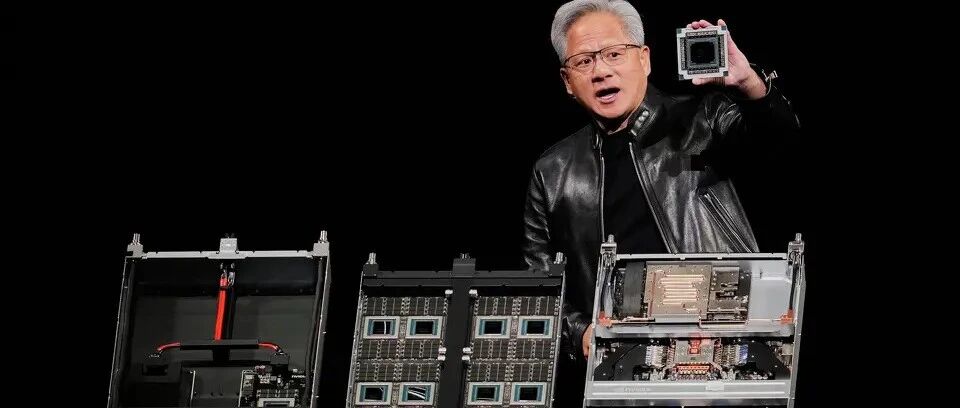
Core Viewpoint - The keynote by NVIDIA's CEO Jensen Huang at the GTC conference emphasizes a significant transformation in computing, likening it to the personal computer and internet revolutions, with a projected market growth to $1 trillion between 2025 and 2027, primarily driven by large-scale cloud computing [4][6]. Group 1: AI Computing and Infrastructure - NVIDIA's new Vera Rubin architecture represents a complex AI computing system, with the NVL72 model achieving a 50-fold increase in token performance per watt, significantly exceeding Moore's Law [10][18]. - The Vera Rubin NVL72 system integrates 72 Rubin GPUs and 36 Vera CPUs, achieving a tenfold increase in inference throughput while reducing token costs to one-tenth compared to previous architectures [18][19]. - The introduction of the Vera Rubin Ultra NVL576 allows for vertical scaling of up to 576 GPUs, enhancing the efficiency of large-scale AI factories [21][22]. Group 2: AI Processing Units - The new Language Processing Unit (LPU) architecture, developed in collaboration with Groq, optimizes inference pipelines and enhances performance, achieving up to 35 times higher throughput per megawatt [31][34]. - The LPX architecture is designed for trillion-parameter models, balancing power consumption, memory, and computational efficiency, with the potential for significant revenue growth for AI service providers [41][34]. Group 3: AI Deployment and Security - NVIDIA's NemoClaw platform enhances the OpenClaw framework by providing enterprise-level security, enabling safe deployment of AI agents in corporate environments [46][49]. - The integration of local and cloud models within NemoClaw allows for continuous learning and capability expansion while adhering to privacy and security protocols [53][56]. Group 4: Physical AI and Robotics - NVIDIA is expanding its AI capabilities into the physical world, partnering with major automotive manufacturers to develop L4 autonomous vehicles using NVIDIA DRIVE Hyperion technology [60][62]. - The introduction of the NVIDIA Isaac simulation framework and new open models aims to facilitate the development and deployment of next-generation intelligent robots [60].


英伟达GTC大会全文:黄仁勋宣告推理时代到来,龙虾就是新操作系统
Hua Er Jie Jian Wen· 2026-03-16 22:57
Core Insights - The event focuses on three major platforms: CUDA-X, system platform, and the new AI factory platform, emphasizing the importance of the ecosystem [1] - NVIDIA celebrates the 20th anniversary of CUDA, highlighting its revolutionary architecture and extensive integration into mainstream ecosystems [2] - The company has built a vast installation base of CUDA GPUs and computing systems over 20 years, which accelerates growth through a flywheel effect [3][4] - NVIDIA's libraries and tools are crucial assets for activating computing platforms and solving real-world problems, with significant updates announced at the event [10] Group 1: AI and Computing Evolution - The rise of generative AI and the launch of ChatGPT have fundamentally changed computing architecture and logic [13] - The demand for inference has skyrocketed, with computational needs increasing by approximately 1 million times [14] - NVIDIA's infrastructure is positioned to support the growing demand for AI across various fields, with a projected demand reaching $1 trillion by 2027 [15] Group 2: AI Factory and Token Production - Data centers are evolving from traditional storage to AI factories focused on token production, with the Vera Rubin system expected to enhance revenue by about 5 times [40] - NVIDIA's architecture allows for the lowest token cost globally, making it a competitive choice for data center installations [18] Group 3: OpenClaw and Agentic Systems - The introduction of OpenClaw represents a significant shift in enterprise IT, necessitating every company to develop an Agent strategy [30] - The NemoClaw reference design provides a secure framework for implementing Agentic systems in enterprises [31] Group 4: Physical AI and Robotics - The era of physical AI is emerging, with partnerships in autonomous driving, industrial robotics, and humanoid robots [35] - NVIDIA's collaborations with major automotive companies aim to integrate AI into RoboTaxi platforms, enhancing the future of transportation [36]
【整车主线周报】本周SW乘用车表现较好,原材料及汇兑压力依然明显
东吴汽车黄细里团队· 2026-03-16 15:37
Investment Highlights - The article emphasizes a positive outlook for the passenger car sector, anticipating a recovery in demand in Q1 2026 due to the implementation of subsidy policies [3][43] - For the entire year, the focus is on domestic companies that are resilient to policy fluctuations and those with strong export capabilities [3][43] Passenger Car Insights - Short-term recovery in passenger car demand is expected, with a focus on high-end electric vehicle manufacturers such as Jianghuai Automobile, Geely, Great Wall Motors, and others [3][43] - Export strategies should prioritize established companies with proven execution capabilities, recommending BYD, Great Wall Motors, and Chery [3][43] Heavy Truck Insights - In 2025, wholesale heavy truck sales reached 1.144 million units, a year-on-year increase of 26.8%, with domestic sales at 799,000 units, up 32.8% [4][45] - For 2026, domestic heavy truck sales are projected to reach 800,000 to 850,000 units, a 3% increase year-on-year, with continued recommendations for leading companies like China National Heavy Duty Truck Group and Weichai Power [4][45] Bus Insights - The implementation of a vehicle replacement policy in 2026 is expected to exceed market expectations, with a conservative estimate of 40,000 buses sold, a 40% increase year-on-year [4][46] - Recommendations include leading bus manufacturers such as Yutong Bus and King Long [4][46] Motorcycle Insights - The motorcycle industry is projected to see total sales of 19.38 million units in 2026, a 14% increase year-on-year, with large-displacement motorcycles expected to reach 1.26 million units, up 31% [5][44] - The export market is anticipated to grow significantly, with a forecast of 830,000 units exported, a 50% increase year-on-year [5][44] Material Price Changes - The article notes significant price increases in raw materials since Q4 2025, including aluminum (21.1%), lithium carbonate (115.0%), and copper (30.1%) [24][25] Company Performance - NIO reported Q4 2025 revenue of 34.65 billion yuan, a year-on-year increase of 75.9%, with vehicle sales revenue at 31.61 billion yuan, up 80.9% [40][41] - Li Auto's Q4 2025 revenue was 28.78 billion yuan, with a slight year-on-year increase of 5.2%, but a decrease in vehicle sales revenue [41][42]

如何看2026年1-2月消费数据?
Changjiang Securities· 2026-03-16 15:20
Investment Rating - The report does not explicitly state an investment rating for the industry [54]. Core Insights - In January-February 2026, the total retail sales of consumer goods reached 86,079 billion yuan, a year-on-year increase of 2.8%. Excluding automobiles, retail sales of consumer goods amounted to 79,827 billion yuan, growing by 3.7% [5][8]. - The overall demand side shows strong resilience, with online retail sales of physical goods increasing by 10.3% year-on-year, accounting for 24.2% of total retail sales [16]. - The food and beverage sector saw a recovery in growth rates, with restaurant income increasing by 4.8% year-on-year [18]. - The automotive sector experienced a decline in retail sales, with a total of 625.2 billion yuan, down 7.3% year-on-year, but new technologies are expected to drive demand recovery [22]. - The apparel and textile sector reported a significant increase in retail sales, with a year-on-year growth of 10.4% [27]. - The home appliance sector showed resilience with a year-on-year growth of 3.3% despite high base effects [39]. Retail Sector Summary - Online growth accelerated, with physical retail showing resilience. In January-February, retail sales of goods grew by 2.5% year-on-year, while dining revenue increased by 4.8% [16]. - Essential goods performed well, with retail sales of staple food items rising by 10.2% year-on-year [17]. - The performance of various retail formats varied, with convenience stores and supermarkets showing positive growth, while brand specialty stores saw a decline [16]. Food and Beverage Sector Summary - The food and beverage sector showed a strong performance during the Spring Festival, with retail sales of alcoholic beverages increasing by 19.1% year-on-year [35]. - The restaurant sector's income growth is expected to continue as the impact of previous restrictions diminishes [18]. - The overall demand for staple food items is projected to remain stable, supported by a recovery in consumer spending [37]. Automotive Sector Summary - The automotive retail sales experienced a decline, but new technologies are anticipated to drive a recovery in demand [22]. - The penetration rate of new energy vehicles remains high, with significant year-on-year growth in exports [22]. - The report recommends focusing on opportunities in the automotive sector, particularly in new technologies and international expansion [23]. Apparel and Textile Sector Summary - The apparel and textile sector reported a strong retail performance, with significant growth in online sales [27]. - The report highlights the potential for growth in mid-to-high-end segments and recommends focusing on companies with strong growth drivers [28]. Home Appliance Sector Summary - The home appliance sector showed resilience with a year-on-year growth of 3.3%, despite challenges from high base effects [39]. - The report suggests focusing on companies with strong growth potential and competitive advantages in the home appliance market [44].
南下资金净买入腾讯、阿里和比亚迪
Ge Long Hui· 2026-03-16 10:34
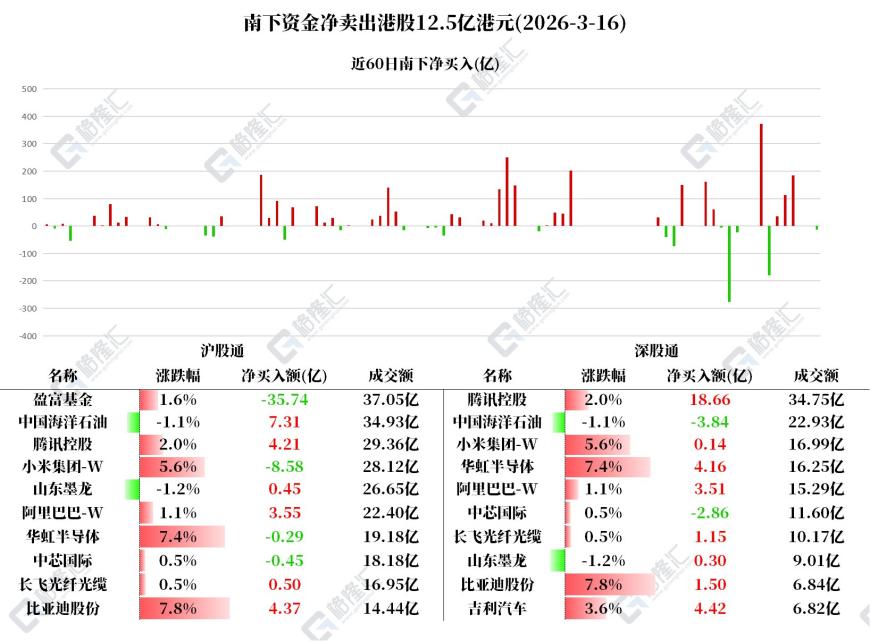
Group 1 - Southbound funds recorded a net sell of HKD 1.25 billion in Hong Kong stocks on March 16, with notable net purchases in Tencent Holdings (HKD 2.287 billion), Alibaba-W (HKD 706 million), BYD Company (HKD 586 million), and Geely Automobile (HKD 442 million) [1] - The net sell was primarily driven by the iShares Asia 50 ETF, which saw a net sell of HKD 3.574 billion, and Xiaomi Group-W with HKD 844 million [1][3] - Southbound funds have consistently net bought China National Offshore Oil Corporation (CNOOC) for four consecutive days, totaling HKD 3.38424 billion [1] Group 2 - Tencent Holdings experienced a price increase of 2.0% with a net buy of HKD 4.21 billion, while Alibaba-W saw a 1.1% increase with a net buy of HKD 3.55 billion [3] - BYD Company had a significant price increase of 7.8% with a net buy of HKD 4.37 billion, and Geely Automobile increased by 3.6% with a net buy of HKD 4.42 billion [3] - The overall trading volume for the stocks mentioned indicates a mixed performance, with some stocks like Xiaomi Group-W and SMIC showing negative net buy figures [3]




具身数据独角兽诞生!光轮智能完成10亿元A++及A+++轮融资
机器人圈· 2026-03-16 10:12
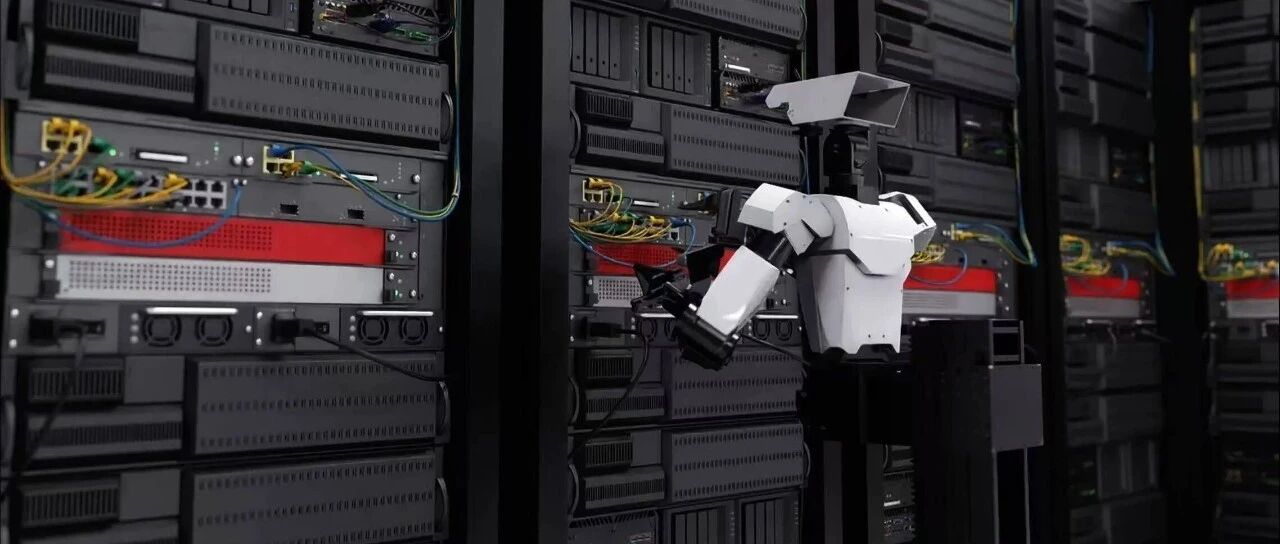
Core Insights - Guanglun Intelligent has completed a financing round of 1 billion yuan, becoming the world's first unicorn in the embodied data field, with funds aimed at enhancing physical simulation engine R&D and local deployment capabilities [4][7] - The company integrates generative AI with simulation technology to provide high-quality, large-scale synthetic data, addressing the data gap in the AI era [5][6] Financing and Investment - The recent financing attracted multiple industry players and financial institutions, including New Hope Group and Dingbang Investment, among others [4] - The investment will bolster Guanglun's leading position in physical AI data and simulation infrastructure [4] Product and Technology - Guanglun has established a three-layer architecture (World, Behavior, Eval) for scalable data and simulation engine, covering the entire chain from physical simulation to model evaluation [5] - The company is the only one globally to achieve large-scale delivery across three capabilities [6] Revenue Growth and Partnerships - Guanglun is projected to achieve a tenfold revenue increase by 2025, with Q1 2026 revenue expected to exceed the total revenue of 2025 [7] - Partnerships include major players like NVIDIA, Google, and Toyota, with over 80% of simulation assets from international embodied intelligence teams sourced from Guanglun [7]
图解丨南下资金净买入腾讯、阿里和比亚迪
Ge Long Hui A P P· 2026-03-16 10:01
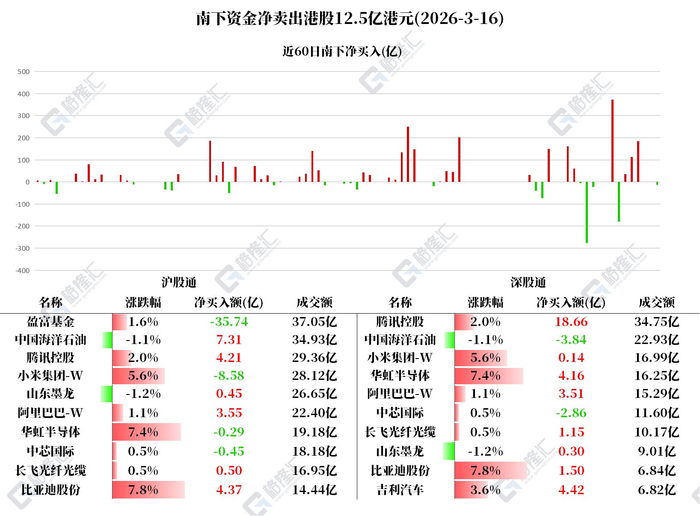
Group 1 - Southbound funds recorded a net sell of HKD 1.25 billion in Hong Kong stocks today [1] - Notable net purchases included Tencent Holdings at HKD 2.287 billion, Alibaba-W at HKD 706 million, BYD Company at HKD 586 million, Geely Automobile at HKD 442 million, Hua Hong Semiconductor at HKD 387 million, China National Offshore Oil Corporation at HKD 347 million, and Yangtze Optical Fibre and Cable at HKD 165 million [1] - Significant net sells were observed in the Tracker Fund of Hong Kong at HKD 3.574 billion, Xiaomi Group-W at HKD 844 million, and Semiconductor Manufacturing International Corporation at HKD 330 million [1] Group 2 - Southbound funds have continuously net bought China National Offshore Oil Corporation for four consecutive days, totaling HKD 3.38424 billion [2]
极氪8X今晚开启预售 吉利汽车港股近两周涨幅超18%
Xin Hua Cai Jing· 2026-03-16 09:32
Core Viewpoint - Geely Automobile's stock has seen a significant increase, with a rise of nearly 4% on March 16 and an overall gain of over 18% from March 6 to March 16, driven by the anticipation of the new high-performance SUV, Zeekr 8X, which is set to start pre-sales on the same day [2] Group 1 - Geely's stock price has been on an upward trend, with a cumulative increase of over 18% in the past two weeks [2] - The new flagship SUV, Zeekr 8X, is positioned as a mid-to-large high-performance electric SUV, with a starting price of 430,000 yuan [2] - Zeekr 8X is expected to compete directly with high-performance SUVs such as BMW X5M, Mercedes-Benz GLE AMG, and Porsche Cayenne Turbo GT [2]
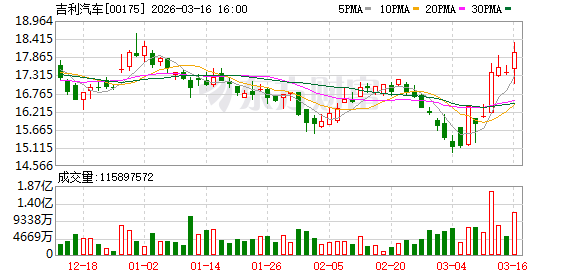
极氪8X今晚开启预售, 吉利汽车港股近两周涨幅超18%
Ge Long Hui A P P· 2026-03-16 09:18
格隆汇3月16日|吉利汽车(0175.HK)今日收涨近4%,盘中一度涨超5%。3月初以来,近两周吉利股价 连日大涨,涨幅一度超过18%。消息面上,其豪华新能源品牌极氪旗下全新大五座高性能旗舰SUV极氪 8X将于今晚正式开启预售,引发市场看好,显示出资本市场对吉利高端化布局信心持续提升。 极氪8X预计起售价43万元,定位中大型高性能新能源SUV,被网友誉为"杭州湾卡宴",将与宝马 X5M、奔驰GLE AMG及保时捷卡宴turbo GT等高性能SUV展开直接竞争。 ...
【快讯】每日快讯(2026年3月16日)
乘联分会· 2026-03-16 08:41
Domestic News - The Ministry of Transport emphasizes the implementation of "Artificial Intelligence + Transportation" to enhance the quality of transportation and promote green and low-carbon transformation [7] - The Ministry of Industry and Information Technology is selecting the first batch of national emerging industry development demonstration bases, focusing on areas like AI, smart connected vehicles, and clean hydrogen [8] - A joint task force has been established in Linyi, Shandong, to investigate illegal dismantling of scrapped vehicles, ensuring strict enforcement against such activities [9] - Zhejiang Province and Geely signed a new strategic framework agreement to enhance cooperation in technology and industry innovation, aiming for high-quality development in the automotive sector [10] - Li Auto plans to adopt a dual-battery strategy for all models starting in 2026, combining self-developed batteries with those from CATL to ensure consistent performance and quality [11] - BYD has built a total of 4,597 fast-charging stations across 279 cities, with plans to reach 20,000 stations by the end of 2026 to enhance the charging network [12] - Dongfeng Honda has officially commenced construction of its all-functional center in Wuhan, aimed at optimizing the automotive circulation service system [13] - During the 2026 Spring Festival transportation, the Qiongzhou Strait saw a record high in passenger and vehicle transport, with a 61.66% increase in new energy vehicles [14] International News - San Francisco plans to add 100 public electric vehicle charging stations to meet the growing demand for charging facilities [16] - BMW has introduced AI robots in its Leipzig factory for precision tasks in electric vehicle assembly, marking the first use of "Physical AI" technology in its European plants [17] - Uber and Motional have relaunched autonomous taxi services in Las Vegas, expanding the availability of self-driving vehicles on the Uber platform [18] - Elon Musk announced that Tesla will start its AI chip manufacturing project, Terafab, within a week [19] Commercial Vehicles - HOWO Light Truck has signed a strategic cooperation agreement with Yunmanman Cold Transport to deepen collaboration and enhance service for end customers [22] - The future of unmanned logistics vehicles has been outlined in China's 14th Five-Year Plan, indicating a clear path for development in this sector [23] - Renault has launched the Afrik series trucks tailored for the African market, designed for high load capacities and capable of operating in harsh conditions [24] - The Jinbei Sea Lion King CNG model has officially rolled off the production line, marking a significant step in Jinbei's strategy for clean energy vehicles [25]