名创优品

Search documents
名创优品新增一则被执行人信息,执行标的496万余元
Xin Lang Cai Jing· 2026-01-15 02:17
Core Viewpoint - MINISO (Guangzhou) Co., Ltd., a subsidiary of MINISO, has recently been listed as an executed party in a court case with an enforcement amount exceeding 4.96 million RMB [1] Company Information - MINISO (Guangzhou) Co., Ltd. was established in October 2017 and has a registered capital of approximately 147 million RMB [1] - The legal representative of the company is Ye Guofu, and its business scope includes the sale of disinfectants, indoor insecticides, and food products [1] - The company is wholly owned by MINISO Development Hong Kong Limited [1]
从资本狂欢到全球市场,潮玩在上升期混战
3 6 Ke· 2026-01-15 00:22
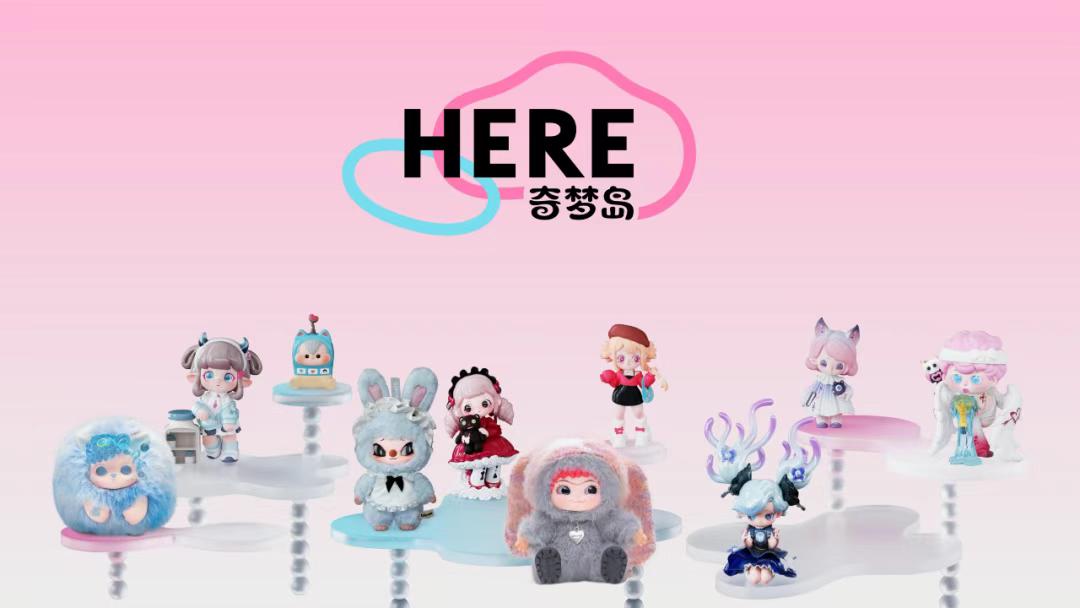
Core Insights - The潮玩 industry is experiencing a significant surge in 2025, marked by a variety of capital events and a shift towards mainstream visibility, with over 32,000 related companies registered in China by early 2026, including over 9,000 new registrations in the past year [2][3][25] - The market is characterized by high-density competition, with established brands like Pop Mart seeing explosive growth, including a 200% increase in revenue in the first half of the year and an 11-fold increase in the Americas [2][3][25] - New players are entering the market with diverse backgrounds and strategies, leading to a more fragmented competitive landscape [3][4] Industry Dynamics - The潮玩 market is transitioning to a more diversified participant structure, with new entrants leveraging celebrity resources and marketing strategies to gain traction [4][6] - Companies like Quantum Song have shifted focus from education to潮玩, indicating a trend of capital restructuring and strategic pivots within the industry [4][6] - The emergence of AI潮玩 and interactive toys is expanding the product offerings beyond static collectibles, with over 30 public financing events in the AI toy sector in the past year [10] Capital and Investment Trends - The潮玩 industry is witnessing a surge in investment, with nearly 20 financing events throughout the year, indicating strong investor interest in high-growth潮玩 brands [7][8] - Major companies are increasingly investing in潮玩 brands to enhance their IP portfolios, with significant investments from firms like Wanda and Tencent [7][12] - The competition for IP is intensifying, with companies like Pop Mart actively seeking new growth points and diversifying their IP offerings [11][12] Marketing and Consumer Engagement - Star marketing and emotional resonance are becoming key strategies for潮玩 brands to enhance marketing efficiency and consumer engagement [7][8][11] - Brands are utilizing various channels, including social media and e-commerce platforms, to maximize their reach and sales, with companies like AYOR TOYS achieving significant revenue through targeted online strategies [20][21] - The trend of celebrity endorsements is prevalent, with brands like TNT潮玩 and HEYONE leveraging star power to boost sales [7][8] Global Expansion - The潮玩 industry is increasingly looking towards global markets, with companies like Pop Mart reporting a fourfold increase in overseas revenue, particularly in the Americas [22][24] - New entrants are also targeting international markets from the outset, bypassing domestic competition to capture untapped consumer segments [24][25] - The global expansion strategy is becoming a core growth driver for潮玩 companies, with a focus on leveraging established supply chains and IP systems [22][24] Competitive Landscape - The潮玩 market is evolving into a more complex ecosystem, with companies adopting varied operational strategies based on their unique resources and market positioning [15][18] - Brands are exploring different paths, such as Pop Mart's differentiated IP management and TNT潮玩's large blind box concept, to maintain competitive advantages [15][17] - The market is witnessing a shift towards more refined operations, with companies focusing on supply chain efficiencies and consumer feedback to optimize their offerings [18][20]

“以前哪能想到,都是中国的…”
Xin Lang Cai Jing· 2026-01-14 12:36
Core Insights - Chinese brands are increasingly establishing a presence in global markets, with a focus on building local operations and brand recognition rather than merely exporting cheap products or making large-scale acquisitions [1][2] - The global expansion of Chinese companies is marked by a significant increase in overseas sales, with projections indicating that overseas sales for Chinese listed companies will reach 15 trillion RMB in 2024, up from 11.6 trillion RMB in 2021 [2] - The shift in Chinese companies' strategies is driven by rising domestic labor costs and geopolitical tensions, prompting a move towards establishing manufacturing bases abroad, particularly in developing countries [5][7] Group 1 - Chinese electric vehicle manufacturer BYD surpassed Tesla in sales, with over 20% of its sales coming from overseas, doubling from 10% in 2024 [2] - The transformation of Chinese enterprises from imitation to innovation is evident, as they now produce high-end products and are sought after by Western companies for their expertise [4] - The establishment of local distribution and supply chain systems is becoming a priority, with companies like Mengniu successfully launching products in local markets [7] Group 2 - The historical context of Chinese companies' global expansion reveals a journey marked by challenges, including initial perceptions of low-quality products and failed acquisitions due to increasing Western scrutiny [3][4] - A shift in human resource strategies is occurring, with Chinese companies increasingly hiring local employees to reduce cultural friction and enhance local engagement [7] - Professional service firms are now actively supporting Chinese companies in their global expansion efforts, reflecting a change in focus from assisting Western firms entering China [8] Group 3 - Despite the strong momentum of expansion, Chinese multinational companies face complex pressures, including Western regulatory challenges and geopolitical risks [8] - The Chinese government is expected to relax strict overseas investment approval processes, which may lead to a greater presence of vibrant Chinese brands in the global market [9]


机构称2026年情绪消费高景气度或将延续,港股通消费ETF(513230)现小幅微涨
Mei Ri Jing Ji Xin Wen· 2026-01-14 06:28
1月14日,恒指午后转跌,恒生科技指数现跌0.19%。港股通消费ETF(513230)午盘震荡,现小幅微 涨。持仓股中,康耐特光学、海底捞、农夫山泉、老铺黄金、古茗、布鲁可等涨幅靠前;下跌方面,高 鑫零售、同程旅行、名创优品等跌幅居前。 华西证券认为,2026年情绪消费高景气度延续。Z世代消费群体,商品消费逐步过渡到商品+情绪消费 并重需求,消费者买单意愿强,情绪消费有望迎来持续高景气发展阶段;服务型消费成为重要的促内需 抓手。政策端持续强调服务消费潜力,包括养老、育儿、旅游、离岛免税等,25年政策端正持续发力, 目前效果正逐步显现(例如离岛免税迎来强势增长),26年迎来结构性增长亮点;AI应用商业化加速 发展Meta近期以数十亿美元收购中国AI智能体公司Manus,标志着AI应用端26年或有望加速,AI+消费 服务业发展有望迎来新一轮发展高潮;品质商超再创佳绩,超市调改或进入收获期。山姆、胖东来25年 再创零售额新高,持续高增长,线下零售商场调改有望进入收获期。 港股消费ETF(513230)跟踪中证港股通消费主题指数,一键打包港股新消费龙头,成分股近乎囊括港 股消费的各个领域,包括泡泡玛特、百胜中国、安踏 ...
中国品牌浪潮:从世界工厂到全球心智占领
Sou Hu Cai Jing· 2026-01-14 02:49
Core Insights - The article discusses the transformation of Chinese brands from being known as "Made in China" to becoming global brand leaders through emotional connections and cultural exports, highlighting four key characteristics of this shift [1][10][14]. Group 1: Brand Globalization - The speed of brand globalization has significantly increased, with the time required to establish brand recognition in overseas markets reduced from ten years to just 3-5 years [14]. - Enhanced infrastructure, including cross-border e-commerce platforms and social media marketing, has facilitated this rapid expansion, shifting the approach from a "prolonged battle" to a "lightning war" [14][15]. Group 2: Evolution of Export Categories - The scope of exports has evolved from physical products to include cultural IP and services, with IP product exports growing at a rate of 8%, surpassing the average growth of consumer goods exports [15][19]. - This evolution signifies a transition for Chinese brands from being mere suppliers to becoming co-creators of value through deeper interactions with consumers [15][19]. Group 3: Deepening Export Models - The export model has shifted from simple trade to a comprehensive global supply chain layout, indicating that Chinese brands are moving from being participants in the global market to becoming network builders [16]. - Companies are now integrating R&D and production globally, enhancing their competitiveness and embedding themselves within local economic ecosystems [16]. Group 4: Consumer Connection Channels - Brands are moving away from reliance on third-party platforms like Amazon, adopting a multi-channel operation system that includes DTC (Direct-to-Consumer) models [17]. - This transition allows brands to directly reach consumers, gain insights into their needs, and accumulate user assets more effectively [17]. Group 5: Regional Market Opportunities - The Asia-Pacific market is experiencing rapid demand growth, particularly in beauty and fashion sectors, due to localized innovation and cost advantages [22]. - In contrast, the North American and European markets prioritize technology, design, and sustainability, making consumer electronics and high-end appliances more likely to gain acceptance [23]. - Latin America presents opportunities for high-cost performance products like smartphones and white goods, while the Middle East and Africa focus on basic needs, with daily necessities and communication devices achieving scale through cost optimization [24]. Group 6: Strategic Paths for Exporting Companies - Companies are forming three strategic paths based on their strengths: - A-class "Scale Guardians" like Haier focus on global supply chain integration and localized operations to enhance value in existing markets [21]. - B-class "Value Heights" brands like Miniso leverage IP collaborations and localized co-creation to build emotional connections with consumers [21]. - C-class "New Star Disruptors" like Huaxizi utilize "super products + cultural symbols" strategies to rapidly capture market attention and occupy niche segments [21]. Group 7: Case Studies - Haier has successfully established a localized operational system, achieving overseas revenue of 143.81 billion yuan in 2024, marking a 5.43% increase [33]. - Miniso's overseas revenue grew by 41.9% to 6.68 billion yuan in 2024, with a focus on flagship stores in prime locations to enhance brand experience [38]. - Huaxizi has entered over 110 countries, with significant sales in Japan, leveraging unique product designs and cultural narratives to build brand recognition [42][43].




国信证券:消费行业2026年聚焦新消费与困境反转 看好四大细分赛道
智通财经网· 2026-01-13 03:54
Core Viewpoint - Guosen Securities maintains an "outperform" rating for the consumer sector, anticipating potential rebounds in 2025 due to policy support and structural opportunities in specific sub-sectors like gold jewelry, beauty care, offline retail, and cross-border e-commerce [1] Group 1: 2025 Market Review - In 2025, the SW retail index increased by 11.6%, underperforming the CSI 300 index by 6.1 percentage points, as the market adjusted after significant gains in 2024 [2] - The SW beauty care index rose by 0.4%, lagging behind the CSI 300 index by 17.35 percentage points, with a notable decline in the second half of the year due to a shift in market focus towards technology [2] - The overall consumer sector showed stable fundamentals in 2025, with emerging structural highlights and strong rebound potential supported by clearer consumption-promoting policies [2] Group 2: 2026 Outlook - The new consumption trend is expected to continue into 2026, driven by changes in consumer sentiment among younger demographics and the successful market entry of new consumption companies [3] - Traditional consumption leaders are facing operational challenges but are adapting by innovating and adjusting their retail channels, leading to potential recovery starting from late 2024 [3] Group 3: Investment Recommendations - **Gold Jewelry**: The sector is entering a peak consumption season with overall valuations at low levels, and companies with strong product offerings are expected to see growth [4] - **Beauty Care**: The sector is returning to low levels, with traditional leaders showing signs of recovery and new product launches driving growth [4] - **Offline Retail**: The end of the year marks a sales peak, with potential positive impacts from CPI recovery and ongoing adjustments in supermarket operations [4] - **Cross-Border E-commerce**: Market sensitivity to external tariffs is decreasing, and leading companies are expected to benefit from the upcoming overseas consumption peak [4]
山西证券研究早观点-20260113
Shanxi Securities· 2026-01-13 00:47
Group 1: Market Overview - The domestic market indices showed positive performance, with the Shanghai Composite Index closing at 4,165.29, up by 1.09% [4] - The SW textile and apparel sector rose by 2.65%, while the SW light industry manufacturing sector increased by 2.98%, indicating a general upward trend in the market [8] Group 2: Company Insights - Fast Retailing Group reported a revenue of 1,027.745 billion JPY for FY2026 Q1, a year-on-year increase of 14.8%, and raised its FY2026 revenue guidance to 3,800 billion JPY, up from the previous estimate of 3,570 billion JPY [6] - Ximai Foods achieved a revenue of 1.896 billion CNY in 2024, reflecting a year-on-year growth of 20.16%, and is positioned as the leading player in the oat industry in China [15][16] - Blue Sky Technology is expected to see revenues of 2.286 billion CNY in 2025, with a growth rate of 20.6%, driven by advancements in small nucleic acid technology [17] Group 3: Industry Trends - The solar energy sector experienced a decline in new installations, with a year-on-year decrease of 11.9% in November 2025, while the cumulative installed capacity for the year reached 274.89 GW, a 33.2% increase [11] - The retail sector is witnessing a shift towards community stores, as evidenced by Walmart's expansion in Shenzhen, indicating a competitive landscape in community retail [7] - The oat industry in China is projected to exceed 10 billion CNY in market size by 2024, driven by increasing health consciousness among consumers [15]

商贸零售行业1月投资策略:政策支持有望进一步加码,板块龙头蓄势待发
Guoxin Securities· 2026-01-12 13:43
Investment Rating - The report maintains an "Outperform" rating for the retail sector [3][56]. Core Insights - The retail sector is expected to benefit from increased policy support, with leading companies poised for growth [1][3]. - The overall consumption environment in 2025 is projected to be stable, with structural highlights emerging, particularly as consumption policies become clearer [1][12]. - The report identifies two main trends for 2026: the continuation of new consumption trends and the anticipated reversal of challenges faced by traditional consumption [2][20]. Summary by Sections Market Performance Review - In 2025, the SW retail index increased by 11.6%, underperforming the CSI 300 index by 6.1 percentage points, while the beauty care index rose by only 0.4%, lagging behind the CSI 300 by 17.35 percentage points [1][16]. - The retail sector's performance was initially strong in the first half of 2025 but faced a decline in the second half due to a shift in market focus towards technology [1][16]. Investment Recommendations - The report suggests several sectors for investment: 1. **Gold and Jewelry**: The sector is entering a consumption peak, with low valuations and expected growth in same-store sales and channel expansion. Recommended companies include潮宏基, 菜百股份, and 周大福 [3][56]. 2. **Beauty and Personal Care**: The sector is returning to low valuations, with traditional leaders showing signs of recovery. Recommended companies include 上美股份 and 珀莱雅 [3][56]. 3. **Offline Retail**: The end of the year is a peak sales period, with potential positive impacts from CPI recovery. Recommended companies include 名创优品 and 永辉超市 [3][56]. 4. **Cross-border E-commerce**: Companies are expected to benefit from reduced external tariff impacts, with recommendations including 小商品城 and 安克创新 [3][56]. Key Company Earnings Forecasts - The report provides earnings forecasts and investment ratings for key companies, all rated "Outperform" for 2025 and 2026, including 潮宏基, 上美股份, and 珀莱雅, with respective PE ratios indicating growth potential [5][59]. Recent Industry Data Tracking - As of November 2025, the total retail sales of consumer goods reached 43,898 billion yuan, with a year-on-year growth of 1.3%. The growth was influenced by high base effects and the timing of promotional events [26][30]. - Online retail sales for the first 11 months of 2025 reached 144,582 billion yuan, growing by 9.1%, with physical goods online retail accounting for 25.9% of total retail sales [28][30]. Policy Support and Future Outlook - Recent policy initiatives emphasize the importance of boosting consumer spending, with a focus on increasing the consumption rate and stabilizing demand through various measures [13][24]. - The report anticipates that traditional consumption leaders will gradually improve their performance as they adapt to new market conditions and innovate their product offerings [24][20].




纺织服饰行业周报:迅销集团公布FY2026Q1季度业绩,上调FY2026业绩指引-20260112
Shanxi Securities· 2026-01-12 10:20
Investment Rating - The textile and apparel industry maintains a rating of "Synchronize with the market - A" [1] Core Views - The report highlights the strong performance of Fast Retailing Group in FY2026 Q1, with revenue reaching 1,027.745 billion JPY, a year-on-year increase of 14.8%. The company has raised its FY2026 guidance, expecting revenue of 38,000 billion JPY, up from a previous estimate of 35,700 billion JPY, reflecting a growth of 11.7% [2][19] - Uniqlo Japan reported a revenue of 299.069 billion JPY in FY2026 Q1, a 12.2% increase year-on-year, while Uniqlo International achieved 603.863 billion JPY, marking a 20.3% growth. The report attributes this success to effective product development and marketing strategies [3][4][21] - The textile and apparel sector saw a 2.65% increase in the SW textile and apparel index, lagging slightly behind the broader market [9][23] Summary by Sections Company Performance - Fast Retailing Group's FY2026 Q1 results showed a revenue of 1,027.745 billion JPY, operating profit of 210.914 billion JPY, and net profit of 147.445 billion JPY, with respective year-on-year growth rates of 14.8%, 33.9%, and 11.7% [19] - Uniqlo Japan's revenue was 299.069 billion JPY, with same-store sales growing by 11.0% due to strong sales of autumn and winter products [20] - Uniqlo International's revenue reached 603.863 billion JPY, with significant growth in various regions, including a 34.3% increase in Europe [21] Market Dynamics - The textile and apparel sector's performance is supported by a 1.3% year-on-year increase in domestic retail sales in November 2025, with a cumulative growth of 4.0% for the year [2][53] - The report notes that the textile manufacturing sub-sector saw a 2.64% increase, while the apparel and home textile sectors also rose by 2.64% [9][23] Investment Opportunities - The report suggests focusing on brands with stable operational performance, such as Geli Si and Jiangnan Buyi, which have shown solid revenue growth and high dividend payout ratios [10] - The home textile sector is highlighted for its potential, with companies like Luolai Life and Mercury Home Textile driving growth through innovative product offerings [10] - The report emphasizes the importance of emotional consumption trends, recommending attention to Jin Hong Group's IP licensing business, which has shown significant revenue growth [10]
商贸零售周报:AKK益生菌:下一个成分红利-20260112
NORTHEAST SECURITIES· 2026-01-12 08:22
Investment Rating - The report rates the industry as "Outperforming the Market" [4] Core Insights - The probiotic market in China is expected to exceed 140 billion CNY by 2025, with a CAGR of 12.4% from 2019 to 2024 [11][12] - The second-generation probiotics, such as AKK strains, show significant advantages over first-generation probiotics, which are primarily preventive and transient [12][13] - The competitive landscape indicates that leading brands are facing pressure, while second and third-tier brands are rising, particularly through online channels [15][20] Summary by Sections Probiotic Market Overview - The C-end probiotic market in China is projected to grow from 647.7 billion CNY in 2018 to 1188.5 billion CNY in 2023, with a CAGR of 12.4% [11] - The gastrointestinal probiotic market is expected to reach 310 billion CNY by 2024, with a CAGR of 12% from 2019 to 2024 [11] Competitive Landscape - Leading brands like WonderLab and Life Space have seen a slight decline in market share, with WonderLab's GMV on Tmall and Douyin at 1.36 billion CNY in 2025, down 4.5% year-on-year [15] - Second and third-tier brands, such as Jiangzhong and Purmeo, have gained market share, increasing by over 2% [15] - The product offerings are evolving from basic probiotics to "probiotic+" series, indicating a shift towards more complex formulations [20] Investment Recommendations - The report recommends companies with strong organizational structures and management capabilities in the beauty care sector, such as Maogeping and Shangmei [28] - In the gold and jewelry sector, it suggests focusing on brands with strong pricing power and craftsmanship, recommending Laopu Gold and Chaohongji [28] - For the cross-border e-commerce sector, it highlights the potential of companies like Xiaoshangpin City and Jiaodian Technology due to easing trade conflicts and AI integration [28]