卫龙

Search documents
泛海集团委任朱伟明为首席财务官
Ge Long Hui· 2025-07-31 11:37
卫龙首席财务官彭宏志辞任 执行董事余风接任 洛阳钼业:聘任陈兴垚为公司副总裁兼首席财务官 新城悦服务首席财务官陈妮娜辞职刘颖洁接任 延伸阅读: 原标题:泛海集团(00129.HK)委任朱伟明为首席财务官 格隆汇7月30日丨泛海集团(00129.HK)宣布,财务董事伦培根将荣休并退任公司执行董事及授权代表; 朱伟明已加入集团为首席财务官;及公司秘书董国磊先生将获委任为公司授权代表。 ...
星巴克为增长拼了:开自习室只是开始丨消费参考
2 1 Shi Ji Jing Ji Bao Dao· 2025-07-23 04:25
Group 1 - Starbucks has launched "self-study rooms" in several stores in Guangzhou and Shenzhen, allowing customers to study without fees, time limits, or reservations, and providing free power outlets and water [1][2] - The company is granting more autonomy to its Chinese team, as evidenced by recent price reductions on key products and collaborations with popular brands, indicating a shift towards more flexible operations [2][4] - Starbucks China reported a revenue of $739.7 million (approximately 5.317 billion RMB) for the latest fiscal quarter, with a year-on-year growth of 5%, while same-store sales remained flat [4][5] Group 2 - The increase in customers using the self-study rooms may impact the overall customer experience at Starbucks, which is a consideration for the company [3] - Comparatively, Luckin Coffee reported a revenue growth of 41.2% to 8.87 billion RMB in the first quarter, highlighting competitive pressures on Starbucks [5] - There are ongoing rumors regarding the potential sale of Starbucks' stake in China, with speculation that the company may retain 30% of its shares while distributing the rest among multiple buyers [5][6]

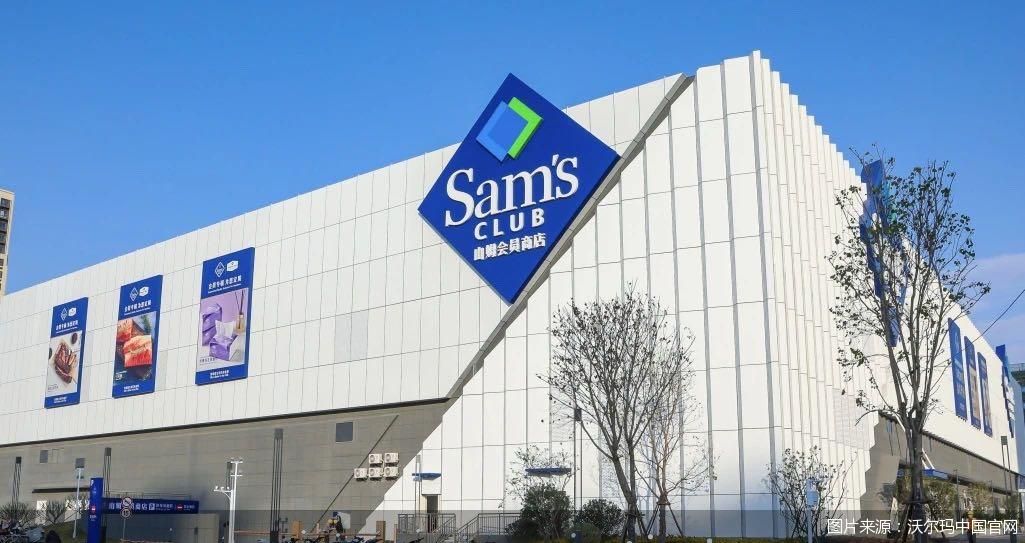
山姆员工表示好丽友、卫龙等大众化商品皆已下架
第一财经· 2025-07-22 12:38
Core Viewpoint - The article discusses the recent controversy surrounding Sam's Club due to the removal of certain popular mass-market products, which has led to customer dissatisfaction. The core issue revolves around the need for unique and high-value products in membership stores to justify membership fees [1][3]. Group 1: Membership Store Dynamics - Membership stores like Sam's Club have gained popularity as consumers seek unique and high-value products, especially after years of homogenized offerings from standard supermarkets and hypermarkets [3]. - Historically, membership stores were not mainstream in China due to low acceptance of paid membership systems, but they have now become favored by consumers due to their distinctive product offerings [3][4]. - Sam's Club previously had around 70% of its products as differentiated non-local items, which attracted many consumers [3]. Group 2: Supply Chain and Competition - Sam's Club and Costco possess strong supply chain capabilities, allowing them to manage a limited SKU count of around 4,000, which is one-third of that of hypermarkets, leading to higher sales efficiency [4]. - The rise in popularity of membership stores has attracted numerous competitors, intensifying the competition for supply chain resources and product differentiation [4][5]. - Many new entrants in the membership store market tend to replicate successful products from established players like Sam's Club and Costco, which dilutes the uniqueness of Sam's offerings [4][5]. Group 3: Product Strategy and Market Adaptation - The removal of mass-market products from Sam's Club is not expected to significantly impact the business, as the overall SKU count remains high and product adjustments are a common practice [6][7]. - The real challenge for membership stores lies in maintaining product differentiation and competing with online retailers for customer attention [7]. - To address these challenges, membership stores need to accelerate the iteration of unique products and enhance their online presence to capture more customers [7].

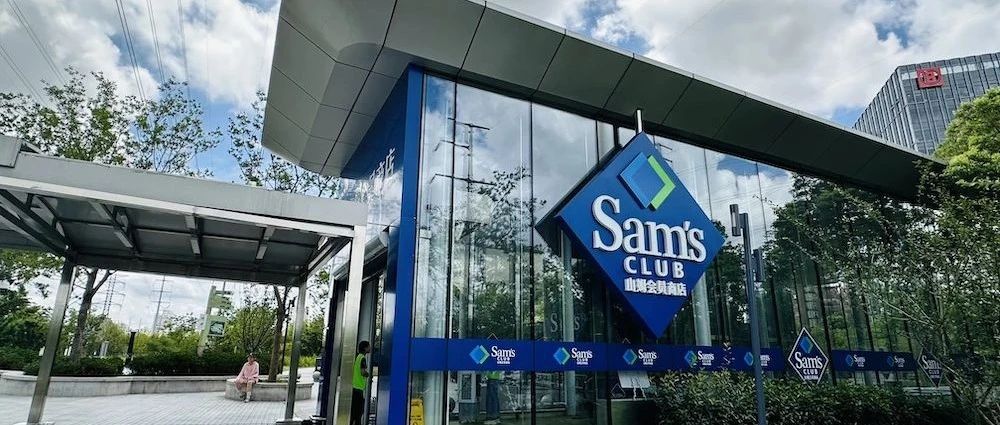
山姆事件背后:中国供应链正从“规模优势”向“标准输出”进阶
智通财经网· 2025-07-22 04:09
Core Viewpoint - Sam's Club is facing criticism over its product selection strategy, with concerns about the introduction of mass-market brands and the removal of high-repurchase-rate items, leading to questions about the perceived decline in quality [1] Group 1: Product Selection and Supply Chain Logic - Sam's Club's product selection is based on a differentiated value creation logic centered around member needs, rather than a simple evaluation of brand prestige [1][4] - The company has a stringent supplier admission system, requiring products to meet high-quality sourcing standards, such as specific beef cuts and traceable cold-chain logistics [2] - Sam's Club emphasizes understanding member needs and trends, often leading the demand by half a step, which translates into high standards for brands regarding product quality and innovation [4][7] Group 2: Customization and Brand Collaboration - The customization process at Sam's Club involves deep supply chain engagement, where products are developed based on member insights and data analysis, pushing suppliers to upgrade their production systems [4][10] - Brands entering Sam's Club must maintain their identity and innovation capabilities, creating a mutually beneficial relationship rather than merely acting as private label producers [7][10] - The successful collaboration with brands like Wei Long demonstrates that market acceptance is driven by the combination of "Sam's standards + brand characteristics," rather than just brand recognition [10][12] Group 3: Consumer Perception and Quality Consensus - The controversy surrounding Sam's Club reflects a shift in consumer understanding of the relationship between customization and quality, indicating that true customized supply chains enhance standards through precise demand matching and rigorous process control [12] - The ability of domestic brands like Wei Long to maintain independence and achieve value output in international retail systems showcases the evolution of Chinese supply chains from scale advantages to standard outputs [12]
卫龙美味(09985.HK):我们预计1H25收入端有望保持较快增长 利润端由于成本压力及高基数同比增速慢于收入
Ge Long Hui· 2025-07-21 18:33
Core Viewpoint - The company is expected to achieve a revenue growth rate of 15%-20% year-on-year in the first half of 2025, with profit growth slightly lower than revenue growth due to a high base in the first half of 2024, aligning with market expectations [1] Group 1: Revenue and Profit Forecast - The company anticipates a revenue growth of 15%-20% for 1H25, with the konjac product category maintaining high growth [1] - Adjustments in SKU displays for seasoning noodle products may lead to growth pressure in Q2 [1] - Increased promotional efforts in the channel for 1H25 may offset revenue growth, impacting overall revenue growth rate [1] Group 2: Margin and Cost Management - The company expects an improvement in gross margin compared to 2H24, with management expense ratio likely to narrow year-on-year [1] - The company plans to counteract rising konjac raw material costs through supply chain efficiency and optimization of production personnel [1] - Overall, the pressure on net profit margin is expected to be manageable, with a projected low double-digit year-on-year profit growth for 1H25 [1] Group 3: Organizational Structure and Management Changes - The company has a complete organizational structure, and recent executive changes are expected to have a controllable impact on operations [2] - The new CFO, Yufeng, is expected to maintain stability following the resignation of the previous CFO, Peng Hongzhi [2] Group 4: Market Expansion and New Products - The company anticipates new growth from Sam's Club and overseas channels in the second half of the year [2] - New product launches, including spicy strips and konjac products, are expected to contribute to revenue growth [2] - The company expects to maintain a growth rate in the second half of the year similar to that of 1H25, with significant profit improvement due to a low base in 2H24 [2] Group 5: Profit Forecast and Valuation - The company maintains its profit forecasts for 2025 and 2026, with a target price of HKD 17.5 [2] - The current stock price corresponds to a P/E ratio of 20.2/16.4 for 2025/2026, with a target price reflecting approximately 28/23 times P/E for the same years, indicating a potential upside of about 38.7% from the current price [2]
山姆会员店背叛了中产?
36氪· 2025-07-21 13:20
Core Viewpoint - The article discusses the recent backlash against Sam's Club in China due to its product selection changes, highlighting a clash between consumer expectations and the brand's strategy, reflecting broader issues of national identity and consumer trust in domestic brands [4][10][12]. Group 1: Sam's Club's Product Strategy - In July, Sam's Club removed several popular domestic products, replacing them with more common brands, leading to dissatisfaction among its members who felt disrespected [6][10]. - The membership fees for Sam's Club, which amount to at least 1.3 billion RMB annually from over 5 million members, are seen as a ticket to a premium shopping experience that is now perceived as compromised [6][12]. - The backlash is not just about product quality but also about the perceived betrayal of consumer trust and the value proposition of being a member [20][23]. Group 2: Consumer Sentiment and National Identity - The article highlights a growing anxiety among Chinese middle-class consumers regarding their national identity and the quality of domestic products, as they grapple with the perception that local brands are inferior [31][38]. - Despite advancements in product quality and safety in the domestic market, historical trust issues still linger, particularly among older consumers who experienced past quality failures [38][39]. - Younger consumers, however, show increasing trust in domestic brands, indicating a shift in sentiment that could reshape the market landscape [39][40]. Group 3: Industry Dynamics and Competitive Landscape - The success of competitors like Pang Donglai, which emphasizes transparency and high-quality service, has raised consumer expectations and challenged Sam's Club's traditional value proposition [24][25]. - The article suggests that the retail landscape in China is evolving, with a push towards quality and trust that transcends membership models, potentially diminishing the exclusivity of Sam's Club [25][42]. - The need for brands to resonate with consumer values and perceptions is emphasized, suggesting that the future of retail will depend on quality and accessibility rather than exclusivity [42][43].
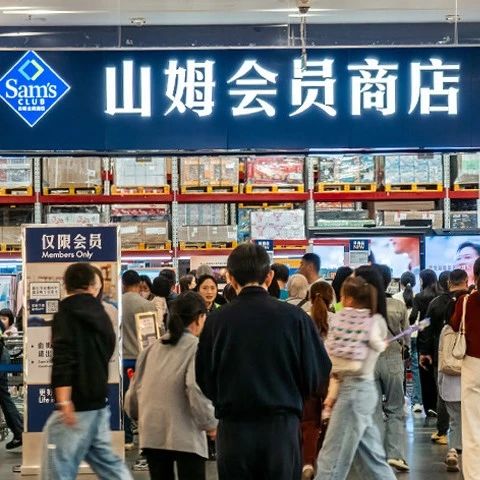
“好丽友”们“挤”掉200款独家爆款? 山姆现会员信任危机
Bei Jing Shang Bao· 2025-07-21 10:56
Core Viewpoint - Sam's Club is facing member dissatisfaction due to a decline in exclusive product offerings and the introduction of common brands, raising questions about the value of its membership fees [1][3][5] Group 1: Product Offering Changes - Sam's Club has removed over 200 exclusive products in recent years, with its private label product share dropping from 38% to 30% [1][3] - The introduction of popular brands like Haoliyou and Weilong has led to member complaints, as they feel they are paying high membership fees for products available in regular supermarkets [3][5] - Despite the decline in exclusive products, some private label items still rank high in sales, indicating ongoing consumer interest [3] Group 2: Member Expectations and Market Position - Members express dissatisfaction with the shift from "exclusive selection" to "ordinary supply," which undermines the perceived value of membership [5][6] - The current strategy of introducing common brands contradicts market trends, as consumer preferences have shifted towards product differentiation and exclusivity [6][9] - The competitive landscape is intensifying, with rivals like 1号会员店 and Hema actively introducing similar products, further challenging Sam's Club's market position [1][9] Group 3: Trust and Brand Loyalty - The changes in product selection have led to a trust crisis among members, who feel that the value proposition of the membership is diminishing [9] - Transparency in pricing and product sourcing, as demonstrated by competitors like Pang Donglai, is becoming increasingly important to consumers [9] - Experts suggest that the core of membership retail is not just selling products but building trust, emphasizing the need for Sam's Club to return to its roots of quality and exclusivity [9]
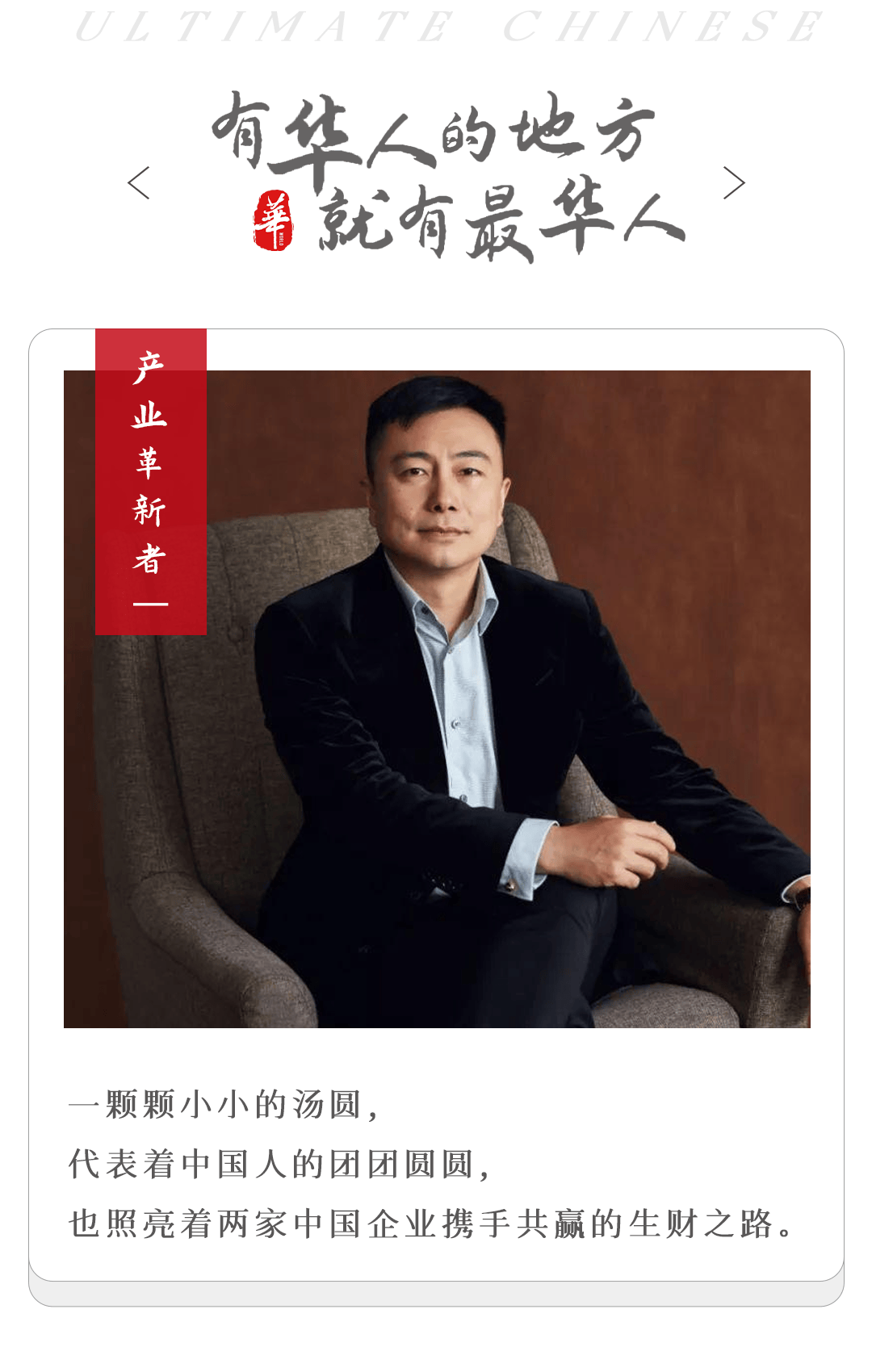
他把汤圆卖到全球第一,背后是两大巨头的“一笑泯恩仇”
Sou Hu Cai Jing· 2025-07-21 09:26
Core Viewpoint - The article highlights the journey of Si Nian Food, emphasizing its growth into a leading frozen food manufacturer in China and its strategies to overcome market biases and competition, particularly with its rival San Quan [5][8][50]. Company Overview - Si Nian Food has become one of the largest frozen food manufacturers in China, selling over 10 billion dumplings and 30 billion tangyuan in the past year, with products exported to over 50 countries and regions [5][50]. - The company was founded by Li Wei and CEO Wang Peng, who initially entered the market by producing tangyuan to compete with San Quan, which was already established in the frozen food sector [11][15]. Market Position and Competition - Si Nian and San Quan, both headquartered in Zhengzhou, initially had a fierce rivalry but later formed a cooperative relationship to strengthen their market position against foreign competitors [8][24]. - The two companies successfully collaborated to capture market share from Taiwanese brands, utilizing strategies like offering bulk packaging and competitive pricing [25][28]. Product Development and Innovation - Si Nian has expanded its product line from tangyuan and dumplings to include a variety of frozen foods such as buns, wontons, and hot pot products, reflecting a comprehensive approach to the frozen food market [32][34]. - The introduction of the "Shi Shi Ru Yi" tangyuan in 2023, which achieved over 100 million in sales within three months, showcases the company's focus on innovation and appealing to younger consumers [42]. International Expansion - Si Nian has made significant strides in international markets, particularly in the U.S., where it established a production base to navigate strict import regulations and enhance its distribution capabilities [43][48]. - The U.S. factory has become a key strategic asset, allowing Si Nian to significantly increase its market presence and sales in North America, with products now available in major retail chains [50]. Strategic Vision - Wang Peng emphasizes a long-term vision for the company, focusing on maintaining high standards for food safety and health while innovating to meet consumer demands [50]. - The cooperative spirit between Si Nian and San Quan is seen as a model for domestic companies to work together to enhance their competitiveness in the global market [50].

山姆,给中产丢脸了
盐财经· 2025-07-20 09:39
Core Viewpoint - The article discusses the recent backlash from Sam's Club members regarding changes in product selection, which has led to concerns about quality and brand trust among its members [2][4][9]. Group 1: Membership and Sales Performance - Sam's Club has over 5 million active members in China, generating annual membership revenue exceeding 1.3 billion yuan, with a high renewal rate of 92% for premium members [6][8]. - Walmart's Q1 report indicated that Sam's Club and e-commerce are significant growth drivers, contributing two-thirds of Walmart China's performance, with net sales reaching $6.7 billion, a 22.5% year-on-year increase [6][9]. Group 2: Product Selection Controversy - Members have expressed dissatisfaction over the replacement of popular products with mainstream brands, perceiving it as a decline in quality [4][12]. - The introduction of products like "减糖·好丽友派" faced criticism for not meeting quality expectations, leading to its temporary removal from shelves [14][20]. - Consumers feel that the new product offerings do not align with their expectations of premium quality, leading to a loss of trust in the brand [18][39]. Group 3: Management and Strategic Changes - The article highlights a management transition at Walmart China, with Jane Ewing taking over as acting president of Sam's Club, emphasizing supply chain efficiency [27][31]. - The rapid expansion of Sam's Club, with plans to open 6 new stores in 2024, has raised concerns about maintaining product quality and supply chain management [35][37]. - Analysts suggest that the quality issues may be linked to the accelerated growth and the need for a more robust logistics and quality control system [37][46]. Group 4: Consumer Sentiment and Future Outlook - Long-time members are reconsidering their membership due to perceived declines in product quality and benefits, with some opting to downgrade their membership [18][21]. - The article concludes that while Sam's Club has made adjustments in response to member feedback, the long-term impact on brand perception and member loyalty remains uncertain [47][48].


是山姆背叛了阶级,还是中产背叛了国籍?
虎嗅APP· 2025-07-19 13:48
Core Viewpoint - The article discusses the backlash against Sam's Club in China due to its recent product changes, highlighting a clash between consumer expectations and the brand's strategy, reflecting broader trends in the Chinese consumer market and the evolving perception of domestic brands [3][8][10]. Group 1: Sam's Club's Product Strategy - In July, Sam's Club removed several popular domestic products, replacing them with more common brands like Holley and Liuliumei, leading to dissatisfaction among its members [5][6]. - The membership fees for Sam's Club are significant, with over 5 million members contributing at least 1.3 billion RMB annually, raising expectations for product quality and exclusivity [6][11]. - The backlash is not just about product quality but also about the perceived betrayal of consumer trust and the value proposition of being a member [10][18]. Group 2: Consumer Sentiment and Brand Perception - The article emphasizes a growing sentiment among Chinese consumers that domestic brands like Liuliumei and Weilong are proving their worth on the international stage, challenging the notion that imported goods are inherently superior [6][7]. - There is a notable shift in consumer psychology, where the identity and quality of domestic products are increasingly recognized, despite historical biases against them [27][28]. - The crisis at Sam's Club reflects a broader trend of disillusionment with foreign brands and a push for recognition of domestic quality, as seen in the rise of brands like Luckin Coffee and others [29][32]. Group 3: Industry Trends and Future Implications - The article suggests that the retail landscape in China is undergoing a transformation, with traditional distinctions between high-end and mass-market brands blurring as quality standards rise across the board [19][23]. - The success of companies like Pang Donglai, which emphasize transparency and customer service, is reshaping consumer expectations and challenging the traditional membership model of stores like Sam's Club [19][23]. - The future of membership-based retail may depend on adapting to these changes and focusing on quality and consumer trust rather than exclusivity [32][33].