淘宝

Search documents
美团二季度净利润下降89% 外卖大战谁是赢家
Di Yi Cai Jing· 2025-08-27 09:45
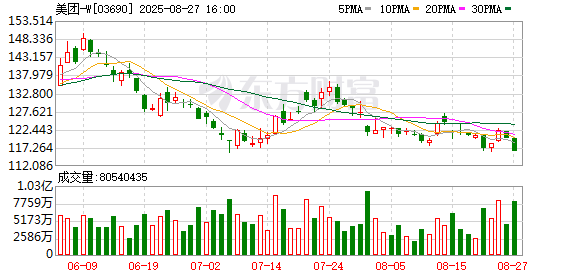
Core Viewpoint - The recent food delivery war has significantly impacted the financial performance of major platforms like Meituan and JD, leading to a decline in net profits due to irrational competition and increased marketing expenditures [2][3][6]. Financial Performance - Meituan reported a revenue of 91.84 billion yuan for Q2, a year-on-year increase of 11.7%, but adjusted net profit fell by 89% to 1.49 billion yuan [2]. - JD's net profit for Q2 was 6.2 billion yuan, down 50.8% year-on-year, with a significant operating loss of 900 million yuan compared to a profit of 10.5 billion yuan in the same period last year [6]. Competition Dynamics - Meituan described the competition as "irrational," with its core local business revenue growing by 7.7% to 65.3 billion yuan, but operating profit plummeting from 15.2 billion yuan to 3.7 billion yuan, resulting in a profit margin drop from 25.1% to 5.7% [3]. - Both Meituan and JD have increased their marketing expenditures significantly, with Meituan's rising by 51.8% to 22.5 billion yuan and JD's by 127.6% to 27 billion yuan, primarily due to aggressive competition strategies [3][6]. User Engagement and Market Position - Meituan's app monthly active users surpassed 500 million, with user transaction frequency reaching a historical high [4]. - The company expanded its instant delivery business and established over 50,000 lightning warehouses nationwide, enhancing its market position despite fierce competition [3]. Strategic Adjustments - Meituan is focusing on user retention through marketing activities and membership programs, while also adjusting its business strategies in response to the competitive landscape [4][5]. - JD is investing in new business strategies, including a self-operated delivery brand "Qixian Xiaochu," aiming to open 10,000 stores in three years [8]. Industry Trends - The food delivery war has reached a turning point, with platforms like Meituan and JD acknowledging the unsustainable nature of current competition practices [7][8]. - Analysts suggest that the competition among major platforms is evolving, with each adopting differentiated strategies to enhance their market positions [9].



美团二季度净利润下降89%,外卖大战谁是赢家
Di Yi Cai Jing· 2025-08-27 09:40
Core Viewpoint - The intense competition in the food delivery sector, initiated by JD's "100 billion subsidy" announcement in April, has significantly impacted the financial performance of major players like Meituan and JD, leading to a decline in net profits for both companies in the second quarter of 2025 [1][2][9] Financial Performance - Meituan reported a revenue of 91.84 billion yuan in Q2, a year-on-year increase of 11.7%, but its adjusted net profit fell by 89% to 1.49 billion yuan due to competitive pressures [1] - JD's net profit for Q2 was 6.2 billion yuan, down 50.8% year-on-year, with a significant operating loss of 900 million yuan compared to a profit of 10.5 billion yuan in the same period last year [7][8] Competition Dynamics - Meituan characterized the competition as "irrational," with its core local business revenue growing by 7.7% to 65.3 billion yuan, but operating profit plummeting from 15.2 billion yuan to 3.7 billion yuan, resulting in a profit margin drop from 25.1% to 5.7% [2][6] - Both companies have increased marketing expenditures significantly, with Meituan's rising by 51.8% to 22.5 billion yuan and JD's increasing by 127.6% to 27 billion yuan, primarily due to competitive strategies [2][7] Strategic Adjustments - Meituan is focusing on enhancing user engagement and expanding its instant delivery business, achieving over 500 million monthly active users and a peak order volume of 150 million in July [6][10] - JD is shifting its strategy to improve platform systems and user experience while emphasizing long-term growth through new business initiatives, despite short-term profit fluctuations [8][9] Market Trends - The competition has led to a "false prosperity" in the market, with businesses struggling to return to normal pricing after the subsidy wars, affecting consumer behavior and order volumes [10] - Platforms are now adjusting their strategies post-competition, with Meituan launching initiatives to boost in-store traffic and JD introducing a new self-operated delivery brand [10][11] Future Outlook - Analysts suggest that the competition among major platforms will continue to evolve, with each company pursuing differentiated strategies to capture market share and enhance service offerings [11]
外卖大战“压垮”堂食了吗,我找多家门店问了问
3 6 Ke· 2025-08-27 03:45
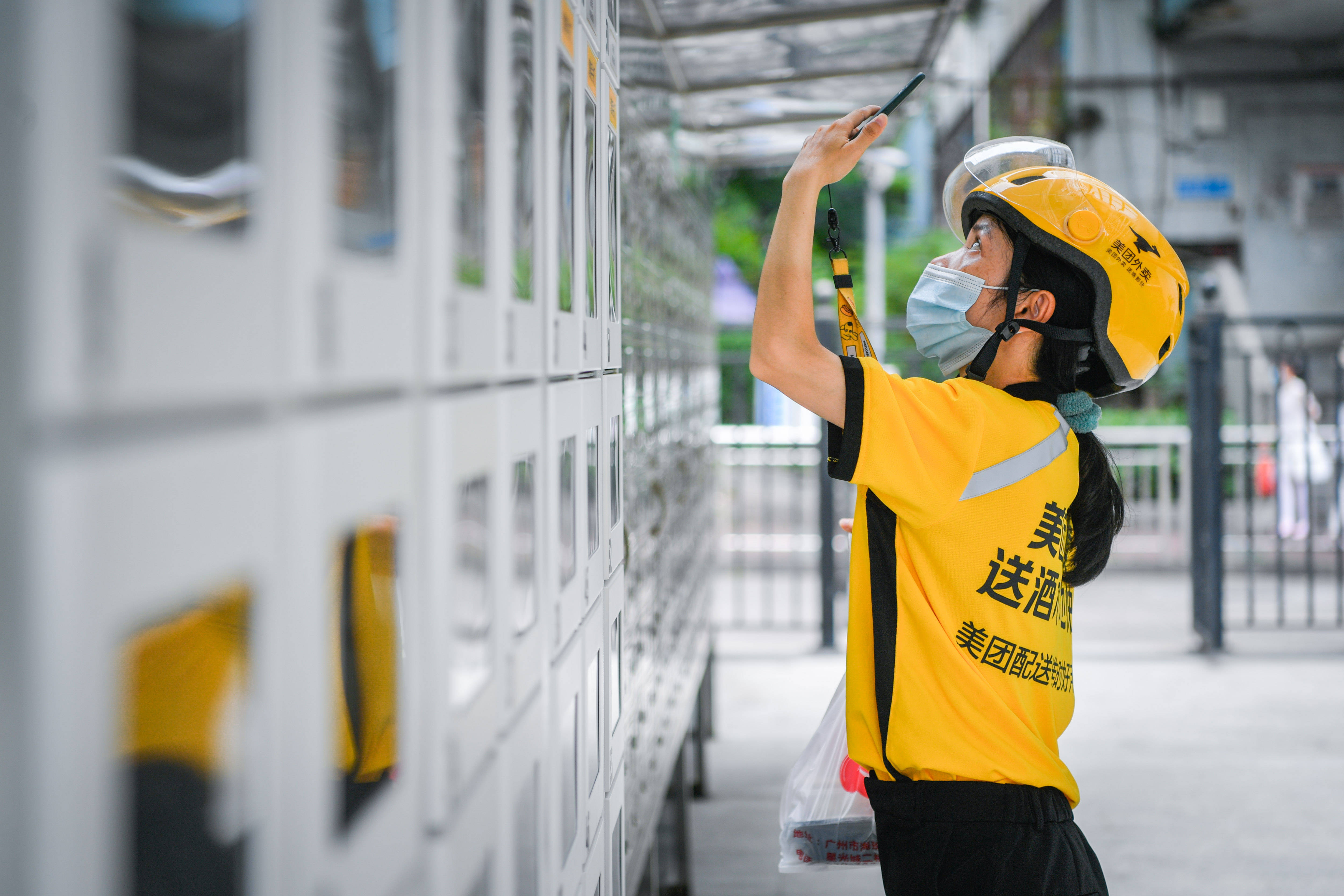
Core Insights - The fierce competition in the food delivery market has led to significant changes in consumer behavior and restaurant revenue dynamics, with companies like Meituan and Taobao intensifying their subsidy strategies to attract users [1][2][3] Group 1: Market Dynamics - JD's entry into the food delivery market initially raised expectations, but the subsequent price wars have resulted in increased subsidies from competitors, leading to a surge in daily active users for Taobao's flash purchase service and a 40% year-on-year increase in JD's active users [1] - The intense competition has driven consumers to prioritize cost-effective options, often opting for delivery over dining in, which has negatively impacted in-store dining experiences [1][5] Group 2: Impact on Restaurants - Many restaurant owners report a significant decline in dine-in customers, with some experiencing a drop of up to 50% in in-store dining due to the rise of food delivery services [2][3] - The revenue from food delivery orders is often lower than that from dine-in services, with some restaurants receiving only 50% of the listed price for delivery orders compared to full price for dine-in [2][3] Group 3: Consumer Behavior - Consumers are increasingly inclined to check food delivery prices first, leading to a trend where they order delivery even when they are physically present at the restaurant, often opting for self-pickup to save costs [5][6] - The prevalence of discount coupons and promotions has created a situation where dine-in options are becoming less attractive, with many consumers choosing delivery or self-pickup instead [5][6] Group 4: Long-term Viability - The ongoing price wars and high operational costs associated with food delivery platforms are causing financial strain on many small restaurants, leading to concerns about their long-term viability [6][9] - Some restaurant owners are contemplating closing their businesses or shifting to ghost kitchens to avoid the competitive pressures of the delivery market [9][10]
8点1氪|罗永浩否认拉黑俞敏洪和王自如;深圳欢乐谷叫停涉嫌擦边表演;苹果发布会定档9月10日,预计发布iPhone 17系列
3 6 Ke· 2025-08-27 00:13
Group 1 - Luo Yonghao's podcast achieved over 20 million views within 24 hours of its launch [2] - Shenzhen Happy Valley has suspended a controversial performance due to concerns over inappropriate content [2] - Apple has scheduled a major product launch event for September 10, expected to unveil the iPhone 17 series [2] Group 2 - Starbucks responded to an incident where a customer verbally abused a staff member for about 10 minutes, leading to the employee's distress [3] - Travel app Hanglv Zongheng's new delay insurance product has been criticized for its stringent payout conditions, likened to gambling [3][4] - Hema NB reported a revenue of approximately 8 billion yuan in the first half of the year, with a significant increase in store count [4] Group 3 - Yonghui Supermarket has registered multiple "Fat Yonghui" trademarks, with plans to open more stores [5] - YouTube has threatened to remove Fox channels from its platform if an agreement is not reached [6] - Korean Air has ordered 103 Boeing aircraft, with a total investment of approximately 50 billion USD [6] Group 4 - The White House announced an investment of 8.9 billion USD for a 9.9% stake in Intel, primarily funded by previous subsidies [7] - Douyin has taken action against a former bank executive who gained attention for sharing his criminal past on social media [8] - US stock indices rose collectively, with NIO shares increasing by over 10% [8] Group 5 - NetEase Cloud Music clarified that it does not have a "visitor record" feature, emphasizing user privacy [9] - Taobao plans to reduce compensation for logistics delays, with a new policy effective from September 5 [9] - SpaceX's Starship test flight was canceled again due to weather conditions [10] Group 6 - Anta and Li Ning responded to rumors regarding a potential acquisition of Puma, stating no substantial negotiations have taken place [10] - Heytea has entered into partnerships with multiple delivery platforms, marking a shift in its online strategy [11] Group 7 - Elon Musk's xAI has filed a lawsuit against Apple and OpenAI, alleging anti-competitive practices in the AI market [11] - Xiangpiaopiao reported a net loss of approximately 97.39 million yuan in the first half of the year, with a revenue decline [12] - China Film announced a net loss of 110 million yuan in the first half of the year, a significant drop from the previous year's profit [12] Group 8 - Nongfu Spring reported a profit of approximately 7.62 billion yuan in the first half of the year, reflecting a 22.1% year-on-year increase [13] - Nvidia launched its new robot "brain" chip, Thor, with a starting price of 3,499 USD, targeting the robotics and autonomous driving markets [14]




为了这个 6000 亿市场,互联网大厂又“打起来”了
Sou Hu Cai Jing· 2025-08-25 15:01
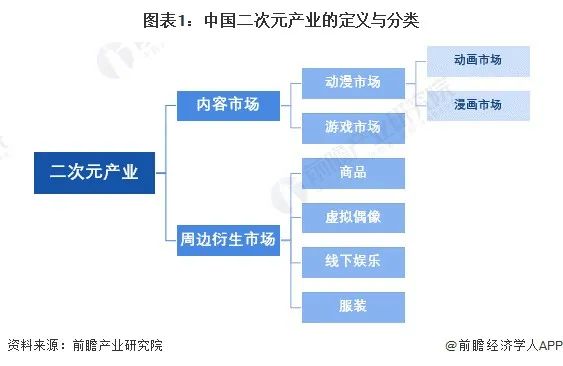
Core Insights - The growth logic of the ACG (Anime, Comic, and Game) sector fundamentally conflicts with the internet's demand for scale, as platforms seek broad growth while ACG's commercial value relies on deep engagement within niche communities [23][24]. Group 1: Market Growth and User Engagement - Xiaohongshu has accumulated a significant number of ACG users, with content publication in this category growing by 175% year-on-year, second only to fashion and food [1]. - The general ACG user base is projected to reach 503 million by 2024, nearly half of the total internet users, with the market size expected to reach 597.7 billion yuan [2]. - Major internet companies, including Tencent and Bilibili, are heavily investing in ACG content, with Tencent Video planning to release nearly 90 ACG projects by 2025 [3]. Group 2: Consumer Spending and Demographics - The Z generation, which constitutes a core part of the ACG user base, has a disposable income of 13 trillion yuan, with 95% being ACG users who show a higher willingness to pay for ACG content [4]. - The ACG peripheral market has seen significant growth, with the market size increasing from 5.3 billion yuan in 2016 to 102.4 billion yuan in 2023, representing a compound annual growth rate of 52.7% [7]. Group 3: Content Creation and Monetization Challenges - Bilibili's animation short dramas have shown promising growth, with monthly revenue surpassing 10 million yuan and a year-on-year growth rate of nearly 140% [5]. - Despite the growth in ACG content, Bilibili's IP derivative product revenue has been declining, dropping to 4.7 billion yuan in Q1 2025, marking a 4% year-on-year decrease [12]. - The ACG industry faces a structural contradiction of high traffic but low conversion rates, with many platforms struggling to monetize effectively [17][20]. Group 4: Market Dynamics and Competition - The competition for ACG content is intensifying, with platforms like Douyin and Kuaishou reporting billions of views on ACG topics, indicating a growing interest [3]. - The overall internet user growth is slowing, with the mobile internet monthly active user count reaching 1.235 billion by 2024, leading to a more competitive environment for user acquisition [21]. - The ACG market's potential is significant, but the reliance on niche communities poses challenges for broader market penetration [23][24]. Group 5: Future Outlook and Strategic Implications - The ACG sector's growth may not be sustainable without innovative content and effective monetization strategies, as evidenced by Bilibili's struggles with user growth and revenue generation [13][14]. - The increasing costs of content licensing and the reliance on external IPs for revenue generation are pressing concerns for companies in the ACG space [15][16]. - As the internet landscape evolves, companies may need to adapt their strategies to navigate the complexities of the ACG market while addressing the challenges of user engagement and monetization [22][27].


关税大棒砸出抢购潮,美国人疯狂囤积中国货真相揭秘
Sou Hu Cai Jing· 2025-08-25 14:00
Group 1 - The article highlights the absurdity of the U.S. tariff policy, which has led to a surge in demand for Chinese products among American consumers, despite the intended protection of domestic industries [1][3][9] - The U.S. consumers are experiencing significant savings by purchasing Chinese goods, with examples showing price differences of up to 40% compared to domestic brands [3][5] - The article emphasizes the resilience of the Chinese supply chain, which has maintained a high level of integrity during the pandemic, while U.S. attempts to shift orders to Southeast Asia have proven inadequate [3][13] Group 2 - The rise of cross-border e-commerce platforms like Dunhuang.com and Taobao reflects a shift in consumer focus from brand names to product quality and cost-effectiveness [5][10] - The article notes a significant increase in downloads for Dunhuang.com, indicating a growing consumer interest in affordable Chinese products [5][10] - The consumer behavior shift is characterized by a trend towards "consumption democratization," where price transparency and direct access to manufacturers are becoming more prevalent [12][16] Group 3 - The article discusses the impact of tariffs on U.S. inflation, with consumer prices rising significantly, indicating that the tariff policy has backfired on American households [7][15] - It points out that low-income families are disproportionately affected by rising food prices, while high-income households experience a smaller decrease in disposable income [7][12] - The article draws parallels between current tariff policies and historical events, suggesting that the consequences of such policies could lead to a similar economic downturn as seen in the past [9][15] Group 4 - The article concludes that the current consumer behavior in the U.S. demonstrates a deep reliance on Chinese manufacturing, which is essential for maintaining supply chains [9][13] - It highlights the adaptability of Chinese companies in response to tariff challenges, including the establishment of warehouses in Mexico and the development of products that meet U.S. manufacturing standards [13][16] - The article asserts that the ongoing consumer demand for Chinese goods signifies a broader trend of globalization that cannot be easily reversed by political measures [9][16]
外卖大战的剧本,没有叮咚买菜的角色
3 6 Ke· 2025-08-25 11:51
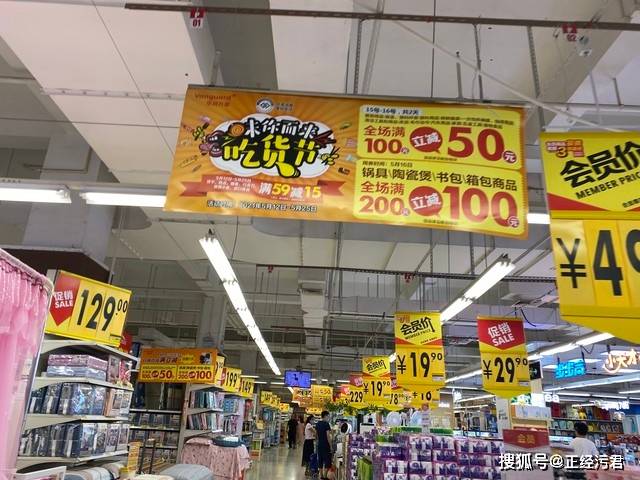
Core Viewpoint - Dingdong Maicai reported a total revenue of RMB 5.9759 billion for Q2 2025, marking a year-on-year increase of 6.7%, and a net profit of RMB 107.2 million, up 59.7%, achieving profitability for the sixth consecutive quarter [1][2][3] Financial Performance - Total revenue for Q2 2025 was RMB 5.9759 billion, with a year-on-year growth of 6.7% [1] - Net profit reached RMB 107.2 million, reflecting a 59.7% increase year-on-year [1] - The total number of orders increased by 5.5% year-on-year, with GMV at RMB 6.4994 billion, up 4.5% [1] - Gross margin decreased from 30.0% in the same period last year to 28.8% this year [1][2] - Total operating costs and expenses were RMB 5.9801 billion, a 6.5% increase from RMB 5.6128 billion in the previous year [1] Strategic Initiatives - The CEO emphasized the implementation of the "4G Strategy" focusing on "Good Users, Good Products, Good Services, Good Mindset," which has led to increased sales costs due to product launches and withdrawals [1][2] - The strategy has been in place for six months, indicating a shift towards a more sustainable growth model despite ongoing transformation [1][3] Market Dynamics - The external competition from the "takeaway war" has impacted the overall instant retail market, affecting Dingdong Maicai's performance and stock price [1][6] - The competitive landscape has intensified with major players like JD, Meituan, and Taobao entering the market, leading to potential order diversion from fresh food platforms [6][9] Growth Challenges - The decline in gross margin is attributed to both strategic adjustments and external market pressures, including a decrease in CPI for certain categories [2][3] - The year-on-year growth rates for key metrics in Q2 2025 were lower compared to the previous year, indicating a potential slowdown in growth momentum [4][5] Future Outlook - Dingdong Maicai is shifting focus from aggressive scale expansion to enhancing brand and quality, aiming to capture a more discerning customer base [10][14] - The company has successfully launched over 30 private label brands, which now account for approximately 20% of total GMV, indicating a strategic move towards differentiation [11][12]

京东外卖高管称淘宝外卖抄袭设计晚两个月
Xin Lang Ke Ji· 2025-08-25 05:41
【#京东外卖高管暗讽淘宝外卖抄袭#】京东外卖业务核心负责人郭庆在接受《中国企业家》采访时表 示:淘宝加码外卖的时间节点,比我们晚了两个月左右,大概在"五一"前。而且淘宝APP里的外卖入口 设计,频道页面、营销形式,都和京东基本上是一样的。这说明,淘宝的外卖团队确实是一个学习能力 很强的组织。(中国企业家)#京东外卖郭庆回应美团自称被迫反击# ...

为了这个6000亿市场,互联网大厂又“打起来”了
3 6 Ke· 2025-08-25 03:07
Group 1 - The core viewpoint of the article highlights the rapid growth and potential of the ACG (Anime, Comic, and Game) market in China, particularly focusing on the increasing engagement and spending of the Z generation on second-dimensional content [1][3][28] - In the past year, the fastest-growing categories on Xiaohongshu were ACG and gaming content, with year-on-year growth rates of 175% and 168% respectively, indicating a significant trend in user engagement [1] - The overall market size for the ACG sector is projected to reach 597.7 billion yuan by 2024, with the number of users expected to hit 503 million, nearly half of the total internet users in China [1][28] Group 2 - The Z generation, which constitutes a significant portion of the ACG user base, has a total disposable income of 13 trillion yuan, with 95% of them being ACG users who show a higher willingness to pay compared to the average [3][28] - The ACG content creation sector has established a robust profit model, with the market for comics growing from 300 million yuan in 2016 to 6.8 billion yuan in 2023, reflecting a compound annual growth rate of 56.2% [3][9] - The derivative market related to ACG has also seen substantial growth, with the market size increasing from 5.3 billion yuan in 2016 to 102.4 billion yuan in 2023, representing a compound annual growth rate of 52.7% [9] Group 3 - Platforms like Bilibili have reported significant revenue from ACG short dramas, with a monthly revenue exceeding 10 million yuan and a quarterly growth rate of nearly 140% [4] - Despite the growth in ACG content, Bilibili's derivative product revenue has been declining, with a drop from 5.1 billion yuan in Q1 2023 to 4.7 billion yuan in Q1 2025, indicating challenges in monetization [14][15] - The overall industry faces a structural contradiction of "hot traffic, cold conversion," as many platforms struggle to effectively monetize their ACG content despite high engagement [19][28] Group 4 - The offline retail sector has seen a revival due to ACG culture, with significant sales increases reported in various shopping malls, such as a 150% year-on-year increase in sales at Chengdu Tianfu Hong Mall [10] - The ACG market's growth has also led to increased tourism and event participation, with a notable rise in travel bookings during ACG-related events [10] - Major internet companies are increasingly investing in ACG, with platforms like Taobao and JD.com launching dedicated sections for ACG products, indicating a shift in focus towards this lucrative market [32]

易邮快递超市:构建多元合作生态,开启智能服务新纪元
Sou Hu Cai Jing· 2025-08-22 05:41
Core Insights - The traditional express delivery industry is facing challenges due to the rapid growth of e-commerce and consumer expectations for timely delivery, which has led to the emergence of the Yiyou Express Supermarket as a solution [1] Group 1: Business Model and Collaboration - Yiyou Express Supermarket's core competitiveness lies in its "e-commerce + express delivery" collaborative ecosystem, integrating major e-commerce platforms like Pinduoduo, JD.com, and Taobao with logistics networks of leading express companies [1] - This collaboration breaks down data barriers between platforms, allowing real-time synchronization of logistics information and enabling express companies to optimize their delivery capacity based on order distribution heat maps [1] - The average delivery time for same-city express services has improved by 22%, while the package delivery rate in remote areas has reached 98.7% [1] Group 2: Cost Optimization and User Experience - The shared transportation cost model allows Yiyou Express Supermarket to offer a 5 yuan shipping service, reducing single shipment costs by 40% through centralized collection [2] - The "three fixed mechanisms" for door-to-door delivery, established through partnerships with community property management, enhance delivery efficiency, increasing the average daily delivery volume per courier by 30 packages and reducing the rejection rate to 1.2% [2] - The introduction of low-price shopping services further extends the collaborative ecosystem, converting "express traffic" into "consumer traffic" by dynamically adjusting shelf products based on local shopping preferences [2] Group 3: Technology and Innovation - The operational efficiency is supported by a digital foundation built on intelligent systems, with an AI scheduling hub updating logistics node statuses every 15 minutes and predicting package peaks for the next four hours [3] - Smart parcel terminals can automatically identify package dimensions, weigh for billing, and detect prohibited items through cameras [3] - The developed "hive storage system" automates the allocation of storage locations for packages upon arrival, sending pick-up codes via SMS without manual intervention [3] - Yiyou Express Supermarket is redefining community service boundaries, becoming a crucial node connecting logistics, e-commerce, and community life [3]