
宝马

Search documents
进口豪车干不过中国车了,30多万元买玛莎拉蒂,六五折买阿斯顿·马丁
Mei Ri Jing Ji Xin Wen· 2025-12-19 11:31
Core Viewpoint - The luxury car market in China is experiencing significant price reductions and inventory challenges, with brands like Maserati and Aston Martin offering steep discounts to stimulate sales amid declining demand [1][10][14]. Group 1: Price Reductions and Discounts - Maserati's Grecale electric SUV has seen its price drop from nearly 900,000 yuan to as low as 358,800 yuan, a reduction of over 60% [1]. - The Grecale fuel version offers discounts exceeding 200,000 yuan, with final prices often falling between 400,000 to 500,000 yuan [1]. - Aston Martin's DBX V8, originally priced at 2.448 million yuan, is now available for around 1.6 to 1.7 million yuan, representing a discount of approximately 35% [5][6]. Group 2: Market Trends and Sales Data - The overall import car market in China has seen a decline, with 400,000 units imported in the first ten months of 2025, a 30% year-on-year decrease [10]. - Maserati's sales in China have plummeted from 14,400 units in 2017 to just 1,228 units in 2024, a drop of over 70% [10]. - Other luxury brands like Bentley, Ferrari, and Lamborghini have also reported significant declines in sales, with Bentley's imports down 21% and Ferrari's down 19% in the same period [12]. Group 3: Competitive Landscape - The rise of domestic high-end brands is significantly impacting the luxury car market, with local brands capturing over 68.5% of the passenger car market share by mid-2025 [14][17]. - Domestic brands are increasingly offering more technologically advanced and competitively priced vehicles, challenging the traditional dominance of imported luxury cars [17][21]. - The shift in consumer preferences towards value and experience over brand prestige is further exacerbating the challenges faced by foreign luxury brands [17].

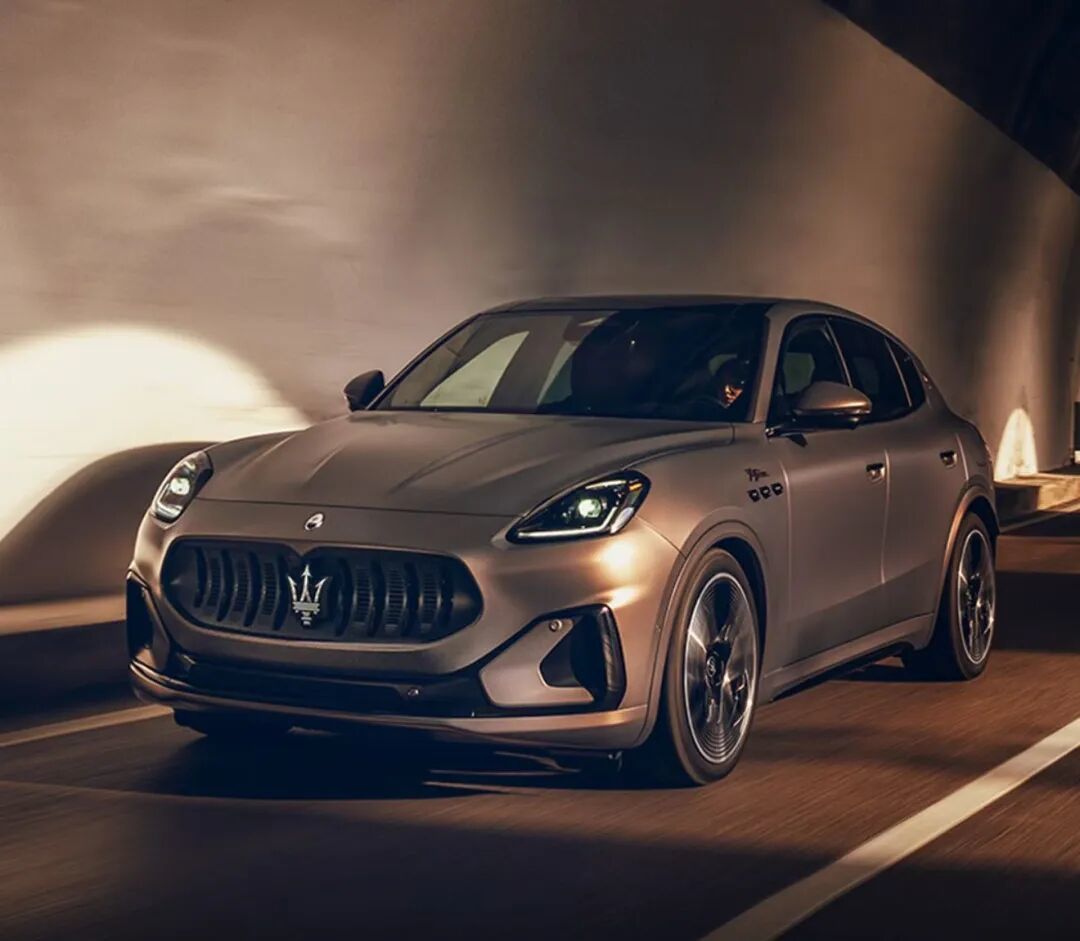
进口豪车干不过中国车了,价格打“骨折”!30多万元买玛莎拉蒂,六五折买阿斯顿·马丁!曾“高攀不起”的进口豪车,找中国车企“求带”
Mei Ri Jing Ji Xin Wen· 2025-12-19 10:47
Group 1 - The luxury car market in China is experiencing significant price reductions, with brands like Maserati and Aston Martin offering substantial discounts on their models [1][3][5] - Maserati's Grecale electric SUV has seen its price drop from nearly 900,000 yuan to as low as 358,800 yuan, representing a discount of over 60% [1] - Aston Martin's DBX model is now priced between 1.6 million to 1.7 million yuan, down from a guide price of 2.448 million yuan, effectively a 35% discount [5] Group 2 - The overall import car market in China has been declining, with a reported 30% drop in imported vehicles from January to October 2025, marking the largest year-on-year decline in recent years [8][10] - Maserati's sales in China have plummeted over 70% from its peak in 2017, with only 1,228 units sold in 2024 [9] - The luxury car segment is facing increased competition from domestic brands, which have gained significant market share, particularly in the high-end segment [12][15] Group 3 - The market share of high-end vehicles priced over 300,000 yuan has decreased from 15% in 2017 to 13% in 2025, indicating a shift in consumer preferences [12] - Domestic brands are increasingly preferred due to their cost advantages and rapid improvements in product quality, impacting the sales of imported luxury vehicles [15][19] - Foreign luxury brands are now focusing on adapting to the Chinese market by enhancing their product offerings and integrating into local supply chains [17][19]
中国车出海在俄遇阻:当地重建汽车工业 产品可靠性遭质疑
Tai Mei Ti A P P· 2025-12-19 10:37
Group 1: China’s Automotive Export Growth - In 2023, China's automotive export volume reached 5.22 million units, a year-on-year increase of 57.4%, surpassing Japan to become the world's largest automotive exporter [1] - For 2024, a 19% annual growth is expected, solidifying China's position as the top automotive exporter, with projections of total exports between 6.8 to 7 million units [1] Group 2: Decline in Exports to Russia - In 2025, despite overall growth, China's automotive exports to Russia are experiencing a significant decline, with a 50% year-on-year drop in the first four months [2] - By the first three quarters of 2023, exports to Russia decreased to 357,700 units, marking a 58% decline [2] - Russia has fallen to the third-largest market for Chinese automotive exports, with Mexico and the UAE now leading [2] Group 3: Russian Automotive Industry Policies - Following the Ukraine conflict, Russia aims to rebuild its automotive industry by limiting imports and increasing costs for foreign vehicles [3][4] - New policies include raising the scrappage tax for imported vehicles, with fees for 1L-2L engines increasing from 300,600 rubles to 556,000 rubles [3] - Import tariffs for vehicles will rise to between 20% and 38% starting January 1, 2025, increasing costs for Chinese imports [4] Group 4: Challenges for Chinese Brands in Russia - Chinese automotive brands face challenges in Russia due to a lack of after-sales service and product reliability, impacting their market share [6][7] - Despite a peak market share of 60% in 2024, this has dropped to below 40% in the first three quarters of 2023 [6] - Reliability issues have been highlighted, with tests showing that some Chinese models suffer from corrosion and durability problems in Russia's harsh climate [7][8] Group 5: Local Production and Market Adaptation - Chinese companies are adapting by increasing local assembly, with Great Wall Motors achieving a localization rate of about 65% [6] - New brands like Tenet have seen rapid growth in sales after local production began [6] - However, the overall market for automobiles in Russia remains weak, with low consumer demand and high interest rates affecting sales [5]
533亿美元!正大集团谢氏家族跻身全球最富有家族榜
Sou Hu Cai Jing· 2025-12-19 10:11
Core Insights - The total wealth of the 25 richest families globally reached $2.9 trillion, marking the highest level since the inception of the ranking, with an increase of $358.7 billion from the previous year [1] - The entry threshold for the ranking also hit a record high, requiring a minimum of $46.4 billion, an increase of $9.7 billion from last year [1] - The wealth growth is attributed to stock market gains and a rebound in demand for commodities such as metals and pet food, alongside the families' accumulated capital strength, political influence, and business experience over decades [1] Family Rankings - The Walton family retains the top position with a net worth surpassing $500 billion, followed by the Al Nahyan family from the UAE and the Al Saud family from Saudi Arabia [3] - Four families made their debut on the list this year, including the Larrea Mota Velasco family from Mexico, the Luksic family from Chile, the Del Vecchio family from Italy, and the Olayan family from Saudi Arabia [4] - The Chearavanont family, associated with Charoen Pokphand Group, ranks 22nd globally with a net worth of $53.3 billion, an increase of $9.2 billion from the previous year [8][10] Wealth Sources and Business Impact - The Charoen Pokphand Group, founded in 1921, has diversified into various sectors including agriculture, food, retail, telecommunications, real estate, finance, and biotechnology, operating in over 100 countries [10] - The second-generation leader,谢国民, is recognized as the driving force behind the group's international expansion, transitioning it from a regional player to a global business giant [10] - The family is also noted for its contributions to education, healthcare, and environmental initiatives, enhancing its reputation in the international business arena [10]

9系大战一年 终于有一款车搞清楚了豪华SUV的逻辑
Zhong Guo Jing Ji Wang· 2025-12-19 09:27
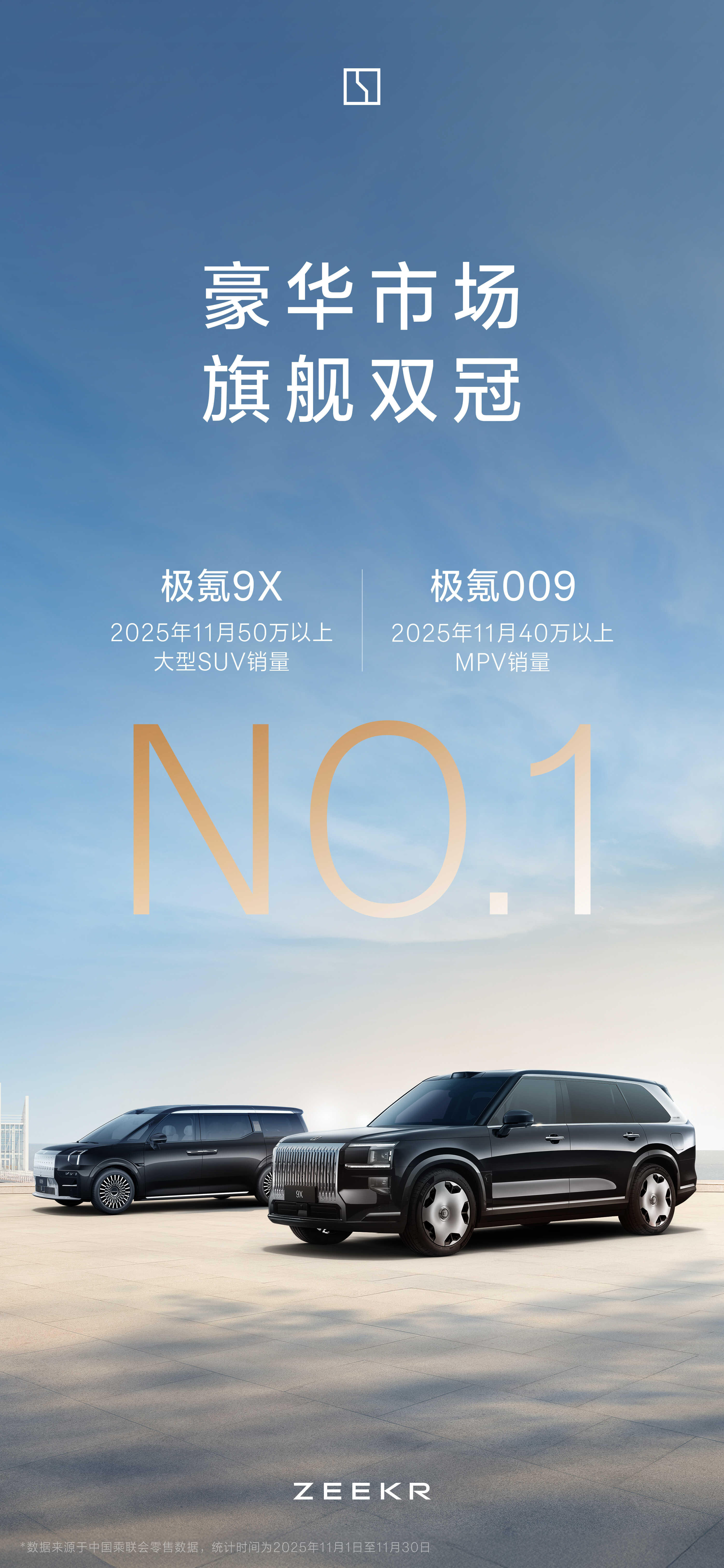
Core Insights - The luxury SUV market is witnessing a shift with the emergence of the Zeekr 9X, which has surpassed 8,000 units in sales within two months of its launch, outperforming traditional fuel models like the BMW X5 and Audi Q7, as well as other electric competitors like the AITO M9 [1][15] - The Zeekr 9X has achieved a high average delivery price of 538,000 yuan, indicating a successful penetration into the traditional luxury car segment, and has topped various consumer satisfaction rankings, showcasing the capability of Chinese brands in the high-end electric vehicle market [1][15] - The success of the Zeekr 9X reflects a broader transformation in consumer preferences from brand symbolism to technology and experience, with over 80% of its buyers coming from traditional luxury brands [7][8] Market Dynamics - The competition in the luxury electric vehicle sector has evolved from a focus on individual features to a comprehensive assessment of architectural capabilities, with the Zeekr 9X exemplifying this shift through its innovative design and technology [5][15] - The Zeekr 9X is built on the Haohan-S architecture, which includes advanced technologies such as a super electric hybrid system and AI-driven safety features, positioning it as a leader in performance, control, and safety [4][5] Consumer Behavior - The target demographic for the Zeekr 9X includes high-net-worth individuals, with 52% of buyers having an annual household income exceeding one million yuan, indicating a shift in purchasing criteria towards technology and experience rather than brand prestige [7][8] - The evolving consumer mindset is driving a transition in the luxury car market from brand-oriented to value-oriented purchasing, with consumers seeking superior product experiences without the premium associated with traditional luxury brands [8][10] Brand Strategy - Zeekr's approach to user engagement emphasizes transparency and trust, with initiatives such as early announcements of product updates and user participation in design processes, fostering a strong relationship with customers [10][11] - The brand's commitment to user-centric service and communication has resulted in a positive feedback loop, with nearly 20% of existing Zeekr owners opting to purchase the 9X, reinforcing brand loyalty [10][11] Global Positioning - The success of the Zeekr 9X in international markets, with sales exceeding 600,000 units across over 40 countries, signifies a growing recognition of Chinese luxury vehicles on the global stage [13][14] - The vehicle's appeal in markets like Qatar and Saudi Arabia highlights a shift in the perception of luxury, moving away from traditional materials to a focus on technological innovation and user experience [13][14] Industry Implications - The performance of the Zeekr 9X marks a pivotal moment for Chinese automotive brands, transitioning from participants in the luxury market to leaders in defining new standards for luxury in the electric vehicle era [15] - The advancements made by Zeekr in technology and user experience are setting a precedent for other Chinese brands, indicating a potential shift in the global automotive landscape towards innovation-driven luxury [15]

放弃内燃机禁令后,欧洲与美国仍有很大差异
Guan Cha Zhe Wang· 2025-12-19 09:19
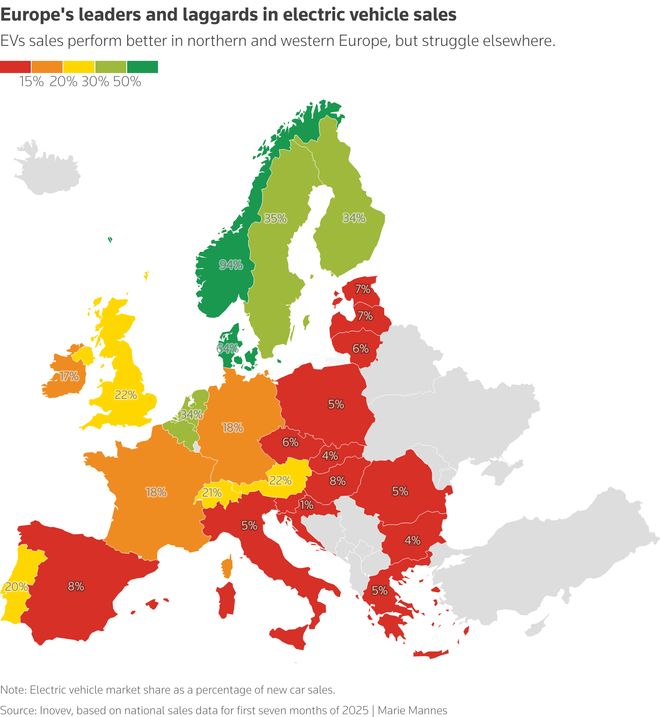
Group 1 - The EU's decision to abandon the 2035 ban on internal combustion engine vehicles provides traditional automakers in Europe with more time to transition, but electric vehicles remain the future, making it difficult for Europe to compete with China's electric vehicle industry in the long run [1] - The new EU rules allow plug-in hybrids, range-extended vehicles, and even fuel vehicles to be sold legally after 2035, and a new category for small electric vehicles has been introduced, providing additional credit for European manufacturers [2][6] - The European Automobile Manufacturers Association (ACEA) reported that electric vehicle sales in the EU increased by 25.7% year-on-year, accounting for 16.4% of total sales, but the market share is still low in Southern and Eastern Europe [2] Group 2 - Analysts predict that by 2035, pure electric vehicles will only account for 62% of sales in Europe, with slow charging infrastructure being a major barrier to higher adoption rates [5] - High-end brands like Porsche, Mercedes, and BMW may benefit the most from the EU's policy shift, as their customer base is more interested in traditional mechanical structures [5] - The EU's decision aims to give European manufacturers time to develop cost-competitive electric vehicles to catch up with Chinese brands, which have been expanding in the European market despite tariffs [6][8] Group 3 - The EU's policy shift has faced criticism from industry stakeholders and environmental organizations, with over 150 CEOs, including those from Volvo and Polestar, supporting the original 2035 ban [12] - The EU's approach contrasts with the U.S. under the Trump administration, which has withdrawn support for electric vehicles [5] - The policy changes have raised concerns among automakers about the impact on their investments, as many have spent billions on electric vehicle development and factory expansions [10]
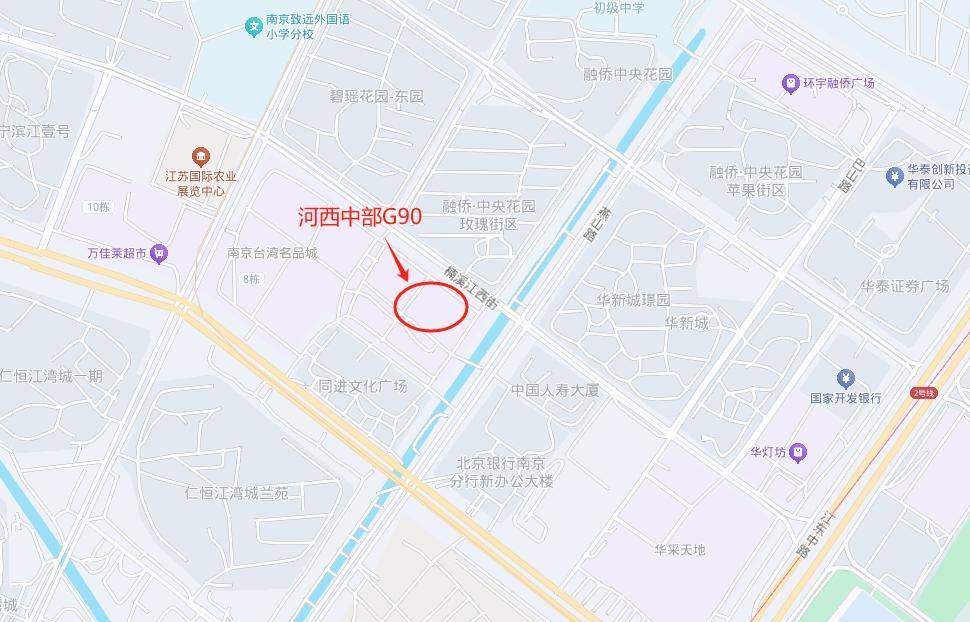
时隔近10年,南京楼面地价纪录被刷新! 河西名品城地块溢价成交,楼面价45325元/㎡
Yang Zi Wan Bao Wang· 2025-12-19 07:17
Core Insights - The G90 plot in Nanjing was sold at a premium of 26.35% to Aoti Construction, setting a new record for land prices in the city at a floor price of 45,325 yuan per square meter, surpassing the previous record set in May 2016 [1][3] Group 1: Land Auction Details - The G90 plot covers an area of 22,000 square meters with a height limit of 80 meters, starting at a base price of 1.275 billion yuan and a starting floor price of 35,872 yuan per square meter [3] - The auction attracted around 7 major real estate companies, with 61 rounds of bidding, ultimately resulting in a sale price of 1.611 billion yuan [3] - The G90 plot's final floor price of 45,235 yuan per square meter exceeded the previous record, indicating high demand and interest in the area [3] Group 2: Market Context - The overall land sales in Nanjing for 2025 reached a total of 74.28 billion yuan, ranking fifth nationally, following Beijing, Shanghai, Hangzhou, and Chengdu [4] - Four plots in the auction had a premium rate exceeding 30%, reflecting a healthy and stable land market [4] - The G90 plot's location is strategically positioned near established communities and has a lower plot ratio of 1.6, contributing to a diverse supply of housing options for potential buyers [3]
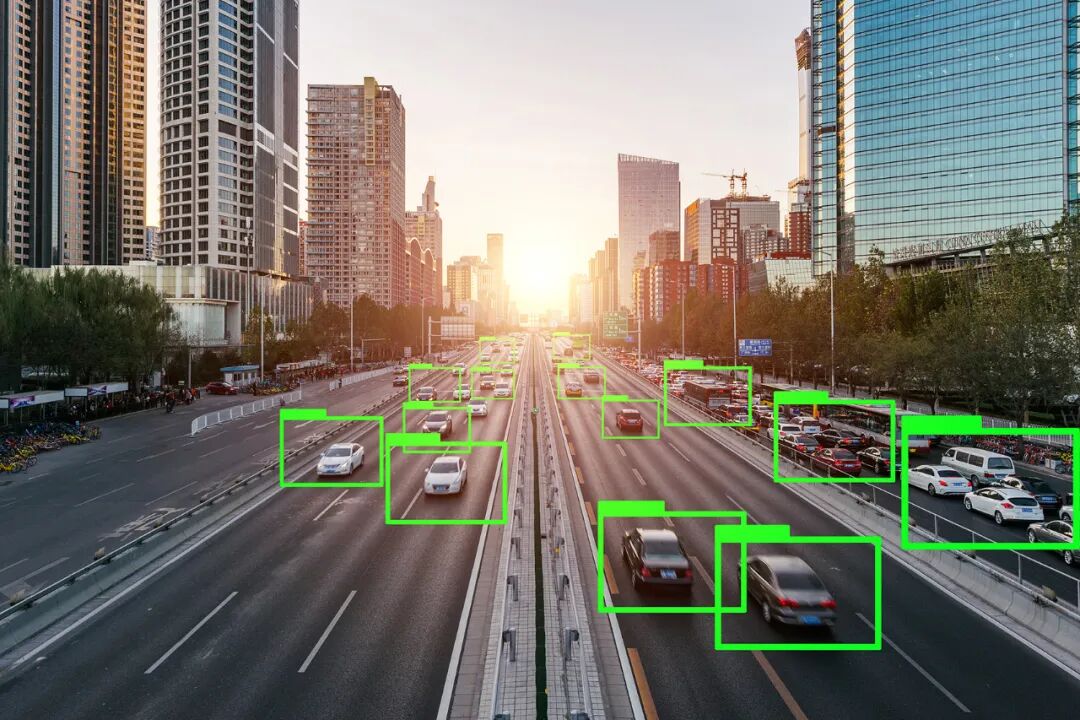
从“辅助”到“自动”的关键一跃,首批L3级自动驾驶车型获批,车企明确:L2车辆暂无法直接升级
3 6 Ke· 2025-12-19 06:17
12月15日,这份束缚迎来被打破的关键节点——工业和信息化部正式公布我国首批L3级有条件自动驾驶车型准入许可,长安深蓝、北汽极狐各有一款纯 电动轿车入选,分别在重庆、北京的指定区域开启上路试点。 周二早高峰的北京京台高速,阳光刚穿透薄雾,刘磊(化名)的手指已经在方向盘上搭了23分钟。他每天要往返50公里通勤,座驾是2023年购入的搭载 L2级辅助驾驶的轿车——这套能自动跟车、保持车道的系统,曾让他以为"轻松开车"触手可及。但此刻,仪表盘上"请保持注意力"的提示灯第三次亮起, 他不得不挺直腰板,紧盯前方缓行的车流。 上周晚高峰堵在机场北线,L2级辅助驾驶帮忙跟着车,但眼睛得一直盯着,他的手臂僵了一路。刘磊想起手机里刷到的工信部许可两款L3级自动驾驶车 型产品的新闻,屏幕上"特定场景解放双手"的描述让他忍不住多看了两眼。"要是能在拥堵的高速上真正松开方向盘,哪怕只是让我活动下胳膊,都是奢 望成真了。"他心里想。 刘磊的期盼,正是中国数千万L2级辅助驾驶车主的共同心声。按乘联分会近年乘用车销量数据估算,结合中国L2级辅助驾驶超50%的全球第一普及率, 仅近三年累计售出的7000余万辆乘用车中,就有超3500万辆搭载 ...


智者勇进 接续奋进新江苏|风劲正是扬帆时:南京河西中央科创区“元年引擎”动力澎湃
Yang Zi Wan Bao Wang· 2025-12-19 05:31
Core Insights - The article highlights the ambitious development of the Hexi Central Innovation Zone in Nanjing, focusing on the "AI+" industry to establish a globally influential technology innovation center by 2025 [1][6][18] Group 1: Strategic Initiatives - The Hexi Central Innovation Zone officially launched the "亲橙OPC Community," which is the first of its kind in Jiangsu Province, aimed at fostering individual entrepreneurship supported by AI technology [3][5] - The community is part of a broader strategy to implement Nanjing's "All in AI" initiative, with plans to develop over 100,000 square meters of OPC space and create a network of interconnected enterprises [5][6] Group 2: Talent and Ecosystem Development - The goal is to attract over 100,000 new industry talents by 2027, contributing to a projected revenue of over 100 billion yuan from the digital economy core industries [6][10] - The establishment of talent apartments, such as the "亲橙寓," aims to create a conducive living environment for professionals, enhancing the region's appeal [5][10] Group 3: Infrastructure and Corporate Presence - The Hexi Central Innovation Zone has seen significant corporate investments, with major companies like Alibaba, BMW, and Xiaomi establishing their R&D centers, contributing to a burgeoning ecosystem [7][9] - By the end of 2025, the number of ecosystem enterprises in the area is expected to reach 110, creating a robust industrial "rainforest" [9][10] Group 4: Financial and Data Support - The region's financial infrastructure is well-developed, with over 240 billion yuan in registered funds, facilitating the flow of capital to promising tech ventures [10][11] - The establishment of a public data authorization operation center aims to address data shortages and enhance the quality of data available for AI development [11][10] Group 5: Future Vision and Goals - The Hexi Central Innovation Zone aims to become a model for AI-driven innovation, focusing on six key areas: attracting landmark enterprises, nurturing talent, tackling significant projects, and creating notable communities [18] - The ongoing implementation of the three-year action plan is expected to transform the vision into reality, positioning the zone as a leading example of innovation in China [18]





欧盟汽车业救市方案为何“难产”
Zhong Guo Qi Che Bao Wang· 2025-12-19 01:26
Core Viewpoint - The EU is currently in a heated debate regarding the future of the automotive industry, particularly focusing on the adjustment of the 2035 "ban on combustion engines" as part of a comprehensive package aimed at reducing emissions and facilitating the transition to electric vehicles. This package has been delayed due to disagreements among member states, highlighting the tension between climate commitments and industrial survival [2][3][4]. Group 1: Current Industry Crisis - The European automotive industry is facing a crisis characterized by factory closures and increasing layoffs, making the comprehensive package a potential "rescue plan" [2]. - The EU's internal divisions are stark, with countries like Germany and Italy advocating for a more lenient approach to the 2035 ban, while France and Spain insist on maintaining the zero-emission target to protect industrial leadership [2][6]. - The European Commission predicts that the proposed policies could lead to over €300 billion in investments in emerging industries like batteries and electric motors, creating 1.2 million jobs [4]. Group 2: Policy Adjustments and Industry Response - In March 2023, the EU Council passed a historic proposal to ban the sale of non-zero-emission vehicles starting in 2035, requiring a 55% reduction in CO2 emissions for new cars from 2030 to 2034 compared to 2021 levels [3]. - The automotive sector's transition has not met expectations, with a significant drop in electric vehicle sales, particularly in Germany, where sales fell by 27.4% year-on-year due to the termination of purchase subsidies [4][5]. - The EU Commission has postponed the annual carbon emissions assessment for new cars from 2025 to 2027, signaling a compromise with industry realities [5]. Group 3: Diverging National Interests - Countries like Germany and Italy are pushing for the retention of internal combustion engine options post-2035, citing the need to balance climate goals with industrial competitiveness [5][6]. - Eastern European countries, including Slovakia, are advocating for a longer transition period and special funds for worker retraining, as their economies heavily rely on traditional fuel vehicle production [6]. - In contrast, France and Spain are focused on maintaining the zero-emission target, viewing the transition to electric vehicles as essential for industrial advancement and climate goals [7]. Group 4: Local Manufacturing and Policy Framework - France has proposed increasing the local sourcing of automotive parts to 75% for electric vehicles sold in Europe, aligning with current levels for internal combustion vehicles [8][9]. - The EU is considering setting a local manufacturing threshold of up to 70% for key goods, including automobiles, as a condition for public procurement and subsidies [9]. - The EU Commission is navigating between various national interests, likely leading to further flexibility in the "ban on combustion engines," potentially allowing hybrid and range-extended vehicles to continue sales post-2035 under certain conditions [9].
