
宝马

Search documents
特朗普关税大棒砸痛美国中产!79岁前总统出山掀桌:这仗打不赢!
Sou Hu Cai Jing· 2025-12-15 15:00
Group 1 - The U.S. government announced a maximum tariff of 145% on Chinese goods, which is framed as a necessary action to correct trade imbalances, but has led to significant negative impacts on American middle-class families [1] - Domestic companies, such as General Motors, are facing operational disruptions due to supply chain issues caused by tariffs, with production lines halted due to a lack of imported components [2] - The consumer price index in the U.S. has risen above 6% for three consecutive months following the tariff implementation, marking the highest increase since 1982, affecting everyday goods like ketchup and baby formula [2] Group 2 - Former President Bill Clinton criticized the tariff strategy, stating that the U.S. has lost $80 billion while China's trade surplus has exceeded $1 trillion, contrasting it with past cooperative trade agreements [4] - The Democratic Party is leveraging the economic fallout from the tariffs to gather testimonies from unemployed workers, highlighting the failure of the promised manufacturing revival [4] - The U.S. administration has reduced some tariffs from 30% to 20% in response to public backlash, but domestic semiconductor manufacturing remains underutilized, and Vietnam has seen a surge in electronic orders [6] Group 3 - The International Monetary Fund reported a 1.2% decline in global trade growth due to the tariff war, with the U.S. suffering significant economic losses while China has managed to maintain growth through market expansion in Southeast Asia [8] - Major automotive companies like BMW and Toyota are shifting production to Mexico and Thailand, respectively, indicating a trend of supply chain restructuring away from the U.S. [8] - The ongoing trade conflict has highlighted the futility of unilateral actions in a globalized economy, with calls for cooperation rather than confrontation being emphasized by leaders like Clinton [10]

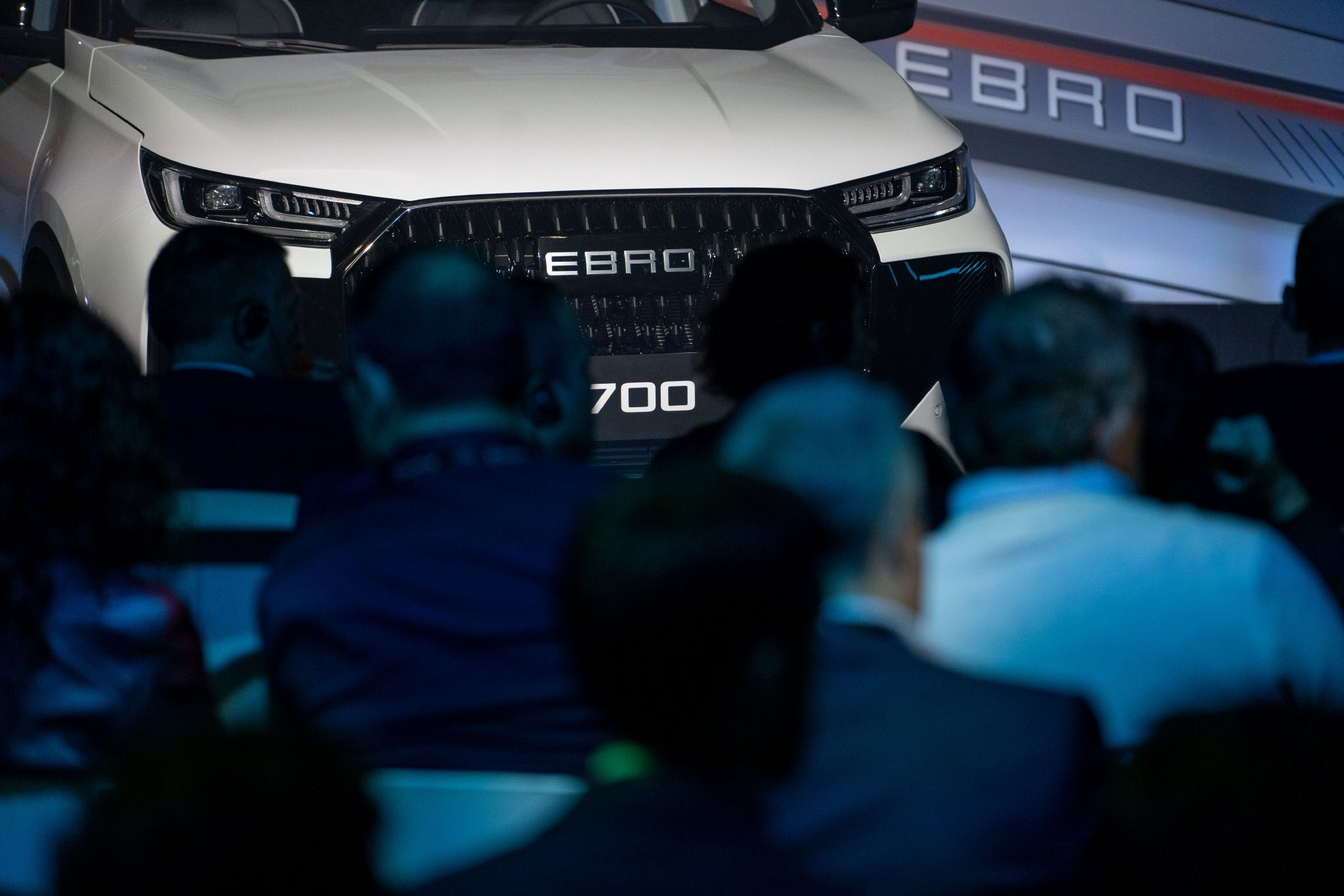
新老交替,欧洲汽车工业从“友谊赛”迈入“淘汰赛”
Guan Cha Zhe Wang· 2025-12-15 11:05
【文/观察者网 潘昱辰 编辑/高莘】汽车工业的发源地——欧洲,正处在前所未有的十字路口。 据西班牙《理性报》报道,就在不久前的12月11日,西班牙首相桑切斯致信欧盟委员会主席冯德莱恩,要求维持欧盟自2035年起禁止销售燃油车的规定,这 几乎与大部分欧盟汽车生产国国家和所有欧洲汽车制造商的意见相悖。 《理性报》报道称,桑切斯此举正值欧盟行政机构计划于16日提交放宽先前碳排放政策的提案前夕;与提案主张相反的是,此举有利于中国汽车在欧洲市场 的销售,因为中国在汽车电动化进程上已领先于欧洲产业。 有业内人士认为,作为欧洲新兴的工业国家,西班牙通过与行业领先者展开更长期的产业合作,甚至谋求挑战德国、法国等欧洲传统工业强国的优势地位, 实现"弯道超车"。在此背景下,过去数十年间欧洲车企彼此间保持的"友谊赛"默契或将逐渐瓦解:进入2026年后,属于欧洲汽车行业的"淘汰赛"或将加速到 来。 弯道超车:新玩家的机遇? 就在桑切斯致信欧盟前不久,西班牙政府发布了《西班牙汽车2030计划》,计划在2026年投资4亿欧元(约合人民币33亿元)提供电动汽车购买直接补贴, 并投资3亿欧元(约合人民币25亿元)建设更多充电站。 此外,西班 ...
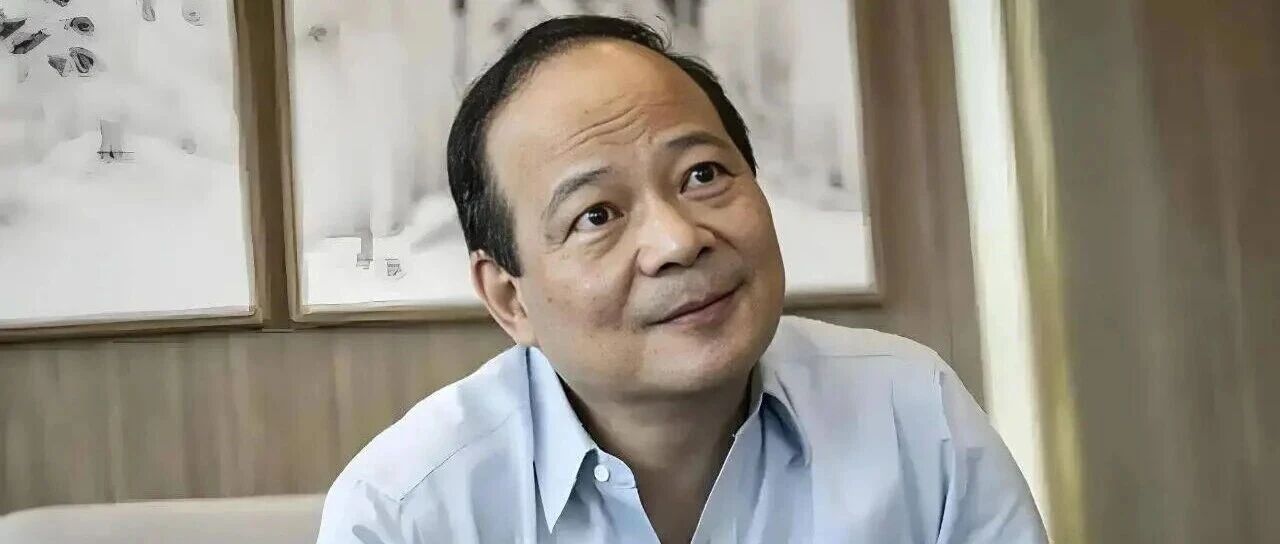
曾毓群,不赌了?
创业家· 2025-12-15 10:21
Core Viewpoint - The article discusses the strategic evolution of CATL (Contemporary Amperex Technology Co., Limited) under the leadership of founder Zeng Yuqun, highlighting the company's transition from aggressive betting on technology and market share to a more stable and expansive approach in the global battery industry [4][16]. Group 1: Strategic Bets - In 2011, CATL made a significant commitment to lithium batteries, securing a partnership with BMW, which led to becoming the sole battery supplier for BMW in Greater China [6][9]. - The company faced a highly competitive market dominated by Panasonic and LG, prompting Zeng to initiate a supply chain localization strategy starting in 2014, which was supported by government policies favoring domestic manufacturers [10][11]. - By 2017, CATL had captured a 17% global market share in lithium batteries, surpassing competitors and establishing a robust domestic supply chain [11][12]. Group 2: International Expansion - CATL began its international expansion in 2014, establishing its first overseas subsidiary in Germany, despite the domestic market's rapid growth [13]. - By 2020, CATL's overseas revenue reached 7.9 billion yuan, accounting for 15.71% of total revenue, significantly outpacing domestic competitors [13][14]. - In 2024, overseas revenue is projected to increase to 110.3 billion yuan, representing 30.48% of total revenue, driven by growing demand for electric vehicles in Europe [15]. Group 3: Market Position and Influence - As of 2025, CATL's market capitalization reached 1.9 trillion yuan, making it one of the largest listed companies in A-shares, with a global market share of 42.75% in lithium batteries [22][24]. - The company's strong position allows it to maintain higher pricing than competitors, with battery prices typically 10% above market rates, reflecting its dominant market influence [26]. - CATL's extensive R&D investment, exceeding 70 billion yuan over the past decade, has resulted in superior product quality and reliability, further solidifying its market leadership [26][27]. Group 4: Future Directions - In 2023, Zeng replaced the motto "strong gambling" with "broad and deep springs," indicating a shift towards a more sustainable and strategic growth model [33][34]. - CATL is heavily investing in battery swapping technology, aiming to establish 1,000 battery swap stations by the end of 2024, with a long-term goal of 30,000 stations [35][39]. - The company is expanding its focus beyond electric vehicles to include electrification in sectors like construction machinery and aviation, showcasing its ambition to lead in the broader energy transition [40].
坤泰股份20251212
2025-12-15 01:55
Summary of KunTai Co., Ltd. Conference Call Company Overview - KunTai Co., Ltd. is a leading domestic producer of BCF fibers, with global production bases in Yantai, the USA, and Mexico, and plans to establish a new base in Morocco by 2026. The company supplies products to major automotive brands such as BMW, Audi, and NIO [2][3] Core Insights and Arguments - The profit growth in the first three quarters of the year is primarily driven by the overseas production bases in Mexico and Morocco, while domestic capacity utilization remains stable. However, net profit has declined due to overseas expansion projects not meeting the specified SOP timeline, with expectations for gradual ramp-up in the second half of 2026 [2][4] - To mitigate tariff impacts, KunTai has established a subsidiary in Mexico and closed its higher-cost subsidiary in the USA. The company is collaborating with global parts brands to establish a production base in North America, having secured projects like Robot Taxi, although market conditions in North America need to be monitored [2][6] - In the domestic market, KunTai focuses on partnerships with high-quality clients, enhancing gross margins through cost reduction and efficiency improvements. The gross margin has increased in Q3, and the company aims to avoid domestic market saturation by expanding into European and American markets [2][7] Market Potential - The automotive soft interior materials market has significant potential, with tufted carpets priced around 30 RMB per square meter and needle-punched carpets at about 15 RMB per square meter. The average cost of soft interior materials per vehicle ranges from 200 to 400 RMB, indicating a vast market capacity [2][8] Performance Guidance - The company anticipates stable revenue and profit growth from the end of 2025 through 2026, driven by the ramp-up of overseas expansion projects and the commissioning of the new Moroccan production base. Optimizing the client structure is expected to further enhance gross margins [2][9] Strategic Outlook - KunTai is currently experiencing pressure with unsatisfactory profit performance, expected to continue until the second half of 2026 when large-scale production in North America begins. The company has invested significantly in this market and anticipates a gradual recovery as demand increases. The construction of the Moroccan factory is also underway to cater to European clients, particularly the French interior group, Taif, which has committed to securing half of the production capacity [2][10][11] Response to Client Demands - KunTai aims to meet the core demands of overseas clients, including North American EV brands and the French Taif Group, by providing scalable supply of automotive carpets and soft interior materials. The current market in North America and Europe consists mainly of small workshops, which cannot meet the volume requirements of large interior and exterior groups, thus increasing the complexity of supplier coordination [2][12]
IPO研究丨本周6家上会,特斯拉供应商固德电材待审
Sou Hu Cai Jing· 2025-12-15 01:47
Group 1 - This week, 5 new stocks will be available for subscription, including 2 from the Shenzhen main board, 2 from the Sci-Tech Innovation Board, and 1 from the Beijing Stock Exchange [2] - The IPO of Jianxin Superconducting, which specializes in MRI equipment core components, aims to raise a total of 779 million yuan, with an issue price of 18.58 yuan per share and a P/E ratio of 61.97 [2] - Jianxin Superconducting is projected to hold the fifth position globally and the second position domestically in the market share of superconducting magnets for MRI devices in 2024 [2] Group 2 - Six companies are scheduled for IPO review this week, including Guode Electric Materials and Shangshui Intelligent from the Shenzhen Stock Exchange, and Saiying Electronics and Chuangda New Materials from the Beijing Stock Exchange [4] - Shangshui Intelligent plans to raise 587 million yuan, focusing on micro-nano powder processing and precision measurement, with projected revenues of 397 million yuan, 601 million yuan, and 637 million yuan from 2022 to 2024 [4][5] - Guode Electric Materials aims to raise 1.176 billion yuan, specializing in thermal runaway protection components for electric vehicle batteries, with revenues expected to grow from 475 million yuan in 2022 to 908 million yuan in 2024 [5][6] Group 3 - Saiying Electronics, if successfully listed, will become the first power semiconductor component company on the Beijing Stock Exchange, with revenues projected to grow from 219 million yuan in 2022 to 321 million yuan in 2023, marking a 46.37% increase [6] - Three companies are undergoing refinancing reviews this week, including Haitian Shares, Boshi Glasses, and Changgao Electric [6]
五天两次涨停板,广汽全固态电池中试产线成色几何?
2 1 Shi Ji Jing Ji Bao Dao· 2025-12-14 14:45
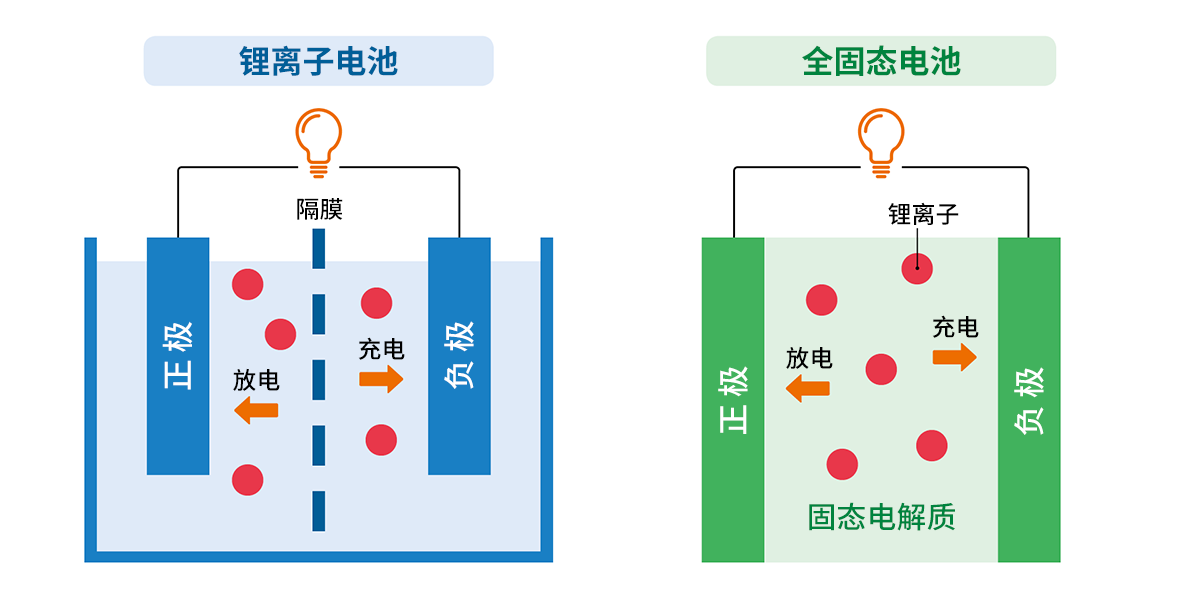
Core Viewpoint - The all-solid-state battery (ASSB) industry is poised for a significant breakthrough in 2025, driven by technological advancements and strong market interest, highlighted by the IPO of Weilan New Energy and the establishment of pilot production lines by major automotive manufacturers [1][2][3]. Industry Developments - Weilan New Energy's IPO has attracted notable investors, achieving a valuation of 18.5 billion yuan, positioning it as a potential leader in the ASSB market [1]. - GAC Group has established the first pilot production line for large-capacity ASSBs in China, marking a critical step towards integrating ASSBs into their vehicles by 2026 [1]. - In October, several companies, including Chery and Sunwoda, announced advancements in ASSB technology, with Chery showcasing a module with an energy density of 600 Wh/kg and Sunwoda planning to build a pilot line with a capacity of 0.2 GWh [2]. Market Reactions - The stock market responded positively to GAC's announcements, with significant price increases observed within a short period, indicating strong investor confidence in the ASSB sector [1]. Technical Advantages - ASSBs are considered the "ultimate form" of batteries, offering double the energy density compared to liquid lithium batteries, enabling electric vehicles to exceed 1000 km in range and significantly reducing fire risks associated with liquid electrolytes [3]. - ASSBs also promise faster charging times, potentially 2 to 3 times quicker than traditional batteries, and improved safety due to the absence of flammable liquid electrolytes [3][9]. Technical Challenges - Despite the optimism, industry leaders like Elon Musk and CATL's chairman have expressed skepticism about the current maturity of ASSB technology, suggesting it is still in the early stages of development [4]. - Key technical hurdles include finding suitable solid electrolyte materials, addressing solid-solid interface contact issues, and improving ion transport efficiency within the solid-state structure [10][11]. GAC's Innovations - GAC has developed a high-performance sulfide solid electrolyte membrane and implemented innovative manufacturing techniques to enhance the performance and reduce interface resistance in ASSBs [11]. - The company claims to have achieved an ion conductivity of over 10 mS/cm, positioning itself competitively within the industry [11]. Industry Comparisons - A comparison of various companies' ASSB developments shows that GAC is currently the only company meeting both the criteria of producing large-capacity batteries (60 Ah) and establishing a pilot production line [21][22]. - Other companies, such as CATL and BYD, are also progressing in ASSB technology but have not yet reached the same milestones as GAC [21]. Future Outlook - The commercial viability of ASSBs remains uncertain, with high production costs and low yield rates posing significant challenges. Current estimates suggest that ASSBs may not achieve widespread commercial use until 2030 or later [22][23]. - The industry is advised to approach the commercialization of ASSBs with caution, as the path to mass production is fraught with technical and economic challenges [23].

从0到320亿美元,这家公司只用了五年
财富FORTUNE· 2025-12-14 13:05
Core Insights - The article discusses the acquisition of Wiz by Google for $32 billion, marking it as one of the largest tech mergers in a decade [1][6] - The CEO of Wiz, Asaf Rappaport, initially missed Google's acquisition interest but later engaged in negotiations that led to a significantly higher offer [2][5] Group 1: Acquisition Details - Google expressed interest in acquiring Wiz in March 2024, but the initial communication went unanswered for months due to Rappaport's busy schedule [1][2] - By May 2024, after realizing the missed opportunity, Rappaport met with Google executives, leading to a $23 billion acquisition offer, which was double Wiz's valuation at the time [4][5] - Rappaport initially rejected the offer, believing in the company's potential for an IPO, but later accepted a revised offer of $32 billion in early 2025 [5][6] Group 2: Company Growth and Strategy - Wiz achieved $350 million in annual recurring revenue within four years and became the fastest-growing startup in tech history [2][5] - The company focused on simplifying cloud security solutions, addressing significant market needs without overcomplicating their offerings [15][17] - The founders' background in elite military units and their previous experience at Microsoft contributed to their strategic approach and success [11][12][13] Group 3: Leadership and Team Dynamics - Rappaport's leadership style emphasizes collaboration and talent development, fostering a strong team culture among the founders [10][11] - The founders have a long-standing relationship, having met in the Israeli military, which has strengthened their ability to work together effectively [11][12] - Rappaport's decision-making process reflects a balance between ambition and caution, as seen in his initial rejection of the acquisition offer [5][10] Group 4: Market Context and Implications - The acquisition highlights the growing demand for cloud security solutions, particularly as businesses increasingly migrate to cloud environments [5][17] - The deal is significant not only for Wiz but also for the broader tech ecosystem, showcasing the potential for Israeli startups to achieve substantial valuations [6][17] - The article suggests that the success of Wiz may inspire other tech entrepreneurs, particularly in China, to focus on building strong teams and innovative solutions [17]


德国企业,正在疯狂涌入中国
投资界· 2025-12-13 07:39
Core Viewpoint - The article discusses the significant influx of German companies into China, driven by various economic pressures and strategic advantages, marking a shift in the global industrial landscape [2][10]. Group 1: German Companies Moving to China - Over 560 German companies have established operations in Taicang, Jiangsu, with more than 60 being "hidden champions" in their respective industries [2]. - The first 100 German companies took 14 years to settle in Taicang, while the next 100 (from 400 to 500) only took 2 years, indicating a rapid acceleration in this trend [2]. - German investments in Taicang exceed $6 billion, with annual industrial output surpassing 67 billion yuan [2]. Group 2: Major Investments and Developments - In 2024, notable investments include Volkswagen's €2.5 billion expansion in Hefei, Bayer's 600 million yuan supply center in Jiangsu, and Mercedes-Benz's €1 billion investment in a Beijing autonomous driving research center [3]. - Volkswagen's electric vehicle production capacity in China has reached 800,000 units, with 90% of components sourced locally [3]. - Leica has shifted 60% of its production to China, emphasizing the importance of local expertise in high-end manufacturing [3]. Group 3: Challenges Faced by German Companies - In 2024, Germany saw a record 22,000 bankruptcies, the highest in a decade, with a 12% year-on-year increase in bankruptcy applications in the first half of 2025 [5]. - Major companies like Flabeg and Recaro have declared bankruptcy, while others like Bosch and Volkswagen are implementing cost-cutting measures [6]. - The German industrial sector's self-assessed competitiveness has reached a 31-year low, with 36.6% of surveyed companies feeling disadvantaged compared to non-EU competitors [6]. Group 4: Factors Driving the Shift - The rise in energy costs, particularly a 148% increase in industrial electricity prices under the Green Party's policies, has severely impacted German manufacturing [7]. - Germany has permanently closed 17 nuclear power plants and about 60% of coal power plants, leading to a reliance on imported electricity and a tripling of energy costs [9]. - The U.S. tariffs on EU goods, including a 15% tax on many exports, have further diminished the competitiveness of German products in the American market [9]. Group 5: Strategic Advantages of Moving to China - The shift is not merely cost-driven but represents a strategic integration into a more dynamic "super ecosystem" in China [10]. - German companies are attracted to China's "innovation cost" advantages, as the rapid technological advancements in electric vehicles require faster development cycles than traditional methods [10]. - The "system cost" advantage in China allows for efficient supply chain integration, reducing overall operational costs significantly [11]. - The "future cost" advantage is highlighted by China's growing share in global manufacturing, which reached 31% in 2024, surpassing developed nations for the first time [14]. Group 6: Long-term Strategic Choices - The migration of German companies to China is seen as a long-term strategic choice rather than a temporary measure, with many planning further investments [15]. - The integration into China's industrial ecosystem is viewed as essential for maintaining competitiveness in the future global market [15].

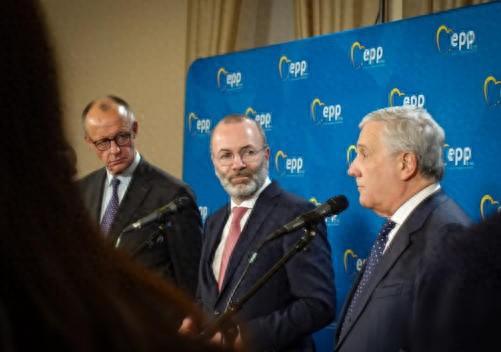
事关中国?欧盟被曝将取消内燃机禁令,德国支持,西班牙反对
Guan Cha Zhe Wang· 2025-12-13 01:27
Core Viewpoint - The European Union is considering the repeal of the 2035 ban on internal combustion engine (ICE) vehicles, driven by pressure from member states like Germany and Italy, amid concerns over competitiveness against Chinese electric vehicle manufacturers [1][12]. Group 1: EU Policy Changes - The European People's Party (EPP) leader Manfred Weber announced that the European Commission will propose the repeal of the ICE ban on December 16 [2][3]. - Instead of a complete ban, a new proposal will require a 90% reduction in CO2 emissions for new registered vehicles starting in 2035 [3]. - There will be no target for 100% reduction in carbon emissions by 2040 [4]. Group 2: Industry Reactions - The announcement led to a rise in the European STOXX 600 automotive index by 0.8%, with traditional ICE manufacturers like Renault, Porsche, and Volkswagen seeing stock increases of 1.3% to 3% [6]. - German automakers such as Mercedes-Benz and BMW support the repeal, while companies like Volvo, which have invested heavily in electrification, oppose it, fearing it undermines future regulatory confidence [7]. Group 3: Diverging Opinions Among EU Members - Germany and Italy advocate for the repeal due to fears of losing competitiveness against Chinese firms, while Spain opposes it, citing risks to employment and the transition to electric vehicles [10][11]. - Spanish Prime Minister Sánchez warned that weakening the ban could delay modernization investments and harm the EU's goal of becoming a leader in electric vehicle manufacturing [11]. Group 4: Competitive Landscape - The EU's decision to potentially repeal the ban reflects anxiety over the competitive pressure from Chinese electric vehicle manufacturers, as evidenced by a significant increase in the registration of Chinese brands in Europe [15]. - In the first half of the year, 5.1% of new car registrations in 28 European countries were from Chinese brands, nearly doubling from the previous year [15].
ST逸飞:公司下游客户主要为锂电池制造企业,终端应用主要根据客户情况决定
Mei Ri Jing Ji Xin Wen· 2025-12-12 10:40
Group 1 - The investor inquiry on the interactive platform regarding whether the large cylindrical battery for BMW ix3 is produced by the company's equipment [1] - The company, ST Yifei, stated that its downstream customers are primarily lithium battery manufacturers, and the end applications are determined based on customer needs [1]
