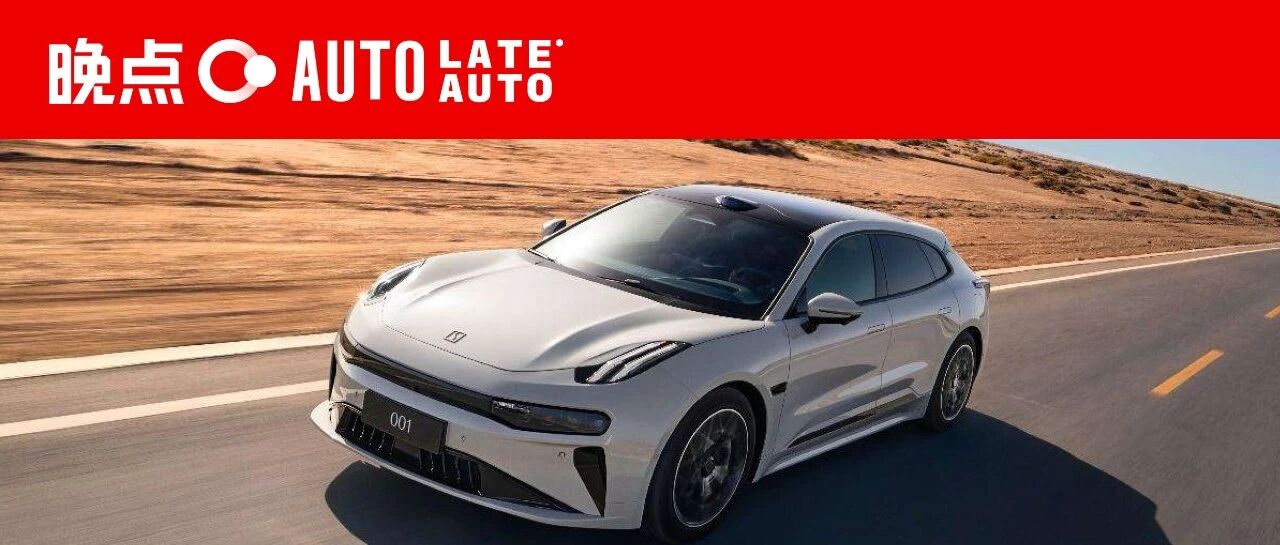
极氪

Search documents
黎巴嫩爱上中国车
Jing Ji Ri Bao· 2025-11-22 21:48
Core Viewpoint - Lebanese consumers show strong interest in Chinese electric vehicles, with Chinese brands leading in battery technology, onboard software, and smart technology [1][2] Group 1: Event Overview - The Electric Mobility Exhibition in Beirut took place from November 11 to 17, featuring 17 electric vehicle brands, including Chinese brands like Arcfox, Zeekr, Xpeng, and Lantu, showcasing around 50 vehicle models [1] - The exhibition included interactive experience zones, smart driving displays, and charging solution showcases, providing a comprehensive experience for attendees [1] Group 2: Consumer Insights - A local consumer, Faris Fahd, who owns four electric vehicles, three of which are Chinese brands, expressed satisfaction with the design, smart systems, technology, quality, and pricing of Chinese electric vehicles [1] - The head of Bazelji Automotive Company noted a significant increase in sales of Chinese brands in Lebanon, with growing consumer recognition due to quality after-sales service [1] Group 3: Dealer Perspectives - Dealers like Eddie Sherfane from Arcfox emphasized the competitive advantages of Chinese electric vehicles in design, technology, quality, price, and maintenance costs [1] - Bernard Abdullah from Zeekr highlighted China's strong innovation capabilities in producing attractive and advanced vehicles, noting the increasing recognition of Chinese electric vehicles in the Lebanese market [1][2] Group 4: Market Potential - Industry insiders indicate that although the Lebanese electric vehicle market is still in its early stages, it holds significant potential, with local consumers demanding high vehicle quality and driving experience [2] - The confidence of dealers in introducing more Chinese brands is bolstered by the widespread recognition of Chinese electric vehicles in the Middle East, attributed to their innovative design, advanced manufacturing, high safety configurations, and rich smart features [2]

“油”又回来了?纯电车企重拾油箱 燃油巨头要做下一代油车
Nan Fang Du Shi Bao· 2025-11-22 15:28
Core Insights - The automotive industry is witnessing a shift where electric vehicle (EV) manufacturers are reintroducing fuel-powered vehicles, indicating a trend towards hybrid and range-extended technologies [1][4][6] - Major automakers, including joint ventures and independent brands, are adopting a dual approach of fuel and electric vehicles, emphasizing the coexistence of both technologies in the market [3][7][11] Group 1: Market Trends - At the 2025 Guangzhou Auto Show, several brands that previously identified as "pure electric" are now showcasing range-extended models, such as the Xiaopeng X9 and Zeekr 9X, highlighting a return to fuel technology [1][4] - The trend is supported by industry experts who predict that internal combustion engine vehicles will still account for about one-third of new car sales by 2040, as per the "Energy Saving and New Energy Vehicle Technology Roadmap 3.0" [10][11] Group 2: Consumer Demand and Technology - The re-emergence of fuel vehicles is driven by consumer concerns over range anxiety, charging infrastructure, and seasonal performance, which hybrid models can effectively address [8][9] - Companies like Xiaopeng and Geely are emphasizing the profitability of hybrid models, with Xiaopeng's X9 range-extended version promising significant cost savings compared to traditional fuel vehicles [4][8] Group 3: Strategic Responses from Automakers - Automakers such as GAC Toyota and Chery are reaffirming their commitment to fuel vehicles while also enhancing their hybrid offerings, indicating a strategic pivot rather than a complete shift to electric [3][7] - The automotive market is expected to maintain a diverse energy structure, with both electric and hybrid vehicles playing crucial roles in meeting consumer needs and adapting to varying regional infrastructure [9][12]


MPV迎来中国答案,谁能重塑格局?
36氪· 2025-11-22 10:50
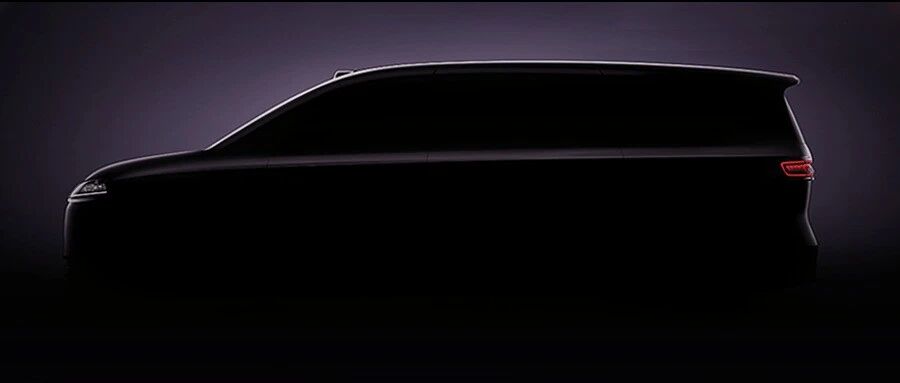
Core Viewpoint - The article discusses the potential transformation of the high-end MPV market in China, highlighting the entry of Hongmeng Zhixing with its upcoming "9 Series flagship" MPV, which aims to redefine the segment through advanced technology and user-centric design [2][22]. Market Context - The MPV market in China has seen limited growth, with a market share of less than 5%, and a total sales volume of 867,000 units from January to October 2025, reflecting a year-on-year growth of only 2.1%, significantly lower than the overall passenger vehicle market [6][12]. - The demand for MPVs is driven by changing family structures and business needs, yet the market remains fragmented with no single brand dominating [17][21]. Pain Points in the MPV Market - The article identifies three fundamental pain points in the MPV market: 1. Space equality, addressing the discomfort of third-row passengers [8]. 2. Role balance, allowing for a seamless transition between driving and riding experiences [9]. 3. Intelligent scenario adaptation, ensuring that smart features cater to the complex needs of multiple passengers [10][20]. Hongmeng Zhixing's Strategy - Hongmeng Zhixing aims to leverage its expertise in high-end technology and product experience to create a high-end intelligent MPV that meets the needs of Chinese consumers [5][10]. - The upcoming 9 Series MPV is positioned to fill a gap in the product matrix, completing Hongmeng Zhixing's offerings from sedans to SUVs and now MPVs [9][18]. Competitive Positioning - The anticipated price range for the 9 Series flagship MPV is between 450,000 to 550,000 CNY, strategically placed to compete with both established luxury brands and emerging players in the market [12][15]. - The vehicle is expected to offer a luxurious experience without the traditional brand premium, thus appealing to consumers seeking value [13][15]. Technological Innovations - The 9 Series MPV is expected to incorporate advanced features such as a flat battery layout for improved seating comfort, high-end materials, and a sophisticated suspension system for a premium ride experience [13][14]. - The integration of HarmonyOS and smart driving technologies aims to enhance user experience, allowing the vehicle to adapt to different scenarios throughout the day [14][18]. Market Implications - The introduction of the 9 Series MPV could redefine consumer expectations in the high-end MPV segment, pushing competitors to innovate beyond mere design updates [20][21]. - The article suggests that the success of the 9 Series MPV could lead to a broader acceptance of MPVs as a mainstream choice for families and businesses, potentially expanding the market [17][22].
该把高端MPV重做一次了
虎嗅APP· 2025-11-22 09:45
Core Viewpoint - The perception of "cars" in China has evolved from mere transportation tools to symbols of identity and status, particularly for high-end MPVs, which are associated with significant occasions and spaces [2][3][4] Group 1: Market Dynamics - The high-end MPV segment has been relatively untouched by the electric and intelligent transformation sweeping through the automotive industry, with traditional players relying on brand legacy while new entrants focus on specifications [3][4] - The entry of a well-established technology camp into the MPV market signifies a shift, introducing a proven methodology rather than just a new vehicle, challenging the existing players' dominance [4][5] Group 2: Product Positioning - The significance of the 9 Series flagship MPV lies not in its technical specifications but in its potential to redefine the standards of high-end MPVs in China, positioning itself as a "rule-maker" rather than a "price disruptor" [5][6] - The design philosophy aims to balance the need for prestige with practicality, focusing on the user experience for both passengers and drivers [9][10] Group 3: Engineering and Luxury - The concept of "engineering luxury" is crucial, emphasizing that true value often lies in unseen aspects such as chassis quality and safety features, especially for a vehicle expected to perform under extreme conditions [10][11] - The 9 Series flagship MPV aims to elevate consumer expectations regarding what constitutes a high-end MPV, focusing on long-term reliability and safety [11][12] Group 4: Long-term Strategy - The 9 Series flagship MPV is positioned as a benchmark for future products, aiming to shift consumer calculations from initial purchase price to long-term value and reliability [11][15] - The vehicle's success will reflect the capabilities of the entire brand's ecosystem, showcasing a commitment to high-end market standards and long-term engineering excellence [14][15]
极氪全系豪华车型亮相广州车展,极氪9X交付已突破1万辆
Bei Ke Cai Jing· 2025-11-22 09:12
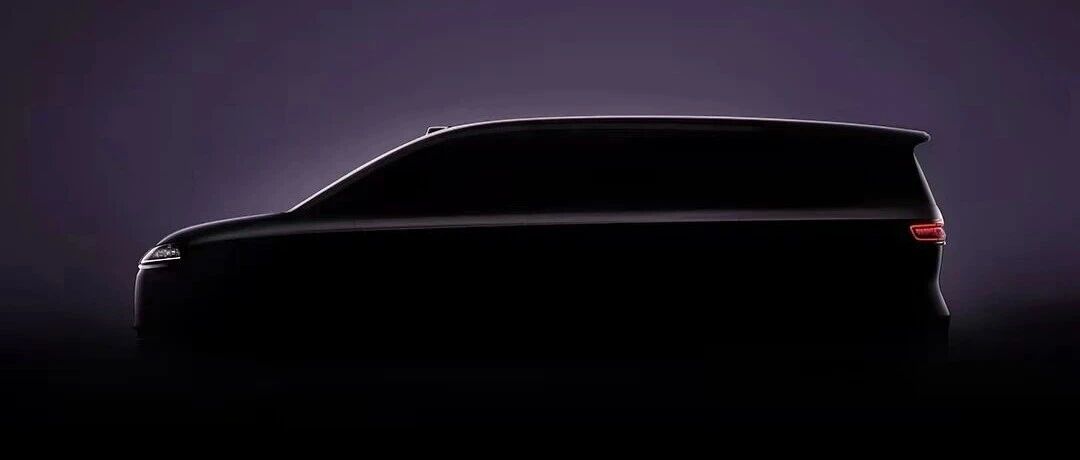
"达康书记"和"祁厅长"出现在广州车展极氪展台。新京报贝壳财经记者林子摄 新京报贝壳财经讯(记者林子)11月21日,极氪旗下全系豪华车型亮相2025年广州车展。其中,极氪9X、009组成的豪华9系双旗舰引发关 注。据极氪官方公布数据显示,极氪9X交付已突破1万辆,均价达到53.8万元;极氪品牌累计销量超60万辆,单车均价30万元以上,最高售价 近90万。 在《人民的名义》中扮演达康书记的吴刚和扮演祁厅长的许亚军来到极氪展台现场。吴刚和许亚军向新京报贝壳财经记者表示,他们为中国 新能源车感到骄傲,相信中国的新能源车未来会越来越人性化,辅助人们的生活变得更加美好。 编辑 徐倩 校对 张彦君 ...
“把车造大,才能活命”
3 6 Ke· 2025-11-22 01:34
Core Insights - The Guangzhou Auto Show in November is characterized by a cold atmosphere, reflecting the intense competition in the Chinese automotive market, particularly in the electric vehicle (EV) sector [1][3] - The shift towards electrification is irreversible, with new energy vehicles (NEVs) becoming the focal point of the industry, dominating exhibition spaces and sales strategies [4][8] - Traditional rules of the automotive market are being overturned, especially regarding vehicle classification and pricing, as the demand for larger vehicles, particularly SUVs, increases [5][11] Industry Trends - The trend of producing larger vehicles is driven by consumer preferences, with a notable shift towards larger SUVs that exceed 5.2 meters in length and 3.1 meters in wheelbase [5][11] - The Chinese automotive market is increasingly resembling the North American market in terms of vehicle size preferences, influenced by rising income levels and changing family structures [7][11] - The production of larger vehicles is facilitated by advancements in EV technology, allowing manufacturers to overcome previous limitations associated with traditional fuel vehicles [8][12] Competitive Landscape - The competition among manufacturers is intensifying, with many brands launching large SUVs to remain relevant in the market [12][23] - Companies like NIO and Li Auto are focusing on larger models to capture market share, with the expectation that the demand for large vehicles will continue to grow [20][23] - The upcoming years are expected to see an influx of large SUVs in the Chinese market, leading to increased competition and potential market consolidation [18][24] Consumer Behavior - Chinese consumers are increasingly seeking larger vehicles for family and lifestyle needs, paralleling the desire for larger homes, which reflects a broader trend of consumption upgrading [11][24] - The perception of larger vehicles as a status symbol is becoming more pronounced, with manufacturers needing to adapt their strategies to meet these evolving consumer expectations [24][25]


晚点独家丨吉利推进智驾整合,极氪团队正被划转至新合资公司
晚点LatePost· 2025-11-21 14:38
Group 1 - The restructuring of Geely's intelligent driving team is nearing completion, with employees transitioning to a newly established joint venture company, including "Qianli Zhijia" and its subsidiary "Qianli Haohan" [4][6]. - The core technologies and research capabilities of the Zeekr auxiliary driving team, along with Qianli Technology's large model capabilities, will be integrated into the Qianli Haohan team, which is responsible for mass production tasks for models H5, H7, and H9 [6][7]. - Geely aims to enhance the advanced nature, proactivity, and cost-effectiveness of the Qianli Haohan intelligent auxiliary driving solutions through the integration of resources from Qianli Technology and Geely [7][8]. Group 2 - The unified planning and naming of Geely's auxiliary driving solutions under the "Qianli Haohan" system includes five levels: H1, H3, H5, H7, and H9, with higher numbers indicating stronger capabilities [8]. - The establishment of Qianli Zhijia as a key step in the intelligent driving integration process involved collaboration with companies like Megvii and Qianli Technology, with leadership roles assigned to former executives from Zeekr and Qianli Technology [8].

2025广州国际车展开幕,93台全球首发新车亮相
Nan Fang Du Shi Bao· 2025-11-21 14:29
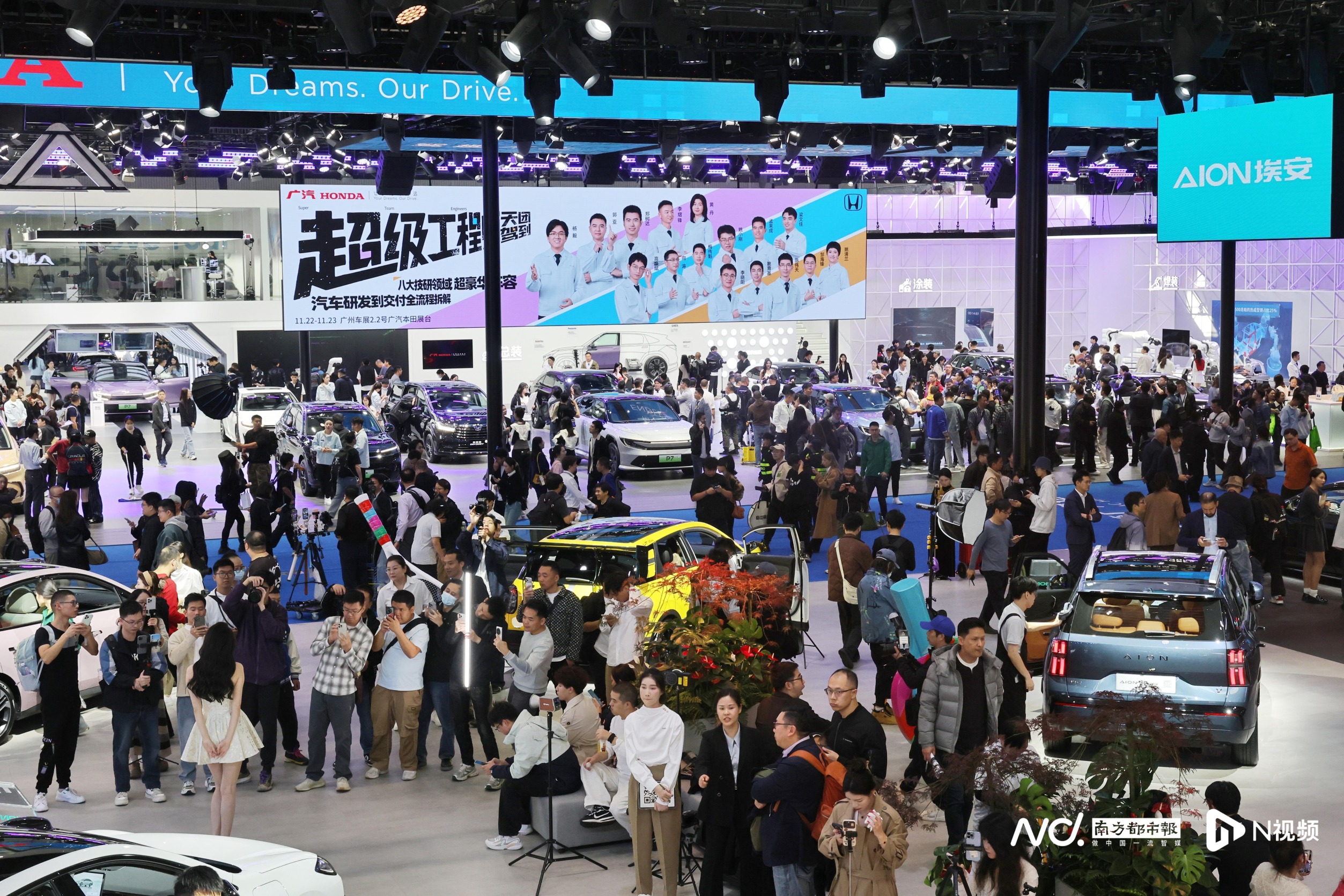
Core Insights - The 2025 Guangzhou International Auto Show opened on November 21, showcasing 1,085 vehicles, with 629 being new energy models, accounting for nearly 60% of the total [1] - The event highlighted the automotive industry's latest advancements in electrification, intelligence, and multi-power strategies, with 93 global debut vehicles [1] New Energy Vehicles - The retail penetration rate of new energy vehicles in China has reached 57.2%, indicating a phase of widespread adoption [8] - New energy vehicles were prominently featured at the auto show, with companies adopting multi-route strategies, particularly emphasizing range extension technology [8][9] Intelligent Technology - Intelligent technology was a major focus, with Huawei's technology integrated throughout the exhibition, despite the absence of an independent booth [4] - Several models featuring Huawei's cockpit system, such as the GAC A800 and Lantu FREE+, attracted significant attention, indicating a rapid adoption of smart cockpit and driving technologies [4] SUV Market Trends - The large six-seat SUV segment remains a key focus for automakers, with Lantu showcasing its flagship SUV, the Lantu Taishan, equipped with Huawei's latest systems [12] - Brands like Leap Motor and Geely are also offering both pure electric and range-extended versions of their models to target higher-end markets [12] Exhibition Dynamics - The scale of this year's auto show has been reduced compared to previous years, reflecting a more pronounced differentiation within the industry amid stock competition [18] - Some companies have chosen to withdraw or reduce their exhibition scale, while leading firms continue to maintain a high density of product and technology launches, indicating a concentration of industry resources [18]
吉利推进智驾整合,极氪团队正被划转至新合资公司
Xin Lang Cai Jing· 2025-11-21 13:19
Core Insights - The Geely Group's intelligent driving team has made progress in integrating its resources into a newly established joint venture, including "Qianli Zhijia" and its subsidiary "Qianli Haohan" [1] - The joint venture aims to enhance the advanced, proactive, and economical nature of its intelligent driving solutions, with plans to offer industry-leading assistance driving solutions in the future [1] Group 1 - The Qianli Zhijia company will act as an intelligent driving solution provider, while Qianli Haohan will specifically provide assistance driving services for Geely [1] - The core technologies and research capabilities of the Zeekr assistance driving team, along with the large model capabilities of Qianli Technology, will be utilized in the Qianli Haohan team, which is currently responsible for the H5, H7, and H9 models [1] - The integration process is ongoing, with adjustments to roles and responsibilities expected as the teams further merge [1] Group 2 - Zeekr is negotiating the transfer of certain employees to the joint venture, ensuring that employee rights are protected throughout the integration process [1] - The integration is seen as a key step in consolidating resources to improve the overall effectiveness of the intelligent driving solutions [1]
独家丨吉利推进智驾整合,极氪团队正被划转至新合资公司
晚点Auto· 2025-11-21 13:10
Core Viewpoint - The restructuring of Geely's intelligent driving team is nearing completion, with the integration of various brands and resources aimed at enhancing the competitiveness of their autonomous driving solutions [2][3]. Group 1: Integration Progress - The ZEEKR intelligent driving team is transitioning employees to a newly established joint venture, including "Qianli Zhijia" and its subsidiary "Qianli Haohan" [3]. - The core technologies and research capabilities from the ZEEKR auxiliary driving team and Qianli Technology's large model capabilities will be utilized in the Qianli Haohan team, which is responsible for mass production tasks for models H5, H7, and H9 [5]. - Geely is consolidating its brands and various business units, including cockpit, electronic architecture, and battery systems, under the "One Geely" initiative, with a clear goal to integrate the intelligent driving system [5]. Group 2: Strategic Goals - The unified auxiliary driving system for Geely's models, named "Qianli Haohan," includes five levels (H1, H3, H5, H7, H9), with increasing capabilities, primarily applied to Geely brands and ZEEKR, Lynk & Co [6]. - The establishment of Qianli Zhijia, a key step in the intelligent driving integration, involved collaboration with companies like Megvii and Qianli Technology, with leadership roles assigned to executives from both companies [6].