Rapidus

Search documents
美光科技(MU.US)豪掷96亿美元在日本建厂 分散产能并竞逐HBM市场
智通财经网· 2025-12-01 06:40
Group 1 - Micron Technology plans to invest 1.5 trillion yen (approximately 96 billion USD) to build a new factory in Hiroshima, Japan, for the production of advanced high-bandwidth memory chips [1] - The construction is expected to begin in May next year, with production anticipated to start around 2028 [1] - The Japanese Ministry of Economy, Trade and Industry will provide subsidies of up to 500 billion yen for this project [1] Group 2 - The Japanese government views artificial intelligence as a key technology to address national security, economic stagnation, and demographic challenges, and is actively investing in and supporting the semiconductor industry [1] - Japan is providing substantial subsidies to attract foreign chip manufacturers like Micron and TSMC to invest in its semiconductor sector [1] - TSMC has already established its first wafer factory in Kumamoto, Japan, which has begun mass production, with plans for a second factory expected to start production by the end of 2027 [1] Group 3 - Rapidus announced plans to start construction of a next-generation 1.4nm wafer factory in the fiscal year 2027, with production expected to begin in Hokkaido by 2029 [2] - The demand for high-bandwidth memory chips is driven by advancements in artificial intelligence and investments in data centers [2] - Expanding the factory in Hiroshima will help Micron diversify its production layout away from Taiwan and compete with market leader SK Hynix [2]

行业周报:Gemini3.0强化TPU降本逻辑,AI眼镜有望迈向起量元年-20251130
KAIYUAN SECURITIES· 2025-11-30 09:14
Investment Rating - The industry investment rating is "Overweight" (maintained) [1] Core Views - The electronic industry index experienced a weekly increase of 6.17%, with consumer electronics rising by 8%, semiconductors by 5.4%, and optical electronics by 3.4% [3] - The release of Google's Gemini 3.0 has strengthened the narrative around TPU, leading to increased market interest in domestic companies like Moer Thread and Muxi, which are set to enter the capital market [5] - The storage sector is entering a "super cycle," with supply shortages and price increases expected to continue until 2026, as indicated by Micron's HBM3E and HBM4 products being fully sold out for next year [6] Market Review - The macroeconomic risks in the U.S. have eased, leading to a recovery in global tech indices, with the Nasdaq index rising by 5% this week [4] - Major tech stocks such as Google and Tesla saw significant gains, with Google up 6.8% and Tesla up 10% [4] Industry Updates - AI glasses are entering a period of intensive new product releases, with several companies, including Quark and Ideal Auto, set to launch their AI glasses soon [4] - The demand for advanced process nodes, particularly 2nm, is outpacing supply, prompting companies like TSMC and Samsung to expand their production capabilities [6] Investment Recommendations - The AI edge and semiconductor equipment sectors are expected to become key themes in the tech industry, with recommended beneficiaries including GoerTek, Luxshare Precision, and Changxin Memory [7]
Economic Currents: Record Black Friday, AI’s Job Market Impact, Crypto UBI, and Global Tech Investments
Stock Market News· 2025-11-30 01:38
Group 1: E-commerce Trends - U.S. online Black Friday sales reached a record $11.8 billion, marking a 9.1% increase year-over-year, significantly driven by AI-powered shopping tools which saw an 805% increase in traffic to retail sites [2][3][7] - Mobile shopping accounted for over half of all sales, with popular categories including video game consoles, electronics, and home appliances [3][7] - Cyber Monday is projected to continue the trend with anticipated sales of $14.2 billion, making it the largest online shopping day of the year [3] Group 2: Labor Market Dynamics - Entry-level job postings in the U.S. have declined by 16% year-over-year, raising concerns for young workers, particularly recent graduates and those aged 16 to 24, whose unemployment rate reached 10.5% in August [4][5][7] - Platforms like Handshake reported a 15% reduction in job listings compared to the last academic year, while applications per job increased by approximately 30%, indicating a mismatch in the labor market [5] Group 3: Technological Investments - Japan announced an additional budget allocation of approximately ¥252.5 billion (US$1.6 billion) to enhance its AI and semiconductor industries, part of a broader strategy that has committed around ¥5.7 trillion (US$36.5 billion) since 2021 [6][7][8] - The funding will support key projects, including the domestic chip venture Rapidus, which aims to mass-produce 2-nanometer chips by 2027 [7][8] Group 4: Cryptocurrency and Social Aid - A pilot Universal Basic Income program funded by Coinbase is distributing $12,000 in USDC stablecoin to 160 low-income residents in New York, exploring the effectiveness of cryptocurrency in social welfare [9][10] - The total funding for this project is approximately $2.6 million, with participants receiving payments in two stages [10] Group 5: Economic Policy and Market Performance - Treasury Secretary Scott Bessent credited President Trump's economic policies for a recovering bond market, with the U.S. Treasury market achieving a 6% total return year-to-date, its strongest performance since 2020 [11][12] - Plans for regulatory adjustments to enhance market liquidity include a revamped Treasury buyback program, with projections of a tenfold growth in the stablecoin market by the end of the decade [12]



Rapidus挑战1.4纳米半导体壁垒
日经中文网· 2025-11-30 00:30
Core Viewpoint - Rapidus aims to produce cutting-edge 1.4nm semiconductor technology by 2029 and is targeting 2nm production by 2027, but faces significant challenges in scaling and competition with TSMC [2][4][5] Group 1: Production Plans and Investments - Rapidus plans to start construction of its second factory in Chitose, Hokkaido, in 2027, with the goal of producing 1.4nm semiconductors by 2029 [2] - The company has submitted a business plan to the Japanese Ministry of Economy, Trade and Industry, proposing to invest over 3 trillion yen in the development and mass production of 1.4nm and 1nm semiconductors by 2031 [4] - Total investment is expected to exceed 7 trillion yen, with the Japanese government already committing approximately 2.9 trillion yen in support [4][5] Group 2: Funding and Financial Strategy - Rapidus needs to secure around 1 trillion yen in private investment and borrow over 2 trillion yen from private financial institutions before 2031 [5] - The company aims to go public by 2031 to reduce reliance on government funding and ensure the development of its 1.4nm products [5] Group 3: Competitive Landscape - The production capacity of Rapidus's first factory is expected to be between 25,000 to 30,000 wafers, while TSMC's main factory is projected to exceed 100,000 wafers, highlighting the scale challenge [8] - Rapidus is currently collaborating with AI semiconductor design company Tenstorrent, but needs to demonstrate production capabilities to attract more clients [7][8] - The Japanese government is actively supporting Rapidus in customer acquisition, indicating a strategic push to enhance domestic semiconductor capabilities [8][9] Group 4: Technological Development - The company is focusing on developing 2nm technology, with a target to start mass production by 2027, which is critical for its competitive positioning [5][7] - Rapidus employs a "single wafer" manufacturing process that allows for high-speed processing, claiming to be 2-3 times faster than TSMC during mass production [7]


这波建厂潮,太热了
半导体芯闻· 2025-11-28 10:46
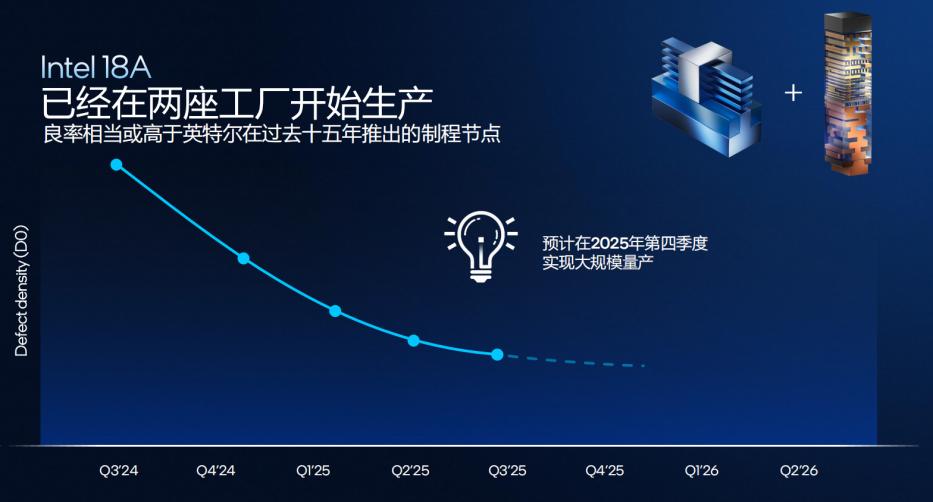
Core Viewpoint - The global semiconductor industry is engaged in a strategic competition centered around the establishment of 2nm wafer fabs, which are seen as critical for AI-era computing sovereignty [1][20]. Group 1: TSMC's Expansion Plans - TSMC plans to increase its 2nm fab count from seven to ten, with an estimated cost of approximately NT$300 billion (US$80-100 billion) per fab, totaling around NT$900 billion for the additional three fabs [2][3]. - TSMC's strategy focuses on serving top-tier clients in AI GPU, high-end CPUs, and mobile SoCs, ensuring long-term capacity even amid macroeconomic fluctuations [2][3]. - The company emphasizes that the most advanced nodes must remain in Taiwan, with overseas fabs primarily serving political and customer relationship needs [3][4]. Group 2: Intel's 18A Technology - Intel's 18A process technology is positioned to compete with TSMC's 2nm, with recent reports indicating a steady improvement in yield rates [6][8]. - The U.S. government has become Intel's largest single shareholder, converting subsidies into equity, which strengthens Intel's capital structure [8][9]. - Intel's success in the 2nm race will depend not only on the 18A technology but also on its ability to establish itself as a true foundry company [9]. Group 3: Samsung's Progress - Samsung's 2nm process yield has improved to 55-60%, with plans to increase monthly production from 8,000 wafers in 2024 to 21,000 by the end of 2025 [10][12]. - The company secured a significant contract with Tesla for AI6 chip production, valued at US$16.5 billion over eight years, which is crucial for enhancing Samsung's position in the U.S. foundry market [11][12]. - Samsung aims to regain profitability in its foundry business within two years while targeting a 20% market share [12][13]. Group 4: Japan's Rapidus Initiative - Rapidus, a smaller player, is focused on establishing domestic 2nm production capacity with government support, aiming for mass production by the second half of the 2027 fiscal year [15][17]. - The company plans to build a second factory in Hokkaido, with significant investment expected from the Japanese government and private sector [17][18]. - Rapidus's approach involves a unique single-wafer processing method, which may lead to higher capital expenditures but aims for better yield control [18]. Group 5: Market Dynamics and Geopolitical Implications - The 2nm node is viewed as a critical infrastructure for AI, with significant implications for capital expenditure and industry dynamics [20][21]. - The construction of 2nm fabs is heavily influenced by government policies and partnerships with major clients, making it a tool for national industrial policy [21][22]. - The concentration of 2nm production capacity in Taiwan and a few allied nations raises concerns about supply chain resilience and geopolitical risks [22]. Group 6: Potential Beneficiaries - Semiconductor equipment manufacturers are expected to benefit significantly from the construction of 2nm fabs, as these facilities require advanced equipment for production [24]. - Major clients like NVIDIA, Apple, and AMD will gain more bargaining power with multiple 2nm suppliers, but risks remain if AI demand declines or yields do not meet expectations [25][26].

1.4nm争霸战,打响
3 6 Ke· 2025-11-28 03:45
Core Insights - The global semiconductor industry is engaged in a strategic competition centered around the establishment of 2nm wafer fabs, seen as a critical threshold for AI computing sovereignty in the AI era [1][18][25] - TSMC plans to expand its 2nm production capacity in Taiwan from seven to ten fabs, with significant investments in overseas projects in the US, Japan, and Germany [2][3][19] - Intel is positioning itself with its 18A process technology, backed by national capital, to compete directly with TSMC's 2nm offerings [4][8][19] - Samsung is ramping up its 2nm production capabilities, achieving a yield of 55-60% and securing significant contracts, including a long-term deal with Tesla [9][10][19] - Japan's Rapidus is also entering the 2nm race, supported by government initiatives, aiming to establish local production capabilities [12][16][19] TSMC's Strategy - TSMC's plan includes ten 2nm fabs in Taiwan, with an estimated cost of approximately NT$300 billion (US$80-100 billion) per fab, totaling around NT$900 billion for the additional three fabs [2][19] - The company emphasizes that advanced processes will primarily serve top-tier clients, particularly in AI and high-end computing sectors [2][3] - TSMC's strategy is a response to both the surging demand for AI chips and competitive pressures from rivals like Intel and Samsung [3][19] Intel's Positioning - Intel's 18A process is designed to compete with TSMC's 2nm technology, with recent reports indicating improvements in yield and production stability [4][6][19] - The company aims to establish itself as a significant foundry player, focusing on collaboration with design partners to enhance its manufacturing capabilities [8][19] Samsung's Developments - Samsung's 2nm process yield has improved significantly, and the company plans to increase its production capacity by 163% by the end of next year [9][10] - The company has secured a major contract with Tesla for AI chip production, which is expected to enhance its standing in the US market [9][10][19] Rapidus and Japan's Strategy - Rapidus is working on establishing 2nm production capabilities with government support, aiming to start mass production by the second half of the 2027 fiscal year [12][16] - The company is also planning to develop 1.4nm products, indicating a long-term commitment to advanced semiconductor manufacturing in Japan [16][19] Market Dynamics - The competition for 2nm fabs is driven by the need for higher transistor density and lower power consumption to support AI applications [18][19] - The establishment of these fabs is not only a corporate decision but also a reflection of national industrial policies, with significant government backing for companies like Intel and Rapidus [19][25] - The high capital expenditure required for 2nm fabs necessitates partnerships with key clients and government subsidies to mitigate financial risks [18][19] Conclusion - The race to build 2nm fabs represents a pivotal moment in the semiconductor industry, with implications for technological leadership, market dynamics, and geopolitical considerations [25] - Companies that successfully navigate this high-capital, high-risk environment will be well-positioned to influence the future of semiconductor manufacturing and AI capabilities [25]
1.4nm争霸战,打响!
半导体行业观察· 2025-11-28 01:22
Core Viewpoint - The global semiconductor industry is engaged in a strategic competition centered around the construction of 2nm wafer fabs, seen as a critical threshold for AI-era computing sovereignty, with major players like TSMC, Intel, Samsung, and Japan's Rapidus making significant investments and advancements in this area [1][20]. TSMC's Expansion Plans - TSMC has upgraded its plan for 2nm fabs in Taiwan from seven to ten, with an estimated cost of approximately NT$300 billion (US$80-100 billion) per fab, totaling around NT$900 billion for the additional three [2]. - The company is also expanding its overseas presence, increasing its investment in Arizona to US$165 billion, citing insufficient local capacity to meet AI customer demands [2][3]. - TSMC's strategy focuses on serving top-tier clients in AI and high-performance computing, ensuring long-term capacity even amid macroeconomic fluctuations [2][3]. Intel's 18A Technology - Intel's 18A process technology is positioned to compete with TSMC's 2nm offerings, with recent reports indicating improved yield rates and a path to mass production by Q4 2025 [6][8]. - The U.S. government has become Intel's largest single shareholder through the CHIPS Act, providing significant capital support, while NVIDIA has also invested US$5 billion in Intel [8][9]. - Intel's success in the 2nm race will depend not only on the 18A technology but also on its ability to establish itself as a competitive foundry [9]. Samsung's Progress - Samsung's 2nm process yield has improved to 55-60%, with plans to increase monthly production from 8,000 wafers in 2024 to 21,000 by the end of 2025 [11]. - The company has secured a significant contract with Tesla for AI6 chip production, valued at US$16.5 billion over eight years, which is crucial for enhancing Samsung's position in the U.S. foundry market [11][12]. - Samsung aims to regain profitability in its foundry business within two years, leveraging high ASP orders to support its 2nm production ramp-up [12][13]. Japan's Rapidus Initiative - Rapidus, a smaller player, is focusing on establishing domestic 2nm production capabilities with government support, aiming for mass production by the second half of the 2027 fiscal year [15][17]. - The company plans to build a second factory in Hokkaido, with significant investment expected from the Japanese government and private sector [17]. - Rapidus's strategy involves a unique approach to wafer processing, utilizing single-wafer techniques to enhance yield and defect control [18]. Geopolitical and Economic Implications - The race to build 2nm fabs is driven by technological, economic, and geopolitical factors, with 2nm seen as essential for AI infrastructure [20][21]. - Major investments are being supported by government policies and partnerships with leading customers, making the establishment of 2nm fabs a national strategic priority [21]. - The concentration of 2nm production capacity in a few regions raises concerns about supply chain resilience and geopolitical risks [22]. Industry Outlook - The construction of 2nm fabs is expected to benefit semiconductor equipment suppliers significantly, as these facilities require advanced manufacturing technologies [24]. - The expansion of 2nm capacity will also drive demand for advanced packaging and testing solutions, essential for AI chip production [24]. - However, the industry faces uncertainties regarding sustained demand and the potential for overcapacity leading to financial pressures in the future [22][24].
美银:2030年英伟达市场份额将降至75%;日本芯片制造商Rapidus拟建设1.4纳米晶圆厂【美股盘前】
Mei Ri Jing Ji Xin Wen· 2025-11-26 12:41
Group 1 - Major stock index futures are showing positive trends, with Dow futures up 0.18%, S&P 500 futures up 0.21%, and Nasdaq futures up 0.26% [1] - Chinese concept stocks are mixed, with Alibaba up 1.07%, Pinduoduo up 1.05%, and JD.com up 1.16%, while Xpeng Motors is down 2.26% and Bilibili is down 1.81% [1] - Dell's Q3 revenue increased by 11% year-over-year to $27.005 billion, driven by a surge in AI server orders totaling $12.3 billion, with a backlog of $18.4 billion [1] Group 2 - Uber is launching a fully autonomous Robotaxi service in Abu Dhabi, expanding its partnership with WeRide, although some routes will still have safety drivers [2] - Bank of America predicts Nvidia's market share will decline from 85% to 75% by 2030, despite the AI data center market expected to grow fivefold to approximately $1.2 trillion [3] - Japanese chipmaker Rapidus plans to build a 1.4nm wafer fab by FY2027, aiming to catch up with TSMC [4] Group 3 - Elon Musk announced that Tesla's Robotaxi fleet in Austin will double next month, although specific operational numbers have not been disclosed [4] - Li Auto reported Q3 revenue of 27.4 billion yuan, a decline of 36.2% year-over-year, and expects Q4 revenue guidance to be below market estimates [4] - Hedge fund manager Bill Ackman is seeking to raise $5 billion for a new closed-end fund, with $2 billion from institutional investors [5]


【美股盘前】谷歌涨1.44%,英伟达跌1.37%;美银:2030年英伟达市场份额将降至75%;AI订单激增,戴尔涨超5%;马斯克:特斯拉奥斯汀Robot...
Mei Ri Jing Ji Xin Wen· 2025-11-26 10:55
Group 1: Market Performance - Major U.S. index futures are showing positive trends, with Dow futures up 0.18%, S&P 500 futures up 0.21%, and Nasdaq futures up 0.26% [1] - Chinese concept stocks are mixed, with Alibaba up 1.07%, Pinduoduo up 1.05%, and JD.com up 1.16%, while Xpeng Motors is down 2.26% and Bilibili is down 1.81% [1] Group 2: Company Earnings and Projections - Dell reported Q3 revenue of $27.005 billion, an 11% year-over-year increase, and attributed this growth to a surge in AI server orders, with $12.3 billion in orders received and $5.6 billion shipped [1] - Dell raised its annual AI server shipment forecast from $20 billion to $25 billion, projecting over 150% year-over-year growth, driven by strong demand for AI products [1] - Li Auto's Q3 revenue was 27.4 billion yuan, a 36.2% year-over-year decline, with a net loss of 624.4 million yuan compared to a profit of 2.8 billion yuan in the same period last year [5] - Li Auto's Q4 revenue guidance is between 26.5 billion yuan and 29.2 billion yuan, below market expectations of 37.25 billion yuan [5] Group 3: Industry Developments - Uber announced the launch of a fully autonomous Robotaxi service in Abu Dhabi, expanding its partnership with WeRide, although some routes will still have safety drivers [2] - Nvidia's market share is projected to decline from 85% to 75% by 2030, despite the company remaining a leader in the AI data center market, which is expected to grow to approximately $1.2 trillion [3] - Rapidus, a Japanese chip manufacturer, plans to build a 1.4nm wafer fab by FY2027, aiming to close the gap with TSMC [4] - Elon Musk announced that Tesla's Robotaxi fleet in Austin will double next month, although specific operational numbers have not been disclosed [4] Group 4: Fundraising and IPOs - Hedge fund manager Bill Ackman is planning to raise $5 billion for a new closed-end fund, with $2 billion coming from institutional investors, coinciding with an IPO of his company, Pershing Square Capital Management [5]


又一座2nm晶圆厂,官宣
半导体芯闻· 2025-11-26 10:49
Group 1 - Rapidus, a company established by the Japanese government to revitalize the semiconductor industry, plans to start construction of its second factory in Chitose, Hokkaido by 2027 [1] - The company aims to achieve mass production of advanced 2-nanometer semiconductors by 2027 and 1.4-nanometer semiconductors by 2029, with total investments exceeding 7 trillion yen (approximately 28.2 trillion Korean won) [1] - The Japanese government has provided a total of 2.9 trillion yen in funding support to Rapidus, which plans to go public by 2031 [1] Group 2 - The competition in the advanced semiconductor field below 2 nanometers has become a national contest, with the U.S. supporting Intel's 2-nanometer foundry business and leading global semiconductor companies in domestic production [2] - Taiwan is actively supporting TSMC, which plans to build three 2-nanometer fabrication plants in Tainan, and has passed the "Taiwan Semiconductor Act" to provide tax incentives for R&D and strategic industry investments [2] - South Korea remains hesitant in directly supporting the semiconductor industry due to concerns about favoring large enterprises, with recent reports indicating a preliminary agreement to exclude exemptions from the 52-hour workweek requirement in the semiconductor industry special law [3]