
奈雪的茶

Search documents
外卖大战,殃及池鱼,新的受害者出现了
3 6 Ke· 2025-08-14 13:13
Core Viewpoint - The article highlights the significant impact of the "takeout war" on the performance of Master Kong, indicating that the competition in the food delivery market has adversely affected the company's sales and market position [8][15]. Financial Performance - In the first half of 2025, Master Kong reported revenue of 40.092 billion yuan, a year-on-year decline of 2.7%, with sales dropping by over 1.1 billion yuan [2]. - Instant noodle revenue decreased by 2.5% to 13.465 billion yuan [5]. - Beverage revenue fell by 2.6% to 26.359 billion yuan [5]. Market Trends - The takeout market in China has seen explosive growth, with daily orders increasing from approximately 100 million at the beginning of the year to 250 million, a 2.5-fold increase [9]. - The takeout market size is projected to reach 1.63 trillion yuan by 2024, significantly outpacing the instant food industry, which is expected to grow to only 124 billion yuan [10]. Consumer Behavior - The convenience of food delivery has led to a decline in the consumption of instant noodles, as consumers shift from "emergency hunger" solutions to "immediate satisfaction" experiences [9]. - The penetration rate of food delivery in the restaurant industry has increased from 7.6% in 2017 to 28.8% in 2023, indicating a substantial shift in consumer purchasing habits [10]. Competitive Landscape - Bottled beverages are facing strong competition from ready-to-drink beverage stores, with the number of new tea beverage outlets exceeding 300,000 by April 2025 [11]. - The ready-to-drink beverage market is expected to surpass 368.9 billion yuan in 2025, with a compound annual growth rate of 15% [11]. Health Trends - There is a growing consumer preference for healthier options, with 55% willing to pay for low-sugar or no-sugar products, impacting the sales of traditional instant noodles and sugary beverages [14]. - Master Kong has attempted to adapt by launching healthier product lines, but these efforts have yet to yield significant results in current performance [15]. Strategic Challenges - Master Kong faces ongoing internal challenges, including the need for faster product iteration to meet changing consumer demands and rising operational costs [15]. - The company's performance decline reflects broader structural challenges in the instant food and traditional beverage industries, driven by evolving consumer preferences and competitive dynamics [15][16].


“三座大山”、“外卖大战”下的餐饮众生相
3 6 Ke· 2025-08-14 11:54
Core Viewpoint - The restaurant industry in China is facing significant challenges in 2025, with declining revenue growth, shrinking profits, and intensified competition, primarily driven by rising costs in raw materials, rent, and labor [2][4][8]. Group 1: Industry Performance - In the first half of 2025, national restaurant revenue growth decreased by 3.6 percentage points year-on-year, while revenue growth for large-scale dining units fell by 2 percentage points [2]. - In Beijing, profits in the accommodation and catering industry dropped by 67% in the first half of 2025 compared to the previous year [2]. - The China Cuisine Association noted a trend of slowing revenue growth, declining profits, and increased competition in the restaurant sector [2]. Group 2: Cost Pressures - The "three mountains" of pressure on restaurants include rising costs of raw materials, rent, and labor, which are affecting nearly all Chinese dining establishments [4][8]. - For example, at the restaurant chain Haidilao, employee costs, rent, and raw materials accounted for 71.9% of total revenue in 2024 [4]. - The rising labor costs are particularly notable, with average monthly wages exceeding 5,000 yuan and additional costs for employee accommodations and social security [3][4]. Group 3: Financial Performance of Key Players - Haidilao and other major restaurant chains have shown only slight revenue and profit increases, while many others report poor financial performance [5]. - For instance, the group "Xiabuxiabu" reported a revenue decline of 19.65% in 2024, with a net loss of 398 million yuan, more than doubling its previous year's losses [6]. - "Naixue" reported a revenue drop of 4.7% in 2024, with a net loss of 917 million yuan, continuing a trend of losses since its IPO [6][7]. Group 4: Strategies for Survival - To cope with rising costs, restaurants are focusing on cost control and efficiency optimization as survival strategies [8]. - Haidilao has implemented smart kitchen management systems and a full supply chain layout to reduce procurement costs and ensure food safety [10][11]. - New restaurant brands are increasingly adopting digitalization to enhance operational efficiency and cost management [14][19]. Group 5: Shift to Delivery and New Business Models - As the industry transitions from growth to a focus on existing market share, many restaurants are exploring online ordering and delivery services [15]. - Some brands are opening "satellite" or "quick pick-up" stores in lower-rent areas, primarily focusing on delivery to reduce costs and improve efficiency [15]. - For example, Haidilao's delivery revenue increased by 20.4% in 2024, while "Jiuma Jiu" reported a 15.8% growth in its delivery business [15]. Group 6: Competitive Landscape - The competitive landscape of the delivery market has stabilized, with restaurants competing on product quality, supply chain efficiency, and digital capabilities [20]. - Brands like "Kua Fu" and "Ning Ji" are leveraging their established capabilities in product quality and digitalization to gain a competitive edge in the delivery market [19][20].

乳业巨头逐鹿B端:蒙牛伊利们掀起千亿市场争夺战
3 6 Ke· 2025-08-14 08:57
Core Insights - The Chinese dairy industry is undergoing a significant strategic transformation, shifting from a "scale expansion" model reliant on market penetration and capacity expansion to a "value enhancement" model focused on technological innovation, product differentiation, and value chain extension [1] - The B-end dairy market is emerging as a new growth point, attracting major players like Mengniu and Yili, as competition in the C-end market becomes increasingly saturated [1][4] Group 1: Market Dynamics - The B-end dairy market has shown robust growth, with its total scale expanding to a trillion-level market, driven by rising demand from industries like coffee, baking, and tea [4][7] - The coffee market alone is projected to see a sales volume of 3.3 billion cups in 2023, with a growth rate of 37.5%, expected to reach 5 billion cups by 2025 [4][7] - The baking market is also thriving, with a retail market size of 611.07 billion yuan in 2024, anticipated to grow to 859.56 billion yuan by 2029, providing substantial application space for dairy products [7] Group 2: Domestic Market Trends - The trend of domestic substitution in the B-end dairy market is accelerating, with domestic brands gradually breaking the dominance of international brands in high-end products like cream and cheese [8][10] - Currently, 70% to 80% of the B-end market share is still held by imported brands, but domestic companies are gaining ground due to shorter supply chains and better responsiveness to local market needs [10][12] - Anti-dumping policies have created a favorable environment for domestic companies, allowing them to compete more effectively against foreign brands [10][12] Group 3: Competitive Strategies - Major dairy companies are rapidly expanding their B-end market presence through partnerships with food service companies and tailored product offerings [15][21] - Mengniu has launched a professional catering brand, focusing on high-quality dairy ingredients for various sectors, while Yili has established an innovation center to cater to diverse B-end customer needs [15][17] - Companies like Junlebao are focusing on high-value deep processing areas, collaborating with leading tea brands to explore B-end business opportunities [19][21] Group 4: Challenges and Considerations - The B-end market, while promising, presents unique competitive challenges compared to the C-end market, where product specialization and customization capabilities are critical [23][24] - Efficient supply chain management is vital for B-end clients, as any delays can significantly impact operations and brand reputation [24][26] - Barriers to entry, such as technological, scale, and brand reputation, make it difficult for new entrants to compete effectively in the B-end market [26][27]



在商场蹭空调,去麦当劳打牌:城市空间向谁开放?
Hu Xiu· 2025-08-12 09:45
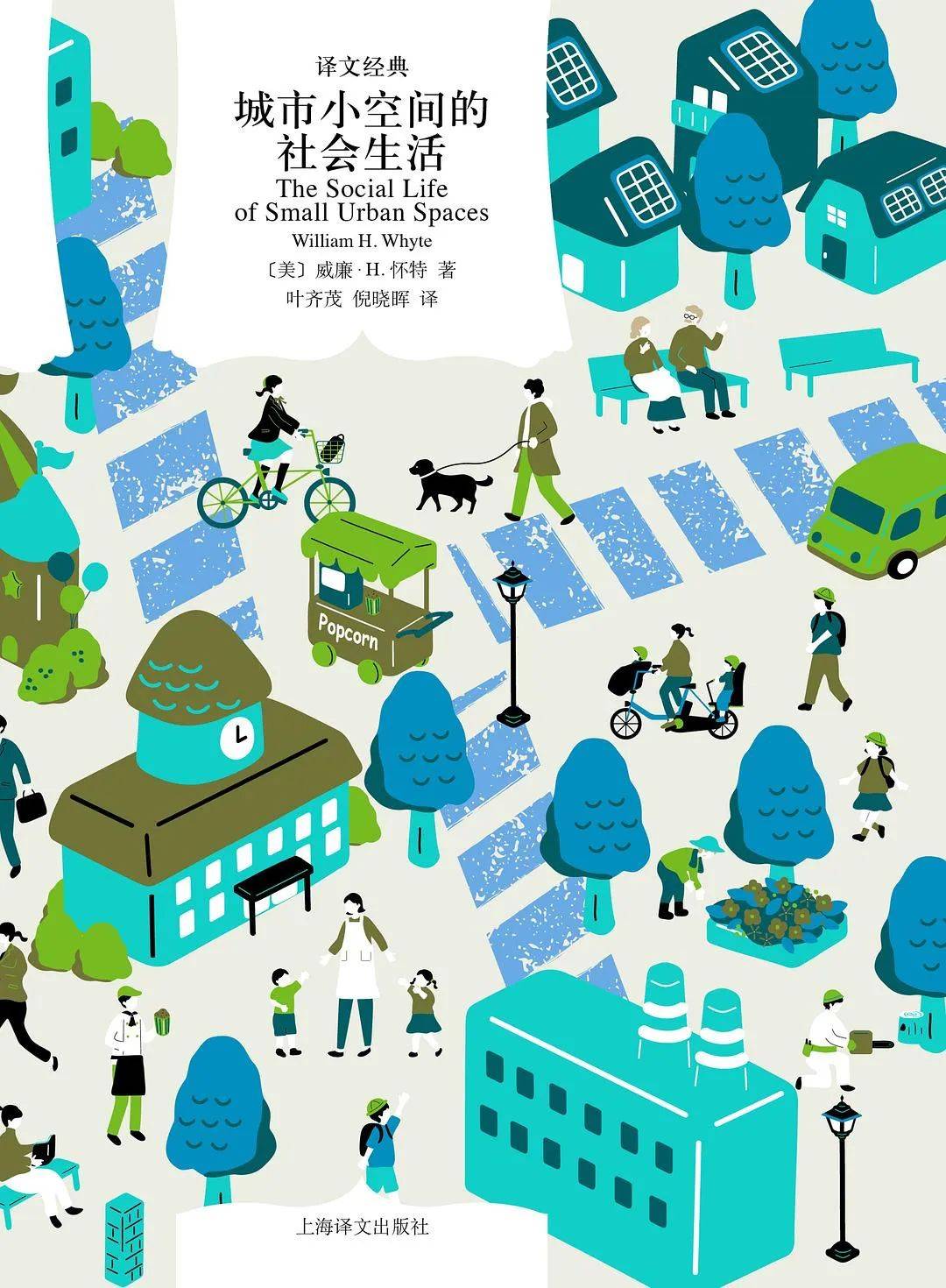
Group 1 - The article discusses the increasing presence of elderly individuals in urban spaces such as cafes and fast-food restaurants, highlighting their need for social interaction and cooling spaces during summer [1][3][8] - It points out the lack of suitable urban spaces that cater to diverse demographic needs, leading to conflicts over space usage between different age groups [2][11][12] - The article references sociologist William H. Whyte's findings that people are drawn to crowded spaces despite claiming to prefer solitude, indicating a fundamental human need for connection [4][5] Group 2 - The article emphasizes the active role of elderly individuals in claiming urban spaces, often competing with younger demographics for access to recreational areas [10][13] - It discusses the transformation of urban spaces due to commercial interests, where businesses like Starbucks serve as informal public spaces, fulfilling social needs [16][18][20] - The article highlights the tension between standardized commercial spaces and the unique needs of different consumer groups, particularly the elderly [20][21][23] Group 3 - The article notes that urban planning often overlooks the needs of the elderly, leading to a lack of appropriate recreational facilities [11][13][14] - It discusses the concept of "public space" in the context of Chinese urban environments, where government and commercial interests often intersect, complicating the notion of accessibility [28][32] - The article concludes that the evolving nature of urban spaces requires a balance between commercial viability and the genuine public need for inclusive environments [25][26][32]

行业三强扎堆赴港IPO 新茶饮赛道竞争加剧
Xin Hua Wang· 2025-08-12 05:47
Core Insights - The Hong Kong IPO market is seeing new entrants in the tea beverage sector, with companies like Mixue Ice City and Gu Ming Holdings filing for IPOs, joining Sichuan Baicha Baidao, which has also applied for listing [1] - As of Q3 2023, Mixue Ice City reported revenues of 15.393 billion yuan and profits of 2.453 billion yuan, while Gu Ming reported revenues of 5.571 billion yuan and profits of 1.002 billion yuan, indicating a competitive landscape in the tea beverage sector [1] - Both companies are focusing on enhancing their supply chain capabilities and digitalization as part of their fundraising plans [1] Supply Chain Focus - Mixue Ice City plans to use part of its fundraising to expand its end-to-end supply chain, including building new facilities for frozen fruits, coffee, syrups, and other products [2] - The company has established five production bases covering various food categories, with an annual production capacity of approximately 1.43 million tons as of September 30, 2023 [2] - Gu Ming aims to enhance its supply chain management and logistics capabilities, planning to invest in new refrigerated warehouses and smart storage facilities over the next 3-5 years [3] Store Expansion - The rapid expansion of store numbers is a key strategy for new tea beverage brands, with Mixue Ice City increasing its store count from 20,001 to 36,153 (including overseas) from the end of 2021 to September 30, 2023, a growth rate of over 80% [4] - Gu Ming's store count grew from 5,694 to 8,578 during the same period, achieving a growth rate of over 50% [4] Market Saturation and Competition - The new tea beverage market is becoming saturated as more brands adopt franchise models, with notable competitors like Heytea and Lele Tea also entering the franchise space [5] - The market size for new tea beverages is projected to reach 149.8 billion yuan in 2023, with growth rates expected to decline significantly compared to pre-pandemic levels [5] Consumer Trends and Health Concerns - The industry is facing challenges related to health perceptions, particularly concerning ingredients like "plant-based creamers," which have raised consumer concerns about health [9] - Both Mixue Ice City and Gu Ming are aware of these health concerns and are adapting their product offerings to meet consumer demands for healthier options [10] Diversification and International Expansion - Mixue Ice City is expanding into the coffee market, with its coffee brand "Lucky Coffee" already having around 2,900 stores as of Q3 2023 [10] - Gu Ming plans to diversify its product offerings to include more coffee options, capitalizing on the similarities in consumer demographics between tea and coffee drinkers [11] - Both companies are looking to expand internationally, with Mixue Ice City already operating approximately 4,000 stores in 11 countries and planning to establish a multifunctional supply chain center in Southeast Asia [12]

中国餐饮出海迈入新阶段
Xin Hua Wang· 2025-08-12 05:44
Core Insights - The Chinese restaurant industry is experiencing significant expansion and value reconstruction, with a notable increase in competition, prompting strong brands to accelerate their overseas market strategies [1][3] - The wave of Chinese restaurant brands going global is characterized by cultural integration, standardized practices, and supply chain localization, marking a new phase in international expansion [1][2] Industry Expansion - The overseas Chinese restaurant market has grown to nearly 700,000 outlets, with a market size approaching 3 trillion yuan [2] - Hot pot brands, such as Haidilao, are leading the charge in international expansion, with over 120 locations globally, while new tea beverage brands like Mixue Ice Cream & Tea have opened more than 5,000 stores across 12 countries since 2018 [2][3] Market Drivers - The intense competition in the domestic restaurant market is a key driver for brands seeking growth through international expansion, with over 3.1 million new restaurant registrations in 2024 [3] - Policy support, including the Ministry of Commerce's guidance on promoting high-quality development in the restaurant industry, is fueling the push for Chinese cuisine to go global [1][3] Cultural Integration - Successful international expansion requires deep cultural understanding and adaptation to local tastes, as demonstrated by Haidilao's localized menu innovations in various regions [5][6] - Cultural integration is seen as a core challenge, with brands needing to create experiences that resonate with local consumers while maintaining their culinary identity [6][14] Supply Chain Challenges - Supply chain localization is a critical hurdle for Chinese restaurants abroad, with many relying on a mix of domestic and local sourcing to ensure quality and consistency [5][11] - The complexity of international supply chains, including regulatory compliance and logistics, poses significant challenges for brands looking to establish a foothold in foreign markets [7][10] Strategic Recommendations - Industry experts suggest that a collaborative approach involving government support, industry associations, and enterprises is essential for overcoming barriers to international expansion [10][11] - Establishing a comprehensive ecosystem that includes supply chain, logistics, and local partnerships is vital for successful market entry and sustainability [11][12] Innovation and Adaptation - Brands are increasingly leveraging technology and innovative supply chain solutions to enhance their international operations, with companies like Meituan utilizing AI to support global restaurant markets [12][13] - The reciprocal relationship between international expansion and domestic innovation is fostering a cycle of improvement and adaptation within the Chinese restaurant industry [13][14]
香港人反向代购热潮越来越火
3 6 Ke· 2025-08-12 04:15
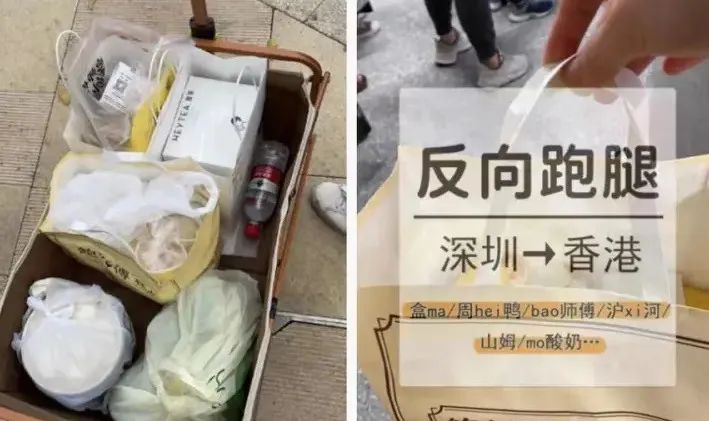
Core Viewpoint - The trend of Hong Kong residents traveling to mainland China for shopping and the rise of reverse purchasing has become a significant commercial phenomenon, reflecting a deepening integration between Hong Kong and mainland cities [1][22]. Group 1: Hong Kong Residents' Consumption Trends - Hong Kong residents are increasingly traveling to mainland cities, particularly the Greater Bay Area, for shopping, with a notable preference for high-end products and services [2][3]. - The average spending of Hong Kong residents when they visit mainland China ranges from 300 to 500 HKD, with over 80% of their expenditures on lifestyle services such as health, beauty, and personal care [3][22]. - The phenomenon of reverse purchasing, where residents buy products from mainland China to sell back in Hong Kong, has gained traction, with some individuals reportedly earning substantial profits [5][6]. Group 2: Real Estate and Property Trends - Many Hong Kong residents are opting to purchase properties in mainland cities, particularly in Shenzhen, Guangzhou, and Zhuhai, due to the affordability compared to Hong Kong's real estate market [2][22]. - The average Hong Kong family would need to spend 14.4 years of income to buy a home, while properties in the Greater Bay Area are more accessible, often requiring only a down payment [2][22]. Group 3: Historical Context and Evolution - The current trend marks a significant shift from the previous era of Hong Kong goods being purchased by mainland consumers, highlighting a reversal in purchasing dynamics [15][22]. - The initial wave of purchasing from Hong Kong to mainland China began in the 1980s, with various consumer goods entering the mainland market, leading to a cultural exchange [8][9][15]. - The peak of the Hong Kong goods purchasing trend occurred around 2014, but recent years have seen a resurgence of Hong Kong residents shopping in mainland China [15][22]. Group 4: Business Integration and Market Dynamics - The integration of Hong Kong and mainland markets is evident, with numerous mainland brands establishing a presence in Hong Kong, enhancing competition and diversifying the retail landscape [16][19]. - Major e-commerce players like JD and Alibaba are increasingly focusing on the Hong Kong market, indicating a strategic shift towards localizing their operations [19][22]. - The collaboration between Hong Kong and mainland businesses is expected to grow, with initiatives like the cooperation memorandum between Hong Kong and Hainan aimed at expanding trade opportunities [21][22].
中国茶饮海外门店破1.5万家
3 6 Ke· 2025-08-12 03:53
Store Expansion - Various brands are aggressively expanding their store networks, with Luckin Coffee opening 222 new stores, Tims Coffee launching 23 new locations, and Lemon Right entering Beijing and Shenzhen, marking significant steps in North and South China [1][2] - Linli Handcrafted Lemon Tea has opened a new store in Xi'an, bringing its total to 1,950 stores, primarily concentrated in Guangdong, Zhejiang, and Shanghai [1] Overseas Market Growth - At least 44 tea brands have opened nearly 15,000 stores overseas, with CoCo exceeding 400 international locations and over 50% of customers in established areas being non-Chinese [2] - Bawang Tea Ji is accelerating its expansion in Asia, planning to enter Japan and South Korea after Indonesia, Thailand, and Vietnam [2] Product Innovations - Many brands are launching new products for the "Autumn Cup" season, including new flavors and collaborations, such as Tea Baidao's new Sunshine Green Grape Ice Milk and a collaboration between Jasmine Milk White and Swarovski [3][4] - CoCo has upgraded its classic milk tea line to include 100% animal fat options, while other brands are also revamping their product offerings [3] Sales Performance - Several brands reported significant sales increases during the "Autumn Cup," with Bawang Tea Ji's sales up 200% month-over-month and CoCo selling over 4.1 million cups in a single day [4] - Luckin Coffee's daily sales exceeded 20 million cups, and Kudi Coffee's sales were 2.5 times higher than the same period last year [4] Supply Chain Developments - A zero-tariff policy is boosting coffee exports from Africa to China, with 183 Brazilian coffee companies gaining export qualifications [5] - The price of top-grade coffee beans has reached new highs, with a record auction price of $30,204 per kilogram for a specific batch of Panamanian coffee [5] Labor and Capital Dynamics - New social security regulations in the tea and coffee industry may lead to increased labor costs as agreements to avoid social security payments become invalid [6] - Starbucks has completed the screening of potential investors for its China business, with several private equity and tech firms advancing to the next round [6]
观察:从快速拓店到精细化运营,新茶饮公司出海渐入收获期
Zheng Quan Shi Bao Wang· 2025-08-11 12:59
Core Insights - The new tea beverage market in China is increasingly competitive, prompting leading brands to expand overseas for growth opportunities [1][2] - Brands like Heytea, Bawang Chaji, and Nayuki are rapidly increasing their international presence, particularly in Southeast Asia and North America [1][2] - The overseas expansion of these brands has transitioned from initial testing phases to large-scale operations, indicating a successful validation of their standardized operational models [2][3] Group 1: Brand Expansion - Heytea opened a store in Cupertino, California, on August 1, attracting significant local consumer interest, and has seen its overseas store count grow over sixfold in the past year [1] - Bawang Chaji, established in 2017, has expanded its global footprint with 6,681 total stores, including 169 overseas, primarily in Malaysia and Singapore [1] - Tea Baidao has also entered the Malaysian market with a larger store format to cater to local consumer preferences [2] Group 2: Market Potential - The overseas market, especially in Southeast Asia and North America, presents substantial growth potential due to low penetration rates of new tea beverages [2] - Nayuki plans to open 20 stores in Thailand this year, reflecting its commitment to expanding in the Southeast Asian market [2] - The overseas sales revenue for Bawang Chaji reached 178 million yuan last year, marking an over 80% year-on-year increase [2] Group 3: Operational Strategy - The industry is shifting from rapid store expansion to refined operational strategies, focusing on local supply chains, product customization, and professional teams [3] - Brands need to balance globalization and localization to maintain growth, emphasizing supply chain optimization, digital marketing, and product innovation [3]
港股异动 奈雪的茶(02150)涨超4% 立秋当日外卖销量增幅达500%
Jin Rong Jie· 2025-08-11 08:21
Core Viewpoint - Nayuki's Tea (02150) has seen a stock price increase of over 4%, reaching HKD 1.54, with a trading volume of HKD 8.008 million, following the launch of its "Good Luck Purple" product on August 7, which quickly became the top-selling item on delivery platforms [1] Company Developments - The launch of the "Good Luck Purple" package led to a 500% increase in delivery sales on the day of its release [1] - Nayuki's Tea is actively expanding its product line to align with health trends, introducing new items such as sugar-free matcha lemon drinks following the success of its small green bottle [1] - The company plans to remodel approximately 200-300 stores in office districts of first-tier and new first-tier cities by 2025 to cater to consumer dining needs at various times and enhance store profitability [1] Industry Insights - The demand for freshly made tea beverages remains strong, and Nayuki, as a leading brand in the industry, has significant growth potential [1]