奔驰

Search documents
广州车展 | BBA全新电动阵容对决自主旗舰 豪华新车太有看头
Zhong Guo Zhi Liang Xin Wen Wang· 2025-11-18 08:31
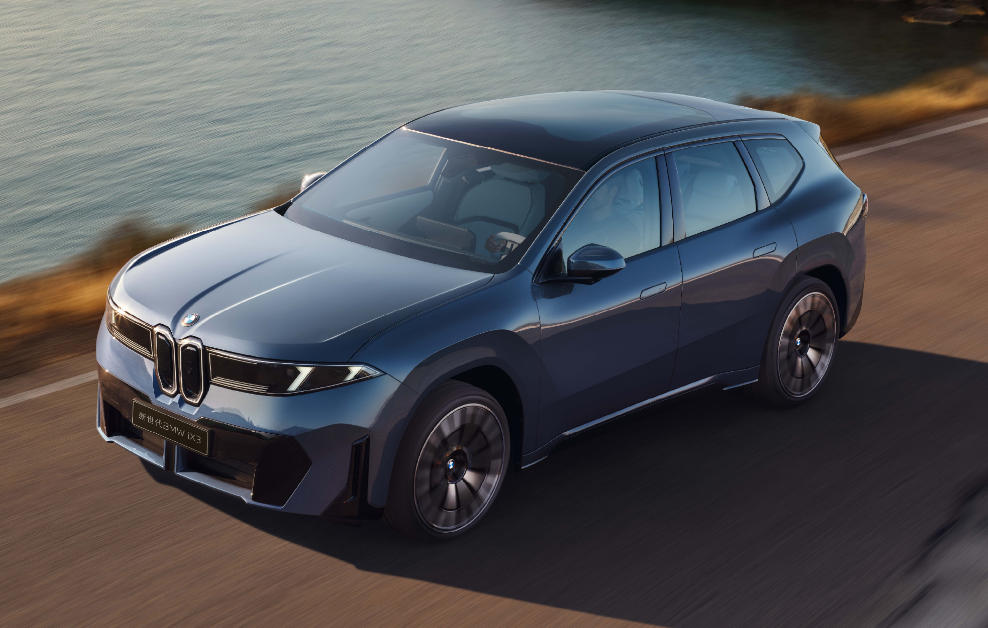
Core Insights - The 2025 Guangzhou International Auto Show will commence on November 21, showcasing a significant shift in the automotive industry with 58% of the exhibited models being new energy vehicles, marking their transition from "supporting roles" to "main characters" [1] - Major luxury brands such as BMW, Mercedes-Benz, and Audi (BBA) will present their new electric models, indicating a strong focus on electric vehicle development in the luxury car market [1][3] BBA: Electric Transformation - BBA will showcase key electric models including the new generation BMW iX3, the all-new Mercedes-Benz pure electric CLA, and the FAW Audi Q6L e-tron, highlighting their shift to native electric platforms [3] - The new generation BMW iX3 features advanced technology with a sixth-generation electric drive system, upgraded battery, and enhanced driving experience through intelligent systems [6] - The Mercedes-Benz pure electric CLA, based on the MMA platform, boasts a 93% energy conversion efficiency and a CLTC range of up to 866 km, showcasing significant advancements in electric vehicle technology [8] - The FAW Audi Q6L e-tron, as the first product on the PPE platform, offers a CLTC range of over 750 km and advanced smart driving features, emphasizing the brand's commitment to electric mobility [10] Domestic Brands: Dual Breakthrough in Intelligence and Premium Quality - Domestic brands are leveraging insights into Chinese consumer needs to compete with BBA, focusing on intelligent and high-end features [12] - The Lantu Tai Shan SUV combines "Chinese luxury" design with advanced technology, including Huawei's intelligent driving system and a sophisticated digital cockpit [15] - The new Xiangjie S9 aims to enhance brand influence in intelligent driving, featuring a comprehensive sensor system and a range of up to 816 km for the pure electric version [17] - The Leap D19, designed to disrupt the luxury SUV market, emphasizes high cost-performance with self-developed technology and a range exceeding 700 km [19] Market Restructuring in Progress - The competition at the Guangzhou Auto Show between BBA and domestic brands represents a clash of traditional luxury and emerging market players, focusing on technology and user experience [21] - Traditional luxury brands are adopting a strategy of "guarding innovation," while domestic brands are differentiating themselves through user-centric approaches and cultural empowerment [21] - This competition is expected to push the luxury car market towards a new direction of "technological strength + user experience," enhancing consumer choices and accelerating the adoption of electric and intelligent technologies [21]

【数字营销】从“卖产品”到“给情绪”,未来营销的核心是交心!
Sou Hu Cai Jing· 2025-11-18 06:12
Core Insights - The concept of "human touch" has become a frequent term in marketing, emphasizing the value of authenticity and relatability in a world increasingly dominated by AI [1] - Brands are shifting from transactional marketing to emotional connections, focusing on genuine interactions with consumers [1] Group 1: Engaging with Humor and Relatability - Brands are increasingly using humor and memes to connect with younger audiences, making marketing feel more natural and relatable [2] - The collaboration between McDonald's and Mercedes-Benz exemplifies this trend, as they created a playful campaign that resonated with young consumers through shared cultural references [2] - NIO's response to user-generated humor showcases how brands can turn online jokes into real-life marketing opportunities, enhancing engagement and relatability [4] Group 2: Understanding User Emotions - Successful brands are those that can identify and respond to the emotional needs of their audience, acting as "emotional companions" [7] - For instance, Gaode's "National Top 100 Restaurants" guide was created based on user sentiment, helping consumers navigate their dining choices during holidays [7] - Brands that address collective emotional states, such as post-holiday blues, can create meaningful connections, as seen in campaigns that offer comforting products [9] Group 3: Listening and Responding to Consumer Feedback - Brands are increasingly adopting a "listening" approach, responding to consumer feedback in real-time to enhance engagement [14] - The integration of humor and consumer feedback in campaigns, such as the clever use of character names in advertisements, demonstrates the effectiveness of this strategy [16] - Companies like Xiaomi are implementing mechanisms for user participation in product development, ensuring that consumer voices are heard and valued [18]

价格战杀穿地板!外资批量撤资,中国市场变商业绞肉机
Sou Hu Cai Jing· 2025-11-18 03:37
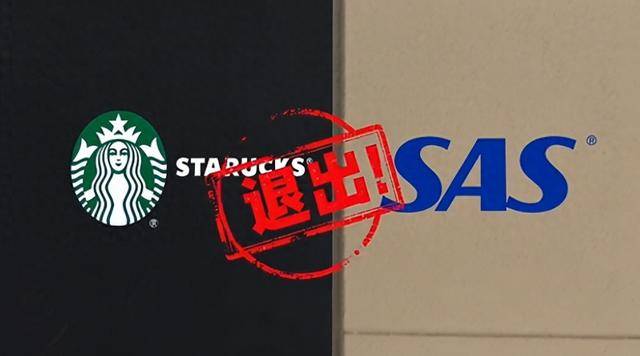
最近外资撤离中国的戏码简直比连续剧还刺激,跑得那叫一个干脆利落,主打一个不带走一片云彩! 先是星巴克突然官宣卖身求生,这可是曾经的咖啡界顶流啊,如今在9块9的瑞幸和1块6毛8的库迪夹击 下,30块一杯的轻奢咖啡直接被按在地上摩擦。 前脚星巴克还没收拾完摊子,国际软件巨头SAS更绝,直接官宣全面撤出中国,连夜把中文官网都下架 了。 更别提特斯拉了,悄悄搞起去中国化,芯片电池都找韩国厂商当备胎,这操作多少有点见外了。 细数这些年跑路的外企,谷歌、微软、英伟达、迪卡侬、大众……能叫上名字的行业巨头几乎没落下, 这阵仗让人不禁想问:中国市场的钱,现在这么难赚了?说真的,外企跑路纯属被咱们的内卷神功吓退 的! 咱们这市场竞争,主打一个要么卷死别人,要么饿死自己,简直是地狱难度副本。 很多人还欢呼国货胜利,但这多少有点自欺欺人了。这根本不是技术、品牌或体验上的超越,纯属用自 杀式玩法把对手吓跑,顶多算虚假胜利。 咖啡圈卷到离谱,喝杯咖啡比买瓶矿泉水还便宜,库迪1块6毛8的价格,我怀疑老板是在做慈善;迪卡 侬更委屈,同样的速干衣,本土品牌50块还包邮,它连成本都打不住,这怎么玩? 最狠的是汽车圈,3万块就能买新车,买车跟逛 ...
国际芯片巨头领投,极豆科技获近亿元融资押注座舱AI
Jing Ji Guan Cha Wang· 2025-11-18 02:32
Core Viewpoint - The recent financing round of nearly 100 million yuan for Jidou Technology, a company specializing in automotive cockpit AI, highlights the recognition of its technological strength and growth prospects in the market [1] Group 1: Financing and Investment - Jidou Technology completed a new financing round led by an international chip company, with local industrial capital participating [1] - The funds will primarily be used for the technical iteration of its self-developed large model "Canghai," development of multi-scenario applications for smart cockpits, and expansion into overseas markets [1] Group 2: Technological Development and Market Strategy - The company plans to increase R&D investment in areas such as computing power utilization, multimodal interaction, and edge-cloud collaboration to push related products into mass production [1] - CEO Wang Yifei emphasized the focus on the intelligent cockpit sector, aiming for dual-driven growth through technological iteration and market expansion [1] Group 3: Industry Position and Partnerships - Jidou Technology has been established for over ten years, positioning itself as a supplier of AI and digital solutions for automotive cockpits [1] - The company has provided solutions for over 20 automotive brands, including Audi, BMW, and Toyota, with a cumulative production scale exceeding 10 million units and partnerships with over 400 ecosystem partners [1]
俞敏洪在南极旅游发全员信引争议,有员工称无法共情;京东外卖独立App上线;阿里回应千问崩了;小米公关部总经理王化将换岗丨邦早报
创业邦· 2025-11-18 00:08
Group 1 - JD.com announced the official launch of its independent food delivery app, aiming to enhance user accessibility and convenience for its delivery services [3] - New Oriental's founder Yu Minhong sent a controversial letter to employees from Antarctica, reflecting on the company's journey and encouraging unity amidst challenges, which received mixed reactions from staff [5][7] - Alibaba's new AI application "Qianwen" faced service interruptions on its first day due to overwhelming user traffic, leading to a trending topic on social media [8] Group 2 - Former CEO of Hema, Hou Yi, is launching a new pet food brand "Chong Tian Tian" after the closure of his previous venture "Pai Te Xian Sheng" [10] - ByteDance's Seed AI team has seen significant turnover, with seven core members leaving this year, raising concerns about talent retention [11] - XPeng Motors plans to release seven new vehicles in 2026, focusing on "super range extender" configurations to address market needs [11] Group 3 - DJI confirmed its investment in a 3D printing company, reflecting confidence in the growth potential of the consumer 3D printing market, which is projected to reach $24.61 billion in 2024 [11] - Ubisoft is rumored to have been acquired, following a sudden halt in its stock trading and a delay in its Q2 financial report [13] - Meta's executives defended their aggressive AI investments, suggesting that current spending levels are not excessive compared to historical tech bubbles [13] Group 4 - Mercedes-Benz's CEO stated that the strict deadline for phasing out fuel vehicles in Europe by 2035 is no longer feasible, advocating for more flexibility in the transition to electric vehicles [13] - OceanBase launched a new AI domain, indicating a strong commitment to integrating AI into its database solutions [13] - L'Oréal Group made a minority investment in the Chinese skincare brand "LAN," marking its first investment in a local skincare company [14]



8点1氪丨无需结婚证,多省实现生育津贴直发个人;刘强东承诺京东点评“永不商业化”;网红酸奶Blueglass部分产品降价60%
3 6 Ke· 2025-11-18 00:05
Group 1 - JD.com officially launched its ready-to-drink beverage brand "Qixian Coffee," with plans to open 3 to 5 new stores weekly in Beijing, aiming for major urban coverage by year-end [5] - The founder of Hema, Hou Yi, announced the closure of all "Paiteshengsheng" stores by mid-December due to significant operational pressures, while retaining online business [3] - Mercedes-Benz CEO Ola Källenius stated that the complete phase-out of fuel vehicles in Europe post-2035 is no longer feasible, citing infrastructure challenges and consumer acceptance of electric vehicles [7] Group 2 - Blueglass, a high-end yogurt brand, has reduced prices by up to 60% on some products, with certain items now priced as low as 19.9 yuan on third-party delivery platforms [3] - Huawei announced a product launch event scheduled for November 25, where it will unveil the Mate 80 series and other new products [12] - Nvidia's shares were completely sold off by billionaire investor Peter Thiel, marking a significant exit from a leading AI stock [6] Group 3 - The NBA is investigating illegal sports betting, requiring at least 10 current Lakers players to submit their electronic device records, although LeBron James has not been accused of any wrongdoing [10] - JD.com plans to launch an independent app for its food delivery service, promising that the new platform will remain non-commercialized [2] - The third quarter financial results for Geely Auto showed a net profit of 3.82 billion yuan, a 59% year-on-year increase, with total revenue reaching 89.19 billion yuan, up 27% [19]



这两款现象级车,我们没想到
汽车商业评论· 2025-11-17 23:07
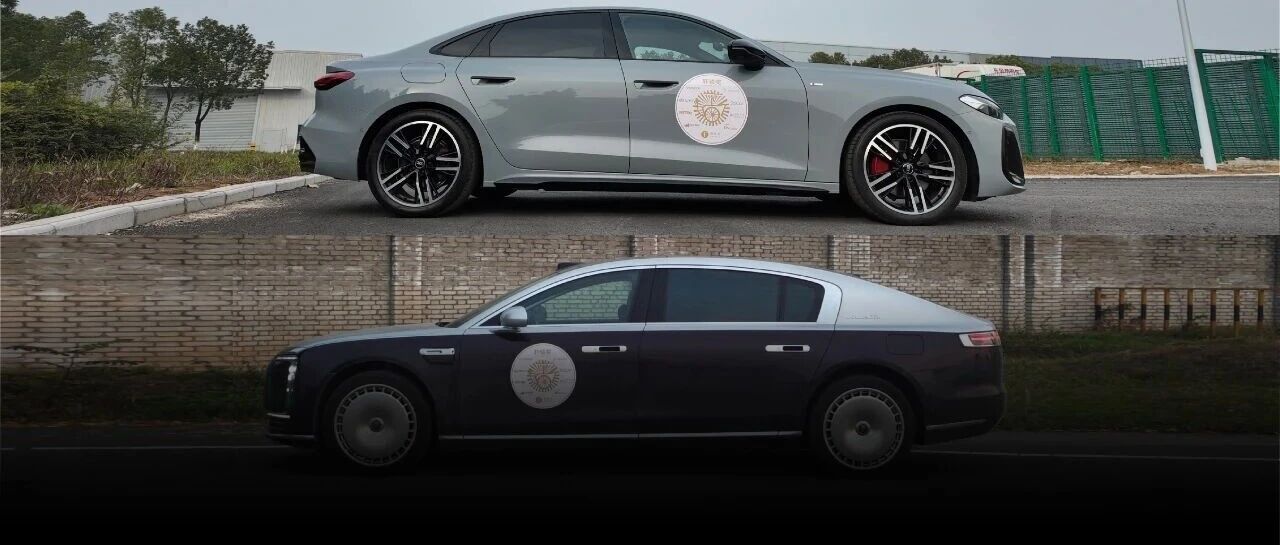
Group 1: Core Insights - The article discusses the impressive market performance of two vehicles: the Zun Jie S800 and the new Audi A5L, highlighting their significance in understanding market trends [4][6]. - The Zun Jie S800 redefines ultra-luxury by integrating Huawei's advanced technology and smart ecosystem, offering an unprecedented sensory experience [7][9]. - The pricing strategy of the Zun Jie S800, reaching around 1 million yuan, allows for the use of premium materials and craftsmanship, enhancing its luxury appeal [7][9]. Group 2: Zun Jie S800 Analysis - The Zun Jie S800 is positioned not as a competitor to traditional luxury cars like the Mercedes S-Class or BMW 7 Series, but as a complementary option for affluent buyers seeking a unique addition to their collection [11][12]. - The vehicle has achieved nearly 3,000 monthly sales, indicating a shift from competition to a new value space in the market [11]. - The demand for intelligent features among high-end consumers is evident, with the Zun Jie S800 focusing on delivering a compelling smart experience [11][12]. Group 3: Audi A5L Analysis - The new Audi A5L, including its sister model A5 L Sportback, has achieved a remarkable monthly sales figure of 8,000 units, despite the shrinking market for fuel vehicles [14][16]. - By integrating the A4 and A5 product lines, Audi has effectively positioned the A5L at a price point similar to the A4 (approximately 350,000 to 450,000 yuan), providing an upgrade without additional cost [16]. - The A5L's design and driving experience emphasize a return to pure driving pleasure, which is increasingly rare in a market focused on acceleration performance [18][19].
现在的4S店有多惨,午餐就能看出来
虎嗅APP· 2025-11-17 13:49
Core Viewpoint - The article discusses the declining service quality and customer satisfaction at traditional 4S car dealerships in China, highlighting a shift towards third-party car maintenance platforms and the rise of new automotive brands that offer superior customer experiences [5][6][7]. Group 1: Decline of 4S Dealerships - The number of 4S dealerships in China decreased from 32,000 to 31,400 in the first half of the year, with 2,749 stores closing [6]. - Many consumers are abandoning 4S dealerships after their vehicles' warranties expire, opting for third-party platforms like Tmall and JD for better value and convenience [8][9]. - Customer satisfaction among owners of joint venture brands has significantly declined, with complaints about service quality and food offerings at 4S dealerships [8][9][11]. Group 2: Customer Experiences - Customers report that the quality of meals provided at 4S dealerships has deteriorated, with some receiving only instant noodles or low-quality boxed meals [12][14][30]. - There are anecdotes of customers reminiscing about the past when 4S dealerships offered high-quality meals and a pleasant atmosphere, contrasting sharply with current experiences [17][19]. - Some luxury car owners express nostalgia for the previous standards of service, which included better dining options and a more engaging customer experience [19][20]. Group 3: Rise of New Brands - New automotive brands, such as BYD's Yangwang, are setting high standards for customer service, offering meals worth 80 yuan with a focus on quality and presentation [24]. - The Huawei Hongmeng Intelligent Service Center has been dubbed "Hongmeng Hotel," providing extensive services and free meals, attracting customers who prioritize experience [25][32]. - Other emerging brands like Avita are also noted for their competitive meal offerings, which are significantly better than those at traditional 4S dealerships [29]. Group 4: Industry Trends - The article highlights a shift in focus for many dealerships, with a significant portion of their marketing efforts now directed towards social media and short video content, which has not translated into increased sales [31]. - The disparity in service quality and customer experience between traditional 4S dealerships and new automotive service centers reflects broader trends in the industry, where customer experience is becoming a key differentiator [31][33].

“十几万就能开上保时捷”,年轻人盯上二手豪车
第一财经· 2025-11-17 09:26
Core Viewpoint - The second-hand luxury car market is experiencing significant price drops, with many models depreciating rapidly, making them attractive to younger buyers seeking value for money [4][5][10]. Group 1: Market Trends - The average transaction price of second-hand luxury cars has decreased by over 16% year-on-year in the first nine months of this year, surpassing the declines seen in domestic and joint venture brands [4]. - The phenomenon of "three years at half price" has become a common market trend, with many luxury cars available at significantly reduced prices [4][10]. - The proportion of buyers in the second-hand luxury car market aged 90s and younger has increased from 23% in 2019 to 47% in 2024 [5]. Group 2: Price Dynamics - A 2018 Porsche Macan, with a mileage of 40,000 to 60,000 kilometers, is now priced under 190,000 yuan, which is less than 30% of its original price [7]. - A 2022 BMW X7 with approximately 10,000 kilometers is listed at 700,000 yuan, down from a new car price of 1,000,000 yuan [8]. - The depreciation of luxury cars is exacerbated by new car price reductions, leading to a rapid decline in second-hand values [12]. Group 3: Profitability and Inventory Management - Second-hand luxury car dealers are facing intense competition, with profit margins on popular models often only 20,000 to 30,000 yuan, leading to a strategy of "price for volume" [8][9]. - Inventory cycles for second-hand luxury cars are typically kept within 1 to 2 months, with significant pressure to reduce prices if vehicles remain unsold beyond this period [9]. Group 4: Brand and Model Performance - Porsche has the highest resale value among luxury brands, with a three-year depreciation rate of 66.2%, while brands like Infiniti have a much lower rate of 36.5% [11]. - The resale value of electric luxury cars is more volatile, with significant price fluctuations observed in the second-hand market [14][18]. Group 5: Consumer Behavior and Costs - High-net-worth individuals are still the primary consumers in the second-hand luxury car market, focusing on vehicle condition and rarity rather than ongoing maintenance costs [21]. - The high operating costs associated with luxury vehicles, including fuel and maintenance, have led to concerns about affordability despite lower purchase prices [22].
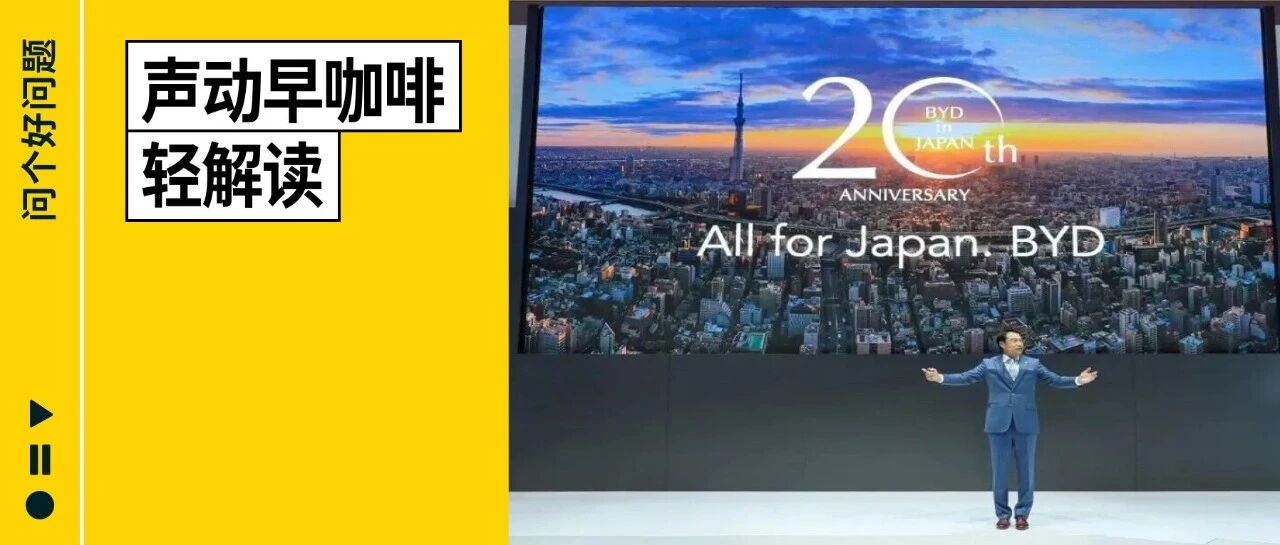
比亚迪开启 Kei Car 攻势,海外市场的定制车型将会面临哪些挑战?| 声动早咖啡
声动活泼· 2025-11-17 09:04
Core Viewpoint - The article discusses BYD's entry into the Japanese market with its first pure electric Kei Car, highlighting the challenges posed by local competitors, established distribution networks, and the low penetration of electric vehicles in Japan [4][5][6]. Group 1: Market Context - The Kei Car segment accounted for 38% of new car sales in Japan in 2024, indicating a significant market share for this category [5]. - The Kei Car classification was established post-World War II to support local automotive industries, with strict regulations on size and engine displacement, along with tax incentives to promote sales [5][6]. - Japanese roads are predominantly narrow, with over 80% averaging only 3.9 meters in width, making Kei Cars more suitable for urban and rural driving conditions [6]. Group 2: Competitive Landscape - Established Japanese brands like Honda, Suzuki, and Nissan dominate the Kei Car market, benefiting from extensive sales and service networks, as well as strong brand loyalty [7][9]. - BYD's current sales network in Japan is limited, with only 45 stores compared to the thousands operated by local competitors [8][9]. - The Japanese automotive market is considered one of the most closed globally, with domestic brands holding over 90% market share, making it difficult for foreign brands to gain traction [9]. Group 3: Challenges for BYD - BYD faces significant challenges in establishing itself in Japan, including the need to navigate a market with high consumer expectations and established local preferences [6][10]. - The adoption of electric vehicles in Japan is slow, with only about 2% of new car sales being electric, partly due to the country's energy structure and the low operating costs of small gasoline vehicles [10][11]. - Japanese automakers have been slow to transition to electric vehicles, which may hinder BYD's efforts to position itself as a competitive player in the market [11].