极氪

Search documents
极氪陷交付泥潭:延期交付引车主不满 订单高涨与产能瓶颈的博弈
Xin Lang Zheng Quan· 2025-10-23 09:10
Core Insights - The core issue for Zeekr is the delivery challenges that have become a significant bottleneck for the company's growth despite rising gross margins in financial reports [1][3]. Delivery Challenges - Zeekr's delivery problems are not isolated and have spread across multiple key models, with the company acknowledging potential capacity issues for the Zeekr 9X and offering to subsidize the tax reduction for delayed deliveries [2][3]. - Following the launch of the new Zeekr 001, which received over 10,000 orders, the battery supply has come under pressure, leading to potential delays in delivery cycles for various models [2][3]. - Complaints from customers regarding delayed deliveries have increased, with reports of confusion over delivery schedules and production timelines [2][3]. Supply Chain Constraints - The delivery difficulties are attributed to severe challenges in supply chain management, particularly concerning battery supply [3]. - Previous reports indicated that Zeekr faced slow deliveries due to demand exceeding expectations, supply chain bottlenecks, and complex production processes [3]. - Internal resource allocation within Geely Group may also be impacting Zeekr's supply chain, as the group's overall sales have surged, complicating resource distribution [3]. Strategic Responses and Market Outlook - In response to delivery bottlenecks, Zeekr is exploring multiple strategies, including product strategy adjustments and technological improvements [4]. - The new Zeekr 001 has been designed with a 900V platform and lightweight features, resulting in reduced energy consumption and enhanced driving capabilities [4]. - Zeekr is also focusing on transparent communication with customers to alleviate concerns, including early announcements of model updates and providing benefits for existing customers [4]. Competitive Landscape - In the 250,000 to 300,000 yuan electric vehicle market segment, Zeekr faces intense competition from various new models such as Xiaomi SU7, XPeng P7i, and others, which are strong in performance and technology [5]. - The ongoing transition to electric vehicles highlights the importance of supply chain management as a core competitive advantage for automakers [5]. - The supply pressures faced by the new Zeekr 001 reflect the growing demand for high-end electric vehicles, indicating a need for Zeekr to enhance supply chain coordination to capitalize on market opportunities [5].
涉嫌诋毁小米汽车,极氪紧急开除两名门店销售
Ju Chao Zi Xun· 2025-10-23 04:29
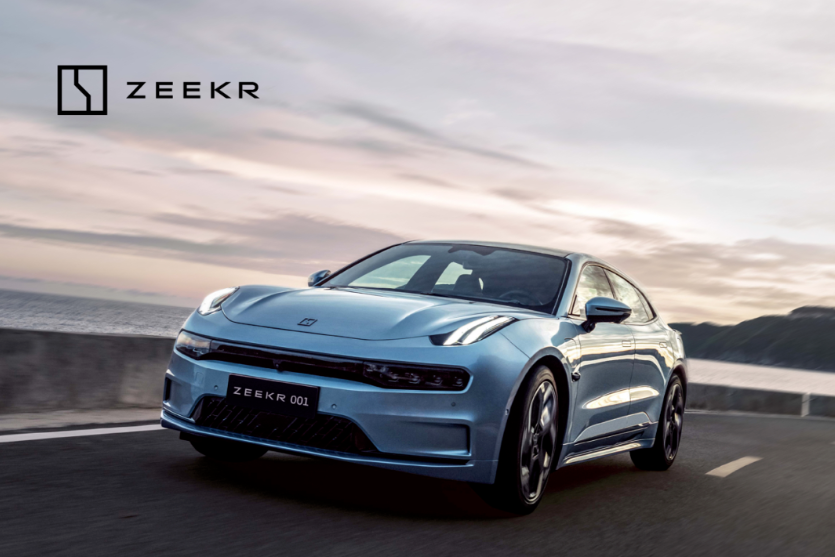
Core Viewpoint - ZEEKR Automotive faced backlash due to inappropriate comments made by sales staff towards a customer, leading to immediate disciplinary actions against the involved employees and management [2][3] Group 1: Incident Overview - The incident originated from a customer's visit to a ZEEKR store, where the customer expressed a preference for the Xiaomi YU7 over the ZEEKR 001, citing emotional value [2] - The sales representative's extreme response included derogatory remarks about the customer's choice, which prompted the customer to share the conversation on social media, sparking public outrage [2][3] - ZEEKR's management quickly responded by apologizing and emphasizing that such behavior contradicts company policy and consumer rights [2][3] Group 2: Disciplinary Actions - Two sales staff members were terminated for their inappropriate comments, classified as a level three violation under retail compliance regulations, and are barred from future employment with the company [3] - Management faced penalties for failing to enforce proper oversight, highlighting the company's commitment to maintaining professional standards [3] Group 3: Company Background - ZEEKR, a luxury electric vehicle brand under Geely Holding Group, has invested over 23.5 billion yuan in R&D as of 2024, establishing a robust technological foundation across various automotive sectors [3] - The brand aims to position itself in the high-end market while collaborating with Lynk & Co to optimize resource sharing and reduce development costs [3] Group 4: Technological Innovations - ZEEKR focuses on technological innovation, leading in areas such as smart cockpits, intelligent driving, and ultra-fast charging technology [4][6] - The company has developed the world's first mass-produced intelligent driving platform with significant computational power and advanced navigation capabilities [6] - ZEEKR's ultra-fast charging technology allows for impressive charging speeds, achieving 500 kilometers of range in just five minutes [6] Group 5: Product Line and Market Position - ZEEKR is expanding its product line with an average of two new models per year, targeting various segments including luxury electric sedans, MPVs, and SUVs [5] - Despite the introduction of new models, ZEEKR has faced sales challenges, with monthly sales remaining below 20,000 units in the first nine months of the year, contrasting with competitors like Li Auto and NIO [5] - The ZEEKR 001 has achieved significant market success, with nearly 300,000 units delivered, making it a leading model in the electric vehicle segment [6]

免征,倒计时!济南车市为何流行“买旧不买新”?
Sou Hu Cai Jing· 2025-10-23 01:13
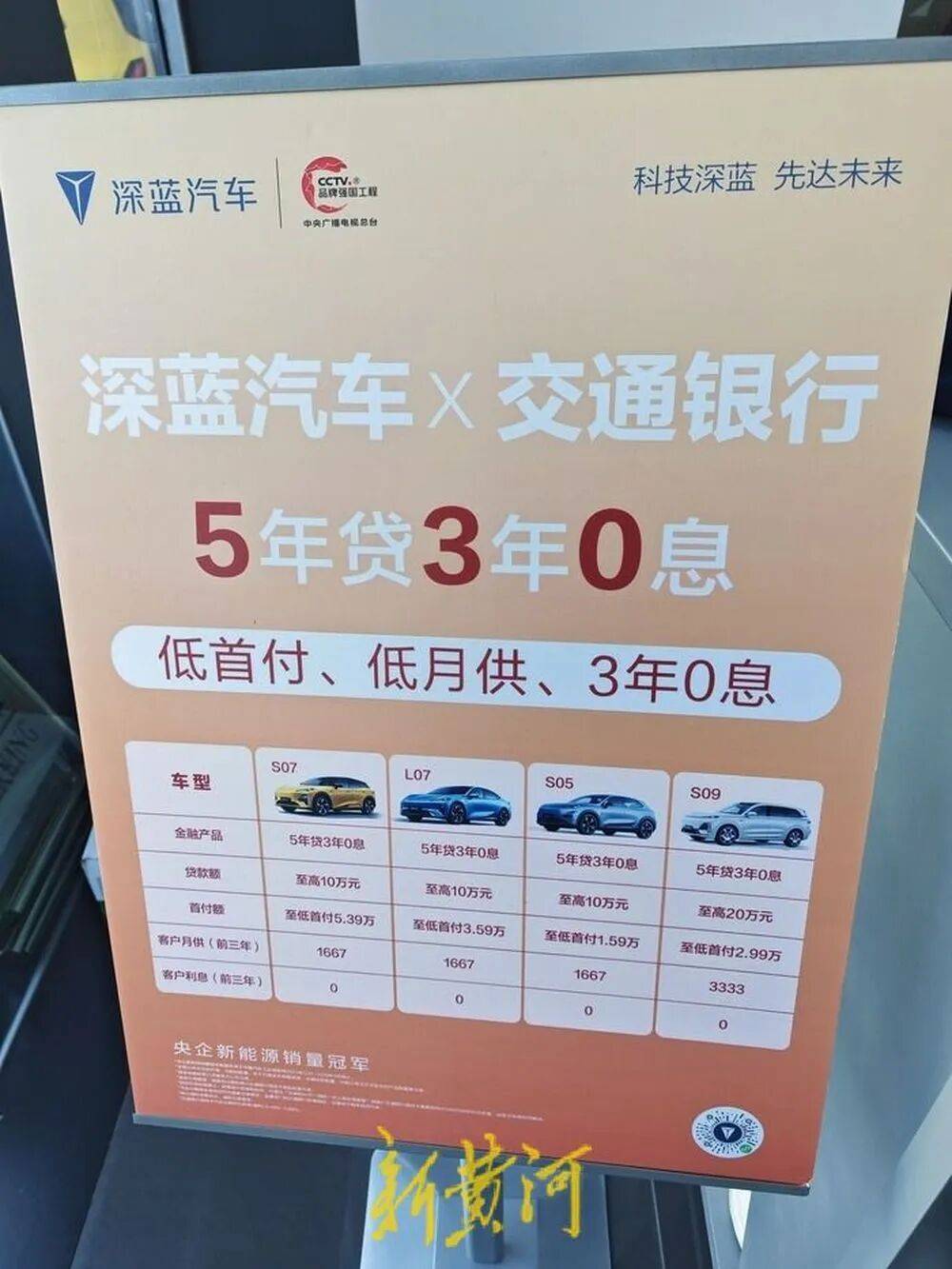
Core Insights - The new policy on the exemption of vehicle purchase tax for new energy vehicles (NEVs) has been officially announced, marking 2023 as the last year for full exemption, with a 50% reduction in 2026 and 2027 [1][9] - Consumers are currently favoring older models due to the immediate tax benefits, while new models are experiencing lower demand due to uncertainty regarding pricing and delivery timelines [1][3][4] Group 1: Policy Impact - The new vehicle purchase tax policy is expected to significantly influence consumer behavior, with many opting to purchase older models to take advantage of the full tax exemption [1][2] - Sales strategies have shifted, with dealerships emphasizing the urgency of purchasing before the tax changes take effect, leading to increased foot traffic and sales [2][3] Group 2: Consumer Behavior - Consumers are showing a preference for older models, with some dealerships reporting that they have only display vehicles left for sale [4][6] - Concerns about delivery delays for new models are causing potential buyers to reconsider their options, leading to a trend of purchasing older models instead [4][10] Group 3: Market Dynamics - The competitive landscape is shifting from "incremental competition" to "stock competition," as the market anticipates a significant drop in demand following the policy changes [9][11] - Dealerships are implementing various promotional strategies, including trade-in subsidies and interest-free financing, to boost sales in the current market environment [3][9] Group 4: Future Outlook - Experts predict that the upcoming tax policy changes will lead to a decline in market demand in early 2026, as consumers may have already made purchases in anticipation of the tax benefits [9][11] - Manufacturers are expected to respond to the changing market conditions by enhancing product quality and focusing on technological advancements to maintain competitiveness [11][13]
新能源车的“9系”大战来了
吴晓波频道· 2025-10-23 00:30
Core Viewpoint - The article discusses the competitive advantages of Zeekr, particularly focusing on the launch of the Zeekr 9X and its positioning in the luxury electric vehicle market, highlighting its pricing strategy and technological advancements [6][10][11]. Group 1: Market Position and Performance - Zeekr 009 has become a market leader, capturing significant sales in the luxury electric MPV segment, with over 70% of its users coming from high-end luxury brands [6][21]. - The Zeekr 9X is positioned as a flagship model, with a competitive pricing strategy that undercuts traditional luxury brands, starting at 465,900 yuan, which is significantly lower than expected [10][11]. - The emergence of the "9 Series Battle" in 2025 signifies a turning point in the Chinese electric vehicle market, indicating a shift towards flagship models and heightened competition among automakers [7][9]. Group 2: Strategic Insights - The article emphasizes the importance of brand differentiation and competitive pricing as key strategies for Zeekr, which aims to deliver superior products at lower costs [11][12]. - Zeekr's development is supported by its parent company Geely's extensive resources and technological capabilities, including the CMA and SEA architectures [19][23]. - The strategic integration of Zeekr within Geely's broader framework is seen as a move to enhance collaboration and resource optimization, aligning with the "One Geely" strategy [22][24]. Group 3: Industry Context and Future Outlook - The article highlights the competitive landscape of the Chinese electric vehicle market, noting that major players like BYD and AITO are also vying for market share, each with distinct strengths [26][27]. - The article posits that the evolution of the electric vehicle market in China is leading to a "flagship era," where technological integration and strategic positioning will define success [27][28]. - The discussion around Zeekr's competitive landscape suggests that the focus will increasingly shift to leveraging technological advantages and creating structural barriers to competition [27][32].
中国首发!孔辉主动稳定杆赋能极氪9X,诠释新一代高性能底盘
Zhong Guo Qi Che Bao Wang· 2025-10-22 02:03
Core Insights - The launch of the Zeekr 9X marks a significant advancement in the performance and safety of domestic SUVs, featuring a dual-chamber air suspension and a 48V active stabilizer developed by Konghui Technology [1][3] Group 1: Product Features - The 48V active stabilizer developed by Konghui Technology offers instant body posture correction, significant roll suppression, improved ride comfort on rough terrain, and side impact protection [5] - During real vehicle tests, the Zeekr 9X demonstrated nearly zero roll when cornering at 80 km/h, and the active stabilizer can decouple the left and right wheels on uneven surfaces to enhance driving comfort [5] - The active stabilizer can achieve a maximum output torque of 1400 Nm, with 900 Nm torque established in just 0.16 seconds, and can raise the corresponding side of the vehicle by 80 mm within 0.7 seconds during a side impact [5] Group 2: Technological Innovation - Konghui Technology's 48V active stabilizer is the third product to debut in the Chinese supply chain, following the passenger car air suspension system and dual-chamber air springs [9] - The dual-chamber air springs and active stabilizer work together through intelligent algorithms to provide a smooth driving experience, with over 750,000 units of air springs delivered to various popular models [7] - Konghui Technology has focused on overcoming technical challenges in high-response precision control and system durability, achieving domestic replacement of the active stabilizer and contributing to the advancement of Chinese automotive technology [9]

告别「够用」时代,L3 智驾呼唤高性能激光雷达上量
3 6 Ke· 2025-10-22 00:02
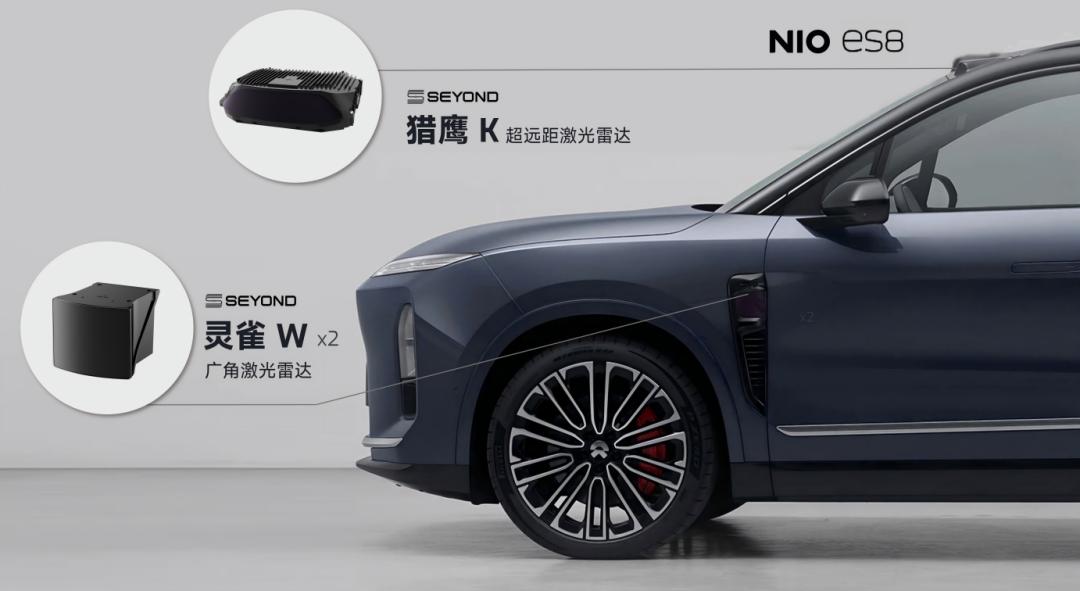
Core Viewpoint - The debate over the optimal approach for intelligent driving technology has concluded, with a consensus on the necessity of a multi-sensor fusion strategy that includes cameras, millimeter-wave radar, and LiDAR [1][3]. Group 1: Technical Insights - The integration of LiDAR is essential for L3 autonomous driving due to its ability to compensate for the limitations of visual perception in extreme lighting conditions [1]. - LiDAR serves as a critical safety component in intelligent driving systems, providing necessary redundancy in perception capabilities [1][4]. - The commercial rollout of L3 autonomous driving will initially focus on highways and urban expressways, where the complexity of scenarios is relatively lower [5][22]. Group 2: Market Dynamics - The transition from L2 to L3 driving systems necessitates a shift in responsibility from human drivers to the system, requiring enhanced reliability and redundancy in perception systems [4][8]. - The demand for high-performance LiDAR has transformed it from an optional component to a prerequisite for L3 autonomous driving [3][19]. - Companies like TuSimple are leading the market with their advanced LiDAR solutions, having achieved significant milestones in mass production and technology validation [18][28]. Group 3: Competitive Landscape - The L3 LiDAR market features three main player categories: leading manufacturers like Hesai and TuSimple, cross-industry players like Huawei, and international firms like Luminar and Innoviz [19][21]. - The competition is shifting from purely technical specifications to a comprehensive evaluation of performance, cost, and mass production capabilities [21][29]. - TuSimple has established a unique position by developing both 1550nm and 905nm LiDAR technologies, creating a complete product matrix for various driving scenarios [26][28].
传统豪车光环褪色 自主品牌“智能标签”重构高端市场
Zheng Quan Shi Bao· 2025-10-21 17:31
Core Viewpoint - The luxury car market, once dominated by traditional fuel vehicles, is facing significant pressure from the rise of electric vehicles, leading to a decline in the appeal of traditional luxury brands [1][4]. Group 1: Market Dynamics - The introduction of a new consumption tax policy has intensified competition in the luxury car market, with the tax threshold lowered from 1.3 million to 900,000 yuan, affecting sales [2][3]. - Many traditional luxury car dealerships are experiencing reduced foot traffic and are resorting to discounts and promotional activities to attract customers [2][3]. - Despite promotional efforts, the expected surge in consumer interest has not materialized, indicating a shift in consumer behavior towards more rational purchasing decisions [3][4]. Group 2: Impact of Domestic Brands - Domestic brands are increasingly encroaching on the high-end market, leveraging advancements in electric and intelligent vehicle technologies to challenge traditional luxury brands [4][5]. - The market share of domestic brands in the mid-to-high-end segment is growing, with several models from brands like NIO and BYD competing directly with luxury vehicles [5][6]. - Traditional luxury brands are not only facing price pressures but also the challenge of rising domestic luxury brands that are gaining consumer acceptance [4][5]. Group 3: Changing Consumer Preferences - Consumer perceptions of luxury are shifting from brand prestige to practical usage experiences, emphasizing features like technology and convenience over mere brand recognition [6][7]. - The focus on intelligent technology and electric capabilities is becoming a core competitive advantage for domestic luxury brands, which are expected to continue expanding their market presence [6][7]. Group 4: Traditional Brands' Response - Traditional luxury brands are accelerating their transformation efforts, introducing electric models and collaborating with local tech companies to better meet market demands [7]. - The competition in the luxury car market is expected to increasingly hinge on technological advancements in electric and intelligent vehicles, as well as the ability to respond to local consumer needs [7].
今日新闻丨捷途纵横G700、豹5长续航版上市!新款坦克400、新款极氪7X开启预售!柳州五菱乘用车品牌“埃尚”发布!
电动车公社· 2025-10-21 16:05
Group 1 - The article discusses the launch of several new electric vehicles, highlighting their pricing and specifications, including the Jietu Zongheng G700, which is priced between 329,900 to 424,900 yuan [2][3] - The Jietu Zongheng G700 features a robust SUV design with dimensions of 5198/2050/1956mm and a wheelbase of 2870mm, equipped with a 2.0T dual-motor hybrid system [5][9] - The vehicle offers impressive performance with a combined power of 665kW, a 0-100 km/h acceleration time of 4.6 seconds, and a comprehensive range of 1400 km [9][11] Group 2 - The article also covers the launch of the Fangcheng Leopard 5 Long Range version, priced between 269,800 to 329,800 yuan, featuring a 1.5T engine and an electric motor with a total power of 505kW [12][16] - This model has a pure electric range of 210 km and a comprehensive range of 1310 km, making it suitable for daily commuting [16][19] - The Fangcheng Leopard 8 Large Five-Seater version is introduced at a price of 379,800 to 399,800 yuan, enhancing passenger comfort with improved space and features [20][25] Group 3 - The Aishang A100C, a micro electric vehicle, is launched with a price range of 39,800 to 52,800 yuan, featuring a compact design and a pure electric range of 220 km [28][34] - The article mentions the Zeekr 7X, which is set to be launched soon, featuring a high-voltage architecture and a maximum power of 370kW [36][43] - The new Tank 400 Smart Edition is also highlighted, with a pre-sale price of 309,800 to 329,800 yuan, showcasing a robust design and various powertrain options [46][49]

激光雷达,车企真的用明白了吗?
电动车公社· 2025-10-21 16:05
Core Viewpoint - The article discusses the transition of LiDAR technology from high-cost to more affordable options, highlighting its growing adoption in the automotive industry and the challenges of integrating LiDAR with camera-based systems for autonomous driving [3][8][90]. Group 1: Signal Conflict - The article emphasizes the inherent signal conflicts between LiDAR and cameras, as they produce fundamentally different data types: cameras generate 2D pixel matrices while LiDAR produces 3D point cloud data [19][20]. - It explains that while LiDAR has superior 3D resolution, it lacks color information, making it unable to recognize traffic lights and signs, which necessitates the use of cameras as the primary sensor in most autonomous driving systems [21][22]. - The differences in data generation frequency between cameras (typically over 60Hz) and LiDAR (often below 30Hz) can lead to synchronization issues, potentially causing significant errors in high-speed driving scenarios [27][28]. Group 2: Alignment and Integration - The article highlights the importance of aligning the data granularity between LiDAR and cameras to maximize the effectiveness of the sensor fusion in autonomous driving systems [35][36]. - It discusses the evolution from traditional logic-based algorithms to end-to-end neural network systems, which can directly process 2D images without converting them to 3D, posing challenges for integrating LiDAR data [42][44]. - Techniques such as voxelization are mentioned as methods to convert 3D LiDAR data into a 2D format that can be more easily integrated into the system [48]. Group 3: Confidence Systems - The article describes the implementation of a confidence system that dynamically adjusts the trust level assigned to LiDAR and camera data based on environmental conditions, enhancing decision-making in various scenarios [62][65]. - It explains that in adverse conditions, such as low light, the system may prioritize LiDAR data, while in situations where LiDAR performance is compromised, the camera's confidence may be increased [66][69]. Group 4: LiDAR Line Count - The article addresses the misconception that a higher line count in LiDAR necessarily equates to better performance, noting that increased line counts lead to higher data processing demands, which can strain system resources [75][81]. - It emphasizes the need for a balance between LiDAR resolution and system processing capabilities to ensure timely and accurate responses in autonomous driving applications [86][87]. Group 5: Future Outlook - The article concludes that while camera-based systems currently hold an advantage in terms of cost and simplicity for Level 2 driving assistance, LiDAR technology has significant long-term potential to surpass human driving capabilities as integration challenges are overcome [88][90].
隐藏式门把手的是与非:行业数据揭秘真相
3 6 Ke· 2025-10-21 12:31
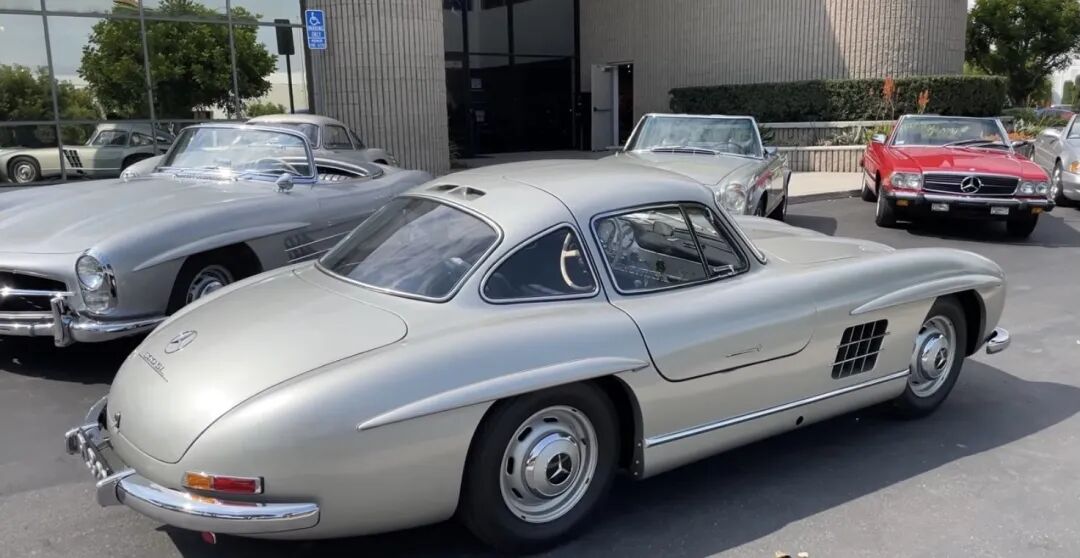
Core Viewpoint - The article discusses the controversy surrounding hidden door handles in electric vehicles, emphasizing the need for a rational analysis of their design and safety implications rather than emotional reactions to accidents involving these vehicles [1]. Group 1: Origin and Current Status of Hidden Door Handles - Hidden door handles have a history dating back to the 1950s, initially seen in high-performance cars like the Mercedes-Benz 300SL, focusing on design aesthetics and aerodynamics [2]. - Tesla popularized hidden door handles with its electric models, making them synonymous with technological advancement, leading to widespread adoption among various automakers [2][4]. Group 2: Sales and Adoption Rates - Over 3 million vehicles equipped with hidden door handles have been sold in China, with brands like Li Auto, NIO, and Xpeng also adopting this design [4]. - By 2025, it is projected that 38.9% of new energy vehicles will feature non-mechanical door handles, with 21.5% of new SUV models already incorporating electric door handles [4]. Group 3: Cost Analysis - The claim that hidden door handles are a cost-saving measure is debunked, as traditional mechanical handles cost between 30-50 yuan, while electric systems can range from 300-600 yuan, and even exceed 1000 yuan in high-end models [4]. Group 4: Safety Concerns - The main safety concern regarding hidden door handles is their functionality in the event of a collision that causes power failure, particularly for electric lock designs [6][8]. - Despite concerns, Tesla's vehicles with electric door handles have performed well in crash tests, indicating that these designs are not inherently more dangerous than traditional handles [8][10]. Group 5: Regulatory Developments - A new national standard requires that all car doors must have a mechanical release function, which poses challenges for designs like Tesla's that rely solely on electric unlocking [13]. - Some new energy vehicle manufacturers are proactively addressing safety concerns by incorporating mechanical unlocking systems alongside electric ones, ensuring compliance with upcoming regulations [15]. Group 6: Future Outlook - The evolution of hidden door handles reflects a balance between design innovation and safety, with ongoing technological advancements expected to enhance their functionality [19]. - The automotive industry is encouraged to prioritize user safety while continuing to innovate, ensuring that technological progress does not compromise reliability [19].