奇瑞汽车

Search documents
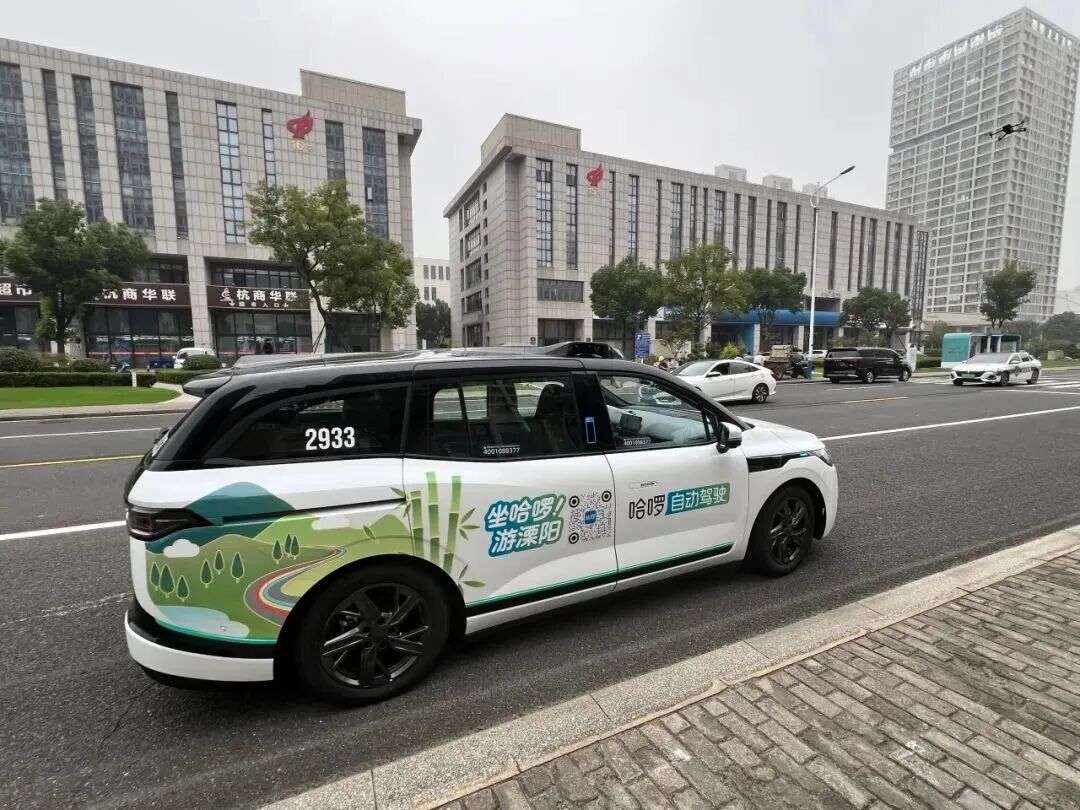
一场事故,让哈啰Robotaxi按下暂停键
3 6 Ke· 2025-12-12 11:49
Core Viewpoint - The recent accident involving a Haolo Robotaxi has raised significant concerns about the safety of autonomous driving technology, particularly as it is one of the few incidents where a Robotaxi has reportedly struck pedestrians [1][3][4]. Group 1: Incident Details - A Haolo Robotaxi was involved in an accident in Zhuzhou, Hunan, where it allegedly struck two pedestrians at a crosswalk, leading to injuries that required hospitalization [4][6]. - The local hospital confirmed that the injured individuals, a man and a woman, were admitted to the ICU, although their specific conditions remain unclear [4][6]. - Following the incident, Haolo's autonomous driving operations in the area have been suspended, with no timeline provided for resumption [6][16]. Group 2: Company Response and Safety Measures - Haolo's co-founder emphasized that safety is the cornerstone of autonomous driving commercialization, highlighting the importance of addressing this incident to maintain public trust [3][12]. - The company has not provided detailed information about the accident, but customer service representatives indicated that they are cooperating with relevant authorities [4][6]. - The HR1 model involved in the incident is equipped with multiple safety features, including various types of sensors and a high-performance computing architecture, which raises questions about the effectiveness of these technologies in real-world scenarios [7][11][10]. Group 3: Market Context and Future Implications - Haolo's entry into the Robotaxi market has been marked by strategic partnerships with major companies like Ant Group and CATL, which provide technological and operational support [12][14]. - The Robotaxi sector is still in the early stages of user acceptance, and any accidents can significantly impact public perception and trust in autonomous vehicles [3][28]. - The global Robotaxi market is projected to reach 834.9 billion yuan by 2030, with a compound annual growth rate (CAGR) of 239% from 2024 to 2030, indicating a highly competitive landscape [26].

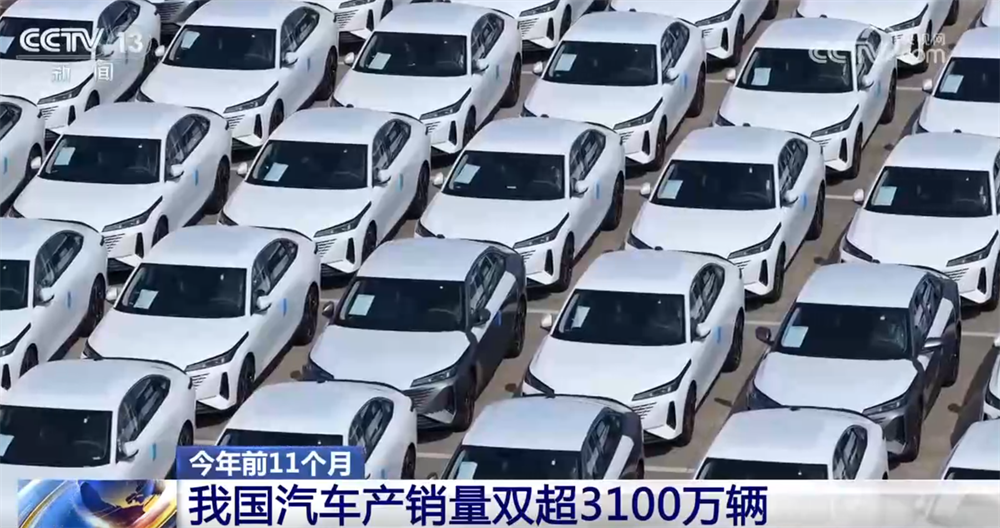
“政策引领+市场驱动+技术攻坚”三重合力显效 智能新能源汽车形成领先优势
Yang Shi Wang· 2025-12-12 03:11
Group 1 - In November, China's automotive monthly production exceeded 3.5 million units for the first time, setting a historical record. Year-to-date production and sales both surpassed 31 million units, with a year-on-year growth of over 10% [1] - In the first 11 months of this year, the production and sales of new energy vehicles (NEVs) approached 15 million units, with a year-on-year increase of over 30%. NEV exports reached 2.315 million units, doubling compared to the previous year [3] - The market penetration rate of new passenger cars equipped with combined driving assistance systems has exceeded 60%, highlighting the advantages of cross-industry collaboration between traditional automakers and information technology companies [4] Group 2 - The core technologies in the automotive industry have shifted from traditional components like engines and transmissions to smart, electric, and connected technologies, emphasizing the benefits of deep collaboration between vehicle manufacturing and information technology firms [6] - Huawei's partnership with traditional automakers has expanded, with a new product launched in collaboration with SAIC achieving over 10,000 units delivered within 43 days of its launch [8] - The "14th Five-Year Plan" has established a first-mover advantage for China's smart NEVs, and the "15th Five-Year Plan" is seen as a critical period for consolidating and expanding this advantage, with a focus on innovation in electrification and intelligence [9] Group 3 - Industry leaders believe that the "15th Five-Year Plan" will be crucial for the automotive industry to solidify its leading position and transition towards becoming a strong automotive nation, with an emphasis on new energy and smart innovations [11] - The competition in the automotive sector is expected to evolve from a focus on individual products to a new stage of competition based on core technologies, high-end brands, and comprehensive capabilities [13] - Companies aim to enhance their global presence not just through cost-effectiveness and technology but also by creating new value, aspiring to achieve significant sales and revenue milestones by 2030 [15]
毫末倒了,大卓散了……
3 6 Ke· 2025-12-12 02:57
Core Viewpoint - The recent developments in the autonomous driving sector highlight the struggles of traditional automakers in establishing self-research capabilities, leading to a shift towards reliance on suppliers for technology solutions [1][11][14]. Group 1: Company Developments - Great Wall Motors launched the VLA intelligent driving model, showcasing its technological advancements in autonomous driving [1]. - Following the launch, its subsidiary, Haomo Zhixing, announced a complete shutdown, indicating the harsh realities of competition in the commercial sector [1]. - Haomo Zhixing's decline was foreshadowed by its failure to adapt to critical technological shifts, resulting in a significant reduction in workforce from 1500 to around 200 employees [1][3]. Group 2: Industry Trends - The trend among traditional automakers is moving away from self-research towards partnerships with suppliers, with companies like Chery and Great Wall Motors prioritizing manufacturing and sales over autonomous technology development [4][11]. - The autonomous driving industry has seen a significant decline in financing, dropping from 932 billion to 200 billion in three years, reflecting a cautious investment climate [17]. - The shift towards supplier solutions is becoming a standard practice, allowing automakers to focus on vehicle performance and brand identity rather than extensive in-house development [19]. Group 3: Competitive Landscape - New entrants like NIO, Xpeng, and Li Auto are positioned differently, focusing on building competitive advantages without the burden of traditional sales pressures [6]. - The failure of companies like Dazhuo Intelligent highlights the challenges faced by traditional automakers in balancing technological innovation with operational realities [10]. - The integration of external suppliers has become essential for traditional automakers to remain competitive in the rapidly evolving autonomous driving market [14][19].

港股年内新股数量破百
Shang Hai Zheng Quan Bao· 2025-12-12 02:41
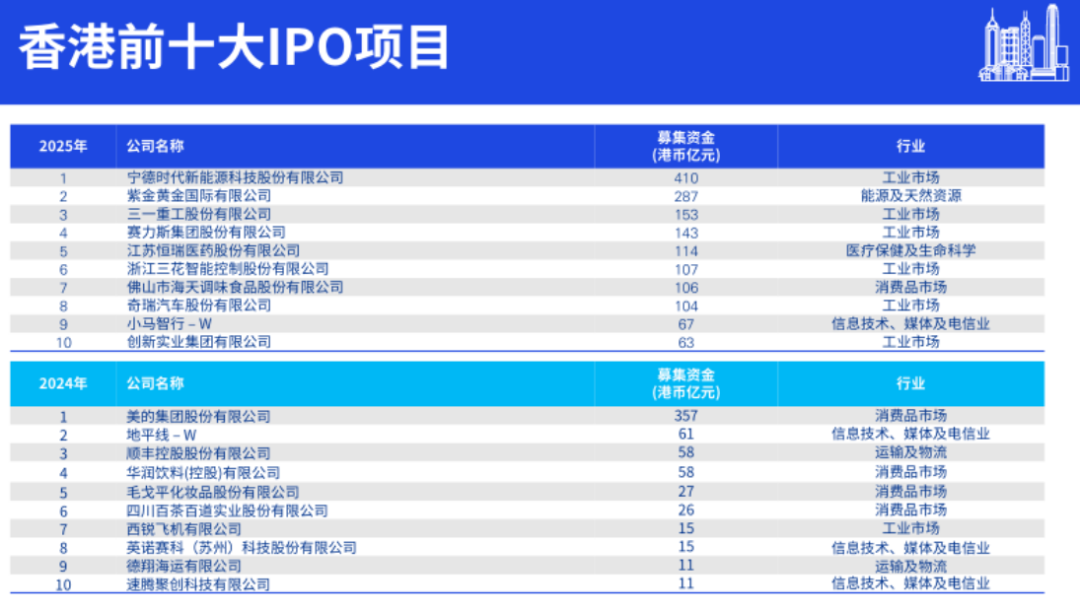
Group 1 - The Hong Kong IPO market has seen significant activity in December, with nearly 30 companies submitting or updating their prospectuses from December 1 to December 11 [1] - A total of 100 companies have listed on the Hong Kong stock market this year, raising approximately 270 billion HKD, compared to 63 companies and 83.4 billion HKD in the same period last year [1] - Notable companies such as Guo Xia Technology and Xidi Zhijia are set to list in December, indicating continued expansion of the Hong Kong IPO market [1] Group 2 - There is a marked increase in the willingness of A-share companies to list in Hong Kong, with 18 of the companies listed this year already being A-share listed companies [4] - The number of A-share companies listing in Hong Kong this year has surpassed the total from the previous five years combined [4] - Over 90 A-share companies have submitted applications to list in Hong Kong, with several others disclosing plans to do so [4] Group 3 - Among the top ten companies by fundraising in Hong Kong this year, six are A-share listed companies, with CATL raising over 40 billion HKD [4][6] - The total fundraising amount from the top ten companies accounts for over 50% of the total fundraising in the Hong Kong IPO market this year [6] Group 4 - KPMG forecasts that the IPO fundraising amount in Hong Kong will reach 272.1 billion HKD in 2025, a 210% increase year-on-year, making it the highest globally [7] - The number of "A+H" listings this year is the highest ever, accounting for half of the total fundraising for the year [7] - Predictions indicate that the number of "A+H" listing applications may exceed 100 in the short term, with 180 to 200 new listings expected in 2026, raising 350 billion HKD [7] Group 5 - Despite the activity, many new listings have faced challenges, with 25 companies experiencing a drop in share price on their first day of trading [9] - Nearly 40 companies have seen their stock prices fall below the issue price since listing [9] - The consumer sector has been particularly affected, with many companies from this industry encountering difficulties post-listing [10]
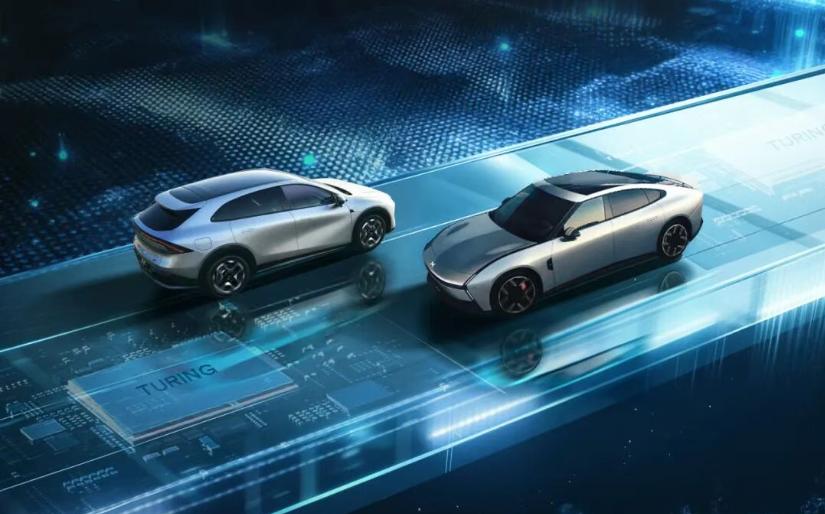
“最强搭子”定义新竞争力 汽车智能化的“合纵连横”时代来了
Zhong Guo Qi Che Bao Wang· 2025-12-12 02:19
Group 1: Investment and Strategic Partnerships - Zhuoyu Technology announced a strategic investment of over 3.6 billion yuan from China FAW, making FAW the largest single shareholder with a 35.8% stake [2] - Following the investment, Zhuoyu Technology will maintain its independent operational strategy, with a post-investment valuation exceeding 10 billion yuan [2] - The trend of collaboration between automotive manufacturers and intelligent driving suppliers is becoming increasingly prominent, as seen in recent partnerships like the one between Qingzhou Zhihang and Chery Commercial Vehicle [2][3] Group 2: Industry Trends and Collaborations - The automotive industry is entering a new phase characterized by deep integration between vehicle manufacturers and core technology suppliers, marking a shift from traditional supplier relationships to capital and technological collaborations [3][6] - Companies like Lifan Technology have rebranded and shifted focus towards AI and automotive integration, while Geely has consolidated its teams to enhance its intelligent driving solutions [3] - The collaboration between Chery and Qingzhou Zhihang aims to leverage each other's strengths in autonomous driving technology and mass production capabilities for logistics applications [4] Group 3: Market Dynamics and Challenges - The automotive industry's shift towards intelligent driving technologies necessitates deep cooperation between manufacturers and suppliers to address cost and development cycle pressures [6][7] - The increasing competition and price wars in the automotive market compel manufacturers to seek partnerships to reduce R&D costs and accelerate technology deployment [8] - The emergence of advanced driving assistance systems as a core consideration for consumers highlights the urgency for manufacturers to secure quality supplier resources [8] Group 4: Technological Advancements and Ecosystem Development - The independent operation of Huawei's subsidiary, Yingwang, signifies a new approach in the supplier landscape, focusing on providing standardized solutions to lower the entry barrier for manufacturers [10][11] - The integration of data-driven iterations in product development allows for rapid upgrades and enhancements in driving assistance features, significantly improving user experience [15] - The automotive industry's evolution towards a networked ecosystem emphasizes the importance of collaboration and shared data among manufacturers and suppliers to drive innovation and efficiency [13][16]

“电动车大部分会死掉”,段永平未下场却搅动造车圈,巨亏250亿元的众泰汽车开启“重生局”?
3 6 Ke· 2025-12-12 01:41
Core Insights - The article discusses the intertwining developments in the capital market involving Dan Yongping and Zotye Automobile, highlighting potential investment opportunities and strategic shifts in the automotive industry [1][14]. Group 1: Dan Yongping's Influence - Dan Yongping, a notable figure in the business world, has recently re-emerged in the public eye, discussing investments and wealth philosophy, particularly emphasizing his investment logic of "buying companies" rather than just stocks [5][7]. - His investment in Tesla reflects a shift in his perspective, moving from skepticism to active investment, indicating a keen interest in the electric vehicle sector despite his caution about the industry's future viability [7][8]. - Dan Yongping's past successes in the electronics industry and his strategic approach to investments position him as a significant player in potential automotive ventures, although he has denied any plans to directly enter the car manufacturing space [5][7][8]. Group 2: Zotye Automobile's Restructuring - Zotye Automobile has been undergoing significant management changes, with new executives from both the "Chery system" and "Bubugao system" taking key positions, suggesting a strategic realignment aimed at revitalizing the company [1][4][13]. - The company has faced severe financial difficulties, reporting cumulative losses exceeding 25 billion yuan over six years, yet its stock price has seen a notable increase, indicating market speculation about its restructuring efforts [10][14]. - The recent appointments of executives with backgrounds in Chery and Bubugao are interpreted as potential steps towards a merger or collaboration, although no official confirmation has been made regarding direct investments or takeovers [1][13][14]. Group 3: Market Speculation and Future Outlook - The intersection of Dan Yongping's investment philosophy and Zotye's management changes has led to speculation about the potential for a significant transformation within the company, leveraging both capital and manufacturing expertise [9][14]. - Analysts suggest that the combination of Bubugao's capital operation skills and Chery's manufacturing experience could provide Zotye with the necessary resources to navigate its current challenges and pivot towards a more sustainable business model [9][14]. - The ongoing developments in Zotye's restructuring are seen as a critical case study for understanding the dynamics of the automotive industry and the role of capital in driving transformation [14].

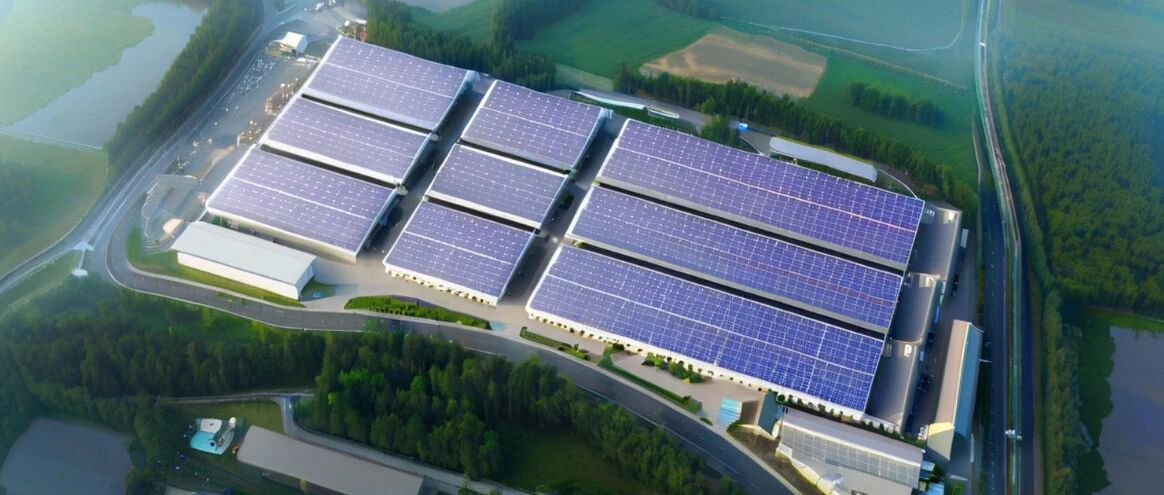
奇瑞旗下20GWh动力电池项目启动!
起点锂电· 2025-12-12 01:36
Core Viewpoint - The article highlights the recent developments in Chery's battery projects, particularly the launch of a new 20GWh power battery project by De Yi Energy, a subsidiary of Chery, which signifies an expansion in Chery's battery business and its commitment to high-performance battery technology [4][6]. Group 1: Project Launch and Investment - De Yi Energy's new 20GWh power battery project, located in the Dangshan Economic Development Zone, officially commenced on December 8, 2023, with a fixed asset investment of approximately 4 billion yuan [5][6]. - The project will focus on high-performance, high-safety, and long-life power and energy storage batteries, with plans to establish a highly automated production line capable of producing 60PPM [5]. - The project aims to achieve a production capacity of 20GWh by the end of 2027, with a total investment of around 4 billion yuan [5]. Group 2: Existing Facilities and Future Plans - This is the third battery factory for De Yi Energy, following previous projects in Tongling and Wuhu, with the Tongling facility having a total investment of 10 billion yuan and a planned capacity of 20GWh [7]. - The Wuhu project will serve as the headquarters and R&D center for battery technology, with an investment of 8.01 billion yuan, focusing on high-performance battery development [8]. - The first phase of the Wuhu project is set to be completed by March 2024, with a target of over 40% battery self-supply rate by 2025 [9]. Group 3: Strategic Partnerships and Innovations - Chery's solid-state battery subsidiary, Anwa Technology, has signed a cooperation agreement with Horizon Automotive to supply 1GWh of solid-state batteries for zero-emission trucks [10]. - Anwa Technology is developing a new solid-state battery production facility with a planned capacity of 60-100GWh, with the first production line capable of switching between different battery chemistries [11]. - Chery is pursuing a multi-faceted strategy in the battery sector, including self-research, external capacity investment, and procurement from suppliers like CATL and Guoxuan High-Tech, with a significant portion of its hybrid vehicle battery supply coming from Guoxuan [12].
奇瑞汽车、国轩高科投资,固态电池新锐签约1GWh订单
DT新材料· 2025-12-11 16:04
| 2026未来产业新材料博览会 | (FINE),围绕机器人、汽车、无人机、数据中心、航空航天、AI、新能源等未 | | --- | --- | | 来产业共性需求特设6大展区, | N3 先进电池与能源材料展区 聚焦 固态 | | 电池 | 、钠电池、钙钛矿、液流电池、电容器 等 | | , | 欢迎咨询:18957804107 | 【DT新材料】 获悉,近日, 安瓦科技 与 美国地平线汽车 签署了战略合作协议,后者将从安瓦科技获得1GWh固态电池产能,并计划应用于其专用车辆,包括箱 式货车、拖车、救援拖车、清扫车、冷藏车及市政车辆。 资料显示, 安徽安瓦新能源科技有限公司 ,成立于2020年6月,坐落于芜湖经开区,注册资本1.01亿元,主要产品包括动力电池、储能电池、3C消费类电子电池 等, 技术源于美国固态电池技术公司 24M Technologies 。 融资方面 ,截至2024年8月,安瓦科技共完成了 四轮融资 (两次天使轮+A/B轮),投资方包括奇瑞新能源、GPSC、国轩高科、24M等。其中,奇瑞汽车 控股子公司奇瑞新能源和国轩高科持股比例分别为9.89%、5.9%,分别为安瓦科技第四大、第八大 ...
2026中国经济展望:走出价格低谷(国金宏观孙永乐)
雪涛宏观笔记· 2025-12-11 14:29
Core Viewpoint - The article discusses the transformation of the Chinese economy during the 14th Five-Year Plan, highlighting the shift from real estate as the main economic driver to the emergence of the "three new economies" (new industries, new business formats, and new business models) as the new engine of growth [4][7]. Group 1: Economic Transformation - The real estate sector has gradually exited the central stage of the economy, with GDP growth rates in regions heavily tied to real estate, such as Guangdong, lagging behind others like Jiangsu and Zhejiang [4]. - By 2025, the contribution of real estate development investment to GDP is expected to drop significantly from 10.2% in 2020 to around 5.1% [4][30]. - The "three new economies" are projected to increase their share of China's GDP from 16% in 2020 to 18% by 2024, indicating a growing importance of high-tech manufacturing and information technology investments [7]. Group 2: Credit Market and De-leveraging - The credit market is showing a clear trend of de-leveraging from real estate, with new real estate loans decreasing by 330 billion yuan from 2023 to the first three quarters of 2025 [5]. - The shift reflects a broader economic transition where low-leverage sectors are becoming the main drivers of growth, as households work to reduce debt [5]. Group 3: Export Dynamics - Despite trade tensions, China's export share remained stable at 14.2% in the first half of 2025, with significant growth in exports to Africa and the Middle East [13][21][24]. - The automotive sector, particularly in new energy vehicles, has become a key player in boosting China's export performance, with exports projected to reach 586 million units by 2024, surpassing Germany and Japan [13]. Group 4: Real Estate Market Trends - The real estate market is experiencing a second downturn, with housing prices expected to revert to levels seen in 2016, and total sales area projected to decline by nearly 50% from 2020 highs [30][31]. - The overall demand for real estate is stabilizing, with indicators like the price-to-income ratio and rental yields approaching mid-term stability [30]. Group 5: Consumer Behavior and Spending - The impact of real estate on consumer spending is diminishing, as evidenced by rising retail sales growth in first-tier cities despite falling housing prices [36]. - Service consumption is expected to grow, supported by policy measures, while traditional goods consumption faces challenges due to the decline in "old-for-new" subsidies [43][44]. Group 6: Price Trends and Inflation - The article anticipates a gradual recovery in prices driven by economic recovery, with CPI expected to rise to around 0.2% in 2026, influenced by various factors including the stabilization of housing prices [45][55]. - The PPI is projected to show a "front low, back high" trend, with overall PPI expected to be around -1.3% for the year [55].

崔东树:2025年11月乘用车零售降8% 大幅低于批发2%的增长
Zhi Tong Cai Jing· 2025-12-11 14:28
Core Viewpoint - The automotive market is shifting towards a trend of "price reduction and moderate promotions," with retail sales of passenger cars declining by 8% in November 2025, significantly lower than the 2% growth in wholesale sales [1] Group 1: Market Trends - The retail sales of passenger cars fell by 8% in November 2025, while wholesale sales increased by 2% [1] - The A0-class sedans and C-class SUVs became the main retail drivers in November, with strong performance in high-end SUVs [1] - The retail environment is influenced by consumer urgency due to the expiration of tax exemptions for new energy vehicles, leading to increased sales in December [2] Group 2: Economic Vehicle Market Performance - A00-class sedans saw wholesale of 171,900 units in November 2025, with a year-on-year decline of 1% and a month-on-month increase of 4% [4] - A0-class sedans had wholesale of 183,500 units in November 2025, showing a year-on-year growth of 25% [5] - A0-class SUVs experienced a wholesale decline of 9% year-on-year in November 2025, with retail sales also down by 22% [6] Group 3: A-Class Vehicle Market - A-class sedans had wholesale of 445,800 units in November 2025, with a year-on-year decline of 7% [8] - A-class SUVs had wholesale of 880,000 units in November 2025, with a year-on-year decline of 2% [9] Group 4: B-Class Vehicle Market - B-class sedans had wholesale of 380,500 units in November 2025, with a year-on-year growth of 3% [10] - B-class SUVs saw wholesale of 454,200 units in November 2025, with a year-on-year growth of 10% [11] - The high-end SUV market is witnessing a rapid rise in autonomous new energy vehicles, while traditional fuel vehicles are losing their competitive edge [12] Group 5: MPV Market Trends - B-class MPVs had wholesale of 45,100 units in November 2025, with a year-on-year growth of 40% [13] - C-class MPVs experienced a year-on-year decline of 20% in wholesale in November 2025 [14] - The MPV market is transitioning from a high-growth phase to a low-growth trend, with strong performances from brands like BYD and Tengshi [14]