奔驰

Search documents
今日新闻丨小鹏发布无人驾驶出租车等四大黑科技!奔驰纯电CLA上市,售价24.9-28.56万元!大众宣布与地平线联手自研芯片!
电动车公社· 2025-11-05 16:18
Group 1: New Vehicle Launches - Zeekr X has been launched with a price range of 155,800 to 175,800 CNY, offering three models [2][3] - The new Zeekr X features a compact SUV design with dimensions of 4450/1836/1572mm and a wheelbase of 2750mm [6] - The vehicle is equipped with a Qualcomm Snapdragon 8155 cockpit chip, a 14-inch electric sliding smart screen, and offers both 4-seat and 5-seat configurations [8] - The two-wheel drive version has a maximum power of 250kW and can accelerate from 0 to 100 km/h in 5.6 seconds, while the four-wheel drive version has a maximum power of 365kW with a 0-100 km/h time of 3.69 seconds [10] - Mercedes-Benz has launched its pure electric CLA model priced between 249,000 to 285,600 CNY, featuring a new design language and a maximum power of 200kW with a CLTC range of 866 km [13][19] Group 2: Technological Innovations - XPeng Motors has introduced its second-generation VLA model and self-developed Robotaxi, showcasing advancements in AI and autonomous driving technology [21][22] - The second-generation VLA eliminates the "language translation" step, allowing for direct generation of action commands from visual signals [24] - The XPeng Robotaxi is designed for L4-level autonomous driving, featuring four Turing AI chips with a total computing power of 3,000 TOPS [26] - XPeng is also developing two flight systems for low-altitude travel, with the A868 flying car expected to achieve a range of 500 km and a maximum speed of 360 km/h [30][32] Group 3: Strategic Partnerships - Volkswagen has announced a partnership with Horizon Robotics to develop system-level chips with computing power between 500-700 TOPS, aimed at enhancing advanced driver assistance systems [33][34] - The collaboration marks the second phase of their partnership, focusing on improving local intelligent driving capabilities for the Chinese market [36] - Volkswagen plans to launch approximately 30 new energy vehicle models in China by 2027, increasing to around 50 by 2030, including 30 fully electric models [42][44]




L2+智驾市占率正处于“引爆点”,业内预计明年将迈入L3级“人机共驾”时代
Mei Ri Jing Ji Xin Wen· 2025-11-05 09:36
Core Insights - The industry is approaching a critical point for the large-scale application of L2+ level intelligent driving, with expectations for the initial implementation of L3 and L4 functionalities next year [1][12] Group 1: Current State of Intelligent Driving - Experts believe that intelligent driving technology is transitioning from "human-machine co-driving" to conditional automation, marking a key stage in its evolution [1] - The rapid advancement of autonomous driving this year is largely attributed to developments in artificial intelligence technology, positioning smart vehicles as a reliable application scenario for AI [3] - The current challenges include safety regulations, user education, and the lack of standards, which are seen as core obstacles to the widespread and sustainable development of intelligent driving [4] Group 2: Levels of Automation - The automotive industry categorizes automation into levels L1 to L5, with L3 being the most controversial. L2+ is derived from L2 and is characterized by features like NOA (Navigate on Autopilot), which is fundamentally different from traditional L2 [5][6] - L2+ is currently at a critical point of potential explosion in market share, with L3 expected to enhance user experience continuity [8][12] Group 3: Market Dynamics and Consumer Perception - The market share of L2 level auxiliary functions may exceed 60%, but they are perceived as lacking in continuous functionality compared to L2+, which fosters a sense of dependency among users [8] - The pricing of intelligent driving systems is a concern, as consumers feel the current offerings do not provide sufficient value, leading to a disconnect between perceived value and price [7][10] Group 4: Future Outlook - L3 and L4 level autonomous driving functionalities are anticipated to be implemented next year, with Europe already making strides in L3 certification [12] - The transition from L2+ to L3 is expected to be a gradual process, with a focus on safety and the ability of the system to accurately assess driving conditions [12][13] - The establishment of safety standards for intelligent driving systems is still in progress, with expectations that consumers may not be able to rely on national standards for safe intelligent driving vehicles until 2027 or later [13]
研报 | 预计2035年全球固态电池需求量将达到740GWh
TrendForce集邦· 2025-11-05 09:34
Core Insights - The development of solid-state batteries is transitioning from laboratory research to industrialization, with nearly a hundred companies planning production capacity totaling over 100 GWh [2] - Semi-solid batteries have already achieved commercial production and are being used in electric vehicles, while full solid-state batteries are in the small-scale trial production phase, with expectations for automotive applications by around 2027 [2] - The demand for solid-state batteries is projected to exceed 206 GWh by 2030 and expand to over 740 GWh by 2035, indicating a significant shift towards large-scale applications [3] Technology Section - Solid-state batteries are characterized by their key materials and components, including positive and negative electrodes, solid electrolytes, separators, current collectors, cell manufacturing, and packaging [8] Market Analysis - The cost analysis of solid-state batteries indicates ongoing trends in cost reduction, which is crucial for market competitiveness [10] - The market demand forecast suggests a growing need for solid-state batteries across various applications, including electric vehicles, energy storage, consumer electronics, humanoid robots, and eVTOL/UAM [10] Industry Progress - The industrialization of solid-state batteries is progressing globally, with notable advancements in regions such as Europe, Japan, South Korea, and China [11] - Challenges in the industrialization process are being addressed, with ongoing research and development efforts to enhance battery performance and reduce costs [11]
12家外资车企登陆第八届进博会,9家八年“全勤”
Zhong Guo Jing Ji Wang· 2025-11-05 04:06
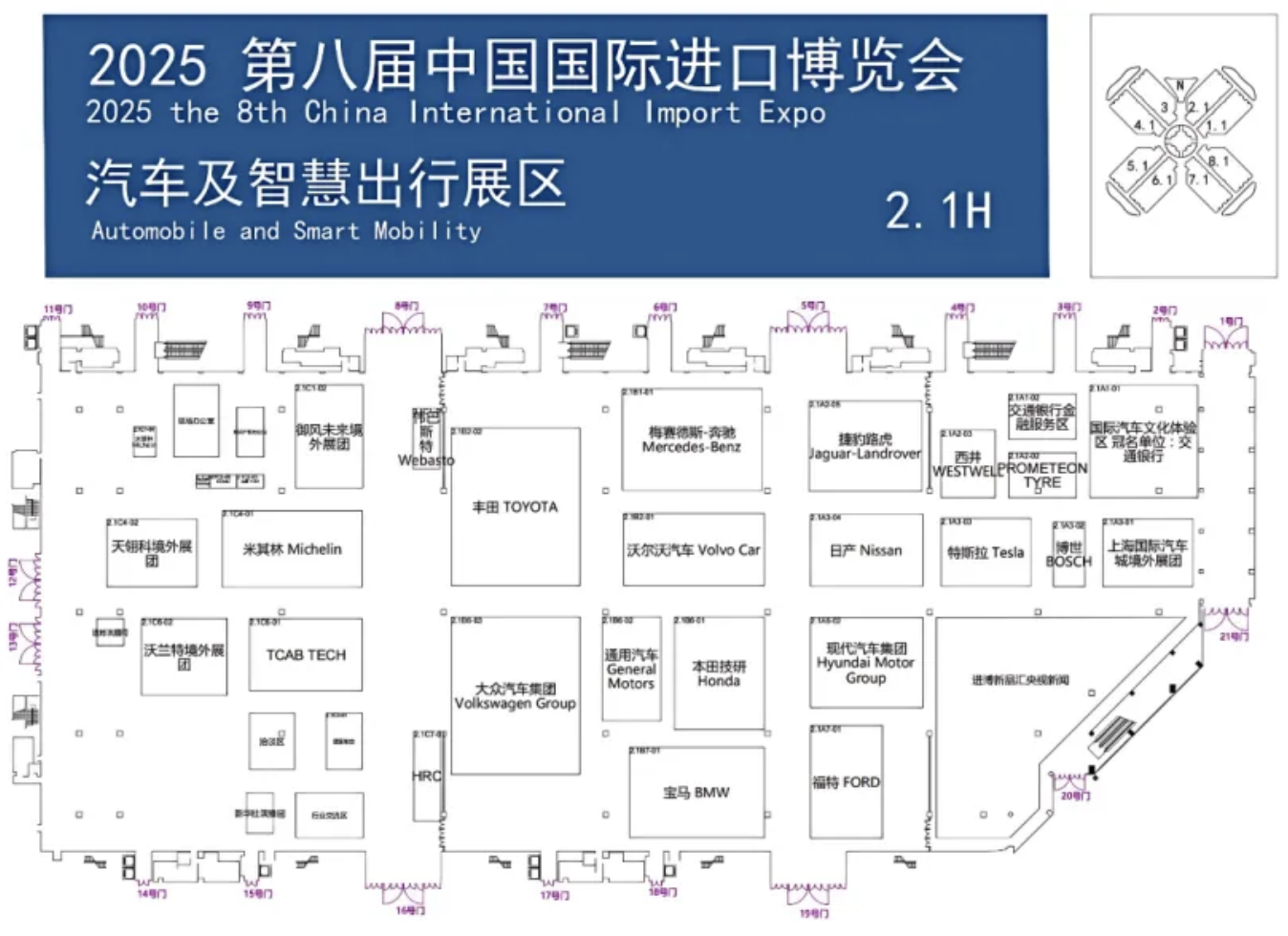
Core Insights - The 8th China International Import Expo (CIIE) will commence on November 5, showcasing the automotive sector as a key highlight, featuring major global brands like Jaguar Land Rover, Tesla, Nissan, and more [1][3] - The automotive exhibition has evolved to reflect industry trends, with a focus on electric vehicles, hydrogen energy, and autonomous driving technologies, marking a significant transformation in the automotive landscape [3] Group 1: Automotive Industry Trends - The import car market is contracting, yet it remains a platform for multinational brands to showcase cutting-edge technologies and diverse products [3] - The evolution from traditional fuel vehicles to electric and intelligent solutions is evident, with autonomous driving technology being the focal point of this year's expo [3] Group 2: Participating Brands and Innovations - Jaguar Land Rover will present the new Land Rover Defender OCTA and the Range Rover SV, along with rare royal vehicles, emphasizing its cultural heritage [5] - Hyundai will debut the world's first mass-produced hydrogen fuel cell heavy-duty truck, showcasing advancements in logistics efficiency and zero-emission operations [5] - Mercedes-Benz will display eight luxury models, catering to various market segments with different driving technologies [7] - Volvo will introduce the new XC70, a luxury hybrid SUV, highlighting safety and advanced technology [9] - Toyota will focus on localization, showcasing electric vehicles and new energy storage products developed in collaboration with China Minmetals [11] - Honda will present a diverse range of mobility solutions, including electric vehicles and motorcycles, emphasizing safety and outdoor experiences [14] - General Motors will highlight its commitment to safety and sustainability with new electric and intelligent driving solutions [15] - Volkswagen will showcase eight models, including electric and high-end smart vehicles, reflecting its commitment to rapid delivery in the Chinese market [17] - BMW will unveil several key models, including the new BMW M2CS and electric vehicles, targeting performance and exclusivity in the Chinese market [19]
复旦硕士创业,拿下创纪录4亿融资:打破日企20年垄断、年增速600% |36氪首发
3 6 Ke· 2025-11-05 01:24
Financing Information - Zhejiang Zhongling Technology Co., Ltd. has recently completed a C-round financing of over 400 million RMB, marking the largest single financing round in the domestic FMM industry [1] - The leading investor is Shenzhen Capital Group, with participation from China Jianyin Investment, Yida Capital, Guangdong Science and Technology Finance, and others [1] - 50% of the funds will be used for R&D, 30% for G8.6 generation FMM capacity expansion and overseas market layout, and 20% for working capital and IPO reserves [1] Company Overview - Established in September 2020, the company is located in Haining, Zhejiang Province [1] - The company is the only domestic entity capable of mass production of 20μm FMM products, with a 100% domestic supply chain for Invar materials [2] Market Potential - The global FMM market is nearly 10 billion RMB, with over 90% of the market share historically dominated by Japanese company DNP [5] - The shift towards larger OLED displays in products like tablets and laptops presents significant opportunities for domestic FMM production [5] Company Performance - Revenue has grown from millions in 2022 to several hundred million in 2023, with projections to exceed 1 billion in 2024 and double by 2025, indicating an average growth rate of nearly 600% [6] - The company holds over 60% of the domestic FMM market share and has validated its products with major AMOLED panel manufacturers [6] Technical Capabilities - The core team consists of experienced professionals from leading semiconductor panel manufacturers, covering the entire supply chain from Invar material development to mass production testing [7] - The company has achieved mass production of 20μm FMM, supporting flagship products like the Xiaomi 17 Pro Max [4] Strategic Goals - The company aims to launch an 18μm ultra-thin FMM product by 2026, with a commitment to continuous product iteration [14] - Plans to capture over 50% of the domestic FMM market and expand into international markets starting in 2025 [14] New Business Development - The company is exploring new business opportunities in the semiconductor and renewable energy sectors, particularly in the printing materials for photovoltaic cells [15] Investment Perspective - Deep Venture Capital views Zhongling Technology as a key player in breaking the long-standing Japanese monopoly in the OLED FMM market, highlighting its potential for future growth and technological advancement [17]


黄仁勋宣告Robotaxi拐点已至,联手Uber组建10万辆L4生态联盟
3 6 Ke· 2025-11-05 01:02
Core Insights - The emergence of Robotaxi technology marks a significant turning point in the automotive industry, with NVIDIA's CEO Jensen Huang announcing the upcoming transition at the GTC conference [1][3] - NVIDIA has introduced the NVIDIA DRIVE AGX Hyperion 10 platform, which aims to facilitate the development of autonomous vehicles across various sectors, including commercial and passenger vehicles [3][7] Group 1: Hyperion 10 Platform - The Hyperion 10 platform boasts over 2000 TOPS of computing power, nearly eight times that of its predecessor, and is designed to integrate diverse sensor inputs while optimizing for advanced AI workloads [4][9] - It features a modular architecture that allows manufacturers to customize configurations, reducing development time and costs, and supports over-the-air (OTA) updates for seamless integration into autonomous fleets [7][9] - The platform is part of NVIDIA's long-term strategy to enhance its presence in the L4 autonomous driving sector, building on its previous iterations of the DRIVE platform [9][10] Group 2: Collaboration with Uber - NVIDIA and Uber have announced a partnership to scale up the deployment of approximately 100,000 Robotaxis starting in 2027, aiming to create a global L4 autonomous mobility network [10][12] - The collaboration will leverage NVIDIA's DRIVE technology and aims for a market size of $750 billion by 2030, indicating significant growth potential in the autonomous vehicle sector [10][12] - Uber's existing partnerships in the Robotaxi space will be extended through this collaboration, enhancing data processing capabilities for autonomous vehicle development [12][14] Group 3: Partnerships with Automakers - NVIDIA is collaborating with several automakers, including Stellantis, Lucid, and Mercedes-Benz, to develop L4 autonomous vehicles using the Hyperion 10 platform [12][14] - Stellantis plans to provide at least 5,000 Robotaxi pilot models to Uber starting in 2026, while Lucid is integrating L4 capabilities into its upcoming models [14][15] - Mercedes-Benz is working on a global rollout of L4 autonomous vehicles based on its own operating system and NVIDIA's platform, with plans for deployment by 2025 [14][15] Group 4: Strategic Shift in Automotive Business - NVIDIA is shifting its focus towards L4 autonomous driving, which aligns with its strengths and long-term vision for the automotive sector [15][19] - The company has a history of early investment in autonomous driving technology, having introduced its first platform in 2015, which has since evolved significantly [15][18] - Despite a strong market presence in high-performance autonomous driving chips, NVIDIA's automotive revenue has been relatively small, indicating room for growth as it aims for $5 billion in vertical revenue this year [18][19]


2025年第43周:数码家电行业周度市场观察
艾瑞咨询· 2025-11-05 00:07
Group 1: Travel Industry Insights - The rise of AI travel assistants is marked by platforms offering smart itinerary planning and real-time suggestions to address traditional travel pain points [3] - AI assistants like Tongyi Qianwen and Ctrip AI excel in transportation, accommodation, and attraction planning, but still lack in dining recommendations and time management [3] - The commercial potential of AI travel assistants lies in transaction closure, data-driven recommendations, and content operations, although scaling monetization will take time [3] Group 2: AI and Gaming Market - The application of generative AI in gaming is rapidly increasing, with an 800% surge in related games on Steam, and an expected 20% share of new game releases this year [4] - Major companies like Tencent and NetEase are accelerating their investments in AI-native games, which are categorized into four types: enhancement, auxiliary development, research, and strategy [4] - Despite early-stage technology, AI has significantly improved development efficiency, contributing to revenue growth for companies like Tencent and 37 Interactive Entertainment [4] Group 3: Surgical Robotics Market - Domestic surgical robots are gaining traction, with a market share of 48.89% for laparoscopic robots in 2024, challenging foreign brands like Da Vinci [5] - Price advantages (30%-40% lower than imports) and policy support (medical insurance coverage in 28 provinces) are accelerating the replacement process [5] - Challenges include reliance on imported core components and the need for technological breakthroughs to transition from price competition to technological leadership [5] Group 4: Smart Bathroom Market - The smart toilet market is experiencing growth driven by policies like "old-for-new" exchanges and mandatory certifications, with a year-on-year growth exceeding 30% [6] - Consumer demand is shifting from mere availability to quality, prompting companies to innovate in health, comfort, and smart technology [6] - Despite growth, the industry faces challenges such as insufficient user awareness and inconsistent service standards [6] Group 5: Home Appliance Market Dynamics - The national subsidy policy has injected vitality into the home appliance market, with 300 billion yuan allocated for the fourth quarter [7] - However, market growth is sluggish, and the diminishing marginal effects of policies may lead to a decline in sales for products like air conditioners and refrigerators [7] - Companies need to shift focus from price competition to product value, service innovation, and technological upgrades to navigate the post-subsidy era [7] Group 6: AI in Entertainment - The introduction of AI actress Tilly Norwood has sparked controversy in Hollywood, with strong opposition from the industry regarding the use of actor data without consent [8] - The situation highlights the conflict between technology and traditional industries, raising concerns about AI's impact on employment and artistic value [8] Group 7: Global Smart Companionship Market - The global smart companionship market is projected to exceed $140 billion by 2030, with China and Singapore as key markets [9] - Experts emphasize the importance of user experience, cultural adaptation, and ethical governance in the development of AI products [9] Group 8: AI Glasses Market - The AI glasses market is experiencing rapid growth, with a 54.9% increase in global shipments, particularly in China, but faces high return rates of 30%-50% due to functionality issues [11] - The industry struggles with a lack of unified standards and challenges in balancing performance, weight, and battery life [11] Group 9: Robotics Industry Trends - The robotics industry is entering a rapid development phase, with companies collaborating to accelerate technology implementation [12] - The competition is shifting from technological rivalry to ecosystem collaboration, although challenges remain in mass production and cost control [12] Group 10: Washing Machine Market Innovations - The focus on partitioned washing machines is growing, driven by consumer health care demands and strategic initiatives from leading brands [13] - Companies are expected to innovate around user health needs and technology to gain a competitive edge in the market [13] Group 11: Electric Vehicle Industry - The two-wheeled electric vehicle sector is undergoing a smart transformation, with AI technology enhancing user experience [15] - However, challenges such as functionality gaps and safety concerns persist, necessitating a focus on core user pain points [15] Group 12: AI in Healthcare - The healthcare sector is a key focus for AI applications, with policies driving the integration of AI in precision diagnosis and health management [16] - Companies like Neusoft are leveraging large model technology to improve efficiency, although challenges related to data quality and standardization remain [16] Group 13: AI Toys Market - The AI toy market is rapidly evolving, combining IP with AI features to enhance companionship and educational value [17] - Despite high market interest, issues such as high return rates and poor user experience need to be addressed for commercial success [17] Group 14: AI Glasses in Tourism - AI glasses have gained popularity during the recent holiday season, used for photography and navigation, but face challenges in comfort and battery life [19] - Major tech companies are entering the market, but the glasses must overcome integration issues with smartphones to achieve widespread adoption [19] Group 15: AI Investment Trends - OpenAI is forming partnerships with tech giants to enhance AI infrastructure, leading to significant market capitalization growth [20] - However, the aggressive investment strategy poses risks, as it relies on long-term returns from AI technologies [20] Group 16: Robotics in Hospitality - CloudMinds Technology has become the first publicly traded company focused on service robots, achieving a market share of 6.3% in the hotel sector [23] - Despite revenue growth, the company faces challenges related to profitability and market competition [23] Group 17: Automotive Industry Challenges - Mercedes-Benz is facing declining sales in China, prompting a partnership with ByteDance to integrate AI technology into new electric models [24] - The collaboration aims to enhance user experience but faces stiff competition from local manufacturers [24] Group 18: AI and Robotics Collaboration - The collaboration between Huawei's Seres and ByteDance aims to advance the development of intelligent robots in the automotive sector [25] - The market for humanoid robots is expected to grow rapidly, with Chinese companies playing a significant role [25] Group 19: AI in Lithium Battery Sector - ByteDance is entering the lithium battery market, leveraging AI to accelerate research and development [31] - The company aims to reduce costs and create an ecosystem that integrates energy storage solutions [31] Group 20: Autonomous Driving Investments - Didi has secured significant funding for its autonomous driving initiatives, focusing on L4 technology and commercial operations [32] - The company aims to leverage its extensive network to enhance its position in the autonomous driving market [32] Group 21: Semiconductor Industry Performance - TSMC reported a revenue of $33.1 billion, driven by demand for AI chips and advanced manufacturing processes [28] - The company maintains a strong position in the AI chip supply chain, benefiting from increased capital expenditures [28]

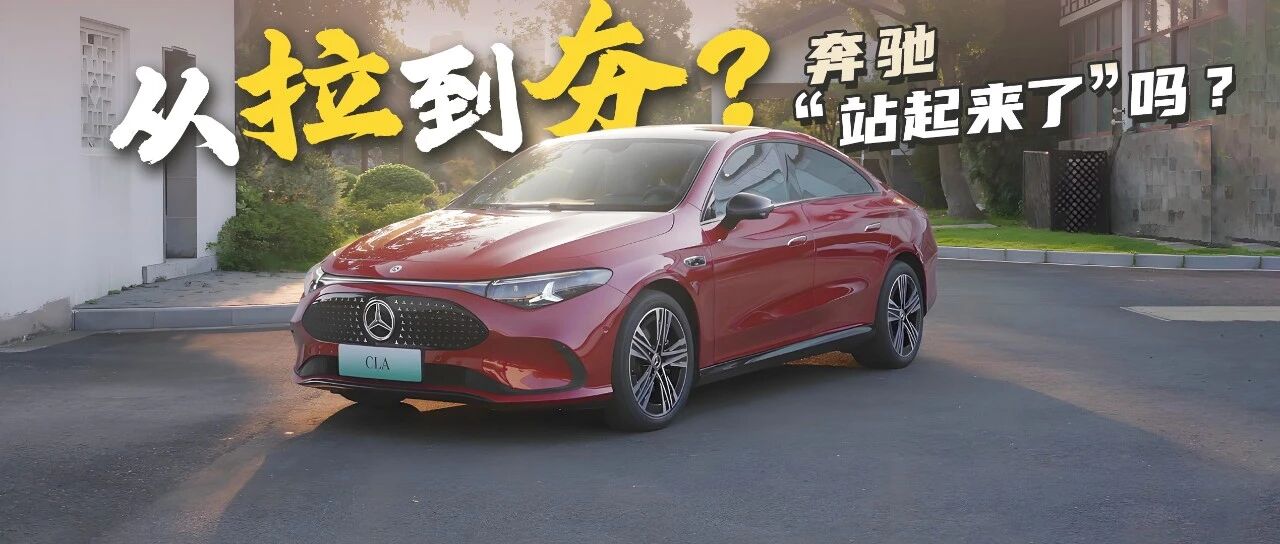
25.9万的奔驰电车!2挡变速箱+866km续航+全新座舱!到底能不能打?
电动车公社· 2025-11-04 16:00
Core Viewpoint - Mercedes-Benz, once a leader in the luxury automotive sector, is now facing challenges in the electric and intelligent vehicle era, transitioning from a revered brand to one that is often compared to competitors [1]. Group 1: Electric Vehicle Development - The Mercedes-Benz EQC has been in the market for six years, raising questions about the brand's progress in electric vehicles [3]. - The newly launched CLA electric model is priced from 259,000 yuan, indicating a strategic move to capture the electric vehicle market [3]. - The CLA electric features a smart cockpit powered by MB.OS, designed by a Chinese team, shifting from an engineer-centric approach to a user-centric design [6]. Group 2: Intelligent Features - The CLA electric's user interface is streamlined, allowing access to common functions within 2-3 menu levels, enhancing user experience [8]. - Collaboration with Momenta for advanced driver assistance systems aims to maintain Mercedes-Benz's standards, emphasizing elegance in features like automatic parking [8]. - The vehicle is equipped with a single Orin-X chip, providing 254 TOPS of computing power, ensuring smooth performance in high-speed scenarios [10]. Group 3: Design and Comfort - The CLA electric adopts a traditional three-box sedan design, offering 101L of front trunk space without compromising elegance [16]. - Interior design features ambient lighting and high-quality materials, contributing to a luxurious feel [20]. - The seating position is designed for comfort, avoiding the cramped feeling often found in electric vehicles due to battery placement [22]. Group 4: Performance and Efficiency - The CLA electric features a unique two-speed transmission, which is costly but enhances performance and efficiency [26]. - The vehicle's two-speed gearbox allows for better torque management and energy efficiency, achieving a consumption rate of 12.4 kWh per 100 km, translating to a range of 700 km with an 89 kWh battery [28]. - The absence of a four-wheel-drive version may disappoint some performance-oriented users, but the 200 kW power system meets most driving needs [30]. Group 5: Brand Evolution - The shift in Mercedes-Benz's approach reflects a change in attitude, focusing on customer desires rather than solely on traditional engineering excellence [30]. - The brand's evolution in electric mobility signifies a willingness to adapt and innovate, moving from criticism to confidence in its electric offerings [30].
中美休战,荷兰成了炮灰!
Jin Tou Wang· 2025-11-04 13:25
Core Viewpoint - The article discusses the implications of the Dutch government's actions against the semiconductor company Nexperia, a subsidiary of Wingtech Technology, highlighting the unintended consequences for both the Netherlands and its European allies in the semiconductor supply chain [1][2]. Group 1: Dutch Government Actions - The Dutch government imposed dual restrictions on Nexperia, which aligns with U.S. export control measures, raising suspicions of coordinated efforts against Chinese assets [1][2]. - Following the restrictions, China retaliated with export controls, affecting major automotive manufacturers in Europe, including Honda, Volkswagen, BMW, and Mercedes, leading to potential production halts [2][3]. Group 2: Semiconductor Industry Dynamics - Nexperia's operational structure includes significant manufacturing capabilities in China, with 70%-80% of its production capacity located there, particularly in Dongguan, which handles 70% of global shipments [3][6]. - The article emphasizes that despite the Dutch restrictions, the short-term impact on Nexperia's operations may be mitigated by domestic Chinese semiconductor manufacturers like SMIC and Huahong, which can cover 80% of specifications [6]. Group 3: Geopolitical Context - The actions of the Dutch government are seen as part of a broader strategy by the U.S. and its allies to curb China's semiconductor industry, with the Netherlands acting as a key player in this geopolitical landscape [7][9]. - The article suggests that the long-standing global division of labor led by the U.S. and Europe is collapsing, with China beginning to reshape the rules of the semiconductor game [10][12]. Group 4: Future Implications - The ongoing geopolitical tensions are expected to continue affecting companies like Nexperia, with the potential for further restrictions and competitive dynamics in the semiconductor sector [12][13]. - The article concludes that the current situation serves as a warning to smaller nations about the shifting balance of power in the semiconductor industry and the need for strategic adjustments [13].


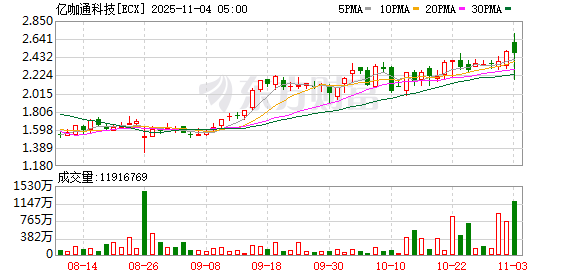
汽车视点丨亿咖通科技实现经营性盈利 全球汽车智能化迎来分水岭时刻
Xin Hua Cai Jing· 2025-11-04 12:38
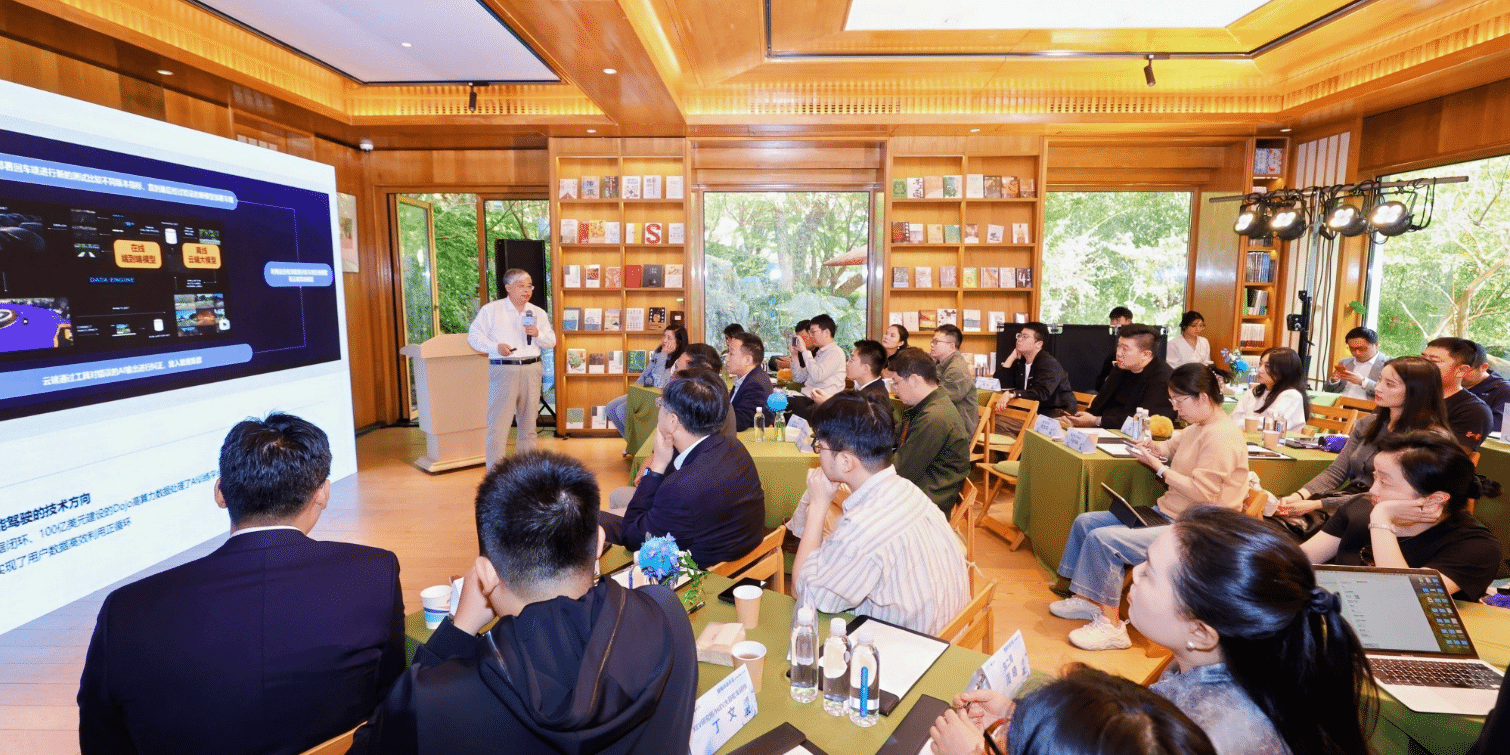
今年7月,亿咖通发布了专项白皮书,分享其在高效集成GAS方面的研发实践,可将开发时效由谷歌官方建议的12-18个月缩短至8个月,并得到了谷歌官 方背书,"高效集成GAS"成为亿咖通在全球车企客户群破局的关键。 此前,亿咖通基于"8155+GAS"方案协助沃尔沃打造的"世界年度车"EX30成为例证。Antora系列集成了芯擎科技"龍鹰一号"SoC,能够以更好的性能表现 以及垂直整合优势,与GAS能力结合得到更多全球汽车品牌青睐,成为亿咖通的出海"利器"。 新华财经上海11月4电 亿咖通科技11月3日晚发布了2025年第三季度业绩。得益于全球订单上量、规模化出货和产品组合优化,亿咖通第三季度实现了经 营性盈利,这是自去年第四季度亿咖通完成EBITDA(息税折旧摊销前利润)盈利后,企业实现从"自主造血"向"正向循环"的又一突破。 当下,全球汽车产业竞争进入深水区,随着电动化增长放缓,智能化成为全球汽车品牌和科技供应链未来发展方向的"最大公约数"。跨国汽车巨头,如大 众、奔驰、本田、丰田,需要的不仅是领先的智能技术"加持",他们更看重能够在复杂供应链体系中长期验证的稳定性与盈利能力,以此实现在长期发展 目标下的协同。 ...