古茗

Search documents
港股新消费概念股普跌,名创优品跌3%
Ge Long Hui A P P· 2025-10-02 03:53
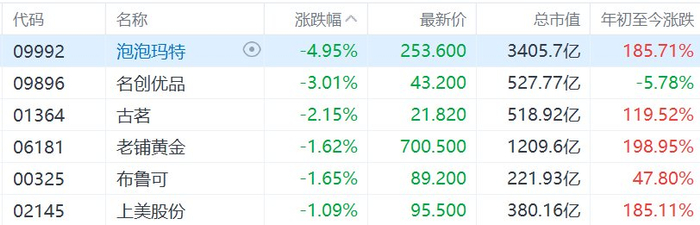
Group 1 - The Hong Kong stock market saw a decline in new consumption concept stocks, with notable drops in companies such as Pop Mart, Miniso, and Gu Ming [1] - Pop Mart experienced a decline of 4.95%, with a latest price of 253.600 and a total market capitalization of 340.57 billion, while year-to-date growth stands at 185.71% [2] - Miniso's stock fell by 3.01%, with a latest price of 43.200 and a market cap of 52.777 billion, reflecting a year-to-date decline of 5.78% [2] Group 2 - Gu Ming's stock decreased by 2.15%, with a latest price of 21.820 and a market cap of 51.892 billion, showing a year-to-date increase of 119.52% [2] - Lao Pu Gold saw a drop of 1.62%, with a latest price of 700.500 and a market cap of 120.96 billion, while year-to-date growth is at 198.95% [2] - Bluco's stock fell by 1.65%, with a latest price of 89.200 and a market cap of 22.193 billion, reflecting a year-to-date increase of 47.80% [2]


不吃月饼的年轻人,都去抢喜茶的“月饼奶茶”了?
3 6 Ke· 2025-10-01 05:21
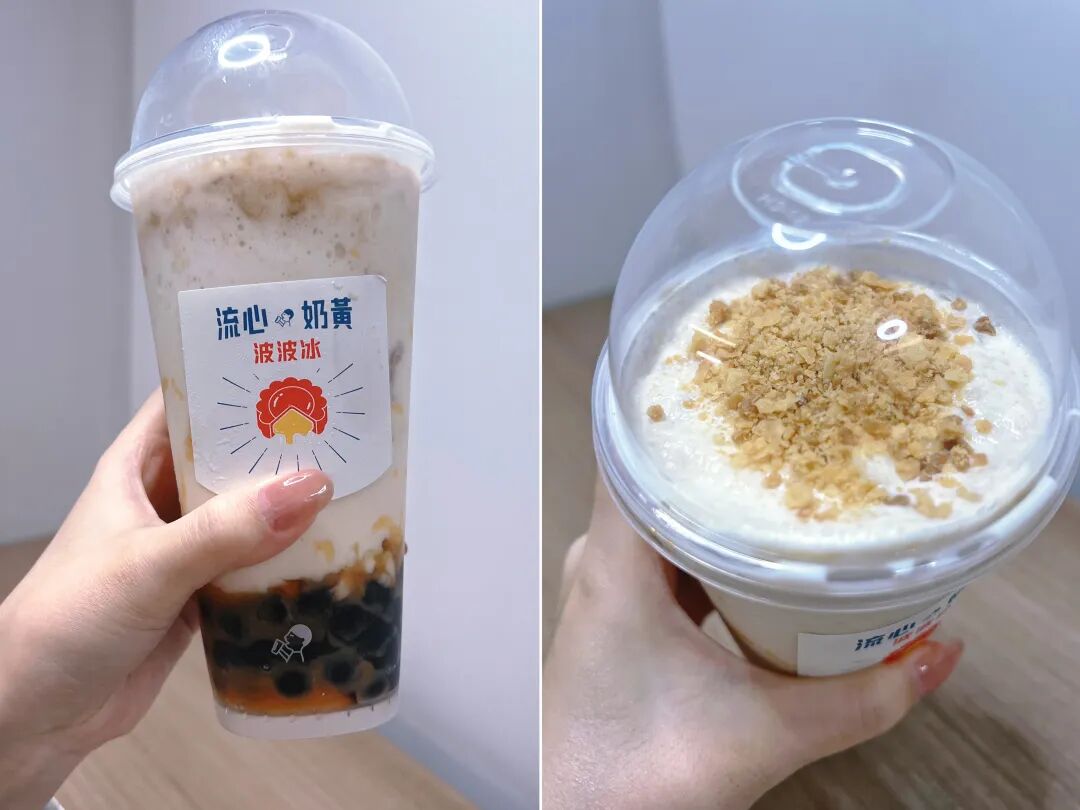
Core Insights - The article discusses the innovative approach of companies like Heytea in creating new products that blend traditional flavors with modern trends, exemplified by the "Mooncake Milk Tea" which has gained popularity among young consumers [1][3][7] - The trend reflects a shift in consumer preferences, where younger generations seek to maintain the festive spirit of traditional foods while desiring new and exciting experiences [8][17] Group 1: Product Innovation - Heytea's "Flowing Heart Milk Tea" has become a new favorite for employees during the Mid-Autumn Festival, replacing traditional mooncakes with a more appealing beverage option [1][3] - The product combines various flavors, including salted egg yolk and black sugar pearls, creating a rich and layered taste experience that resonates with consumers [5][19] - Other brands, such as Dahuzi Ice Cocoa, have also introduced similar innovative drinks, indicating a broader trend in the beverage industry [5][19] Group 2: Changing Consumer Preferences - Young consumers are increasingly looking for new ways to celebrate traditional festivals, as seen in their enthusiastic responses to the "Mooncake Milk Tea" [3][8] - The success of these innovative drinks suggests that consumers want to enjoy familiar flavors in a modern context, leading to a resurgence of traditional tastes in new formats [16][19] - The article highlights that this trend is not limited to specific festivals, as various traditional snacks are being reimagined in beverage form throughout the year [12][16] Group 3: Market Trends - The beverage industry is witnessing a shift from relying solely on collaborations and marketing hype to focusing on product quality and innovation [20][21] - Companies are leveraging traditional snacks as inspiration for new drink offerings, creating unique selling points that resonate with consumers [19][21] - The trend of integrating regional specialties into drinks is expanding, allowing local flavors to reach a wider audience [14][19]
2025年10月投资组合报告:迎接“十五五”预期:十月政策窗口期布局
Yin He Zheng Quan· 2025-09-29 23:30
Market Overview - In September, both A-shares and Hong Kong stocks exhibited a volatile pattern, with domestic economic recovery showing uneven momentum and real estate chain drag persisting[5] - The Federal Reserve's interest rate cut led to short-term market fluctuations, while sectors like batteries and semiconductors outperformed due to policy expectations and price rebounds[5] Investment Focus - The focus for October is on "technology growth," with A-shares confirming a tech narrative and Hong Kong stocks advancing in both technology and non-ferrous metals[5] - Key events include the unveiling of Xiaopeng's fifth-generation humanoid robot on October 24 and new drug progress announcements from Chinese pharmaceutical companies at the ESMO conference in mid-October[5] Policy and Economic Outlook - October is a critical policy layout window, with the 20th Central Committee's Fourth Plenary Session focusing on the "14th Five-Year Plan," leading to rising capital market expectations[5] - The market anticipates another interest rate cut from the Federal Reserve in October, which could benefit the Hong Kong market due to its linked exchange rate system[5] Key Investment Themes - **Technology Growth and High-End Manufacturing**: Emphasis on digital economy, aerospace information, and high-end equipment, with recommendations to focus on satellite internet and AI[5] - **Resource Cycle Optimization**: Global inventory cycles are bottoming out, with industrial metals like copper and cobalt expected to see price increases driven by demand from new energy[5] - **Structural Recovery in Consumption**: Anticipated strong consumption data during the Mid-Autumn Festival and National Day, with a focus on high-quality segments like medical consumption and travel chains[5] Risk Factors - Risks include unexpected policy changes, commercialization outcomes falling short of expectations, and delays in product development and market entry[5]



消费行业十五五系列报告:畅想十五五,生活文娱软消费全球崭露头角
Sou Hu Cai Jing· 2025-09-29 03:26
Group 1 - The report by Zhongyin Securities focuses on the development trends of the consumption industry during the "15th Five-Year Plan" period, particularly highlighting the global competitiveness of the lifestyle and entertainment soft consumption sector [1] - The report presents characteristics and future directions of the consumption industry, analyzing retail formats, international expansion, and industry data [1] Group 2 - In terms of retail formats and store scale, the global retail landscape is dominated by major players, with Walmart leading at $676 billion in revenue and 10,692 stores by 2025, followed by Amazon and Schwarz Group [2] - Domestic chain brands are expanding significantly, with brands like Mixue Ice City exceeding 41,000 stores and Luckin Coffee reaching 21,343 stores, indicating accelerated market penetration and chain development in China [2] - The rise of instant retail and delivery services is evident, with brands like 7-Eleven integrating with platforms like Uber Eats and DoorDash to enhance online channels [2] Group 3 - The internationalization of lifestyle and entertainment soft consumption is becoming a significant trend, with domestic entertainment companies accelerating their global presence in long videos, short dramas, and variety shows [3] - Platforms like iQIYI and Tencent Video are collaborating with international platforms such as Netflix and Disney+ to promote quality content globally, while short dramas are rapidly penetrating overseas markets [3] - Short video platforms like TikTok and Kuaishou are experiencing significant growth in overseas user bases, with TikTok leading in global downloads and user interactions [3] Group 4 - From an industry data perspective, the consumption sector is showing differentiated performance in 2024-2025, with essential consumption sectors like food and beverages remaining stable, while discretionary sectors like social services and textiles exhibit volatility [4] - The Hang Seng consumption-related index indicates that the non-essential consumption sector in Hong Kong is outperforming essential consumption, reflecting growth potential in discretionary consumption [4] - The report emphasizes that during the "15th Five-Year Plan" period, lifestyle and entertainment soft consumption will further rely on content innovation, technological empowerment, and globalization to gain prominence in global markets [4]

十月策略及十大金股:为牛市换挡
SINOLINK SECURITIES· 2025-09-28 13:06
Group 1: Strategy Overview - The report emphasizes a transition towards a bull market, driven by recovering demand for physical assets amidst supply constraints, particularly in the copper market [3][9][12] - Recent disruptions in copper supply, notably from the Grasberg mine, are expected to create price elasticity for future manufacturing demand recovery [9][12] - The report highlights a shift from a focus on financial assets to physical assets, indicating a potential new cycle for resource commodities [4][12] Group 2: Key Companies and Industries - **Engineering Machinery: Hengli Hydraulic (601100.SH)** is positioned for growth due to increased overseas demand and domestic infrastructure projects, with a favorable outlook for its core business [14] - **Non-Banking Financial: Sichuan Shuangma (000935.SZ)** is transitioning to an innovative drug CDMO model, with significant growth potential from its investment projects and pharmaceutical capacity expansion [15][16] - **Food and Beverage: Angel Yeast (600298.SH)** is expected to benefit from overseas expansion and improved domestic demand, with a favorable cost environment [17] - **Transportation: Juneyao Airlines (603885.SH)** is set to gain from industry supply-demand improvements and reduced interest expenses, with positive short-term catalysts from seasonal demand [18] - **Retail: Gu Ming (1364.HK)** is leveraging a unique store expansion strategy in the competitive milk tea market, with significant growth potential in coffee products [19] - **Media and Internet: Tencent Holdings (0700.HK)** is integrating AI across its ecosystem, enhancing its competitive edge and driving growth through high-margin businesses [20][21] - **Electronics: Lante Optics (688127.SH)** is experiencing strong demand in various sectors, with supply constraints on production equipment [22] - **Computing: Hikvision (002415.SZ)** is seeing a recovery in operating quality and profitability, with a focus on AI-driven products [23] - **Pharmaceuticals: Innovent Biologics (9969.HK)** is a leader in hematology and autoimmune therapies, with significant growth potential from its core products [24] - **Defense and Military: Guobo Electronics (688375.SH)** is positioned to benefit from growth in military and satellite internet sectors, with a strong market outlook [25]



外卖补贴战让奶茶品牌狂赚,霸王茶姬却卖不动了?
Hu Xiu· 2025-09-28 10:06
Core Insights - The takeaway from the article highlights the contrasting performance of various tea brands in the competitive delivery subsidy war, with brands like Mixue Ice City and Gu Ming experiencing significant revenue and profit growth, while Ba Wang Tea Ji, which maintains a high-end positioning and refrains from price cuts, only saw a 10% increase in revenue despite opening thousands of new stores [1] Group 1 - The delivery subsidy war has led to explosive revenue and profit growth for brands such as Mixue Ice City and Gu Ming, with stores experiencing a surge in orders [1] - Ba Wang Tea Ji's strategy of not participating in price cuts and focusing on high-end offerings has resulted in a modest revenue increase of only 10% despite the opening of several thousand new stores [1] - The article raises questions about the sustainability of Ba Wang Tea Ji's approach in a highly competitive market where aggressive pricing strategies are yielding better results for other brands [1]
消费行业十五五系列报告:畅想十五五,生活文娱软消费全球崭露头角-银河证券
Sou Hu Cai Jing· 2025-09-28 02:28
Group 1 - The report by Galaxy Securities focuses on the development of the consumption industry during the "14th Five-Year Plan" period, highlighting the global competitiveness of the soft consumption sector in lifestyle and entertainment [1][2] - In the global retail landscape, leading companies are primarily from the US, Europe, and Japan, with Walmart topping the list at $676 billion in revenue and 10,692 stores by 2025 [1][2] - Chinese retail brands are rapidly expanding, with notable examples including Mixue Ice City with over 41,000 stores and Luckin Coffee with over 21,000 stores, indicating strong market penetration of local brands [1][2] Group 2 - The soft consumption sector, particularly in entertainment, has shown significant international expansion, with Chinese productions like "Ne Zha" being featured on platforms like Netflix and Disney+ [2][11] - The domestic consumption-related sectors have experienced varied performance since 2025, with indices like the CSI 300 and Hang Seng showing different trends in non-essential and essential consumption [2][11] - Valuation disparities exist across different consumption segments, with sectors like food and beverage, home appliances, and social services showing fluctuations around industry averages [2][11] Group 3 - The report anticipates continued growth in the lifestyle and entertainment soft consumption sector during the "14th Five-Year Plan," driven by domestic consumption upgrades and globalization efforts [2][11] - Digitalization and localized operations are identified as key strategies for enhancing competitiveness among domestic brands in the global market [2][11] - The report emphasizes the importance of cultural exports in enhancing China's cultural influence globally, with policies supporting the internationalization of cultural products and services [31][32]

柠檬缺货背后:蜜雪冰城和新茶饮们的供应链大考
Zhong Guo Jing Ying Bao· 2025-09-26 19:49
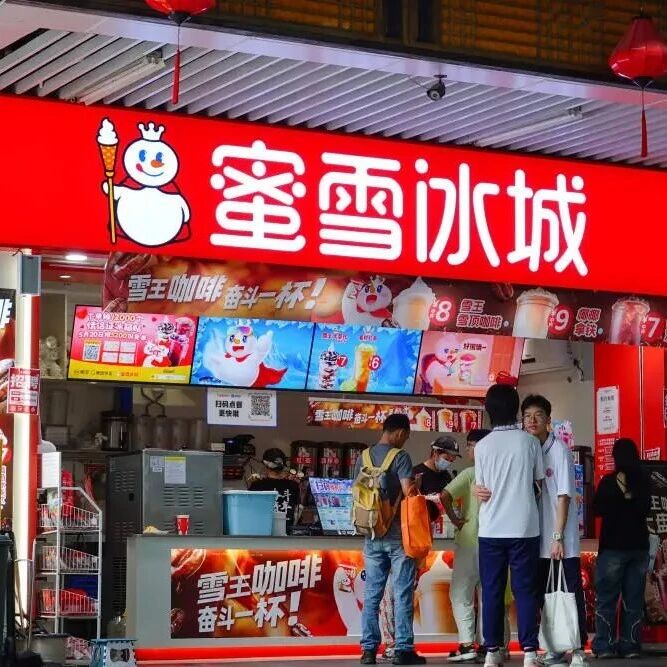
Core Insights - The recent shortage of lemon water at Mixue Ice City has raised concerns among consumers, as the company sells over 1 billion cups annually, highlighting the vulnerability of the supply chain in the beverage industry [1][2][5] Supply Chain Issues - The shortage is attributed to delays in imported lemons due to weather conditions and the local lemon harvesting season not aligning with demand, leading to supply constraints in various cities including Sichuan, Guangdong, and Jiangsu [1][2] - Mixue Ice City relies heavily on a single source for lemons, with approximately 70% of its annual lemon procurement of about 115,000 tons coming from Anju, Sichuan, which accounts for nearly 10% of the national lemon production [2][3] Market Dynamics - The price of lemons has surged, with the average wholesale price reaching 15 yuan per kilogram, double the price from the previous year, driven by increased demand from both beverage and food processing industries [3][4] - The rapid expansion of the tea beverage market, growing at 20% annually, is outpacing the growth of lemon planting areas, which are expected to increase by only 8% by 2025, leading to a mismatch in supply and demand [4][5] Competitive Landscape - Other tea beverage companies, such as Cha Bai Dao and Gu Ming, have established robust supply chains and diversified sourcing strategies to mitigate risks associated with raw material shortages [6][7] - The need for new tea beverage companies to develop resilient supply chains and reduce dependency on single sources is emphasized, as consumer trust may decline with frequent product shortages [5][6] Strategic Recommendations - Companies are encouraged to engage in large-scale procurement to lower costs and explore multiple sourcing channels to avoid reliance on a few suppliers [7] - The establishment of "order-based agriculture" and investment in upstream cultivation, as seen with Mixue Ice City's initiatives in Sichuan, can enhance supply chain stability [6][7]
2025茶饮行业市场规模、竞争格局及供需现状分析报告
Sou Hu Cai Jing· 2025-09-26 11:15
Industry Overview - In 2023, China's ready-to-drink tea market reached a scale of 258.5 billion yuan, with a compound annual growth rate (CAGR) of 19.0% from 2018 to 2023. It is expected to grow to 573.2 billion yuan by 2028, with a CAGR of 17.3% from 2023 to 2028 [1][10][21]. Growth Drivers - The growth of the ready-to-drink tea market is driven by four main factors: rising temperatures, substitution of soft drinks, release of demand in lower-tier markets, and the addictive nature of ready-to-drink tea [1][10][21]. - Rising average temperatures and an increase in extreme hot days stimulate tea consumption, as tea is often an impulsive purchase [12][16]. - Ready-to-drink tea is increasingly replacing soft drinks, with 87.4% of respondents reporting increased consumption of ready-to-drink tea and 56.2% indicating a decrease in soft drink consumption [16][21]. - The demand in lower-tier markets is gradually being met as quality ready-to-drink tea shops expand into these areas, with a growth rate of 30.7% from 2018 to 2023 [17][21]. - Ready-to-drink tea has a certain level of addictiveness, leading to high frequency and loyalty in consumption, with current consumption levels in China significantly lower than in developed countries [21][25]. Competitive Landscape - The market concentration among the top five brands (CR5) is significant, reaching 49% in 2024, with the leading brand, Mixue Ice City, holding a market share of 20.9% [1][27][32]. - The competition is characterized by a clear structure in the low-price segment, intense competition in the mid-price segment, and price reductions among high-end brands seeking survival [27][32]. - The franchise model has become the preferred expansion strategy, allowing brands to leverage local resources and reduce costs [32][62]. Market Segmentation - The low-price segment is dominated by Mixue Ice City, which has established a strong cost advantage through scale and supply chain efficiency [37][41]. - The mid-price segment is highly competitive, with brands like Gu Ming, Cha Bai Dao, and Hu Shang A Yi emerging as key players, each with unique strategies [46][55]. - High-end brands have been forced to lower prices to remain competitive, with significant changes in pricing strategies observed among brands like Heytea and Nayuki [58][60]. Future Outlook - The ready-to-drink tea market has the potential to exceed 700 billion yuan in the medium term, with a projected market size of 713 billion yuan based on population growth and increased consumption [22][26]. - The industry is expected to experience a phase of consolidation, with smaller brands being phased out as larger brands continue to expand [8][62].


4元1杯的雪王柠檬水供应紧张,其他茶饮凭啥躲过一劫?
21世纪经济报道· 2025-09-26 08:08
Core Viewpoint - The recent shortage of lemon water at Mixue Ice City highlights significant industry risks, primarily due to rising lemon prices and supply chain vulnerabilities [1][2]. Group 1: Supply Chain and Pricing Issues - Multiple Mixue Ice City stores have reported a lack of lemon water, with staff indicating that the product is out of stock and expected to remain unavailable for several days [1]. - The average wholesale price of lemons in China has nearly doubled compared to the same period last year, reaching 15 RMB per kilogram as of September 17, 2025 [1]. - Mixue Ice City has a strong supply chain presence, controlling over 50% of high-quality fresh fruit resources in key lemon-producing areas, but this concentration poses risks when facing climate disasters or global supply chain disruptions [4][5]. Group 2: Market Dynamics and Competitor Strategies - The lemon crisis is exacerbated by climate issues affecting major production areas, with droughts in Sichuan and other regions leading to a projected 50%-60% reduction in yields [4]. - Other tea brands have avoided similar crises by diversifying their sourcing strategies, such as using different lemon varieties or establishing global procurement models [7][8]. - Mixue Ice City's low-price strategy has pressured its supply chain, making it difficult to pass on rising costs to consumers, which has contributed to the current supply issues [5][8]. Group 3: Financial Implications and Market Position - Mixue Ice City's lemon water is a significant revenue driver, with annual sales exceeding 1 billion cups, translating to approximately 4 billion RMB in sales, accounting for 13% of the company's total revenue in the first half of 2025 [3][4]. - The company's reliance on a single source for over 70% of its lemon supply has created vulnerabilities that are not present in more diversified competitors [5][6]. - The current crisis reflects a broader tension between capital concentration and diverse consumer demands, indicating a need for more resilient supply chain strategies in the tea beverage industry [8].