红旗连锁

Search documents
2025年中盘点:中国消费市场的五大惊喜
Sou Hu Cai Jing· 2025-09-07 13:15
Group 1: Overview of China's Consumer Market in 2025 - The Chinese consumer market in the first half of 2025 shows a unique trend of "macro caution, micro activity," with consumer confidence at historical lows while core consumption categories are steadily recovering [12][14] - The total retail sales of consumer goods increased by 5.0% year-on-year in the first half of 2025, with May's growth rate reaching a two-year high [16][19] - The food category led the growth with a 12.3% year-on-year increase, driven by the rapid expansion of new channels like snack specialty stores and membership discount supermarkets [16][19] Group 2: Tourism Recovery - The tourism industry has seen a strong recovery, with international flight passenger volumes in the first and second quarters of 2025 increasing by 9% and 13% compared to the same periods in 2019 [20][36] - Domestic travel also surged, with 329 million trips taken in the first half of 2025, an 18% increase from 2019 [20][36] - The number of inbound tourists reached over 35 million in the first quarter of 2025, a year-on-year increase of 19.6%, marking a historical high for a single quarter [29][36] Group 3: New Energy Vehicles (NEVs) - China has become the world's largest automobile exporter, with nearly 5.5 million vehicles exported in 2024, an eightfold increase from 2019 [24][28] - NEVs accounted for nearly half of passenger car exports in the first half of 2025, with domestic brands holding a market share close to 90% in the NEV segment [28][21] - BYD surpassed Tesla to become the world's largest electric vehicle manufacturer in 2024, with sales reaching 4.27 million units and revenue of $108 billion [28] Group 4: Cultural Export and Trends - The cultural export sector, particularly in video games and trendy toys, has gained momentum, with the game "Black Myth: Wukong" selling 28 million copies and generating revenue of 9 billion yuan [42][43] - The toy brand Pop Mart's Labubu character has gained global popularity, with revenue from the "Monster Series" increasing by 726% year-on-year, reaching over 3 billion yuan [43][46] - The overseas market contribution to Pop Mart's revenue rose from 4% in 2021 to 39% in 2024, indicating a significant expansion [43] Group 5: Capital Market Dynamics - The capital market in Hong Kong saw a significant rebound in the first half of 2025, with total financing reaching 107.1 billion HKD, a substantial increase from the previous year [37][41] - Consumer-related companies have become a major force in the capital market, with four out of the top ten IPOs in Hong Kong coming from the consumer sector [37][41] - Private equity and venture capital activities also surged, with transaction volumes in the second quarter reaching 2.28 trillion yuan, doubling from the previous quarter [41] Group 6: Foreign Brands in China - Foreign brands are experiencing a resurgence in China, particularly in the outdoor sportswear segment, which has seen sales double over the past five years [47] - Several new or expanding brands have achieved annual revenues exceeding $500 million, reflecting the growing consumer interest in health and outdoor activities [47] - This trend indicates a robust market opportunity for international brands to adapt to local demands and capitalize on China's consumption upgrade [47]







霸王茶姬掉队了吗
Hu Xiu· 2025-09-07 13:13
Core Viewpoint - The article discusses the competitive landscape of the milk tea industry, highlighting the significant growth of certain brands while pointing out the struggles of BaWang Tea Ji amidst a fierce price war in the delivery market [1][2]. Group 1: Industry Overview - The milk tea industry has seen a surge in sales due to the ongoing delivery wars, benefiting brands that operate on a franchise model [2][5]. - Major players like Mixue Ice City and Gu Ming have reported impressive financial results, with Mixue's revenue growing by 39% and profit by 44% year-on-year [3][4]. - The delivery war has led to increased consumer spending on milk tea, with franchise stores experiencing a significant rise in order volumes [8]. Group 2: BaWang Tea Ji's Performance - BaWang Tea Ji, once a leading brand, has faced challenges despite opening over a thousand new stores, with revenue growth of only 10% and nearly stagnant profit [11][12][13]. - The brand's same-store sales have declined by 23% over three consecutive quarters, indicating significant operational pressure [15][16]. - BaWang Tea Ji's refusal to participate in the price war has resulted in a drop in active consumer membership from 44.1 million to 38.6 million year-on-year [20]. Group 3: Pricing Strategy and Brand Positioning - BaWang Tea Ji maintains a high-end pricing strategy, with its signature drink priced at 16 yuan, and has resisted deep discounts, which has alienated some consumers [17][18]. - The brand's decision to avoid participating in the delivery price war is a strategic choice to protect its premium image, but it risks losing customers who are price-sensitive [22][25]. - The article draws parallels between BaWang Tea Ji's current situation and that of Heytea, which had to lower prices to adapt to market conditions [43][46]. Group 4: Global Expansion Opportunities - Despite domestic challenges, BaWang Tea Ji has seen a 70% year-on-year increase in overseas GMV, reaching 230 million yuan, indicating potential for international growth [49]. - The brand is expanding into Southeast Asia and the U.S., positioning itself as a premium tea brand with higher pricing than local competitors [51][53]. - The competitive landscape in overseas markets is less intense, allowing BaWang Tea Ji to maintain higher price points compared to the domestic market [55].
一周上新!孙北北、labaker楽焙、富贵面包...海内外新品资讯抢先看 | 全球职人情报站
东京烘焙职业人· 2025-09-07 08:32
Group 1 - The article highlights the latest product launches in the baking industry, showcasing a variety of new items from different brands, indicating a vibrant market with continuous innovation [2][3][4][5][6][8][12][15][17][19][21][23][25][27][29][32][34][36][38][40][42][44][46][49][51][53][55][57][59][62][64][66][68][70][72][74][76][78][79][81][83][85][87][88][90][92][95][97][99][101][103][105][106][107][110][112][115][117][121][123][125][127][130][133][134][135][136][137][138][139][140][141][142][143][144][145][146][148][150][152][155] Group 2 - The article discusses the trend of health-conscious products, such as low-sugar and high-protein options, reflecting consumer preferences for healthier choices in the baking and beverage sectors [6][15][17][19][23][25][27][32][34][36][38][40][42][44][46][49][51][53][55][57][59][62][64][66][68][70][72][74][76][78][79][81][83][85][87][88][90][92][95][97][99][101][103][105][106][107][110][112][115][117][121][123][125][127][130][133][134][135][136][137][138][139][140][141][142][143][144][145][146][148][150][152][155] Group 3 - The article notes the expansion of brands into international markets, such as the entry of Lucky Coffee into Malaysia and the launch of Bawang Tea Ji in the Philippines, indicating a growing trend of globalization in the food and beverage industry [142][143]
“有点钱,但不多,不急花”:2025上半年消费者现状
虎嗅APP· 2025-09-06 03:26
Core Viewpoint - The article discusses the evolving landscape of consumer behavior in China during the first half of 2025, highlighting the rise of emotional consumption and the decline of traditional consumption patterns, particularly among younger generations [4][5][6]. Economic Overview - In June 2025, the Consumer Price Index (CPI) rose by 0.1% year-on-year, with the core CPI increasing by 0.7%, indicating a recovery in domestic demand [4]. - The total retail sales of consumer goods reached 24.55 trillion yuan, with a year-on-year growth rate of 5%, surpassing the previous year's growth by 1.5 percentage points [4]. Emotional Consumption - Emotional consumption has become a significant trend, with the market expected to exceed 2 trillion yuan by 2025, growing at an annual rate of 12% since 2013 [8]. - Companies like Pop Mart have seen substantial revenue from emotional products, with LABUBU generating 4.81 billion yuan in revenue in the first half of 2025, contributing to Pop Mart's total revenue of 13.88 billion yuan, a 204.4% increase year-on-year [9]. Traditional Consumption Decline - Traditional consumption, particularly in sectors like high-end liquor and tea, has seen a downturn, with many companies reporting negative growth in revenue and profits [11]. - The white liquor industry experienced a 5% decline in revenue and a 7.5% drop in net profit in the second quarter of 2025 [11]. Shifts in Consumer Preferences - Younger consumers prioritize emotional value over traditional status symbols, leading to a decline in "face consumption" associated with older generations [10][12]. - The trend of seeking high value for money continues, with consumers becoming more cautious and price-sensitive in their spending habits [15][19]. Impact on Various Industries - The restaurant industry has faced challenges, with major chains like Haidilao reporting a 3.7% decline in revenue, while their takeaway business has seen a 59.6% increase [18]. - The airline industry has seen a 5.9% increase in passenger transport, but average ticket prices have dropped by 6.9% [16]. Investment Trends - There is a noticeable shift in consumer investment behavior, with a decline in housing investment and an increase in interest in gold and stock markets [23][25]. - The real estate sector has seen a significant drop in investment, with a year-on-year decrease of 11.2% in development investment [23]. Conclusion - The article emphasizes the need for companies to adapt to changing consumer behaviors, focusing on emotional value and cost-effectiveness, while traditional consumption patterns are declining [26].

外卖战火下:巨头博弈 新茶饮“捞鱼”
3 6 Ke· 2025-09-06 00:31
Group 1 - The core viewpoint of the article highlights that despite concerns about the long-term impact of the "takeout war" on the restaurant industry, most new tea beverage brands have reported revenue and net profit growth in their recent semi-annual reports [1] - Most listed new tea beverage brands, except for Bawang Tea Ji and Nayuki, achieved both revenue and net profit growth in the first half of the year [1] - Bawang Tea Ji attributed its profit decline to investments in new product development and overseas markets, while Nayuki cited store optimization and intensified market competition as reasons for its performance drop [1] Group 2 - Many new tea beverage brands reported improved same-store performance, with Gu Ming stating that "takeout subsidies and coffee business drove same-store improvement" [1] - Mixue Ice City mentioned that during the takeout war, it collaborated with franchisees to seize opportunities, significantly enhancing store profitability through increased order volume [1] - Even Bawang Tea Ji, which did not actively participate in the takeout war, saw an increase in second-quarter takeout GMV due to higher customer repurchase rates [1] Group 3 - Industry concerns regarding the takeout war include the impact of low prices on consumer perception, overburdening of store staff, and a decline in dine-in business [1] - The takeout war is not only a competition among internet giants but also tests the operational capabilities of businesses during this period [1] - Once subsidies cease, the performance growth driven by them is expected to end, and the industry will still face intensified competition and slowing growth in the domestic market [1]

河南一高校推“限塑令”致饮品店闭店?多个加盟商回应了
Nan Fang Du Shi Bao· 2025-09-05 12:04
Core Viewpoint - Several beverage franchise owners have reported that their stores at Zhongyuan University of Technology (Xuchang campus, Henan) have been shut down due to the school's implementation of a "plastic restriction order" [1][2]. Group 1: Impact on Beverage Stores - The franchise owner of a Kudi coffee shop stated that their store opened on August 30 and was informed on September 1 that they could not use their own cups and bags, but must use those specified by the school [1]. - Other beverage stores on campus, including Tea Baidao, Mixue, and Luckin, have also closed due to the same restrictions [2]. - At least five beverage stores are confirmed to have closed due to the "plastic restriction order," with some stores using cups that comply with the school's regulations while others face penalties for non-compliance [2][4]. Group 2: School Regulations and Compliance - The school has emphasized the "plastic restriction order" but previously allowed beverage stores to operate without strict enforcement [4]. - Students reported that the situation has occurred before, with previous instances of stores closing frequently due to similar regulations [4]. - The school’s official website indicates that Zhongyuan University of Technology is a full-time public undergraduate institution approved by the Ministry of Education, with a history dating back to 2003 [5]. Group 3: Ongoing Negotiations - Beverage stores are actively seeking to negotiate with the school and brand owners to comply with both the school's regulations and brand requirements in order to resume normal operations [5].


成都农博会搭台 脱贫地区“土特产”觅商机
Zhong Guo Xin Wen Wang· 2025-09-05 09:42
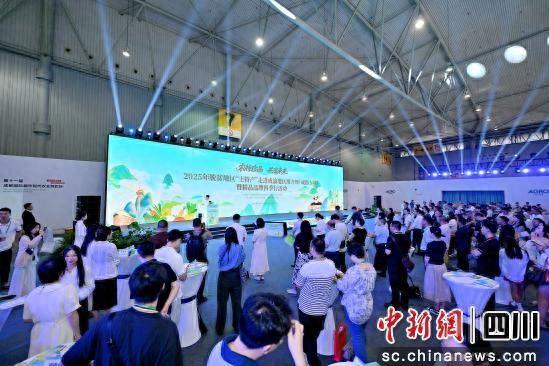
Core Insights - The event "Specialty Products from Poverty Alleviation Areas" is being held in Chengdu from September 4 to 6, 2025, showcasing over a thousand ecological specialty agricultural products from 109 cooperatives and enterprises in poverty-stricken counties [1][3] - The event aims to enhance the market influence of specialty agricultural products and broaden sales channels through various promotional activities, including exhibitions, product recommendations, and online-offline sales [1][3] Event Details - The event is co-hosted by the Ministry of Agriculture and Rural Affairs and the Sichuan Provincial Department of Agriculture and Rural Affairs, with participation from major purchasing enterprises and e-commerce platforms [3][4] - A special night market was set up in Kuanzhai Alley, leveraging cultural tourism to promote high-quality specialty agricultural products through live streaming and on-site tasting [3][4] Product Highlights - Featured products include seasonal fruits, ecological grains and oils, traditional meat and poultry, and artisanal beverages, all available for free tasting by buyers and consumers [4][6] - The online platform for the Chengdu Agricultural Expo, along with major e-commerce sites, has launched promotional activities for specialty products, offering discounts and gifts to consumers [6]
新茶饮何以持续火爆?
Ren Min Ri Bao· 2025-09-05 06:42
Core Insights - The new tea beverage market in China is experiencing significant growth, with the market size expected to exceed 200 billion yuan this year [3] - The rise of new tea drinks reflects changing consumer preferences towards personalized, diverse, and high-quality products [4] Group 1: Market Trends - The new tea beverage consumption market is projected to surpass 200 billion yuan in 2023, indicating a robust expansion [3] - Consumers are increasingly seeking interactive and participatory experiences in their beverage choices, moving beyond passive consumption [5] - Health-conscious trends are influencing tea beverage ingredients, with a variety of vegetables and fruits being incorporated into drinks [6] Group 2: Cultural Integration - Cultural elements are becoming integral to tea beverage consumption, with brands collaborating with art and culture to enhance consumer engagement [8] - The integration of cultural themes into product offerings is transforming tea drinks into vehicles for cultural expression [8] Group 3: Agricultural Impact - The new tea beverage sector is driving sales of agricultural products, benefiting farmers significantly; for instance, the price of yellow skin fruit has increased by 60% due to demand from tea companies [9] - Collaborations between tea companies and farmers are enhancing agricultural practices and increasing farmers' incomes, with some farmers reporting an average income increase of 8,000 yuan per acre [10] - The new tea beverage market is facilitating the promotion of local agricultural specialties, helping them gain wider recognition [11] Group 4: Product Innovation - The tea industry is diversifying its product offerings beyond traditional beverages, with innovations such as tea-flavored ice cream and snacks gaining popularity [12][14] - The development of deep processing techniques for tea is expanding its application across various sectors, including food and cosmetics [14]
新茶饮何以持续火爆
Ren Min Ri Bao· 2025-09-05 01:32
Core Insights - The new tea beverage market in China is experiencing significant growth, with the market size expected to exceed 200 billion yuan this year [4] Group 1: Market Trends - The new tea beverage consumption reflects a shift towards personalized, diverse, and high-quality consumption, with new scenarios, models, and channels becoming key growth points [2][5] - Consumers are increasingly seeking interactive and participatory experiences in their beverage choices, moving beyond passive consumption [6] Group 2: Health and Ingredients - To cater to health-conscious consumers, tea shops are incorporating a wider range of ingredients, including vegetables and medicinal herbs, into their beverages [7] Group 3: Cultural Integration - Cultural elements are becoming integral to tea consumption, with brands collaborating with art and culture to enhance the consumer experience [9] Group 4: Agricultural Impact - The rise of new tea beverages is driving sales of agricultural products, benefiting farmers significantly; for instance, the price of yellow skin fruit has increased by 60% due to demand from tea companies [10] - New tea beverage companies are also enhancing the quality of agricultural products through training and support, leading to improved yields and reduced chemical usage [12][14] Group 5: Product Innovation - The tea industry is diversifying its product offerings beyond traditional beverages, with innovations such as tea-flavored snacks and health products emerging [15]
当代消费现状:左手Labubu,右手拼好饭
Hu Xiu· 2025-09-04 13:02
Group 1 - The article highlights the dual consumption trends in contemporary China, emphasizing the coexistence of cost-effectiveness and emotional value in consumer behavior [4][29] - The rise of pragmatic consumption is driven by economic uncertainty, leading consumers to seek high-quality alternatives at lower prices, as evidenced by the decline in sales for brands like LVMH and Chow Tai Fook [8][9] - Brands are pressured to focus on supply chain efficiency and product quality to meet the demand for value-driven purchases, moving away from overpriced products [11][12] Group 2 - Emotional consumption is on the rise, with nearly 30% of young consumers engaging in purchases for emotional healing, reflecting a deeper need for self-care and emotional connection [30][31] - Products that provide emotional value, such as collectibles and cultural items, are increasingly popular, as they resonate with consumers' desires for identity and belonging [35][39] - The success of brands like Labubu illustrates the importance of emotional and social value in consumer purchases, as they serve as symbols of self-expression and community [36][39] Group 3 - The article discusses the integration of cost-effectiveness and emotional value in consumer choices, suggesting that brands must navigate this complex landscape to remain relevant [55][57] - Successful brands are those that can combine high cost-effectiveness with emotional engagement, creating a unique value proposition that resonates with consumers [59] - The evolving consumer landscape indicates a shift from mere possession to a focus on personal growth and self-actualization through consumption [62][64]