
腾讯

Search documents
亚洲资产爆发 港股百度涨超8% GPU新贵狂飙110% 人民币升破6.97 贵金属反弹
2 1 Shi Ji Jing Ji Bao Dao· 2026-01-02 03:14
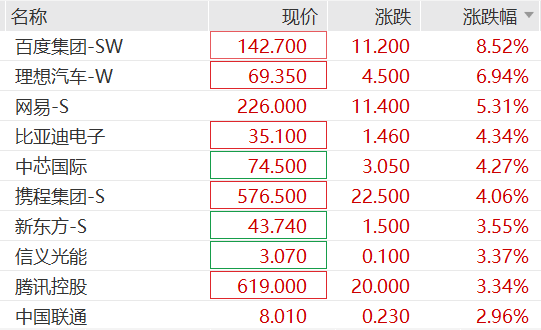
Market Overview - Asian assets experienced a significant surge at the beginning of 2026, with the offshore and onshore RMB both breaking the 6.97 mark against the USD, reaching the highest level since May 2023 [4] - The Hang Seng Index opened high on the first trading day of the year, rising nearly 1.8%, while the Hang Seng Tech Index increased by 3.4% [1] Company Performance - Baidu Group saw a notable increase of over 8.5%, surpassing last year's high, following the announcement of plans to spin off Kunlun Chip for a Hong Kong listing [1] - Other notable performers included Li Auto, which rose nearly 7%, and NIO and Leap Motor, both increasing by over 1% [1] - NetEase and Tencent also experienced gains, with NetEase up over 5% and Tencent up over 3% [1] Stock Highlights - The following companies showed significant stock performance: - Baidu Group-SW: Current price 142.700, up 8.52% [2] - Li Auto-W: Current price 69.350, up 6.94% [2] - NetEase-S: Current price 226.000, up 5.31% [2] - BYD Electronics: Current price 35.100, up 4.34% [2] - Semiconductor Manufacturing International Corporation: Current price 74.500, up 4.27% [2] New Listings - The newly listed company, Biren Technology, saw its stock surge by 110% after revealing significant revenue growth from 62 million yuan in 2023 to 337 million yuan in 2024, with a backlog of 822 million yuan in orders [2] Global Market Trends - The KOSPI index in South Korea opened higher, with Samsung Electronics reaching a historical high, increasing by 3.2% [3] - The biopharmaceutical company Celltrion's stock rose by 10% following a $473 million manufacturing agreement with Eli Lilly [3] Precious Metals - Precious metals experienced a collective rise, with spot gold increasing by 0.7% and achieving a 64% increase for the entire year of 2025, marking the largest annual gain since 1979 [7] - Spot silver rose by 1.8%, reaching a historical high of $83.62, with a 147% increase in 2025, the largest recorded annual gain [7] - Platinum and palladium both rose by 1.6%, with platinum reaching a historical high and annual gains of 127%, while palladium saw a 76% increase, the best in 15 years [7] Investment Sentiment - There is a growing interest from overseas "long money" in Chinese assets, with a notable shift towards technology and biotechnology sectors [7] - Major financial institutions like Goldman Sachs, UBS, and JPMorgan predict a sustained rebound for Chinese assets in 2026, driven by profit growth, accelerated innovation, and attractive valuations [7]

港股异动 | 美图公司(01357)现涨超4% 已向阿里发行2.5亿美元可转债 双方合作有望进一步深化
智通财经网· 2026-01-02 03:13
Group 1 - Meitu Company (01357) shares increased by over 4%, currently at HKD 7.33 with a trading volume of HKD 55.43 million [1] - On December 31, Meitu announced the issuance of USD 250 million convertible bonds to Alibaba, which, if fully converted, would give Alibaba a 6.82% stake in Meitu, making it the third-largest shareholder [1] - Morgan Stanley released a report indicating that this development is positive news, anticipating that the collaboration between Meitu and Alibaba will deepen, particularly generating strong synergies in the e-commerce design sector [1] Group 2 - The China Securities Regulatory Commission reported that Suiyuan Technology, one of China's leading GPU companies, has completed its IPO counseling work, marking a significant step in its listing process [1] - Tencent is the largest shareholder of Suiyuan Technology and has participated in multiple rounds of financing for the company [1] - Meitu holds a 14th position as a shareholder in Suiyuan Technology, while the National Integrated Circuit Industry Investment Fund II is the fifth-largest shareholder [1]
AI烧钱战!光模块成黄金赛道
Sou Hu Cai Jing· 2026-01-01 13:49
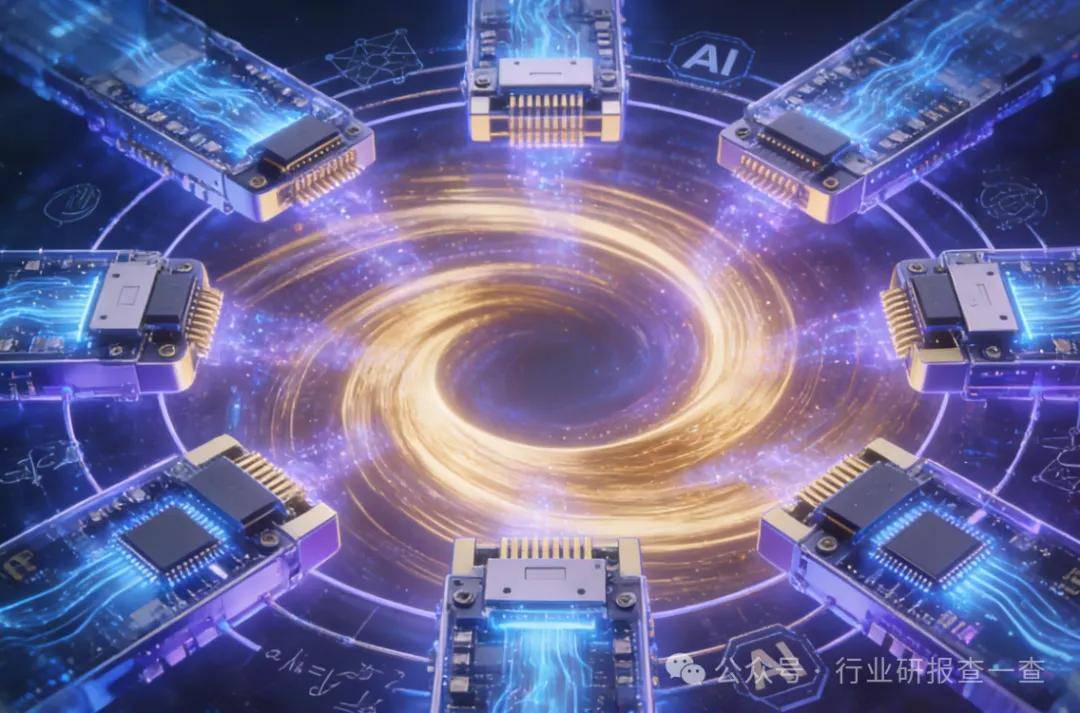
Core Insights - The article highlights the unprecedented opportunities in the optical communication sector, driven by the explosive growth in AI computing power and infrastructure needs [2][4]. Group 1: AI Arms Race and Infrastructure - The competition in AI has evolved from merely acquiring chips to building comprehensive computing and interconnect capabilities [5]. - Major companies like Google and Meta are developing custom ASIC chips and data centers to enhance AI system efficiency [7]. - The essence of this competition is to scale computing power, with optical communication networks serving as the "highway" for connecting computing units [10]. Group 2: Optical Module Market Dynamics - The demand for optical modules is surging due to the exponential increase in data throughput and the need for higher transmission speeds [16]. - The transition from 400G/800G to 1.6T and the anticipated move towards 3.2T in optical module technology reflects the industry's rapid evolution [16]. - Chinese manufacturers are rising in prominence, with seven out of the top ten global optical module companies being Chinese by 2024 [18]. Group 3: Key Players in Optical Communication - Company A (中际旭创) is a global leader in high-speed optical modules, particularly in the 800G and next-generation 1.6T segments, and is closely tied to major AI firms like NVIDIA and Google [19]. - Company B (高意) ranks among the top three globally and is recognized for its differentiated technology in linear drive pluggable optical modules [21]. - Company C (光迅科技) has a vertically integrated business model covering the entire optical communication supply chain, enhancing its risk management and cost control [23]. Group 4: Technological Innovations - Silicon photonics technology is revolutionizing traditional optical modules by integrating multiple optical components into a single silicon chip, leading to significant cost and power savings [31]. - The cost of silicon optical modules is projected to decrease significantly, with the market expected to reach $10.3 billion by 2029, capturing a larger share of the optical module market [34]. - Emerging technologies like Co-Packaged Optics (CPO) and Optical Circuit Switching (OCS) are set to further enhance efficiency and reduce latency in data centers [35]. Group 5: Future Outlook - The article emphasizes that while risks exist, the demand for AI-driven computing and interconnect solutions is expected to remain robust, indicating a prolonged high-growth cycle for optical communication [38]. - Historical trends show that each technological revolution has been preceded by infrastructure upgrades, positioning the optical communication sector at the forefront of the current AI era [42].
实探丨回望华强北2025:历经浪潮冲刷,方显韧性底色
证券时报· 2025-12-31 15:40
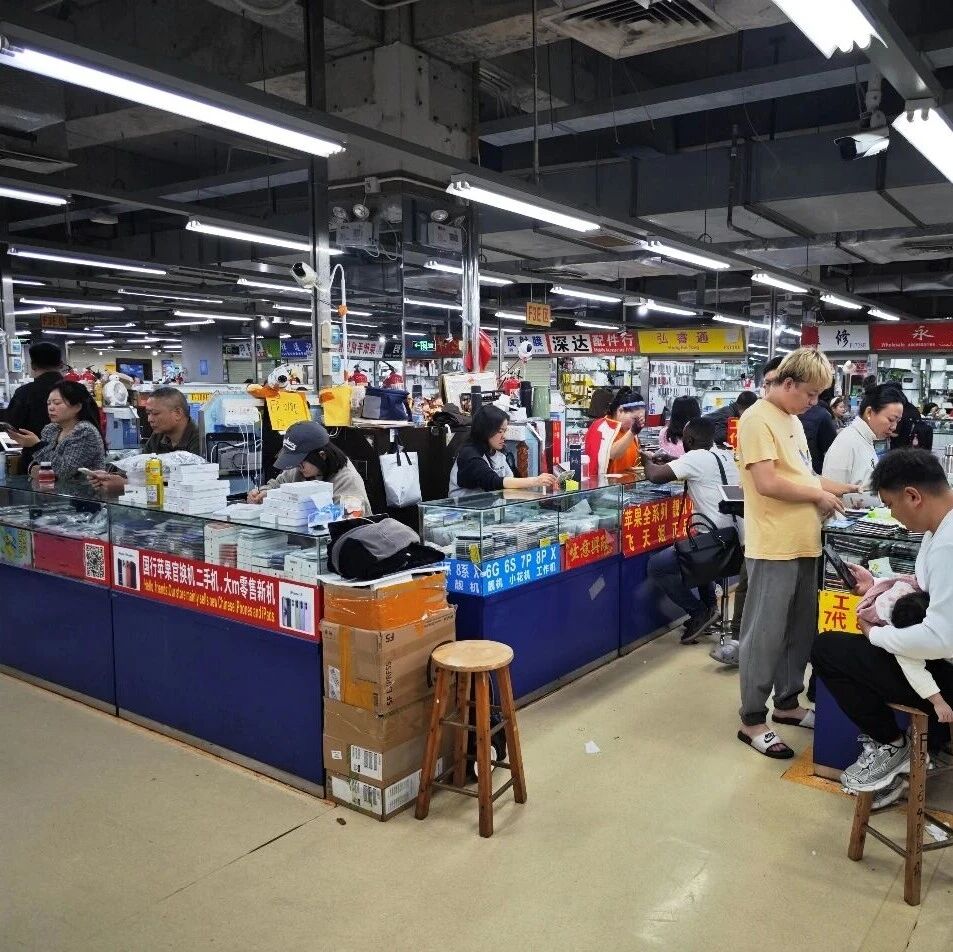
Core Viewpoint - The resilience of Huaqiangbei, known as "China's first electronics street," continues to evolve amidst various market challenges and opportunities, showcasing the adaptability of the Chinese supply chain [2][27]. Group 1: Robotics Market - In early 2025, the popularity of humanoid robots surged, leading to rental prices skyrocketing to 20,000 yuan per day [3]. - By December 2025, the rental market for humanoid robots had collapsed, with rental prices dropping over 70% from their peak, and rental shops disappearing from the market [6][5]. - Experts suggest that the fluctuations in the humanoid robot rental market reflect a transition from speculative hype to rational application, indicating a need for sustainable use cases in the industry [6][7]. Group 2: Tariff Impact - Following the announcement of reciprocal tariffs by the U.S. in April 2025, many merchants in Huaqiangbei reported stability due to diversified market strategies that mitigated risks from tariff barriers [8][11]. - The market has seen a shift towards attracting international customers, with many finding products in Huaqiangbei to be significantly cheaper than in their home countries [9][10]. Group 3: Charging Battery Market - A regulatory crackdown in July 2025 led to the removal of non-3C certified charging batteries from the market, resulting in a price increase for compliant products [14][15]. - The compliance shift has positioned safety and certification as new competitive advantages for Huaqiangbei's charging battery market, enhancing brand value [15]. Group 4: Memory Products - The global storage market has experienced a "super cycle," with prices for memory products doubling since April 2025, driven by high demand from AI data centers [16][19]. - The price of DDR4 memory has surged from over 100 yuan to 300-400 yuan, with expectations that prices will remain high into 2026 due to ongoing demand [17][19]. Group 5: AI Glasses Market - 2025 marked significant growth in the AI glasses market, with numerous brands entering the space, leading to a "white mirror war" in Huaqiangbei, where affordable AI glasses are being produced [20][22]. - The emergence of low-cost AI glasses is expected to lower entry barriers for consumers, fostering market education and user adoption [22]. Group 6: AI Mobile Phones - The introduction of the "Doubao AI phone" by ByteDance and ZTE faced challenges, with limited availability in Huaqiangbei, highlighting the difficulties of experimental products in gaining traction [24][26]. - The situation reflects the broader challenges faced by AI mobile phones, which must overcome issues related to technology maturity, ecosystem collaboration, and user acceptance to achieve mass production [26]. Group 7: Overall Resilience - Huaqiangbei's ability to adapt to external pressures and market changes illustrates the strength of the Chinese supply chain, characterized by a dynamic response network and collaborative ecosystem among merchants [27][28]. - The ongoing evolution of Huaqiangbei demonstrates that resilience is not merely about enduring challenges but also about leveraging them to enhance operational efficiency and market positioning [27].
2026年五大猜想:入口争夺大年
GOLDEN SUN SECURITIES· 2025-12-31 13:32
Group 1: Model Development - The report anticipates continuous breakthroughs in AI model capabilities by 2026, particularly in multi-modal reasoning, long-context processing, and reducing hallucination rates, which will enhance industrialization in content and support AI's extension into specialized applications [1][13][21] - Multi-modal models are expected to evolve, broadening their application scenarios and commercial boundaries, with significant advancements in reasoning and video generation capabilities [13][15] - The reduction of model hallucination rates is seen as a critical factor for accelerating the adoption of AI in specialized fields such as finance and healthcare, with leading models achieving hallucination rates between 3% and 6% [29][30] Group 2: AI Applications - The competition for C-end AI applications is intensifying, with major players like OpenAI and Google adopting different strategies to establish their ecosystems, focusing on user engagement and service integration [32][34] - In the B-end applications, AI Coding, AI Marketing, and AI for Science are expected to see rapid deployment, driven by advancements in multi-modal capabilities and context processing [37][38] - The report highlights that AI applications will evolve into a unified entry point, allowing users to access multiple functionalities through a single interface, thus transforming the user experience [38] Group 3: Hardware and End-User Devices - The report predicts that end-user devices, particularly smartphones and PCs, may face sales pressure due to rising storage costs, but innovations like foldable devices will remain structural highlights [2][3] - AI and AR glasses are expected to gain traction as supply chains mature, with major companies entering the market, indicating a shift towards a Physical AI era [2][3] - AIOT products, including smart wearables and smart home devices, are anticipated to flourish, with end-side AI functionalities evolving from simple interactions to proactive task completion [2][3] Group 4: Robotaxi and Autonomous Driving - The Robotaxi market is expected to experience significant expansion by 2026, with key players like Waymo and Tesla leveraging technological advantages for scaling [3][4] - The report notes that the Robotaxi sector is characterized by network effects and winner-takes-all dynamics, with both traditional automakers and internet companies entering the market [3][4] - The competition in the Robotaxi space will intensify as various stakeholders collaborate to establish ecosystems, indicating a shift towards a more integrated approach in autonomous driving [3][4] Group 5: Automotive OEMs - Automotive manufacturers are expanding their boundaries beyond traditional vehicles into areas like robotics and flying cars, transitioning towards becoming physical AI companies [4][5] - The integration of AI agents is expected to transform vehicles from passive responders to proactive service providers, enhancing user experience [4][5] - The report emphasizes the need for vertical integration in supply chains to achieve cost efficiency and product differentiation in the competitive automotive landscape [4][5]



深圳创新四姐妹,2025年三大关键词
2 1 Shi Ji Jing Ji Bao Dao· 2025-12-31 13:03
Core Viewpoint - The rapid development of artificial intelligence (AI) is prompting a revaluation of technology assets globally, with Shenzhen emerging as a focal point for investors seeking opportunities in China. The city has produced several leading tech giants, referred to as the "Four Sisters" of innovation: Huawei, Tencent, Ping An, and BYD, all of which have market capitalizations exceeding 1 trillion yuan and revenues above 600 billion yuan, with Ping An surpassing 1 trillion yuan in revenue for 2024 [1][2][4]. Group 1: Value Reassessment - The "Four Sisters" have experienced a collective value reassessment, with stock prices and market capitalizations reaching new highs. Excluding Huawei, which is not publicly listed, Tencent, Ping An, and BYD have all recorded significant stock price increases this year, benefiting from the narrative of asset revaluation in China [4][5]. - As of December 29, the average stock price increase for the "Four Sisters" was 44.87%, outperforming the average increase of 27.95% for the "Magnificent Seven" in the U.S. [5][6]. - Ping An's stock price rose by 52.25%, Tencent by 44.29%, and BYD by 10.47% this year, with all three companies achieving new market capitalization highs [7][9]. Group 2: AI Development - The "Four Sisters" are heavily investing in AI, engaging in a talent acquisition race and increasing R&D expenditures to secure a competitive edge in AI technology. For instance, Tencent has recruited top AI talent, while Huawei has launched a global recruitment initiative for AI experts [11][12]. - R&D spending has surged, with Huawei's R&D expenses reaching 96.95 billion yuan, accounting for 22.7% of its revenue, and Tencent's R&D expenditure hitting 22.82 billion yuan, a 28% increase year-on-year [12][13]. - Each company has adopted a differentiated approach to AI: Huawei focuses on foundational technologies, Tencent aims to integrate AI into its social applications, Ping An emphasizes AI in financial and healthcare services, and BYD incorporates AI into smart transportation solutions [15][16]. Group 3: Global Influence and Expansion - The global influence of the "Four Sisters" has increased, as evidenced by their improved rankings in the 2025 Fortune Global 500 and Kantar BrandZ lists. Ping An ranked 13th, Huawei 24th, BYD 27th, and Tencent 32nd in the Fortune list [16][17]. - BYD has surpassed Tesla to become the world's top electric vehicle seller, with exports growing by 144% year-on-year [16][17]. - Tencent's international gaming revenue grew by 43% to 20.8 billion yuan, while its cloud business has maintained high double-digit growth, serving a significant portion of leading overseas internet and gaming companies [17][18].
中金快讯 | 中金公司保荐AI制药龙头「英矽智能」完成港股IPO
Sou Hu Cai Jing· 2025-12-31 13:02
Group 1 - InSilico Medicine Cayman TopCo, referred to as "InSilico", officially listed on the Hong Kong Stock Exchange on December 30, with a pre-green shoe financing scale of HKD 22.77 billion and a post-green shoe financing scale of HKD 26.19 billion, assuming full exercise of the green shoe option [2] - This IPO is the largest for an AI pharmaceutical company in Hong Kong and the largest biotech IPO since 2025, reflecting strong market interest and recognition of InSilico's leadership in the AI pharmaceutical sector [2] - The offering attracted 15 cornerstone investors, including Eli Lilly, Tencent, Temasek, Schroders, UBS, Oak Tree Capital, E Fund, and Taikang Life, with international placement oversubscribed by 26.27 times and Hong Kong public offering oversubscribed by approximately 1427.37 times [2] Group 2 - CICC has been supporting InSilico since 2022, providing comprehensive cross-market services and leveraging its expertise in the TMT and pharmaceutical sectors to effectively promote the project and engage with global investors [3] - The project exemplifies CICC's capability in facilitating global capital operations for high-tech enterprises, with plans to continue providing comprehensive financial services to enhance the global competitiveness of international high-tech companies [3] - InSilico is a global AI-driven drug discovery and development company, utilizing its proprietary Pharma.AI platform to generate over 20 clinical or IND-stage assets, with three assets licensed to international pharmaceutical and healthcare companies, totaling a contract value of up to USD 2.1 billion [3]

深圳创新四姐妹,2025年三大关键词
21世纪经济报道· 2025-12-31 12:50
Core Viewpoint - The rapid development of artificial intelligence (AI) is prompting a revaluation of technology assets globally, with Shenzhen emerging as a focal point for investors seeking opportunities in China. The city has produced several tech giants, referred to as the "Four Sisters" of innovation: Huawei, Tencent, China Ping An, and BYD, all of which have market capitalizations exceeding 1 trillion yuan and revenues above 600 billion yuan, with Ping An's revenue surpassing 1 trillion yuan in 2024 [1][2]. Group 1: Characteristics of the "Four Sisters" - The "Four Sisters" have experienced a collective revaluation, with stock prices and market capitalizations reaching new highs. Except for Huawei, which is not publicly listed, Tencent, Ping An, and BYD have all seen significant stock price increases this year, benefiting from the narrative of asset revaluation in China [3][4]. - The average stock price increase for the "Four Sisters" is 44.87% year-to-date, outperforming the average increase of 27.95% for the "Magnificent Seven" in the U.S. [4][5]. - Each of the "Four Sisters" has achieved record market capitalizations this year, with Tencent reaching a peak of 683 HKD per share and a market cap of 5.45 trillion HKD, while Ping An's market cap is around 1.3 trillion HKD [6][7]. Group 2: AI Investment and Strategy - The "Four Sisters" are heavily investing in AI, engaging in a talent acquisition race and increasing R&D expenditures. For instance, Huawei's R&D spending reached 96.95 billion yuan in the first half of the year, accounting for 22.7% of its revenue [8][9]. - Each company has a differentiated AI strategy: Huawei focuses on foundational technologies, Tencent integrates AI into its social applications, Ping An emphasizes AI in financial and healthcare services, and BYD incorporates AI into smart transportation solutions [12][13]. Group 3: Global Expansion and Influence - The global influence of the "Four Sisters" is on the rise, as evidenced by their improved rankings in the 2025 Fortune Global 500 and Kantar BrandZ lists. Ping An ranks 13th, Huawei 24th, BYD 27th, and Tencent 32nd [13][14]. - BYD has surpassed Tesla in global electric vehicle sales, exporting 878,000 units from January to November, a 144% increase year-on-year. Huawei operates in over 170 countries, while Tencent's international gaming revenue grew by 43% [14][15].

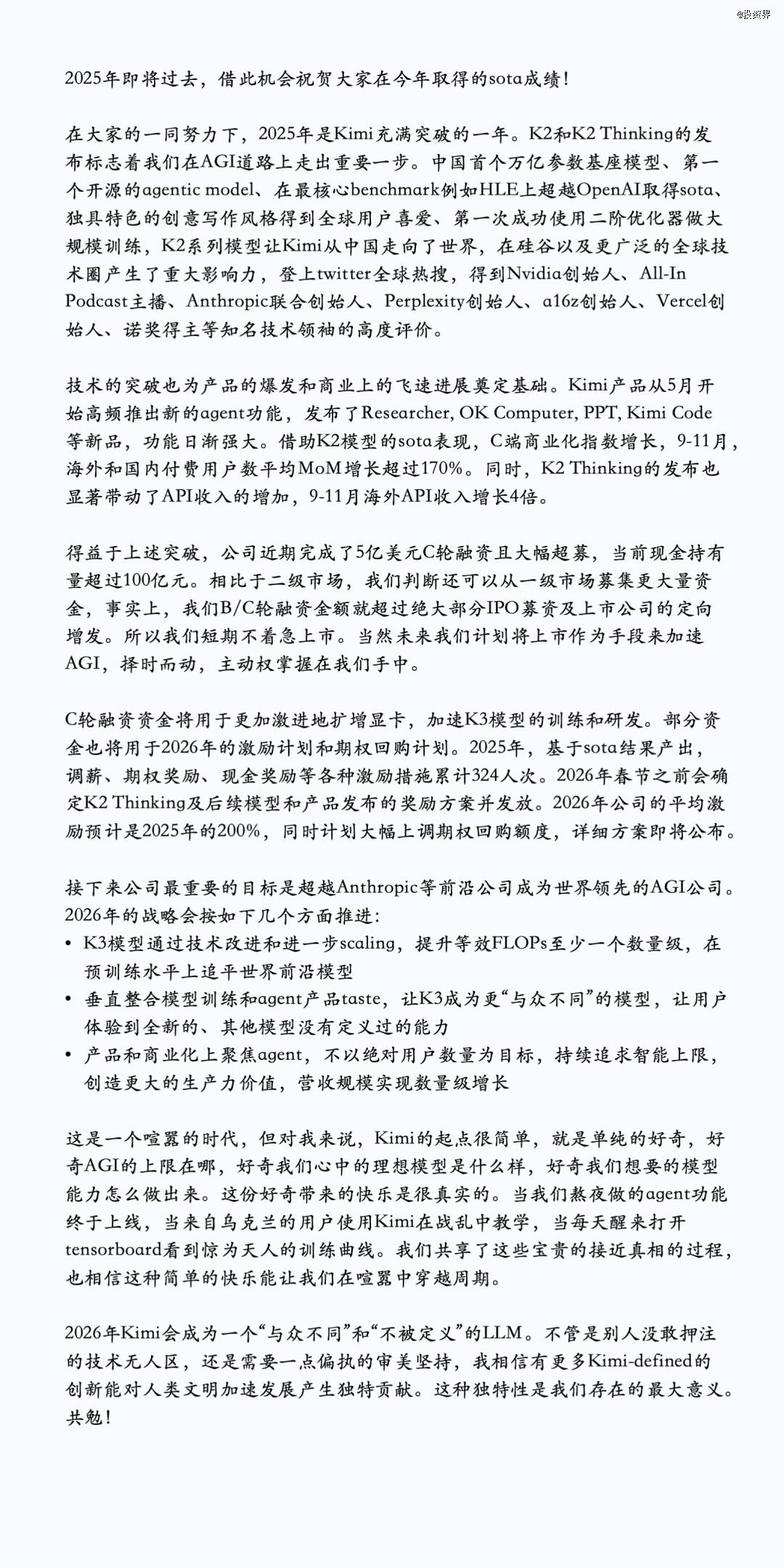
Kimi账上100亿,杨植麟:我们不着急上市
Sou Hu Cai Jing· 2025-12-31 12:03
Core Insights - The company "月之暗面" (Kimi) has successfully completed a $500 million Series C funding round, significantly oversubscribed by existing investors including Alibaba, Tencent, and Wang Huiwen [2][4] - Following this funding round, the post-money valuation of Kimi has surged to $4.3 billion (approximately 30 billion RMB) [3][4] - Kimi's current cash reserves exceed 10 billion RMB, which is nearly equivalent to the combined cash reserves of its competitors, 智谱 (Zhiyu) and MiniMax [3][11] Funding and Valuation - The Series C funding round was notable for its scale, with Kimi's valuation having previously crossed the $3 billion mark [4] - The company has attracted significant interest from top-tier venture capital firms and major tech companies, indicating strong market confidence [4][6] - Kimi's funding success is attributed to its strong performance in the large model market, particularly with its K2 model, which has received critical acclaim [5][6] Product and Technology Development - Kimi's K2 model has achieved state-of-the-art (SOTA) results in key benchmarks, surpassing competitors like OpenAI [5][16] - The company has introduced new features such as the "OK Computer" agent, which enhances its commercial offerings by enabling users to perform various tasks [4][16] - The company plans to further develop its K3 model, aiming to improve its performance significantly and integrate more advanced capabilities [7][17] Commercialization and User Growth - Kimi has reported a substantial increase in its commercial metrics, with a month-over-month growth of over 170% in paid users from September to November [5][16] - The release of K2 Thinking has also led to a fourfold increase in overseas API revenue during the same period [5][16] - The company is focusing on enhancing its agent products rather than solely increasing user numbers, aiming for greater productivity and revenue growth [7][17] Strategic Outlook - Kimi's CEO has indicated that the company is not in a rush to go public, preferring to leverage its strong cash position to fund further growth and development [11][12] - The company plans to use part of the Series C funding for employee incentives and stock buyback programs, aiming to attract and retain top talent [17] - Kimi's long-term goal is to surpass leading companies in the AGI space, positioning itself as a world leader in artificial general intelligence [7][17]
离岸观澜| 2025年中资离岸债盘点:中国跻身亚洲最大离岸美元债市场
Xin Lang Cai Jing· 2025-12-31 11:44
Core Viewpoint - The offshore bond market for Chinese enterprises is experiencing stable growth in issuance, with a notable performance in the high-yield sector, as evidenced by a total issuance of approximately $312.26 billion in 2025, marking a 24% increase from 2024 [2][3]. Group 1: Issuance Overview - In 2025, the total issuance of Chinese offshore bonds reached approximately $312.26 billion, with 1,448 bonds issued, reflecting a year-on-year growth of about 24% [2][3]. - The market has become the largest offshore dollar bond market in Asia and the second largest globally [3]. - The issuance structure is diversified, with 791 dollar bonds, 375 renminbi bonds, and bonds in other currencies including Hong Kong dollars, Japanese yen, and euros [3]. Group 2: Market Dynamics - The second half of 2025 saw improved issuance conditions due to successful restructuring of real estate debts, with net financing gaps turning positive [2][3]. - The dual-currency structure of the offshore bond market has strengthened, with a continued trend towards currency diversification [3]. Group 3: Sectoral Insights - The structure of offshore debt issuance is dominated by financial bonds (53%), followed by industrial bonds (24%), with real estate and urban investment bonds making up 15% and 8% respectively [4]. - New growth points in the market include industrial bonds, internet company bonds (e.g., Alibaba, Tencent), and green bonds, particularly following the launch of green bond pilot programs [4][6]. Group 4: Secondary Market Performance - The secondary market for Chinese offshore bonds has shown positive returns, with the Markit iBoxx Chinese dollar bond index rising by 6.88% by the end of 2025 [7][10]. - High-yield Chinese dollar bonds outperformed investment-grade bonds, with a return of 7.94% compared to 7.21% for investment-grade bonds [7][10]. Group 5: Future Outlook - The repayment pressure for offshore bonds is expected to remain significant in 2026, particularly from April to July, with a total repayment demand peaking during this period [12]. - Despite the anticipated repayment pressures, the market is expected to continue its recovery trend, although large-scale issuance may not be realized [12].

