万科

Search documents
万科债务展期进入“加时赛”:三项议案未通过,5天宽限期成关键
Xin Jing Bao· 2025-12-16 11:41
Core Viewpoint - Vanke's debt extension negotiations have reached a critical juncture, with the failure of three proposed extension plans leading to a five-day grace period for the "22 Vanke MTN004" bond, which has a principal repayment date of December 15, 2025 [1][2][3] Group 1: Debt Extension Proposals - The "22 Vanke MTN004" bond has an outstanding balance of 2 billion, and the first holder meeting on December 10 failed to pass any of the three proposed extension plans [2] - The first proposal received no votes in favor, the second proposal garnered 83.4% support but fell short of the 90% threshold, and the third proposal only received 18.95% support [2] - Vanke expressed regret over the voting results and committed to further communication and collaboration with stakeholders to find a solution [2][4] Group 2: Grace Period and Future Meetings - The company is currently in a five-day grace period, during which interest will accrue at a rate 5 basis points above the coupon rate on the unpaid principal and interest [3] - A second holder meeting is scheduled for December 18 to continue negotiations regarding the bond [5] Group 3: Market Reactions and Investor Sentiment - Following the news, Vanke's bond prices experienced volatility, with significant declines in several bonds on December 15, while some recovered in the days leading up to the meeting [6] - A positive development for Vanke was the successful one-year extension of a HKD 1.05 billion bank loan, which alleviated some short-term liquidity concerns [6] Group 4: Creditor Concerns and Negotiation Dynamics - The failure of the first round of proposals highlights the differing risk assessments and interests between creditors and the company, with creditors favoring immediate asset recovery over debt extensions [7][8] - Vanke faces significant repayment pressures, with a total of 5.7 billion in domestic debt maturing by December 2025, alongside additional upcoming obligations in subsequent years [8][9] Group 5: Future Implications - The ongoing negotiations are critical, as unresolved issues could lead to broader repercussions for Vanke and the real estate sector if a mutually acceptable solution is not reached [9]

羡慕段永平的王石,真的老了
36氪· 2025-12-16 11:08
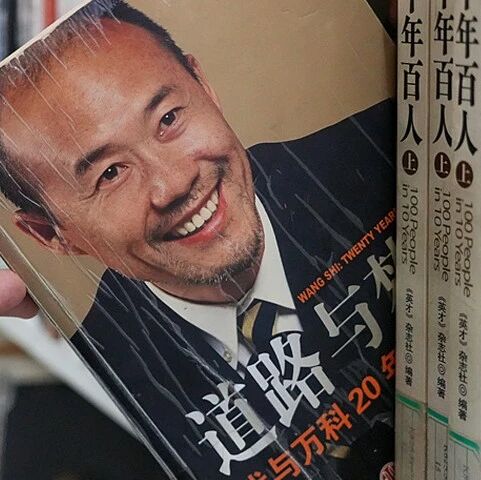
Core Viewpoint - The article reflects on the journey of Vanke and its founder Wang Shi, highlighting the company's rise and subsequent challenges, emphasizing the impact of market dynamics and Wang's management style on Vanke's trajectory [5][25][27]. Group 1: Company History and Development - Wang Shi began his career in 1983 at Shenzhen Special Economic Zone Development Company, where he gained initial capital through feed trade, leading to the establishment of Vanke's predecessor in 1984 [9][11]. - Vanke underwent significant transformations, including a shareholding reform in 1986, which aimed to clarify ownership but faced challenges due to the political landscape of the time [13][14]. - By 1991, Vanke was listed on the Shenzhen Stock Exchange, with a diverse shareholding structure that included state-owned and foreign investments, setting the stage for its future growth in the real estate sector [16][17]. Group 2: Market Position and Strategy - Vanke quickly adapted to the real estate market, transitioning from a diversified business model to a focused real estate developer, becoming a leader in the industry by the late 1990s [19][20]. - The company emphasized product quality and customer service, distinguishing itself from competitors and establishing a strong brand reputation in the mid to late 2000s [21][22]. - Vanke's strategic decisions during the "Silver Age" of real estate focused on enhancing quality over mere expansion, which contributed to its strong financial health and market position [22]. Group 3: Challenges and Controversies - Vanke faced significant challenges during two major shareholder disputes, the "Junwan Battle" in 1994 and the "Baowan Battle" starting in 2015, which highlighted Wang Shi's confrontational approach and strong desire for control [25][26]. - The aftermath of the "Baowan Battle" led to substantial financial strain on Vanke, as aggressive tactics resulted in a depletion of resources and a shift away from its previously stable growth strategy [26][27]. - The article suggests that Wang Shi's reluctance to adapt to market dynamics and his intense control over the company contributed to Vanke's current difficulties, reflecting broader issues within the entrepreneurial landscape of China [27].

从贝宸S1到C2M方法论,贝好家探索构建住宅开发新模式
Jing Ji Guan Cha Wang· 2025-12-16 10:17
Core Insights - The real estate industry is transitioning from a "seller's market" to a "buyer's market," as traditional sales efficiency-driven models are failing in the current stock game phase [1] - Beike Group has launched the "One Body Three Wings" strategy, establishing the Beihome business line, which has successfully implemented projects in 11 cities and partnered with several prominent developers [1][11] - The Beichen S1 project in Chengdu exemplifies a new development model that prioritizes product quality over cost efficiency, achieving significant market success shortly after launch [1][3] Group 1: Strategic Initiatives - Beike Group's Beihome has established 17 projects across 11 cities, collaborating with top developers like China Overseas Land & Investment and China State Construction Engineering [1] - The Beichen S1 project has redefined luxury housing standards, ranking second in the luxury housing sales in Chengdu within a month of opening [1][3] - The project emphasizes a customer-centric approach, moving away from traditional design standards to meet actual customer needs [2][3] Group 2: Product Development and Design - The design philosophy of Beihome focuses on delivering what customers truly want, avoiding unnecessary luxury features that do not enhance long-term usability [2][3] - Beichen S1 incorporates innovative features such as optimized building orientation for better views and practical amenities tailored to resident needs [3][4] - The project has invested in smart home technology, integrating a comprehensive system that enhances living comfort and prepares for future technological advancements [5] Group 3: Market Adaptation and Customer Engagement - Beihome's C2M (Customer to Manufacturer) model is being validated through various projects, demonstrating its adaptability across different market conditions and customer demographics [6][9] - The company has successfully identified and addressed real customer needs in different regions, leading to strong sales performance in new developments [6][7] - The C2M approach is not merely a marketing tool but a comprehensive methodology that informs all stages of development, from land acquisition to sales [8][9] Group 4: Industry Trends and Future Outlook - The real estate market is shifting towards a focus on long-term living experiences rather than short-term investment returns, with a growing emphasis on customer satisfaction [8][10] - Beihome's approach is positioned as a response to the increasing competition from existing properties, aiming to enhance project success rates through data-driven insights [9][10] - The company is expanding its operations across major cities in China, establishing a presence in over ten key markets [11]
破位了 | 谈股论金
水皮More· 2025-12-16 09:30
Market Overview - The A-share market experienced a collective decline today, with the Shanghai Composite Index falling by 1.11% to close at 3824.81 points, the Shenzhen Component down by 1.51% to 12914.67 points, and the ChiNext Index dropping by 2.10% to 3071.76 points [2][3] - The trading volume in the Shanghai and Shenzhen markets was 1.72 trillion yuan, a decrease of 49.3 billion yuan compared to the previous day [2][3] Index Performance - The Shanghai Composite Index reached a new closing low of 3824 points, marking the lowest point in the current adjustment phase [3] - A total of 888 stocks rose while 4294 stocks fell, indicating a significant imbalance in market performance [3] - The median decline for all stocks was approximately 1.8%, with 46 stocks hitting the daily limit up and 36 stocks hitting the limit down [3] Sector Analysis - The consumer sector showed relative resilience, with sectors such as liquor, commercial retail, tourism, food and beverage, and beauty services experiencing smaller declines [4] - Real estate services, automotive services, and banking and securities sectors also demonstrated limited declines despite not closing in the green [4] Capital Flow - Major capital outflows were concentrated in the technology sector, particularly in CPU, communication equipment, semiconductors, and consumer electronics [5] - The new energy and non-ferrous metals sectors also faced adjustments today [5] External Influences - The U.S. stock market experienced a significant downturn, impacting the A-share market, particularly in technology stocks [5][6] - Concerns over the AI bubble have intensified, with a recent storm causing delays in data center construction, leading to a reevaluation of valuations for related operators [6] - The tightening liquidity in the market and the upcoming interest rate hike by the Bank of Japan on December 19 are expected to have a pronounced effect on the Hong Kong stock market, which could further influence A-share market expectations [6]

Chinese Stocks Near Correction as Rally Fades on Weak Economy
Yahoo Finance· 2025-12-16 09:13
Market Performance - Chinese stocks in Hong Kong experienced a significant selloff, with the Hang Seng China Enterprises Index declining by 1.8% and the MSCI China Index falling by 1.6%, both indices briefly entering technical correction territory [1] - Major tech companies like Alibaba Group Holding Ltd. and Tencent Holdings Ltd. were among the largest contributors to this decline, with a gauge of tech stocks in Hong Kong nearing bear market conditions [1] Economic Concerns - The recent pullback in the market has raised concerns about fragile investor confidence due to ongoing economic weakness and the Chinese government's hesitance to implement substantial stimulus measures [2] - New data indicating further deterioration in economic confidence has heightened worries about potential spillover effects into other asset classes [2] Investment Sentiment - Investors are reevaluating their positions in China's equity market following a surge earlier in the year, with concerns about stretched valuations in the tech sector and broader benchmarks contributing to declining confidence [4] - The fragility of the market was evident after reports showed a slump in Chinese investment and the slowest retail sales growth since the COVID-19 pandemic, leading to market instability [5] Real Estate and Consumption Issues - Home prices in China have resumed their decline, exacerbating fears regarding the ongoing real estate crisis, particularly in light of China Vanke Co.'s increasing debt problems [5] - Issues such as deflation, weak consumption, and real estate challenges remain unresolved, prompting profit-taking among investors amid uncertainty [3] Government Policy and Economic Quality - President Xi Jinping has expressed intentions to address "reckless" projects that do not contribute to meaningful growth, reflecting concerns over the quality of GDP growth and financial resource allocation [6] Tech Sector Challenges - The tech sector is facing worries about an artificial intelligence bubble, compounded by weak macroeconomic conditions and a lack of significant catalysts from recent economic policy meetings [7]
政策组合拳发力!房地产板块异动,世联行封板,低估值赛道迎修复窗口!
Jin Rong Jie· 2025-12-16 08:31
Core Viewpoint - The A-share real estate sector has experienced a significant rally, reflecting market confidence in policy support and structural opportunities within the industry [1] Group 1: Policy and Market Dynamics - The Central Economic Work Conference emphasized stabilizing the real estate market, focusing on "controlling increments, reducing inventory, and optimizing supply" [1] - The conference also highlighted the importance of deepening housing provident fund reforms as a key measure to stabilize the market, with over 260 related policies introduced since 2025 [2] - The financing environment is showing signs of improvement, with a narrowing decline in domestic loans to 2.5%, despite a year-on-year drop of 11.9% in funds available to real estate developers [2] Group 2: Industry Trends and Transformations - The concept of "good housing" was introduced, focusing on safety, sustainability, and smart attributes to meet diverse needs, indicating a shift towards refined construction practices [3] - The demand for real estate services is expected to grow due to the activation of existing housing transactions and quality improvement needs, benefiting companies like World Union [4] - The construction and building materials sector is anticipated to see demand upgrades driven by the "good housing" initiative and urban renewal projects, positively impacting orders for related materials [4] Group 3: Benefiting Sectors - The real estate service sector is likely to benefit from the ongoing demand for housing brokerage and property management services, particularly as policies shift towards converting existing housing into affordable options [4] - The home appliance and furniture sectors are expected to experience growth due to the rising demand for improved living quality, with a notable increase in the share of smart and elderly-friendly products [4]

债市在恐慌什么?超长债大幅深跌后反弹
Di Yi Cai Jing· 2025-12-16 08:23
Group 1 - The bond market is experiencing significant volatility, with long-term bonds facing a sharp decline despite positive macroeconomic signals, leading to a lack of buying power among traders [1][2][3] - On Monday, the yield on 30-year government bonds rose by 3.6 basis points to over 2.28%, marking a total increase of 7.5 basis points over two trading days, while the 10-year bond yield approached 1.86%, both reaching new highs since the end of September [1][2] - The market sentiment is influenced by fears of panic selling, as traders react to the uncertainty surrounding the repayment prospects of Vanke's bonds, which has led to increased selling pressure on government bonds [3][4] Group 2 - Recent economic data indicates a slowdown in several macroeconomic indicators, with industrial output growth at 4.8% year-on-year, a slight decline from the previous month, and retail sales growth dropping to 1.3%, marking six consecutive months of decline [3] - The bond market's liquidity remains relatively loose, with the overnight repo rate staying below 1.3%, and the central bank has shown a clear intention to support liquidity through operations like reverse repos [3][5] - The widening yield spread between long-term and short-term bonds reflects ongoing selling pressure, particularly on long-term bonds, as institutions adjust their portfolios in response to year-end considerations and changing market conditions [5][6][7]
交易所债券市场收盘 万科境内债普遍上涨
Xin Lang Cai Jing· 2025-12-16 07:39
Group 1 - The core viewpoint of the article highlights the significant increase in the domestic bond market for Vanke, with multiple bonds experiencing notable price rises [1] Group 2 - The bonds "23 Vanke 01", "21 Vanke 04", "22 Vanke 02", and "22 Vanke 04" rose over 17% [1] - The bonds "22 Vanke 06" and "21 Vanke 06" increased by more than 14% [1] - The bond "21 Vanke 02" saw an increase of over 7% [1]
延续趋势,金融风险减少
Haitong Securities International· 2025-12-16 07:07
Investment Rating - The report maintains a positive outlook for the real estate sector, indicating low financial risk and persistent economic pressure for 2026, with no expectation of systemic financial risks [1][61]. Core Insights - The real estate sector is expected to provide a favorable environment in 2026, continuing the trends observed in 2025, with a focus on financial stability [1][61]. - Key companies to watch include: 1) Development: A-Shares - China Vanke, Poly Developments, China Merchants Shekou, Gemdale; H-Shares - China Overseas Land & Investment 2) Residential and Commercial: Longfor Group 3) Property Management: Onewo, China Resources Mixc, China Overseas Property, Poly Property, China Merchants Property, ChongQing New DaZheng 4) Cultural and Tourism: Shenzhen Overseas Chinese Town [1][61]. Summary by Sections Investment Trends - In 2025, the cumulative development investment decreased by 15.9% compared to 2024, with a significant drop in new construction area by 20.5% and sales value by 11.1% [5][10]. - The report highlights a monthly decline in development investment of 31.4%, new construction area by 27.7%, and sales value by 26.1% [61][70]. Market Dynamics - The unsold area indicator suggests eased pressure on developers, with expectations of reduced real estate investment continuing into 2026 [62][70]. - The report indicates that the negative contribution of real estate to the macro economy may stabilize, with a projected investment decrease of approximately 1.6 trillion RMB in 2025 compared to 2024 [63][72]. Financial Sources - Total funding sources for real estate reached 8.51 trillion RMB in 2025, reflecting an 11.9% year-on-year decline [43][47]. - Domestic loans accounted for 15.44% of funding sources, with a decrease of 2.5% year-on-year [47][50].
万科20亿债券展期全流产,还差7%支持率,5天生死博弈倒计时
Sou Hu Cai Jing· 2025-12-16 06:28
Core Viewpoint - Vanke, once a leader in the real estate industry, is facing an unprecedented debt repayment crisis due to an upcoming domestic bond maturity, specifically the "22 Vanke MTN004" bond, which amounts to 2 billion yuan [1]. Group 1: Debt Situation - The bond, originally due on December 15, 2025, requires Vanke to repay 2 billion yuan in principal along with the final year's interest [1]. - Vanke's liquidity is tightening amid an overall downturn in the real estate sector, compounded by reduced financial support from its major shareholder, Shenzhen Metro [1]. - Vanke proposed three different extension plans to negotiate with creditors, all of which ultimately failed to gain approval [1]. Group 2: Proposed Plans - The first plan simply proposed a one-year extension of the repayment period with a maintained interest rate of 3%, lacking additional guarantees, which creditors deemed insufficient [1]. - The second and third plans included a credit enhancement mechanism with a guarantee from Shenzhen state-owned assets, providing some security for creditors [2]. - The second plan received 83.4% approval from voting rights, a notably high percentage, but failed to meet the 90% threshold required for enactment [4]. Group 3: Consequences of Failure - If Vanke cannot secure the remaining 7% of voting rights support within the five working days following December 15, it will face unavoidable default, marking its first domestic public debt default [6]. - This default could trigger cross-default clauses, potentially leading to demands for early repayment of other outstanding debts, resulting in a repayment pressure of hundreds of billions of yuan [7]. - A full default may necessitate debt restructuring, which would preserve the company's operational status and listing while addressing its debt issues [9]. Group 4: Importance of Negotiation - The next five working days are critical for Vanke, as successful negotiations could alleviate liquidity pressures, while failure could lead to a chain reaction of defaults and significant impacts on the company's reputation and market confidence [11].