
政策底

Search documents
开盘前,世界已经“押上全部”
Sou Hu Cai Jing· 2026-01-17 23:22
政局动荡、地缘风险升级,美联储还被司法部调查……放在任何一个历史阶段,这些都应该是"市场暴跌的完美配方"。 但现实却是,美股继续涨,ETF资金疯狂涌入,杠杆多头创历史新高,波动率接近五年低位。特朗普与市场之间的动态关系是双向的,这一切无疑会促使 特朗普进一步启用此前未曾使用过的策略,要做好应对意外情况的准备。 市场已经"押上全部": 来源:华尔街情报圈 世界在变天,但市场在开香槟。 第三,波动率太低了,VIX在历史17%分位,人们已经懒得防风险了。 过去3个月,股票ETF净流入4000亿美元,创纪录; 做多型杠杆ETF规模1450亿美元,做空ETF只有120亿美元; 现金仓位降到历史低位; 信用市场几乎不定价风险; 这已经不是乐观,而是集体All in。 市场想法很简单: 第一,经济数据还行,美联储都不急着降息,自然该涨。 第二,如果出现大跌,特朗普会出现让步。市场把"10%回撤"当成政策底,但特朗普的底线可能在30%,这个错位,是未来最大的不对称风险。 风险也愈发明显: 此外,仓位太一致,所有人都在做多,所有人都在忽略政策不确定性。 现在的市场就像一辆在高速上行驶的跑车,路况不错,天气晴朗,引擎状态良好。所 ...


科创板低开反弹,科创成长ETF易方达(588020)、科创50ETF易方达(588080)助力把握“科技牛”投资机会
Sou Hu Cai Jing· 2026-01-09 05:14
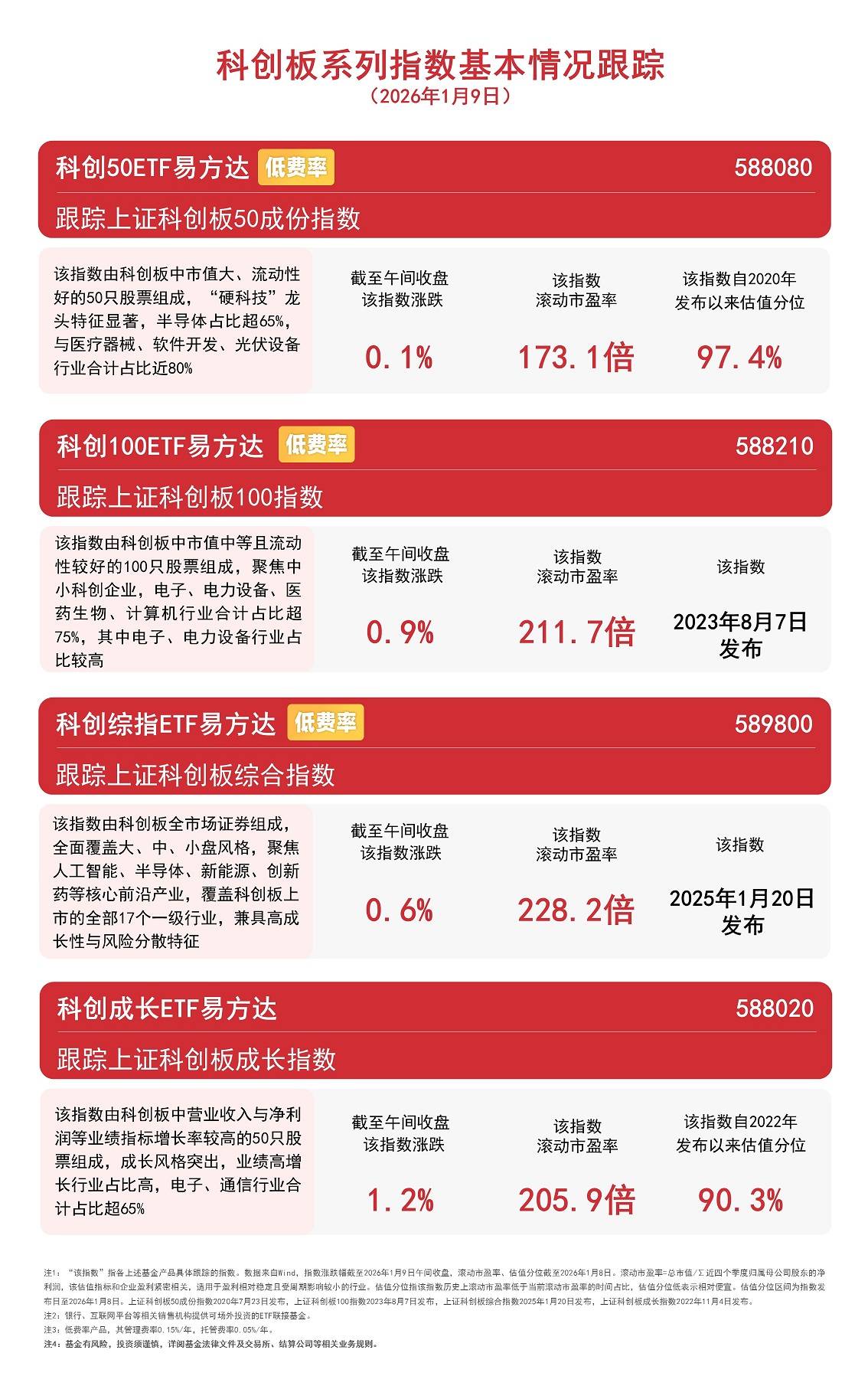
Group 1 - The core viewpoint of the article indicates that the technology sector is expected to lead the market recovery, with a potential "Bull Market 2.0" emerging as the "policy bottom, market bottom, and economic bottom" are validated by 2026 [1] - The ChiNext Growth Index rose by 1.2%, the ChiNext 100 Index increased by 0.9%, the ChiNext Composite Index went up by 0.6%, and the ChiNext 50 Index saw a slight rise of 0.1% at the midday close [1] - The report from Shenwan Hongyuan Securities suggests that the upcoming bull market will primarily be driven by technology and the enhancement of China's global influence, with potential for a small rebound in tech growth before spring 2026 [1]
【申万宏源策略】周度研究成果(11.24-11.30)
申万宏源研究· 2025-12-02 05:19
Market Overview - The market experienced a rebound after a period of decline, but the adjustment in technology growth stocks has not fully resolved, indicating that while the price adjustment is over half complete, the time for recovery remains insufficient [5] - The spring market is characterized by potential effective rebounds in offensive assets like technology and cyclical stocks, but the upward breakthrough logic may be difficult to realize, suggesting a limited upper range for the spring market [5] - Short-term rebounds are expected, with the "policy bottom" potentially being validated earlier, alongside rising prices in cyclical sectors, indicating that cyclical assets may form the foundation for the spring market [5] Industry Valuation and Comparison - As of November 28, 2025, the valuation metrics for major indices are as follows: - CSI All Share (excluding ST) PE at 21.0x, PB at 1.8x, at historical percentiles of 77% and 38% respectively - SSE 50 PE at 11.8x, PB at 1.3x, at historical percentiles of 63% and 42% - ChiNext Index PE at 39.2x, PB at 5.1x, at historical percentiles of 30% and 56% [8][9] - Industries with PE valuations above the 85th percentile include real estate, retail, pharmaceuticals, and IT services, while the medical services sector is below the 15th percentile for both PE and PB [9][10] Global Asset Allocation - The expectation of interest rate cuts in the US has increased, with the probability of a 25 basis point cut in December rising to 86.4%, up from 71.0% the previous week, driven by a weakening labor market [11] - The decline in the US dollar index below 100 indicates a shift to a weaker position, contributing to an inflow of both domestic and foreign capital into the Chinese stock market [11]

帮主郑重:12月A股金股地图,券商重点推荐的三大方向
Sou Hu Cai Jing· 2025-12-01 03:11
Core Viewpoint - The A-share market has experienced declines in November, with the Shanghai Composite Index down 1.67%, the Shenzhen Component Index down nearly 3%, and the ChiNext Index down over 4%. As December approaches, various brokerages have released their recommended stocks for the month, revealing interesting trends in investment preferences [1]. Group 1: Popular Stocks - Midea Group is highlighted as a "popular stock" for December, being included in the recommendation lists of four brokerages. The company shows strong fundamentals in its home appliance business, rapid growth in its new energy and industrial technology sectors, and recent advancements in AI and robotics [3]. - Zhongji Xuchuang is also recommended by three brokerages, having increased by over 8% in November, with a current stock price of 514.5 yuan. The company has a clear technological advantage in the optical module field and is seeing a steady increase in overseas orders [4]. - Not all recommended stocks performed well; for instance, Goldwind Technology saw a decline of 1.85% in November, which may present a better entry opportunity for investors [4]. Group 2: Hot Investment Sectors - The cyclical sector is favored by multiple brokerages, particularly in the basic chemicals and industrial technology fields. Analysts suggest that the end-of-year policy window may validate a "policy bottom," potentially serving as a catalyst for economic growth in 2026 [5]. - The consumer sector is also noted, with a focus on previously lagging consumer stocks that tend to perform better during market fluctuations. The trend of consumption upgrading continues, especially among leading high-end and essential consumer goods, which exhibit strong defensive characteristics and stable long-term returns [5]. - The technology growth sector is advised to focus on less crowded areas. After adjustments in October, concerns regarding AI have largely dissipated, making sectors like gaming, media, and computing more attractive in terms of valuation [5]. Group 3: Mid to Long-term Investment Strategies - A combination of cyclical stocks and policy bottom strategies is recommended, with a focus on monitoring end-of-year policy developments, especially in fiscal and industrial policies, targeting leading companies in chemicals and industrial technology [6]. - Differentiated investments in the technology sector are advised, avoiding overheated AI stocks and concentrating on reasonably valued segments like gaming, media, and computing, with a patient approach to waiting for rotation opportunities [7]. - A balanced allocation strategy is suggested, with 30% in high-dividend, low-volatility financial and consumer leaders as a stabilizing force, and 70% in cyclical and technology growth sectors for aggressive positioning [8]. - A global perspective is encouraged to capture opportunities in resource commodities like gold and copper, as well as in manufacturing sectors benefiting from overseas interest rate cuts, preparing for a potential global economic recovery [8].

帮主郑重:12月A股机会在哪?券商金股扎堆三大方向,中长线这么抓
Sou Hu Cai Jing· 2025-12-01 01:31
Core Viewpoint - The A-share market is currently experiencing fluctuations, with investors uncertain about their positions as December approaches. Analysts are discussing the stocks favored by brokerages for December, highlighting potential investment opportunities and strategies. Group 1: Recommended Stocks - Midea Group stands out as a favored stock, included in the "golden stock" list by four brokerages due to its solid business layout in both high-end home appliances and industrial technology, along with long-term prospects in AI and robotics [3] - Zhongji Xuchuang is also popular, recommended by three brokerages and having risen over 8% in November, indicating early realization of expectations [3] - Jin Feng Technology has shown slight declines in November but remains on brokerages' radar, suggesting underlying support for its selection despite short-term fluctuations [3] Group 2: Industry Directions - Brokerages agree on three main industry focuses: cyclical sectors, consumption, and manufacturing, along with low-crowded technology sectors. They believe that China's assets have independent recovery logic amidst global risks [3] - The end-of-year policy window may validate the "policy bottom," which could positively impact economic growth in 2026, with cyclical sectors likely forming the basis for spring market trends [3] Group 3: Technology Sector Insights - Concerns about debt-driven risks in AI have been noted, with suggestions to focus on less crowded areas such as gaming, media, and computing for better value [4] - The technology sector's crowdedness has improved, making it a favorable time to position in TMT (Technology, Media, and Telecommunications) ahead of market movements [4] Group 4: Defensive Assets - Defensive assets are highlighted as important during market volatility, with high-dividend and consumer sectors expected to perform steadily [4] - In the context of global economic conditions, commodities like gold and copper, as well as manufacturing sectors benefiting from overseas demand, are recommended for early positioning [4] Group 5: Investment Strategy - The market is likely to remain in a consolidation phase in December, but opportunities are emerging. The focus should be on cyclical recovery aligned with policy support, low-crowded technology sectors to mitigate risks, and high-dividend assets for stability [4]




聊聊当下A股市场所处阶段
Sou Hu Cai Jing· 2025-11-30 13:55
Core Viewpoint - The A-share market is currently experiencing significant fluctuations, with the Shanghai Composite Index dropping 3.9% in the penultimate week of November, marking the largest weekly decline of the year, raising concerns among investors about the sustainability of the bull market [1]. Market Phases - The bull market typically progresses through three phases: 1. **Policy Bottom**: Characterized by the government easing monetary policy and introducing favorable measures, despite poor economic data and corporate earnings. This phase sees high volatility as the market reacts to policy changes without fundamental support [2]. 2. **Fundamental Bottom**: In this phase, the effects of policies begin to positively impact the real economy, leading to improved corporate earnings and a simultaneous rise in valuations, resulting in a strong upward market trend [2]. 3. **Sentiment Top**: This phase occurs when economic growth slows, corporate earnings stagnate, and policies may tighten, yet market enthusiasm drives valuations to bubble levels [2]. Current Market Stage - The current market is likely at the end of the first phase and the beginning of the second phase, indicated by increasing activity in M1 and a narrowing year-on-year decline in PPI, which are positive signals. However, the improvement in the real economy is not yet comprehensive, with only "point-like" improvements observed in certain sectors like technology, while traditional industries and real estate remain weak [3]. - The upward potential in the second phase is significant, and despite the index reaching 3,800 points, the overall market performance this year has been strong, with positive expectations for the next year [3]. Investment Opportunities - The market has shown significant divergence this year, with sectors related to technology and external demand performing well, while those tied to consumption and domestic demand have lagged. This disparity in investment returns highlights the importance of sector selection [3]. - Investors are encouraged to either continuously learn and adapt to market changes or to focus on their areas of expertise, as both strategies can yield substantial returns over time [3][4].
2025年第12期:12月1日-12月31日:“申万宏源十大金股组合”
Shenwan Hongyuan Securities· 2025-11-28 15:32
Group 1 - The report presents the "Shenwan Hongyuan Top Ten Stock Portfolio" for December 2025, reflecting the firm's market outlook and stock selection capabilities [1][11] - The previous portfolio saw a decline of 1.90% from November 1 to November 28, 2025, with A-shares averaging a drop of 3.17%, while the Hong Kong stock in the portfolio rose by 9.54% [6][14] - Since the first portfolio release on March 28, 2017, the cumulative return of the portfolio has been 401.02%, with A-shares up 290.03% and Hong Kong stocks up 1250.43% [6][14] Group 2 - The current strategy indicates a balanced style judgment, suggesting a transitional phase rather than a bull-bear conversion, with expectations for a "policy bottom" to support economic growth in 2026 [14] - Recommendations include investing in both cyclical and technology sectors, focusing on basic chemicals, industrial technology, storage, energy storage, and high-dividend low-volatility assets [14] - The top three recommended stocks, referred to as the "Iron Triangle," are Alibaba-W (Hong Kong), JinkoSolar, and Giant Network, highlighting their growth potential and market positioning [17][18] Group 3 - The full list of the top ten stocks includes Alibaba-W, JinkoSolar, Giant Network, Guotou Power, Fuda Co., Yake Technology, Luzhou Laojiao, Tax Friend, Industrial Bank, and AVIC Shenyang Aircraft [17][18] - Each stock is selected based on specific growth drivers, such as Alibaba's shift towards a consumer ecosystem, JinkoSolar's expansion in energy storage, and Giant Network's potential in the gaming sector [17][18][20] - The report provides detailed valuation and profit forecasts for each stock, indicating expected growth rates and price-to-earnings ratios [22][23]
申万宏源策略一周回顾展望(25/11/17-25/11/22):调整是也只是怀疑牛市级别
Shenwan Hongyuan Securities· 2025-11-22 12:46
Core Viewpoints - The current adjustment is characterized as a "doubtful bull market level," indicating that the major trends in the AI industry chain have not ended, although there are short-term fluctuations and a temporary lack of cost-effectiveness in large trends. This situation resembles historical patterns observed in early 2014, early 2018, and early 2021 [1][3][5] - The "two-stage bull market theory" remains unchanged, suggesting that the transition from Bull Market 1.0 to 2.0 is a typical feature of the A-share bull market cycle. The transition period is expected to occur in the first half of 2026, with a full bull market potentially starting in the second half of 2026 [1][5][6] Summary by Sections Adjustment Phase - The adjustment phase is seen as a "doubtful bull market level," where the AI industry chain is experiencing a lack of cost-effectiveness, leading to a market correction. Historical experiences indicate that such adjustments are typical and often occur in quarterly cycles [3][4] - The current market conditions show that the implied equity risk premium (ERP) in sectors like telecommunications and electronics is still above historical lows, while the price-to-earnings (PE) ratios are at absolute historical highs [3][4] Spring Market Outlook - The spring market is expected to be more promising post-adjustment, with economic growth needing to maintain a high level to achieve the 2035 medium-developed country goal. The third quarter of 2025 showed weak economic performance, and December 2025 is seen as a critical window for laying out economic policies for 2026 [6][7] - The technology sector is anticipated to see a rapid improvement in cost-effectiveness, with institutional investors reducing their technology holdings in the short term. The micro-structural improvements in the technology sector are also expected to play a significant role in the spring market rotation [6][7] 2026 Industry Style and Rhythm Outlook - The transition from Bull Market 1.0 to 2.0 is expected to favor high-dividend defensive stocks. The actual improvement in economic sentiment will catalyze cyclical stocks to lead index breakthroughs, with technology trends and manufacturing global influence being the main themes of the bull market [8] - In the spring of 2026, the early validation of policy bottoms, cyclical price increases, and improved year-on-year PPI expectations will provide a foundation for cyclical assets. Key areas of focus include basic chemicals, industrial technology, innovative pharmaceuticals, and defense industries, with potential rebounds in AI computing power, storage, energy storage, and robotics [8]
申万宏源策略一周回顾展望:调整是也只是“怀疑牛市级别”
Shenwan Hongyuan Securities· 2025-11-22 11:49
Group 1 - The report indicates that the current adjustment phase is characterized as a "doubtful bull market level," with the AI industry chain experiencing a significant trend that has not yet ended, while smaller fluctuations are present and the cost-effectiveness of large trends is temporarily insufficient. This situation resembles historical patterns observed in early 2014 with the ChiNext, early 2018 with food and beverage, and early 2021 with new energy [4][6][7] - The "bull market two-stage theory" remains unchanged, confirming the high-level area of the bull market 1.0 phase. The transition from bull market 1.0 to 2.0 is expected to occur in the first half of 2026, with a focus on the accumulation of conditions for a comprehensive bull market and adjustments in industry trends to digest cost-effectiveness issues [6][7][9] - The report emphasizes that while adjustments are occurring, it is crucial to maintain a firm belief in the bull market. The adjustment phase is seen as a potential bottom, particularly when it aligns with the core track's bull-bear boundary [6][7] Group 2 - The report expresses optimism for the spring market following the adjustment, highlighting that achieving the 2035 medium-developed country goal requires maintaining a high economic growth rate. The economic performance in Q3 2025 was weak, and December 2025 is identified as a critical window for laying out economic policies for 2026, with the possibility of an early verification of the "policy bottom" [7][8] - Two key clues for the spring market are discussed: first, the management's emphasis on economic growth and the potential early verification of the "policy bottom"; second, the mid-term upward trend of the technology industry remains unchanged, with the AI industry still in "stage 3" and moving towards "stage 4," indicating non-linear growth in industry profits [8][9] - The report anticipates that the transition from bull market 1.0 to 2.0 will favor high-dividend defensive strategies, with the actual improvement in economic sentiment catalyzing a breakthrough in cyclical stocks, while the technology industry's trend and global influence of manufacturing will be the main lines of the bull market [9] Group 3 - The report outlines expectations for the 2026 industry style rhythm, indicating that cyclical stocks may serve as the foundational assets for the spring market, with basic chemicals and industrial technology being highlighted as higher elasticity directions. The technology sector is expected to rebound, focusing on innovative pharmaceuticals and national defense industries [9][10] - Specific sectors such as AI computing power, storage, energy storage, and robotics are anticipated to have rebound opportunities in the spring [9][10] - The report includes quantitative sentiment indicators and ETF tracking data, providing insights into market dynamics and investor sentiment [2][17]
申万宏源傅静涛:2026年年中A股行情可能全面启动
Zhong Zheng Wang· 2025-11-18 11:30
Core Viewpoint - The A-share market is expected to reach a cyclical peak in spring 2026, with a comprehensive market rally potentially triggered by the sequential emergence of "policy bottom, market bottom, and economic bottom" around mid-2026 [1] Group 1: Market Outlook - By mid-2026, the supply in midstream manufacturing may clear, leading to a noticeable increase in sectors where capacity growth is lower than demand growth [1] - The upcoming market rally will be supported by improvements in the fundamental cycle, strengthening trends in emerging industries, shifts in resident asset allocation towards equities, and the enhancement of China's global influence [1] Group 2: Investment Strategy - Before spring 2026, technology growth stocks may experience minor rebounds; from spring to mid-year, high-dividend defensive stocks are expected to outperform [1] - After mid-2026, a "cyclical foundation with growth leading" approach is anticipated, with the "policy bottom" catalyzing cyclical sectors to lead index breakthroughs, while the trends in technology industries and the enhancement of manufacturing global influence will be the main market themes [1] Group 3: Key Investment Themes - Three major structural themes to focus on in 2026 include: 1. Recovery trading sectors such as cyclical Alpha, basic chemicals, and industrial metals 2. Technology industry trend sectors including AI supply chain, humanoid robots, energy storage, photovoltaics, pharmaceuticals, and military industry 3. Sectors related to the enhancement of manufacturing influence, such as chemicals and engineering machinery [2]
