本土化

Search documents
【汽车人】美关税朝令夕改,汽车却“稳如老狗”
Sou Hu Cai Jing· 2026-02-27 08:59
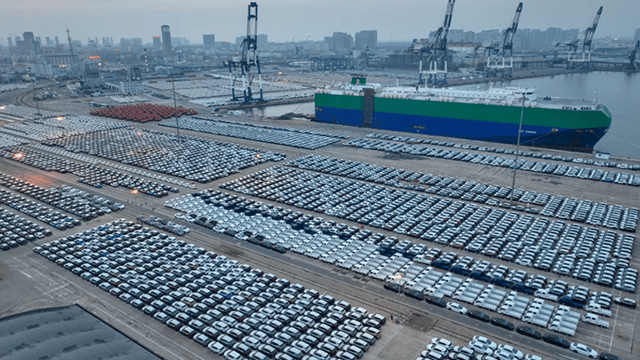
美国关税频繁变动,但汽车行业早已被单独"圈养"。 文 / 张恒 美国关税政策又生变。 2026年2月,美最高法院裁定,此前川普政府依托紧急状态法实施的全球对等关税不合法。 为此,川普又迅速启用了《1974年贸易法》第122条,推出为期150天的临时关税方案,先是全面执行 10%税率,后又改为15%。目前的消息是中国适用10%税率,部分经济体执行15%税率。 美国关税政策朝令夕改,出口国家苦不堪言,但账还得算。这次调整在大宗商品、消费电子等领域引发 广泛讨论,汽车行业则处在特殊的位置。 汽车被单独设限 这次美国的关税调整,是法律依据的问题,而非放宽贸易壁垒。要清楚的是,10%与15%的临时税率面 向普通进口商品,汽车从规则设计之初就被排除在外。 中国产汽车进入美国市场,燃油车综合税率达到52.5%,纯电动车综合税率高达127.5%。此问题上, 日、韩、欧盟车企通过大规模投资与贸易承诺换取相对缓和的基准税率,叠加后税率仍在42.5%至 52.5%之间。只有满足美墨加协定原产地规则的车型,能够维持27.5%的综合税率。 也就是说,此次关税调整,和汽车产业没有直接关系。汽车贸易在本次政策调整中没有发生实质性改 变,所 ...

中国区“掌门”佟欧福首秀全球财报会 奔驰将在3年内推出超40款新车型
Zhong Guo Jing Ying Bao· 2026-02-14 10:20
Core Viewpoint - Mercedes-Benz is focusing on long-term investment and local integration in China, aiming to enhance its competitiveness rather than engaging in short-term sales battles. The company plans to make China a core market for its high-end luxury and new energy vehicles [1][7]. Financial Performance - For the fiscal year 2025, Mercedes-Benz expects revenues of €132.2 billion (approximately ¥1.084 trillion), with an adjusted EBIT of €8.2 billion (approximately ¥67.236 billion), reflecting a 40% year-on-year decline. Free cash flow from industrial operations is projected at €5.4 billion (approximately ¥44.28 billion) [2]. - The company anticipates that high-end luxury vehicles will account for 15% of total passenger car sales in 2025, driven by growth in this segment and strict cost control [2]. Capital Expenditure and R&D - Capital expenditures and R&D investments are expected to peak in fiscal year 2025, with R&D costs around €6.055 billion (approximately ¥49.65 billion), an 8.5% increase year-on-year. Capitalized development costs are projected at €2.394 billion (approximately ¥19.63 billion), up 19.4% [3]. - Fixed asset investments are expected to reach approximately €5.482 billion (approximately ¥44.95 billion), a 35.7% increase [3]. Sales and Market Performance - Global sales for Mercedes-Benz in 2025 are projected at 2.16 million units, a 10% decline year-on-year, with approximately 575,000 units sold in China, reflecting a 19% drop [4]. - Despite the decline in sales, high-end luxury vehicle sales are becoming a significant contributor to cash flow, accounting for 15% of total sales [4]. Business Segments - The adjusted EBIT for the passenger car business in fiscal year 2025 is expected to be €4.8 billion (approximately ¥39.36 billion), with a sales profit margin of 5.0% [4][7]. - The light commercial vehicle segment maintained a double-digit profit margin of 10.2% in 2025, despite a decline in adjusted EBIT to €1.75 billion (approximately ¥14.35 billion) [5]. Strategic Focus in China - Mercedes-Benz emphasizes the importance of local market integration and technology collaboration in China, with plans to launch over 15 new and updated models in 2026 [8][9]. - The company has invested over ¥100 billion in China over the past decade, establishing a strong R&D presence with centers in Beijing and Shanghai [9][10]. Production and Supply Chain - Beijing Benz is the largest production base for Mercedes-Benz globally, with cumulative production exceeding 6 million units by January 2026. The local product lineup will expand from 14 to 20 models by 2027, covering both fuel and electric vehicles [10].
中芯国际赵海军:AI挤占存储产能,客户此时不宜过度砍单
经济观察报· 2026-02-11 14:12
Core Viewpoint - The current decline in terminal demand is attributed not to a loss of consumer willingness but rather to a supply chain resource mismatch caused by the explosion of AI demand [3][5]. Financial Performance - In 2025, SMIC reported a record annual revenue of $9.327 billion, a year-on-year increase of 16.2%, and a net profit of $685 million, up 39.1% [2]. - The gross margin for Q4 2025 decreased by 2.8 percentage points to 19.2%, with guidance for Q1 2026 indicating a range of 18%-20% [2][9]. Supply Chain Dynamics - The memory chip market is experiencing price volatility, leading to heightened supply chain tensions, with memory prices significantly increasing in Q1 2026 compared to Q4 2025 [3]. - AI's strong demand for storage chips, particularly HBM and high-density DDR5, is squeezing the supply available for mobile and other applications [5][6]. Capacity Utilization and Market Trends - SMIC maintained a high capacity utilization rate of 95.7% in Q4 2025, but the revenue structure showed subtle changes, with the PC and tablet segment's revenue share slightly increasing to 15.2% [5]. - The company is shifting its production capacity towards high-demand areas such as data centers and automotive sectors, as orders for mid-range mobile and PC devices decline due to storage shortages [11]. Capital Expenditure and Depreciation - SMIC's capital expenditure reached $8.1 billion in 2025, exceeding initial expectations, primarily to meet strong customer demand and adapt to external changes [9][10]. - The company anticipates a 30% year-on-year increase in total depreciation in 2026 due to rising unit depreciation costs from new factory operations [9][10]. Future Outlook - For 2026, SMIC expects revenue growth to exceed the average of comparable peers, driven by internal efficiency improvements and high capacity utilization [14]. - The company is optimistic about navigating through the high depreciation phase and entering a phase of healthy development as capacity gradually releases and market demand rebounds [14][15]. Industry Trends - The semiconductor industry is undergoing a localization shift, with significant opportunities arising from domestic design companies capturing supply chain shares [16]. - As AI technology penetrates edge devices, there will be an upgrade in specifications for mobile and PC devices, leading to increased demand for higher-value chips [16].


百胜中国(09987):港股研究|公司点评|百胜中国(09987.HK):2025年第四季度业绩点评:同店销售额增速创全年新高,2026年保持较高开店速度
Changjiang Securities· 2026-02-10 14:41
Investment Rating - The investment rating for the company is "Buy" and is maintained [9]. Core Insights - In Q4 2025, the company reported total revenue of $2.8 billion, a year-on-year increase of 7% excluding foreign currency effects, and adjusted net profit of $140 million, a year-on-year increase of 22% excluding foreign currency effects [2][6]. - For the full year 2025, total revenue reached $11.8 billion, a year-on-year increase of 4% excluding foreign currency effects, with adjusted net profit of $929 million, a year-on-year increase of 2% excluding foreign currency effects [2][6]. - The company is expected to open 1,900 new stores in 2026, maintaining a high store opening pace, which is anticipated to drive continued revenue growth [2][9]. Summary by Sections Financial Performance - In Q4 2025, system sales increased by 7% year-on-year, with same-store sales growth of 3% and same-store transaction volume growth of 4%, marking the twelfth consecutive quarter of growth [9]. - KFC's system sales grew by 8% year-on-year in Q4, with same-store sales increasing by 3% [9]. - Pizza Hut's system sales increased by 6% year-on-year, with same-store sales growth of 1% and same-store transaction volume growth of 13% [9]. Store Expansion - The company added 587 new stores in Q4 2025, the highest for that quarter, with 36% being franchise stores [9]. - For the full year, KFC's store count grew by 12% to 12,997, while Pizza Hut's store count also grew by 12% to 4,168 [9]. Profitability - The operating profit margin and restaurant profit margin for KFC improved to 10.5% and 14%, respectively, while for Pizza Hut, they improved to 3.7% and 9.9% [9]. - The overall operating profit margin increased by 0.8 percentage points year-on-year to 6.6% [9].
服务“土小农”是地方金融机构的镇行法宝
Jin Rong Shi Bao· 2026-02-05 06:35
Core Viewpoint - Local financial institutions play a crucial role in serving local small and micro enterprises and agricultural entities, which is essential for promoting inclusive finance and achieving sustainable development [1] Group 1: Risk Control Strategies - Rooted in the local community, local financial institutions have a natural connection with the local economy, providing them with social and informational advantages that help mitigate information asymmetry [2] - The close physical and social proximity allows local financial institutions to effectively utilize social networks for risk screening and performance incentives, establishing alternative collateral mechanisms based on personal relationships [2] - Recent initiatives by local financial institutions to engage in community building, such as creating "neighborhood homes," enhance social cohesion and strengthen their local advantages [2] Group 2: Balancing Risk Control and Long-term Development - Providing collateral is a key method for financial institutions to control risk, but small and micro enterprises often struggle to provide adequate collateral [4] - Innovations in collateral types, such as agricultural land use rights and biological assets, have emerged to address the lack of rural collateral, although challenges remain regarding ownership, valuation, and transaction costs [4] - Local financial institutions can utilize social mechanisms as alternative collateral and shift from limited liability corporate borrowers to personal liability borrowers to enhance credit risk control [4] Group 3: Importance of Local Social Organizations - Establishing a financial and real economy community requires leveraging local associations and social organizations to act as bridges [8] - These organizations can provide professional information about member enterprises, reducing information asymmetry and helping financial institutions manage risks [8] - They also play a self-regulatory role, helping to mitigate moral hazards among member enterprises, and can offer various non-financial services that support the operational needs of small and micro enterprises [8]
西方制裁倒逼俄国产客机加速研制
Yang Shi Xin Wen· 2026-02-05 04:49
Core Viewpoint - The "2026 Russian Aviation Infrastructure Exhibition" highlighted the urgency of building a domestic supply chain in the aviation industry amid Western sanctions, with a focus on "import substitution" and "localization" [1]. Group 1: Exhibition Overview - The exhibition, held in Moscow from February 4 to 5, set a record for its scale, featuring exhibits related to civil aircraft, airport facilities, drones, and integrated technology systems [1]. - A significant characteristic of the exhibition was the high participation of local companies, with 92% of exhibitors being from Russia, emphasizing the need for self-sufficiency in the aviation sector [1]. Group 2: Government Initiatives - In response to the potential shortage of civil aircraft, the Russian government approved a "Comprehensive Development Plan until 2030" in June 2022, aiming to increase the share of domestically produced aircraft in the fleet to 50% by 2030 [2]. - The development and production of three main domestic aircraft models—Tu-214, SJ-100, and MC-21—are being accelerated, with Tu-214 already completing domestic airworthiness certification and signing a letter of intent for 100 aircraft orders with Russian airlines [2]. Group 3: Engine Development - The PD-8 aircraft engine, developed for the Sukhoi Superjet, aims to replace the previously imported SaM146 engine, showcasing Russia's efforts in import substitution [2]. - The development of the PD-8 engine was completed in a record time of five years from the decision to its certification testing, indicating significant advancements in Russia's aerospace engineering capabilities [2]. Group 4: Supply Chain Challenges - The Russian Ministry of Industry and Trade noted that no country can fully produce all the components required for an aircraft independently, highlighting the complexity of the aviation supply chain [3]. - The International Air Transport Association emphasized the vulnerability of the aerospace supply chain, which relies heavily on a few key component suppliers, posing challenges for global airline capacity growth [3]. - Rebuilding or substituting such a complex supply chain remains a critical challenge for Russia in the context of ongoing sanctions [3].
用好这个工具,让年薪百万麦肯锡顾问成为你的外包
Sou Hu Cai Jing· 2026-02-02 07:18
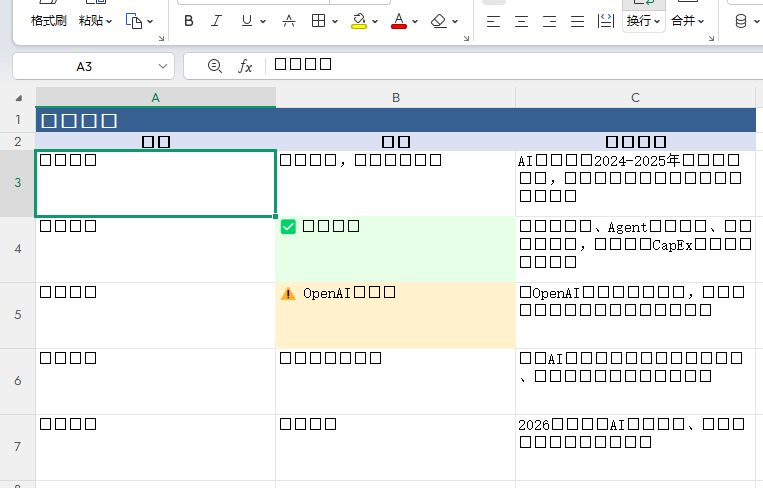
Core Viewpoint The article discusses the limitations of using foreign AI tools like Anthropic for generating business documents, highlighting the advantages of a domestic AI model, Kimi 2.5, which effectively addresses localization issues and enhances productivity in creating professional documents. Group 1: AI Tools Comparison - Foreign AI tools like Anthropic struggle with localization, resulting in unusable outputs such as "口口口" when processing Chinese financial reports [1][3][4] - Kimi 2.5, a domestic AI model, allows users to issue clear commands and receive well-structured, editable documents in a short time [5][7] Group 2: Practical Applications of Kimi 2.5 - Kimi 2.5 successfully creates a professional PowerPoint presentation from a complex industry report, demonstrating an understanding of workplace jargon and aesthetic preferences [9][13][14] - The AI tool generates a visually appealing PPT with a warm color palette, effectively organizing content without simply copying from the source [16][18] Group 3: Data Analysis Capabilities - Kimi 2.5 can process extensive datasets, such as a 20-year statistical report, to create insightful analyses like a heatmap of the tertiary industry share across provinces [19][23][24] - The AI produces a detailed report that includes a heatmap and a breakdown of performance by district, making complex data easily understandable [25][27]
代表委员热议广货:如何在全球市场中更具竞争力
Sou Hu Cai Jing· 2026-01-29 06:26
Core Insights - The article discusses the transformation of "Guangdong goods" from merely exporting products to exporting capabilities, emphasizing the need for localization and resilience in supply chains to enhance global competitiveness [1]. Group 1: Localization and Market Adaptation - Companies are encouraged to fully embrace localization by forming market teams that understand local environments, consumer habits, and aesthetic preferences to ensure products are well-suited for their markets [4]. - The shift from "going out" to "integrating in" is highlighted, with companies establishing R&D centers in countries like the USA and Japan, and production bases in Indonesia and Brazil to align with local market needs [4][5]. Group 2: Supply Chain Resilience - A resilient global supply chain is essential for companies to mitigate trade risks and ensure stable and efficient global supply [5]. - Logistics companies are advised to develop integrated, digital, and intelligent global supply chain networks to support the export of Guangdong products [10][11]. Group 3: Technological Innovation - The integration of AI technology in traditional products, such as smart air conditioners, is seen as a way to enhance the appeal of Guangdong goods in the global market [4]. - The 3D printing industry is identified as a rapidly growing sector, with predictions that its market size will exceed 70 billion yuan by 2025, indicating strong export potential [14]. Group 4: Industry Diversification and New Markets - Companies are encouraged to diversify their product lines and explore emerging markets, such as the Middle East and South America, to adapt to changing global demands [24]. - The article notes the importance of monitoring new industry trends, such as electric vehicles and artificial intelligence, to stay competitive in international markets [24]. Group 5: Financial Support and Risk Management - The Guangdong government is increasing support for export credit insurance to help companies manage risks and enhance their competitiveness in global markets [32]. - Financial strategies should focus on integrating risk management and financing to bolster companies' capabilities in international trade [32].

打造潮流样本 三里屯太古里重构消费空间
Bei Jing Shang Bao· 2026-01-27 16:58
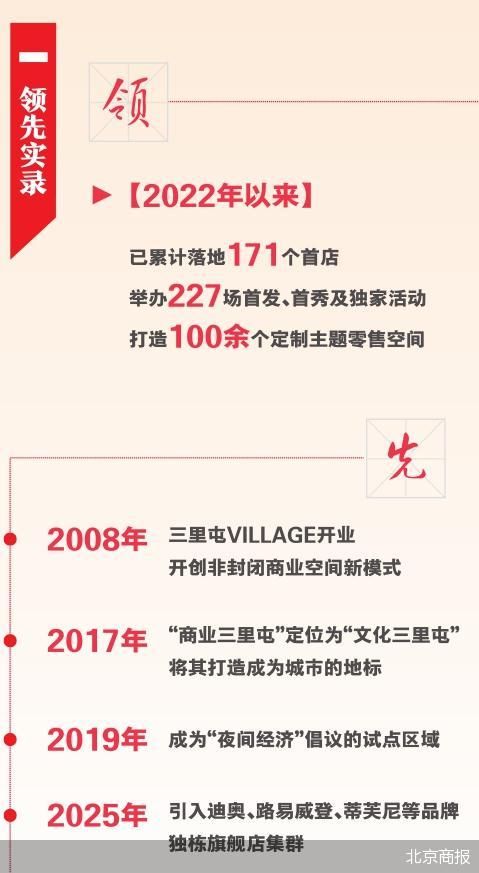
Core Insights - The article highlights the transformation of Sanlitun Taikoo Li into a fashion and retail landmark in Beijing, showcasing its evolution from a traditional shopping area to a hub for high-end brands and innovative retail experiences [1][12]. Group 1: Development and Upgrades - Sanlitun Taikoo Li has undergone significant upgrades since 2022, with the introduction of luxury brands like LV and Dior, enhancing its status from a trendy gathering place to a flagship store cluster [4][6]. - The area has seen a total of 171 high-quality brand flagship stores established, along with 227 exclusive events, reinforcing its position as a premier platform for limited edition products and cultural collaborations [5][6]. Group 2: Consumer Trends and Market Dynamics - The global luxury market is projected to reach €358 billion by 2025, with China’s share increasing from approximately 8% in 2015 to about 12% in 2025, making it a key driver of global growth [4]. - Chinese high-net-worth individuals prioritize uniqueness and exclusivity in luxury consumption, contrasting with Western consumers who focus more on product quality and service experience [4]. Group 3: Spatial and Ecological Innovation - Sanlitun Taikoo Li has redefined its commercial ecosystem by integrating innovative retail experiences and community culture, transitioning from a single commercial landmark to a collaborative commercial ecosystem [7][8]. - The introduction of multi-functional stores, such as the Sacai flagship that combines retail with social activities, exemplifies the shift towards experiential shopping environments [8][9]. Group 4: Cultural Integration and Local Adaptation - The project emphasizes the importance of local cultural integration, adapting international brands to fit local consumer preferences and cultural elements, thereby enhancing its competitive edge [10][11]. - The operational strategy focuses on collaboration with brands to create unique experiences that resonate with local consumers, moving away from traditional owner-led approaches [10][11].

车市进入价值竞争时代:丰田与雷克萨斯为何还能持续增长?
Di Yi Cai Jing· 2026-01-23 01:07
Group 1: Market Trends - The Chinese automotive market is undergoing unprecedented changes, with a shift from price competition to value competition, emphasizing long-term user value [1][14] - Toyota achieved over 1.78 million vehicle sales in China in 2025, marking a year-on-year growth and becoming the only Japanese brand to maintain positive growth in the market [1] - Lexus also reported annual sales exceeding 180,000 units, demonstrating strong performance in the luxury segment despite overall market challenges [1][10] Group 2: Toyota's Localization Strategy - Toyota's "Global to Local" strategy, announced in April 2025, focuses on deeper localization across management, R&D, products, manufacturing, channels, and services [2][4] - The company aims to enhance its innovation and driving role in the Chinese market by integrating local elements into its global framework [4] - The establishment of the ONE R&D system consolidates China's R&D resources into a unified platform, allowing for faster development of smart and electric technologies [5] Group 3: Product Development and Technology - Toyota's new RCE system empowers local engineers to take greater responsibility in vehicle development, enhancing responsiveness to market changes [5] - The first electric products, such as the Platinum 3X and bZ5, have been optimized for Chinese consumer preferences, focusing on smart connectivity, space, and range [7] - Toyota maintains a multi-path technology strategy, offering various powertrain options including fuel, hybrid, plug-in hybrid, battery electric, and hydrogen fuel cell vehicles to cater to diverse consumer needs [7] Group 4: Lexus's Long-Term Strategy - Lexus celebrates its 20th anniversary in China in 2025, achieving steady growth with total sales surpassing 180,000 units, positioning itself as a resilient brand in the luxury market [9][10] - The brand emphasizes long-termism by enhancing local R&D and design, and fostering emotional connections with consumers through a "warm luxury" approach [12] - Lexus's overall vehicle retention rate stands at 60.7%, reflecting its strong brand reputation and product stability in a market increasingly focused on long-term value [12][14] Group 5: Service and Consumer Focus - Lexus has established a comprehensive service guarantee system, including a 4-year/100,000 km free maintenance service and extended warranties for hybrid models [14] - As competition shifts towards value dimensions, traditional luxury brands are reassessing their configuration and pricing strategies to better meet real user needs [14] - Both Toyota and Lexus are building sustainable product value systems and differentiating themselves in the market by focusing on long-term capabilities rather than short-term tactics [14]