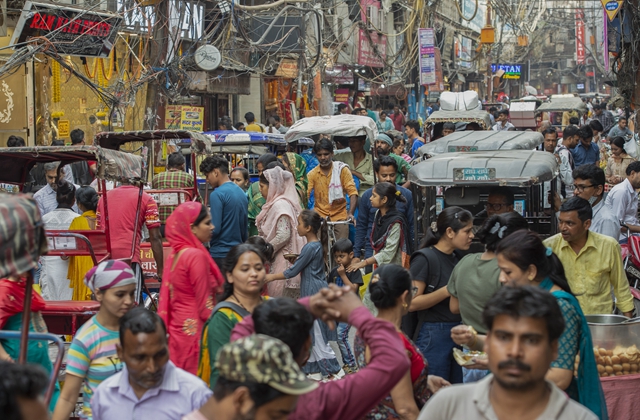
印度制造

Search documents
中国纺织机械遭印度限制,或波及全球纺织供应链
Sou Hu Cai Jing· 2025-07-01 10:07
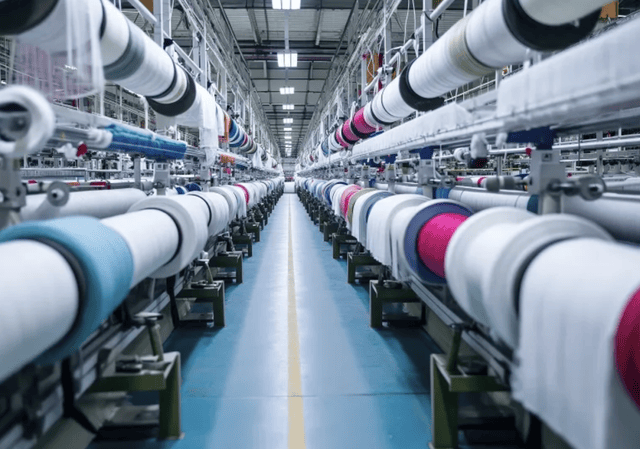
Group 1 - The Indian government will implement comprehensive import restrictions on 371 types of Chinese goods starting March 2025, affecting various sectors including textiles, toys, consumer electronics, and telecommunications [1] - This move is a result of a notification from the Indian Ministry of Heavy Industries on August 28, 2024, which mandates that all products exported to India must comply with Indian standards and bear the mandatory Bureau of Indian Standards (BIS) mark [1][3] - India has been actively promoting the "Make in India" initiative to enhance its position in the global supply chain, with a focus on supporting domestic manufacturing and small enterprises, particularly in the context of its trade relationship with China [3] Group 2 - India's reliance on imports from China for upstream products has significantly increased, particularly for goods intended for further export, while exports to China have been declining at an average rate of 2% annually since 2017 [4] - In the fiscal year 2024, India exported goods worth $16.65 billion to China while importing goods worth $101.74 billion, highlighting a structural dependency on the Chinese supply chain, especially in high-tech and industrial sectors [4] - In the textile machinery sector, China accounted for $1.207 billion in exports to India in 2024, representing 25.76% of global exports, with a significant portion of India's textile machinery components, particularly knitting and non-woven machinery, being sourced from China [6] Group 3 - The trade imbalance between India and China has raised concerns within India regarding economic stability and industrial self-reliance, prompting the government to reassess its trade strategies and industrial policies [7] - The Indian textile industry is worried about the BIS standards, as it plans to introduce tens of thousands of high-speed machines that largely depend on imports, which could hinder its expansion plans during a critical period aimed at achieving $100 billion in exports and $250 billion in revenue by 2030 [7][9] - With 90% of high-speed looms in India relying on imports, the inclusion of textile machinery under the BIS standards poses significant challenges for the development of the Indian textile industry [9]

印度首家晶圆厂:28nm,5 万片
半导体芯闻· 2025-07-01 09:54
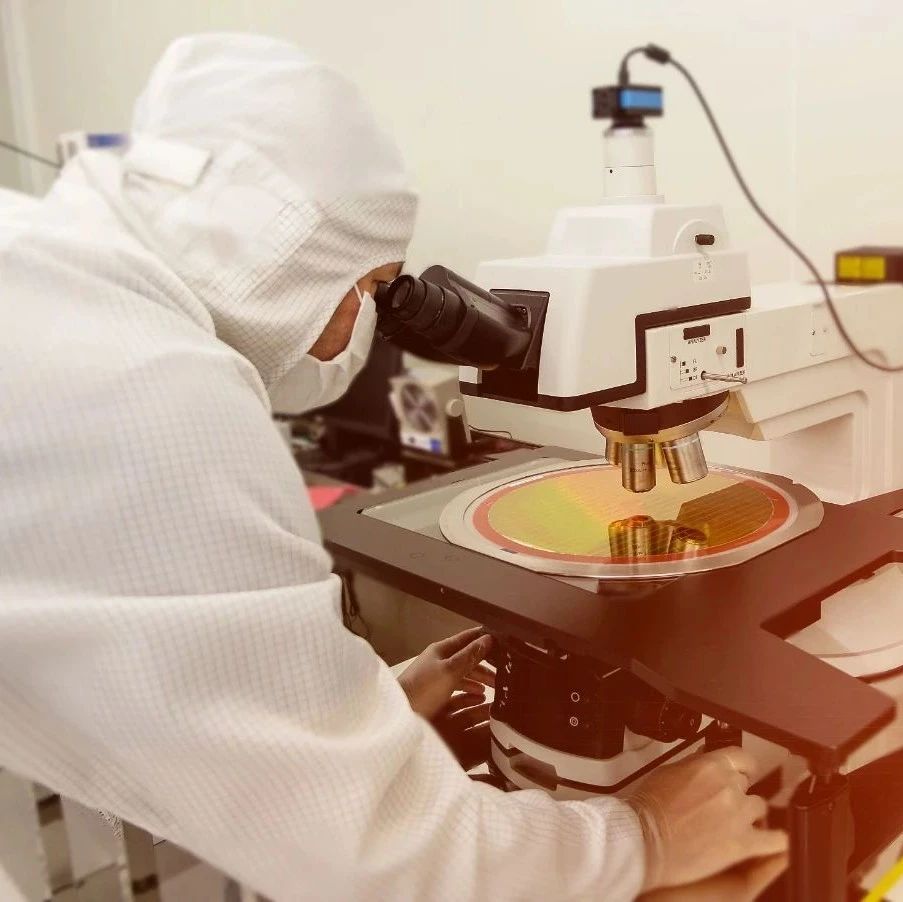
Core Viewpoint - The establishment of Tata Electronics' semiconductor manufacturing plant in Dholera, Gujarat, marks a significant step towards India's self-sufficiency in semiconductor production, with an investment of ₹910 billion (approximately $11 billion) [1][5]. Group 1: Investment and Infrastructure - The Dholera plant will process up to 50,000 wafers per month, focusing on 28nm, 40nm, and 90nm process nodes, which are still in demand for power chips, automotive MCUs, and industrial applications [2]. - The Indian government has invested ₹760 billion in the "Semiconductor India Program," laying the groundwork for this initiative, with Tata's plant being the first major outcome [4]. Group 2: Technological Collaboration - Tata's collaboration with Taiwan's Powerchip Semiconductor Manufacturing Corporation (PSMC) and Japan's Tokyo Electron ensures access to mature intellectual property and world-class machinery for the plant [2][3]. - The Dholera facility is designed to be an AI-driven factory, utilizing machine learning for yield optimization and predictive maintenance, which is a first for Tata [2]. Group 3: Strategic Implications - The Dholera plant signifies a shift in India's semiconductor landscape, moving from reliance on foreign fabs to establishing a vertically integrated semiconductor supply chain within India [3][5]. - The plant is expected to produce sample chips by the end of 2025, aligning with India's ambitions in AI, telecommunications, and military-grade electronics [3]. Group 4: Future Plans - Tata plans to build two additional wafer fabs in Gujarat over the next five to seven years, along with an OSAT (Outsourced Semiconductor Assembly and Test) facility in Assam [2][5]. - The establishment of these facilities is not just about manufacturing but also about creating a sustainable ecosystem for semiconductor production in India [2][4].
AI PC的普及和二三线城市需求的爆发,2025年印度PC市场将增长6%
Canalys· 2025-06-23 04:51
Core Insights - The Indian PC market (excluding tablets) is projected to grow by 6% in 2025, reaching over 15 million units, driven primarily by a 21% increase in notebook shipments, while tablet shipments are expected to decline by 24% [1][3] - The rise of AI laptops is notable, with shipments increasing by 253% year-on-year, indicating a strong demand for high-performance devices among both consumers and businesses [1][5] - The market is witnessing a shift, with tier-2 and tier-3 cities emerging as significant growth engines for PC sales, as digital awareness and access to services expand [1][4] Market Segmentation - **Consumer Market**: Expected to grow from 2.83 million units in 2024 to 2.92 million in 2025, with a growth rate of 3.2% [4] - **Commercial Market**: Anticipated to decline slightly in 2025 but recover with a growth rate of 5.2% in 2026 [4] - **Government Sector**: Projected to grow steadily, reaching 170 million units in 2025, with a growth rate of 2.9% [4] - **Education Sector**: Expected to see a significant decline in 2025, with a drop of 22.3%, but a recovery is anticipated in 2026 with a growth rate of 12.1% [4] Trends and Drivers - The PLI (Production-Linked Incentive) scheme is expected to enhance local manufacturing, with more brands likely to announce "Make in India" expansion plans [5] - The demand for gaming and high-end devices is anticipated to increase as the replacement cycle accelerates, despite potential pressures from geopolitical and economic uncertainties [5] - The overall market dynamics are shifting towards AI applications, localized manufacturing, and value-driven demand, setting the stage for growth in 2026 [4][5]

中国稀土(3)澳大利亚和巴西要成为稀土大国
日经中文网· 2025-06-20 07:23
Core Viewpoint - The article discusses the global shift in rare earth production, particularly in response to China's export controls, highlighting the emergence of new players like Australia and Brazil in the heavy rare earth market [1][2]. Group 1: Australia and Lynas - Lynas Corporation has successfully separated heavy rare earths outside of China for the first time, extracting dysprosium from ore in Malaysia, with plans to extract terbium soon [1]. - The company is expanding its operations to include heavy rare earth production and plans to build a new extraction facility in Texas, USA, supported by $258 million from the U.S. Department of Defense [1][2]. - Following China's export restrictions, Lynas has received increased inquiries from new customers, indicating a growing demand for non-Chinese rare earth sources [2]. Group 2: Brazil's Initiatives - Brazil, holding the second-largest rare earth reserves globally, is aiming to enhance its production, which currently accounts for only 0.005% of the total [2]. - The Brazilian government is simplifying the geological survey and permitting processes to expedite the development of rare earth projects, with plans to start operations at its first large rare earth mine in Goiás state in 2024 [2]. - Brazil's rare earth projects are part of the "Mineral Security Partnership" initiated by Japan, the U.S., the EU, and the UK, receiving an additional $150 million in investment [2]. Group 3: India's Export Controls - In response to China's export controls, the Indian government has requested its state-owned rare earth company, IREL, to halt exports to Japan to secure domestic supplies [3][4]. - The Indian government emphasizes the importance of rare earths for its "Make in India" manufacturing strategy, indicating a focus on domestic production and supply security [4].
东方汇理资管中期展望:建议减配美债 增持欧亚资产
Zhi Tong Cai Jing· 2025-06-19 08:49
Group 1 - The core viewpoint of the report is that the high uncertainty in the U.S. policy environment and fiscal path will dominate global economic and market trends over the next 12 months, with geopolitical risks and high debt levels exacerbating market vulnerabilities [1] - Major economies are showing resilience, but their growth paths are diverging, with the U.S. economy expected to slow down while Europe is projected to achieve moderate growth [1] - The report forecasts global economic growth to slow down, with estimates of 2.9% for 2025 and 2.8% for 2026, while developed markets are expected to grow at approximately 1.3% and emerging markets at 3.9% over the next two years [1] Group 2 - In fixed income investments, due to increased interest rate volatility, a steepening yield curve is anticipated, leading to a preference for flexible strategies and diversification into global markets outside the U.S., particularly European and emerging market government bonds [2] - The company is optimistic about global equities, focusing on reasonably valued and profit-stable companies, while cautiously selecting sectors through major investment themes such as European defense and infrastructure, artificial intelligence, and U.S. deregulation [2] - The current investment strategy emphasizes risk diversification, reducing reliance on U.S. Treasuries, and shifting towards European and emerging market bonds due to high debt levels and rising inflation expectations [2] Group 3 - Overall, while policy uncertainty presents challenges for the global economy and markets, the company identifies investment opportunities related to different asset prices, noting that major economies and companies have shown strong resilience despite the uncertain and weak growth outlook [3] - The outlook for the global credit market remains optimistic, with expectations that corporate earnings will not fall into recession [3]
印度国运断了!制造业越搞越亏,靠啥跟中国拼?
Sou Hu Cai Jing· 2025-06-10 14:29
Core Insights - India's manufacturing sector has declined from 16.5% of GDP in 2014 to 14.1% in 2024, indicating a regression in industrialization efforts over the past decade [1] - Infrastructure projects, such as the high-speed rail line, have faced significant delays due to land acquisition issues, with only 10 kilometers completed by 2024, originally scheduled for completion in 2022 [1][3] - The reliance on landowners and the lack of government authority to enforce land acquisition have hindered infrastructure development [3] Education and Workforce Challenges - The quality of education in India is poor, with 2022 data showing that third-grade students struggle to read first-grade texts, and 40% of sixth graders cannot perform basic arithmetic [3] - The definition of literacy in India is overly simplistic, with "being able to write one's name" counted as literacy, raising concerns about the quality of the workforce [3] - There is a preference among the youth for software jobs over low-end manufacturing, leading to a shortage of skilled workers in the manufacturing sector [3][4] Manufacturing Sector Limitations - India's manufacturing industry lacks a robust heavy industry base, resulting in reliance on imports for equipment and raw materials, contributing to a projected trade deficit of $189 billion for 2024-2025, with a $99.2 billion deficit against China alone [4] - The failure of Modi's $23 billion initiative to boost manufacturing is attributed to over-reliance on external factors, such as U.S. efforts to restructure supply chains, which have not materialized as expected [6] - Systemic issues, including land reform challenges, inadequate education, incomplete supply chains, and policy reliance on external support, are significant barriers to India's industrial growth [6]
莫迪好尴尬:印度神,中国造
3 6 Ke· 2025-06-09 07:45
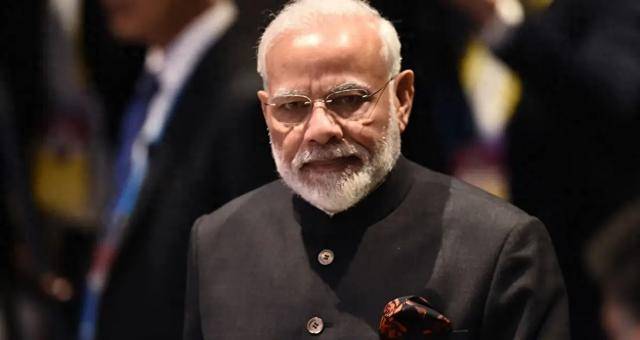
Group 1 - The article highlights the irony that many religious idols in India, including those of significant deities, are manufactured in China despite India's push for self-reliance in manufacturing [1][6][7] - Indian Prime Minister Modi has called for a boycott of foreign goods, urging citizens to support domestic products, while the reality shows a heavy reliance on Chinese imports for various goods, including religious idols [4][6][11] - The manufacturing capabilities in India are limited, with a significant portion of the materials needed for idol production sourced from China, leading to a situation where Indian-made idols cannot compete with the cost and quality of Chinese products [13][28][30] Group 2 - Modi's government has initiated ambitious plans to boost Indian manufacturing, such as the Production-Linked Incentive (PLI) scheme, but the actual contribution of manufacturing to the economy has decreased from 15.4% to 14.3% [24][26] - The inefficiencies in the Indian government, including long approval times for projects, have hindered the growth of the manufacturing sector, with many businesses opting out due to bureaucratic delays [26][28] - India's labor market faces challenges, including a significant portion of the workforce being in rural areas and a lack of participation from women due to cultural factors, which further complicates the manufacturing landscape [28][30]
印度制造属实够狠,美国被“坑惨”,一不留神掉坑里了
Sou Hu Cai Jing· 2025-06-06 09:29
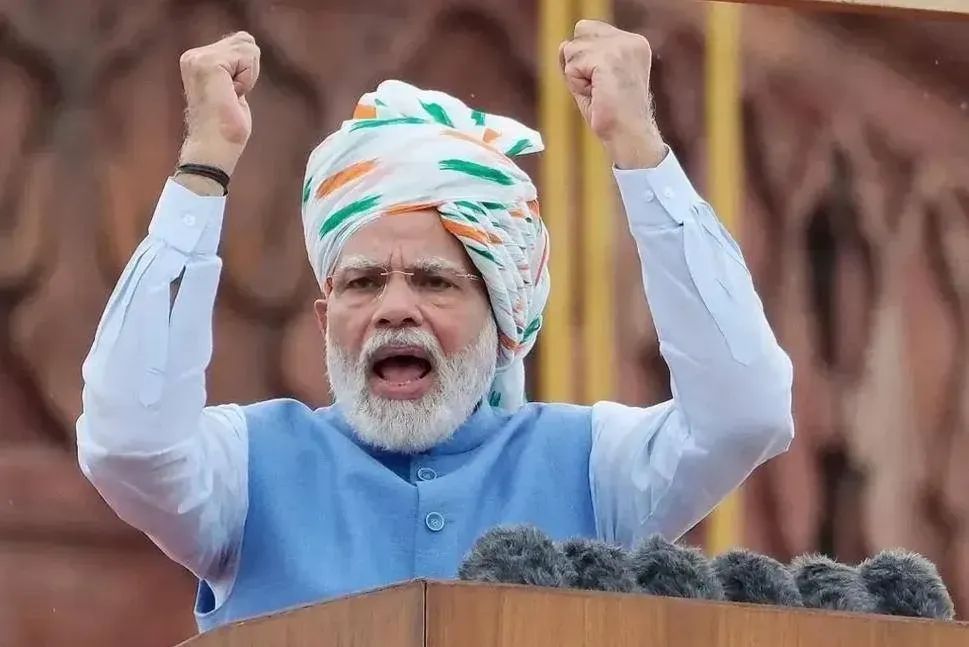
Group 1 - Indian manufacturing is gaining a negative reputation, particularly in the U.S., where quality issues have led to significant problems for major companies like Boeing and Apple [1][5] - Boeing has faced multiple safety incidents attributed to faulty parts from Indian suppliers, including a series of accidents involving its aircraft in early 2023 [1] - The investigation revealed that Indian suppliers provided substandard materials, such as aluminum instead of titanium, leading to serious safety concerns [1] Group 2 - Lockheed Martin's F-22 and F-35 fighter jets have also experienced frequent malfunctions, traced back to issues with titanium materials supplied by Indian intermediaries [3] - Boeing's ambitious space program has encountered technical failures due to faulty valves made from inferior materials supplied by Indian manufacturers [3] Group 3 - Apple's iPhone 15, produced in India, has faced quality control issues, resulting in significant returns and a shift of some production back to China [5] - The Indian defense industry is criticized for its poor quality and long production cycles, with examples of failed weapon systems like the Dhanush artillery and Arjun tank [6][7] Group 4 - India's manufacturing struggles are linked to a challenging business environment characterized by frequent policy changes, corruption, and inefficiency, deterring foreign investment [9] - Major international companies have faced significant setbacks in India, leading to a lack of confidence in the country's manufacturing capabilities [9]

新政策附加严苛条件,印度吸引全球电动车巨头遇冷
Huan Qiu Shi Bao· 2025-06-04 23:01
【环球时报报道 记者 丁雅栀 苑基荣】"印度新推的电动汽车政策旨在吸引全球制造商,真的能达到目 的吗?"《印度斯坦时报》4日对印度推出的"旗舰电动汽车政策"发出疑问。此前两天,印度重工业部长 库马拉斯瓦米表示,尽管印度政府近年来推出了多项电动车政策以吸引全球汽车制造商,但"他们(国 际车企)对在印度生产汽车不感兴趣",其中美国汽车制造商特斯拉目前仅计划在该国开设两家门店。 这一表态揭示了印度雄心勃勃的电动车发展战略遭遇的现实困境。 除了投资承诺外,该政策还附加了诸如收入目标以及未能达成目标的罚款等严苛条件。根据该政策,获 得批准的车企第4年的最低收入不得低于500亿卢比,第5年则不得低于750亿卢比。未达标者将面临最高 3%的罚款,罚款金额基于收入缺口。 库马拉斯瓦米强调,该计划旨在将印度定位为电动汽车制造的全球中心,进一步推动"印度制造",同时 使全球和国内公司成为印度绿色出行革命的合作伙伴。"这项政策足足酝酿了一年。"路透社2日报道 称,印度政府最初希望吸引特斯拉等车企在印度设立工厂,但特斯拉首席执行官马斯克去年搁置了在印 度的投资计划。 "全球电动汽车制造商如梅赛德斯-奔驰、大众、现代和起亚等已表示有兴 ...

香槟开早了大半年!GDP超日本“坐四望三”,印度还是太超前
Di Yi Cai Jing· 2025-06-03 14:11
Core Viewpoint - India's GDP is projected to surpass Japan, positioning it as the fourth-largest economy globally, with aspirations to enter the top three within the next few years [1][3][4]. Economic Growth and Projections - The CEO of the National Transformation Council, B. V. R. Subrahmanyam, announced that India's economy has reached $4 trillion, surpassing Japan [3]. - According to the IMF, India's GDP for the fiscal year 2025 is estimated at $41,870.17 billion, slightly exceeding Japan's projected $41,864.31 billion [4]. - India's economic growth has been robust, while Japan has faced stagnation, with a mere $2,000 billion increase in output from 2000 to 2019 [4]. Challenges and Concerns - Despite the growth in GDP, there are concerns regarding the concentration of wealth, with the top 1% of the population holding over 40% of the nation's wealth [5]. - India's per capita GDP is projected to be around $2,800 in 2025, ranking approximately 140th globally, indicating a need for improvement in average income levels [5]. - The Modi government has emphasized the importance of transitioning from a service-oriented economy to a more balanced structure that includes a robust manufacturing sector [8][9]. Manufacturing Sector Initiatives - The "Production Linked Incentive" (PLI) scheme was introduced to boost manufacturing in various sectors, but progress has been slow, with only 37% of the target achieved by 2024 [9]. - Challenges in attracting manufacturing investments include difficulties in finding suitable labor, despite India's young population [9][10]. Future Aspirations - Prime Minister Modi has set ambitious goals for India's economic development, aiming to position the country as a developed nation by 2047 [8]. - Economic experts emphasize the need for improvements in education and job creation to fully leverage India's demographic potential [10].