
以旧换新

Search documents
2025年零售行业分析
Lian He Zi Xin· 2025-05-09 04:45
Investment Rating - The report indicates a cautious outlook for the retail industry, with expectations of continued pressure on physical retail operations and a focus on online retail as the main growth driver [2][36]. Core Insights - In 2024, the retail market is expected to face challenges due to a slowdown in consumption growth, increased savings willingness, and external macroeconomic impacts, leading to insufficient consumer demand and a need for improved consumer confidence [2][4]. - Online retail remains the primary driver of consumption growth, although its growth rate has slowed. The report anticipates that companies with strategies closely aligned with consumer needs and efficient multi-channel service capabilities will achieve structural growth [2][36]. - The government is expected to continue and possibly increase policy support for the consumption sector in 2025, but the effectiveness of these policies will depend on improvements in consumer spending capacity and willingness [2][36]. Summary by Sections Industry Overview - In 2024, consumer spending is crucial for GDP growth, but the growth rate is slowing, particularly in the department store sector, which faces significant operational pressure [4][5]. - The retail industry is a vital part of the modern commercial circulation system, contributing significantly to economic circulation and employment [4]. Retail Performance - In 2024, China's total retail sales of consumer goods grew by 3.5%, a noticeable slowdown compared to the previous year. Online retail sales of physical goods increased by 6.5%, contributing significantly to overall retail growth [5][25]. - The performance of various retail formats showed mixed results, with convenience stores and specialty stores experiencing growth, while department stores and brand specialty stores faced declines [5][19]. Subsector Analysis 1. **Department Stores** - The department store sector has seen a decline in retail sales, with a 5.0% drop in the first three quarters of 2024 compared to the previous year. The sector is under significant operational pressure, with many stores closing [13][15]. - The overall performance of department stores is at a low point, with revenue and profit indices at their lowest in nearly a decade [15]. 2. **Supermarkets** - Supermarkets showed some resilience, with a 2.7% growth in 2024, but the overall recovery trend remains unclear. Many supermarkets reported increased sales without corresponding profit growth [19][20]. - The number of supermarket stores is decreasing, with more closures than openings, indicating a challenging competitive environment [20]. 3. **Online Retail** - Online retail continues to be a significant growth driver, with a 6.5% increase in sales in 2024, outpacing overall retail growth. The top 100 online retail companies generated a total sales volume of 1.91 trillion yuan [25][26]. - Innovations such as live streaming and instant retail are key factors driving online consumption growth [26]. Industry Policies and Focus - The government has implemented various policies to stimulate consumption, including the "old for new" policy for consumer goods, which is expected to support market growth [28]. - The retail industry has seen increased capital activity, with several mergers and acquisitions aimed at optimizing asset structures and expanding market presence [32][34].
银联商务创新“支付+”服务,科技赋能“以旧换新”落地
Sou Hu Cai Jing· 2025-05-09 02:51
Core Viewpoint - The "old-for-new" consumption policy is being actively promoted across various regions in China, leading to a resurgence in holiday consumption, with UnionPay Business playing a significant role in facilitating these initiatives [1][10]. Group 1: Implementation of "Old-for-New" Policy - UnionPay Business established a "Promoting High-Quality Consumption Development" task force to ensure efficient implementation of the "old-for-new" projects across the country [2]. - The company completed the full process of platform setup for the "old-for-new" initiative in Hubei within just 8 days, enabling over 3,000 stores to participate [2]. - By September 2024, UnionPay Business had participated in the implementation of "old-for-new" activities in 28 provinces within two months of the policy announcement [3]. Group 2: Technological Support and System Development - UnionPay Business has developed a public service platform for the "old-for-new" initiative in Guangdong, accommodating local needs and ensuring timely launch [3]. - The company has built provincial platforms for 17 regions, enabling functionalities such as user qualification verification and subsidy fund distribution [5]. - A comprehensive solution was provided, including features for consumer coupon applications, product management, and digital invoicing, ensuring a seamless process for subsidy management [6]. Group 3: Resource Allocation and Support - UnionPay Business mobilized resources across its branches to support the "old-for-new" activities, ensuring rapid response to local government needs [7]. - The company has invested heavily in human resources, with nearly 2,600 personnel dedicated to supporting various activities related to the initiative [9]. - Despite significant costs, UnionPay Business provided free services to merchants and local governments, demonstrating its commitment to corporate responsibility [9]. Group 4: Economic Impact and Future Plans - By April 2025, UnionPay Business had assisted in the disbursement of nearly 70 billion yuan in national subsidies, driving over 400 billion yuan in sales and benefiting more than 64 million consumers [10]. - The company plans to continue optimizing its products and services to enhance the effectiveness of the "old-for-new" policy and support high-quality economic development in China [10].
物价率先反应外需变化——4月经济数据前瞻
一瑜中的· 2025-05-08 14:33
Core Viewpoint - The article emphasizes that in April, economic indicators will reflect changes influenced by external demand, with a potential state of "stable volume and weak price" expected in the economy [2][4]. Group 1: Export and Import Trends - Export resilience is indicated by a 7.3% year-on-year increase in container throughput at monitored Chinese ports as of April 27, compared to 8.9% in March [4] - Container shipping capacity from China to the U.S. shows a year-on-year increase of approximately 5% in April, down from 19.1% in March, suggesting some downward pressure on direct exports to the U.S. [4] - U.S. imports are expected to rise, with a 5.3% year-on-year increase in overall import value as of April 24, compared to 0.1% at the end of March [4][11] - Vietnam's imports in early April increased by 16.1% year-on-year, reflecting a "import grabbing" effect [4][11] Group 2: Consumer Spending and Investment - Retail sales growth is projected at around 5.3% in April, supported by the "trade-in for new" policy, with specific growth rates of 5.0% for dining and automotive sectors [5][13] - Fixed asset investment growth is expected to be 4.0% for January to April, with real estate investment declining by 10.5% and manufacturing investment increasing by 9.0% [5][14] Group 3: Financial Indicators - New social financing in April is expected to be around 660 billion, an increase of 1 trillion compared to the same period last year, with a social financing stock growth rate of approximately 8.6% [6][17] - M2 money supply is projected to grow by 7.2% year-on-year, while new M1 is expected to grow by 2.1% [6][17] Group 4: Price Trends - The Producer Price Index (PPI) is anticipated to be around -3% year-on-year in April, influenced by declining prices of major commodities such as copper and crude oil [7][19] - Consumer Price Index (CPI) is expected to be around -0.2% year-on-year, with food prices projected to rise by 0.1% month-on-month [8][18]


武汉购房节效应外溢,家电家居等产业链消费同步增长
Chang Jiang Ri Bao· 2025-05-08 02:40
Core Insights - The recent "Liveable Wuhan, Happy Shopping in Jiangcheng" housing promotion and the 2025 Wuhan Spring Home Buying Festival significantly boosted the real estate market, with new residential property sales in Wuhan reaching 66,800 square meters from May 1 to May 5, a year-on-year increase of 296% [1][2] Group 1: Policy Impact - The Wuhan Municipal Housing and Urban Renewal Bureau introduced nine key housing policies aimed at stabilizing the real estate market, including optimizing housing loan services for young people and expanding support for families with multiple children [2] - The combination of pre-holiday policies and the Spring Home Buying Festival led to a noticeable recovery in the real estate market, with over 20,000 visitors and 3,600 consultations during the event [2] Group 2: Market Activity - Multiple real estate projects experienced a surge in visitor numbers during the festival, with some projects reporting over 1 billion yuan in sales, indicating strong buyer interest [8][12] - The event also attracted significant foot traffic to various sectors, including home appliances and furniture, with the home appliance market seeing double-digit growth compared to the previous year [12] Group 3: Consumer Behavior - The festival's innovative model integrated various industries, allowing consumers to experience a one-stop shopping experience for housing, home decoration, and smart home products, which stimulated consumer demand [13] - The marketing strategies employed during the festival effectively matched diverse consumer needs, contributing to the overall revitalization of the real estate market in Hubei [16]
线上线下消费热 以旧换新热度高 宝安尽显消费“西引力”
Shen Zhen Shang Bao· 2025-05-07 23:21
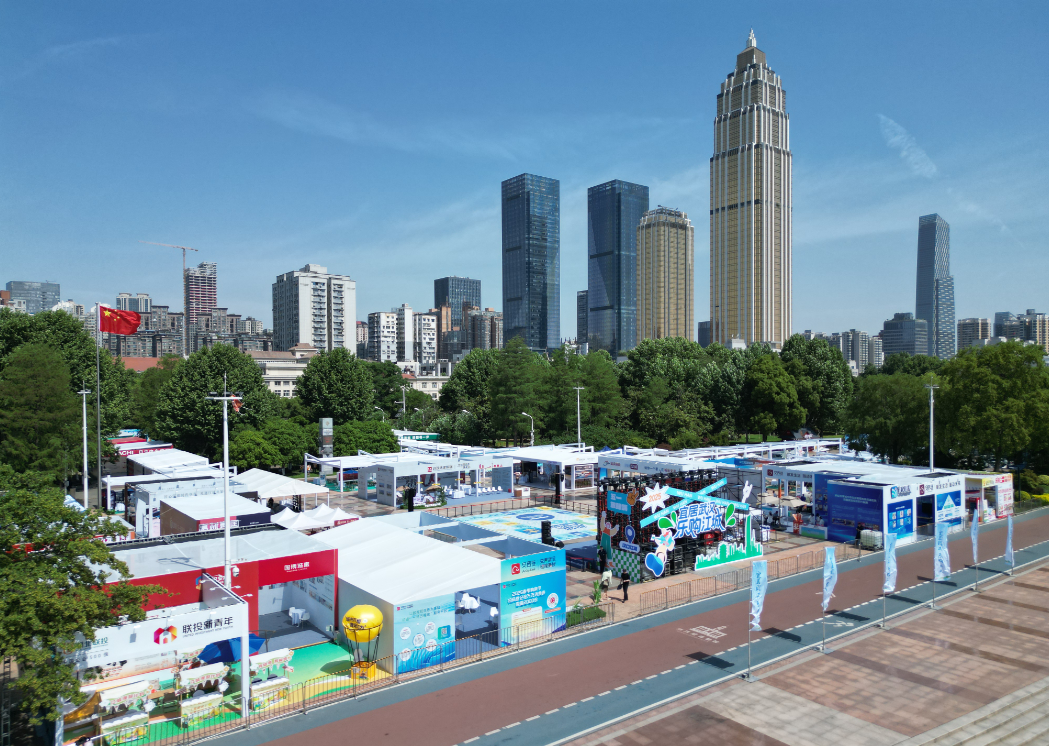
与此同时,以旧换新的热度也居高不下,成交笔数领跑全市。随着宝安区"欢购爱车"活动的持续发力, 本次假期期间宝安全区汽车置换更新申请数量为411辆,销售金额为9163万元,在全市各行政区中排名 第一;家电、数码产品以旧换新共核销13243笔,补贴金额超600万元,销售总额超4500万元,均排名全 市前列。 这个假期,宝安各商圈利用户外疗愈、首发经济、非遗、电竞等消费热点,策划多种特色主题活动,不 断丰富消费场景,吸引大量游客和消费者。在欢乐港湾,"深圳西引力——宝安五一国际艺术开放 周"与"公园文化季——五一专场"相继举办,世界小姐、国际艺术家、宝安本土艺术团、乐队在这里为 消费者送上沉浸式的艺术体验;满京华·满纷天地以王者荣耀全国大赛·海选赛的举办为契机,策划了一 系列电竞主题节日活动;随着好利来西部首店在大仟里的开业,大仟里也主动策划"有限面包公社 5.0"面包快闪活动,吸引全城的烘焙爱好者前来打卡……据统计,宝安全区本次假期实现消费笔数超 300万笔,同比上升7.67%,占全市消费比重近20%。 线上消费方面,美团大数据显示,5月1日至4日宝安区数字消费交易规模同比增速为18.74%,整体交易 规模在全国 ...

优惠政策“持续扩容” 假日“焕新”市场涌动
Qi Lu Wan Bao· 2025-05-07 21:07
李梦瑶济南报道 每逢节假日,济南市民对于"焕新"补贴就有了别样的期待。这个假期,济南两类消费补贴齐发,除了家具家 装焕新补贴,还在全省首发的"新车首保消费券",最高3000元的叠加优惠。"原本计划年底换车,现在提前 享受双重补贴。"市民赵先生在社交平台分享了领取车保的攻略。 目前,济南市消费品以旧换新政策已发布了家电、3C产品和汽车、电动自行车、家具家居类等以旧换新 政策。其中,家电以旧换新补贴方面,由原来的8类扩至12类,像洗碗机、集成灶、扫地机等家电的销量也 有了大幅增长。 政策叠加效应在这个假期充分显现。5月3日,济南启动的新一轮家装、家具消费券发放,覆盖四大类18种 产品,单件最高补贴1500元。叠加企业促销后,市民张女士以8500元购得原价9999元的全屋定制柜。"相当 于政府和企业各承担一部分优惠,这种真金白银的补贴看得见摸得着。"正在签单的张女士难掩欣喜。 据门店统计,5月1日至5日,苏宁易购门店客流同比增长110%,家电以旧换新订单增长57%,万元以上家电销 量增长79%。 黄台环球家居博览中心内,消费升级趋势更为明显。在一门店前,工作人员边调试智能马桶边介绍其功 能。正在选购智能马桶的市民李 ...
电动两轮车经销商访谈:行业近况及市场展望
2025-05-07 15:20
Summary of Electric Two-Wheeler Industry Conference Call Industry Overview - The electric two-wheeler market is expected to grow by 10%-20% in 2025, driven by replacement demand and the implementation of new national standards, with Q2 and Q3 anticipated to be peak seasons, potentially leading to early consumption [1][4][24] - The high-end market remains stable, accounting for about 10% of total sales, and is less affected by consumer downgrading trends [1][21][22] Brand Performance and Growth Expectations - Aima and Niu are expected to grow by approximately 20%, while Ninebot is projected to grow by up to 80% due to product line expansion and channel development [1][6] - Ninebot's strategy of introducing products in the 2000-3000 yuan price range has successfully catered to the trend of consumer downgrading, resulting in significant sales growth [1][16] - In 2024, Ninebot sold 80,000 units, Niu sold 60,000 units, and Aima reached 180,000 units [3] Consumer Preferences and Market Dynamics - Key factors influencing consumer purchasing decisions include range, brand, appearance, and price, with range anxiety being a primary concern [1][11] - The cost of electric vehicles is significantly impacted by battery capacity, with approximately half of the cost attributed to batteries [1][12] - The Shanghai trade-in policy offers a 500 yuan subsidy, but its complexity and limited funding have resulted in low participation from stores [1][17][18] Channel Development and Store Expansion - Aima has around 500 stores, Niu has 160, and Ninebot has 200, totaling approximately 900 stores in Shanghai [2][9] - All three brands are actively expanding their market share and have clear channel development targets for 2025 [8] - Aima's store count is stable, while Niu aims to increase its stores by 30% and Ninebot also plans for a 30% increase [9] Impact of New National Standards - The new national standards are expected to enhance the quality of electric two-wheelers, extending their lifespan from 3-4 years to 5-6 years [1][21][33] - The implementation of these standards has led to improved materials and overall vehicle quality [21] Competitive Landscape and Pricing Strategies - The market is experiencing intensified price wars, with manufacturers lowering prices to clear inventory [28] - The exit of small and medium-sized enterprises from the market is expected to ease price competition, but this may take time [25][29] - Aima's single-vehicle profit margin is around 5%-8%, while Ninebot and Niu achieve margins of 10%-15% [35] Consumer Behavior and Market Trends - Current consumer willingness to purchase electric bicycles remains strong, with existing models meeting commuting needs in terms of aesthetics, price, and practicality [26] - The market is witnessing a clear trend of consumer downgrading, particularly in mid-range products, while high-end segments remain stable [34] Conclusion - The electric two-wheeler industry is poised for growth in 2025, driven by new policies and consumer trends, with significant differences in brand performance and consumer preferences shaping the competitive landscape [1][4][24]

箭牌家居董事长回应净利润大幅下滑却维持高分红:具备分红能力、不影响正常经营
Mei Ri Jing Ji Xin Wen· 2025-05-07 14:02
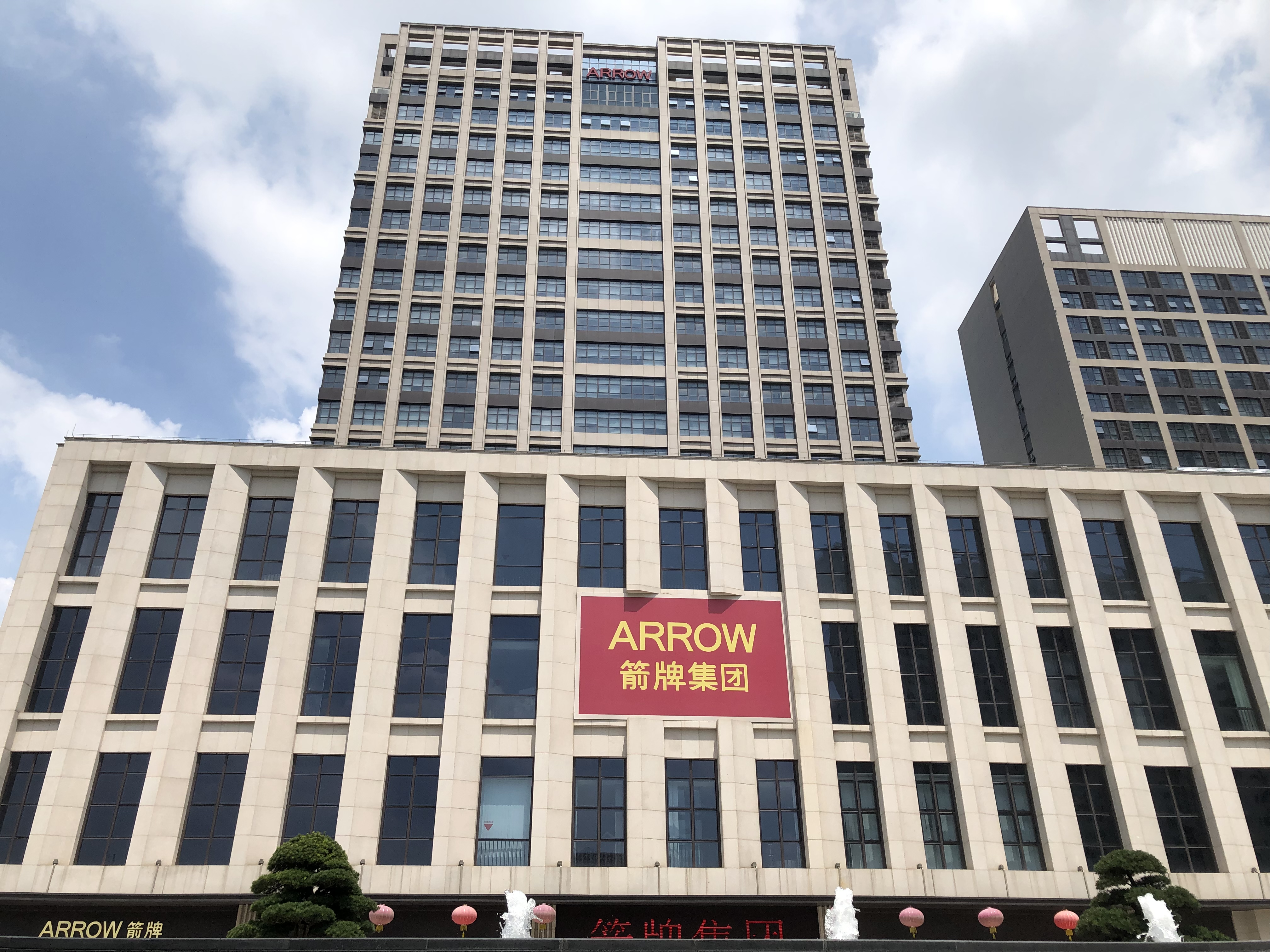
Core Viewpoint - Arrow Home's performance in 2024 showed a significant decline, with revenue and net profit dropping compared to previous years, attributed to intensified industry competition and increased depreciation expenses [1][4][6] Financial Performance - In 2024, Arrow Home reported operating revenue of 7.131 billion yuan, a year-on-year decrease of 6.76%, and a net profit of 66.77 million yuan, down 84.28% [4] - The company's gross profit margin decreased by 3.24 percentage points due to ongoing price declines in products and increased expenses [4] - Despite the overall decline, the fourth quarter saw a revenue spike to approximately 2.3 billion yuan, aided by the "old-for-new" consumption policy [4][5] Business Channels - The home decoration channel was one of the few areas with revenue growth, achieving 1.182 billion yuan in annual revenue, up 3.25% [4][5] - Retail channels are a focus for the company, aiming to enhance customer traffic, retention rates, and average transaction values [1][5] - E-commerce and engineering channels experienced revenue declines of 4.92% and 17.42%, respectively [5] Dividend Policy - Arrow Home proposed a cash dividend of 1.32 yuan per 10 shares, totaling approximately 126 million yuan, which is 1.88 times the net profit for 2024 [6][7] - The decision to maintain high dividends despite poor performance raised questions, but the company stated it has a solid financial position and sufficient distributable profits [6][7] Market Trends - The "old-for-new" policy is expected to influence consumer behavior positively, shifting the focus from new home purchases to renovations and upgrades [5][9] - The demand for smart bathroom products, particularly smart toilets, is anticipated to grow, despite current price competition in the market [8][9]
焦点访谈|3.14亿人次出游、消费超1800亿元……“五一”消费市场亮点解析
Yang Shi Wang· 2025-05-07 13:27
Core Insights - The "May Day" holiday saw over 1.467 billion people traveling across regions, indicating a strong recovery in consumer activity and economic vitality in China [1] - The holiday period showcased a diverse and innovative consumer market, with significant growth in domestic tourism and retail sales [3][10] Group 1: Consumer Trends - Domestic travel reached 314 million trips, a year-on-year increase of 6.4%, with total spending of 180.269 billion yuan, up 8.0% [3] - Key retail and catering enterprises reported a sales increase of 6.3% year-on-year during the holiday [3] - The "old-for-new" sales policy was particularly successful, with significant consumer interest in upgrading household appliances and vehicles [10] Group 2: Technological Integration - The integration of technology in cultural tourism has enhanced consumer experiences, with immersive performances and interactive exhibits becoming popular [5] - The shift of technology from a cost center to a profit center in tourism indicates a growing trend where tech-driven experiences directly contribute to revenue [5] Group 3: Innovative Consumption Scenarios - Unique local events, such as concerts in natural caves and themed markets, have attracted significant visitor interest and spending [7][12] - The rise of "film tourism" has been noted, where locations featured in popular movies see increased foot traffic and sales [7][8] Group 4: International Tourism - The implementation of visa-free policies and tax refund measures has led to a 43.1% increase in foreign visitors during the holiday, with 1.115 million entries recorded [16] - The average stay of foreign tourists has increased to approximately 3.9 days, indicating a shift towards exploring multiple destinations [16] Group 5: Economic Implications - The surge in consumer activity reflects a robust recovery in the Chinese economy, with new consumption scenarios emerging across urban and rural areas [16] - The continuous expansion of the consumer market is expected to provide sustained momentum for economic growth in China [16]

区域的视角系列(5):如何看待北京消费数据?
Orient Securities· 2025-05-07 09:51
Consumption Data Overview - Beijing's total retail sales in Q1 2025 decreased by 3.3% year-on-year, contrasting with a national increase of 4.6%[5] - The sales of communication equipment in Beijing fell by 24.9%, while automobile sales dropped by 19.9%, significantly underperforming the national averages of 26.9% and -0.8% respectively[5] - Approximately 1.5 million car owners in Beijing applied for vehicle replacement subsidies, representing 0.069% of the city's permanent population[5] Consumer Behavior Insights - The consumer employment satisfaction index in Beijing was 80.8, down 4.3 points from the previous quarter and significantly lower than 103.9 a year earlier, indicating increased pressure on consumer sentiment[5] - Despite stable unemployment rates at 4.1% in Beijing, consumer willingness to participate in replacement programs appears low, suggesting subjective perceptions of economic conditions are affecting behavior[5] Market Dynamics - Gold sales in Beijing accounted for 19.74% of the national total in Q1 2025, up from 17.2% in 2024 and 14.8% in 2023, indicating a rising consumer preference for gold amid price increases[5] - The retail sales growth in Haidian District was notably negative at -13.9%, with commodity sales down 15.2% and dining down 6.9%[5] Comparative Analysis - Historical data shows that major cities like Beijing, Shanghai, and Tianjin have consistently underperformed the national average in retail sales growth, with 2019 figures at 4.4%, 6.5%, and -0.3% respectively, compared to a national average of 8%[5] - The trend of declining consumption growth in large cities may be attributed to the diminishing benefits of urban-rural transition and a slowdown in population growth[5] Risks and Considerations - There are significant risks related to the representativeness of individual city data, as economic performance varies widely across regions[5] - Non-economic factors such as urban planning and tariff disputes may have a greater impact on consumption data than previously anticipated[5]