
全国统一大市场建设

Search documents
2025年6月CPI和PPI数据解读:6月通胀:工业消费品价格转涨,反内卷或渐近提振物价
ZHESHANG SECURITIES· 2025-07-09 13:07
Inflation Data - June CPI year-on-year growth rate is 0.1%, an improvement from the previous value of -0.1%, exceeding market expectations of 0%[3] - June PPI year-on-year growth rate recorded at -3.6%, lower than market expectations of -3.2%[7] - Core CPI, excluding food and energy, increased by 0.7% year-on-year, marking a 14-month high[5] Price Movements - Industrial consumer goods prices saw a narrowing decline from -1.0% in May to -0.5% in June, contributing less to CPI decline by approximately 0.18 percentage points[3] - Gasoline prices shifted from a 3.8% decline to a 0.4% increase in June, influenced by international oil price movements[4] - Platinum jewelry prices surged by 12.6% in June, the largest monthly increase in nearly a decade[3] Economic Outlook - The market is expected to exhibit a dual bull structure in stocks and bonds in the second half of the year, supported by improving US-China trade relations and risk-averse funds[2] - Fixed income yields, particularly the 10-year government bond rate, are projected to decline to around 1.5% amid low domestic demand stimulus probability[2] Consumer Demand - Consumer demand is in a critical recovery phase, with incremental counter-cyclical policies expected to enhance demand and gradually improve CPI levels[7] - The demand for high-quality living is increasing, leading to price recoveries in related industries[9]
【新华解读】6月份我国CPI同比增速“转正”怎么看?
Xin Hua Cai Jing· 2025-07-09 11:53
Group 1: CPI Trends - In June, China's Consumer Price Index (CPI) rose by 0.1% year-on-year, ending a four-month decline [1] - The core CPI, excluding food and energy, increased by 0.7% year-on-year, marking a 14-month high [1][3] - The improvement in CPI indicates a positive signal of demand recovery in the market [1][3] Group 2: Factors Influencing CPI - The rise in CPI was supported by a rebound in industrial consumer goods prices, with the year-on-year decline narrowing from 1.0% to 0.5% [2] - International commodity price fluctuations contributed to significant increases in gold and platinum jewelry prices, which rose by 39.2% and 15.9% respectively, impacting CPI positively [2] - The increase in international oil prices, influenced by geopolitical tensions and seasonal demand, also played a role in lifting domestic energy prices [2][5] Group 3: Core CPI and Consumer Goods - Core CPI has shown a continuous increase for four months, rising from -0.1% in February to 0.7% in June [3] - Prices of durable consumer goods, such as entertainment products and household textiles, increased by 2.0% year-on-year [3] - The decline in automobile prices has slowed, with fuel and new energy vehicles seeing the smallest price drops in nearly two and a half years [3] Group 4: Food Prices and Their Impact - Food prices decreased by 0.3% year-on-year in June, with the decline narrowing compared to the previous month [4] - Fresh fruit prices rose by 6.1%, contributing approximately 0.12 percentage points to the CPI increase [4] - The price of beef turned positive after 28 months of decline, while pork prices fell by 8.5%, marking a shift after previous increases [4] Group 5: PPI Trends and Future Outlook - The Producer Price Index (PPI) fell by 0.4% month-on-month and 3.6% year-on-year, indicating ongoing pressure in the industrial sector [4][5] - Factors such as high temperatures and increased rainfall have affected construction progress, contributing to a decline in raw material prices [5] - Analysts expect that with continued macroeconomic policy support, domestic prices may gradually recover, leading to a mild rebound in CPI and a narrowing of PPI declines [6]
14个月新高!重要经济数据发布
证券时报· 2025-07-09 05:28
Core Viewpoint - The Consumer Price Index (CPI) has turned from a decline to an increase of 0.1% year-on-year in June, ending a four-month downward trend, influenced by the recovery in industrial consumer goods prices [2][3]. CPI Analysis - In June, the CPI increased by 0.1% year-on-year, with food prices decreasing by 0.3% and non-food prices rising by 0.1% [3]. - The decline in industrial consumer goods prices narrowed from 1.0% to 0.5% year-on-year, reducing its downward impact on CPI by approximately 0.18 percentage points [3]. - International commodity price fluctuations led to significant increases in gold and platinum jewelry prices, which rose by 39.2% and 15.9% respectively, contributing about 0.21 percentage points to the CPI increase [3]. - The core CPI rose by 0.7%, marking a new high in nearly 14 months [3]. PPI and Industrial Prices - The Producer Price Index (PPI) showed a consistent decline in June, but some industries are experiencing price stabilization and recovery due to improved supply-demand relationships [8]. - The construction of a unified national market and increased efforts to combat disorderly low-price competition are contributing to price stabilization in certain sectors [8]. - Prices in the automotive sector, including both traditional and new energy vehicles, have shown signs of recovery, with respective year-on-year declines narrowing [8]. Consumer Demand and Living Costs - The demand for housing rentals has increased during the graduation season, leading to a 0.1% rise in rental prices [6]. - Policies aimed at boosting consumption have led to a rise in prices for daily necessities and clothing, with general daily goods and clothing prices increasing by 0.8% and 0.1% respectively [9]. - High-tech industries are also seeing price increases, with integrated circuit packaging and testing prices rising by 3.1% year-on-year [9].


重要数据出炉!沪指重回3500点
天天基金网· 2025-07-09 03:27
Group 1 - The core viewpoint of the article highlights the positive shift in the Consumer Price Index (CPI) in June, indicating a recovery in consumer demand and the effectiveness of consumption-boosting policies [4][5][6] - In June, the CPI increased by 0.1% year-on-year after four consecutive months of decline, primarily driven by a rebound in industrial consumer goods prices [5][6][8] - The core CPI, excluding food and energy, rose by 0.7% year-on-year, marking the highest increase in nearly 14 months [8] Group 2 - In June, the Producer Price Index (PPI) decreased by 0.4% month-on-month, with a year-on-year decline of 3.6%, which is a larger drop compared to the previous month [2][11][14] - Factors contributing to the PPI decline include seasonal price drops in raw materials, increased green energy leading to lower energy prices, and downward pressure on prices in export-oriented industries due to global trade slowdowns [12][13][14] - Despite the PPI decline, some industries are experiencing price stabilization and recovery due to improved supply-demand relationships and supportive macroeconomic policies [14][15]
反“内卷”动作不断,剑指汽车、光伏等行业
21世纪经济报道· 2025-07-08 15:39
作 者丨冉黎黎 编 辑丨李博 今年以来,破除光伏、汽车等行业"内卷式"竞争的信号陆续释放。今年的政府工作报告提出, 综合整治"内卷式"竞争。1月,《全国统一大市场建设指引(试行)》(以下简称《指引》) 发布,对突破国家规定的红线底线违规实施的招商引资优惠政策等行为提出若干"不得",从源 头消除"内卷"诱因。 近期来看,7月1日,中央财经委员会第六次会议召开,会议强调,纵深推进全国统一大市场建 设,要聚焦重点难点,依法依规治理企业低价无序竞争,引导企业提升产品品质,推动落后产 能有序退出。7月3日,工信部召开光伏行业制造业企业座谈会,强调依法依规、综合治理光伏 行业低价无序竞争。 从被"点名"的光伏行业来看,经同花顺iFinD统计,2024年,68家光伏设备板块的上司公司实 现归属净利润合计约为-256.56亿元,而在2023年,前述68家上市公司实现归属净利润合计约 为993.44亿元。 7月8日,光伏板块行情继续异动。光伏设备板块低开高走,截至收盘,光伏设备板块收涨 5.55%,板块内,首航新能"20CM"涨停,大全能源、艾罗能源等多股涨超10%。 信号密集释放 今年的政府工作报告提出,纵深推进全国统一大市 ...
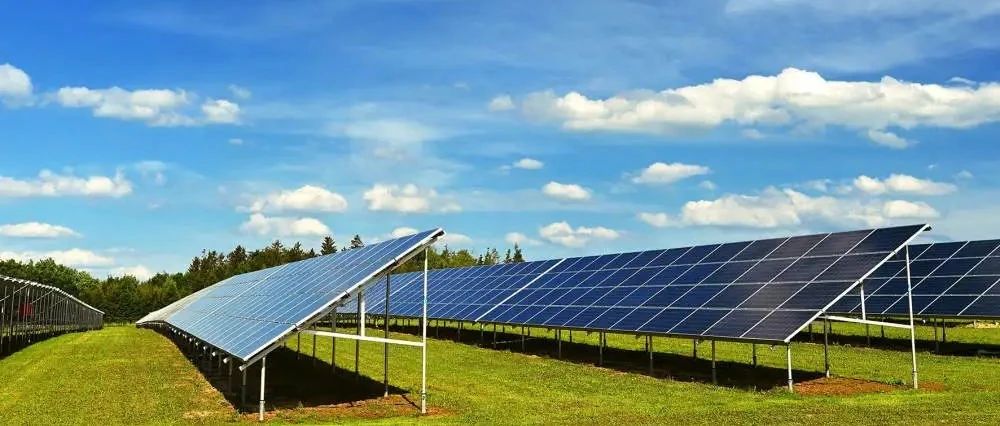
反“内卷”动作不断,剑指汽车、光伏等行业低价无序竞争
2 1 Shi Ji Jing Ji Bao Dao· 2025-07-08 13:21
Group 1 - The government is taking measures to eliminate "involution" competition in industries such as photovoltaic and automotive sectors, emphasizing the need for quality improvement and orderly exit of outdated capacities [1][2][3] - The Central Economic Committee's recent meeting highlighted the importance of legally regulating low-price disorderly competition and guiding companies to enhance product quality [3][6] - The photovoltaic industry is facing significant challenges, with projected net profits for 68 listed companies in 2024 expected to be approximately -256.56 billion yuan, a stark contrast to 993.44 billion yuan in 2023 [3][4] Group 2 - The photovoltaic sector is experiencing a supply-demand imbalance, with a projected 28.3% year-on-year increase in new installations in 2024, yet prices for key components have dropped significantly, impacting profitability [4][5] - The automotive industry is also struggling with a low profit margin of 4.3% in 2024, leading to concerns about sustainability in research and development due to price wars [5][6] - The Ministry of Industry and Information Technology (MIIT) is actively addressing the "involution" competition in both the photovoltaic and automotive sectors, promoting high-quality development and long-term cooperation among enterprises [6][7] Group 3 - The MIIT has revised regulations for the photovoltaic manufacturing industry to enhance management and set higher technical standards, aiming to prevent redundant capacity [7][8] - There is an expectation of increased mergers and acquisitions in the photovoltaic and automotive sectors as part of the natural evolution towards industry maturity [8][9] - The current market conditions, including stagnant market capacity and declining profits, indicate that the automotive industry is entering a mature phase, necessitating stricter control over new capacity and encouragement of consolidation [8][9]
低位库存支撑盘面
Guan Tong Qi Huo· 2025-07-08 10:33
【冠通研究】 低位库存支撑盘面 1 【期现行情】 期货方面:沪铜盘面低开低走尾盘收涨。报收于 79620,前二十名多单量 136049 手,+3339 手;空单量 133555 手,+3630 手。 制作日期:2025 年 7 月 8 日 【策略分析】 今日铜低开低走午后拉涨。美国总统特朗普 7 日表示,将从 8 月 1 日起分别对来自 日本、韩国等 14 个国家的进口产品征收 25%至 40%不等的关税。国内方面,中央财经委 员会第六次会议研究纵深推进全国统一大市场建设、海洋经济高质量发展等问题,强调 依法依规治理企业低价无序竞争,引导企业提升产品品质,推动落后产能有序退出。供 给方面,截至 2025 年 7 月 4 日,现货粗炼费为-43.31 美元/干吨,现货精炼费为-4.31 美分/磅。目前铜冶炼厂加工费预计止跌回稳,铜供应偏激的预期或将有所改善,但目前 关税博弈之下,铜库存加速抢跑至美国,希望能在关税之前到达美国境内,其他地区的 铜库存继续去化,处于库存同期低位状态。需求方面,截至 2025 年 5 月,电解铜表观消 费 136.35 万吨,相比上月涨跌+8.08 万吨,涨跌幅+6.30%。预计 7 ...
反内卷不止是光伏,稀缺场内品种·钢铁LOF(502023)盘中涨1.41%!
Xin Lang Cai Jing· 2025-07-08 07:36
Group 1 - The steel sector experienced a rebound, with Liugang Co. hitting the daily limit and achieving five consecutive trading limits in six days, while other stocks like Taigang Stainless and Hualing Steel also rose [1] - The Central Financial Committee's sixth meeting emphasized the need to advance the construction of a unified national market and to govern low-price disorderly competition, which could lead to an orderly exit of backward production capacity, benefiting industry profit recovery [1] - The comprehensive gross profit of the steel industry is expected to increase by 52.45% year-on-year to 281 yuan/ton in the first half of 2025, driven by the implementation of capacity exit policies [1] Group 2 - Longjiang Securities believes that the end of 2025 will be a critical node for the implementation of capacity reduction policies, with small and medium-sized private enterprises facing significant challenges to meet standards [1] - The "anti-involution" trend aims to clear out not only backward production capacity but also manufacturing and platforms with significant private enterprise participation, which are crucial for local employment and tax revenue [1] - The capital market exhibits a strong learning effect, with stock price reactions becoming increasingly anticipatory based on past supply-side reform experiences, suggesting that investors should seize policy opportunities early [2]
光大期货金融期货日报-20250708
Guang Da Qi Huo· 2025-07-08 03:32
1. Report Industry Investment Rating - No information provided regarding the report industry investment rating 2. Core Viewpoints - For stock index futures, the policy helps promote enterprise technological innovation, industrial upgrading of new - quality productivity, and long - term profitability repair of enterprises, but relevant sectors may face pressure during the elimination of backward production capacity, and the basis discount of stock index futures may widen. The overall view is that the market will be volatile [1] - For treasury bond futures, the bond market is in an environment of loose funds, stable economy, and low short - term interest rate cut expectations, with insufficient upward and downward momentum, and is expected to continue a volatile trend in the short term [1] 3. Summary by Relevant Catalogs 3.1 Research Viewpoints - **Stock Index Futures**: On July 1st, policies such as the sixth meeting of the Central Financial and Economic Commission and the release of an article in Qiushi magazine were introduced. These policies are beneficial for long - term corporate profitability and A - share investment returns, but relevant sectors may face short - term pressure, and the basis discount of stock index futures may widen. The market is expected to be volatile [1] - **Treasury Bond Futures**: On July 8th, treasury bond futures closed with some declines. The central bank conducted 1065 billion yuan of 7 - day reverse repurchase operations, with a net withdrawal of 225 billion yuan. The capital market is loose, and the economy is stable. The bond market is expected to be volatile in the short term [1] 3.2 Daily Price Changes - **Stock Index Futures**: From July 4th to July 7th, IH decreased by 9.2 points (- 0.34%), IF decreased by 18.0 points (- 0.46%), IC decreased by 15.0 points (- 0.26%), and IM decreased by 0.6 points (- 0.01%) [2] - **Stock Indexes**: From July 4th to July 7th, the Shanghai Composite 50 decreased by 8.9 points (- 0.33%), the CSI 300 decreased by 17.0 points (- 0.43%), the CSI 500 decreased by 11.0 points (- 0.19%), and the CSI 1000 increased by 14.9 points (0.24%) [2] - **Treasury Bond Futures**: From July 4th to July 7th, TS decreased by 0.006 points (- 0.01%), TF decreased by 0.03 points (- 0.03%), T increased by 0.005 points (0.00%), and TL decreased by 0.05 points (- 0.04%) [2] 3.3 Market News - China's foreign exchange reserves in June were 3.317422 trillion US dollars, higher than the expected 3.3 trillion US dollars and the previous value of 3.28526 trillion US dollars [3] - As of the end of June, China's gold reserves were 73.9 million ounces (about 2298.55 tons), an increase of 70,000 ounces (about 2.18 tons) from the previous month, and it was the 8th consecutive month of gold purchases [4] 3.4 Chart Analysis - **Stock Index Futures**: There are charts showing the trends of IH, IF, IM, IC main contracts, and their respective monthly basis trends [6][7][9] - **Treasury Bond Futures**: There are charts showing the trends of treasury bond futures main contracts, treasury bond spot yields, basis, inter - period spreads, cross - variety spreads, and capital interest rates [13][15][17] - **Exchange Rates**: There are charts showing the central parity rates of the US dollar, euro against the RMB, forward exchange rates, the US dollar index, euro - US dollar, pound - US dollar, and US dollar - yen exchange rates [20][21][24] 4. Member Introduction - Zhu Jintao, a master of economics from Jilin University, is the director of macro - financial research at Everbright Futures Research Institute, with futures qualification number F3060829 and consulting qualification number Z0015271 [27] - Wang Dongying, an index analyst with a master's degree from Columbia University, focuses on stock index futures, and is responsible for macro - fundamental quantification, key industry research, index financial report analysis, and market capital tracking, with futures qualification number F03087149 and consulting qualification number Z0019537 [27]
泓德基金:上周国内权益市场延续震荡上行走势,万得全A周涨幅为1.22%
Xin Lang Ji Jin· 2025-07-08 00:25
Group 1 - The domestic equity market continued its upward trend last week, with the Wind All A Index rising by 1.22%, and the average daily trading volume maintained around 1.5 trillion yuan, approaching the historical high from 2015, currently less than 3% away from that peak [1] - The growth rates for specific indices included the ChiNext (+1.5%), Shanghai Composite Index (+1.4%), and CSI 300 (+1.5%), while the STAR Market saw a slight decline of 0.3% [1] - From an industry perspective, steel (+5.3%), banking (+3.8%), and building materials (+3.6%) experienced significant gains, whereas computer technology (-0.9%) and comprehensive finance (-4.5%) faced notable declines [1] Group 2 - The Central Financial Committee emphasized the need to advance the construction of a unified national market, focusing on addressing key challenges, regulating low-price disorderly competition, enhancing product quality, and promoting the orderly exit of backward production capacity [1] - The emergence of new technologies and business models tends to attract substantial investment, but it may also lead to over-investment issues, where capacity expansion outpaces demand release during technological iterations [2] - The bond market saw a general decline in interest rates, with credit bond yields decreasing significantly, particularly for lower-rated AA- bonds, indicating a potential structural market trend driven by new capital inflows [2]