关税政策

Search documents
记者手记丨德企财报季频响“关税”警报
Xin Hua She· 2025-11-15 06:42
Core Viewpoint - The recent earnings season in Germany has highlighted the significant impact of U.S. tariffs on various industries, particularly automotive and industrial technology sectors, with executives frequently discussing the pressures and consequences of these tariffs [1][3]. Group 1: Company Impact - Siemens Healthineers reported a profit reduction of approximately 400 million euros due to tariffs in the fiscal year 2025, emphasizing the substantial burden of these costs [1]. - Porsche's sales profit for the first three quarters of the year dropped to 40 million euros, a 99% decrease from 4.035 billion euros in the same period last year, attributing this decline to tariff-related cost pressures [3]. - BMW's third-quarter earnings were negatively affected by U.S. tariffs, leading to a 1.75 percentage point decrease in the pre-tax profit margin for its automotive business, with a revised free cash flow expectation dropping from over 5 billion euros to over 2.5 billion euros for the year [3][4]. Group 2: Industry Trends - The German automotive industry is facing additional costs amounting to billions of euros annually due to U.S. tariff policies, which are contributing to a decline in exports and overall economic performance [3][4]. - The German economy showed zero growth in GDP for the third quarter, with a notable decline in exports, particularly to the U.S., where exports fell by 7.4% year-on-year from January to September [4]. - Over half of the surveyed German companies expressed uncertainty about their business prospects in the U.S. due to tariff policies, indicating a potential reduction in trade with the U.S. [4].
美国700万人爆发抗议,特朗普提前做好败诉准备,对华关税松口
Sou Hu Cai Jing· 2025-11-15 06:12
Group 1 - A significant protest movement has emerged in the U.S., with 7 million people participating in demonstrations against the Trump administration's policies, marking one of the largest protests in 60 years [1] - The U.S. Supreme Court is set to hold a hearing in November regarding Trump's tariffs on multiple countries, following a ruling that deemed his unilateral imposition of tariffs without Congressional approval illegal [3] - Trump's administration is shifting its approach to tariffs, moving away from the controversial International Emergency Economic Powers Act to the more stable Trade Expansion Act of 1962, which allows for tariffs under national security grounds [3] Group 2 - Trump has begun to exempt dozens of products from tariffs and indicated that hundreds of items, including agricultural products and aircraft parts, may also receive exemptions after trade agreements with other countries [5] - The U.S. Secretary of Commerce, who initially took a hardline stance on tariffs, has softened his position, suggesting that certain products not grown in the U.S. could be imported at zero tariffs [5] - Trump's recent comments on Chinese tariffs indicate a potential easing of his stance, acknowledging that imposing 100% tariffs on Chinese goods would not be sustainable and expressing a desire to return to negotiations for a fair agreement [7]

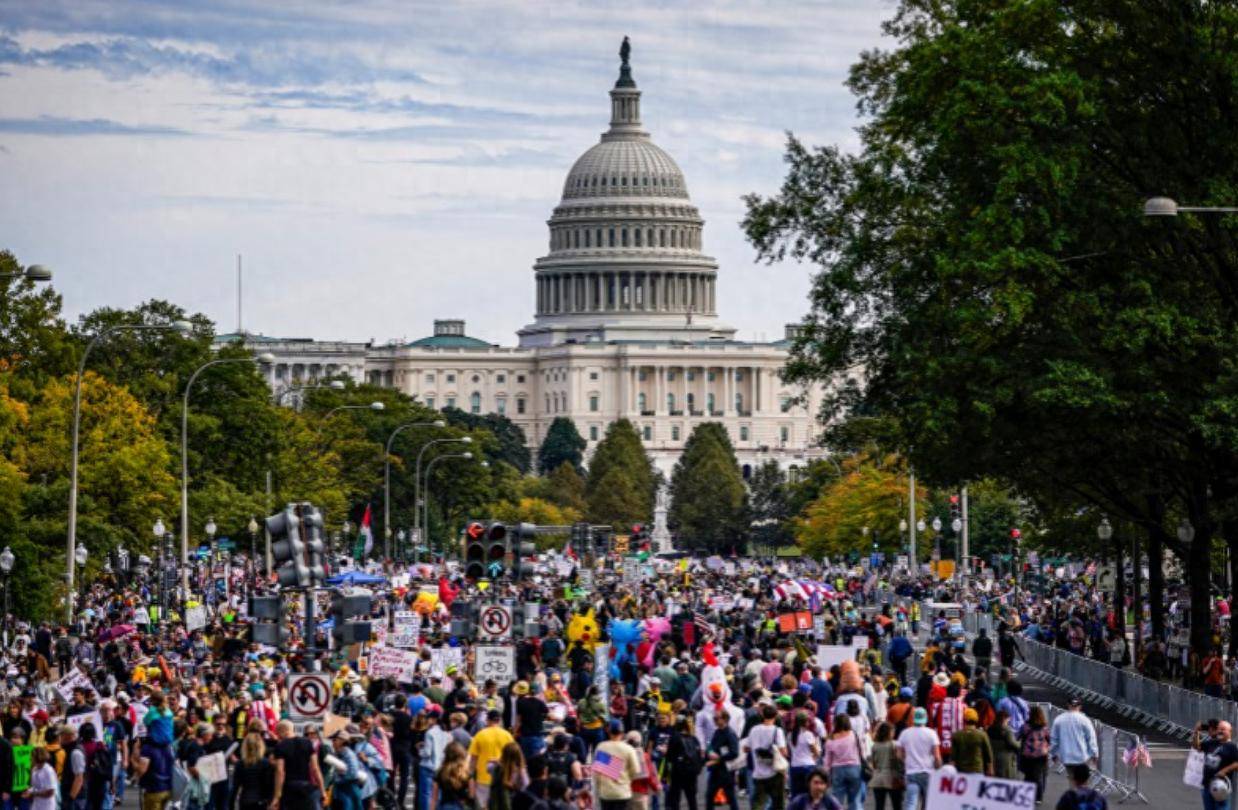
专机刚降落美国,特朗普即遭当头棒喝,已然敲响一记警钟
Sou Hu Cai Jing· 2025-11-15 05:05
Core Points - The Senate voted 51 to 47 to halt the global "all tariffs" policy, signaling a strong political message regarding domestic consensus and interest distribution around tariffs [1] - The vote reflects internal divisions within the Republican Party, with four members breaking ranks to vote against the party line, indicating a presence of establishment influence [1][2] - The Senate's decision does not immediately invalidate the policy, as it must still pass through the House and face potential presidential veto, making significant changes unlikely [1][10] Group 1 - The vote serves as a warning to various interest groups, including businesses and farmers, highlighting the emerging divide between policy-oriented and election-oriented factions within the party [2] - External observers, including international competitors, may leverage the perceived domestic discord to apply pressure in negotiations, potentially prolonging discussions [2][8] - The Trump administration is facing resource constraints due to multiple fronts of conflict, which may limit its diplomatic strategies and lead to policy missteps [4] Group 2 - The upcoming Supreme Court hearing on tariff policy is significant, as the Senate's stance may influence judicial proceedings, potentially reducing the administration's margin for error [6] - Internal tensions within the Republican Party persist, with "hardliners" advocating for continued policy enforcement while "moderates" focus on electoral implications [6][10] - The international community is closely monitoring U.S. tariff divisions, which could lead to more assertive negotiation tactics from other countries seeking exemptions or favorable terms [8] Group 3 - The Senate's actions necessitate a reevaluation of the tariff policy framework, emphasizing the need for clear boundaries and respect for procedural integrity [10] - The interplay of the Senate vote, the Supreme Court hearing, and House rules creates a complex environment with numerous potential outcomes [10] - Political maneuvering will continue, with further votes and legal debates expected, indicating that the tariff policy discourse is far from over [10]
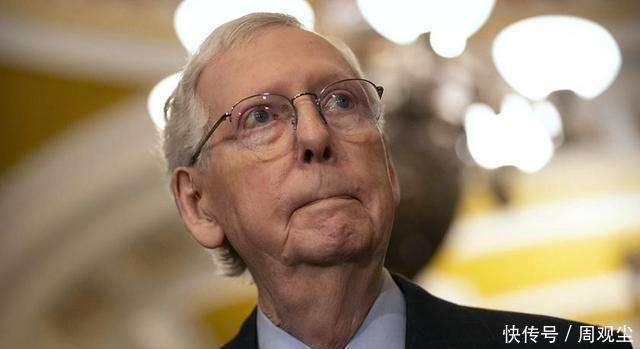
特朗普稳赚,欧洲将向美企提供稀土,美联储分歧加大,降息悬了
Sou Hu Cai Jing· 2025-11-14 17:42
Core Insights - The article highlights the contrasting dynamics of the U.S. economy, showcasing the impact of Trump's tariff policies on both strategic resources and monetary policy challenges [1][3]. Tariff Policy Impact - Trump's tariff policy has significantly increased the U.S. weighted average tariff rate from 2.5% at the beginning of the year to 13.6%, representing a more than fivefold increase, effectively acting as a substantial tax hike on the U.S. economy [3]. - The tariff strategy has led to a critical situation in the global rare earth market, where the U.S. relies heavily on imports from China, accounting for over 90% of its rare earth needs [4]. Rare Earth Supply Agreements - In October, Solvay Group, a major European chemical company, announced significant agreements to supply rare earth oxides to U.S. companies, indicating a strategic move to diversify supply sources [6]. - Solvay is one of the few companies capable of competing with China in rare earth processing, having recently restarted production lines in France, although full capacity for certain rare earth elements will not be achieved until 2026 [7][9]. Supply Limitations - Despite the agreements, the supply quantities are marked as "limited," and commercial production is contingent on ongoing support from customers and the government [9]. - Solvay's raw materials will need to be sourced from countries like Australia or through recycling, and there are considerations for establishing manufacturing facilities in the U.S. due to more substantial financial support compared to Europe [9]. Federal Reserve's Monetary Policy Dilemma - The Federal Reserve is facing a significant internal debate regarding interest rate policies, with differing views on the urgency of addressing inflation versus maintaining current employment levels [11][13]. - The ongoing government shutdown has led to a unique situation where critical economic data, such as CPI and employment reports, may never be released, complicating the Fed's decision-making process [15]. Inflation Concerns - A UBS report indicates that Trump's tariff policies could raise core personal consumption expenditure inflation by 0.8 percentage points by 2026, with cumulative effects potentially reaching 1.9 percentage points when considering supply chain shifts [16]. - The Fed is grappling with the dual challenge of a slowing economy that may require rate cuts and persistent inflation driven by tariffs, creating a complex environment for monetary policy [18]. Price Implications - Solvay's expansion in France is expected to result in higher production costs, with U.S. defense procurement officials noting that domestic rare earth products are priced two to three times higher than their Chinese counterparts [19]. - This price disparity is likely to be passed on to consumers, affecting the prices of various products that utilize rare earth elements, which is a scenario the Fed is keen to avoid [19].

BILLIONS LOST: Economist reveals real weekly cost of the government shutdown
Youtube· 2025-11-14 14:01
Economic Impact of Government Shutdown - The government shutdown cost approximately $15 billion per week, leading to an estimated total economic impact of around $90 billion, which could reduce GDP growth by about 0.7% [1][2] - The Labor Department has not released key economic data for over a month, and the October jobs report may not be published, leaving the Federal Reserve without crucial employment statistics ahead of its next meeting [1][2] - The shutdown resulted in the loss of around 60,000 non-federal jobs, significantly affecting various sectors, including financial services and travel [1] Presidential Economic Policies - President Trump is proposing a $2,000 check for families funded by tariff revenue, alongside other affordability measures such as health insurance subsidies and a 50-year mortgage option [1] - The administration's economic policies are expected to lead to a significant increase in median household income, with a reported rise of nearly $7,000 during the first term [1] - The introduction of 100% expensing on capital expenditures is anticipated to drive a supply-side economic boom, enhancing productivity and living standards [1][2] Tariff Policies and Legal Considerations - The Supreme Court is currently reviewing President Trump's emergency tariff authority, which could have significant implications for tariff revenue and presidential trade powers [1][2] - The administration remains optimistic about the court's ruling, asserting that there are backup options available should the court rule against them [2][3] - Tariffs are viewed as a critical component of the strategy to re-industrialize the U.S. manufacturing base and improve supply chains, which have been weakened over the past 25 years [3][4]

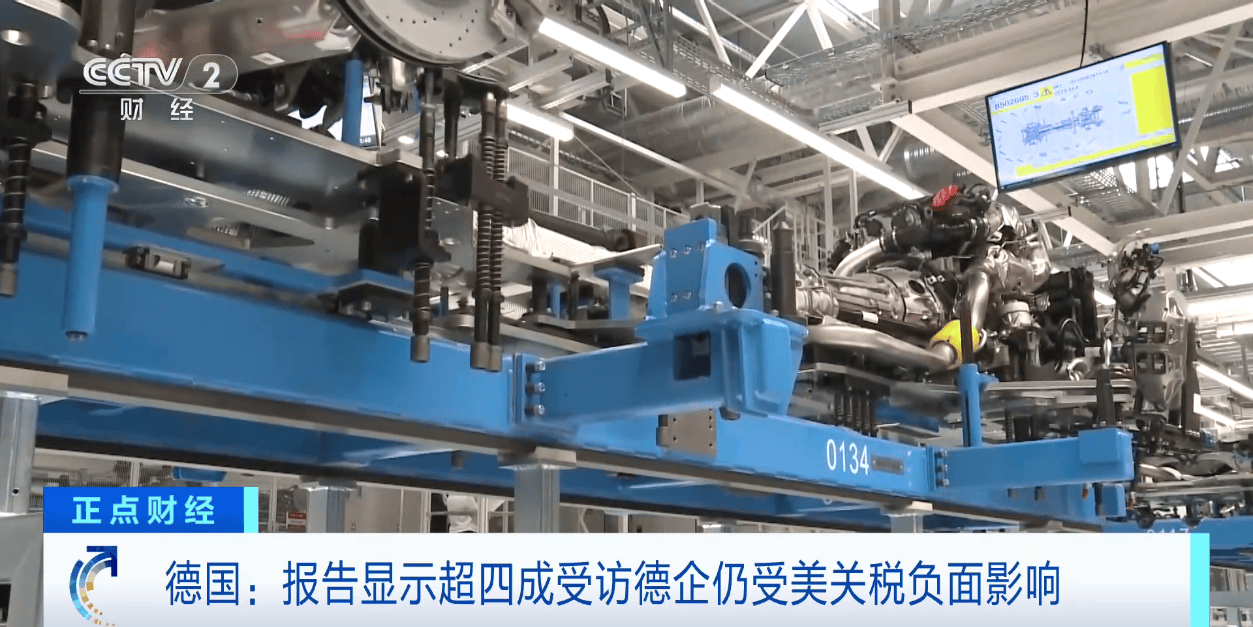
德国:报告显示超四成受访德企仍受美关税负面影响
Sou Hu Cai Jing· 2025-11-14 09:22
Core Insights - The autumn survey report released by the German Chamber of Commerce indicates a recovery in business confidence among German companies, with over 3,500 firms surveyed across approximately 90 countries and regions [1] Group 1: Business Confidence - Business confidence among German enterprises has improved compared to the spring survey [1] Group 2: Impact of U.S. Tariff Policies - 44% of surveyed German companies report being negatively affected by U.S. tariff policies, leading to a cautious outlook on market development in the U.S. [3] - The German Chamber of Commerce highlights that the fluctuating and burdensome U.S. tariff measures contribute to significant uncertainty in the global economy [3] - This uncertainty has evolved into disappointment among businesses, prompting strategic adjustments, particularly regarding investment plans in the U.S. [3]
终止特朗普全面关税,是谁左右了美国的贸易政策?
首席商业评论· 2025-11-14 04:33
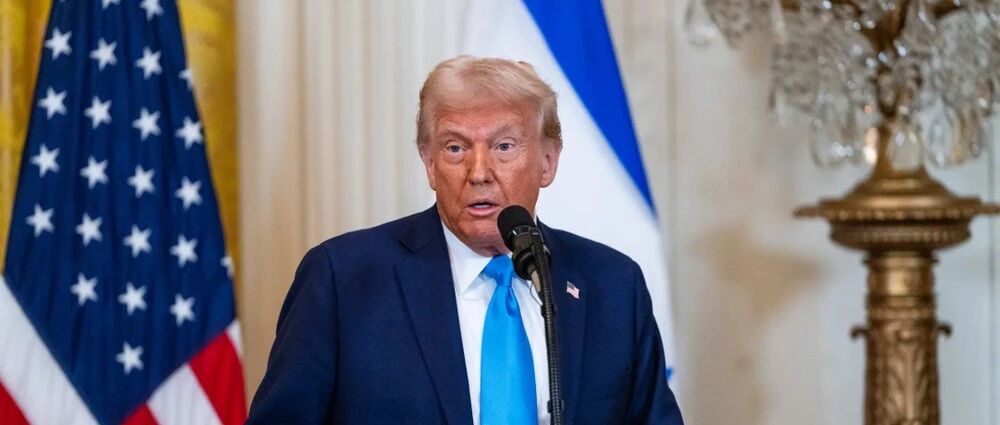
Core Viewpoint - The recent decision by the U.S. Senate to terminate Trump's comprehensive tariff policy highlights the ongoing volatility of U.S. trade policy, which oscillates between protectionism and openness, driven by conflicting interests among various economic groups [2][3][4]. Group 1: The Eternal Struggle of Interest Groups - James Madison's insights in "The Federalist Papers" reveal that trade policy is fundamentally a conflict among different economic interest groups, including landowners, manufacturers, and financial sectors [3][4]. - The historical context shows that trade policy has been a source of intense political conflict in the U.S., as it directly impacts money and jobs, with certain industries benefiting while others suffer [4][5]. Group 2: Historical Policy Shifts - U.S. trade policy has evolved through three distinct eras, each prioritizing different goals: revenue generation through tariffs, protection of domestic manufacturers, and reciprocal trade agreements to reduce barriers [8][9]. - Major external shocks, such as the Civil War and the Great Depression, have significantly shifted the focus of trade policy, demonstrating the influence of political realignments on trade objectives [9]. Group 3: Stability of Trade Policy - The stability of U.S. trade policy is attributed to the country's economic geography and political system, where different regions have specialized economic activities that shape their trade interests [11][12]. - The political structure makes it challenging to change established policies, leading to a tendency to maintain the status quo despite ongoing debates and conflicts among interest groups [11][12]. Group 4: The Role of Political and Economic Factors - Understanding U.S. trade policy requires an analysis of both economic and political factors, as historical context and the legislative process significantly influence policy outcomes [13][14]. - The book "The Conflict of Trade" emphasizes the importance of examining the political and economic interactions that shape trade policy, rather than focusing solely on specific policy outcomes [14][15].
华利集团(300979) - 300979华利集团投资者关系管理信息20251113
2025-11-13 14:36
Group 1: Tariff Impact and Cost Management - The increase in U.S. import tariffs will raise the cost for customers selling to the U.S. market, while non-U.S. sales remain unaffected [2] - Historically, tariffs have been borne by brand customers (importers), ultimately passed on to consumers; the entire supply chain, including brands, manufacturers, and material suppliers, will discuss cost optimization strategies [2] - The company is closely monitoring tariff policy changes and maintaining communication with customers and suppliers regarding cost control [2] Group 2: Gross Margin and Production Capacity - The company's gross margin has declined compared to the previous year due to new factories ramping up production; however, there was an improvement in Q3 2025 compared to Q2 2025 [2][6] - Three factories achieved profitability in Q3 2025, including the first factory in Indonesia, indicating progress in operational efficiency and cost reduction measures [2][6] - Future production capacity will expand, with four new shoe production factories planned for 2024; three factories have already met internal profitability targets by September 2025 [6] Group 3: Pricing Strategy and Revenue - Average selling price fluctuations are influenced by customer and product mix; changes in brand representation and product categories can significantly impact average prices [5] - The company employs a diversified brand strategy, continuously introducing new clients while optimizing customer and product structures, affecting average selling prices [5] Group 4: Dividend Policy and Financial Health - The company has a strong focus on shareholder returns, with cash dividends in 2021 accounting for approximately 89% of net profit; 2022 and 2023 saw dividend ratios of 43% and 44%, respectively [7][8] - For 2024, the dividend payout ratio is projected to be around 70%, with a mid-year dividend introduced in 2025, maintaining a strong cash flow and high retained earnings of approximately 9 billion RMB as of September 2025 [8]
双面墨西哥:一半魔窟,一半热土
创业邦· 2025-11-13 10:12
Core Viewpoint - The article discusses the complex duality of Mexico as both a hub for drug trafficking and a burgeoning market for business opportunities, highlighting the challenges and prospects for companies operating in the region [5][8][12]. Group 1: Drug Trafficking and Its Impact - Mexico has become a significant player in the global drug trade, with an estimated 477 million people in the U.S. having used illegal drugs in the past month, representing 16.8% of the population aged 12 and older [9]. - The drug trade has deeply infiltrated Mexican society, with approximately 175,000 individuals involved in drug trafficking, making it the fifth-largest employer in the country, surpassing major corporations like Pemex and Oxxo [11]. - The ongoing violence and corruption associated with drug trafficking have led to a high number of disappearances, with around 100,000 people reported missing annually, often linked to gang violence [43][10]. Group 2: Business Environment and Opportunities - Despite the challenges posed by drug-related violence, Mexico is viewed as a critical node in global supply chains and a key market for Chinese companies looking to enter the U.S. market [15][30]. - The Mexican market is characterized by a young population and a growing e-commerce sector, with a GDP ranking 11th globally and a per capita GDP of $13,987, which is higher than China's [30]. - Companies are increasingly adapting to the local business culture, emphasizing the importance of building relationships and understanding local practices to succeed in the market [36][40]. Group 3: Security and Operational Challenges - Security remains a significant concern for businesses, with reports of corruption within law enforcement and the need for companies to invest in security measures to protect their assets and personnel [28][29]. - The operational landscape is complicated by labor laws that require compliance with local regulations, which can be stringent and subject to selective enforcement [29][30]. - Companies must navigate a complex environment where relationships with local authorities can influence business operations, often requiring financial investments to ensure compliance and avoid penalties [29][30].

VTECH HOLDINGS(00303) - 2026 Q2 - 电话会议演示
2025-11-13 08:30
Financial Performance - VTech's revenue decreased by 90% to $9911 million from $10897 million[5] - Gross profit decreased by 81% to $3158 million[5] - Profit attributable to shareholders of the company decreased by 145% to $747 million[5] - Basic earnings per share decreased by 147% to 295 US cents[5] Regional Revenue - North America revenue decreased by 121% to $3983 million, accounting for 402% of group revenue[7] - Europe revenue decreased by 72% to $4290 million, representing 433% of group revenue[7] - Asia Pacific revenue decreased by 56% to $1504 million, making up 152% of group revenue[7] - Other Regions revenue decreased by 113% to $134 million, which is 13% of group revenue[7] Product Line Performance in North America - ELPs revenue fell 254% to $1670 million[17] - TEL products revenue fell 80% to $848 million[23] - CMS revenue increased 69% to $1465 million[27] Product Line Performance in Europe - ELPs revenue increased by 55% to $1446 million[30] - TEL products revenue increased 245% to $1052 million[40] - CMS revenue decreased 255% to $1792 million[44] Product Line Performance in Asia Pacific - ELPs revenue decreased 56% to $334 million[50] - TEL products revenue decreased 82% to $89 million[50] - CMS revenue fell 54% to $1081 million[54]