
地缘政治

Search documents
美国称掌控委内瑞拉石油
Sou Hu Cai Jing· 2026-01-08 01:25
Core Viewpoint - The news highlights the implications of U.S. intervention in Venezuela's oil resources, particularly following the forced removal of President Nicolás Maduro, which raises questions about national sovereignty and international law [1][3][4]. Group 1: U.S. Intervention and Oil Control - The U.S. intends to sell 30 to 50 million barrels of sanctioned Venezuelan oil at market prices, with the proceeds claimed to benefit both Venezuelan and American people, showcasing a direct intervention in a sovereign nation's resources [1][3]. - Trump's announcement of controlling Venezuelan oil signifies a shift from national assets to personal control by a leader, raising concerns about the implications for international law and order [1][3][4]. - The event underscores the U.S. strategy of using economic sanctions and resource control as a means to exert political pressure, which is framed as a benevolent act but lacks clarity on oversight and accountability [4][6]. Group 2: Global Energy Market and Political Dynamics - The situation illustrates that energy resources are not merely economic commodities but also symbols of power, influencing political discourse and regional stability [6][8]. - The unilateral actions by the U.S. in Venezuela may reshape the global energy market and prompt a reevaluation of energy security and national sovereignty among international observers [6][8]. - The control of oil resources by the U.S. serves as a reminder of the fragility of international law and order in the face of power dynamics, where resource control equates to political leverage [6][8].

百亿美元抛压将至!贵金属上演跳水 ,黄金“里程悲”银铂钯重挫
Di Yi Cai Jing· 2026-01-08 00:26
贵金属市场遭遇黑色星期三,国际金价在触及4500美元关口后遭遇抛售压力,促使投资者在高位进行获 利了结。与此同时,周四(8日)起,彭博大宗商品指数的年度权重调整将正式启动,预计将引发超过 100亿美元黄金和白银期货的多头平仓。受此影响,国际金价日内一度下探近70美元,白银、铂金和钯 金尾盘跌幅均超过4%。不过,受地缘政治、美联储降息等因素提振,机构依然看好今年的贵金属行 情。 【百亿美元抛压将至!#贵金属上演跳水# ,黄金"里程悲"银铂钯重挫】#国际金价日内一度下探近70美 元# ...
特朗普不演了,委内瑞拉石油优先供给美国,不够就拿卖给中国的凑
Sou Hu Cai Jing· 2026-01-07 17:45
Group 1: Military Action and Oil Control - The U.S. military conducted an operation in Caracas, Venezuela, capturing Maduro and shifting focus to Venezuela's oil resources, which Trump described as a "total failure" [2] - Trump announced a deal for Venezuela's interim government to transfer 30 to 50 million barrels of sanctioned oil to the U.S., emphasizing that the proceeds would be controlled by him as President [2] - By December 2025, the U.S. had deployed a carrier strike group and nuclear submarines off Venezuela's coast, establishing a blockade and intercepting several Venezuelan oil tankers [2] Group 2: Oil Production and Economic Context - Venezuela holds approximately 300 billion barrels of proven oil reserves, accounting for 17% of the global total, yet its actual production is only about 1 million barrels per day, significantly lower than its potential [4] - The decline in production is attributed to long-term underinvestment, deteriorating infrastructure, and sanctions, with PDVSA's oil fields suffering from outdated drilling equipment and frequent power outages [4] Group 3: U.S. Refinery Needs and Strategic Interests - Heavy crude oil from Venezuela is particularly valuable to U.S. refineries, which are designed to process this type of oil, especially as relations with Canada have soured [6] - The Trump administration set clear conditions for cooperation, requiring Venezuela to prioritize oil sales to the U.S. and sever ties with China, Russia, Iran, and Cuba [6] Group 4: Challenges in Oil Trade and Production - There are contradictions in the execution of oil transactions, as initial deliveries to the U.S. may require reallocating oil previously destined for China, which has been Venezuela's largest oil buyer [8] - Oil companies are hesitant to invest due to political risks, infrastructure issues, and legal uncertainties, with estimates suggesting that increasing production by 500,000 barrels per day could require $10 billion and two years [8] Group 5: Infrastructure and Long-term Recovery - The infrastructure for oil production in Venezuela is severely outdated, with pipelines not updated for 50 years and a significant outflow of skilled oil engineers [10] - The recovery of Venezuela's oil production to previous levels could take over a decade and require substantial investment, estimated at $110 billion to restore production to 2.5 million barrels per day [10] Group 6: Impact on Global Oil Markets - Venezuela's oil exports to China have been significantly impacted, with a 40% month-on-month decline in December 2025, while exports to the U.S. have stabilized at about 150,000 barrels per day [10] - The potential reduction in Venezuelan oil supply could increase energy costs for China by 20% to 30%, as it may need to seek alternatives from the Middle East or Russia [10] Group 7: Political Reactions and Market Response - Several Latin American countries condemned the U.S. actions, with concerns that U.S. intervention could alter the political landscape in the region [13] - The oil market reacted mildly to the situation, with Brent crude prices only slightly declining, as Venezuela's production levels are too low to significantly impact global supply [13]


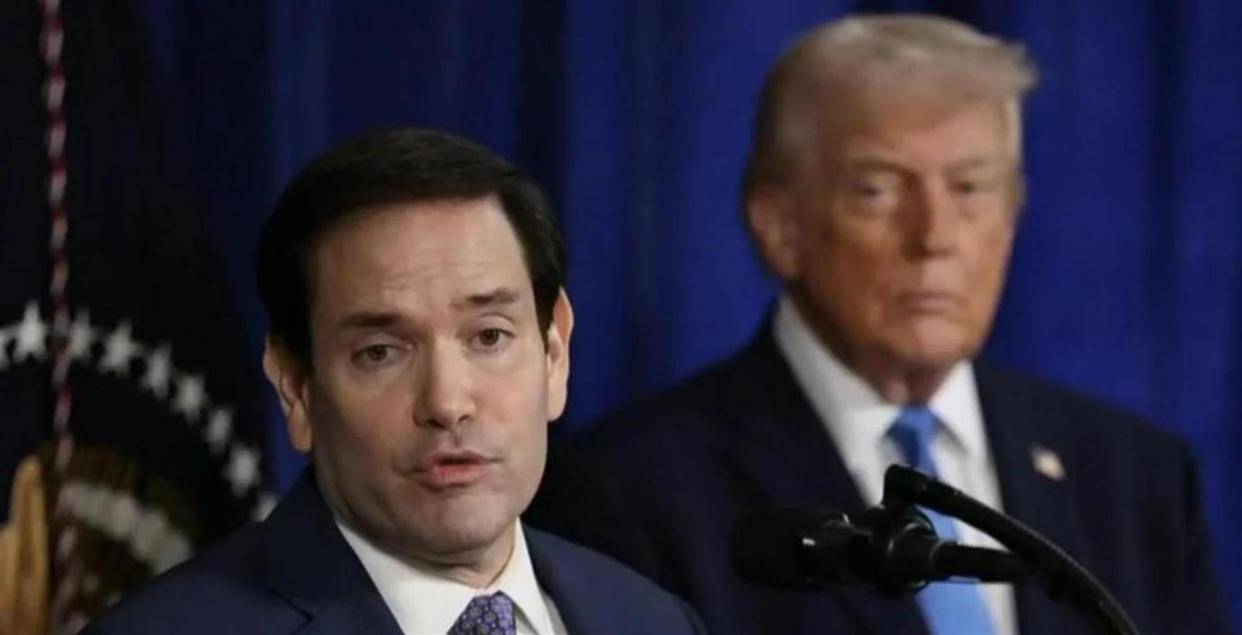
特朗普的“唐罗主义”:是战略收缩,还是霸权变种?| 维港观天下
Xin Lang Cai Jing· 2026-01-07 16:10
Group 1 - The core viewpoint of the article highlights the resurgence of U.S. interventionism in Latin America, particularly through military actions against Venezuela, which reflects a broader strategy of "New Monroe Doctrine" under the Trump administration [1][7][8] - The U.S. military action against Venezuela is seen as a precursor to potential interventions in other Latin American countries, increasing the urgency for regional cooperation among nations like Cuba and Colombia [4][12] - The strategic logic behind U.S. actions combines both a retreat from global leadership and an expansion of influence in its "home region," indicating a shift in focus towards energy politics and traditional industries [9][10][11] Group 2 - The immediate effects of U.S. intervention are expected to lead to chaos in Venezuela, with implications for energy markets and potential benefits for U.S. domestic industries focused on traditional energy sources [12][13] - The long-term strategy aims to control Venezuela's oil resources, which could significantly benefit U.S. re-industrialization efforts, as the country seeks to leverage its energy assets for economic and political gains [12][14] - The timing of the U.S. actions is closely linked to domestic political pressures and economic challenges, suggesting that the intervention is not only about foreign policy but also about addressing internal issues [14]

美媒爆鲁比奥称美国计划“购买”格陵兰岛,俄总统特别代表发声
Huan Qiu Wang· 2026-01-07 15:12
《华尔街日报》6日援引消息人士的话报道,鲁比奥在5日举行的国会闭门简报会上称,美国政府近期就格陵兰岛问题发出威胁,目的是要从丹麦 手中"购买"该岛。报道援引知情人士的话称,鲁比奥在简报会上淡化了美国可能以武力夺取格陵兰岛的说法。 美国白宫新闻秘书莱维特6日在发给新华社记者的电子邮件中证实,美国总统特朗普及其团队正在讨论"一系列选项"以得到格陵兰岛,其中包 括"动用美国军队"。特朗普已明确表示"得到格陵兰岛是美国的国家安全优先事项,对于威慑我们在北极地区的对手至关重要"。 报道认为,德米特里耶夫显然是在用商业术语影射特朗普近期的地缘政治举动。 【环球网报道 记者 闫珮云】据英国天空新闻网报道,针对美国《华尔街日报》6日爆料美国国务卿鲁比奥表示美国计划从丹麦手中"购买"格陵兰 岛一事,俄罗斯总统特别代表德米特里耶夫在社交媒体X上发帖称,"用委内瑞拉石油购买格陵兰岛?创新的地缘政治'并购'"。 ...

贵金属日报-20260107
Guo Tou Qi Huo· 2026-01-07 11:59
| 国投邮货 111 | | | | 贵金属日报 | | --- | --- | --- | --- | --- | | | | 操作评级 | | 2026年01月07日 | | 黄金 | ★☆★ 白银 | ★☆★ | 刘冬博 高级分析师 | | | 销 | ★☆☆ 紀 | ★☆☆ | F3062795 Z0015311 | | | | | | 吴江 高级分析师 | | | | | | F3085524 Z0016394 | | | | | | 孙芳芳 中级分析师 | | | | | | F03111330 Z0018905 | | | | | | 010-58747784 | | | | | | | gtaxinstitute@essence.com.cn | 1 【星级说明】红色星级代表预判趋势性上涨,绿色星级代表预判趋势性下跌 ★☆☆ 一颗星代表偏多/空,判断趋势有上涨/下跌的驱动,但盘面可操作性不强 ★★☆ 两颗星代表持多/空,不仅判断较为明晰的上涨/下跌趋势,且行情正在盘面发酵 今日贵金属冲高回落。美国对委内瑞拉军事行动以及特朗普一系列强势言论体现全球地缘乱局延续,贵金属 牛市逻辑不改,资金情绪主导 ...
避险情绪升温 国防板块成资金避风港
Xin Lang Cai Jing· 2026-01-07 10:28
Core Viewpoint - The recent military actions by the U.S. against Venezuela and Trump's proposal to purchase Greenland have intensified global military spending, providing new momentum for rising European defense stocks, which have increased by 10% since the beginning of the year [1] Group 1: Geopolitical Context - The U.S. military's capture of Venezuelan President Maduro has further strengthened the upward trend in defense stocks [1] - The geopolitical landscape is increasingly influencing investor perspectives, particularly with the potential for U.S. military action regarding Greenland, escalating tensions between the U.S. and NATO ally Denmark [1] Group 2: Market Analysis - Analyst Saima Hussain from Alphavalue notes that the situation in Venezuela exemplifies a shift in U.S. national security policy towards a more transactional and unilateral approach, even affecting allies [1] - European nations are recognizing the necessity of developing their own military capabilities, independent of U.S. support [1] - Goldman Sachs strategists, including Sharon Bell, are optimistic about European defense stocks, predicting that commitments to fiscal and military spending will continue to drive profit growth [1] - Bloomberg analysis indicates that the valuation of the European aerospace and defense sector remains lower than that of its U.S. counterparts based on forward price-to-earnings ratios [1]
美委局势引爆贵金属市场!全球避险情绪升温,金银价格再创新高
Sou Hu Cai Jing· 2026-01-07 10:16
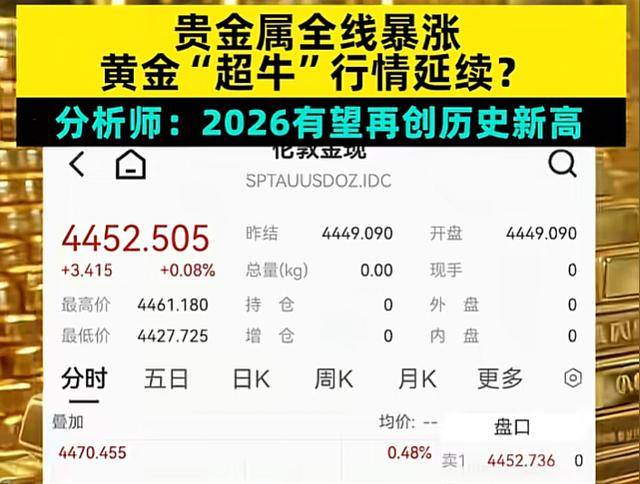
哈喽,大家好!小洲这篇国际评论,主要来分析美国突袭委内瑞拉导致金融市场避险情绪升温,贵金属 价格一路飙升,黄金更是冲破4400美元/盎司,这背后全球贵金属领域将会如何发展? 美军突袭委内瑞拉,点燃避险导火索 1月6日早间,现货黄金延续暴涨势头,一举站上4460美元/盎司,再创近期新高,现货白银同步攀升近 1.5%,稳稳站在77.6美元/盎司上方。 金银的强势领跑,带动整个贵金属板块集体"狂飙":1月5日当天,现货铂金日内涨幅超6%,现货钯金 也上涨4%,原本相对低调的贵金属品种,一时间成为全球投资者追捧的焦点。 | 于情处勾? | | | | | | | --- | --- | --- | --- | --- | --- | | 分析师:2026有望再创历史新高 | | | | | | | 103 22 22 22 SPTAUUSDOZ.IDC | | | | | | | 开盘 4449.090 | 4452.505 | 昨结 | 4449.090 | | | | +3.415 | +0.08% | 总量(kq) | 0.00 | 现手 | 0 | | 最高价 રો ન | 4461.180 | 搏 仓 | ...
【黄金期货收评】地缘主导贵金属短期内或偏强震荡 沪金回落998.90元
Jin Tou Wang· 2026-01-07 09:28
数据显示,1月7日上海黄金现货价格报价1005.00元/克,相较于期货主力价格(998.90元/克)升水6.01 元/克。 尽管欧洲多国发布联合声明支持丹麦,警告现有边界不容协商,但特朗普不排除动武夺取格陵兰,白宫 明确表示出兵占领是选项之一。 【黄金期货最新行情】 | 1月7日 | 收盘价(元/克) | 当日涨跌幅 | 成交量(手) | 持仓量(手) | | --- | --- | --- | --- | --- | | 沪金主力 | 998.90 | -0.17% | 200100 | 126147 | 打开APP,查看更多高清行情>> 【基本面消息】 【机构观点】 银河期货:地缘主导 贵金属短期内或偏强震荡 此前,由于COMEX市场提高贵金属的保证金、叠加年末获利了结影响,金银在高位进入宽幅震荡。但 节后,一方面,金银前期的宏观和基本面的利多因素都尚存,另外,近日拉美、格陵兰岛等相关的地缘 事件,不仅点燃了市场的避险情绪,更加剧了当前逆全球化趋势下市场对于有限的矿产资源的拥趸,且 板块间的轮动也在品种间互相形成资金和情绪的正向反馈,推动金银和其他有色贵金属共同上涨。当前 市场情绪较为亢奋,预计金银仍有望 ...
黄金收评丨金价冲高回落 市场静待非农数据
Mei Ri Jing Ji Xin Wen· 2026-01-07 08:29
Core Viewpoint - The geopolitical tensions have increased demand for safe-haven assets, leading to fluctuations in gold prices, with predictions of further increases in the coming years [1] Group 1: Gold Market Dynamics - On January 7, COMEX gold futures reached a high of $4,512 per ounce before retreating to around $4,454 per ounce by the end of the A-share market [1] - The performance of gold-related ETFs showed mixed results, with 华夏 ETF (518850) down 0.65% and 黄金股 ETF (159562) down 1.36%, while 有色金属 ETF (516650) rose by 0.39% [1] Group 2: Economic Indicators and Predictions - The U.S. government is expected to release the non-farm employment report for December 2025, which is crucial for determining the direction of the Federal Reserve's interest rate adjustments [1] - Morgan Stanley forecasts that gold prices will rise to $4,800 per ounce by Q4 2026, driven by declining interest rates, changes in the Federal Reserve leadership, and continued purchases by central banks and funds [1]