
渠道改革

Search documents
口子窖(603589):2024年报及2025年一季报点评:全年增速回正,改革仍待显效
Huachuang Securities· 2025-04-29 04:44
Investment Rating - The report maintains a "Recommendation" rating for the company, with a target price set at 40 yuan [1]. Core Views - The company achieved a total revenue of 6.015 billion yuan in 2024, reflecting a year-on-year increase of 0.9%, while the net profit attributable to shareholders decreased by 3.8% to 1.655 billion yuan. In Q4 alone, revenue reached 1.65 billion yuan, up 9.0% year-on-year, but net profit fell by 7.5% to 350 million yuan. For Q1 2025, total revenue was 1.81 billion yuan, a 2.4% increase, with net profit rising by 3.6% to 610 million yuan [1][4]. Financial Summary - **2024 Financial Performance**: Total revenue was 6,015 million yuan, with a year-on-year growth rate of 0.9%. The net profit attributable to shareholders was 1,655 million yuan, down 3.8% [4]. - **2025 Financial Projections**: Expected total revenue for 2025 is 5,556 million yuan, with a projected decline of 7.6%. The net profit is anticipated to be 1,499 million yuan, a decrease of 9.4% [4]. - **Earnings Per Share (EPS)**: The EPS for 2024 is reported at 2.76 yuan, with projections of 2.50 yuan for 2025 and 2.61 yuan for 2026 [4]. - **Valuation Ratios**: The price-to-earnings (P/E) ratio is projected at 13 for 2024, increasing to 14 in 2025, and then decreasing to 12 by 2027 [4]. Market Performance - The company has shown a positive revenue growth in Q4 2024, which has contributed to an overall positive growth for the year, despite challenges in profit margins and sales returns [1][8]. Strategic Outlook - The company is focusing on channel reform and resource integration, particularly in the Anhui province, to enhance market competitiveness. The introduction of new products in the 100-300 yuan price range is expected to strengthen its market position [1][8]. Investment Recommendations - The report suggests that while short-term financials may face pressure, the ongoing reforms and market adjustments could lead to improved performance in the long run. The target price has been adjusted to 40 yuan, reflecting a cautious but optimistic outlook [1][8].

五粮液(000858):保持稳健增长,渠道改革持续深化
NORTHEAST SECURITIES· 2025-04-28 06:16
Investment Rating - The report maintains a "Buy" rating for the company, with a 6-month target price of 173.1 CNY, compared to the closing price of 129.05 CNY on April 25, 2025 [5]. Core Insights - The company achieved a revenue of 89.175 billion CNY in 2024, representing a year-on-year growth of 7.09%, and a net profit of 31.853 billion CNY, up 5.44% year-on-year. For Q1 2025, revenue was 36.940 billion CNY, with a growth of 6.05%, and a net profit of 14.860 billion CNY, growing by 5.80% [2][3]. - The core product, the eighth-generation "Pu Wu," generated 67.875 billion CNY in revenue, accounting for 76.11% of total revenue, with an 8.07% year-on-year increase. Other liquor products contributed 15.251 billion CNY, representing 17.10% of total revenue, with an 11.79% increase [2]. - The company is focusing on continuous product innovation and brand enhancement, launching new products and optimizing channel structures, including expanding its direct sales and e-commerce presence [3]. Financial Summary - The company forecasts earnings per share (EPS) of 8.79 CNY, 9.52 CNY, and 10.51 CNY for 2025, 2026, and 2027 respectively, with corresponding price-to-earnings (PE) ratios of 15X, 14X, and 12X [3]. - Revenue is projected to grow from 89.175 billion CNY in 2024 to 95.317 billion CNY in 2025, with a growth rate of 6.89% [4]. - The net profit is expected to increase from 31.853 billion CNY in 2024 to 34.104 billion CNY in 2025, reflecting a growth rate of 7.07% [4].

量价平衡与产品升级“双轮驱动”,贵州茅台24年业绩稳增长!
Sou Hu Cai Jing· 2025-04-03 20:04
Core Insights - Guizhou Moutai has reported impressive financial results for 2024, achieving total revenue of 174.14 billion yuan, a year-on-year increase of 15.66%, and a net profit of 86.23 billion yuan, up 15.38% from the previous year, showcasing its market dominance in the liquor industry [1][2][12] - The company plans to distribute a record cash dividend of 276.24 yuan per 10 shares, totaling 34.67 billion yuan, reflecting its strong financial health and commitment to shareholder returns [1][10] Financial Performance - Total revenue for 2024 reached 174.14 billion yuan, a 15.66% increase compared to the previous year [1][2] - Net profit attributable to shareholders was 86.23 billion yuan, marking a 15.38% growth year-on-year [1][2] - Operating cash flow net amount was 92.46 billion yuan, up 38.85% from the previous year, indicating robust cash generation capabilities [10][11] Production and Sales Strategy - Moutai optimized its production capacity, producing approximately 56,272 tons of Moutai liquor, a slight decrease of 1.63%, while sales volume increased by 10.22% to 46,413 tons [4][5] - The production of Moutai liquor reached 104,400 tons, a 4.24% increase, with sales volume growing by 13.73% to 83,300 tons, demonstrating effective volume-price balance strategies [4][5] Product and Market Development - Moutai's premium liquor segment generated over 120.78 billion yuan in revenue, a 16.95% increase, reinforcing its status as a high-end liquor "hard currency" [5] - The Moutai series liquor revenue reached 24.68 billion yuan, up 19.65%, contributing to 14.47% of total revenue, driven by targeted marketing strategies [5][6] Channel Strategy and International Expansion - The company implemented a dual-channel strategy of wholesale and direct sales, with wholesale revenue increasing by 19.73% and direct sales by 11.32%, enhancing profit margins [7][8] - International sales reached 5.19 billion yuan, a 19.27% increase, indicating successful global market penetration and brand recognition [9] Shareholder Returns and Financial Health - Moutai's total cash dividends for 2024 are projected to reach 64.7 billion yuan, with a commitment to maintain a cash dividend ratio of no less than 75% of net profit for the next three years [10][11] - The company initiated its first share buyback since listing, with a maximum amount of 6 billion yuan, reflecting confidence in future growth [10][11] Industry Position and Future Outlook - Moutai's performance during a challenging industry period highlights its resilience and ability to navigate market fluctuations [3][12] - The company plans to focus on consolidating its core business, green development, digital innovation, and brand culture to enhance long-term competitiveness [12]


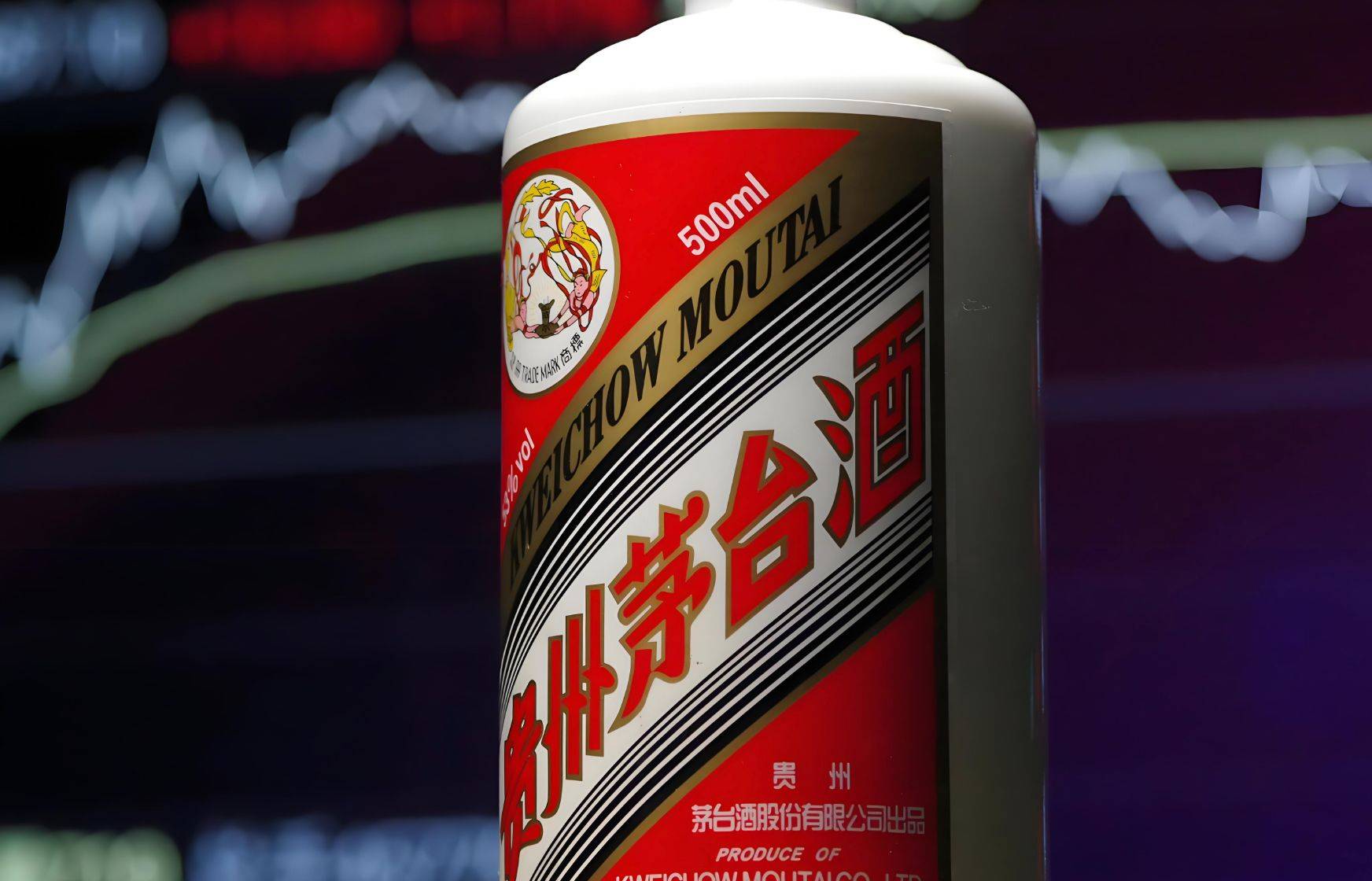
贵州茅台2024年财报亮点:净利862亿,2025增速目标调低至9%
Sou Hu Cai Jing· 2025-04-03 10:29
Core Viewpoint - Guizhou Moutai has reported significant performance growth in its 2024 financial report, with total revenue reaching 174.144 billion yuan, a year-on-year increase of 15.66% [1] Group 1: Financial Performance - The company's operating income for 2024 was 170.899 billion yuan, up 15.71% year-on-year, while net profit attributable to the parent company was 86.228 billion yuan, reflecting a 15.38% increase [1] - Moutai announced a generous dividend plan, distributing 238.82 yuan per 10 shares (including tax), totaling 34.67 billion yuan, leading to a total cash dividend of 64.67 billion yuan for 2024, with a dividend payout ratio of 75% [1] Group 2: Product Performance - The growth in revenue was primarily driven by the increase in sales volume and price adjustments of Moutai liquor, with the average ex-factory price raised by approximately 20% to about 1,169 yuan per bottle [2] - Moutai liquor achieved revenue of 145.928 billion yuan in 2024, a year-on-year increase of 15.28%, with a gross margin of 94.06% [2] Group 3: Series Liquor Growth - Series liquor became a new growth driver, generating revenue of 24.684 billion yuan in 2024, up 19.65%, outpacing Moutai liquor's growth [3] - The production volume for Moutai liquor was 56,300 tons, a decrease of 1.63%, while sales volume increased by 10.22% to 46,400 tons [3] Group 4: Production Capacity and Channels - The designed production capacity for Moutai liquor in 2024 is 44,595 tons, with an increase of 1,800 tons, set to be operational in October 2024 [4] - The revenue from wholesale and agency channels reached 95.769 billion yuan, a year-on-year increase of 19.73%, while direct sales revenue was 74.843 billion yuan, up 11.32% [4] Group 5: International Market and Marketing Strategy - In 2024, Guizhou Moutai achieved revenue of 5.189 billion yuan in international markets, a year-on-year increase of 19.27%, surpassing domestic market growth [5] - The company has adjusted its marketing strategy, with sales expenses rising to 5.639 billion yuan, an increase of 21.31%, indicating a shift towards more refined cost control [5]

贵州茅台(600519):24年业绩略超预告,25年目标稳中求进
Ping An Securities· 2025-04-03 06:13
Investment Rating - The report maintains a "Recommended" investment rating for Guizhou Moutai (600519.SH) [1] Core Views - Guizhou Moutai's 2024 performance slightly exceeded expectations, with total revenue reaching 174.1 billion yuan, a year-on-year increase of 15.7%, and net profit attributable to shareholders at 86.2 billion yuan, up 15.4% [4][7] - The company aims for steady growth in 2025, targeting a revenue increase of approximately 9% [7] - The report highlights the company's focus on optimizing online sales and expanding overseas markets, with domestic and overseas revenues projected at 165.7 billion yuan and 5.2 billion yuan, respectively, for 2024 [7] Summary by Sections Financial Performance - In 2024, Guizhou Moutai's white liquor revenue was 170.6 billion yuan, a 15.9% increase, with Moutai liquor and series liquor contributing 145.9 billion yuan and 24.7 billion yuan, respectively [7] - The company reported a gross margin of 91.9% for 2024, with a net profit margin of 49.5% [9] - The report projects revenue growth for the next few years, with expected revenues of 187.6 billion yuan in 2025 and 203.4 billion yuan in 2026 [6][10] Market Strategy - Guizhou Moutai plans to enhance traditional channel investments while optimizing online sales, with direct sales and wholesale revenues expected to grow by 11% and 20%, respectively, in 2024 [7] - The company is increasing its efforts in overseas market expansion, with a targeted revenue growth of 20% in international markets [7] Shareholder Returns - The company plans to distribute a cash dividend of 276.24 yuan per 10 shares, totaling 64.7 billion yuan, which represents 75% of the net profit for the year [9] - As of March, Guizhou Moutai has repurchased shares worth 1.6 billion yuan, demonstrating its commitment to shareholder returns [9]
泸州老窖突围战,何时重返行业前三?
YOUNG财经 漾财经· 2025-04-01 04:05
Core Viewpoint - Luzhou Laojiao has fallen behind in the competitive high-end liquor market due to strategic missteps, leading to a significant decline in market position and valuation compared to peers like Wuliangye and Moutai [1][2]. Group 1: Financial Performance - In the first three quarters of 2024, Luzhou Laojiao achieved revenue of 24.3 billion yuan and net profit of 11.6 billion yuan, both setting historical records, with gross and net profit margins leading the industry [2][3]. - Revenue growth has slowed significantly, with a year-on-year increase of only 10.76% in the first three quarters of 2024, marking the lowest profit growth rate since 2016 [2][3][4]. - The third quarter of 2024 saw a minimal revenue increase of 0.67% and a net profit growth of 2.58%, indicating stagnation [3][4]. Group 2: Industry Context - The overall liquor industry is facing challenges, with a reported decline in sales during the Mid-Autumn and National Day holidays by over 10% in 2024, and an average inventory turnover of 867.85 days among 20 listed liquor companies [7][8]. - The total production of liquor in China decreased by 1.8% year-on-year in 2024, reflecting a broader industry downturn [7][8]. - The A-share liquor sector experienced a 17.19% decline in 2024, with a market capitalization loss exceeding 506.5 billion yuan, marking the fourth consecutive year of decline [7][8]. Group 3: Strategic Challenges - Luzhou Laojiao's product strategy is misaligned with industry trends, heavily relying on high-end products like Guojiao 1573, which constitutes at least 60% of its revenue [10][11]. - The high-end liquor market is experiencing a downturn, with prices for premium products like Guojiao 1573 and Feitian Moutai declining significantly from their peaks [11][13]. - The company has seen a decrease in sales growth for high-end liquor, with a 10.76% increase in the first three quarters of 2024, which is significantly lower than previous years [13][14]. Group 4: Inventory and Channel Issues - Luzhou Laojiao's inventory has been increasing, with total inventory reaching 12.3 billion yuan by the end of Q3 2024, up 11.7% year-on-year, indicating challenges in channel inventory management [8][10]. - The company is attempting to adjust its distribution strategy to manage inventory levels, but the effectiveness of these measures remains questionable as channel inventory still averages around three months [25][26]. - The shift towards a consumer-driven sales strategy, emphasizing actual consumption over mere distribution, is ongoing but has not yet fully penetrated the market [25][26]. Group 5: Brand and Channel Strategy - Luzhou Laojiao has focused on brand positioning and channel transformation, establishing a dual-brand strategy centered on Guojiao 1573 and other key products [23][24]. - The company has made efforts to enhance its digital marketing and direct-to-consumer sales, but traditional distribution channels still dominate, with online sales accounting for only 5.28% of total revenue [24][25]. - The brand value of Luzhou Laojiao has increased, ranking third in the industry with a value of 107.7 billion yuan, but the company faces significant challenges in maintaining this position amid market pressures [23][24].


方正证券:创新驱动价格增长 电动两轮车行业头部盈利能力提升
Zhi Tong Cai Jing· 2025-04-01 01:39
Market Size - The electric two-wheeler industry is expected to experience double-digit growth in sales in 2025, with an average price increase of approximately 3% due to national subsidies [1] - Historical trends show rapid growth from 2005 to 2013, a decline from 2014 to 2019, and a recovery from 2019 to 2023, driven by increasing ownership and the introduction of the new national standard in 2019 [1] - The 2025 national subsidy policy for trade-ins is anticipated to further stimulate demand, especially in provinces with room for increased subsidy levels compared to Zhejiang, Jiangsu, and Hubei [1] Competitive Landscape - The industry is becoming increasingly concentrated, with leading brands benefiting from product definition and technological innovation [2] - Yadea has significantly increased its market share by correctly identifying consumer demand for mid-to-high-end products and expanding its sales network [2] - The first tier of brands includes Jike, Niu, and Ninebot, while the second tier includes Aima and Yadea, and the third tier includes Luyuan and New Day [2] Profitability - The industry is expected to raise prices and improve profit margins in response to the new national standard and new models, benefiting all companies [3] - Yadea and Aima, with high market shares, are likely to see greater performance improvements from enhancing profitability rather than merely increasing market size [3] - The industry is focusing on product upgrades to boost gross margins in the short term, while long-term profitability will be enhanced through channel reforms [3]
