
AI泡沫

Search documents
贸易专题分析报告:四月不重演
SINOLINK SECURITIES· 2025-10-15 02:44
Group 1: Current Trade Situation - The likelihood of an escalation in the tariff war is low, as the Trump administration prioritizes reaching a deal rather than unnecessary escalation[1] - The market has developed a "TACO" learning effect, reducing panic compared to the initial trade friction in April[1] - The focus of the current trade friction is on supply chain security, with both sides preparing for negotiations using both incentives and countermeasures[3] Group 2: Recent Developments - On October 10, Trump announced a 100% tariff on all products from China starting November 1, in response to China's export controls on rare earth minerals[3] - The U.S. Bureau of Industry and Security (BIS) introduced the "50% rule," extending export control restrictions to non-U.S. subsidiaries with 50% or more ownership by listed entities[4] - China's countermeasures include strict export controls on rare earth elements, requiring licenses for products containing even 0.1% of Chinese-produced rare earths[4] Group 3: Economic Indicators - China's exports grew by 8.3% year-on-year in September, surpassing the Bloomberg median forecast of 6.6%[8] - The U.S. economy's growth in the first half of 2025 was entirely attributed to private investment in information processing and software, which grew at an annualized rate of 28.3%[20] - The AI investment boom has significantly impacted the U.S. economy, with software investment growth reaching 198% in the second quarter[20] Group 4: Risks and Market Sentiment - Risks include potential unexpected escalation of trade tensions, a possible AI bubble burst leading to systemic financial risks, and Trump's emotional decision-making influenced by domestic political pressures[2][27] - The current market atmosphere is significantly calmer compared to April, with reduced correlation between market movements and trade tensions[19] - Future market focus will shift back to fundamentals, policy changes, external liquidity, regulatory attitudes, and technology narratives[19]
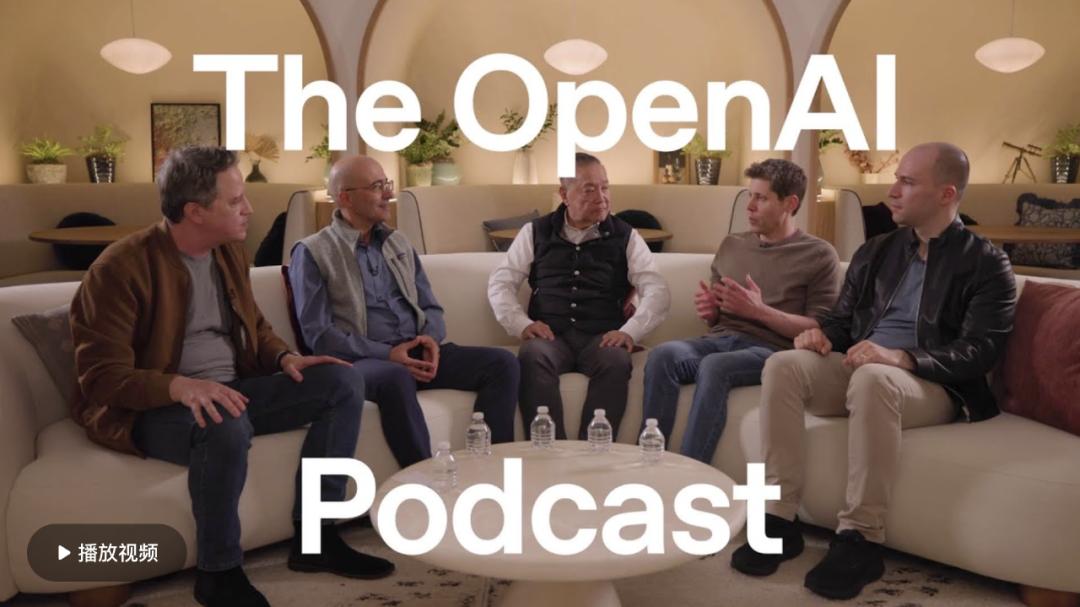
与博通CEO对话时,奥尔特曼透露OpenAl未来几年将有30GW算力
3 6 Ke· 2025-10-15 02:09
双方披露的信息显示,OpenAI将于2026年底开始逐渐部署和博通合作部署10GW(吉瓦,功率单位。1GW算力集群至少可以容纳20万枚英伟达GB200芯 片)自研AI芯片,预计在2029年底完成。这些自研芯片和博通联合设计,将采用博通的网络扩展方案。 该合作宣布后,博通(NASDAQ: AVGO)当日收盘价350.7美元,大幅上涨9.88%,总市值1.68万亿美元。 OpenAI联合创始人兼CEO(首席执行官)萨姆·奥尔特曼(Sam Altman)和博通总裁兼CEO陈福阳(Hock Tan)在战略合作后的播客对话中,介绍了合作 细节: 其一,过去18个月,OpenAI一直在和博通共同设计一款全新的AI芯片。 (奥尔特曼和陈福阳在OpenAI播客中介绍合作细节,右二为奥尔特曼,右三为陈福阳) 继和英伟达、AMD达成战略合作之后,OpenAI的算力部署计划再下一城。 美国东部时间10月13日,OpenAI宣布与博通达成战略合作。OpenAI是目前全球市值最高的AI(人工智能)创业公司。博通是全球顶尖的芯片设计和网络 芯片公司。 其二,2026年底开始,OpeAI将逐渐和博通共同部署10GW自研芯片。博通不仅参与了 ...


OpenAI有花不完的钱?AI泡沫让人想起了当年的网络股
3 6 Ke· 2025-10-15 00:34
Core Viewpoint - Broadcom's stock surged by 10%, reaching a market capitalization close to $1.7 trillion, making it the second-largest semiconductor company after Nvidia, driven by a strategic partnership with OpenAI to develop custom AI chips [1][3]. Group 1: Broadcom and OpenAI Partnership - Broadcom's stock price doubled this year, significantly benefiting from the AI boom [1]. - The partnership involves deploying custom 10 GW AI chips, with OpenAI responsible for chip design and development [1]. - The project is expected to start deployment in the second half of 2026 and be completed by the end of 2029 [1]. Group 2: OpenAI's Recent Deals - OpenAI has secured several high-value contracts, including a $300 billion cloud services deal with Oracle, which led to a 36% stock increase for Oracle [4]. - A strategic investment agreement with Nvidia involves up to $100 billion, significantly boosting Nvidia's market value [4]. - OpenAI's collaboration with AMD includes deploying 6 GW of AMD processors, resulting in a 35% stock increase for AMD [4]. Group 3: OpenAI's Financial Dynamics - OpenAI's revenue is primarily from ChatGPT subscriptions and enterprise AI solutions, with an annualized revenue exceeding $10 billion expected to double this year [11]. - Despite rapid revenue growth, OpenAI faces significant losses, projected to reach $80 billion this year, necessitating over $115 billion in investments for infrastructure [11][12]. - OpenAI's ambitious plans include building its own AI infrastructure and expanding into consumer hardware and social media [5][7]. Group 4: Market Sentiment and Risks - Concerns about OpenAI's ability to fulfill its large contracts have been raised, questioning the sustainability of its high valuation [8][10]. - Comparisons have been made between the current AI investment climate and the internet bubble of the early 2000s, highlighting potential risks of overvaluation [15][16]. - Analysts express mixed views on the AI market, with some believing in its long-term potential while others caution about concentrated risks among a few tech giants [16][17].

英伟达、英特尔双双大跌
财联社· 2025-10-15 00:10
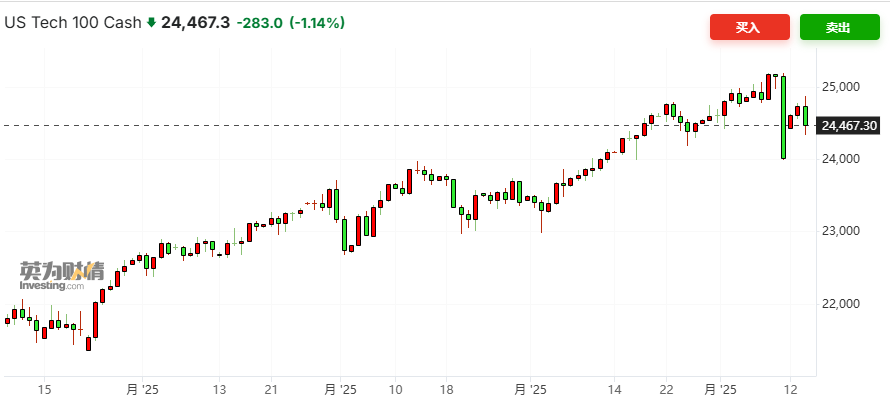
Market Overview - The US stock market closed mixed, with major indices reacting to positive quarterly results from large banks, comments from Federal Reserve Chairman Jerome Powell, and ongoing trade tensions [1] - The Dow Jones increased by 202.88 points (0.44%) to 46,270.46, while the Nasdaq fell by 172.91 points (0.76%) to 22,521.70, and the S&P 500 decreased by 10.41 points (0.16%) to 6,644.31 [3] Federal Reserve Insights - Powell indicated that the Federal Reserve's quantitative tightening (QT) may soon come to an end, with expectations for a halt in asset balance sheet reduction at the October policy meeting [1][2] - Powell acknowledged the significant downside risks in the labor market, despite inflation appearing to rise slowly [2] Sector Performance - In the S&P 500, 10 out of 11 sectors rose, with consumer staples leading at 1.72% increase, followed by industrials at 1.17% [3] - The global airline ETF rose by 3.17%, regional bank ETF increased by 3.09%, and bank ETF gained 3.02%, while technology sector ETFs saw declines [3] Notable Stock Movements - Major tech stocks mostly declined, with Nvidia down 4.4%, Intel down 4.27%, and Tesla down 1.53% [4] - Wells Fargo surged by 7.15%, marking its largest single-day gain since November 2024, while Citigroup's stock rose nearly 4% [5] - JPMorgan raised its full-year net interest income forecast, while Goldman Sachs reported better-than-expected quarterly earnings, yet both saw stock declines of about 2% [6] Emerging Trends - A record proportion of global fund managers believe AI-related stocks are in a bubble, with 54% of respondents in a recent survey stating that tech stock valuations are "too expensive" [2] - Rare earth stocks continued their upward trend, with Critical Metals rising by 28.7% and MP Materials increasing by 3.78% [7]


若美股AI泡沫破裂,中国市场能否独善其身?
财富FORTUNE· 2025-10-14 13:07
图片来源:视觉中国 天价订单、巨额债务、循环交易,美股AI市场狂热潜伏的危机,正引起全球投资者的警觉。 在连续多日暴涨后,10月7日美股开盘,甲骨文一度大跌逾7%,因媒体报道称其云利润率逊色,引发美 股AI泡沫争议再起。回想本世纪初美股互联网泡沫的破裂,其实质上揭示了一个残酷现实:大多数网 络公司无法用实际业务表现支撑其估值。当时,企业的价值衡量标准从现金流、盈利能力等传统指标, 转向了网站流量和增长数据。如今人工智能企业正面临相似考验——尽管美国AI投资已达历史性高 度,收入缺口却依然巨大。 科技作家埃德·齐特伦近期指出,微软、Meta、特斯拉、亚马逊和谷歌过去两年在AI基础设施领域投入 约5600亿美元,但获得的AI相关收入总额仅350亿美元。不难想象,如果OpenAI的资本投入回报未如理 想,那么甲骨文等美国科技巨头的高估值或将面临重塑。 在中美两国AI各自独立发展之际,如果美股AI泡沫破裂,中国市场能否走出独立行情? 美股AI板块暴露"风险共同体"隐患 今年9月,甲骨文股价一度单日飙升超40%,创下1992年以来最大单日涨幅,公司创始人拉里·埃里森财 富也一度超越特斯拉CEO马斯克成为全球首富。这家曾 ...

美银基金经理调查:美股配置8个月来首次转为超配,超半数认为AI存在泡沫
Hua Er Jie Jian Wen· 2025-10-14 11:49
Core Insights - A record 54% of global fund managers believe that AI stocks are in a bubble, indicating a significant shift in investor sentiment [1][2] - Despite concerns about AI stock valuations, fund managers have increased their allocation to U.S. equities to the highest level in eight months, reflecting a complex market sentiment [1][3] Group 1: AI Bubble Concerns - Approximately 54% of participants in the Bank of America survey view technology stock valuations as excessively high, a notable increase from the previous month [2] - AI bubble is perceived as the largest tail risk, followed by concerns about rising inflation and the potential loss of Federal Reserve independence [2] - The Nasdaq 100 index has risen 18% this year, pushing its forward P/E ratio to nearly 28 times, above the ten-year average of 23 times, raising questions about current valuations [2] Group 2: U.S. Equity Allocation - Fund managers' stock allocation reflects a degree of optimism, with exposure to U.S. equities rising to the highest level in eight months, returning to pre-tariff concern levels [3] - Concerns about an economic recession have decreased to the lowest level since early 2022, indicating renewed confidence in the U.S. economic fundamentals [3] - A decline in cash holdings suggests that funds are flowing back into risk assets [3] Group 3: Market Sentiment Dynamics - Michael Hartnett, a strategist at Bank of America, notes that concerns over the AI bubble and uncertainties in the private credit market are dampening "fully bullish" market sentiment [5] - Recent trade tensions have reignited concerns, impacting market sentiment, with the Nasdaq 100 index leading declines in the U.S. stock market [6] - Although some strategists believe it is too early to worry about a tech bubble, the concerns among fund managers indicate a reassessment of current valuation levels, potentially leading to increased market volatility [8]
万亿豪赌:OpenAI结盟芯片、云巨头,AI生态闭环了吗?
Xin Lang Cai Jing· 2025-10-13 23:21
Core Insights - OpenAI has entered a new phase in the AI industry, forming strategic partnerships with major companies like Broadcom, Oracle, NVIDIA, and AMD, aiming to create a comprehensive AI ecosystem [1][3][5] - The total capacity of the custom chips being developed in collaboration with Broadcom is projected to reach 10GW, with OpenAI responsible for design and Broadcom for development starting in the second half of 2026 [1] - OpenAI's collaborations are expected to provide over 30GW of computational power over the next decade, indicating a significant shift towards a more integrated AI ecosystem [1][3] Strategic Collaborations - OpenAI has secured a five-year, $300 billion computing power procurement agreement with Oracle and signed contracts worth $22.4 billion with Coreweave, alongside a planned $350 million investment in the latter [3] - The company has also partnered with Samsung and SK Hynix for its Stargate data center project, requiring 900,000 DRAM wafers monthly to support advanced AI models [3] - OpenAI's collaboration with NVIDIA aims to build at least 10GW of AI data centers, with NVIDIA planning to invest $100 billion in OpenAI [3] Ecosystem Development - OpenAI's CEO, Sam Altman, emphasized the need for synchronized development across all aspects of the AI ecosystem, from component manufacturing to consumer demand [5] - Experts suggest that these partnerships signify a deeper level of "eco-competitive cooperation" in the AI industry, potentially accelerating the "Matthew effect" where successful companies gain even more advantages [5] Financial Projections and Risks - Morgan Stanley's report indicates that OpenAI holds over $330 billion in remaining performance obligations (RPO) from contracts with Microsoft, Oracle, and Coreweave, highlighting the increasing dependency of these companies on OpenAI [6][10] - OpenAI is projected to consume over $8 billion in funds this year, with expected cash consumption reaching $115 billion by 2029, while total revenue is anticipated to be $13 billion this year and exceed $200 billion by 2030 [6][10] - Concerns have been raised regarding the sustainability of the current investment cycle, as the ability to generate lasting cash flow will determine the viability of the substantial capital invested in AI [6][10] Market Sentiment - Some industry experts view the AI sector as being driven by a "bubble," where expectations may not align with actual revenue generation capabilities [7] - The interconnected nature of OpenAI's partnerships creates a seemingly robust ecosystem, but the long-term feasibility of supporting high capital expenditures with revenue remains uncertain [7][10] - The AI industry is undergoing a transformation from singular technological breakthroughs to comprehensive resource integration, with the potential for significant societal benefits despite the risks of a bubble [10]

SEMICON WEST实地走访和美国路演反馈
2025-10-13 14:56
Summary of Key Points from Conference Call Records Industry Overview - The global semiconductor capital expenditure is expected to decline to $210 billion in 2025, remain flat in 2026, and potentially grow in 2027, indicating short-term pressure on the equipment sector but long-term benefits from increased capital spending [1][2][6] - Advanced packaging technology is becoming crucial for extending Moore's Law, with companies like TSMC actively investing in this area, benefiting equipment suppliers such as Lam Research [1][2][18] - The AI bubble poses risks, but companies with strong profitability like NVIDIA are better positioned to withstand potential downturns, highlighting the need to assess the sustainability of their business models [1][3][7] Company-Specific Insights - TSMC's Arizona factory construction is progressing, with large-scale growth expected by 2027, indicating limited short-term impact on capital expenditure [1][6][13] - TSMC's North American operations are strategically located near customers, with a rising share of high-performance computing (HPC) clients, making it a robust investment target [1][14][15] - Domestic semiconductor companies in China are experiencing growth opportunities due to increased demand from Huawei and U.S. export controls, with companies like North Huachuang and Zhongwei being noteworthy [1][20] Market Performance - Chinese tech stocks have shown strong performance this year, with the top seven companies rising by 68%, compared to a 23% increase for the U.S. tech giants, despite lower valuations for Chinese firms [4] - The semiconductor equipment sector has recently outperformed the market, driven by Intel's recovery and the expansion of the memory cycle from DRAM to NAND, with projected capital expenditure growth of 9% in 2026 and 4% in 2027 [17] Advanced Packaging Technology - Advanced packaging technology is identified as a key trend in the semiconductor industry, allowing for increased chip density and transistor counts, with TSMC generating 11% of its revenue from this segment [18][19] Investment Considerations - The capital expenditure to operating cash flow ratio has reached over 80%, indicating a shift towards debt financing for growth, with most companies still having room for development due to relatively low leverage [9] - TSMC's valuation metrics show a PE ratio of 24x for 2026, compared to 30x for the "Magnificent Seven," suggesting it is a stable investment option with a projected ROE of 30% and annual profit growth of 25%-30% [16] Conclusion - The semiconductor industry is navigating through a complex landscape of capital expenditure fluctuations, technological advancements, and market dynamics, with both opportunities and risks present for investors. Companies like TSMC and emerging domestic players in China are positioned to capitalize on these trends.

中国掀桌,美国暴跌:贸易战其实是这么打的!
Sou Hu Cai Jing· 2025-10-13 10:09
Group 1: Trade War Dynamics - The current state of the US-China tech trade war resembles historical conflicts, with China demonstrating strategic patience while the US appears aggressive [1] - Recent developments indicate that Chinese companies, such as New Kai Lai, are making significant advancements in chip technology, potentially altering the balance in the tech trade war [1] - The trade war has entered a new phase, with China's AI advancements challenging the US's previous technological dominance [1] Group 2: Market Reactions and Economic Implications - Trump's announcement of a potential 100% tariff increase led to significant declines in US stock markets, highlighting the interconnectedness of the US tech and financial systems [3] - The speculative nature of investments in AI and semiconductor sectors has created a market bubble, with OpenAI's financial maneuvers exemplifying this trend [3][4] - The scale of infrastructure and chip agreements surrounding OpenAI has exceeded $1 trillion, raising concerns about sustainability given the high energy consumption [4] Group 3: Shifts in Global Trade Practices - China's move towards de-dollarization is evident, with agreements for iron ore and oil trades to be settled in RMB, challenging the dollar's dominance in global commodity markets [9][12] - The shift in trade practices is further illustrated by China's cessation of soybean imports from the US, marking a significant change in agricultural trade dynamics [10][11] - The US is facing challenges in filling the market gap left by China, with potential repercussions for its agricultural sector reminiscent of past economic crises [11] Group 4: Future Outlook and Strategic Positioning - The US's reliance on AI as a primary economic driver is under scrutiny, with concerns about the lack of tangible exports to support market valuations [12][13] - China's advancements in chip technology and self-sufficiency may reduce its dependency on US technology, indicating a potential shift in the competitive landscape [13][15] - The upcoming developments in the semiconductor sector could significantly impact the US stock market, particularly the major tech companies that have rallied around AI [15][16]

惠理基金:地缘冲突下避险资产受追捧 料投资者继续增持黄金对冲风险
智通财经网· 2025-10-13 08:40
Core Insights - The global trade and geopolitical order continues to face challenges since the Trump administration, leading to increased investor interest in gold as a hedge against systemic risks [1][2] - The U.S. Federal Reserve is entering a rate-cutting cycle, with high valuations in U.S. equities and concerns over potential AI bubbles and rising U.S. debt, prompting investors to increase gold holdings [1][2] Group 1: Geopolitical and Economic Factors - The geopolitical situation in the Middle East has eased, but concerns over a U.S. government shutdown and its impact on economic activity have heightened demand for safe-haven assets like gold, which has reached a historical high of $4,000 per ounce [1] - The U.S. federal government faced a shutdown, leading to operational disruptions and delays in agricultural subsidies, which may cause market volatility when key economic data is eventually released [1] Group 2: Market Trends and Investor Behavior - Despite ongoing inflation pressures, rising unemployment rates, and recession concerns, investors are increasingly turning to gold and other value-preserving assets [2] - Recent Federal Open Market Committee meeting minutes indicate a consensus among officials for further rate cuts by year-end, enhancing market expectations and boosting gold performance [2] - Historical data shows a correlation between the speed of rate cuts and the rapid increase in gold prices, with gold outperforming other assets during such periods [2] Group 3: Central Bank Actions and Demand - Central banks are structurally increasing their gold reserves to reduce reliance on dollar-denominated assets, with the People's Bank of China purchasing gold for 11 consecutive months, indicating a strategic buying trend [2] - The recent surge in gold ETF inflows reflects a collaborative effect between institutional and retail investors, with central bank demand being a major catalyst for record gold price increases [2]