
关税政策

Search documents
特朗普得瑟不下去了,罕见给中国“特殊待遇”,我商务部通告美国
Sou Hu Cai Jing· 2026-02-25 02:52
编辑:L 6比3。这个数字像一道闪电,精准地劈开了特朗普自去年上任以来处心积虑构筑的关税金字塔。在这场 旷日持久的博弈中,12个州政府和一大批被关税折磨得奄奄一息的企业,终于在司法的高墙上凿开了一 个缺口。 最高法院的法官们用一份判决书明确告诉白宫:总统可以宣称国家进入"紧急状态",也可以管制进口, 但想直接伸手掏企业的口袋去"征税"?那是国会的自留地,行政权力不能越界。这本质上是一场关 于"文字游戏"的终结。 美国最高法院裁决特朗普关税政策违法,说明了什么?特朗普给中国"特殊待遇"又是什么?近日,特朗 普签署了一项对所有国家征收10%全球进口关税的法案并立即生效。该法案还没生效多久,特朗普就得 瑟不下去了。 因为就在美国最高法院公布关税诉讼案裁决结果,判定美国政府依据《国际紧急经济权力法》对相关贸 易伙伴加征的对等关税、芬太尼关税等相关关税违法。一边是特朗普无所不用其极的推进关税政策,一 边又是最高法院裁定关税违法。 显然特朗普政府系统与美国司法系统在关税这一问题上存在明显分歧矛盾。2026年2月20日,华盛顿宾 夕法尼亚大道。就在这一天,美国最高法院那道厚重的青铜大门后,传出了一阵足以让全球金融市场瞬 间 ...

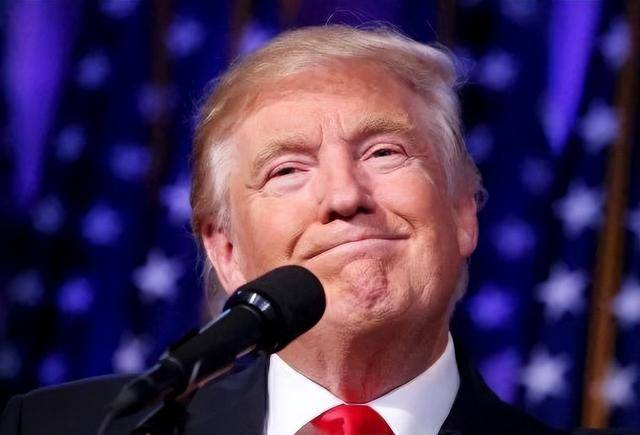
【环球财经】纽约州州长呼吁特朗普政府退还关税
Xin Hua Cai Jing· 2026-02-25 02:52
新华财经纽约2月24日电(记者刘亚南)纽约州州长凯西·霍楚尔24日呼吁特朗普政府返还该州家庭自去 年以来承担的约135亿美元额外进口商品关税。 美国最高法院20日公布裁决,认定美国《国际紧急经济权力法》没有授权总统征收大规模关税。这意味 着特朗普政府自去年初以来实施的关税政策受到重大挫折。 纽约州政府发布的声明说,耶鲁大学预算实验室(The Budget Lab at Yale)估计,由于特朗普政府在去年 实施的关税,每个纽约州家庭平均承担了1751美元额外成本,全州合计135亿美元。 霍楚尔说,这些毫无道理和非法的关税是对纽约州消费者、小企业和农民收取的税收,"这是我为何要 求全额退还关税的原因。" 2025年4月23日,包括纽约州在内的美国12个州组成联盟在位于纽约的美国国际贸易法院共同起诉特朗 普政府,指控其关税政策违法,要求法院宣布"对等关税"非法,并阻止其实施。 (文章来源:新华财经) ...
银河期货每日早盘观察-20260225
Yin He Qi Huo· 2026-02-25 02:51
Report Industry Investment Rating No relevant content provided. Core Viewpoints of the Report - After the Spring Festival, the stock market showed a mixed performance with some sectors rising and others falling. The futures market also had different trends in various products, influenced by factors such as supply - demand, geopolitical situations, and policy changes [20][21][25]. - The bond market sentiment was not weak, but the market might become more cautious as the "Two Sessions" approached. The medium - term outlook for the bond market was relatively optimistic [25][26]. - In the agricultural product market, the supply and price trends of different products varied. For example, the supply of protein meal increased, and the price oscillated; the international sugar price bottomed out and oscillated [30][35]. - In the black metal market, steel faced post - holiday pressure, while the performance of coking coal and iron ore was affected by factors such as production resumption and supply - demand changes [62][65][71]. - In the non - ferrous metal market, precious metals like gold and silver were in high - level oscillations due to macro uncertainties, and other non - ferrous metals also had different price trends influenced by factors such as tariffs and supply - demand [76][79][84]. - In the shipping and carbon emission market, the container shipping market was in short - term oscillations, the dry bulk freight market showed a positive trend after the holiday, and the carbon price in the domestic market oscillated while the EU carbon price was affected by policies and public opinions [122][124][126]. - In the energy and chemical market, the prices of various products were affected by factors such as geopolitical situations, supply - demand, and cost. For example, crude oil was in high - level oscillations, and asphalt was supported by cost but with weak demand [132][136]. Summary by Relevant Catalogs Financial Derivatives Stock Index Futures - After the Spring Festival, the stock index rose across the board, but the trading volume was slightly insufficient. The market showed a clear differentiation, with some sectors rising and others falling. The trading strategy was to be bullish on the trend, buy on dips, and consider arbitrage and option strategies [20][21][23]. Treasury Bond Futures - On Tuesday, the bond futures contracts of various tenors generally strengthened. The central bank's large - scale net withdrawal of short - term liquidity after the holiday and the approaching of the "Two Sessions" affected the bond market sentiment. The trading strategy was to be neutral - bullish and wait and see for arbitrage [25][26][28]. Agricultural Products Protein Meal - The supply increased overall, and the price oscillated. The trading strategy was to short at high levels and wait and see for arbitrage [30][31]. Sugar - The increase in Indian sugar production was revised down, and the international sugar price bottomed out and oscillated. The domestic sugar market was in a bottom - oscillation trend. The trading strategy was to wait and see for arbitrage and sell put options in the short term [32][35][36]. Oilseeds and Oils - The domestic oil market made up for losses and maintained oscillations. The trading strategy was to wait and see for arbitrage and consider reverse arbitrage for some contracts [38][39][40]. Corn/Corn Starch - The spot price in the production area was stable, and the futures price was in high - level oscillations. The trading strategy was to buy on dips for the outer - market corn and short lightly on rallies for domestic corn, and consider expanding the spread between corn and starch [41][43]. Live Pigs - The supply increased gradually, and the price continued to decline. The trading strategy was to buy a small amount of the 05 contract and wait and see for arbitrage [44][46]. Peanuts - The spot price was stable, and the futures price oscillated in a narrow range. The trading strategy was to buy lightly on dips and sell put options [47][48]. Eggs - After the holiday, it entered the off - season, and the egg price was stable with a slight decline. The trading strategy was to short the June contract on rallies and wait and see for arbitrage [50][51][52]. Apples - The market performance varied after the year, with the western region performing slightly better than the eastern region. The trading strategy was to go long on the 5 - month contract on dips and consider a long - 5 short - 10 arbitrage [54][55][56]. Cotton - Cotton Yarn - The fundamentals changed little, and the cotton price was supported. The trading strategy was to go long on dips and wait and see for arbitrage [58][59][60]. Black Metals Steel - There was still pressure on steel after the holiday. The trading strategy was to maintain a weak - oscillation trend, hold short positions, and wait and see for arbitrage [62][63]. Coking Coal and Coke - Coal mines were gradually resuming production. The trading strategy was to consider going long on dips and wait and see for arbitrage [64][65][67]. Iron Ore - The fundamentals continued to weaken, and the ore price was in a weak - running state. The trading strategy was to be bearish and wait and see for arbitrage [70][71]. Ferroalloys - The cost support was strong, and it could be used as a long - position configuration on dips. The trading strategy was to go long on dips and wait and see for arbitrage [72][73][74]. Non - Ferrous Metals Gold and Silver - The macro uncertainties continued, and the prices were in high - level oscillations. The trading strategy was to hold long positions cautiously and consider option strategies [76][79][80]. Platinum and Palladium - Supported by macro and geopolitical factors, platinum could be bought on dips, and palladium could be traded in bands. Consider a long - platinum short - palladium arbitrage [80][81][83]. Copper - Affected by continuous tariff disturbances, the copper price was in a strong - oscillation state. The trading strategy was to be bullish in the long - term and consider option strategies [84][85]. Alumina - After the decline in the supply - side operating rate, the spot price was supported. The trading strategy was to be bullish in the short - term [86][87]. Electrolytic Aluminum - Tariff disturbances did not change the supply - demand support pattern. The trading strategy was to wait and see for both arbitrage and options [89][91][92]. Cast Aluminum Alloy - It oscillated with the aluminum price. The trading strategy was to wait and see for both arbitrage and options [93][95]. Zinc - After the correction stabilized, it could be bought on dips. The trading strategy was to wait and see for both arbitrage and options [96][97]. Lead - It oscillated in a range. The trading strategy was to go long lightly on dips and consider option strategies [99][100]. Nickel - The macro factors dominated the price fluctuations. The trading strategy was to hold long positions at low levels and wait and see for arbitrage [101][103][104]. Stainless Steel - Supported by cost, it followed the nickel price. The trading strategy was to hold long positions at low levels and wait and see for arbitrage [106]. Industrial Silicon - Attention should be paid to the resumption rhythm of large factories. The trading strategy was to rebound in the short - term and short on rallies in the medium - term [107][108]. Polysilicon - Driven by merger news, it might rebound in the short - term, and the spot price should be focused on in the medium - term [110][111]. Lithium Carbonate - The demand was good, and the price was at a high level. The trading strategy was to wait and see [113][115]. Tin - Attention should be paid to macro - policy trends. The trading strategy was to hold long positions at low levels and wait and see for arbitrage [118][120]. Shipping and Carbon Emissions Container Shipping - It was mainly in short - term oscillations, and attention should be paid to Maersk's opening - cabin price. The trading strategy was to wait and see for both single - side trading and arbitrage [121][122][124]. Dry Bulk Freight - After the holiday, the demand recovery drove the spot price to improve. Attention should be paid to the impact of the US Maritime Action Plan. The trading strategy was to wait and see [124][125][126]. Carbon Emissions - The domestic carbon price oscillated, and the EU carbon price was affected by policies and public opinions. The trading strategy was to wait and see [126][127][128]. Energy and Chemicals Crude Oil - The API inventory increased more than expected. The trading strategy was to be bullish on the trend, consider the bullish spread, and buy out - of - the - money call options [132][133]. Asphalt - The cost supported the spot price, but the rigid demand had not recovered. The trading strategy was to go long on the BU2606 contract on dips and wait and see for arbitrage [134][136][137]. Fuel Oil - The high - sulfur supply increased, and the low - sulfur price strengthened in the near - term. The trading strategy was to be bullish on the trend, consider expanding the spread between high - and low - sulfur fuel oil, and wait and see for options [139][140][141]. LPG - It was still dominated by geopolitical factors. The trading strategy was to wait and see for both single - side trading and arbitrage [142]. Natural Gas - It was waiting for geopolitical guidance. The trading strategy was to hold short positions on the HH second - quarter contract and wait and see for both arbitrage and options [145][146][147]. PX & PTA - Driven by cost. The trading strategy was to hold long positions, consider positive arbitrage, and wait and see for options [149][150]. BZ & EB - There was a supply vacuum in the overseas market. The trading strategy was to oscillate and consider reverse arbitrage [151][152]. Ethylene Glycol - There was obvious inventory - accumulation pressure. The trading strategy was to oscillate in a range and wait and see for both arbitrage and options [154][157]. Short - Staple Fiber - The polyester raw materials strengthened. The trading strategy was to be bullish on the price, consider narrowing the processing fee on rallies, and wait and see for options [158]. Bottle Chips - The supply was expected to be tight. The trading strategy was to be bullish on the price and wait and see for both arbitrage and options [160][162]. Propylene - The supply - demand support was acceptable. The trading strategy was to hold long positions and wait and see for both arbitrage and options [163]. Plastic PP - The L plastic was bullish on the trend, and the PP was to wait and see. The trading strategy was to go long on the L 2605 contract on dips and wait and see for both arbitrage and options [165][166]. Caustic Soda - The price was weakening. The trading strategy was to wait and see [168][169]. PVC - It was mainly in oscillations. The trading strategy was to go long on dips and wait and see for both arbitrage and options [170][173]. Soda Ash - The price was bullish on the trend. The trading strategy was to be bullish in the short - term, consider a long - soda - ash short - glass arbitrage, and wait and see for options [174][175]. Glass - The price was bearish on the trend. The trading strategy was to be bearish in the short - term, consider a long - soda - ash short - glass arbitrage, and wait and see for options [176][178]. Methanol - It was in a strong - oscillation state. The trading strategy was to go long on dips, consider a 5 - 9 positive arbitrage, and sell put options on corrections [179][180]. Urea - It was rising strongly. The trading strategy was to go long cautiously and wait and see for both arbitrage and options [182][183]. Pulp - The US dollar quotation increased, but the high inventory suppressed the rebound. The trading strategy was to hold long positions and consider option strategies [184][185][187]. Offset Printing Paper - The inventory was high, and the market rebound was limited. The trading strategy was to short on rallies and consider option strategies [188][189]. Logs - The supply and demand were both weak. The trading strategy was to wait and see and consider a 3 - 5 reverse arbitrage [190][192][193]. Natural Rubber and No. 20 Rubber - The gross profit of concentrated latex decreased for consecutive months. The trading strategy was to go long on the RU 05 contract and consider arbitrage strategies [194][196][197]. Butadiene Rubber - The growth rate of butadiene production slowed down. The trading strategy was to short the BR 04 contract lightly and wait and see for both arbitrage and options [198][200][201].
美国关税驳回或加速电新设备出口
HTSC· 2026-02-25 02:50
Investment Rating - The report maintains a "Buy" rating for the electric power equipment and new energy sector [7] Core Views - The cancellation of IEEPA tariffs and the introduction of a 15% tariff under the 122 clause could lead to a marginal improvement of 5% to 10% in tariffs for various components, benefiting companies like Ningde Times, Sunshine Power, and others [2][10] - The potential for the Trump administration to implement additional tariffs under clauses 201, 232, 301, and 338 could maintain the overall tariff levels, impacting the competitiveness of domestic products against overseas counterparts [4][10] - The demand for electric new equipment in the U.S. remains strong, with a projected revenue share of 16% or less for sample companies in 2026, indicating resilience against tariff fluctuations [5] Summary by Sections Tariff Changes and Impacts - The report outlines two scenarios regarding tariff changes: an optimistic scenario with a 15% tariff leading to a 5% to 10% reduction in marginal tariffs for various components, and a pessimistic scenario where additional tariffs could keep overall levels unchanged [2][4] - The U.S. Supreme Court's ruling is expected to narrow the tariff gap between domestic and overseas production by 1% to 5% due to the new uniform 15% tariff [3] Company Recommendations - The report highlights several companies as favorable investment opportunities, including: - Ningde Times (300750 CH) with a target price of 566.18 - Sunshine Power (300274 CH) with a target price of 198.63 - Yihua Lithium Energy (300014 CH) with a target price of 96.96 - TBEA (600089 CH) with a target price of 33.31 - Foster (603806 CH) with a target price of 19.97 [14] Market Dynamics - The electric new equipment sector is experiencing high demand due to the inability of overseas suppliers to meet urgent needs, particularly in the transformer market, which is expected to have a supply gap until at least 2027 [5] - The report emphasizes that the tariff adjustments will have a limited impact on the main photovoltaic industry, while auxiliary materials and lithium battery sectors may benefit significantly [3][10]





热点资讯:早盘速递-20260225
Guan Tong Qi Huo· 2026-02-25 02:36
早盘速递 2026/2/25 热点资讯 1.美国正式开始征收10%全球关税,白宫正在准备把税率提高到15%的正式命令。有消息称,美国政府还在考虑以"国家安全" 为由,对六个行业加征新一轮关税,涉及大型电池、铸铁及铁制配件、塑料管道、工业化学品以及电网和电信设备等领域,并 将独立于15%全球关税。 2.经文化和旅游部数据中心测算,春节假日9天,全国国内出游5.96亿人次,较2025年春节假日8天增加0.95亿人次;国内出游 总花费8034.83亿元,较2025年春节假日8天增加1264.81亿元,假日游客人数和花费均创历史新高。 3.2月贷款市场报价利率(LPR)出炉,1年期LPR为3.0%,5年期以上LPR为3.5%,连续9个月保持不变。 4.美国白宫就伊朗问题表示,特朗普总统的首选方案永远是外交手段,但必要时也愿意使用致命武力。伊朗外长阿拉格齐表 示,在上一轮谈判达成的共识基础上,伊朗将在日内瓦与美国恢复谈判,决心在最短时间内达成一项公平合理的协议。 5.据SMM了解,截至2月24日,铅锭五地社会库存总量突破6万吨关口,跃至5个月的高位。国内锌库存总量突破20万吨,逼近21 万吨。受国内企业放假影响,春节期 ...
建信期货国债日报-20260225
Jian Xin Qi Huo· 2026-02-25 02:22
研究员:何卓乔(宏观贵金属) 18665641296 hezhuoqiao@ccb.ccbfutures.com 期货从业资格号:F3008762 研究员:黄雯昕(国债集运) 021-60635739 huangwenxin@ccb.ccbfutures.com 期货从业资格号:F3051589 研究员:聂嘉怡(股指) 日期 2026 年 2 月 25 日 行业 国债日报 021-60635735 niejiayi@ccb.ccbfutures.com 期货从业资格号:F03124070 宏观金融团队 请阅读正文后的声明 #summary# 每日报告 | | 表1:国债期货2月24日交易数据汇总 | | | | | | | | | | --- | --- | --- | --- | --- | --- | --- | --- | --- | --- | | 合约 | 前结算价 | 开盘价 | 收盘价 | 结算价 | 涨跌 | 涨跌幅 (%) | 成交量 | 持仓量 | 仓差 | | TL2603 | 112.730 | 112.790 | 112.960 | 112.930 | 0.230 | 0.20 | ...
中信期货晨报:国内商品期市收盘多数上涨,贵金属涨幅居前-20260225
Zhong Xin Qi Huo· 2026-02-25 02:16
1. Report Industry Investment Rating - No information provided in the given content. 2. Core Viewpoints of the Report - Domestic commodity futures markets closed mostly higher, with precious metals leading the gains [1]. - Domestic macroeconomic situation shows a differentiated performance during the Spring Festival, with strong travel and consumption but weak real - estate sales. The start of social financing in January was stable, with government financing being strong and private financing in line with expectations [13]. - Overseas, the US economy shows a slowdown in overall expansion and structural differentiation in multiple fields. The GDP growth rate in the fourth quarter slowed down significantly, with personal consumption being the main drag, and inflation stickiness still exists [13]. - In the short - term, overseas economy may suppress base metals, but copper, aluminum, tin, and nickel with tight supply are expected to maintain a slightly stronger oscillating trend. Tariff disturbances may support the prices of gold and silver. A - shares are expected to continue a mild upward trend, while crude oil, black commodities, and the domestic bond market should be treated with an oscillating mindset [13]. 3. Summary by Relevant Catalogs 3.1 Financial Market Fluctuations - **Stock Index Futures**: On February 24, 2026, the CSI 300 futures price was 4683.4, with a daily increase of 1.06%, a weekly increase of 1.22%, a monthly decrease of 0.59%, a quarterly increase of 1.82%, and an annual increase of 1.82%. Other stock index futures also had different degrees of fluctuations [2]. - **Treasury Bond Futures**: The 2 - year, 5 - year, 10 - year, and 30 - year treasury bond futures all had certain price increases and fluctuations in different time periods [2]. - **Foreign Exchange**: The US dollar index was 97.7425, with a monthly increase of 0.65% and an annual decrease of 0.54%. The US dollar middle - price had a significant decline [2]. - **Interest Rates**: The 7 - day inter - bank pledged repo rate increased by 23.34bp, and the 10 - year Chinese government bond yield increased by 1.24bp [2]. 3.2 Fluctuations of Popular Industries - On February 24, 2026, industries such as non - ferrous metals, building materials, and petroleum and petrochemicals had relatively large daily and quarterly increases, while industries such as consumer services, computer, and non - bank finance had declines [5]. 3.3 Fluctuations of Overseas Commodities - On February 23, 2026, precious metals such as COMEX gold and silver had significant increases, while energy products such as NYMEX natural gas had significant declines [8]. 3.4 Fluctuations of Domestic Commodities - On February 24, 2026, products such as crude oil, low - sulfur fuel oil, and silver had relatively large daily increases, while products such as iron ore, coke, and coking coal had declines [11]. 3.5 Macro Summary - **Domestic Macro**: During the Spring Festival, travel and consumption were strong, but real - estate sales were weak. Social financing in January started stably, with government financing being strong and private financing in line with expectations [13]. - **Overseas Macro**: The US economy shows a slowdown in overall expansion and structural differentiation. The GDP growth rate in the fourth quarter slowed down, and inflation stickiness still exists [13]. - **Large - scale Assets**: Short - term overseas economy may suppress base metals, but copper, aluminum, tin, and nickel with tight supply are expected to maintain a slightly stronger oscillating trend. Tariff disturbances may support the prices of gold and silver. A - shares are expected to continue a mild upward trend, while crude oil, black commodities, and the domestic bond market should be treated with an oscillating mindset [13]. 3.6 Viewpoint Highlights - **Financial Sector**: After the Spring Festival, stocks and bonds both rose. Stock index futures are expected to be slightly stronger in an oscillating manner, stock index options are expected to oscillate, and treasury bond futures are also expected to oscillate [14]. - **Precious Metals**: Gold and silver prices are expected to be slightly stronger in an oscillating manner due to positive impacts of tariff policy changes [14]. - **Shipping**: The spot price of container shipping to Europe is expected to oscillate, and steel and iron ore prices are also expected to oscillate [14]. - **Black Building Materials**: The real - world situation and expectations are not good, and the prices of products such as coke, coking coal, and glass are expected to oscillate [14]. - **Non - ferrous Metals and New Materials**: Base metals are expected to oscillate and sort out. Products such as copper, aluminum, and nickel are expected to be slightly stronger in an oscillating manner [14]. - **Energy and Chemicals**: Due to the tense relationship between the US and Iran, oil prices are boosted. Products such as crude oil, LPG, and asphalt are expected to oscillate [16]. - **Agriculture**: After the Spring Festival, most agricultural products rose on the first day. Products such as natural rubber, cotton, and corn are expected to be slightly stronger in an oscillating manner, while products such as pigs and sugar are expected to be weaker in an oscillating manner [16].
闪评 | 企业起诉 他国观望 美国关税政策面临危机?
Yang Shi Xin Wen· 2026-02-25 02:05
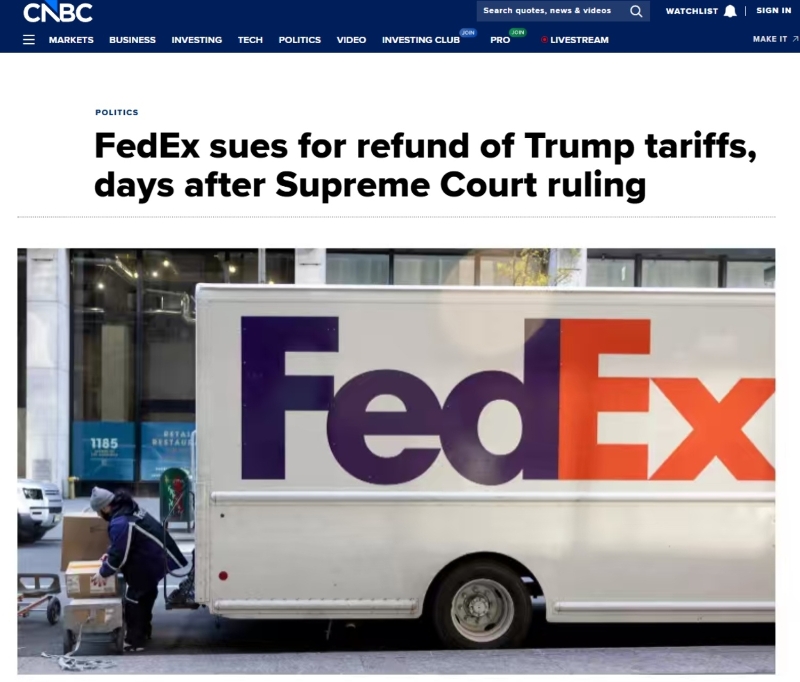
当地时间2月23日,全球运输企业联邦快递(FedEx)起诉美国政府要求退还关税款项。联邦快递已向美国国际贸 易法院提起诉讼,请求全额退还根据《国际紧急经济权力法》征收的全部关税。 美国消费者新闻与商业频道报道截图 自美国最高法院日前公布裁决,认定美国《国际紧急经济权力法》没有授权总统征收大规模关税后,法庭记录显 示,美国已经有超过1000家企业加入法律诉讼,要求政府返还已缴纳的关税。参与起诉的包括开市客、锐步等大 型企业。 中国国际经济交流中心美欧研究部副部长张茉楠认为,这可能是一个耗时非常长的拉锯战。尽管现在美国最高法 院裁定美国政府根据《国际紧急经济权力法》征收的钢铁关税违宪,但从目前的法律裁定来看,胜诉不等于立即 退款。 中国国际经济交流中心美欧研究部副部长张茉楠: 现在有几点实际上还面临着很大的不确定性,一方面来自于当前法律的真空。因此企业尽管有这样的诉求和主 张,但很可能要经历耗时很长的司法程序。第二,因为现在涉及到的关税收入金额非常巨大,很可能达到2000亿 至3000亿美元左右,如此庞大的财政支出也会让美国政府陷入非常两难的境地。 张茉楠表示,总体来看,这是以"不确定性"来应对"不确定性"。现在 ...

特朗普继续“任性”,将对全球征收15%关税
Sou Hu Cai Jing· 2026-02-25 02:02
美国最高法院大法官以6比3的裁决认定,特朗普去年援引1977年颁布的《国际紧急经济权力法》实施全 球范围内的全面关税时越权行事。根据最新统计的政府数据,美国已利用《国际经济权力法》征收了至 少1300亿美元的关税。裁决公布后,特朗普立即表示,他对"法院的某些成员感到羞耻",并称那些否决 他的贸易政策的大法官是"傻瓜"。 美国总统特朗普日前表示,他将对全球征收15%的关税,此前他一直抨击最高法院推翻了他之前关税政 策的裁决。 特朗普此前表示,他将用对所有进入美国的商品征收10%的关税来取代最高法院所裁决否认的关税政 策。仅仅一天后,他在社交媒体上上宣布,这一数字将增加到其贸易法所允许的最大值。该法律允许这 些新关税生效约五个月,之后政府必须寻求国会批准。 10%的关税政策原定于2月24日生效。目前尚不清楚届时是否也会开始实施15%的关税政策。而特朗普 此举是根据1974年贸易法第122条所制定的临时解决方案,但这引起了英国和澳大利亚等国的疑问,因 为这些国家此前已与美国达成10%的关税协议。特朗普表示,他的政府在审查了最高法院昨天发布 的"荒谬、措辞拙劣且极其反美的关税裁决"后,决定提高关税。 特朗普的关税政策 ...
美伊谈判进展持续扰动原油市场,化?节后开?红
Zhong Xin Qi Huo· 2026-02-25 01:57
1. Report Industry Investment Rating No information about the industry investment rating is provided in the report. 2. Core Viewpoints of the Report - The crude oil market is continuously disturbed by the progress of the US - Iran negotiations, and the price of crude oil is oscillating strongly. The chemical industry has a good start after the Spring Festival. Although there is inventory accumulation, it may continue the oscillating pattern. The overall outlook is that the crude oil will maintain high volatility, and the chemical prices will continue to oscillate and consolidate [2]. 3. Summary According to the Directory 3.1 Market Outlook - **Crude Oil**: API crude oil has a large inventory build - up, and the US - Iran geopolitical situation continuously disturbs the market. The supply is expected to be loose this year, but the geopolitical premium is significant. It is expected to oscillate in the short - term [2][7]. - **Asphalt**: The spot price rises, and the asphalt futures price goes up. The long - term supply of raw materials is expected to be abundant, and the current price is over - valued. It is expected to oscillate, and the long - term valuation is expected to decline [6][7]. - **High - sulfur Fuel Oil**: The fuel oil futures price still has a high geopolitical premium. The increase in Venezuelan oil production is expected to put long - term pressure on it. It is expected to oscillate, and short - term attention should be paid to the geopolitical situation in the Middle East [8]. - **Low - sulfur Fuel Oil**: It follows the crude oil to oscillate upwards. Although it faces some negative factors, its current valuation is low. It is expected to oscillate and follow the crude oil fluctuations [9]. - **PX**: The cost boost and the warm commodity sentiment resonate, and the price center moves up. It is expected to oscillate strongly in the short - term, and the mid - term logic of buying on dips remains [10]. - **PTA**: Supported by cost and tariff policies, it is necessary to pay attention to the resumption rhythm of the polyester industry. It is expected to oscillate strongly in the short - term [11]. - **Pure Benzene**: After the festival, it makes up for the price increase. The fundamentals in Q1 are better than those in Q4, but the inventory pressure is still large. It is expected to oscillate [12][13]. - **Styrene**: After the festival, it makes up for the price increase. The seasonal inventory build - up height in February is adjusted downwards, but the support strength declines. It is expected to oscillate [14][15]. - **Ethylene Glycol**: The price rebound is limited due to supply - demand pressure, and the support below is enhanced. It is expected to maintain range consolidation in the short - term [16][18]. - **Short - fiber**: Supported by cost and tariff reduction, it is beneficial for export. It is expected to oscillate strongly in the short - term [18][19]. - **Bottle Chip**: The cost boost is obvious. It is expected to oscillate strongly in the short - term, and the support for processing fees below is enhanced [20]. - **Methanol**: After the festival, the overseas geopolitical disturbance continues, and it oscillates widely. It is necessary to pay attention to the negotiation progress between the US and Iran [22][23]. - **Urea**: Driven by post - festival demand, it oscillates strongly. Although there is upward momentum, the upward space is limited [24]. - **Plastic (LLDPE)**: The geopolitical disturbance boosts the sentiment, and it rebounds slightly. It is expected to oscillate in the short - term [28]. - **PP**: The basis is weak, and the futures price follows the crude oil to rebound slightly in the short - term. It is expected to oscillate in the short - term [29]. - **PL**: Supported by the spot and the rising oil price, it rebounds. It is expected to oscillate in the short - term [30]. - **PVC**: The geopolitical disturbance still exists, and it may oscillate. The high inventory forms a suppression, and the market sentiment is supported by the geopolitical disturbance and the spring inspection expectation [31]. - **Caustic Soda**: With low valuation and weak expectation, it oscillates. The high inventory suppresses, but the spring inspection and downstream restocking support it [32]. 3.2 Variety Data Monitoring 3.2.1 Energy and Chemical Daily Index Monitoring - **Inter - period Spread**: The inter - period spreads of various varieties such as Brent, Dubai, PX, PTA, etc. have different changes, which reflect the market's expectations for different time periods of each variety [34]. - **Basis and Warehouse Receipts**: The basis and warehouse receipts of each variety also have corresponding changes, which can reflect the relationship between the spot and futures prices and the inventory situation to a certain extent [35]. - **Inter - variety Spread**: The inter - variety spreads between different varieties such as PP - 3MA, TA - EG, etc. have changed, which can help analyze the relative price relationships between different varieties [36]. 3.2.2 Chemical Basis and Spread Monitoring Although the report lists various varieties such as methanol, urea, etc., no specific monitoring data and analysis content are provided. 3.3 Commodity Index - The comprehensive index, characteristic index, and sector index of the commodity index all show different degrees of increase, reflecting the overall upward trend of the market [275][276].