消费升级

Search documents
高质量发展看中国|宁夏县域商业“多点突围”:日间消费得实惠 夜间养生有新意
Sou Hu Cai Jing· 2025-09-26 03:18
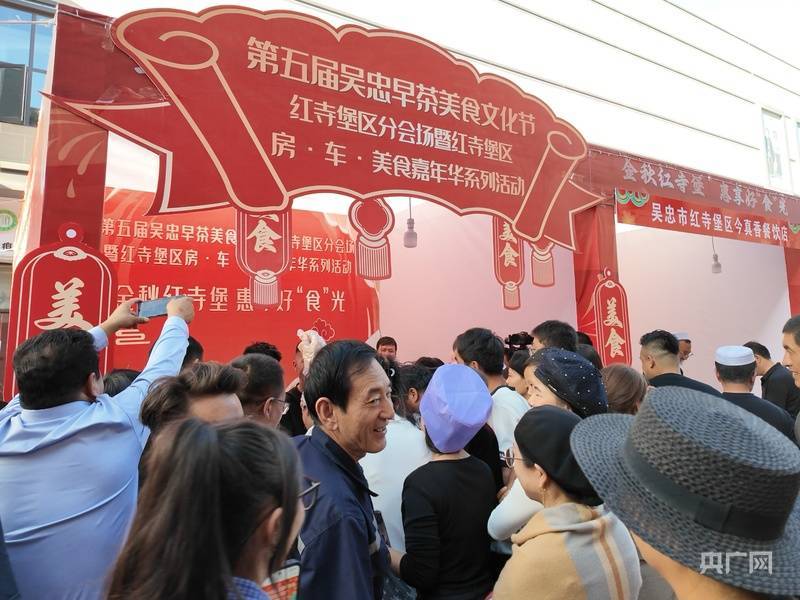
Core Insights - The article highlights the transformation of county-level consumption in Ningxia, moving from a traditional single-sale model to a diversified approach that enhances consumer experience and convenience [1][10]. Group 1: Consumer Experience and Engagement - Residents in Ningxia are experiencing improved consumer satisfaction through initiatives like the use of discount coupons, which allow for significant savings during shopping [1][2]. - The Red Temple area has introduced a "dual linkage" model that combines promotional events with everyday shopping, enabling residents to enjoy various discounts and a more convenient shopping experience [5][10]. Group 2: Economic Impact and Growth - The Red Temple district's promotional activities involved an investment of 1.2 million yuan to stimulate consumption, with 54 participants covering food, agricultural products, and household appliances [4]. - The introduction of government consumption vouchers has led to a 30% increase in foot traffic at local stores, with average transaction values rising from 30 yuan to between 60 and 80 yuan [5][10]. Group 3: Night Market and Cultural Integration - The Longde County's night market has diversified its offerings by incorporating traditional Chinese medicine and cultural activities, creating a vibrant night-time economy [6][9]. - The night market features six functional areas and 60 stalls, transforming traditional night market experiences into interactive cultural and wellness activities [9][10]. Group 4: Policy Alignment and Future Outlook - The shift in county-level commercial strategies aligns with national policies aimed at expanding domestic demand and revitalizing urban-rural consumption [10]. - As of July 2025, the online transaction volume for life services in Ningxia's county markets has increased by 18.55%, with a 31.5% rise in the number of new businesses, indicating robust growth in the sector [11].

春风动力20250924
2025-09-26 02:29
Summary of Chufeng Power's Conference Call Company Overview - Chufeng Power has achieved a compound annual growth rate (CAGR) of nearly 35% in revenue since 2016, transitioning from a billion to a hundred billion scale [2][3] - The company has consistently improved its operating profit margin over the past eight years, with net profit margin growth expected to recover from 2022 to 2024 due to product upgrades and a decrease in shipping costs [2][3] Business Segments - In 2024, the all-terrain vehicle (ATV) business accounted for over 45% of revenue, while the motorcycle business represented 43% [4] - The gross margin for the ATV segment was approximately 40% in 2023, with motorcycle profitability gradually improving [6] Market Performance - By 2024, overseas market revenue is projected to account for 56% of total revenue, with North America contributing about 30% and Europe about 26% [7] - The Chinese market's revenue share is declining, indicating that overseas markets will be a significant growth driver moving forward [7] Industry Trends - The ATV industry is experiencing a clear trend of consumption upgrades, with UTV (Utility Task Vehicle) and SSV (Side-by-Side Vehicle) market shares increasing to 65% [8] - Chufeng Power is a leader in both domestic and international ATV exports, narrowing the gap with competitors like Polaris [8] Technological Advancements - Chufeng Power emphasizes R&D, achieving an engine first-off-the-line rate exceeding 90% and durability testing exceeding 200 hours [9] - The company’s engine power output reaches 84 kW, significantly surpassing the domestic average of 60 kW [9] Competitive Advantages - Chufeng Power's electric ATVs are priced significantly lower than competitors, enhancing global market competitiveness [5][10] - The company has expanded its global sales network from 1,900 to over 5,000 outlets since 2017, strengthening its market presence [10] Motorcycle Market Insights - The global two-wheeler motorcycle market has an annual sales volume of nearly 60 million units, with a significant portion in overseas markets [11] - Chinese brands like Chufeng are gaining traction, with a stable market share of 20% in the domestic high-displacement motorcycle segment [12] Future Outlook - Chufeng Power's net profit forecasts for 2025, 2026, and 2027 are projected at 1.85 billion, 2.4 billion, and 2.73 billion yuan, respectively, indicating a steady growth trend [22]

户外运动产业的爆发式增长:从小众爱好到大众消费新引擎
Sou Hu Cai Jing· 2025-09-25 09:52
Group 1 - The outdoor sports industry in China has experienced explosive growth, with a total scale exceeding 5 trillion yuan in 2023, representing a year-on-year increase of 28% [1] - The number of camping sites across the country has surpassed 45,000, marking a 300% increase since 2020, while participation in outdoor activities such as hiking, rock climbing, and paddleboarding has grown at an annual rate of 40% [1] - The growth is attributed to rising health awareness, consumption upgrades, and supportive policies, transforming outdoor sports from a niche hobby into a new engine for mass consumption [1] Group 2 - Government policies have provided strong support for the development of the outdoor sports industry, with the State Council issuing guidelines aiming for a total industry scale exceeding 3 trillion yuan by 2025, which has already been surpassed [3] - Local governments are creating development plans based on regional advantages, such as Zhejiang's focus on mountain and water sports, Yunnan's unique natural scenery for hiking and cycling, and Hainan's emphasis on marine outdoor activities [3] - The outdoor sports goods market reached 1.2 trillion yuan in 2023, growing by 35%, with professional outdoor equipment sales increasing by 52% [3] Group 3 - The integration of outdoor sports with tourism has become a mainstream model, creating a complete industry chain that includes sports experiences, scenic tours, and accommodation [4] - The number of youth outdoor camps has exceeded 12,000, focusing on developing practical skills and teamwork through activities like rock climbing and wilderness survival [4] - Infrastructure development has supported the outdoor sports industry, with over 30,000 kilometers of national fitness trails and more than 80,000 kilometers of provincial trails established by the end of 2023 [4] Group 4 - The explosive growth of the outdoor sports industry reflects a societal desire for healthy living and connection with nature, contributing to economic development [5] - The industry is expected to play a larger role in promoting consumption, creating jobs, and driving regional coordinated development, becoming a significant growth point for the national economy [5]

顾家家居发起“全皮沙发普及风暴”,引领行业价值升维
Xin Lang Cai Jing· 2025-09-25 05:04
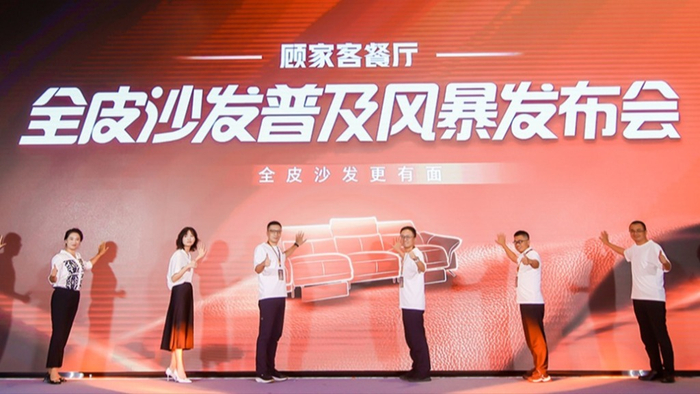
Core Viewpoint - The company Kuka Home has launched a "Full Leather Sofa Popularization Storm," offering a significant benefit of upgrading to a full leather sofa for 899 yuan, aiming to break the price barrier and make high-quality full leather sofas accessible to ordinary consumers [1][3]. Group 1: Market Trends and Consumer Behavior - The trend in home furnishing consumption is shifting from "having" to "quality," with over 84.81 million users interested in leather furniture and a 30% increase in related search volume over the past year [1]. - Full leather sofas are gaining popularity due to their superior texture and durability, but consumers face challenges such as high costs and a lack of standardized quality assessment for leather [1][3]. Group 2: Company Strategy and Innovations - Kuka Home has updated over ten core processes required for upgrading from genuine leather to full leather sofas, demonstrating internal mechanism innovation to meet consumer demand for high-quality living [3]. - The company has optimized production costs through strong supply chain integration and lean production management, leveraging large-scale procurement of cowhide [3][4]. Group 3: Consumer Experience and Market Positioning - The "Full Leather Sofa Popularization Storm" enhances home aesthetics and significantly improves user experience, shifting the perception of full leather sofas from luxury items to practical household goods [4]. - Kuka Home's initiative represents a "value return" revolution, focusing on quality-to-price ratio and transparent consumption, thereby gaining market leadership and accelerating the popularization of full leather sofas [4]. Group 4: Industry Impact and Future Outlook - The full leather upgrade strategy positions Kuka Home as a leader in the transformation of the Chinese home furnishing industry towards higher quality and sustainability [4]. - This industry change, driven by "full leather quality," is reshaping product value standards and shifting competition from price to value, marking a new chapter in the quality upgrade of the home furnishing sector [4].

智能马桶行业正从价格竞争转向差异化竞争,泉果基金调研惠达卫浴
Xin Lang Cai Jing· 2025-09-25 03:52
Core Viewpoint - The smart toilet industry is experiencing growth driven by consumer upgrades and health awareness, but faces intense competition and low market penetration [3] Group 1: Industry Overview - The smart toilet market is expanding due to the implementation of the "old-for-new" national subsidy policy, yet it remains characterized by low market penetration and significant product homogeneity [3] - The introduction of 3C certification and other standards is raising industry entry barriers and product quality requirements, benefiting leading companies with strong R&D capabilities and brand advantages [3] - The industry is shifting from price competition to differentiation based on functionality, technology, quality, and user experience [3] Group 2: Company Strategy - The company is committed to a dual strategy of deepening channel development and digital transformation, focusing on user needs across channels, products, marketing, and services [4][5] - The company is implementing a "thousand merchants and ten thousand stores" plan to enhance channel penetration, collaborating with decoration companies and old renovation firms to reach targeted consumer segments [4] - The company is expanding its online presence through traditional e-commerce platforms and emerging live-streaming channels to reach diverse consumer habits [5] Group 3: Product and Marketing Strategy - The company is enhancing its brand positioning as a "health bathroom expert," focusing on health, intelligence, and environmental sustainability in product development [6] - The company aims to optimize its product structure and improve the speed of new product launches to meet diverse consumer needs and enhance competitiveness [6] - Marketing efforts are focused on improving new product promotion efficiency and increasing the sales proportion of high-value products to strengthen overall profitability [6] Group 4: International Market Development - The company is optimizing its international business management system and adapting to new market conditions, particularly in the Middle East and Southeast Asia [6] - The company is enhancing its product capabilities for international markets by offering customized product support to increase customer loyalty [6] - The company continues to focus on major client aggregation strategies to improve localized service levels and strengthen long-term cooperation with key clients [6]

电话会议纪要(20250921)
CMS· 2025-09-25 02:35
Economic Overview - In August, the industrial added value increased by 5.2% year-on-year, slightly down from 5.7% in July, but still above 5%[5] - The manufacturing sector's added value grew by 5.7%, outpacing overall industrial growth by 0.5 percentage points, with 31 out of 41 industrial categories showing year-on-year growth, resulting in a growth coverage of 75.6%[5] - High-tech manufacturing saw a significant expansion, with added value increasing by 9.3% year-on-year, indicating strong momentum in emerging industries[5] Investment Trends - From January to August, fixed asset investment grew by only 0.5% year-on-year, a decline from 1.6% in the previous period, with real estate being a major drag[5] - Manufacturing investment rose by 5.1%, significantly higher than the overall investment growth, with notable increases in consumer goods manufacturing (9.0%) and aerospace manufacturing (28.0%)[5] - Real estate development investment fell by 12.9% year-on-year, with August alone seeing a 19.5% decline, marking the largest monthly drop of the year[6] Consumer Behavior - Retail sales of consumer goods increased by 3.4% year-on-year in August, with significant growth in home appliances (14.3%) and furniture (18.6%) despite a slight overall slowdown[6] - The penetration rate of new energy vehicles reached over 50%, with August retail sales showing a positive shift to +0.8% from -1.5% in July[6] Market Outlook - The economic recovery momentum is expected to continue, with GDP growth projected to meet the target of around 5% for the year, despite a forecasted slowdown in Q3 compared to Q2[6] - A-shares typically exhibit a "pre-holiday contraction, post-holiday surge" pattern, with over 60% probability of index gains following the National Day holiday[7] Fixed Income Strategy - The bond market is currently experiencing fluctuations, with short-term credit spreads narrowing while long-term spreads are widening, indicating a mixed market sentiment[7] - The average duration of bank TPL (Total Portfolio Loss) is estimated at 3 years, with projected floating losses of approximately 453 billion yuan for Q3 due to rising long-term bond yields[9]

享界S9T开启首批交付 北汽、华为携手破局旅行车市场
Zhong Guo Qing Nian Bao· 2025-09-25 00:15
Core Insights - The launch of the Xiangjie S9T, a flagship travel vehicle, marks a significant milestone for the company, showcasing its commitment to high-quality manufacturing and user satisfaction [2][3][4] - The vehicle has received strong market interest, with over 10,000 pre-orders within 72 hours of its launch, indicating a shift in consumer preferences towards multifunctional vehicles [4][5] Group 1: Product Launch and Features - The Xiangjie S9T is the first travel car under the Hongmeng Zhixing brand and features advanced technology, including the Huawei Qian Kun Intelligent Driving ADS 4 system with 36 high-precision sensors [4] - The vehicle offers impressive range capabilities, with the pure electric version achieving a maximum CLTC range of 801 kilometers and the range-extended version exceeding 1305 kilometers [4] - The manufacturing process at the Xiangjie Super Factory emphasizes transparency and quality, with precision standards comparable to luxury brands and rigorous testing protocols [2][3] Group 2: Market Trends and Consumer Preferences - The travel car segment has historically accounted for less than 1% of total passenger vehicle sales, but recent trends show a growing consumer interest in multifunctional vehicles that cater to both daily commuting and outdoor activities [3][4] - The Chinese travel car market has experienced continuous growth for four years, reflecting a shift in consumer demand towards vehicles that offer versatility and comfort [4] Group 3: Strategic Partnerships and Future Plans - The collaboration between Beiqi and Huawei represents a strategic milestone, with plans to invest 20 billion yuan in R&D to enhance the Xiangjie brand's offerings in the luxury vehicle market [5] - The partnership aims to establish a comprehensive system that includes dedicated teams, R&D, supply chains, quality checks, and distribution channels to support the brand's growth [5]


农林牧渔行业投资策略报告:生猪养殖盈利收窄,宠物食品延续增长-20250924
CAITONG SECURITIES· 2025-09-24 08:07
Core Insights - The report indicates a narrowing profitability in pig farming while the pet food sector continues to grow [1][5] - The investment rating is maintained as "positive" for the sector [1] Pig Farming - Supply pressure has led to a decline in pig prices, with the average price in July-August 2025 at 14.63 CNY/kg, down from 14.96 CNY/kg in Q2 2025 [5] - The average profitability for self-breeding and purchased piglets in the industry has shifted to losses, with figures of 53.0 CNY/head for self-breeding and -106.7 CNY/head for purchased piglets as of September 19 [5] - The outflow of pigs from listed companies has shown a growth rate of 26.2% in Q2 2025 and 20.0% in July-August 2025 [5] - The report suggests that the ongoing policy guidance for capacity adjustment and weight reduction will likely elevate the price center of pigs in the future [5] - Recommended companies for investment include Muyuan Foods, Wens Foodstuff, Dekang Agriculture, Juxing Agriculture, Shennong Group, Tiankang Biological, and Tangrenshen [5] Animal Health - Demand for animal health products is on the rise, with significant year-on-year growth in various vaccines, such as a 30% increase for swine fever vaccines in July-August 2025 [5] - Companies like Keqian Biological and Ruipu Biological are highlighted for their strong internal growth potential due to new product launches [5] Poultry Farming - The price of white feather chickens has rebounded due to seasonal demand and tighter supply, with an average price of 6.92 CNY/kg as of September 19, 2025 [5] - The report notes a 17.66% year-on-year decrease in the number of breeding chickens updated in the first eight months of 2025, indicating potential long-term benefits for the white feather chicken industry [5] - Recommended companies include Shennong Development and Yisheng Livestock [5] Pet Food Sector - Domestic sales of pet food are driven by consumption upgrades and domestic substitution, with a reported growth rate of 11% across major e-commerce platforms from January to August 2025 [5] - The report highlights the introduction of new products and the strengthening of brand power among leading companies [5] - Recommended companies in the pet food sector include Guibao Pet, Zhongchong Co., Petty Co., and Lusi Co. [5]




报告:Q2家用电器消费数据增长指数以4.36位居首位
Xin Hua Cai Jing· 2025-09-24 02:43
Core Insights - The report highlights significant growth in consumer goods sales in Q2 2025, driven by high temperatures, mid-year promotions, and health demands [1][2] - The top ten categories for sales growth include home appliances, computer digital products, medical health, home decoration, toys and musical instruments, fresh food, video games, office equipment, maternal and infant products, and pet supplies [1] Group 1: Sales Growth Data - Home appliances lead with a growth index of 4.36, with "major appliances" sales increasing by 87.1% year-on-year, driven by high temperatures and energy-saving promotions [1] - Computer digital products have a growth index of 3.85, with "audio-visual playback" sales up by 71.4%, as high-end devices become more affordable and mid-year promotions stimulate sales [1] - Medical health products show a growth index of 3.57, with "healthcare devices" sales surging by 87.4%, supported by health consumption subsidies and promotional packages [1] Group 2: Core Trends in Consumer Market - The consumer market is experiencing a dual drive of policy guidance and technological innovation, leading to an upgrade in inclusive consumption, particularly in home appliances and audio-visual equipment [2] - There is a shift in consumer content from general entertainment to specialization and practicality, with tourism and video games gaining traction [2] - Quality experience is becoming a key driver for consumer demand, with a focus on immersive experiences in cultural entertainment and functionality in apparel [2] - Health demands are becoming prevalent across all age groups, with technology usage varying significantly between younger and older consumers, indicating a diversified consumption market [2]
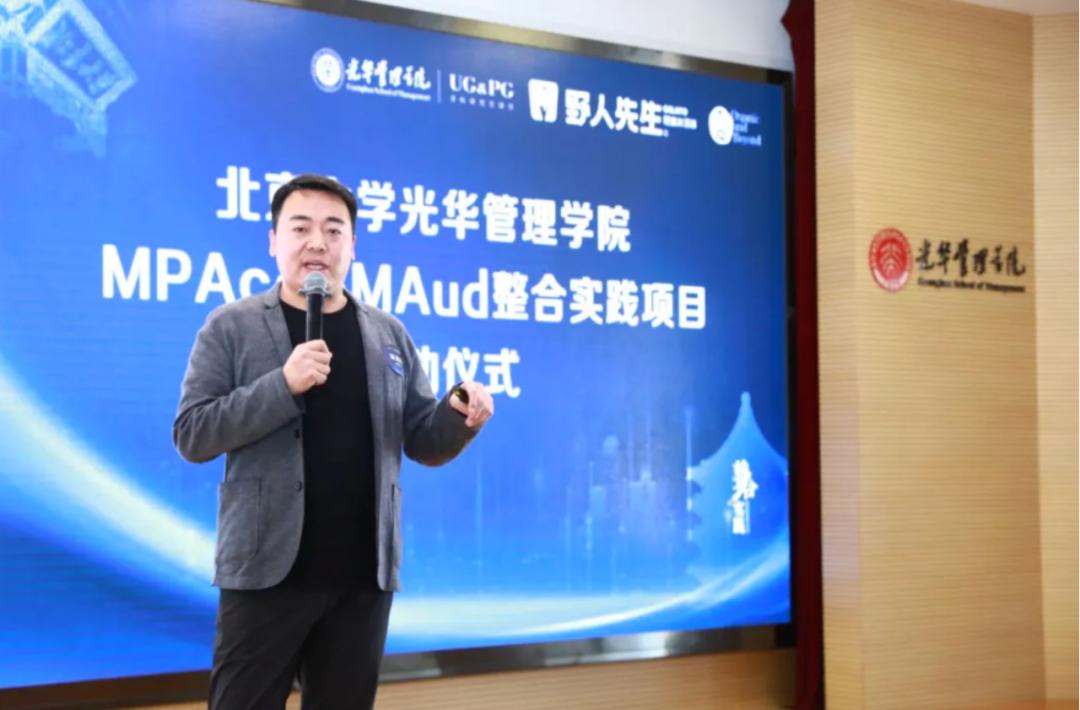
对话野人先生创始人崔渐为:想成为冰淇淋界的星巴克,一直都在“踩着刹车”,自己接受很多误解
3 6 Ke· 2025-09-24 00:11
Core Insights - The company "Mr. Wildman," founded by Cui Jianwei, aims to become the "Starbucks of ice cream," focusing on high-quality gelato and a unique customer experience [1][10][12] - The brand has rapidly expanded, with plans to reach 1,500 stores by 2025, leveraging a franchise model to accelerate growth [17][20][21] Company Overview - Mr. Wildman was established in 2011 in Beijing and has become one of the top three ice cream chains in China, focusing on fresh, handmade gelato [3][10] - The brand's average transaction price is approximately 28.13 yuan, positioning it as a mid-to-high-end option compared to competitors like Häagen-Dazs [10][12] Business Model - The company employs a franchise model, which has allowed for rapid expansion, with over 80% of its stores being franchises [20][21] - Franchisees are selected based on their operational capabilities rather than financial resources, ensuring a focus on quality and brand integrity [20][21] Market Position - Mr. Wildman differentiates itself by offering gelato made from fresh ingredients, with a focus on low-fat content and unique flavors, which has contributed to its popularity [5][10] - The gelato market in China is still developing, with significant competition from established brands like Häagen-Dazs and DQ [14][23] Future Outlook - The company plans to enhance its product quality, supply chain efficiency, and organizational capabilities to build a competitive advantage [26] - There is potential for price adjustments as the company scales, which could improve its market position amidst rising competition [26]