
避险情绪

Search documents
特朗普:以伊冲突可能再次爆发!小米YU7今晚上市发布!沪指突破3月高点创出年内新高!长安的荔枝突然撤档!英伟达再成全球市值第一!
新浪财经· 2025-06-26 01:02
昨天,发生了哪些财经大事? 特朗普:以伊冲突可能再次爆发 6月25日下午,话题#金价跌至6月以来新低#登上新浪微博热搜第一位。 Wind数据显示,24日晚间,受以伊冲突局势缓和,避险情绪消退影响,国际贵金属期货普 遍收跌,现货黄金盘中一度跌超2%,收报3322.93美元/盎司,COMEX黄金期货收盘跌 1.66%,报3338.5美元/盎司。 25日晚间,二者均小幅直线拉升,截至发稿,现货黄金涨0.09%,报3335.07美元/盎司, COMEX黄金期货涨0.17%,报3348.71美元/盎司。 | 最新价: 3335.07 | | | | --- | --- | --- | | 结算价: -- | | 持仓量:0 | | "化教並(呪贝貝立)CFU(XAU) ● ● 添加目远 □ 在APP中登着 3335.07 ↑ +0.09% 2025-06-26 08:07:00 | 买 价: 3335.07 | 开盘价: 3334.70 卖 价:3335.42 | 消息面上,据央视新闻,当地时间6月25日,美国总统特朗普表示,美方将于下周与伊朗就 一项潜在的核协议展开会谈,但他多次强调自己并不认为这类协议"有多必要"。 ...


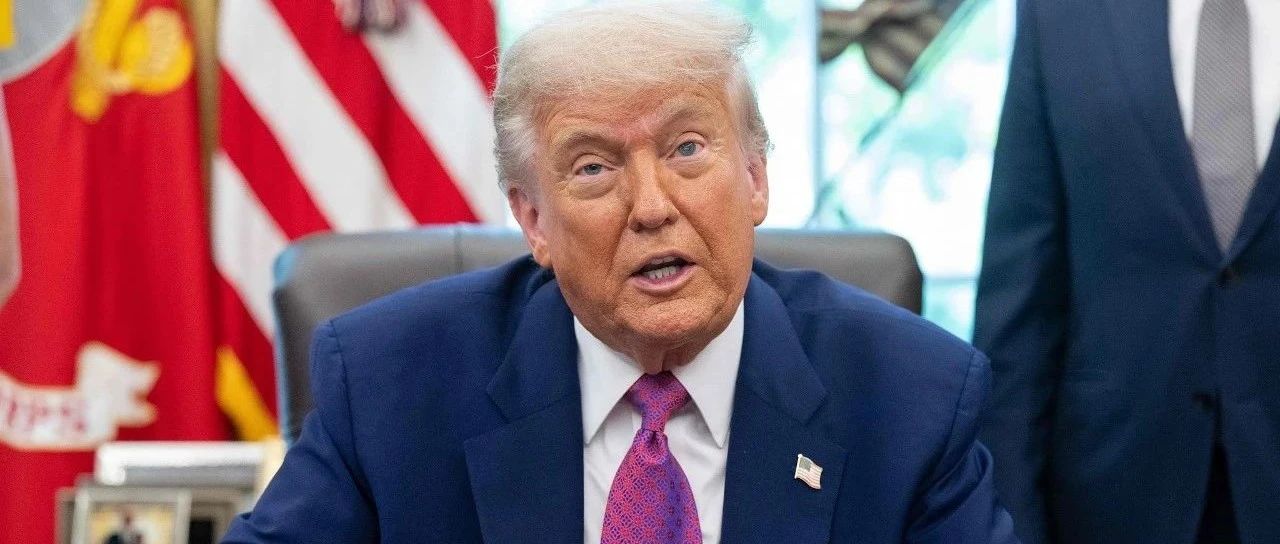
张尧浠:降息周期预将很快恢复、金价有望再度上探3500
Sou Hu Cai Jing· 2025-06-26 00:17
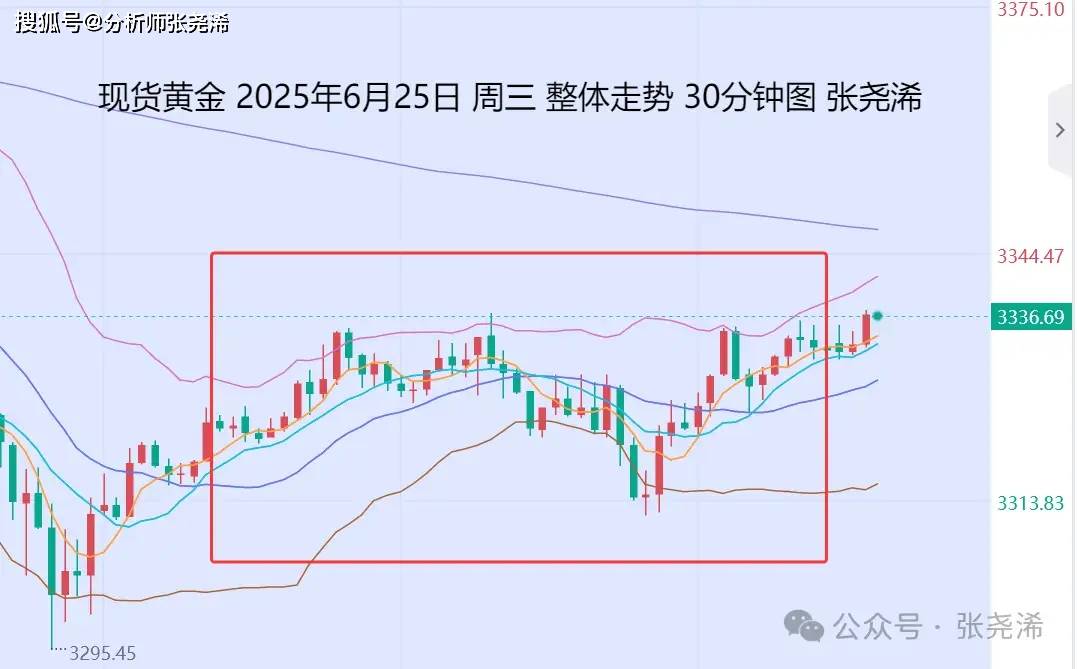
Core Viewpoint - The international gold price is expected to rebound and may reach $3,500 again, driven by a potential return to a rate-cutting cycle by the Federal Reserve and ongoing geopolitical uncertainties [1][6]. Group 1: Market Performance - On June 25, the international gold price opened at $3,323.82 per ounce, reached a high of $3,336.85, and closed at $3,332.01, with a daily fluctuation of $25.04 and a gain of $8.19, or 0.25% [1]. - The dollar index continued to decline, providing support for gold prices, despite initial downward pressure from easing geopolitical tensions following Trump's announcement of talks with Iran [3]. Group 2: Economic Indicators - Upcoming economic data to watch includes initial jobless claims, Q1 GDP annualized rate final value, and May durable goods orders, which are expected to have limited impact on gold prices [5]. - The market anticipates that the Federal Reserve will soon resume its rate-cutting cycle, which is expected to exert downward pressure on the dollar and support gold prices [5]. Group 3: Technical Analysis - The gold price has been supported by the 60-day moving average and an upward trend line, indicating potential for a bullish rebound [3][10]. - If gold prices break below the 5-month moving average support, it could lead to a significant correction, potentially dropping to around $2,500 [8]. - Current support levels to monitor include $3,325 and $3,311, with resistance at $3,347 and $3,360 [12].
资产配置日报:担心踏空-20250625
HUAXI Securities· 2025-06-25 15:31
Core Insights - The report indicates a significant increase in equity market performance, driven by the participation of stabilizing funds and a growing fear of missing out among investors [2][6][15] - The report highlights a notable rise in major stock indices, with the Shanghai Composite Index and CSI 300 increasing by 1.04% and 1.44% respectively, while the technology sector showed strong performance [2][6] - The report discusses the volatility in oil and gold prices, with oil prices experiencing a sharp decline followed by a slight rebound, reflecting market stabilization [3][4] Domestic Market Performance - The Shanghai Composite Index closed at 3455.97, up by 1.04%, while the CSI 300 Index rose by 1.44% to 3960.07 [1] - The report notes that the technology sector, particularly the ChiNext Index and the STAR 50, saw significant gains of 3.11% and 1.73% respectively [2] - The bond market showed a mixed performance, with long-term bonds underperforming compared to short-term bonds, as indicated by the slight increase in yields for 10-year and 30-year government bonds [2][6] Market Sentiment and Trends - Market sentiment appears to be stabilizing, with a shift towards observing price movements in oil and gold after significant fluctuations [3] - The report mentions that the recent influx of funds into stock ETFs indicates a growing bullish sentiment among investors, as evidenced by the increase in options trading volume [8][9] - Historical comparisons suggest that the current market rally is reminiscent of previous periods where stabilizing funds led to significant upward movements in stock prices [12][14][15] Sector Analysis - The report identifies potential investment opportunities across various sectors, including consumer goods, technology, and military industries, driven by policy expectations and market dynamics [14][15] - It emphasizes the importance of a diversified investment approach, particularly in light of the current market conditions and the potential for volatility [15]
李鸿彬:6.25黄金原油双双崩盘,空军成功扭转局势
Sou Hu Cai Jing· 2025-06-25 15:16
河流之所以能够到达目的地,是因为它懂得怎样避开障碍,交易之所以能够多抵达目标,是因为它清楚怎样寻求 机会。把每一次的博弈当成最后一次的珍惜,把每一次的入场当成第一次的认真,花盆里长不出苍松,鸟笼里飞 不出雄鹰,这不仅投资收获金钱,更多的是人性的修行。 在美国总统特朗普的施压下,停火于周二开始生效,市场对中东两大宿敌之间最大规模军事冲突有望落幕抱持乐 观态度,从而打压对避险黄金的需求。此外,美联储主席鲍威尔发表偏鹰派的言论,这也打击金价走势。 黄金目前承压3400大关延续跌势,隔日更是成功跌破3350关口一路下滑,美盘最低跌至3295附近得以支撑回升, 日内跌幅高达70余点,主要还是基于伊朗和以色列的停火协议。最终收尾还是守住了3300大关,多头展开小幅回 升修正,今日位于3320之上小幅震荡。 2--3303附近多,止损3293,目标3315-3320 现货黄金,白银、积存金,走势分析,黄金,融通金,原油,最新策略 原油近期受中东局势影响,展开猛烈上涨,连续大阳拉升至77附近,看涨势头尤其猛烈。可惜多次冲击77关口也 未能逾越,现在中东局势达成停火协议,原油迎来了崩盘回落。日线巨阴放量,已经跌至65附近,跌幅 ...

风口智库|金价见顶了?专家最新研判:中长期看仍是上涨趋势
Sou Hu Cai Jing· 2025-06-25 13:50
Group 1 - International gold prices have been fluctuating and recently experienced a significant decline, with domestic gold jewelry prices dropping to around 1,000 yuan per gram [1] - China's central bank has increased its gold reserves for seven consecutive months, reaching approximately 2,296 tons by the end of May, which is 7% of its foreign exchange reserves, lower than the global average of 15% [1] - The increase in gold reserves is seen as a strategy to enhance the renminbi's value and to mitigate risks associated with the weakening of the US dollar and geopolitical conflicts [2] Group 2 - Current geopolitical tensions, including the ongoing Russia-Ukraine conflict and renewed Middle East conflicts, are expected to elevate risk aversion and subsequently boost gold prices [4] - Analysts suggest that while there may be short-term profit-taking pressure on gold prices, the long-term trend remains upward, with recommendations for investors to allocate about 20% of their portfolios to gold assets [4] - The necessity for the central bank to pause gold purchases has decreased, while the demand for optimizing international reserve structures has increased due to changes in the global political and economic landscape [5]

以伊停火,避险情绪缓和,黄金会否下破3300美元关口?金十研究员高阳正在直播分析,点击进入直播间
news flash· 2025-06-25 11:38
以伊停火,避险情绪缓和,黄金会否下破3300美元关口?金十研究员高阳正在直播分析,点击进入直播 间 欧美盘黄金分析中 相关链接 ...
翁富豪:6.25 地缘风险缓和引发黄金抛售!最新黄金操作建议
Sou Hu Cai Jing· 2025-06-25 11:16
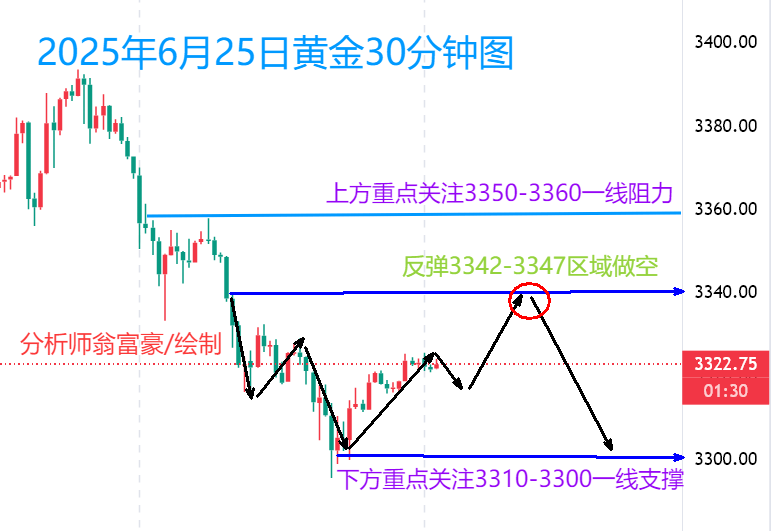
昨日伊朗与以色列冲突出现戏剧性转折:特朗普宣布停火协议后,双方军事行动仍在持续,伊朗甚至对卡塔 尔美军基地实施报复性袭击。尽管正式停火尚未签署,但短期缓和预期推动市场避险情绪降温,黄金价格跌 破3300美元关口。不过,联合国秘书长警示局势存在"全面失控"风险,叠加伊朗报复行动,地缘政治风险仍 未消除,黄金仍可能因突发冲突反弹。值得注意的是,伊朗对美实施报复后,美国未升级冲突并宣布停战, 这一意外发展缓解市场紧张情绪。特朗普言论亦未表现出进一步激化矛盾倾向,与市场预期形成反差。随着 地缘风险缓和,避险情绪回落对黄金形成下行压力。 文章没有太多华丽的语言与鸡汤,一直如此,我相信每一位读者缺乏的不是鸡汤,而是实实在在的分析与强 大的理论,我是翁富豪老师,最后祝大家交易愉快。免责申明:以上纯属个人观点分享,不构成操作建议,投 资有风险,盈亏自负。 操作策略: 1.黄金建议反弹3342-3347区域做空,止损在3355,目标3320-3310 从技术面分析,日线级别收大阴线确认显著回撤,小时图形成乌云盖顶反转形态,当前空头趋势主导盘面。 MACD指标双线出现二次死叉迹象,预示价格或进一步下行。1小时图低点持续下移显示跌 ...
有色金属行业双周报:避险情绪支撑金价,刚果钴临时禁令延长-20250625
Guoyuan Securities· 2025-06-25 10:44
Investment Rating - The industry investment rating is maintained as "Recommended" [7] Core Viewpoints - The report highlights that the recent rise in gold prices is supported by increased risk aversion due to global geopolitical conflicts and inflation data from the US. Additionally, the temporary ban on cobalt exports from the Democratic Republic of Congo has tightened supply, making precious metals and rare earths key investment opportunities [5][4]. Summary by Sections Market Review (2025.6.09-2025.6.20) - The Shenwan Nonferrous Metals Index increased by 0.08%, outperforming the CSI 300 Index and ranking 5th among 31 Shenwan primary industries. Energy metals (1.54%) and metal new materials (0.90%) saw the highest gains, while precious metals and small metals changed by 0.54% and -2.00%, respectively [2][14]. Precious Metals - As of June 20, COMEX gold closed at $3,384.40 per ounce, up 1.60% over the past two weeks and 26.70% year-to-date. COMEX silver closed at $35.95 per ounce, down 0.50% over the same period but up 19.89% year-to-date. The report suggests that geopolitical tensions and trade uncertainties will continue to support gold prices, while silver may have further upside potential due to its undervaluation [3][22][25]. Industrial Metals - LME copper settled at $9,945 per ton, up 1.53% over the past two weeks and 14.50% year-to-date. LME aluminum closed at $2,529 per ton, up 4.01% over the same period but down 0.28% year-to-date. The report indicates that copper's supply-demand dynamics remain supportive, while aluminum faces challenges from seasonal demand fluctuations [29][32]. Small Metals - As of June 20, black tungsten concentrate (≥65%) was priced at 172,000 CNY per ton, down 0.58% over the past two weeks but up 20.28% year-to-date. LME tin closed at $32,690 per ton, up 1.35% over the same period and 15.82% year-to-date. The report notes that the antimony market is experiencing weak demand, while tungsten prices may trend higher due to stable consumption [35][36]. Rare Earths - The rare earth price index was reported at 182.17, down 0.70% over the past two weeks but up 11.23% year-to-date. The report highlights a mixed performance in rare earth prices, with light rare earths showing slight declines while others remain stable due to steady demand from traditional sectors [46][47]. Energy Metals - As of June 20, the average price of electrolytic cobalt was 234,500 CNY per ton, down 0.02% over the past two weeks but up 36.73% year-to-date. The report emphasizes the impact of the extended cobalt export ban from the Democratic Republic of Congo on supply dynamics [53][56].
黄力晨:避险与降息预期降温 黄金走势承压震荡
Sou Hu Cai Jing· 2025-06-25 10:41
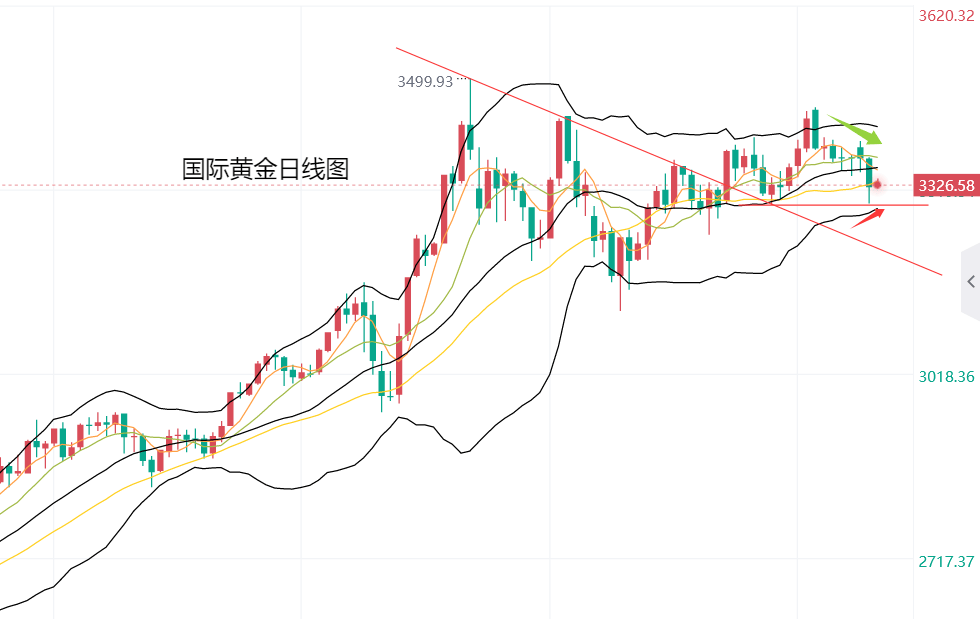
日线图上,黄金从两个月高点回落,刷新三周新低,短期走势偏弱。目前黄金暂时保持3325到3337美元区间横盘震荡,黄金下方支撑,首 先关注3325美元,向下突破可以关注3315美元,这是周二欧盘金价支撑,以及周二美盘金价触底反弹后的支撑位置,以及3300美元整数位 置;黄金上方压力,首先关注3337美元,也是日内高点,其次关注4小时布林带中轨3347美元,这也是周线MA5均线附近。5日均线与 MACD指标死叉,KDJ与RSI指标死叉,短期技术面空方继续占优势。 黄金日内参考:中东局势缓和,市场避险情绪降温,以及美联储打压快速降息的预期,共同对黄金走势造成压制。操作上建议震荡思路对 待,上方压力关注3337美元,其次3347美元,下方支撑关注3325美元,其次3315和3300美元。 从之后的走势看,欧盘开盘后,黄金向下突破亚盘低点3333美元,走势继续承压回落,跌至3316美元企稳后,黄金保持3316到3333美元区 间震荡,美盘开盘后,黄金再次向下突破,刷新三周新低3295美元,不过金价很快企稳反抽,重回3300美元上方,在突破3316美元附近压 力后,涨至3325美元遇阻。周三开盘,黄金反弹突破3325美元 ...
大越期货贵金属早报-20250625
Da Yue Qi Huo· 2025-06-25 09:35
Report Summary 1. Report Industry Investment Rating No information about the industry investment rating is provided in the report. 2. Core Viewpoints - Gold: With the ceasefire between Israel and Iran taking effect and Powell's remarks relaxing the dovish stance, the gold price dropped significantly and then rebounded slightly. The premium of Shanghai gold expanded to 3 yuan/gram. Although the risk - aversion sentiment cooled down, the easing expectation increased, and there is still downward pressure on the gold price [4]. - Silver: After the ceasefire between Israel and Iran and Powell's remarks, the risk preference recovered. The silver price dropped significantly and then rebounded, showing slightly stronger performance than gold. As the situation in the Middle East eases, the silver price will give back its gains [5]. 3. Summary According to the Directory 3.1. Previous Day's Review - Gold: The ceasefire between Israel and Iran took effect, and Powell reiterated a wait - and - see attitude while being non - committal about the prospect of interest rate cuts, leading to a decline in the gold price. The three major US stock indexes rose by more than 1%, and the three major European stock indexes closed higher across the board. The US dollar index fell 0.42% to 97.97, and the offshore RMB appreciated against the US dollar to 7.1644. US Treasury yields fell collectively, with the 10 - year yield dropping nearly 5 basis points to 4.297%. COMEX gold futures fell 1.66% to $3338.5 per ounce [4]. - Silver: Similar to gold, affected by the ceasefire and Powell's remarks, COMEX silver futures fell 0.88% to $35.87 per ounce [5]. 3.2. Daily Tips - Gold: The basis was - 0.79, with the spot at a discount to the futures, which is neutral. The gold futures warehouse receipts were 18,213 kilograms, an increase of 45 kilograms, which is bearish. The 20 - day moving average was downward, and the K - line was above the 20 - day moving average, which is bearish. The main net position was long, and the main long positions decreased, which is bullish [4]. - Silver: The basis was - 24, with the spot at a discount to the futures, which is neutral. The Shanghai silver futures warehouse receipts were 1,256,831 kilograms, an increase of 9,728 kilograms compared to the previous day, which is neutral. The 20 - day moving average was upward, and the K - line was above the 20 - day moving average, which is bullish. The main net position was long, and the main long positions increased, which is bullish [5]. 3.3. Today's Focus - 07:50 Japan's central bank will release the summary of opinions of the deliberation members at the June monetary policy meeting - 08:15 Kansas City Fed President Schmid will discuss the economic outlook at the "2025 Agricultural Summit" - 09:00 Bank of Japan board member Naoki Tamura will speak in Fukushima - Time TBD The Summer Davos Forum will be held until June 26 - 09:30 Australia's May CPI data will be released - 16:45 Bank of England Deputy Governor Lombardelli will speak - 17:00 Bank of England Chief Economist Huw Pill will speak - 22:00 Fed Chairman Powell will testify on the semi - annual monetary policy report before the Senate Committee, and the US May new home sales data will be released - Next day 01:30 ECB Banking Supervision Committee member Donnelly will speak - 02:00 The Fed will hold a meeting to discuss adjusting the supplementary leverage ratio (SLR) rule [14] 3.4. Fundamental Data - Gold: The logic is that after Trump took office, the world entered a period of extreme turmoil and change. The inflation expectation has shifted to the economic recession expectation, making it difficult for the gold price to fall back. The verification between the policy expectations and the reality of the new US government will continue, and the sentiment of the gold price is high, still prone to rise and difficult to fall [9]. - Silver: Silver prices still mainly follow gold prices. The concern about tariffs has a stronger impact on silver prices, and there is a risk of an enlarged increase in silver prices [12]. 3.5. Position Data - Gold: The long positions of the top 20 in Shanghai gold decreased by 2.25% to 201,137, the short positions decreased by 4.06% to 67,417, and the net position decreased by 1.31% to 133,720 on June 24, 2025, compared with the previous day [28]. - Silver: The long positions of the top 20 in Shanghai silver increased by 0.11% to 409,978, the short positions decreased by 1.57% to 306,572, and the net position increased by 5.45% to 103,406 on June 24, 2025, compared with the previous day [30]. - ETF: The SPDR gold ETF position decreased slightly, and the silver ETF position decreased in a volatile manner but was higher than the same period in the past two years [33][36]. - Warehouse Receipts: The Shanghai gold warehouse receipts continued to increase, the COMEX gold warehouse receipts decreased slightly but remained at a high level, the Shanghai silver warehouse receipts increased slightly and were higher than the same period last year, and the COMEX silver warehouse receipts increased slightly [37][38][40].