
智能化

Search documents
华润微2025年前三季度营收同比增长7.99% 高端市场突破赋能业绩稳健成长
Zheng Quan Ri Bao Wang· 2025-10-30 09:41
Core Insights - The company reported steady growth in its operations, with Q3 revenue reaching 2.851 billion yuan, a year-on-year increase of 5.14% [1] - For the first three quarters of 2025, total revenue was 8.069 billion yuan, up 7.99% year-on-year, and net profit attributable to shareholders was 526 million yuan, reflecting a 5.25% increase [1] - The company is transitioning from a "supply chain leader" to an "industry ecosystem leader," focusing on application-driven scenarios and technology integration [1] Business Growth Strategies - The company has established three integrated business growth curves: 1. Upgrading traditional power devices to high-end products 2. Deepening the industrialization of third-generation semiconductors 3. Proactively developing high-end sensors and system solutions [1] Third-Generation Semiconductor Development - The company has accelerated the industrialization of third-generation semiconductors, particularly in silicon carbide (SiC) and gallium nitride (GaN), maintaining a leading position in China [2] - Since 2025, the production and sales of SiC have continued to grow, with significant orders from industry benchmark clients for various applications [2] - The company has achieved mass production of its SiC platform products, marking a substantial breakthrough in the electric drive system market for new energy vehicles [2] GaN Business Progress - In 2025, the company made significant advancements in GaN technology, capacity building, and customer collaboration [3] - The company has completed the verification of its 2200V SiC platform and is developing a series of related products [3] - Multiple GaN products have entered the testing and certification phase with leading industry clients, with some products in the mass production stage [3] Sensor Business Breakthroughs - The sensor technology sector is undergoing significant transformation, leading to the development of new intelligent sensors for various applications [4] - The company has achieved important breakthroughs in its sensor business, with new absolute pressure sensor products shipping over 1 million units monthly [4] - The company plans to focus on high-end sensor markets, enhancing manufacturing capabilities and technology advantages [4] R&D Investment and Market Position - The company invested 851 million yuan in R&D in the first three quarters of 2025, representing 10.55% of its revenue, maintaining a leading position in R&D intensity [5] - The company has established a robust R&D system that facilitates rapid product transformation across key areas such as power semiconductors and intelligent sensors [5] - The company aims to leverage its technological breakthroughs to expand into high-end markets, supporting the growth of China's semiconductor industry [5]

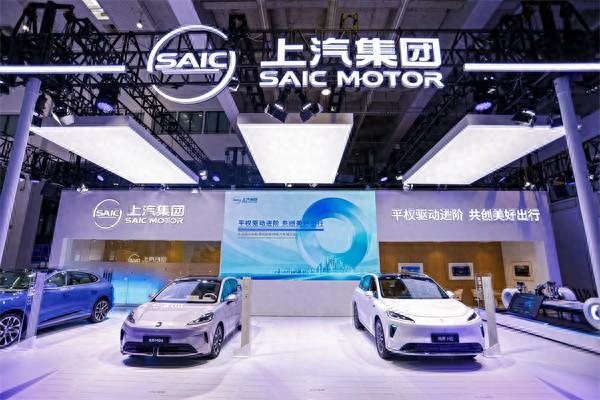
“新三驾马车”发力,上汽集团前三季度营收近4700亿元
Guan Cha Zhe Wang· 2025-10-30 09:24
Core Insights - SAIC Motor Corporation reported a significant increase in revenue and net profit for Q3 2025, with total revenue reaching 169.4 billion yuan, a year-on-year growth of 16.2%, and net profit attributable to shareholders at 2.08 billion yuan, up 644.9% [1][3] Financial Performance - For the first three quarters of 2025, SAIC achieved total revenue of 468.99 billion yuan, reflecting a 9.0% year-on-year increase, while net profit attributable to shareholders was 8.1 billion yuan, a 17.3% increase [1] - The net profit excluding non-recurring gains and losses was 7.12 billion yuan, showing a remarkable growth of 578.6% [1] - The net cash flow from operating activities reached 31.94 billion yuan, up 70.9% year-on-year [1] Sales Performance - In Q3 2025, SAIC's wholesale vehicle sales reached 1.141 million units, marking a 38.7% increase year-on-year, while total wholesale vehicle sales for the first three quarters were 3.193 million units, up 20.5% [1][3] - The sales of SAIC's self-owned brands in the first three quarters totaled 2.044 million units, a 29.2% increase, accounting for 64% of total sales, an increase of 4.3 percentage points compared to the same period last year [3] New Energy Vehicles (NEVs) - SAIC's NEV sales for the first three quarters reached 1.083 million units, a 44.8% increase, with September alone achieving sales of 190,000 units, setting a new record [3] - The launch of several new intelligent electric vehicle models has contributed to the growth in NEV sales, with significant pre-order numbers reported for models like the new IM LS6 and Buick's new model [3] International Market - In the first three quarters, SAIC's overseas sales totaled 765,000 units, a 3.5% increase, with NEV sales abroad reaching 215,000 units, a 69.7% increase [3] - The MG brand achieved over 220,000 terminal deliveries in the European market, maintaining double-digit growth [3] Technological Advancements - SAIC has accelerated the mass production of various intelligent and electric technologies, including semi-solid batteries and a full-stack intelligent vehicle solution, to enhance overall competitiveness [4] - The company has invested over 150 billion yuan in electrification and intelligence, resulting in nearly 26,000 effective patents [4]


伯特利(603596):系列点评十一:2025Q3业绩超预期,智能电动齐驱
Minsheng Securities· 2025-10-30 09:07
Investment Rating - The report maintains a "Recommended" rating for the company [4][6]. Core Insights - The company reported a revenue of 8.36 billion yuan for the first three quarters of 2025, representing a year-on-year increase of 27.0%. The net profit attributable to shareholders was 890 million yuan, up 14.6% year-on-year [1][2]. - In Q3 2025, the revenue reached 3.19 billion yuan, showing a year-on-year growth of 22.5% and a quarter-on-quarter increase of 26.4%. The net profit attributable to shareholders for Q3 was 370 million yuan, up 15.2% year-on-year and 46.4% quarter-on-quarter [2][3]. - The company is actively expanding its product lines in smart and electric vehicle technologies, with significant growth in its core customer sales, particularly from Chery and Geely [2][3]. Revenue and Profitability - The company’s revenue for Q3 2025 was 3.19 billion yuan, with a gross margin of 20.5%, a decrease of 1.0 percentage points year-on-year but an increase of 1.3 percentage points quarter-on-quarter. The net profit margin was 11.7%, down 0.6 percentage points year-on-year but up 1.7 percentage points quarter-on-quarter [2][3]. - The company’s operating efficiency and revenue growth contributed to the increase in net profit [2][3]. Strategic Developments - The company is a leader in line control chassis technology and is advancing its robotics business, including partnerships for developing components for humanoid robots [3][4]. - The company has established a production base in Mexico and plans to expand to Morocco, enhancing its global footprint [3][4]. Financial Forecast - The projected revenues for 2025, 2026, and 2027 are 12.88 billion yuan, 16.44 billion yuan, and 20.83 billion yuan, respectively, with corresponding net profits of 1.51 billion yuan, 1.87 billion yuan, and 2.31 billion yuan [5][10]. - The earnings per share (EPS) are expected to be 2.49 yuan in 2025, 3.08 yuan in 2026, and 3.81 yuan in 2027, with price-to-earnings (PE) ratios of 20, 16, and 13, respectively [5][10].

上汽集团三季度净利飙升644.9%
Jing Ji Guan Cha Wang· 2025-10-30 07:14
Core Viewpoint - SAIC Motor Corporation reported significant growth in its Q3 2025 financial results, driven by the expansion of its self-owned brands and new energy vehicle (NEV) business [1] Financial Performance - In Q3, the company achieved total revenue of 169.4 billion yuan, representing a year-on-year increase of 16.2% [1] - The net profit attributable to shareholders reached 2.08 billion yuan, a substantial increase of 644.9% year-on-year [1] - For the first three quarters, total revenue amounted to 468.99 billion yuan, up 9.0% year-on-year, while net profit attributable to shareholders was 8.1 billion yuan, reflecting a 17.3% increase [1] - The net cash flow from operating activities was 31.94 billion yuan, showing a significant growth of 70.9% year-on-year [1] Sales Performance - From January to September, the sales volume of self-owned brands reached 2.044 million units, marking a year-on-year growth of 29.2% [1] - Sales of new energy vehicles totaled 1.083 million units, which is a year-on-year increase of 44.8% [1] - Cumulative sales in overseas markets reached 765,000 units, with new energy vehicle exports accounting for 215,000 units, a remarkable growth of 69.7% year-on-year [1] Future Outlook - The company plans to continue increasing investments in intelligence and electrification, focusing on accelerating the mass production of core technologies such as semi-solid batteries and "Star Super Range Extender" [1]
德国必优集团挂牌上市,开启建材行业新篇章
Sou Hu Cai Jing· 2025-10-30 07:00
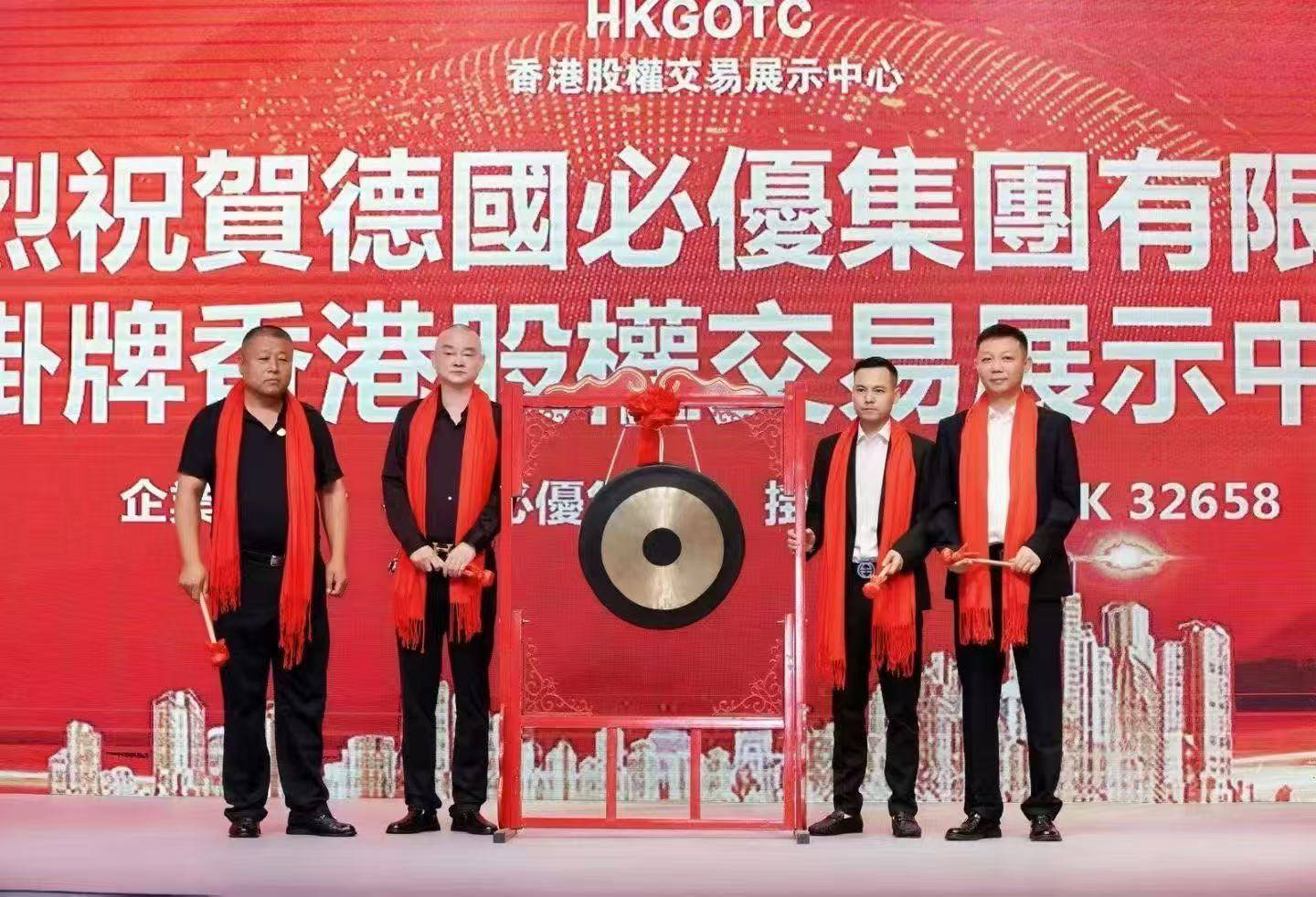
Core Insights - The listing of German Biyou Group in Shenzhen marks a significant transition from a private enterprise to a public brand, indicating a new development momentum in the Chinese building materials industry [1] - The company has maintained a "quality first" philosophy for 19 years, focusing on addressing product homogenization, construction challenges, and environmental issues in the building materials sector [3] - The listing is expected to provide capital support and inject new energy into the brand's development, facilitating technological innovation and market expansion [5] Company Overview - Founded in 2012, German Biyou Group is a comprehensive enterprise engaged in the research, production, sales, and brand licensing of building materials, with over 500 domestic and 11 overseas franchise factories [16] - The company emphasizes international standards while catering to local needs, ensuring quality, environmental protection, and construction convenience [8] - The product range includes coatings, putties, and mortars, with nearly a hundred varieties across eight major series, meeting diverse wall substrate needs [17] Market Position and Strategy - The company aims to accelerate its technological innovation and expand its national market layout, promoting green, intelligent, and standardized development in the building materials industry [5] - German Biyou Group has received multiple international certifications and has established a strong reputation in the Chinese market, providing reliable support for building enterprises and home decoration projects [8] - The company has been recognized as one of China's top 500 brands and has collaborated with prominent platforms for promotion, enhancing its brand influence [16][18]
超达装备三季报揭示质变:盈利能力实现历史跨越 利润飞增背后的战略升维
Jing Ji Guan Cha Wang· 2025-10-30 05:30
Core Viewpoint - The company, South China Chao Da Equipment (301186), has demonstrated impressive financial performance in its Q3 2025 report, showcasing a shift from revenue-driven growth to profit-driven growth, supported by long-term technological accumulation and industry trends [1][3]. Financial Performance - For the first three quarters of 2025, the company reported revenue of 566 million yuan, a year-on-year increase of 8.5%, and a net profit attributable to shareholders of 110 million yuan, up 44.17% year-on-year [1][3]. - In Q3 2025, the company achieved revenue of 212 million yuan, a 7.3% increase year-on-year, and a net profit of 49.34 million yuan, reflecting a remarkable 93.5% year-on-year growth [1][3]. - The net profit growth rate in Q3 was 12 times that of revenue growth, indicating a significant improvement in profitability [1][3]. Competitive Advantage - The company's core competitiveness lies in its unique "full-process manufacturing" capability, allowing it to independently manage all stages from design to production, creating a strong competitive moat [2][3]. - The company has established a significant advantage in precision, lifespan, and stability of molds due to its long-term technological accumulation and international operations [2][6]. Global Expansion and Strategy - The company has achieved a remarkable 43.46% of its revenue from exports, with products successfully entering major automotive markets in Europe, North America, and Asia [6]. - The establishment of production bases in Germany, the U.S., and Thailand reflects a strategic focus on local operations to better meet customer needs and respond quickly to market demands [6][8]. Research and Development - The company has invested 36.21 million yuan in R&D for the first three quarters of 2025, marking a 10.04% increase and positioning it among the top tier in its industry [7][8]. - With 151 patents, including 79 invention patents, the company demonstrates a strong technical foundation that supports its entry into high-growth sectors like new energy vehicles [8]. Market Trends and Future Outlook - The automotive industry is undergoing significant changes towards lightweight and intelligent vehicles, presenting historical growth opportunities for the company [9][10]. - The demand for lightweight solutions in new energy vehicles aligns with the company's technological advantages, positioning it well for future growth [9][10]. - The company is expected to continue benefiting from a robust order book and high production capacity utilization, supporting sustained performance in the near term [9].
全速推进智能化、多元化,日产中国以“何”焕新?
Xin Lang Cai Jing· 2025-10-30 05:13
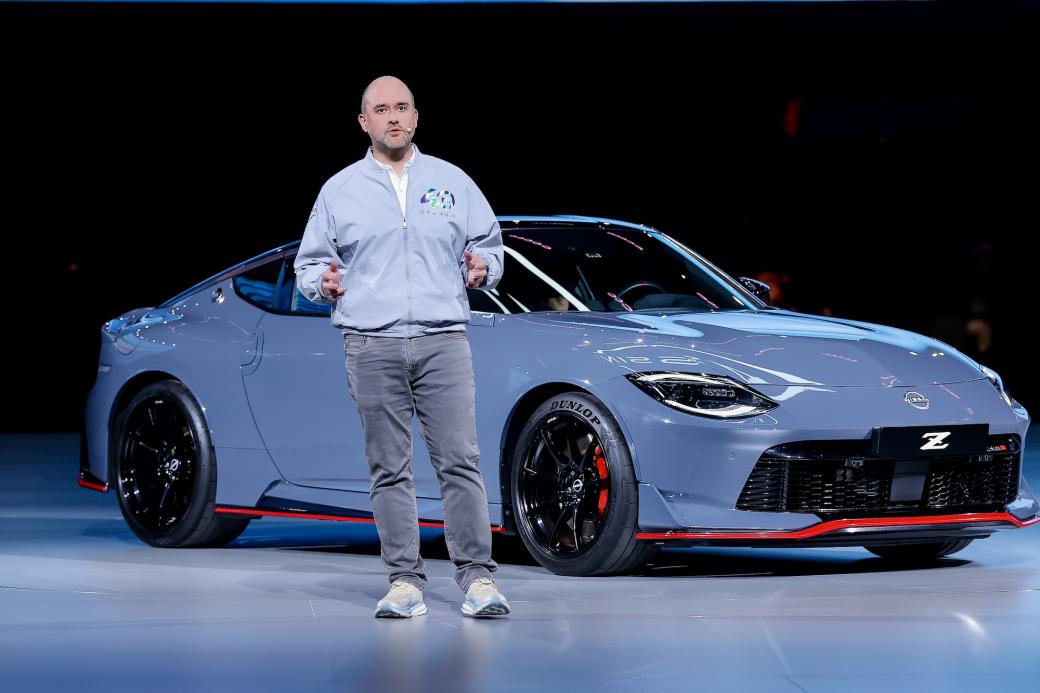
Core Insights - Nissan is undergoing a significant transformation in China, emphasizing localization, intelligence, and diversification in product innovation as it celebrates its 40th anniversary in the market [1][9] - The company aims to address the evolving demands of Chinese consumers by creating vehicles that serve as comfortable and intelligent "mobile living spaces" [2][5] - Nissan's new brand proposition "Excitement by NI" will guide its strategy in optimizing consumer experiences across product layout, technological innovation, and communication [2][5] Product Innovation - Nissan has launched the N6, its first global plug-in hybrid sedan, featuring a minimalist design and a unique sunlit gold color, reflecting an understanding of Chinese consumer aesthetics [4][5] - The N7, built on Nissan's self-developed Tianyan architecture, redefines the standards for family electric vehicles with advanced safety and comfort features [4][5] - The Tianlai Hongmeng cockpit, the world's first fuel vehicle equipped with Huawei's HarmonyOS, combines Nissan's comfort with Huawei's leading technology to attract urban consumers [5][6] Market Strategy - Nissan is adopting a dual strategy of offering both fuel and new energy vehicles, with plans to launch 10 new electric models by summer 2027, including 9 under the Nissan brand [5][6] - The company is also introducing the performance model Z NISMO to the Chinese market, aiming to revive its passion and performance heritage [6][8] - Nissan's commitment to quality is evident in its rigorous testing and quality assurance processes, ensuring reliability and durability in its products [8][9] Local Innovation - Nissan's strategic transformation is centered on a "Glocal" approach, with the Chinese market playing a pivotal role in driving global automotive trends [9][11] - The Chinese team has been granted greater autonomy in decision-making, leading to faster product development cycles, as demonstrated by the N7's rapid interior design completion [11][13] - The company emphasizes a user-centric approach, engaging with thousands of car owners annually to ensure products meet local needs and preferences [8][9]
比亚迪携 K-Car 加码日本车市!铃木社长直言 “竞争将至”,东京车展变 “压强测试场”
Mei Ri Jing Ji Xin Wen· 2025-10-30 03:55
Core Insights - The 2025 Japan Mobility Show serves as a significant platform for Japanese automakers to showcase their strategies and maintain their competitive edge in the global automotive market [1] Group 1: Event Overview - The 2025 Tokyo Motor Show is being held at the Tokyo International Exhibition Center, featuring major Japanese brands like Toyota, Honda, Nissan, Mitsubishi, Suzuki, and Subaru, while international brands are limited to a few, including BYD from China, Hyundai, Kia, BMW, and Mercedes-Benz [3][4] - BYD made its global debut of a new pure electric K-Car model, the BYD RACCO, which has garnered attention from Japanese automakers [4][5] Group 2: BYD's Strategy - BYD's participation marks its second appearance at the Tokyo Motor Show, emphasizing its commitment to the Japanese market with a focus on both hybrid and pure electric vehicles [4] - The company plans to introduce 7 to 8 models of pure electric and hybrid vehicles in Japan by 2027, having already established 66 sales points in the country [4] Group 3: Japanese Automakers' Focus - Japanese automakers are showcasing a mix of electric and hybrid vehicles, with a notable emphasis on compact and niche markets, contrasting with the broader strategies of Chinese brands [10][12] - Toyota's display features innovative designs and concepts, while Honda and Nissan are also focusing on electric models tailored for the Japanese market [10][12] Group 4: Technological Innovations - Mazda unveiled the Vision Model concept car, which includes a CO2 absorption system, signaling its commitment to electric vehicle technology [11] - Nissan introduced several new models, including the Ariya SUV and the Elgrand MPV, highlighting its focus on electric and hybrid technologies [10][12]


16万平方米!满满工业力量等你来打卡
Bei Jing Ri Bao Ke Hu Duan· 2025-10-30 03:51
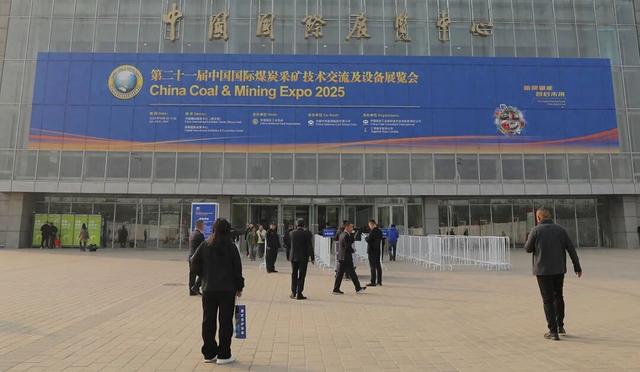
Core Points - The 21st China International Coal Mining Technology Exchange and Equipment Exhibition is being held from October 28 to October 31, 2023, at the China International Exhibition Center and the Capital International Convention Center, covering a record area of 160,000 square meters [1][4] - The theme of this year's exhibition is "New Quality Empowerment, Intelligent Future," aimed at fostering high-level cooperation in the global mining equipment industry and promoting deep integration of technological and industrial innovation in the coal industry [4] Group 1 - The exhibition features 11 themed pavilions and showcases nearly 10,000 exhibits, with participating equipment weighing over 15,000 tons [10] - A total of 1,200 domestic and international companies from 18 countries and regions are participating, with notable exhibitors including China Energy Group, China Coal, and Huawei [10] - The expected attendance is over 150,000 visitors, marking the largest number of exhibitors and scale in the history of the event [10] Group 2 - The exhibition highlights advanced technologies and equipment across the entire coal production and processing industry chain, including intelligent mining, safety production, and clean utilization [10] - Companies like China Coal Zhangjiakou Coal Mining Machinery and Sandvik are showcasing innovative products, such as the intelligent scraper conveyor and fully automated tunneling machines [11][13] - The event serves as a significant platform for showcasing the achievements of China's coal industry and coal machinery manufacturing, facilitating international technical exchanges [18][19]

软通动力前三季度净利同比增长30.21% 智能化自主化等领域获多项突破
Zheng Quan Shi Bao Wang· 2025-10-30 03:44
Core Insights - The company reported a total revenue of 25.383 billion yuan for the first three quarters of 2025, representing a year-on-year growth of 14.30% [1] - The net profit attributable to shareholders reached 98.8866 million yuan, with a year-on-year increase of 30.21% [1] - In Q3 alone, the company achieved a revenue of 9.602 billion yuan and a net profit of 241 million yuan, marking a year-on-year growth of 4.87% [1] Strategic Developments - The company is advancing under four strategic pillars: intelligence, autonomy, greenness, and internationalization, leading to simultaneous growth in business scale and profit quality [1] - In the intelligence sector, the company is collaborating with a major ICT leader to develop various "industry + AI" solutions, including energy-saving AI integrated machines and intelligent geological analysis for the mining sector [1] - In the autonomy sector, the company has achieved over 98% localization rate with its products, including the W600 desktop and T40-W9 laptop, and has secured significant contracts with major telecom operators [1] Green Initiatives - The company partnered with State Grid Liaoning to develop and operate China's first fully domestic virtual power plant platform based on full-stack AI technology, achieving breakthroughs across multiple industries [1] - The subsidiary, Softcom Zhikuan, is actively participating in the national integrated computing power network construction [1] International Expansion - The company has made significant strides in international markets, winning a contract for 30,000 SKD laptops for the Saudi government and signing strategic cooperation agreements in Bahrain and Saudi Arabia [2] - At the 2025 Huawei HC Conference, the company signed a memorandum of understanding with Asian Steel for an AI scrap steel grading project, marking its first breakthrough in AI solutions in the regional market [2]