健康化

Search documents
餐饮行业:产品上新报告(2025年4月)
Hong Can Chan Ye Yan Jiu Yuan· 2025-05-28 08:55
Investment Rating - The report does not explicitly provide an investment rating for the restaurant industry. Core Insights - The report highlights a significant increase in new product launches across six major categories in the restaurant industry, with a total of 896 new products launched in April 2025, representing a month-on-month growth of 55.8% [5][12][14]. Summary by Sections Overall New Product Overview - In April 2025, 174 out of 329 monitored brands launched new products, accounting for 52.9% of the sample [11][12]. - The new product count across six categories showed positive growth, with the highest increase seen in the noodle category, which surged by 118.6% [14][33]. Western Fast Food - In April, 19 Western fast food brands introduced 112 new products, marking a 93.1% increase from March [13][26]. - The most common new product categories included pizza and light meals, each accounting for 17.0% of the new launches [17][26]. Noodle Products - A total of 94 new noodle products were launched by 24 brands, with a remarkable increase of 118.6% compared to March [33]. - The most prevalent new product category was soup noodles, which made up 25.5% of the new launches [32][33]. Tea Drinks - 55 tea brands launched 183 new products in April, with fruit tea being the most popular category, accounting for 38.3% of the new launches [39]. - The price range for new tea products was primarily concentrated between 15 and 20 yuan per cup, representing 52.2% of the total [39]. Coffee Drinks - 23 coffee brands introduced 80 new products, with latte products being the most common, comprising 37.5% of the new launches [49]. - The focus on health-oriented products was evident, with many new offerings featuring low-sugar and low-fat attributes [49][50]. Bakery Products - 33 bakery brands launched 325 new products, with Chinese pastries leading the way at 33.5% of the total new products [60]. - The report noted a trend towards incorporating seasonal elements and floral flavors in new bakery items [58][60].
佛山照明(000541) - 2025年5月27日投资者关系活动记录表
2025-05-27 10:50
E-commerce and Market Strategy - Foshan Lighting emphasizes the strategic layout of e-commerce channels, actively embracing digitalization, and positioning online business as a core driver for market expansion, achieving a 35.70% revenue growth in e-commerce in 2024 [2] - The company is transitioning from a product provider to a comprehensive lighting solution and design service provider, focusing on smart, green, and healthy development trends [4][6] Product Development and Innovation - Research and development are primarily directed towards smart lighting and automotive lighting, particularly in the new energy vehicle sector, with a focus on digital and intelligent technology innovation [4] - The automotive lighting business generated revenue of 2.107 billion yuan in 2024, marking a 15.13% increase, with a significant rise in the proportion of mid-to-high-end products [5] New Market Segments - The company is expanding into new market segments, including sports lighting and marine lighting, with investments in production bases and strategic partnerships to enhance market presence [3][7] - In the marine lighting sector, the company achieved revenue of 67.1 million yuan in 2024, supported by the acquisition of a leading ship lighting enterprise [7] Financial Performance and Shareholder Engagement - Foshan Lighting has maintained a consistent cash dividend policy, distributing a total of 5.854 billion yuan over 32 years, reflecting a commitment to shareholder returns [8] - Recent share buybacks by major shareholders demonstrate confidence in the company's future, with 18.3426 million shares bought back in November 2024 and 11.4296 million shares in May 2025 [8] Emerging Business Areas - The company is actively developing the plant and animal lighting sector, establishing a new business expansion center in February 2025 to focus on technology research and market development [8] - Collaborations with universities and agricultural research institutions aim to create technological barriers in plant growth spectrum control and animal breeding lighting optimization [8]

康师傅的“价值战”答卷:一碗面的创新与担当
Xin Lang Cai Jing· 2025-05-26 06:01
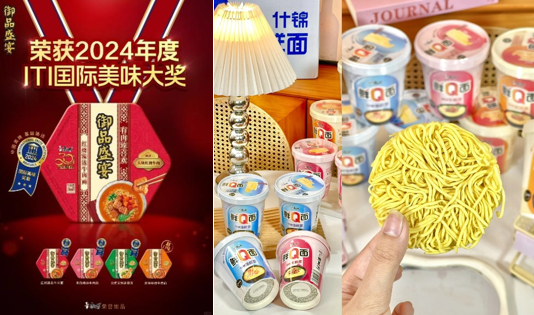
Core Viewpoint - The instant noodle industry is shifting from price competition to value competition, focusing on innovation, quality, and emotional resonance to meet evolving consumer demands [1][2]. Group 1: Market Trends - The Chinese instant noodle market has surpassed 150 billion yuan in 2023, with high-end products growing over 20%, significantly outpacing traditional categories [2]. - 67% of consumers are willing to pay a 20%-30% premium for healthier, higher-quality instant noodles, indicating a shift in consumer preferences towards comprehensive value rather than just price [2]. - Traditional low-priced instant noodle sales have declined for three consecutive years, while high-end products priced above 8 yuan have seen a 15% growth, highlighting market segmentation [2]. Group 2: Company Strategies - Leading companies like Master Kong are adopting a three-dimensional innovation strategy, focusing on multiple price points, diverse scenarios, and high quality to break free from industry stagnation [2]. - Master Kong's "Yupin Shengyan" series targets the high-end market, while the "Xian Q Mian" product utilizes non-fried technology to enter the health segment, achieving over one million boxes sold in its first month with a 35% repurchase rate [2][4]. Group 3: Product Innovation - The revival of classic products, such as the upgraded black and white pepper noodles, reflects a strategic shift from price wars to value wars, tapping into consumer nostalgia and enhancing brand loyalty [5][7]. - Master Kong's product upgrades in 2024 include enhancements to classic bucket and bag products, utilizing higher quality ingredients to fill gaps in the 3 yuan and 5 yuan price segments [4]. Group 4: Quality and Technology - Quality upgrades are becoming a key competitive barrier in the instant noodle industry, with companies leveraging advanced technology for systemic improvements [8]. - Master Kong has partnered with China's aerospace sector to adopt stringent standards in raw material selection, production processes, and quality control, enhancing product stability and consumer trust [10][11]. Group 5: Social Responsibility and Brand Value - Companies are increasingly focusing on social responsibility, with Master Kong's "Everything Has a Source" project enhancing agricultural practices and supporting local farmers, which has garnered recognition for its ESG efforts [12][14]. - Research indicates that companies with strong ESG performance can achieve a 15%-20% higher product premium, reinforcing the idea that social values can enhance commercial value [14]. Group 6: Future Outlook - The future of the instant noodle industry will belong to companies that can redefine product value and reshape industry ecosystems, emphasizing quality, innovation, and long-term commitment to consumer needs [12][14].


又要好吃又要“低负担”,零食品牌们越来越难“对付”新一代消费者
Di Yi Cai Jing· 2025-05-23 11:46
Core Insights - The snack food industry is facing challenges in balancing taste and health, especially in the post-pandemic era where consumer demands have evolved to seek both enjoyment and health benefits [1][2] Industry Trends - The National Health Commission of China is implementing a three-year action plan for "weight management," promoting healthy lifestyles and pushing the food industry towards "light burden" products [1] - According to Mondelez International's 2024 Global Snack Status Report, 73% of consumers prefer a small portion of enjoyable snacks over a large portion of low-fat or low-sugar alternatives [1] Consumer Behavior - Post-pandemic, consumers have higher expectations for quality, branding, and pricing in snack products, as noted by Hormel's Asia Pacific President, Gu Haijiang [1] - The emotional value of snacks has become a significant consumer demand, with brands innovating flavors to meet these needs [1][2] Product Innovation - Brands are exploring new flavors and healthier options, such as Hormel's chicken-based lunch meat, which is lower in fat and higher in protein compared to traditional pork products [2] - The founder of Shiyanshi emphasizes that health and taste can coexist, with a focus on high-fiber and high-protein snacks becoming industry standards [2]

调味品趋势分化,谁在重新征服年轻人的味蕾?
Sou Hu Cai Jing· 2025-05-21 00:45
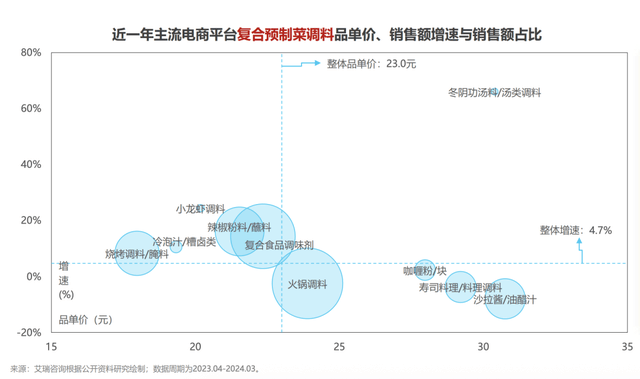
Core Insights - The Chinese seasoning market has seen significant growth, with market size increasing from 259.5 billion yuan in 2014 to 592.3 billion yuan in 2023, reflecting a compound annual growth rate (CAGR) of 9.60% [1][2] - The shift in consumer behavior towards home cooking and health-conscious eating, particularly among younger generations, is reshaping the seasoning landscape [1][2] Group 1: Market Dynamics - The seasoning market in China is characterized by a mix of established brands and emerging players, with over 6,000 companies and the top ten brands holding less than 30% market share, indicating a highly fragmented market [2][3] - Traditional brands like Haidilao and Lee Kum Kee dominate, while new entrants focusing on health and natural ingredients are gaining traction [2][3] Group 2: Product Trends - The compound seasoning segment is experiencing rapid growth, with a CAGR of 13.90% from 2011 to 2021, driven by the increasing popularity of ready-to-use cooking solutions [4][6] - Health-conscious consumers are prioritizing clean ingredient labels, leading to a rise in products that emphasize natural and additive-free formulations [7][8] Group 3: Consumer Behavior - New consumption scenarios, such as solo dining and outdoor activities, are driving demand for convenient and personalized seasoning options [8][9] - Brands targeting younger consumers are leveraging aesthetics and lifestyle branding to create emotional connections with their products [11][14] Group 4: Cultural and Regional Influences - The diverse culinary landscape in China fosters regional seasoning brands that resonate with local tastes, creating opportunities for cultural storytelling and brand differentiation [15][16] - Successful regional brands can achieve high profit margins, but the challenge lies in expanding their reach beyond local markets [15][16] Group 5: Competitive Landscape - The competition in the seasoning industry is evolving, with a focus on digital marketing and e-commerce channels, such as live-streaming sales and instant retail [16][17] - Brands that can effectively address niche consumer needs and create standout products are likely to succeed in this competitive environment [17][18]


“低价之王”东鹏特饮:销量狂奔为何换不来利润增长
Sou Hu Cai Jing· 2025-05-20 05:21
Core Insights - The Chinese functional beverage market is highly competitive, with Eastroc Beverage once holding a strong position but now facing challenges due to market shifts and increased competition [1][3] - In 2024, Eastroc Beverage reported a revenue of 15.839 billion RMB, reflecting a year-on-year growth of 40.63%, indicating strong growth momentum [1] - However, the company is struggling with over-reliance on a single product line, declining channel benefits, and a hollow brand value, with over 80% of its revenue coming from its core energy drink business [3][4] Market Dynamics - The competitive landscape has shifted, with Red Bull maintaining its high-end position through brand premium and sports marketing, while new entrants like "Alien" and "Battle Horse" are gaining traction through targeted marketing strategies [3][7] - Eastroc's traditional focus on a 500ml bottle format has limited its ability to innovate and adapt to changing consumer preferences [3] Financial Performance - Eastroc's revenue growth of 9.8% in 2024 masks deeper issues, as its net profit margin plummeted from 15.2% in 2021 to 7.4% in 2024, and gross margin fell from 49.3% to 41.8% [4] - The company's low-price strategy has become a double-edged sword, restricting its attempts to move into higher-end markets [4][11] Innovation and R&D - Eastroc's R&D investment is significantly below industry averages, with a rate of only 1.2% in 2024, compared to over 3% for competitors like Yuanqi Forest and Alien [4][8] - The company's innovation efforts have been criticized as superficial, merely rebranding existing products without substantial improvements [5][11] Distribution and Marketing - Eastroc's reliance on offline channels, which accounted for 87% of revenue in 2021, is declining, with a growth rate of only 4.3% in 2024, while online sales remain low at 13% [5] - The company's digital marketing efforts are lacking, with minimal engagement on platforms like Douyin and Kuaishou, contrasting sharply with competitors who leverage social media effectively [5][10] Strategic Challenges - Eastroc's management structure, dominated by family control, has led to strategic inertia and missed opportunities for innovation and market adaptation [8][12] - The company's marketing strategies have failed to resonate with younger consumers, who perceive its advertising as outdated and disconnected from current trends [10] Future Outlook - The company faces a critical juncture, needing to redefine its strategy to align with evolving consumer demands and market dynamics [11][12] - Eastroc must address key questions regarding its pricing strategy, R&D investment, and organizational governance to avoid becoming obsolete in the competitive landscape [12]


奶茶原料为什么越来越“邪门”了?
FBIF食品饮料创新· 2025-05-20 00:18
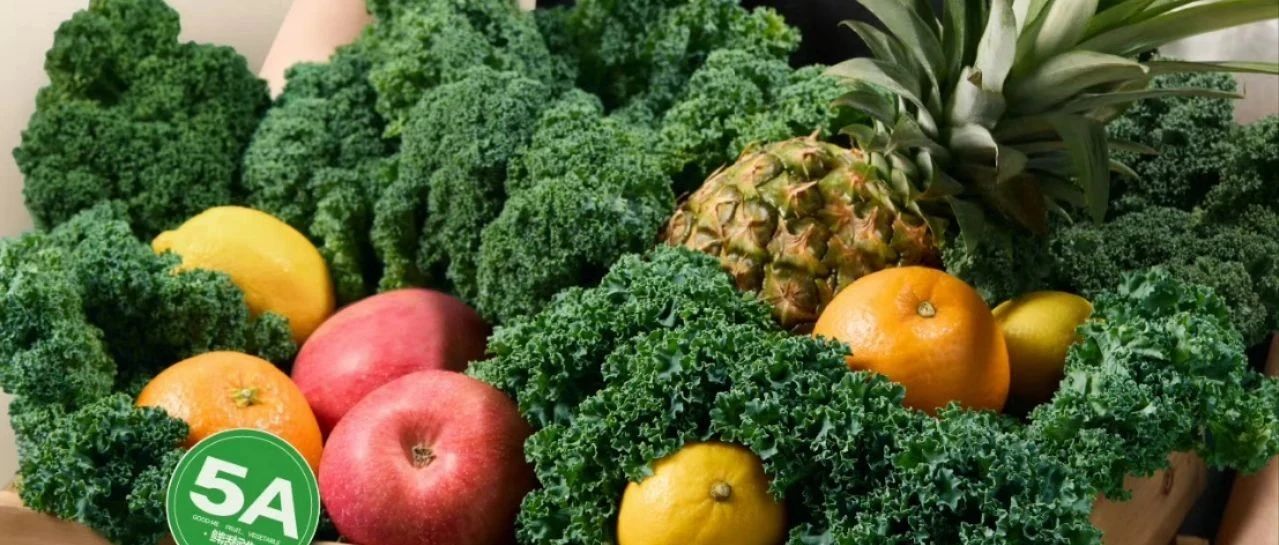
Core Viewpoint - The article discusses the rise of kale as a "superfood" in the beverage industry, particularly in China, driven by marketing strategies from tea brands that transformed it from a little-known ornamental plant to a popular ingredient in drinks [4][6][16]. Group 1: Kale's Transformation - Initially, kale was considered an ornamental plant with no known edible records, but by 2025, it became a sought-after "superfood" with numerous health benefits attributed to it, such as antioxidant properties and potential cancer-fighting capabilities [4][5]. - The price of kale surged dramatically, with its acquisition price increasing from 0.8 yuan per pound in 2024 to 3.5 yuan per pound in 2025, marking a rise of over 300% [5][6]. - The domestic market share of kale shifted from 5% to 55% as tea brands began to source it for their products, indicating a significant change in consumer demand [7]. Group 2: Marketing Strategies - Tea brands adopted a marketing strategy that combined novelty, taste adjustment, and health benefits to promote kale, similar to the successful marketing tactics used in the West [16][20]. - The launch of "Champion Slimming Bottle" by Heytea during the Paris Olympics linked kale to health and fitness, leveraging athlete endorsements to enhance its appeal [21][22]. - The health narrative around kale was emphasized, with products marketed as "superfoods" and backed by nutritional reports, appealing to consumers' desire for healthier beverage options [25][26]. Group 3: Industry Trends - The trend of utilizing niche ingredients like kale has been observed across the beverage industry, with various brands successfully launching products featuring unique ingredients to create buzz and drive sales [28][29]. - The article highlights that the beverage industry is characterized by high competition and product homogeneity, making the discovery of niche ingredients a necessary strategy for brands to differentiate themselves [36]. - In 2024, major tea brands introduced over 2,600 new products, indicating a continuous effort to innovate and attract consumers through new flavors and ingredients [38].
健康与品质驱动行业新变革 中式米饭快餐市场今年规模有望突破3000亿元
Zhong Guo Chan Ye Jing Ji Xin Xi Wang· 2025-05-19 22:32
Core Insights - The Chinese rice fast food market is experiencing significant growth, with the market size expected to exceed 300 billion yuan this year, following a 10.2% year-on-year increase to 277 billion yuan last year [2][3] - Consumer demand is shifting towards healthier and higher-quality options, prompting brands to accelerate product iterations to meet market changes [1][3] Market Overview - The Chinese rice fast food sector holds a crucial position in the restaurant market, with 880,000 stores nationwide as of April this year, and the East China region accounting for 37.8% of the total [2] - The demographic composition shows that male consumers represent 54.1%, while female consumers account for 45.9%, with the primary consumer group being aged 19-35 [2] Consumer Trends - There is a growing emphasis on the freshness of ingredients, value for money, and diverse menu options among consumers, reflecting a shift from merely filling hunger to seeking health and quality [3] - The fast-paced lifestyle of consumers drives the demand for quick and convenient dining options, which the Chinese rice fast food sector effectively meets [3] Industry Challenges - The industry faces challenges such as fluctuating raw material costs, rising labor costs, and increasing rent for prime locations, which compress profit margins [4] - Balancing product standardization with personalization remains a challenge, as the need for consistent quality conflicts with the desire for unique flavors [4] Industry Innovations - Brands are responding to health and quality demands by accelerating product innovation, incorporating smart technology, and optimizing supply chains [5] - The integration of seasonal ingredients and regional specialties into menus is becoming a trend, enhancing the traditional Chinese dining experience [6] Future Outlook - The Chinese rice fast food industry is expected to maintain a positive growth trajectory, with potential breakthroughs in product innovation, service enhancement, and operational optimization [6]
洽洽食品董事长陈先保:将通过创新扩大销量、提升毛利率
Zheng Quan Shi Bao Wang· 2025-05-19 01:28
Group 1 - The company focuses on nuts and seeds in the short to medium term, with plans to develop a third category, such as peanut products, which has significant market potential and lacks dominant brands [1] - The company has achieved several million in revenue from its fresh-cut potato fries within a year of launch [1] - The company is implementing a country-specific strategy for overseas expansion, leveraging its brand and channel advantages [1] Group 2 - The decline in gross margin in the first quarter is attributed to rising raw material costs for sunflower seeds and nuts, as well as changes in product mix [1] - The company has seen a 50%-60% revenue growth from Sam's Club and a doubling of revenue from bulk snack channels, with plans to increase investment in these channels [1] - The company aims to enhance sales volume and gross margin through product and category innovation, as well as channel sales service innovation [1] Group 3 - The company emphasizes product quality, particularly freshness, as a key competitive point in the nut market [2] - The company is focusing on product development that addresses the aging population, including products like nut powder and low-GI nuts [2] - The company is adapting to changes in offline retail channels and is exploring suitable cooperation models with distributors [2]

2025 CHINASHOP 「野性消费」新食饮闭门论坛
Sou Hu Cai Jing· 2025-05-13 07:26
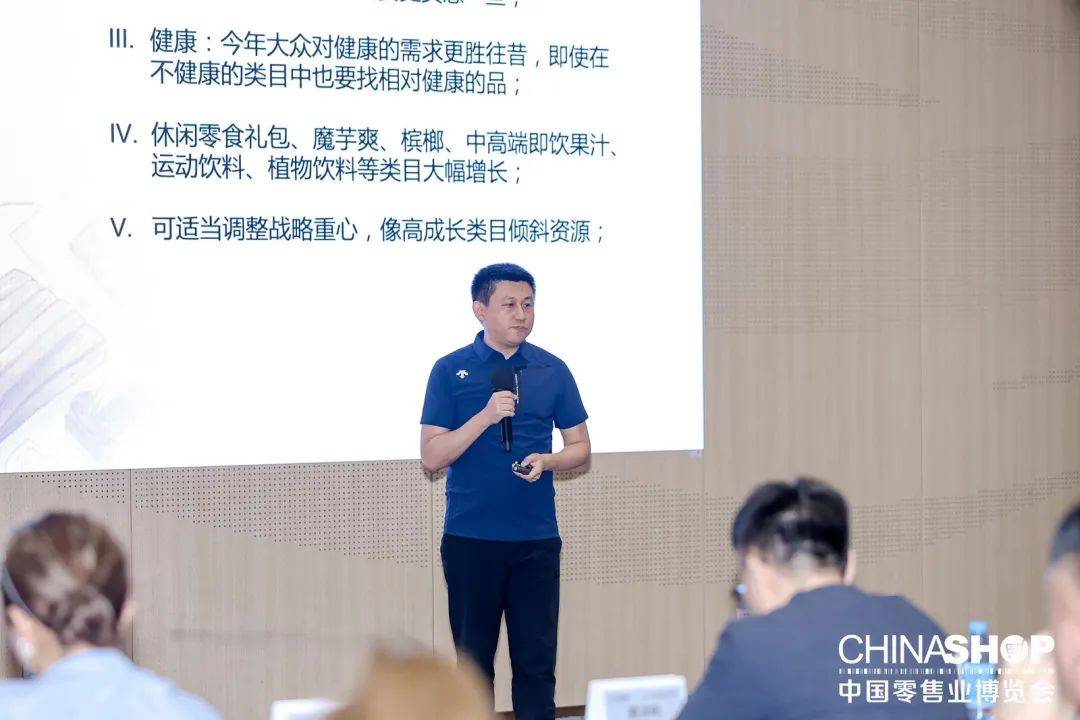
Core Insights - The article discusses the evolving consumer demand in the food and beverage industry, emphasizing the importance of emotional value and the shift towards "wild consumption" as a response to changing consumer preferences [2][3][23]. Group 1: Industry Trends - The food and beverage industry is facing challenges such as declining consumer confidence and falling sales in offline formats, yet certain segments like healthy snacks are experiencing growth [3][5]. - Health trends are prominent, with non-fried snack categories like rice cakes gaining popularity, while traditional puffed snacks decline [3][5]. - The beverage sector is also shifting towards health and functionality, with significant growth in high-end health products and functional drinks like electrolyte water [5][9]. Group 2: Supply Chain Importance - The competition in the food and beverage sector is increasingly centered around supply chain efficiency rather than just product innovation [7][9]. - Companies like Mixue Ice City demonstrate the critical role of a robust global supply chain in achieving cost-effective, high-quality products [7][9]. - The future of competition will focus on "technology + green" as key drivers for supply chain upgrades, emphasizing the need for brands to transition from marketing-driven to supply chain-driven models [9]. Group 3: New Retail Trends - Discount retail channels are emerging as a new growth engine in the food and beverage industry, particularly in lower-tier cities where consumers seek high-quality products at lower prices [11][13]. - The penetration rate of discount retail in China is only 3.8%, indicating significant growth potential compared to the global average of 12.6% [13]. - Young consumers are reshaping retail logic with their desire for high cost-performance products, leading to a shift in how brands approach consumer engagement [11][13]. Group 4: Brand Innovation and Strategy - Brands like Lebai and Shenghetang are focusing on health-oriented innovations, such as using rare sugars in their products to meet consumer demand for healthier options [15][19]. - The concept of "long-termism" is emphasized, where brands aim for sustainable growth through continuous innovation rather than short-term trends [15][19]. - Companies are encouraged to leverage cultural elements and traditional products to enhance their global competitiveness, as seen with Shenghetang's focus on traditional Chinese herbal products [19][21]. Group 5: Consumer Engagement and Emotional Value - Brands are urged to shift from traditional competition based on product features to creating emotional value for consumers [23][27]. - The focus on emotional engagement is seen as essential for brands to differentiate themselves in a crowded market, with successful examples highlighting the importance of understanding consumer needs [23][27]. - The discussion emphasizes that the future of competition will revolve around brands that can effectively connect with consumers on an emotional level [23][27].