
情价比

Search documents
酒行业周度市场观察-20251205
Ai Rui Zi Xun· 2025-12-05 06:27
Investment Rating - The report indicates a long-term investment value in the high-end liquor industry, particularly for leading brands like Moutai and Wuliangye, despite short-term challenges [4]. Core Insights - The high-end liquor sector is facing short-term challenges but maintains a strong investment logic due to brand moat, high gross margins (85%+), and stable cash flow [4]. - The report highlights the need for liquor companies to balance online and offline strategies, especially in the context of the growing trend of instant retail [4][6]. - The domestic wine industry is experiencing a "bumper harvest but no profit" situation, primarily due to supply-demand imbalances and competition from imported wines [6]. Industry Trends - High-end liquor industry re-evaluation: The core logic remains unchanged despite short-term challenges, with leading companies still showing long-term investment potential [4]. - Instant retail's impact on the liquor industry: Instant retail is rapidly penetrating the market, but the response from manufacturers is mixed due to high costs and low order volumes [4][6]. - The "liquor+" strategy is emerging, integrating liquor with various cultural and lifestyle elements to enhance consumer engagement and brand value [6]. - The domestic wine industry faces significant challenges, including supply-demand imbalances and high production costs, necessitating a shift towards consumer value and brand differentiation [6]. Top Brand News - Young consumers are shifting their purchasing criteria from "value for money" to "emotional value," with brands like Qingdao White Beer successfully tapping into this trend [13]. - Xijiu is promoting a lifestyle approach through its "Xijiu+" strategy, integrating liquor with local culinary experiences to enhance consumer connection [13][26]. - Jian Nan Chun achieved significant sales during the Double Eleven shopping festival, showcasing the effectiveness of its cultural branding and e-commerce strategies [24].





“悟空”陪游、云端赏叶 中国年轻人踏秋追求“情价比”
Zhong Guo Xin Wen Wang· 2025-11-15 03:51
Core Viewpoint - The tourism industry is evolving from mere sightseeing to immersive emotional experiences, particularly targeting younger demographics through innovative and engaging activities [1][3][5]. Group 1: Innovative Tourism Experiences - Scenic spots are introducing new interactive elements, such as NPCs (non-player characters) to enhance visitor engagement, as seen in the Lingyan Temple where visitors can interact with a character from the game "Black Myth: Wukong" [1][3]. - The Lingyan Temple reports an average of 5,000 visitors on weekdays and over 30,000 on weekends during the peak viewing period for ginkgo trees [3]. - The Tanshan Mountain scenic area offers unique attractions like cliff swings and glass bridges, appealing to a younger audience, with over 60% of visitors being from the '90s and '00s generations [3][5]. Group 2: Thematic and Seasonal Activities - The tourism market is shifting towards "emotional resonance," with diverse activities such as helicopter and drone photography services in Sichuan and themed running events in Henan [5]. - Social media trends like "collecting autumn," "showing autumn," and "tasting autumn" are gaining popularity, enriching the autumn experience for visitors [5][7]. - Various regions are creating unique autumn experiences, such as the "autumn deer" in Jinan and the "sun-drying autumn" customs in Jiangxi, enhancing the seasonal atmosphere [5][7]. Group 3: Emotional Engagement Strategies - Operators are encouraged to create interactive and artistic experiences that transform autumn outings into engaging emotional journeys [7]. - Suggestions include limited edition experiences and immersive theater-like settings to shift visitors from passive observation to active participation [7].


刚需“打底”,体验至上:大学生消费新图景
Zhong Guo Qing Nian Bao· 2025-11-10 23:49
Core Insights - The article highlights the evolving consumption behavior of Chinese university students, emphasizing their shift towards a more balanced approach between rational spending and emotional satisfaction [2][11]. Spending Habits - The primary areas of expenditure for respondents include food (96.12%), social activities (57.63%), daily necessities (54.52%), personal image (51.14%), entertainment (44.53%), and education (41.60%) [1][3]. - A significant portion of students (69.57%) consider their spending habits to be relatively rational, with occasional impulsive purchases [2][11]. Emotional Influence on Spending - Emotional states are identified as a major factor influencing spending decisions, with 57.30% of respondents acknowledging this impact [2][9]. - The trend of prioritizing emotional value and experiences in consumption is emerging, with students willing to spend on activities that provide emotional satisfaction, such as concerts [8][10]. Financial Management - The majority of students (97.04%) rely on family for their living expenses, with a notable percentage managing their finances through part-time jobs or scholarships [5][11]. - Many students adopt budgeting strategies, with 82.73% practicing some form of expense tracking, indicating a growing awareness of financial management [12]. Shift in Consumption Philosophy - There is a noticeable shift from materialistic consumption to a focus on experiences and emotional fulfillment, with students increasingly valuing the quality of their spending over mere quantity [9][12]. - The concept of "post-material" consumption is gaining traction, where emotional and experiential needs take precedence over basic material needs [8][11].
该省省该花花的尽头,是质价比与情价比的终极胜利
Sou Hu Cai Jing· 2025-11-07 09:29
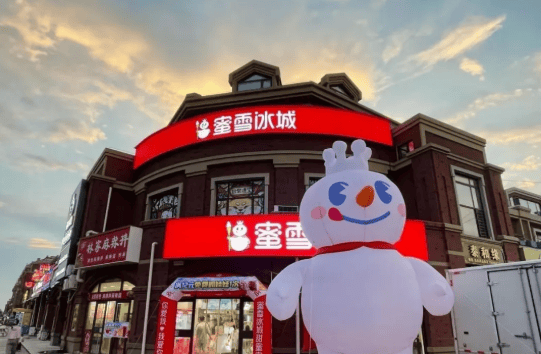
Core Insights - The article discusses a shift in consumer behavior towards a focus on value-for-money and emotional satisfaction rather than traditional brand prestige and high prices [3][21][22] Group 1: Consumer Behavior Changes - Consumers are increasingly prioritizing cost-effectiveness and quality, leading to a new consumption philosophy that emphasizes "precise spending" rather than mere frugality [5][12] - The rise of brands like Mixue Ice City and Luckin Coffee illustrates the success of the value-for-money approach, as they disrupt traditional high-priced markets with affordable yet quality offerings [4][8] Group 2: Market Trends - The demand for affordable yet high-quality products is evident in various sectors, including beverages and food delivery, with brands like "拼好饭" gaining popularity for their low-cost, high-quality experiences [9] - The luxury market is experiencing a downturn, with significant sales declines reported by brands like LVMH and Gucci, indicating a shift away from high-priced, status-driven consumption [12] Group 3: Emotional Value in Consumption - The younger generation, particularly Gen Z, is willing to spend on products that provide emotional satisfaction, reflecting a shift towards valuing experiences and emotional connections over material possessions [13][22] - The concept of "情价比" (emotional value for money) is emerging, where consumers seek products that enhance their emotional well-being and identity, rather than just fulfilling basic needs [18][19] Group 4: Future Implications - As consumer needs evolve, the focus on emotional and experiential value is expected to grow, suggesting that future consumption will increasingly revolve around identity construction and emotional fulfillment [21][22] - The article posits that the ultimate form of consumption will be about investing in one's inner world, highlighting a significant cultural shift in how products are perceived and valued [22]
当代消费现状:左手Labubu,右手拼好饭
Hu Xiu· 2025-09-04 13:02
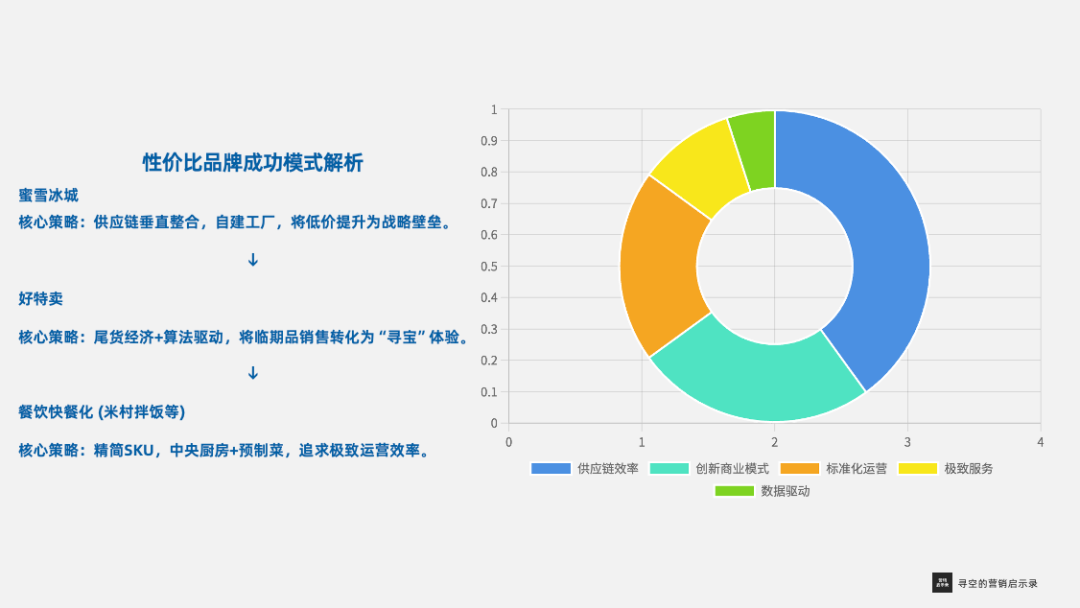
Group 1 - The article highlights the dual consumption trends in contemporary China, emphasizing the coexistence of cost-effectiveness and emotional value in consumer behavior [4][29] - The rise of pragmatic consumption is driven by economic uncertainty, leading consumers to seek high-quality alternatives at lower prices, as evidenced by the decline in sales for brands like LVMH and Chow Tai Fook [8][9] - Brands are pressured to focus on supply chain efficiency and product quality to meet the demand for value-driven purchases, moving away from overpriced products [11][12] Group 2 - Emotional consumption is on the rise, with nearly 30% of young consumers engaging in purchases for emotional healing, reflecting a deeper need for self-care and emotional connection [30][31] - Products that provide emotional value, such as collectibles and cultural items, are increasingly popular, as they resonate with consumers' desires for identity and belonging [35][39] - The success of brands like Labubu illustrates the importance of emotional and social value in consumer purchases, as they serve as symbols of self-expression and community [36][39] Group 3 - The article discusses the integration of cost-effectiveness and emotional value in consumer choices, suggesting that brands must navigate this complex landscape to remain relevant [55][57] - Successful brands are those that can combine high cost-effectiveness with emotional engagement, creating a unique value proposition that resonates with consumers [59] - The evolving consumer landscape indicates a shift from mere possession to a focus on personal growth and self-actualization through consumption [62][64]

左手Labubu,右手拼好饭,当代消费的冰与火之歌
3 6 Ke· 2025-09-04 10:59
Group 1 - The core viewpoint of the article highlights the dual consumption trends in contemporary China, characterized by a focus on both cost-effectiveness (性价比) and emotional value (情价比) [28][30][39] - The rise of Labubu toys as a symbol of emotional consumption reflects a shift towards products that provide emotional satisfaction and self-expression among young consumers [21][22][24] - Data from Meituan indicates that the demand for affordable meal options is growing, with peak daily orders exceeding 9 million, showcasing a trend towards rational consumption [3][5] Group 2 - The article discusses the pragmatic shift in consumer behavior, where individuals are reassessing value rather than ceasing consumption, as evidenced by declines in sales for luxury brands like LVMH and Chow Tai Fook [5][6][15] - Brands like Mixue Ice Cream and Pang Donglai exemplify successful strategies in achieving high cost-effectiveness through efficient supply chain management and exceptional customer service [9][10][12] - The concept of emotional value in consumption is explored, with nearly 30% of young consumers indicating they purchase for emotional healing, emphasizing the importance of emotional connections in brand loyalty [17][18][19] Group 3 - The article outlines a market bifurcation where brands must either excel in cost-effectiveness or emotional value to survive, with those lacking clear positioning facing significant challenges [30][31][39] - Successful brands are increasingly integrating both cost-effectiveness and emotional value into their strategies, demonstrating that a strong emotional connection can enhance perceived value even in cost-effective offerings [32][33][36] - The evolving consumer culture is shifting from ostentatious consumption to self-fulfilling consumption, indicating a deeper psychological need for personal growth and community belonging [39][40]

第三届特昂节圆满举办&36氪「CITYFORCE年度品牌」揭晓
36氪· 2025-09-02 13:34
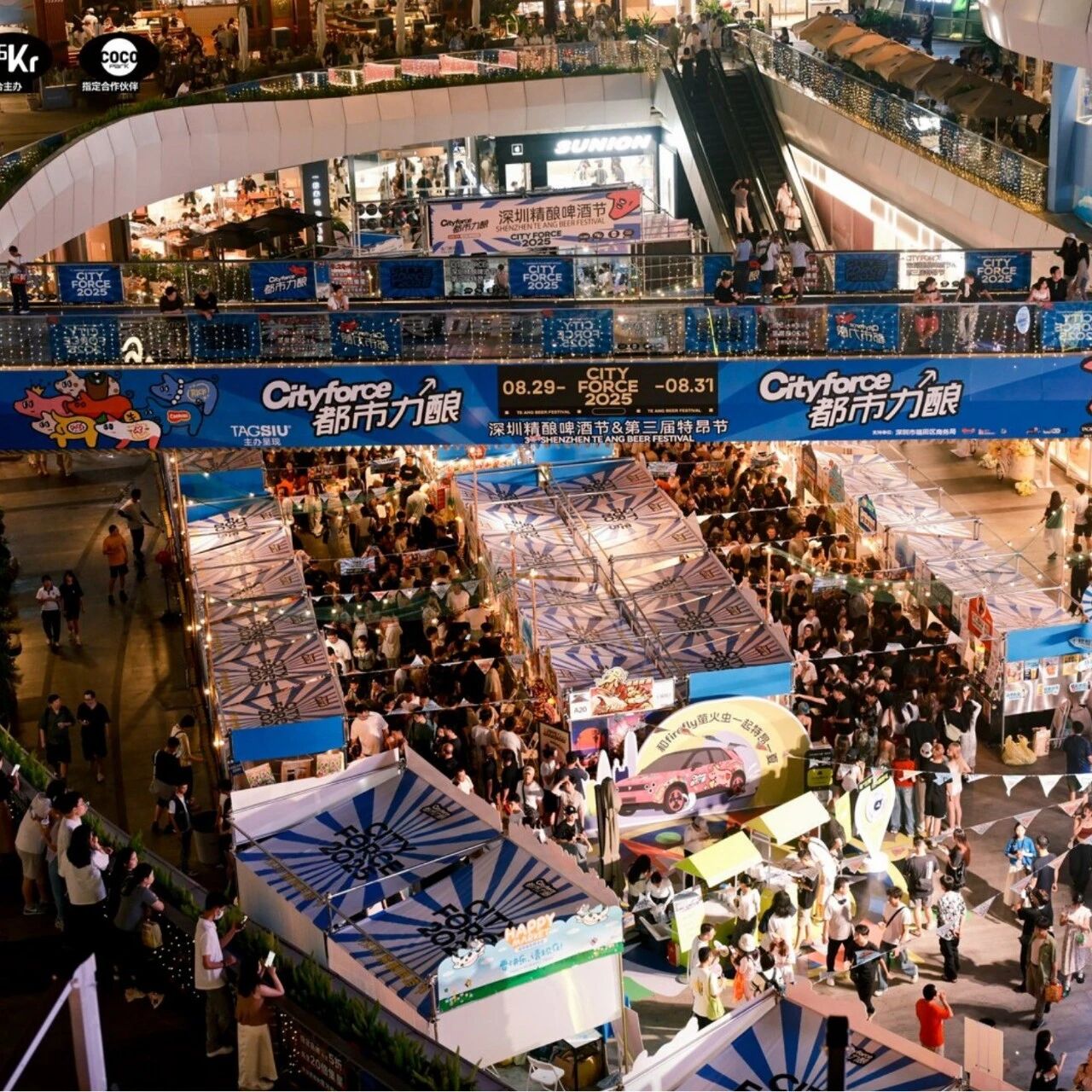
Core Viewpoint - The article emphasizes the importance of innovation and brand strength in driving new consumption patterns and enhancing urban consumer experiences, particularly in the context of the Shenzhen Urban Craft Beer Festival and the Third Shenzhen Teao Festival [5][10][14]. Group 1: Event Overview - The Shenzhen Urban Craft Beer Festival and the Third Shenzhen Teao Festival were held in collaboration with 36Kr and TAGSIU, aiming to explore new consumption scenarios and promote night economy development [3][5]. - The event featured various activities, including live music, robot performances, and social gatherings, designed to create engaging consumer experiences [10][11]. Group 2: Consumer Trends - The article notes a shift from "consumption downgrade" to "consumption grading," highlighting that consumers now prioritize quality-price ratios and are willing to pay for emotional value [6][8]. - Consumers are increasingly seeking innovative solutions and unique experiences rather than just products, indicating a demand for deeper emotional connections with brands [8][9]. Group 3: Innovation and Brand Strength - Innovation is described as essential for survival and growth, serving as a driver for differentiation in a competitive market [8]. - Brand strength is identified as a critical factor that amplifies the value of innovation, fostering consumer trust and loyalty [9]. - The relationship between innovation and brand strength is characterized as interdependent, where each element enhances the other, facilitating a brand's evolution from being known to being loved [9]. Group 4: Recognition of Brands - 36Kr recognized 32 representative brands from over 300 submissions, focusing on their core attributes of value depth and innovation strength [14][15]. - These brands span various sectors, including basic consumption, cultural entertainment, and new consumption fields, reflecting a comprehensive approach to consumer needs [16][17]. Group 5: Future Directions - The festival aims to integrate technology, culture, and commerce, establishing a sustainable business ecosystem that continues to observe and adapt to consumer trends beyond the event [21].
用港股通消费ETF(520620)走进“情价比”下的新一代消费浪潮
Shang Hai Zheng Quan Bao· 2025-08-27 09:49
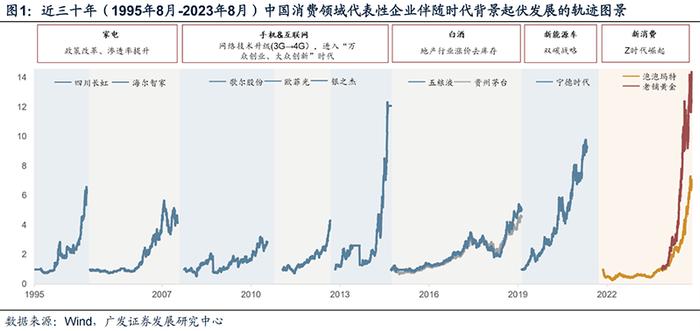
Group 1 - The core viewpoint of the articles highlights the significant contribution of domestic demand to GDP growth, with a contribution rate of 68.8% in the first half of the year, where final consumption expenditure accounted for 52% [1] - The Chinese consumption market is experiencing a trend of "consumption upgrading," emphasizing "value for money" and "emotional value," leading to the emergence of new consumption hotspots and driving the performance of the Hong Kong stock market's new consumption concept sector, which has seen a nearly 45% increase over the past year [2][3] - The rise of new consumption is driven by the Z generation's demand for self-satisfaction and the emergence of domestic IP, with a shift from Japanese-led industries to domestic competition, creating a differentiated competitive landscape [3][10] Group 2 - The Hang Seng Consumption Index, which tracks the top 50 consumer stocks in the Hong Kong market, focuses on both essential and non-essential consumption, with a significant portion (about 70%) in non-essential consumption [6][8] - The index's top three sectors are home appliances and supplies (33%), food and beverages (29%), and textiles and clothing (21%), aligning with current trends in self-satisfaction consumption and the rise of domestic products [6][8] - The index's valuation is currently at a low level, with the price-to-earnings ratio (TTM) at 19.31 times, below the median of the past five years, indicating potential for growth in the new consumption sector [10][12]

毕马威中国经济研究院院长蔡伟:消费市场的积极变化将利好消费板块的估值修复
Zheng Quan Ri Bao Wang· 2025-08-13 11:05
Group 1 - The positive changes in the consumption market will benefit the valuation recovery of the consumption sector, enhancing performance growth expectations for companies supported by policy and market demand [1] - The investment attractiveness of the consumption sector is expected to increase further, boosting investor confidence and attracting more capital inflow [1] Group 2 - In July, the PPI decline in industries such as coal, steel, cement, photovoltaic, and lithium batteries has narrowed, while CPI for fuel and new energy vehicles has stabilized after several months of decline [2] - To consolidate the foundation for moderate price recovery, it is necessary to strengthen policy coordination on both supply and demand sides, promoting industrial upgrades and demand creation [2] - On the supply side, improving standards for technology, energy consumption, and emissions is essential to phase out outdated capacity and replace it with high-quality capacity [2] Group 3 - The new consumption sector is expected to further contribute to domestic demand, particularly through the acceleration of service consumption potential, innovation in consumption scenarios and channels, and the emergence of the emotional economy [3] - The "self-care economy" trend is driving growth in new sectors such as light luxury, trendy toys, pet care, and fitness, becoming new engines for industrial upgrades and economic growth [3] Group 4 - The implementation of policies like "old for new" has led to positive changes in the consumption market, with suggestions to expand subsidy coverage to essential goods and services [4] - The focus should also be on balancing the pace of subsidy distribution to ensure policy continuity and optimize financial support and tax incentives [4] - The emotional economy-related sectors in the A-share market have shown active performance, indicating high market recognition of their growth potential [4] Group 5 - The younger consumer group increasingly values "emotional value" and "cultural identity," making "emotional price ratio" a significant factor in their purchasing decisions [5] - The rise of national brands and cultural exports is driving high growth in sectors like trendy toys and IP derivatives, with companies that possess brand advantages and innovation capabilities standing out [5]
挖掘“快乐经济”新潜能
Xin Hua Ri Bao· 2025-07-27 21:55
Group 1 - The core viewpoint of the articles highlights the rise of a new consumption wave driven by "emotional value," where consumers, especially the younger generation, prioritize "emotional price ratio" over traditional price-performance ratio [1][2] - The younger generation is becoming the main consumer force, with their spending increasingly influenced by the need to alleviate negative emotions and express themselves through consumption [2] - Emotional consumption is reshaping industry chains and driving traditional industries to upgrade, as seen in the emergence of creative products that integrate cultural elements and the growth of the pet economy [2] Group 2 - Despite the growth of the "self-indulgence economy," challenges exist, such as high prices for some products and services, and difficulties in consumer rights protection [3] - There is a need for a balanced approach between prosperity and rationality in emotional consumption, to avoid pitfalls of over-commercialization and emotional alienation [3] - The industry should focus on optimizing the policy environment, enhancing market regulation, and encouraging deeper cultural exploration and creativity to fully realize the potential of the "happiness economy" [3]