
美元流动性收紧

Search documents
美元流动性边际收紧商品短期或承压运行:大宗商品周度报告2025年11月17日-20251117
Guo Tou Qi Huo· 2025-11-17 13:07
Report Information - Report Title: Commodity Weekly Report - Report Date: November 17, 2025 - Report Author: Hu Jingyi from Guotou Futures Investment Rating - No investment rating information provided in the report Core Viewpoints - The commodity market fluctuated upward last week, with an overall increase of 0.87%. Precious metals led the gains at 5.07%, while black and energy - chemical sectors declined by 0.4% and 0.65% respectively [2][6]. - With the marginal tightening of US dollar liquidity, the commodity market may face short - term pressure. The end of the US government shutdown is beneficial to market risk appetite, but Fed officials' hawkish statements have cooled the expectation of a 25 - basis - point rate cut in December [2]. Summary by Category Market Performance - **Overall Market**: The commodity market rose 0.87% last week. Precious metals led the gains at 5.07%, followed by non - ferrous metals and agricultural products at 0.77% and 0.67% respectively. Black and energy - chemical sectors fell by 0.4% and 0.65% [2][6]. - **Top Gainers and Losers**: Silver, apples, and rapeseed oil were the top gainers, with increases of 7.55%, 5.86%, and 4.09% respectively. Coking coal, eggs, and glass were the top losers, dropping 6.14%, 5.78%, and 5.41% [6]. - **Volatility**: The 20 - day average volatility of the commodity market continued to decline, with significant decreases in precious metals, chemicals, and soft commodities [2][6]. - **Funds**: The overall market scale increased, mainly driven by precious metals. Only the black sector had net capital outflows [2][6]. Outlook for Each Sector - **Precious Metals**: The market initially expected economic data during the US government shutdown to confirm economic weakness and increase the probability of a rate cut, but Fed officials' hawkish remarks suppressed rate - cut expectations. The sector may oscillate at high levels [2]. - **Non - Ferrous Metals**: Domestic fixed - asset investment and social financing were below expectations, and the expectation of a December rate cut by the Fed cooled. With a slight inventory build - up and a tight long - term supply - demand outlook, the sector may face short - term pressure [2]. - **Black Sector**: The apparent demand for rebar slightly declined, production decreased, and inventory continued to fall. Iron ore production rebounded last week but still has room to cut. Steel mills' profit margins are average, and they are eager to lower raw material prices. The sector may oscillate in the short term [3]. - **Energy Sector**: OPEC's November report raised non - OPEC+ supply growth and maintained demand growth, shifting the balance from a shortage to equilibrium. The IEA also increased its surplus forecast, and EIA crude inventories unexpectedly rose by 641.3 million barrels. Although geopolitical tensions between Russia and Ukraine may support oil prices, the market may face short - term pressure [3]. - **Chemical Sector**: For polyester products, the strong overseas gasoline crack spread and tight US aromatic supply boosted the Asian aromatic market, but chemical demand is expected to weaken. For construction products, the cancellation of India's BIS certification for PVC had limited impact. The sector may oscillate in the short term [3]. - **Agricultural Products**: The USDA's November report showed a decrease in the US new - crop soybean's yield, production, exports, and ending stocks. However, since the market had already priced in the positive news, soybean prices fell after the report. Soybean meal may follow the decline, and the edible oil and oilseed sector may oscillate weakly in the short term [4]. Commodity Fund Overview - **Gold ETFs**: Most gold ETFs had positive weekly returns, with an average increase of around 3.26% - 3.45%. The total scale of gold ETFs was 2,231.72 billion yuan, with a 2.67% increase [34]. - **Other Commodity ETFs**: The energy - chemical ETF had a - 0.58% return, the soybean meal ETF had a 0.99% return, the non - ferrous metal ETF had a 1.26% return, and the silver futures (LOF) had an 8.94% return [34]. - **Overall Commodity ETFs**: The total scale of commodity ETFs was 2,343.35 billion yuan, with a 2.52% increase. Trading volume also increased significantly by 93.95% [34].
长城基金汪立:总量平淡期,关注产业新变化
Xin Lang Ji Jin· 2025-11-10 08:45
Group 1: Market Overview - The A-share market showed overall stability with major indices mostly rising, while structural differentiation continued to manifest, with growth sectors performing flat and value styles standing out [1] - The power equipment industry continued to lead, while cyclical industries such as steel, chemicals, building materials, environmental protection, and public utilities saw consecutive gains over two weeks [1] - Sectors like computers, pharmaceuticals, beauty care, and non-bank financials experienced significant declines, with computers, pharmaceuticals, non-banking, and automobiles shifting from gains to losses week-on-week [1] Group 2: Macroeconomic Analysis - Domestic demand is recovering, with price expectations gradually stabilizing; October exports showed a year-on-year decline of 1.1% and a month-on-month decline of 7.0%, influenced by high base effects and seasonal factors [2] - The Consumer Price Index (CPI) rose by 0.2% month-on-month and year-on-year in October, while the core CPI (excluding food and energy) increased by 1.2%, marking the sixth consecutive month of growth [2] - The Producer Price Index (PPI) saw a month-on-month increase of 0.1%, the first rise of the year, while the year-on-year decline narrowed to 2.1% [2] Group 3: Global Market Sentiment - Global stock markets faced pullbacks due to heightened risk aversion stemming from concerns over AI bubbles, government shutdowns, and uncertainties from court rulings, leading to significant declines in U.S. stocks and fluctuations in bond yields [3] - Expectations for a potential end to the government shutdown in November and improvements in economic data and dollar liquidity are anticipated [3] Group 4: Investment Strategy - New emerging technologies are seen as a key investment theme, with traditional asset returns expected to decline; the "New National Nine Articles" reform is expected to enhance market investability and attract long-term capital [4] - Economic structural transformation is accelerating, with new technologies and industries emerging, suggesting a potential recovery in economic expectations and asset returns [4] - Upcoming events such as the World Internet Conference and G20 Summit are highlighted as important for market outlook [4] Group 5: Investment Focus - Investment focus includes emerging technologies, with attention on sectors like internet, robotics, semiconductors, media, computers, and communications [5] - Global expansion of Chinese enterprises is seen as a pathway to market opportunities and shareholder returns, with sectors like power equipment, consumer electronics, machinery, and innovative pharmaceuticals being of interest [5] - Cyclical consumption is viewed as transitioning, with potential opportunities in non-ferrous metals, chemicals, steel, and building materials, particularly in service and instant consumption sectors [5]
海外周报20251109:美国联邦政府停摆时长创历史新高-20251109
Soochow Securities· 2025-11-09 13:35
Government Shutdown Impact - The U.S. federal government shutdown has reached a historical high of 40 days, surpassing the previous record of 35 days from late 2018 to early 2019[2] - The shutdown is expected to last approximately 50 days, with a projected end date of November 20, 2025[2] - The prolonged shutdown has begun to negatively impact the economy, particularly through delayed payments of government salaries, which constitute 10% of household income[2] Economic Indicators - 60% of U.S. residents' income comes from salaries, while 80% of their expenditures are on consumption, indicating a potential decline in consumer spending due to unpaid government salaries[2] - The Treasury General Account (TGA) balance has increased from $850 billion to $1 trillion, reflecting tight fiscal conditions and liquidity constraints in the market[2] - The 10-year U.S. Treasury yield rose by 1.91 basis points to 4.096%, while the 2-year yield fell by 1.20 basis points to 3.562% during the week of November 3 to November 7[3] Market Reactions - Concerns over AI market bubbles and the government shutdown have heightened risk aversion, leading to significant declines in U.S. stock markets, with the S&P 500 and Nasdaq dropping by 1.63% and 3.04%, respectively[3] - The U.S. dollar index decreased by 0.2% to 99.6, indicating a weakening dollar amidst the economic uncertainty[3] Federal Reserve Outlook - The Federal Reserve is expected to consider further interest rate cuts in December, influenced by the economic data from November, which may still reflect deterioration due to the shutdown[3] - The Atlanta Fed's GDPNow model predicts a GDP growth of +4% for Q3 2025, while the New York Fed's Nowcast model estimates a growth of +2.31% for the same period[3] Legal and Trade Implications - The U.S. Supreme Court is likely to rule against the legality of tariffs imposed under the International Emergency Economic Powers Act (IEEPA), prompting former President Trump to seek alternative tariff strategies[4] - The anticipated ruling could lead to a swift transition to alternative tariff measures, impacting trade policies and economic relations[4]
如何看待美元流动性收紧
GOLDEN SUN SECURITIES· 2025-11-05 12:11
Report Industry Investment Rating - Not provided in the content Core Viewpoints - Despite the recent Fed rate cut, the US dollar liquidity has tightened instead of loosening, leading to price fluctuations in various assets and significant declines in risk assets [1][2] - The current tightening of US dollar liquidity is mainly caused by the depletion of ONRRP and the accumulation of funds in the TGA account due to the US government shutdown [3] - Whether this liquidity crunch will persist depends on when the US government shutdown ends and the Fed's subsequent operations. If the two parties reach an agreement and the government re - opens, or the Fed injects liquidity, the market may return to normal [4] Summary by Related Content Liquidity Tightening Indicators - **Volume Indicators**: At the end of October, the New York Fed's repurchase volume approached $50 billion, and in early November, the daily average repurchase volume remained at a high level of nearly $15 billion, indicating a normal and continuous liquidity crunch [1][7] - **Price Indicators**: On October 31, the US secured overnight financing rate (SOFR) climbed to 4.22%. Although it dropped to 4.13% on November 4, it was still much higher than the Fed's 3.9% excess reserve rate, with a spread of 23bp, the highest since July 29, 2021 [1][10] Impact on Asset Prices - **US Dollar**: The US dollar index rose from 99.15 on October 29 to 100.21 on November 4 [2][14] - **US Stocks**: The S&P 500 index fell from 6891 points on October 29 to 6772 points on November 4, a cumulative decline of 1.7% [2][14] Causes of Liquidity Tightening - **ONRRP Depletion**: ONRRP has dropped to a historical low, with an average daily volume of $11.8 billion since October. As the "US dollar reservoir", its exhaustion means that each financing of the fiscal TGA account consumes bank reserves, intensifying the liquidity crunch [3][16] - **US Government Shutdown**: During the shutdown, the TGA account balance increased from $758 billion before the shutdown in September to nearly $1 trillion in October, the highest since May 2021, exacerbating the "pumping effect" on the financial market [3][16] Historical Cases of TGA Account Balance Increase - **2020**: Due to the public health event, the TGA account balance increased from $0.38 trillion at the end of March to $1.79 trillion at the end of July, leading to a liquidity crunch. But the market liquidity expanded with the Fed's injection, and the stock market recovered after an initial slump [3][19] - **2022**: After the US Congress approved raising the debt ceiling at the end of 2021, the increase in Treasury bond issuance in 2022 led to a decline in US stocks from the end of March and a strengthening of the US dollar, but the impact only lasted until May [3][19] - **2023**: After the suspension of the debt ceiling in mid - 2023, the Treasury's large - scale bond issuance to rebuild the TGA cash buffer led to a decline in US stocks and a strengthening of the US dollar. The impact weakened after the TGA account balance started to decline in October [3][19] Future Outlook - The persistence of the current liquidity crunch depends on the end of the US government shutdown and the Fed's subsequent operations. If the government re - opens or the Fed injects liquidity, the market may return to the previous trend [4][23]
分钟级别底部结构,能否给A股带来不错的反弹?
Sou Hu Cai Jing· 2025-11-04 12:54
Group 1 - The recent strengthening of the US dollar index has reached the key level of 100, impacting global markets significantly [1][6] - Global markets, including A-shares, are experiencing adjustments, indicating a broader market trend [2][7] - The US financial market's short-term interest rates are rising despite the Federal Reserve's recent rate cuts, suggesting tightening liquidity in the market [4][6] Group 2 - The current strong dollar is partly due to the depreciation of the Japanese yen and hawkish statements from Federal Reserve officials [6][7] - The US government shutdown has led to a situation where tax revenues are collected but not disbursed, contributing to liquidity issues [7] - Recent PMI data from the US indicates a contraction at 48.7, which is below market expectations, raising concerns about potential recession [7][8] Group 3 - A-shares are reflecting the performance of US stocks, particularly in sectors like electricity and photovoltaic power, which may face challenges due to external market conditions [7][8] - The trading volume in the A-share market has decreased significantly, falling below 2 trillion, indicating reduced market activity [7] - The market's response to external pressures suggests a cautious approach, with a focus on potential future developments [8]

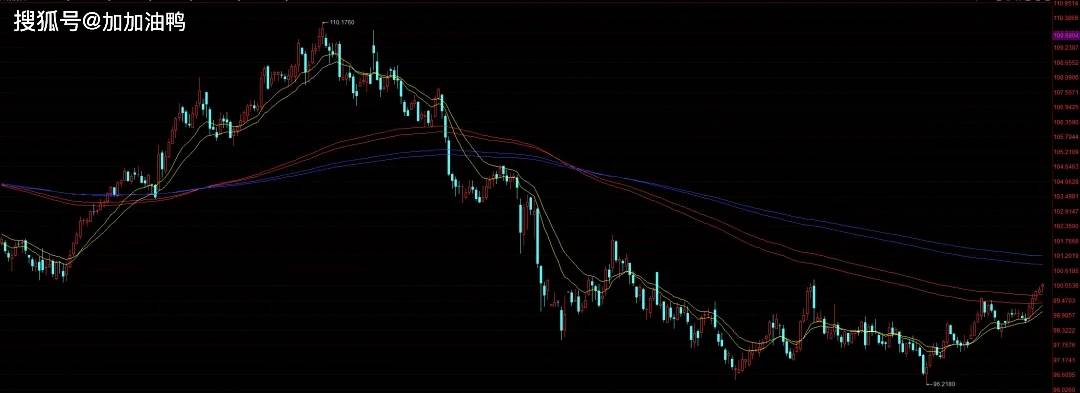
美元流动性收紧,美股风险积聚
Di Yi Cai Jing· 2025-09-15 12:24
Group 1 - The core viewpoint of the article is that economic downturn and tightening dollar liquidity in the short and medium term may drive down U.S. stocks while increasing the risk of asset performance divergence [1] - The recent rise in U.S. stocks is attributed to the "Trump put" and "Fed put," where market participants expect policy easing in response to economic pressures [2][3] - The strong corporate earnings growth has been a significant foundation for the recent rise in U.S. stocks, with S&P 500 companies' profits growing approximately 12% year-on-year in Q2 2025 [4] Group 2 - U.S. stocks face significant pressure from three main factors: increasing economic downturn risks, high valuation pressures, and concentrated earnings among a few sectors [5][11] - The U.S. economy is showing signs of slowing down, with the unemployment rate rising to 4.3% in August 2025 and non-farm payrolls adding only 22,000 jobs, far below expectations [5][10] - The S&P 500 index's expected P/E ratio is around 22.5, significantly above the historical average of 16.8 since 2000, indicating high valuation concerns [5][11] Group 3 - The relationship between dollar liquidity and U.S. stocks is expected to revert to historical narratives, with tightening liquidity potentially leading to declines in stock prices [12][18] - The current market optimism is based on conflicting expectations of stable corporate earnings and Fed liquidity easing, which cannot coexist [18] - The tightening of dollar liquidity is likely to increase the risk of divergence in asset performance, particularly affecting assets that previously benefited from liquidity [18]
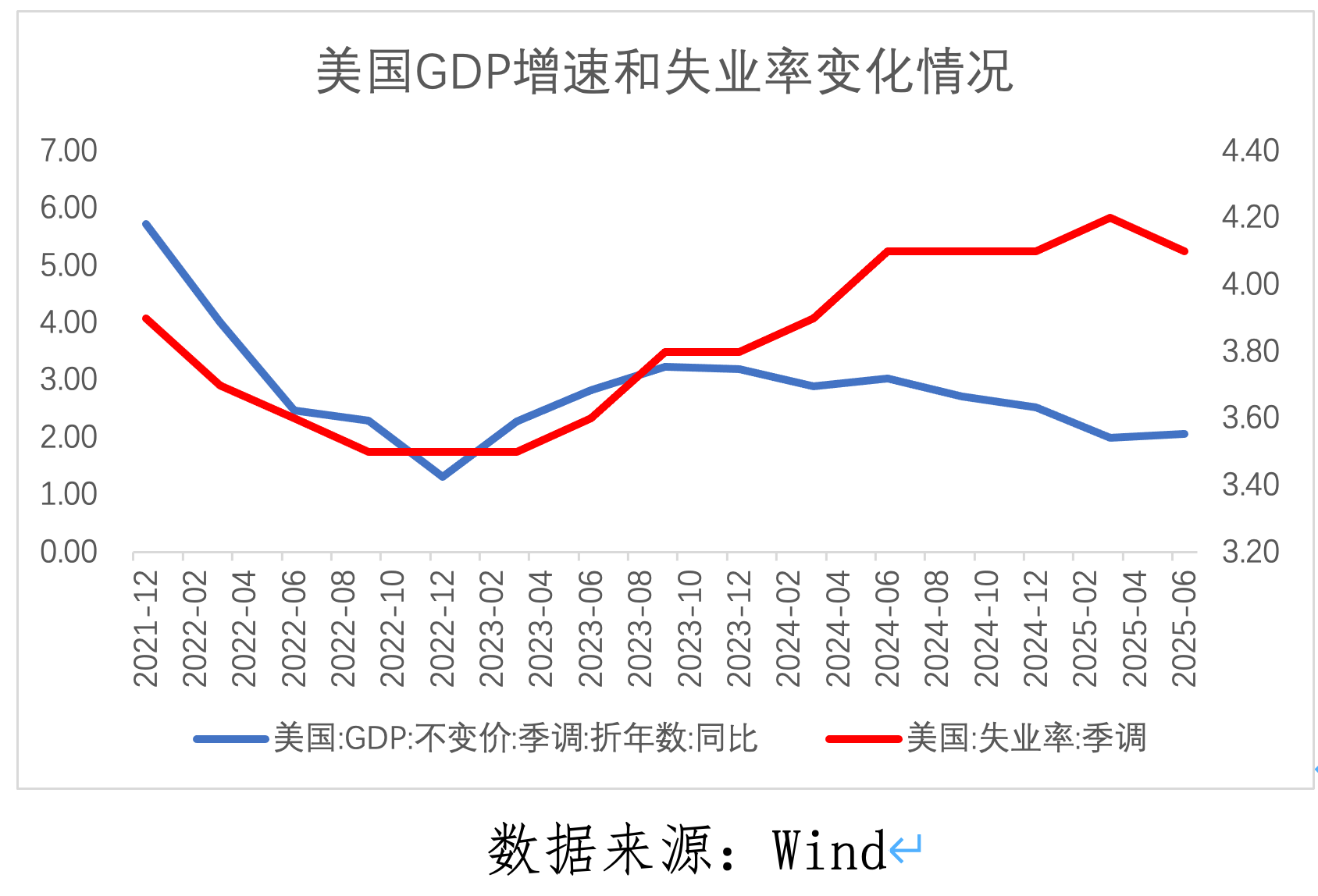
黄金价格逼近3000美元关口,政策紧缩与技术破位引市场担忧
Sou Hu Cai Jing· 2025-07-01 00:55
Group 1 - Significant short-term downside risk indicated by technical breakdown signals, with key moving averages breached [1][5] - Short-term support levels are dynamically shifting downwards from $3250 to $3200 and then to $3150 [2] - A breach of $3150 could trigger accelerated programmatic selling towards $3000 [3] Group 2 - Direct bearish factors include a retreat in safe-haven demand due to a ceasefire agreement between Israel and Iran, leading funds to shift from gold to risk assets like US stocks [4] - The Federal Reserve's policy is suppressing gold prices, with a maintained interest rate and a reduced likelihood of rate cuts in July [5][6] - Tightening dollar liquidity and rising US Treasury yields increase the opportunity cost of holding non-yielding gold [6] Group 3 - Long-term core support at $3000 remains intact, with 43% of central banks planning to increase gold holdings in the next year [7] - Structural inflation pressures from tariffs are pushing up import prices, with the US core PCE rising to 2.7%, supporting gold's anti-inflation attributes [7] - Concerns over a debt crisis as US debt interest payments approach $1 trillion, maintaining expectations for long-term monetary easing [7] Group 4 - Divergent institutional views on gold prices, with Citigroup predicting a drop to $2500-$2700 by 2026, while Goldman Sachs forecasts a rise to $3700 by the end of 2025 [8] - JPMorgan sees a potential pullback to $3100-$3200 as a buying opportunity, with a long-term target of $4000 by 2026 [8] Group 5 - Future scenarios include a pessimistic outlook (40% probability) where gold could drop to $3000-$3100 if the Fed delays rate cuts and geopolitical tensions remain stable [9] - An optimistic scenario (30% probability) suggests gold could rebound to $3300-$3400 if rate cuts begin in September and inflation rises [9] Group 6 - The probability of breaking below $3000 in the short term is low, with current prices at $3250, indicating a 7.7% distance to $3000 [11] - Increased risk for 2026 if global economic recovery is strong, potentially leading to Citigroup's forecast of $2500-$2700 being realized [12] Group 7 - Short-term traders should monitor the support range of $3200-$3280 and avoid counter-trend buying if prices fall below $3300, paying close attention to July CPI data and Fed officials' comments [13] - Long-term investors are advised to gradually accumulate gold ETFs below $3000, maintaining a portfolio allocation of 5%-10% [14] Group 8 - Consumer demand for gold jewelry can be capitalized on during promotional events, with a focus on low-cost options like bank gold bars [16] - The ongoing conflict between central bank accumulation (long-term support) and Federal Reserve policies/retail investor retreat (short-term pressure) will continue to shape market dynamics [16]

贵金属有色金属产业日报-20250625
Dong Ya Qi Huo· 2025-06-25 09:36
1. Report Industry Investment Rating No relevant content provided. 2. Core Views of the Report - **Precious Metals**: The easing of the Middle - East situation and the possible delay of interest rate cuts have suppressed gold prices in the short - term, but long - term supporting factors remain [3]. - **Copper**: In the short - term, copper prices may fluctuate around 78,000 yuan per ton. Considering the possible weakening of demand, the upside pressure is large and the downside support is relatively weak [13]. - **Aluminum**: Aluminum's fundamentals show sufficient supply and gradually weakening demand. Low inventory is the short - term core factor supporting prices, with short - term high - level fluctuations and a long - term bearish outlook. Alumina is in low - level operation, and cast aluminum alloy may fluctuate at a high level in the short - term [30][31][32]. - **Zinc**: The supply side is gradually becoming looser, but the transmission from ore to ingot needs time. The demand is stable, and in the short - term, macro data and market sentiment should be focused on, along with inventory data [59]. - **Nickel**: The overall nickel industry is affected by the situation in the Middle - East and the US macro - level. Nickel ore may remain tight, the contradiction in the nickel - iron link is difficult to resolve, and the supply - demand situation of stainless steel may improve if the production cut continues. Sulfuric acid nickel maintains a production - based - on - sales trend [72]. - **Tin**: Tin prices are expected to remain stable in the short - term. The continuous decline in inventory and the under - recovery of upstream tin mines provide support, while weak downstream demand creates pressure [88]. - **Lithium Carbonate**: The spot market of the lithium - battery industry chain is weak. The supply and demand fundamentals have not improved, and high inventory suppresses price increases. It is expected to fluctuate this week [103]. - **Silicon Industry Chain**: The supply of the silicon industry chain is strong, while the demand is weak. High inventory suppresses price increases [113]. 3. Summary by Related Catalogs Precious Metals - **Price Influencing Factors**: The cease - fire in the Middle - East has weakened the safe - haven demand, and the possible delay of interest rate cuts has tightened the US dollar liquidity, suppressing gold prices [3]. - **Price Data**: SHFE gold and silver futures prices, COMEX gold prices and gold - silver ratios are presented in the report [4]. Copper - **Price Outlook**: Short - term copper prices may fluctuate around 78,000 yuan per ton, with greater upside pressure and weaker downside support [13]. - **Futures Data**: The latest prices, daily changes, and daily change rates of Shanghai and London copper futures are provided [14]. - **Spot Data**: The latest prices, daily changes, and daily change rates of various domestic copper spot prices and spot premiums are given [19]. - **Import and Processing Data**: Copper import profit and loss and copper concentrate TC data are presented [23]. - **Inventory Data**: The latest data on SHFE and LME copper inventories are provided [27][28]. Aluminum - **Aluminum**: The supply is sufficient, demand is gradually weakening, and low inventory supports short - term prices. The inventory increase on June 23 may or may not be the inflection point [30]. - **Alumina**: The Axis mine in Guinea may remain shut down in the short - term, and alumina is in low - level operation due to the game between production resumption and maintenance [31]. - **Cast Aluminum Alloy**: The cost is strongly supported, but the demand growth may slow down. The futures contract is in a BACK structure, and the price may fluctuate at a high level in the short - term [32]. - **Price and Spread Data**: The latest prices, daily changes, and daily change rates of aluminum and alumina futures, as well as various price spreads, are provided [35][38]. - **Spot Data**: The latest prices, daily changes, and daily change rates of aluminum and alumina spot prices, as well as various basis and price spreads, are given [43]. - **Inventory Data**: The latest data on SHFE and LME aluminum and alumina inventories are provided [51]. Zinc - **Supply - Demand Situation**: The supply side is gradually becoming looser, but the transmission from ore to ingot needs time. The demand is stable, and in the short - term, macro data and inventory data should be focused on [59]. - **Price Data**: The latest prices, daily changes, and daily change rates of Shanghai and LME zinc futures are provided [60]. - **Spot Data**: The latest prices, daily changes, and daily change rates of zinc spot prices and spot premiums are given [65]. - **Inventory Data**: The latest data on SHFE and LME zinc inventories are provided [68]. Nickel - **Industry Situation**: The overall industry is affected by the Middle - East situation and US macro - factors. Nickel ore may be tight, the nickel - iron link has contradictions, and the stainless - steel supply - demand situation may improve with production cuts. Sulfuric acid nickel maintains a production - based - on - sales trend [72]. - **Price Data**: The latest prices, daily changes, and daily change rates of Shanghai nickel and stainless - steel futures are provided [73][75]. - **Inventory and Related Data**: Data on nickel spot prices, warehouse receipts, nickel ore prices, and inventory are presented [79][81]. Tin - **Price Outlook**: Tin prices may remain stable in the short - term, with support from inventory and under - recovery of upstream mines, and pressure from weak downstream demand [88]. - **Price Data**: The latest prices, daily changes, and daily change rates of Shanghai and London tin futures are provided [89]. - **Inventory Data**: The latest data on SHFE and LME tin inventories are provided [97]. Lithium Carbonate - **Market Situation**: The spot market of the lithium - battery industry chain is weak. The supply and demand fundamentals have not improved, and high inventory suppresses price increases. It is expected to fluctuate this week [103]. - **Price Data**: The latest prices, daily changes, and daily change rates of lithium carbonate futures and spot prices are provided [104][108]. - **Inventory Data**: Data on Guangzhou Futures Exchange warehouse receipts and various lithium carbonate inventories are presented [111]. Silicon Industry Chain - **Supply - Demand Situation**: The supply is strong, and the demand is weak. High inventory suppresses price increases [113]. - **Price Data**: The latest prices, daily changes, and daily change rates of industrial silicon spot and futures prices are provided [115][116]. - **Related Product Prices**: Prices of silicon wafers, battery cells, components, and other silicon - related products are presented [124][126]. - **Inventory and Production Data**: Data on industrial silicon production, inventory, and industry average costs are provided [131][137][140].