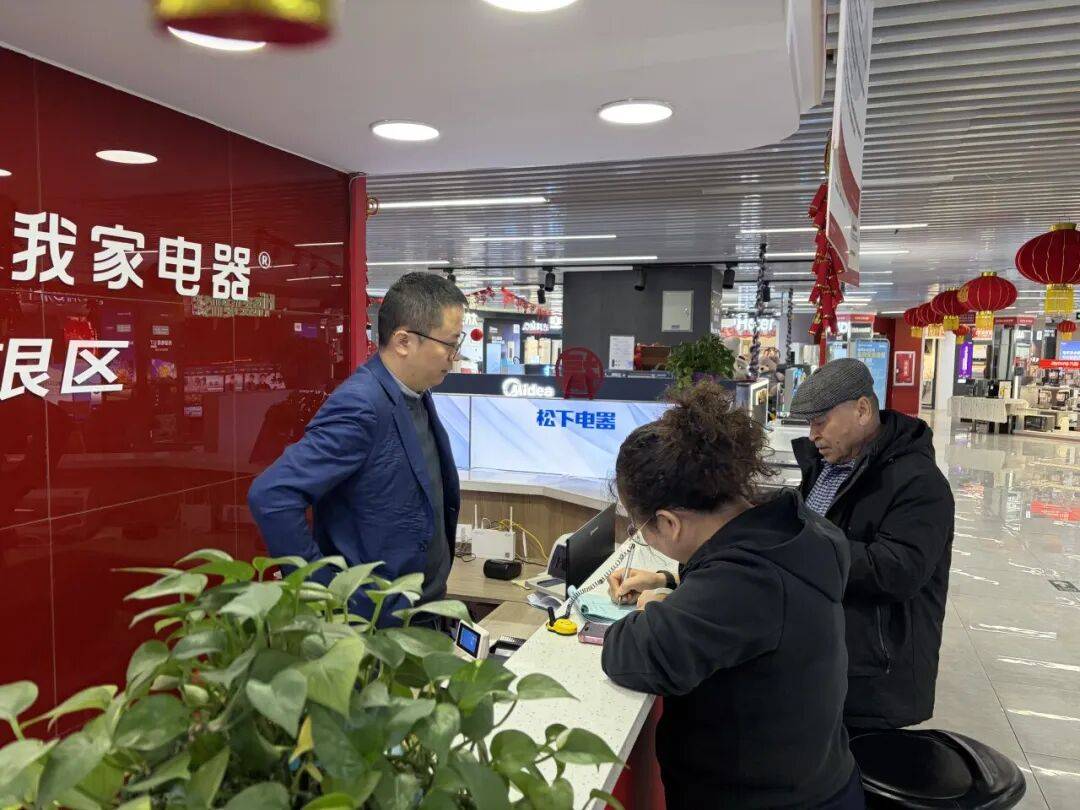
以旧换新

Search documents
中国消费迎来“开门红”
Ren Min Ri Bao Hai Wai Ban· 2026-01-12 01:07
Core Insights - The Chinese consumer market is experiencing a significant transformation, moving from quantity to quality, driven by various factors including government policies and changing consumer preferences [1][4][6] Group 1: Consumer Activity - During the New Year holiday, 142 million domestic trips were made in China, with total spending reaching 84.789 billion yuan, indicating strong consumer activity [1] - Hainan's duty-free sales on January 1 reached 251 million yuan, a year-on-year increase of 93.8%, showcasing the appeal of winter tourism and shopping [2] - The rise of "China Shopping" reflects a shift in purchasing trends, with consumers increasingly buying high-tech products and cultural items rather than traditional goods [2][3] Group 2: Policy Support - The Chinese government is implementing a series of policies aimed at stimulating consumption, including a more proactive fiscal policy and specific actions to boost consumer spending [4][5] - The "14th Five-Year Plan" emphasizes promoting consumption as a key driver for balanced economic growth, highlighting the importance of consumer spending in the overall economy [5][6] Group 3: Economic Resilience - China's consumer market is not only recovering but also showing signs of structural optimization and enhanced internal momentum, contributing to economic resilience [6] - Retail sales of consumer goods increased by 4% year-on-year in the first eleven months of 2025, indicating a steady expansion of market demand [6] Group 4: Global Opportunities - Global companies and investors are encouraged to adapt to the evolving Chinese market, particularly in retail and service sectors, to capitalize on the growing consumer base [7] - There is a notable shift in consumer preferences towards local products and experiences, presenting new opportunities for foreign brands to tailor their strategies to meet local demands [7]
2026“国补”首单已于近期陆续送达!关注可选消费板块机会
Mei Ri Jing Ji Xin Wen· 2026-01-12 00:59
Group 1 - The core viewpoint of the news is the launch of a new round of national subsidies for consumer goods, with a total of 62.5 billion yuan allocated to support the "trade-in" policy, aimed at boosting consumption during peak seasons like New Year's and Spring Festival [1] - The 2026 national subsidy program has optimized the range and standards of subsidies compared to 2025, adding smart glasses to the digital product category and focusing on "high-efficiency" appliances in the home appliance category [1] - The "trade-in" policy from 2024 to 2025 led to a significant increase in consumer goods sales, reaching 3.92 trillion yuan and benefiting 494 million consumers [1] Group 2 - The optional consumer ETF (562580.SH) is expected to benefit significantly from the continuation of the national subsidy policy, with a focus on sectors such as automobiles (46%) and home appliances (34%) [2] - The top ten weighted stocks in the optional consumer ETF include major companies like Midea Group, BYD, Gree Electric, and Haier Smart Home, indicating strong potential for growth in these sectors [2] - The index valuation PE-TTM stands at 23.47 times, which is in the 38.04% percentile over the past decade, suggesting a relatively attractive investment opportunity [2]
2025年,儋州以旧换新带动消费约18亿元!
Sou Hu Cai Jing· 2026-01-11 21:08
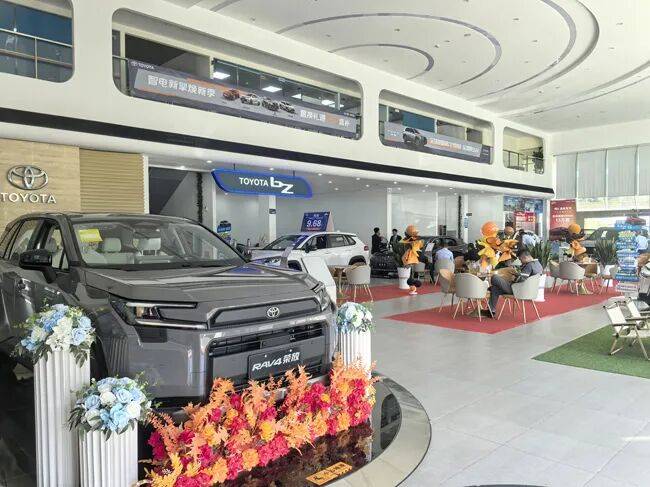
Core Viewpoint - Danzhou is actively implementing a trade-in subsidy policy since 2025, focusing on the automotive, home appliance, and home decoration sectors to stimulate consumption and expand domestic demand, with an expected total consumption boost of approximately 1.8 billion yuan [1] Group 1: Policy Implementation - Danzhou has established a three-tier subsidy support system ("national + provincial + municipal") to maximize consumer benefits, offering car purchase subsidies ranging from 2,000 to 6,000 yuan, alongside provincial subsidies for charging costs and operational services [3] - The municipal subsidy fund of 46 million yuan is accessible via the Yunshanfu APP, with a "first come, first served" principle to encourage car purchases [3] Group 2: Market Performance - In 2025, Danzhou's automotive sales are projected to exceed 13,500 units, reflecting a year-on-year growth of 136.5%, significantly enhancing the overall retail sector [3] - The strong growth in automotive consumption is expected to further elevate the quality and upgrade of the retail industry [3] Group 3: Consumer Engagement Activities - Danzhou has organized various consumer promotion activities throughout the year, including the fourth and fifth Danzhou (Western) Auto Expos, which attracted numerous domestic and international brands and facilitated significant vehicle transactions [4] - The activities are designed to create a vibrant consumer atmosphere, providing one-stop services for trade-in consultations and subsidy applications [4] Group 4: Infrastructure and Service Enhancement - Danzhou is enhancing its consumption infrastructure, exemplified by the completion of the second phase of the Danzhou New Energy Vehicle Plaza, which serves as a comprehensive automotive service platform [5] - The city is also promoting green and low-carbon transitions in the home decoration market through policies that encourage trade-in activities, ensuring a seamless service experience for consumers [5] Group 5: Future Outlook - The 2026 trade-in policy for consumer goods will continue to support automotive and home appliance trade-ins, injecting new vitality into Danzhou's consumer market [6] - Danzhou aims to leverage policy opportunities to further optimize the consumption environment and enhance consumption scenarios, contributing to high-quality economic and social development [6]

2026年商品消费扩容升级 电商平台在行动
Bei Jing Shang Bao· 2026-01-11 10:50
Group 1: National Business Conference Insights - The National Business Work Conference held on January 10-11, 2026, outlined key initiatives for enhancing consumption, including the implementation of a special action plan to boost consumer spending and the development of a modern commercial circulation system [1] - The conference emphasized eight key areas of focus, including the promotion of the "Buy in China" brand, fostering new growth points in service consumption, and optimizing the implementation of the old-for-new policy for consumer goods [1] Group 2: E-commerce and Subsidy Initiatives - Major e-commerce platforms like JD.com and Tmall have actively engaged in the "National Subsidy" program, offering substantial subsidies for energy-efficient appliances, with individual subsidies reaching up to 1,500 yuan [3] - JD.com has expanded its old-for-new service to over 200 categories, including home appliances and digital products, and has invested nearly 30 billion yuan in rural areas for subsidies and service enhancements [3][4] Group 3: Impact on Local Retail and Consumer Behavior - Meituan has leveraged its instant retail capabilities to connect local physical stores, significantly increasing sales of digital and home appliances due to the "National Subsidy" program [4] - From 2024 to 2025, the old-for-new policy led to the replacement of 192 million appliances, contributing to a sales increase of 3.92 trillion yuan and benefiting approximately 494 million consumers [4] Group 4: Logistics and Infrastructure Development - In Beijing, the completion of the JD.com logistics hub in Pinggu District is part of a broader plan to establish 100 central and node warehouses across the city, enhancing logistics efficiency [5] - By 2026, Beijing aims to build 50 logistics front warehouses equipped with smart sorting systems and cold chain storage to support the growing demand for efficient distribution [5]



“国补”带动年货消费提前火热
Bei Jing Wan Bao· 2026-01-10 06:08
Group 1 - The upcoming Spring Festival is driving early consumer spending, with many citizens preparing for the holiday by purchasing new appliances, spurred by the recent "national subsidy" policy [1] - A consumer highlighted the financial benefits of replacing an old refrigerator with a new one, taking advantage of discounts and subsidies, resulting in a final price of approximately 6,500 yuan for a high-capacity model [1] - There is a growing trend among consumers towards health and smart consumption, with smart appliances like air conditioners, refrigerators, and washing machines becoming increasingly popular [1] Group 2 - Sales at Beijing Suning Yigou stores saw a significant increase, with a more than 800% month-on-month growth in sales from January 1 to 8, driven by the new "national subsidy" policy [2] - Overall customer traffic at Suning Yigou stores in Beijing increased by over 110% year-on-year, with energy-efficient appliances now making up 92% of sales [2] - Popular items on the platform's "national subsidy" hot-selling list include smartphones, tablets, laptops, smartwatches, refrigerators, televisions, and washing machines, all experiencing substantial sales growth [2]

——2025年12月价格数据点评:关注涨价潮的扩散
EBSCN· 2026-01-09 11:25
Price Data Overview - In December 2025, the CPI increased by 0.8% year-on-year, up from 0.7% in the previous month, aligning with market expectations[2] - The core CPI remained stable at 1.2% year-on-year for three consecutive months[4] - The PPI decreased by 1.9% year-on-year, an improvement from the previous month's decline of 2.2%, while it increased by 0.2% month-on-month[2] CPI Analysis - The rise in CPI is primarily driven by a low base effect and an increase in food prices at year-end, with food prices rising by 1.1% year-on-year in December[4] - Non-food prices remained stable at a year-on-year increase of 0.8%[4] - December food prices increased by 0.3% month-on-month, compared to a decrease of 0.6% in the same month last year[4] PPI Insights - The month-on-month PPI increase of 0.2% in December is attributed to rising international prices of non-ferrous metals and the ongoing effects of domestic "anti-involution" policies[6][7] - Prices in the non-ferrous metal mining and smelting sectors rose by 3.7% and 2.8% month-on-month, respectively[7] - The coal mining sector saw a month-on-month price increase of 1.3%, marking five consecutive months of growth[7] Future Outlook - For 2026, the domestic price environment is expected to continue improving, with the CPI likely to stabilize around 0.7%[9] - The ongoing price increases in upstream materials, such as non-ferrous metals and storage chips, may lead to downstream price adjustments in consumer goods[9] - The "anti-involution" policies are anticipated to further support price recovery in upstream and midstream sectors throughout the year[9]
今日金价大跌1月8日
Sou Hu Cai Jing· 2026-01-09 04:43
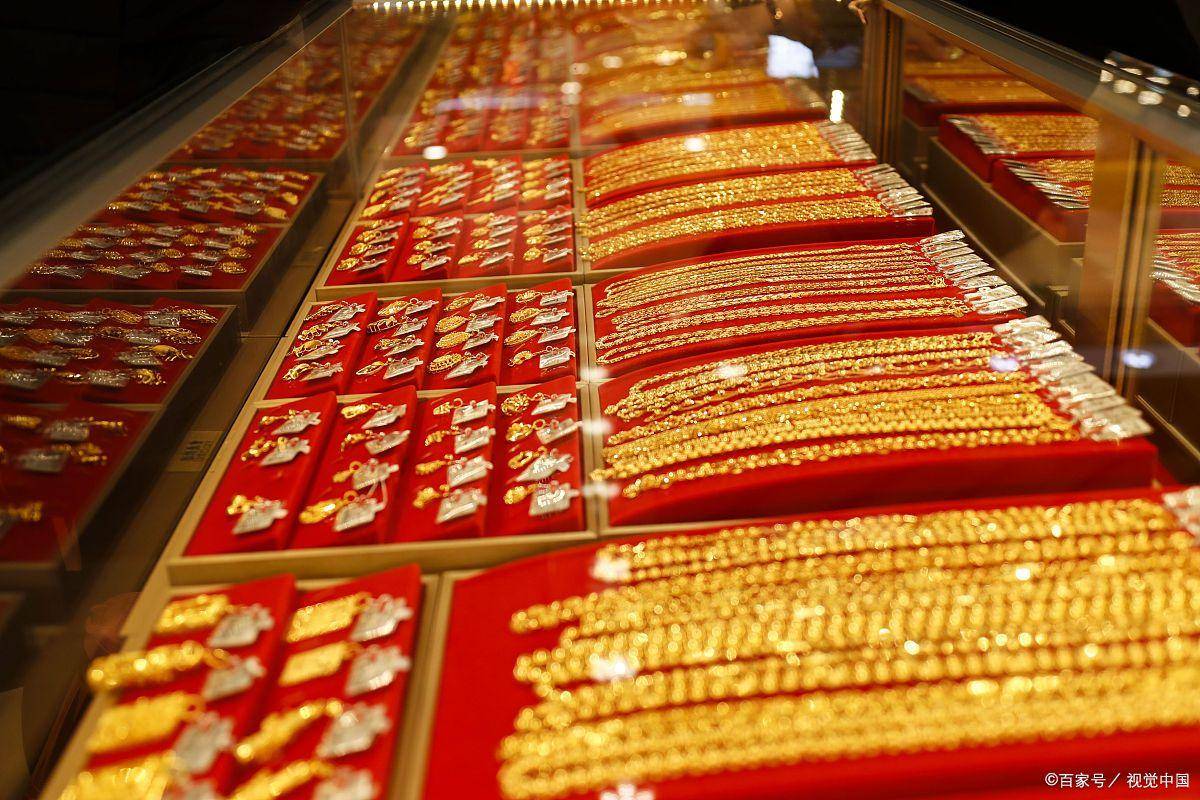
Group 1 - The overall price of domestic gold jewelry has weakened, with major brands like Liufu and Chow Sang Sang pricing around 1396-1399 CNY per gram, leading to increased consumer hesitation as the price gap with bank gold bars widens [1][2] - Retail gold jewelry prices have retreated, with mainstream brands quoting between 1370-1402 CNY per gram, indicating a "high position loosening" in the retail sector, while some cities report prices as low as 1340-1360 CNY per gram [2] - The price of basic gold (AU9999) is approximately 1007 CNY per gram, reflecting a daily fluctuation and indicating a divergence in the market where retail prices are declining but still maintain a high premium [3] Group 2 - The wholesale price in the Shenzhen Shui Bei market is significantly lower than retail prices, with gold prices around 1161-1163 CNY per gram, highlighting a substantial price difference driven by design, service, and operational costs [4] - The recovery market reveals a clear disparity between the buyback price of gold and retail prices, with processing fees and brand premiums being stripped away quickly during recovery, affecting the actual returns for holders [5] - The "old for new" exchange trend is gaining momentum, particularly in cities like Hangzhou, where consumers can exchange old gold for new based on weight, with a focus on transparency in the weighing and pricing process [7][8]
多领域亮点不断涌现 勾勒出经济高质量发展热力图景
Yang Shi Wang· 2026-01-09 04:27
《"人工智能+制造"专项行动实施意见》发布 工业和信息化部等八部门日前联合印发《"人工智能+制造"专项行动实施意见》,提出到2027年,中国人工智能关键核心技术实现安全可 靠供给,产业规模和赋能水平稳居世界前列,包括推出1000个高水平工业智能体,推广500个典型应用场景等。 央视网消息:通过数据看经济,透过经济看成就。新年伊始,多个领域亮点不断涌现,绘就高质量发展热力图景。 中国进出口银行最新数据显示,2025年,中国进出口银行新发放外贸领域贷款超1.2万亿元,全力支持外贸质升量稳。新发放制造业贷款 近8600亿元,重点支持了船舶与海洋工程装备、轨道交通装备、新材料、人形机器人等先进制造业。 商务部:以旧换新相关商品销售额达3.92万亿元 记者从商务部了解到,自2024年消费品以旧换新政策实施以来,相关商品销售额达3.92万亿元,惠及4.94亿人次。其中,汽车以旧换新超 1830万辆,家电以旧换新超1.92亿件,手机等数码产品购新超9100万部,牵引产业提质升级。 公安部:去年刑事案件立案数同比下降12.8% 公安部1月8日发布,2025年,全国公安机关共立刑事案件数同比下降12.8%,立案数再创本世纪以来 ...

2026版“国补”,三类人最省钱
Xin Lang Cai Jing· 2026-01-08 23:24
Core Viewpoint - The newly revised national subsidy policy for 2026 aims to enhance consumer safety and promote green transformation in the home appliance industry, with a total of 625 billion yuan allocated for subsidies to encourage the replacement of old products with new ones [3][5]. Group 1: Subsidy Implementation and Scope - The 2026 subsidy program includes support for various sectors such as automobiles, home appliances, digital products, and smart devices, with specific categories like refrigerators, washing machines, televisions, air conditioners, computers, and water heaters eligible for subsidies [7][8]. - Consumers purchasing energy-efficient home appliances will receive a subsidy of 15% of the product price, capped at 1,500 yuan per item, with a limit of one item per category per consumer [7][8]. - The subsidy for digital and smart products, including smartphones, tablets, smartwatches, and smart glasses, is also set at 15% of the product price, with a maximum subsidy of 500 yuan per item for products priced under 6,000 yuan [7][8]. Group 2: Market Impact and Consumer Behavior - The launch of the subsidy policy has invigorated the consumer market, with significant sales recorded during the New Year holiday, including 26.86 million yuan in home appliance sales and nearly 10 million yuan in communication equipment sales in Henan province [5][6]. - Despite the increase in vehicle purchase tax for new energy vehicles, the overall market did not experience a decline in consumer interest due to the offsetting effect of the subsidy program [5][6]. - The new policy is expected to benefit specific consumer groups, particularly those in rural areas, families seeking home modifications, and individuals planning to purchase new appliances or vehicles [10]. Group 3: Changes and Optimizations in the Subsidy Policy - The 2026 subsidy policy has optimized its scope, standards, and implementation mechanisms, focusing on high-efficiency products and including new categories like smart glasses [8][9]. - The policy emphasizes a unified implementation mechanism while allowing local adaptations, ensuring that the subsidy distribution is fair and effective across different regions [9]. - The subsidy program is designed to be more targeted, benefiting consumers who truly need assistance rather than promoting impulsive buying behaviors [10].
政策给力,消费争气!博州开年消费旺旺旺!
Sou Hu Cai Jing· 2026-01-08 07:06
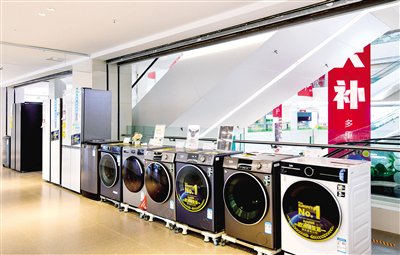
Core Insights - The consumer market in Bortala is showing strong vitality, driven by both daily consumption and quality consumption trends, indicating a positive outlook for the local economy [1] Group 1: Home Appliance Sector - The implementation of the "Two New" policy by the National Development and Reform Commission and the Ministry of Finance has significantly increased consumer interest in home appliance upgrades, particularly for energy-efficient products [3] - The previous "old-for-new" policy, which included both trade-in value and government subsidies, led to over 4,000 orders and a 10% increase in sales, with energy-efficient appliances being particularly popular [5] - The store manager anticipates a further 20% growth in order volume as consumer willingness to upgrade continues to rise, driven by upcoming local policy implementations [5] Group 2: Food and Dining Sector - The bustling atmosphere in local hotpot restaurants reflects the growing trend of quality consumption, with a nearly 30% increase in daily customer flow compared to the end of last year [7] - The aggregation effect of food courts is boosting foot traffic to surrounding shops, enhancing the overall consumer experience in the area [9] - The local consumer market has maintained steady growth, with significant increases in retail sales, particularly in the food and accommodation sectors, positioning Bortala's consumption growth among the top in the region [9]