
贸易摩擦

Search documents
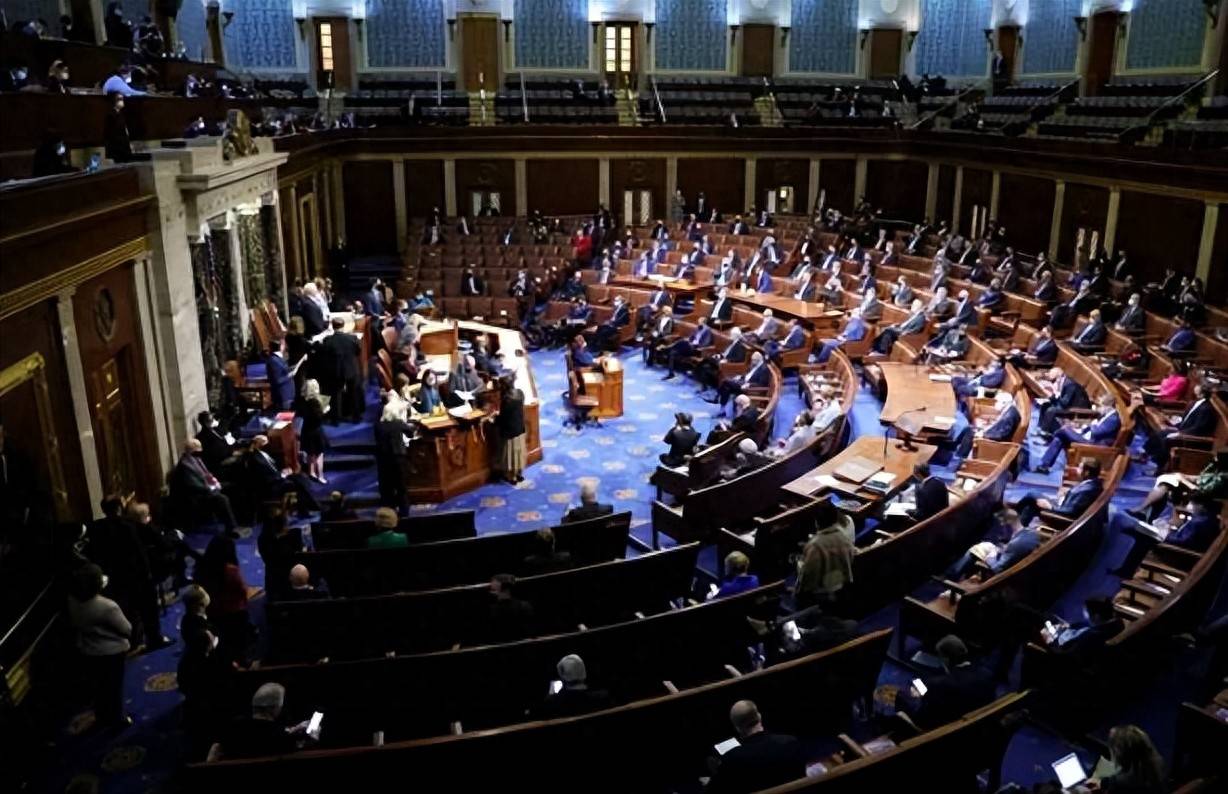
美国政府停摆3周后,美联储出手救市!贝森特信口开河:稀土管制是“对抗全世界”
Sou Hu Cai Jing· 2025-10-16 02:25
Core Viewpoint - The ongoing government shutdown in the U.S. is causing significant economic distress, with over 800,000 federal employees on unpaid leave and disruptions in various sectors, including air travel [1] Group 1: Economic Impact - The government shutdown has led to a rise in unemployment and increased layoffs, indicating a cooling job market [3] - The Federal Reserve plans to lower interest rates by 0.25 percentage points to stimulate the economy, but this may only serve as a temporary relief rather than a long-term solution [3] - Financial markets are reacting to the Fed's easing expectations, with a weakening dollar and declining U.S. Treasury yields, while safe-haven assets like gold and Bitcoin are gaining popularity [5] Group 2: Political Dynamics - The political standoff between the Democratic and Republican parties is intensifying, with President Trump suggesting that the shutdown could be beneficial for eliminating Democratic legacies [1] - Treasury Secretary Mnuchin has shifted focus to international issues, accusing China of disrupting global supply chains through its control of rare earth exports, which may be a distraction from domestic problems [3][5] - The U.S. is attempting to regain control over strategic resources by attacking China, despite China's significant role in the global rare earth market, producing nearly 60% of the world's supply and processing 90% [5] Group 3: Future Outlook - The resolution of the government shutdown and the future of U.S.-China trade relations will be critical in determining the economic landscape [7] - A collaborative approach with other nations is necessary for the U.S. to find sustainable solutions to global supply chain and economic challenges, rather than relying solely on isolationist tactics [7]

特朗普大消息!大涨!
Zhong Guo Ji Jin Bao· 2025-10-16 01:27
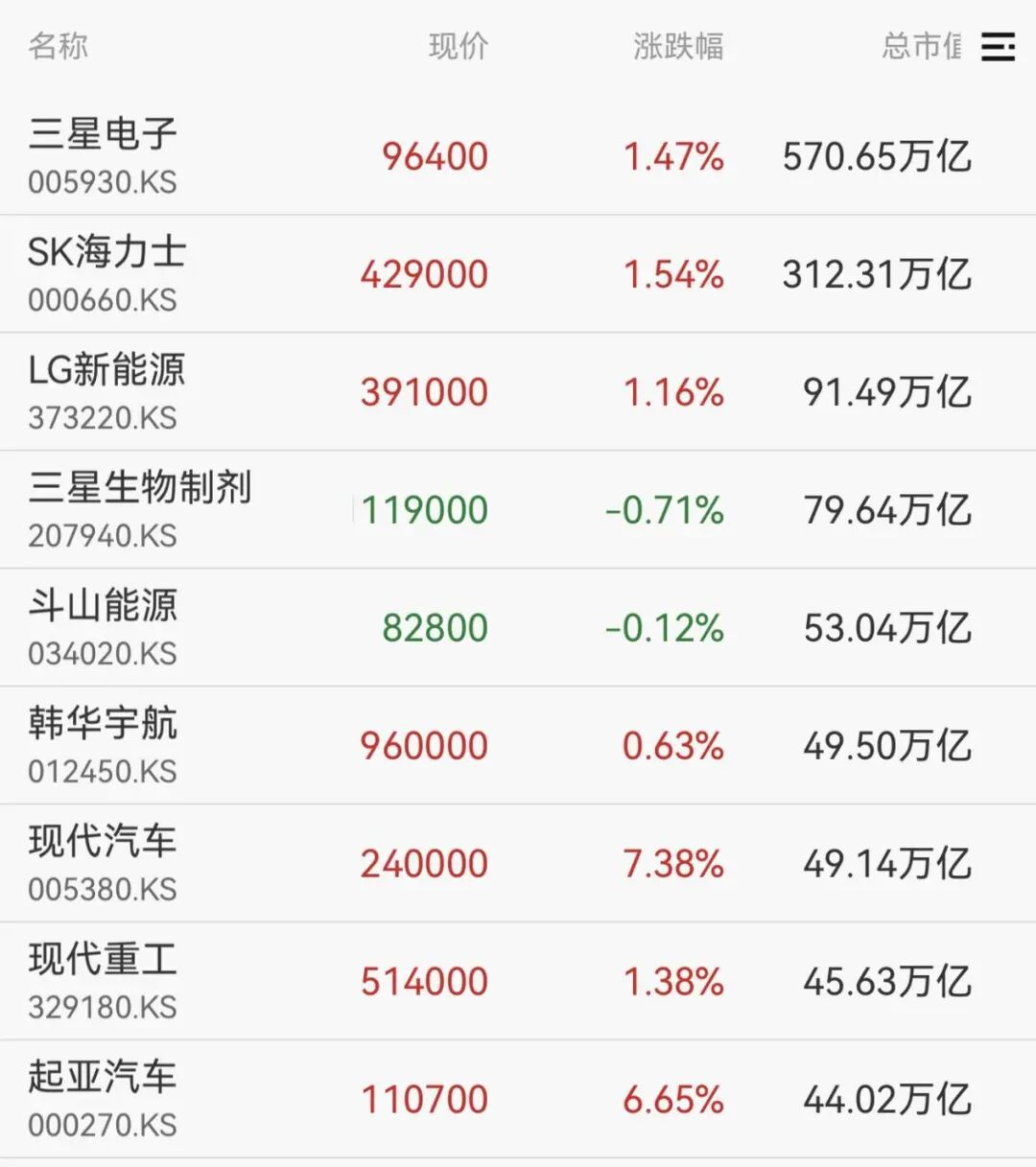
【导读】韩国股市走高,现货黄金再创新高 一起来关注下日韩股市及最新资讯。 韩国综合指数再创历史新高 韩国综合指数涨幅扩大至1%,再创历史新高。 消息面上,韩国经济日报援引未具名业界消息人士报道称,三星电子执行会长李在镕、现代汽车集团会长郑义宣等韩企高管可能于本周晚些时候在海湖庄 园与美国总统特朗普会面。 李在镕、郑义宣、SK集团会长崔泰源以及LG集团会长具光谟应软银董事长孙正义邀请,出席在海湖庄园举行的"星际之门"(Stargate)项目投资推介活 动。韩国几大财阀掌门人还可能与特朗普及其他商界人士一起打高尔夫球。特朗普预计将于10月17日至19日期间在海湖庄园停留。孙正义此次共邀请了约 70家全球企业的首席执行官参加该活动。 日本股市高开1%,随后震荡调整,日经225指数现涨0.79%。 | 日经 225 | | | | | --- | --- | --- | --- | | 指 HQ.NKY | | | | | 48051.59 +378.92 +0.79% | | | | | 10-16 08:09:05 | | | | | 今开 48107.44 最高 48201.50 | | | | | 昨收 47 ...
黄金在贸易摩擦担忧与美联储降息预期下再创新高
Sou Hu Cai Jing· 2025-10-16 01:06
黄金价格早盘创下4226美元新高,支撑因素包括贸易紧张局势担忧以及市场押注美联储将在年底前加大 货币宽松力度。本周迄今,金价已上涨逾5%,买盘热潮也蔓延至其他贵金属。交易员正大量押注美国 将在年底前至少实施一次大幅降息,而美联储主席鲍威尔本周已暗示央行将在本月晚些时候再降息25个 基点。美国政府持续关门也为金价提供支撑。此外,所谓"货币贬值交易"亦在推动资金流入黄金,即投 资者抛售主权债务和货币,以规避不断扩大的财政赤字风险。各国央行的积极购金更是关键支柱。 Trafigura集团首席经济学家萨阿德·拉希姆表示,黄金上涨"主要由实物买盘驱动,如果你观察各国央 行,它们正在大量买入"。 ...
螺纹钢去库存压力大
Qi Huo Ri Bao· 2025-10-16 00:46
Core Viewpoint - After a brief rebound in mid-September, rebar futures prices have weakened again, with the main contract falling below 3100 yuan/ton, marking a new low for the period [1] Group 1: Macroeconomic Sentiment - The U.S. announced a 100% tariff on Chinese exports of rare earths and related items, leading to market risk aversion and a decline in risk asset prices [2] - The impact of the new round of tariffs on the black industry is limited, as direct exports of steel to the U.S. are minimal; however, escalating trade tensions could indirectly affect steel exports through related industries like automotive and home appliances [2] Group 2: Inventory Levels - Rebar inventory has risen to a relatively high level, with a total of 6.5965 million tons as of October 10, an increase of 574,000 tons during the National Day holiday [3] - The inventory-to-consumption ratio has significantly increased to 4.518, with year-on-year growth of 49.56% and 154.68% for inventory and inventory-to-consumption ratio, respectively [3] - Weekly rebar production has decreased to 2.034 million tons, with short-process steel mills seeing a 25.50% drop in production [3] Group 3: Cost Support - Despite weak steel prices, raw material prices remain relatively strong, with iron ore and coke prices supporting high production costs [4] - The iron ore price index is at 109.2 USD/ton, while the average daily pig iron output from 247 sample steel mills is 2.4154 million tons, reflecting a year-on-year increase of 3.63% [4] - The proportion of profitable steel mills has dropped to 56.28%, indicating that most varieties have turned to losses [4] Group 4: Market Outlook - The combination of supply contraction, weak demand, and high inventory liquidation pressure, along with the backdrop of trade tensions, suggests that rebar prices are likely to continue a weak and volatile trend [4]
美股暂未到泡沫破灭时
Qi Huo Ri Bao Wang· 2025-10-15 22:49
Group 1: Trade Tensions and Market Impact - The recent escalation of trade tensions, particularly the U.S. imposing 100% tariffs on certain Chinese exports, has led to significant market volatility, with U.S. stocks, especially the Nasdaq, experiencing a drop of over 3.5% [1][2] - The market's panic, reflected in the VIX index reaching 21.66, indicates heightened risk aversion among investors [1] - The current valuation of U.S. stocks, particularly the Nasdaq, is notably high, with the "Seven Sisters" trading at 31.3 times earnings, up from 26.8 times before the tariff announcements [1] Group 2: Economic Conditions and Federal Reserve Actions - The U.S. economy is not currently in recession, and the Federal Reserve's recent decision to restart interest rate cuts suggests that any market adjustments may be short-term rather than indicative of a systemic collapse [1][7] - The government shutdown is expected to impact consumer spending, with an estimated 750,000 federal employees affected, leading to a daily reduction of approximately $400 million in wages [5] - Historical trends indicate that even with economic slowdowns, U.S. stocks tend to maintain upward momentum if the Federal Reserve continues to implement loose monetary policies [6] Group 3: Technological Investments and Market Support - The rapid development of technology, particularly in AI, is a significant driver of stock market performance, with major firms like JPMorgan and Google announcing substantial investments to bolster the U.S. industrial base and cloud computing capabilities [8] - The focus on core industries, including advanced manufacturing and defense, is expected to support long-term economic growth and stock market stability [8] - Despite concerns over stock valuations, as long as the Federal Reserve does not tighten monetary policy or trigger a liquidity crisis, the potential for a market bubble burst remains low [9]
螺纹钢 去库存压力大
Qi Huo Ri Bao· 2025-10-15 22:47
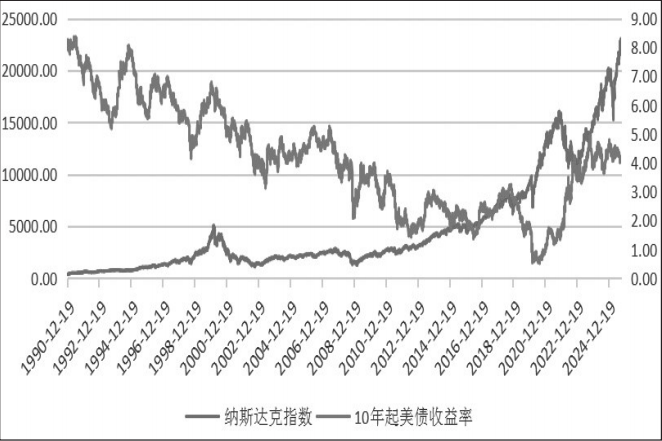
美东时间10月10日,美方宣布,针对中方采取的稀土等相关物项出口管制,将对中方加征100%关税, 并对所有关键软件实施出口管制。上述举措引发市场避险交易,风险资产价格承压回落。在经历了4月 的"对等关税"冲击后,新一轮关税威胁对商品市场的边际影响减弱。事实上,新一轮关税威胁对黑色产 业的影响有限,国内钢材直接出口至美国的数量较少。不过,若贸易摩擦升级,可能对我国钢材的间接 出口形成冲击,例如汽车、家电等产品出口受限后会加剧板材产业的供需矛盾,进而导致建筑钢材价格 承压。笔者认为,若贸易摩擦升级,国内将出台更多利好政策,对黑色金属价格形成显著支撑,市场情 绪将再度切换。 在9月中旬短暂反弹之后,螺纹钢期货价格再度转弱下行,国庆假期前主力合约更是跌破3100元/吨整数 关口,创下阶段性新低。同时,现货价格也在低位偏弱运行。 宏观情绪偏弱 (作者期货投资咨询从业证书编号Z0011688) 库存升至相对高位 (文章来源:期货日报) 近期,螺纹钢产业供需矛盾不断累积,库存已升至相对高位,去库压力偏大。截至10月10日当周,同口 径下螺纹钢库存总量为659.65万吨,国庆假期期间增加57.40万吨,库消比为4.518,同 ...
稀土牌只是开胃菜,第二张王牌已炸,外媒:美再工业将彻底被扼杀
Sou Hu Cai Jing· 2025-10-15 15:54
Core Points - The recent escalation in US-China trade tensions is marked by China's new export controls on rare earth materials and synthetic diamonds, which are critical for high-tech and defense industries in the US [2][3][5] - The US stock market reacted negatively, losing $2 trillion in value, with significant drops in major tech stocks following the announcement of these measures [2][6] Group 1: Export Controls - China announced export controls on rare earth materials, requiring licenses for mining, refining, and related technologies starting November 8 [3][5] - The controls include five categories of heavy rare earth metals and extend to high-tech applications such as chip manufacturing [5][8] - The measures are expected to increase global rare earth prices by over 20% due to China's dominant position, supplying 80% of the world's rare earths [3][5] Group 2: Impact on US Industries - The US heavily relies on China for rare earths, with 70% of its supply coming from China, which poses a risk to its defense and semiconductor industries [3][6] - The export controls on synthetic diamonds, crucial for cooling high-density AI chips, could severely impact the US's ability to expand its data centers and semiconductor production [9][11] - The US Department of Defense has indicated that shortages in rare earths could directly affect military production capabilities [3][6] Group 3: Global Reactions - The EU is coordinating with the US to assess the impact on supply chains and is looking to increase imports from Australia and Canada [3][5] - Other countries like India are attempting to ramp up domestic production of rare earths, but their current capacity is insufficient to meet global demand [5][11] - The situation has prompted discussions among US allies about diversifying supply chains, but immediate alternatives to Chinese materials are limited [11]
美加贸易摩擦显效:加拿大8月制造业与批发业同步下滑
Xin Hua Cai Jing· 2025-10-15 14:01
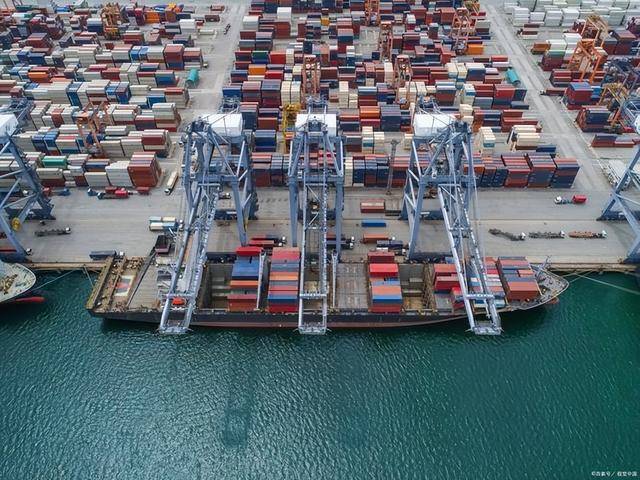
Core Viewpoint - The ongoing impact of U.S. tariff policies is leading to a decline in key export sectors in Canada, as evidenced by recent statistics from Statistics Canada showing a decrease in manufacturing and wholesale sales [1] Manufacturing Sector - In August, manufacturing sales in Canada fell by 1% month-on-month, with a 1.5% decrease in sales volume after excluding price factors [1] - The decline in manufacturing is primarily attributed to a reduction in transportation equipment sales, following a record increase in July [1] - Despite facing trade barriers from U.S. tariffs on aluminum products, the base metals sector experienced significant growth, with aluminum sales rising by 45% month-on-month [1] - Overall manufacturing inventory increased by 0.3%, indicating persistent supply chain adjustments despite the sales decline [1] Wholesale Sector - Wholesale sales in August decreased by 1.2% month-on-month, with a 1.3% decline in sales volume [1] - Key categories such as automotive parts, food, and beverages showed weak sales, contributing to the overall poor performance [1] - Wholesale inventory rose by 0.7%, reflecting a combination of weak demand and ongoing supply chain adjustments [1] Employment Impact - The U.S. tariffs on steel, aluminum, and automobiles have had a substantial impact on Canada's export-oriented manufacturing sector, as indicated by a significant loss of jobs in the manufacturing sector, with nearly 10,000 jobs lost year-on-year in July [1]
可转债周报:贸易摩擦下的转债市场回顾与展望-20251015
Changjiang Securities· 2025-10-15 13:50
Report Industry Investment Rating There is no specific industry investment rating provided in the report. Core Viewpoints - Amid repeated trade frictions, the convertible bond market may show strong resilience. Compared with the previous "tariff shock," the current market is in an upward - trending phase with higher trading activity. Although the current valuation is higher, the conversion premium rate is lower, and the implied volatility is higher, weakening the bond - like protection slightly, a market correction may present a layout opportunity [2][6][10]. - In the A - share market, cyclical sectors are relatively dominant, while the technology growth direction faces adjustment pressure. Investors should seize structural opportunities in pro - cyclical varieties and pay attention to the phased adjustment risks in the growth direction [10]. - The convertible bond market shows a slight upward trend, with both large - cap and small - cap bonds performing well. The market continues the structural repair trend, with cyclical and manufacturing sectors presenting more opportunities [10]. - The primary market supply is stable, and clause - based gaming is active. Attention should be paid to the marginal impact of downward adjustment and redemption expectations on the valuation structure and trading rhythm [10]. Summary by Directory Trade Frictions and the Evolution of the Convertible Bond Market - The previous "tariff shock" was an "amplifier" in the downward trend. Currently, the market is in an upward - trending phase, and the potential impact of repeated trade frictions may be more limited. The recent trading activity in the convertible bond market is higher, with an average trading volume of 723.9 billion yuan in the past 5 trading days, compared to 587.0 billion yuan in the previous period [17]. - The current market valuation is higher, the conversion premium rate is lower, and the implied volatility is higher than in the previous period. However, the potential downward space may be restricted by the loose liquidity environment [20]. - The previous "tariff shock" had a greater impact on high - price and small - cap convertible bonds, but they recovered faster. Different industries also showed different performances [33][38]. - Overall, the impact of recent trade frictions on the convertible bond market may be controllable. A significant market adjustment may provide a good buying opportunity [41]. Market Theme Weekly Review - In the week from October 9 to 11, 2025, themes related to non - ferrous metals in the equity market were strong, while technology - growth themes were weak. Indexes related to nickel mines, copper industries, and cobalt mines led the gains, while themes such as automobiles and electronics had significant pullbacks [42]. Market Weekly Tracking Main Stock Indexes and Cyclical Sectors - The A - share main stock indexes were differentiated. Only the Shanghai Composite Index rose, and the ChiNext Index was relatively weak. The CSI 2000 and CSI 500 performed better than the SSE 50 and STAR 50. The net outflow of main funds increased, reflecting the profit - taking and risk - aversion needs of some funds [45]. - Cyclical sectors such as non - ferrous metals, steel, coal, and public utilities were strong, while communication and media sectors were weak. Trading was concentrated in electronics, power equipment, and non - ferrous metals, indicating a divergence in market attention between technology and cyclical sectors [48]. - The market congestion was significantly differentiated. Sectors such as electronics, communication, and machinery had a high historical quantile of trading volume and PB, while sectors such as food and beverage, agriculture, forestry, animal husbandry, and beauty care had relatively low congestion [51]. Convertible Bond Market - The convertible bond market showed a slight upward trend. The CSI Convertible Bond Index was basically flat compared to the previous week. Large - cap and small - cap convertible bonds performed well, but the average daily trading volume decreased slightly [54]. - The valuation structure was differentiated. The median market price fluctuated downward but remained at a high level. The implied volatility increased slightly, indicating differences between bulls and bears [60]. - Cyclical sectors were strong, with non - ferrous metals, coal, and steel leading the gains. Trading was concentrated in power equipment, electronics, and basic chemicals [63]. - Most individual bonds showed an upward trend. Among the convertible bonds in the conversion period, the top five gainers were Guanzhong Convertible Bond, Zhonghuan Convertible Bond 2, Jize Convertible Bond, Haomei Convertible Bond, and Zhenhua Convertible Bond. The top five losers were Hengshuai Convertible Bond, Zhongqi Convertible Bond, Sheng 24 Convertible Bond, Tongguang Convertible Bond, and Huicheng Convertible Bond [65]. Convertible Bond Issuance and Clause Tracking Primary Market Issuance - No new convertible bonds were listed in the week from October 9 to 11, 2025. Six listed companies updated their convertible bond issuance plans, with a total scale of over 60 billion yuan in projects at the exchange - acceptance stage and later [10][70][71]. Clause - Based Events - Five convertible bonds announced potential downward adjustments, two announced no downward adjustments, one announced a potential redemption, and two announced early redemptions. Attention should be paid to the impact of these events on the valuation structure and trading rhythm [10].
每日早盘观察-20251015
Yin He Qi Huo· 2025-10-15 09:37
1. Report Industry Investment Ratings No information about industry investment ratings is provided in the report. 2. Core Views of the Report - The report analyzes various commodities in the futures market, including agricultural products, black metals, non - ferrous metals, and energy and chemical products. It provides insights into their market conditions, influencing factors, and offers corresponding trading strategies based on supply - demand relationships, macro - economic factors, and industry news [5][7][9]. 3. Summary by Relevant Catalogs Agricultural Products Bean Meal - **Market Conditions**: CBOT soybean and bean meal indices showed small increases. Conab estimated Brazil's 2025/26 soybean production and export volume. EU's soybean and bean meal imports had changes. Domestic soybean and bean meal inventories also changed. Macro factors led to increased downward pressure on the bean meal market [16][17]. - **Trading Strategies**: Short - selling at high points for the 05 contract, M11 - 1 positive spread arbitrage, and selling call options at high points [18]. Sugar - **Market Conditions**: ICE US raw sugar and London white sugar futures rebounded. Brazil's sugar exports increased in October. Some sugar mills in China started operation. Globally, sugar production was expected to increase, and the price of raw sugar was fundamentally weak. Domestically, Zhengzhou sugar was expected to follow the foreign market [19][20][21]. - **Trading Strategies**: Expecting a rebound and repair in the short - term, with a wait - and - see attitude for arbitrage and options [22]. Oilseeds and Oils - **Market Conditions**: CBOT soybean oil and BMD palm oil prices changed slightly. Malaysia adjusted palm oil reference prices, and Indonesia planned to regulate palm oil exports. Domestic soybean oil was slightly increasing in inventory, and rapeseed oil was marginally reducing inventory. Affected by the macro - environment, the market was expected to fluctuate [23][24][26]. - **Trading Strategies**: Considering light - position long - entry on significant pull - backs, OI 1 - 5 positive spread arbitrage without chasing high prices, and a wait - and - see attitude for options [26]. Corn and Corn Starch - **Market Conditions**: CBOT corn futures rebounded slightly, but the harvest pressure was heavy. Domestic new corn was concentrated on the market, and the spot price continued to fall. The 01 contract showed signs of stabilization [29][30]. - **Trading Strategies**: Short - term long - entry for the 12 - contract on dips, light - position long - entry for the 01 contract, and gradually establishing long - term long - positions for the 05 and 07 contracts [31]. Live Pigs - **Market Conditions**: Pig prices were oscillating, with stable prices in most regions. Piglet and sow prices declined. The overall supply was relatively sufficient, and the spot price was under downward pressure [32][33]. - **Trading Strategies**: A wait - and - see attitude for all trading methods [33]. Peanuts - **Market Conditions**: Peanut prices were slightly down, and some oil mills suspended procurement. Peanut inventory decreased, and peanut oil inventory increased. Affected by rainfall, the 01 contract was expected to fluctuate strongly in the short - term [34][35]. - **Trading Strategies**: Short - term long - entry on dips for the 01 and 05 contracts, and selling pk601 - P - 7600 options [36]. Eggs - **Market Conditions**: Egg prices were stable or slightly down. The inventory of laying hens was at a high level, and the demand was average. The near - month contract was expected to fluctuate weakly [38][39][40]. - **Trading Strategies**: Short - selling at high points for the near - month contract, and a wait - and - see attitude for arbitrage and options [40]. Apples - **Market Conditions**: Apple cold - storage inventory decreased, and export and import volumes changed. Apple prices were stable or slightly up. The expected low high - quality fruit rate was expected to support the price [42][43][44]. - **Trading Strategies**: Expecting the price to fluctuate strongly in the short - term, and a wait - and - see attitude for arbitrage and options [44]. Cotton - Cotton Yarn - **Market Conditions**: ICE US cotton futures fell. New cotton in Xinjiang was in the harvest season, and the cotton yarn market was divided. The new cotton supply was expected to increase, and the demand was not strong [45][46]. - **Trading Strategies**: Expecting a slightly weakening trend, trading at appropriate times, and a wait - and - see attitude for arbitrage and options [47]. Black Metals Steel - **Market Conditions**: The steel price was slightly under pressure, and the market was in a bottom - oscillating state. The output of some steel mills decreased, and the inventory increased during the holiday. The market was affected by macro - policies and international trade issues [49]. - **Trading Strategies**: Maintaining a bottom - oscillating trend, long - entry for the spread between hot - rolled and threaded steel at low points, and a wait - and - see attitude for options [50]. Coking Coal and Coke - **Market Conditions**: Coking coal prices were stable or slightly up, and the coke market was stable. The supply of coking coal in October was expected to be stable, and the demand was supported by high iron - water production. The market was in a balanced state [51][52]. - **Trading Strategies**: Long - entry at low points for coking coal, and a wait - and - see attitude for arbitrage and options [53]. Iron Ore - **Market Conditions**: The iron ore price fluctuated narrowly at night. The global iron ore shipment was at a high level, and the domestic terminal demand was weakening. The iron ore price was expected to be weak in the fourth quarter [54][55]. - **Trading Strategies**: Short - selling in the medium - term, reverse cash - and - carry arbitrage, and using circuit - breaker cumulative put options [56]. Ferroalloys - **Market Conditions**: The prices of ferrosilicon and ferromanganese were stable or slightly down. The demand for ferroalloys was under pressure, but the cost provided support. The market was in a bottom - oscillating state [57][58]. - **Trading Strategies**: Bottom - oscillating state, selling out - of - the - money put options, and a wait - and - see attitude for arbitrage [58]. Non - Ferrous Metals Precious Metals - **Market Conditions**: Gold and silver prices fluctuated greatly. Gold reached a new high and then corrected, while silver also had a large - amplitude fluctuation. The US dollar index fell, and the Fed was expected to cut interest rates [60][61]. - **Trading Strategies**: Long - entry at low points based on the 5 - day moving average, and buying deep - out - of - the - money call options for Shanghai gold and silver [62]. Copper - **Market Conditions**: Copper futures prices fell. The supply of copper mines was expected to decrease, and the inventory changes were different in different markets. The consumption was in a weak peak season [65]. - **Trading Strategies**: Long - entry at low points, maintaining cross - market positive spread arbitrage, and a wait - and - see attitude for options [66]. Alumina - **Market Conditions**: Alumina futures and spot prices fell. The supply was in an over - supply state, and some enterprises were in a loss state. The price was expected to be weak [67][69][71]. - **Trading Strategies**: Short - selling, and a wait - and - see attitude for arbitrage and options [74]. Electrolytic Aluminum - **Market Conditions**: The price of electrolytic aluminum futures fell, and the spot price rose. The US tariff policy was expected to have limited impact on the aluminum market, and the medium - term price was expected to strengthen [73][76]. - **Trading Strategies**: Waiting and seeing in the short - term, and a wait - and - see attitude for arbitrage and options [77]. Cast Aluminum Alloy - **Market Conditions**: The price of cast aluminum alloy futures fell, and the spot price was stable. The US tariff policy was expected to have limited impact, and the scrap aluminum price was relatively firm [77]. - **Trading Strategies**: Waiting and seeing in the short - term, and a wait - and - see attitude for arbitrage and options [80]. Zinc - **Market Conditions**: Zinc futures prices fell. The domestic supply increased, and the inventory accumulated. The overseas market was strong. The price was expected to be volatile [81][82]. - **Trading Strategies**: Taking profit on short - positions at appropriate times, short - selling at high points, and a wait - and - see attitude for arbitrage and options [83][85]. Lead - **Market Conditions**: Lead futures prices fell. The supply and demand were both weak, and the supply was expected to increase in the second half of October. The price was at risk of falling from a high level [86][87]. - **Trading Strategies**: Short - selling at high points, and selling out - of - the - money call options, and a wait - and - see attitude for arbitrage [87][88]. Nickel - **Market Conditions**: LME nickel price fell, and the inventory increased. An accident in an Indonesian factory had no impact on production. The nickel price was under pressure [90][92]. - **Trading Strategies**: Not provided in the text. Stainless Steel - **Market Conditions**: The production of stainless steel was increasing, but the demand was weak, and the price was under pressure [94]. - **Trading Strategies**: Short - selling, selling a 2511 contract strangle, and a wait - and - see attitude for arbitrage [95]. Industrial Silicon - **Market Conditions**: The production of industrial silicon was affected by factory shutdowns and restarts. The demand was strong in the short - term. The price was expected to fluctuate in the medium - term [99]. - **Trading Strategies**: Holding long - positions and taking profit at the upper limit of the range, and a wait - and - see attitude for arbitrage and options [99][100]. Polysilicon - **Market Conditions**: The production of polysilicon increased in October, and the demand was weak. The price was expected to be affected by the cancellation of warehouse receipts in November [102]. - **Trading Strategies**: Holding long - positions, 2511 and 2512 contract reverse spread arbitrage, and adjusting option strategies [105]. Lithium Carbonate - **Market Conditions**: The supply of lithium carbonate was affected by mine approvals, and the demand was supported by the production of Tesla and new energy vehicles. The price was expected to oscillate [106]. - **Trading Strategies**: Oscillating between 70,000 - 75,000 yuan, selling a 2601 contract strangle, and a wait - and - see attitude for arbitrage [107]. Tin - **Market Conditions**: Tin futures prices fell. The supply and demand were both weak, and the inventory decrease provided some support. The market awaited the resumption of production in Myanmar [110]. - **Trading Strategies**: Not provided in the text.