
汽车智能化

Search documents
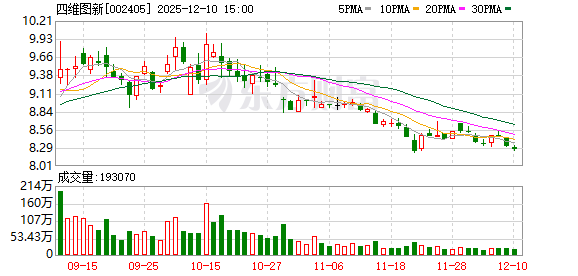
四维图新:三年之内,公司会持续聚焦汽车智能化主赛道
Zheng Quan Ri Bao· 2025-12-10 13:12
Group 1 - The company, Siwei Tuxin, aims to focus on the automotive intelligence sector over the next three years, striving to become a leading Tier 1 player in the industry [2] - The company will also provide chips, positioning, and data products to embodied intelligence enterprises, maintaining industry tracking and engagement [2]


多省市抢抓这一热门赛道!为何成为未来五年布局重点?
Zhong Guo Qi Che Bao Wang· 2025-12-09 07:19
"发展自动驾驶"、"布局飞行汽车"、"推动汽车智能化、电动化"……近日,多省市纷纷出炉"十五五"规划建议,尽管各自立足不同的实际情况, 但其中的共同点之一,是均把汽车产业作为未来五年的发展重点,作出布局。 纷纷盯上汽车行业 布局汽车产业,重视汽车消费,成为各地未来五年共同追求的目标。 有关专家表示,全球汽车产业正经历着百年未有之大变局,而汽车智能化、电动化无疑是这场变革的核心驱动力。2025年,我国新能源乘用车零售的市 场渗透率达到59.3%,较去年同期提升7个百分点。这一数据不仅彰显了我国在新能源汽车领域的蓬勃发展态势,更意味着我国在新能源汽车位居世界领 先,而各地将汽车产业尤其是新能源汽车视为未来五年实现"换道超车"的关键抓手,正是因为新能源汽车产业既是朝阳产业,也是发展新质生产力的重要着 力点。 同时,各省市"十五五"规划建议中频繁出现的"固态电池"、"车网互动(V2G)"、"自动驾驶"等前沿技术方向,无一不指向汽车电动化与智能化融合的 未来赛道。固态电池被视为下一代电动汽车电池的理想选择,具有高能量密度、高安全性和长寿命等优势,一旦实现大规模商业化应用,将彻底改变电动汽 车的性能与市场格局。车网互动( ...

新势力前高管去直播“卖菜”了
Di Yi Cai Jing Zi Xun· 2025-12-08 14:28
2025.12.08 当时的中国新能源汽车行业,虽然面临严峻的价格战挑战,新势力进入淘汰赛阶段,但另一方面,市场 空间依旧广阔,销量增速超30%,而且当时智能化正在进入"城市场景"普及前夜,这让以智能化作为核 心优势且有大厂背景的极越汽车仍算是一个"香饽饽"。 虽然进入汽车行业的很短,但徐继业闹出的"动静"不小。2024年8月,徐继业在朋友圈炮轰小米汽车和 雷军,批评小米汽车"亏钱卖车",称其行为"没有公德心和羞耻心",并暗示这种定价策略可能构成"倾 销"。这一举动很快引起车圈热议,并登上热搜。 新势力自带流量光环,徐继业的一举一动都被"放大"。徐继业向第一财经记者表示:"我当时纯粹就是 有感而发,没想到会造成这么大影响,事后夏一平(极越汽车CEO)也批评我了,但我并不后悔,重来 一次我可能还是会这样。我从来没把自己当公关,我很自由。" 在徐继业加入后不到一年,在激烈的竞争下,极越汽车在2024年底"闪崩",先是传出大规模裁员的消 息,很快资金链断裂、"原地解散"的消息也接踵而至。该新势力也发声称"正在积极推进融资",从侧面 承认了经营困难一事。此事经发酵后,员工、供应商纷纷到公司讨要说法,公司业务也彻底停摆 ...

新势力前高管去直播“卖菜”了
第一财经· 2025-12-08 13:24
Core Viewpoint - The article discusses the career transition of Xu Jiyi, who has moved from the automotive industry to becoming a rural agricultural influencer, highlighting the challenges and opportunities in both sectors [3][5]. Group 1: Xu Jiyi's Career Transition - Xu Jiyi has taken on a new role as a rural agricultural influencer after leaving his previous position at Extreme Automobile, where he served as the public relations head [3][5]. - His new venture involves creating a personal brand focused on agricultural products, aiming to integrate resources and establish a business model [3][5]. - Xu's departure from Extreme Automobile followed a period of significant challenges for the company, including layoffs and financial difficulties, leading to its operational halt [5][6]. Group 2: Insights on the Automotive Industry - The automotive industry is described as highly competitive, with intense price wars and a significant number of new entrants facing elimination [4][5]. - Despite the challenges, the market for electric vehicles remains expansive, with sales growth exceeding 30%, and the industry is undergoing a transformation driven by smart technology [3][5]. - Xu Jiyi's outspoken criticism of competitors, such as Xiaomi Auto, reflects the high stakes and public scrutiny within the automotive sector [4][5]. Group 3: Reflections on Agricultural Sector - Xu Jiyi expresses that selling agricultural products is more challenging than selling cars, emphasizing the complexities of the agricultural market [6]. - His current work routine includes producing short videos, conducting live streams, and visiting production sites, indicating a hands-on approach to his new role [6]. - The article highlights the personal fulfillment Xu finds in his new career, contrasting it with his previous experiences in the automotive industry [6].

数字化激光雷达近百万台订单!速腾聚创(02498)获一汽丰田知名畅销车型独家定点
智通财经网· 2025-12-08 01:55
Core Insights - RoboSense has secured a new pre-installation mass production contract with FAW Toyota for a well-known best-selling model, with a cumulative order scale of nearly 1 million units over five years [1] - This marks RoboSense's second significant collaboration with FAW Toyota, following a three-year exclusive contract for a pure electric model [1] - RoboSense is the first Chinese technology company to enter Toyota's lidar supply chain, having previously supported the launch of FAW Toyota's bZ5 and bZ3 models [1] Company Developments - The new model contract highlights Toyota's high recognition and continued trust in RoboSense's technological strength and product reliability [1] - RoboSense aims to deepen its collaboration with FAW Toyota, leveraging its digital lidar technology to promote the global application of high-quality smart new energy vehicles [1] - The company has also secured contracts with international automakers such as Audi, Volkswagen, and North American new energy companies, with total orders exceeding 1 million units [1] Industry Impact - RoboSense's leading digital technology is driving the intelligent upgrade of new energy vehicles for global automakers [1]
同质化泛滥,车企如何构建差异化?
汽车商业评论· 2025-12-07 23:06
Core Viewpoint - The automotive industry is facing challenges in differentiation amidst increasing homogenization of technology, necessitating a return to understanding genuine user needs to create unique brand identities and maintain premium experiences [9][10][14]. Group 1: User Segmentation and Needs - Users can be categorized into three income tiers: the wealthy, the middle class, and the citizen class, each with distinct needs and purchasing behaviors [15][17]. - Wealthy individuals seek extreme experiences and novel features to stimulate their purchasing desires, while the middle class requires innovative offerings to shift their perceptions and increase purchase frequency [24][27]. - The citizen class prioritizes affordability and low operating costs, with a significant portion of this group sharing vehicles and holding onto them for extended periods [27][28]. Group 2: Market Dynamics and Consumer Behavior - Approximately 40% of the population lacks the financial capacity to purchase a vehicle, indicating a significant market limitation [17]. - The average age of car buyers in the market is around 35 years, contrasting with older demographics in developed countries, which affects purchasing patterns and market dynamics [23]. - The purchasing frequency varies significantly across income tiers, with wealthy individuals purchasing a vehicle approximately every five years, while the citizen class sees a much lower frequency [24][27]. Group 3: Product Development and Differentiation Strategies - The automotive industry must focus on creating products that align with the specific needs of different user segments, emphasizing core values and unique experiences [28][29]. - Companies should consider both additive strategies, incorporating new technologies into vehicles, and deepening the understanding of specific user scenarios to enhance product relevance [28][30]. - The evolution of the vehicle's role from a transportation tool to a mobile living space is crucial, with future developments potentially leading to fully autonomous vehicles that redefine user interactions and experiences [34][36].
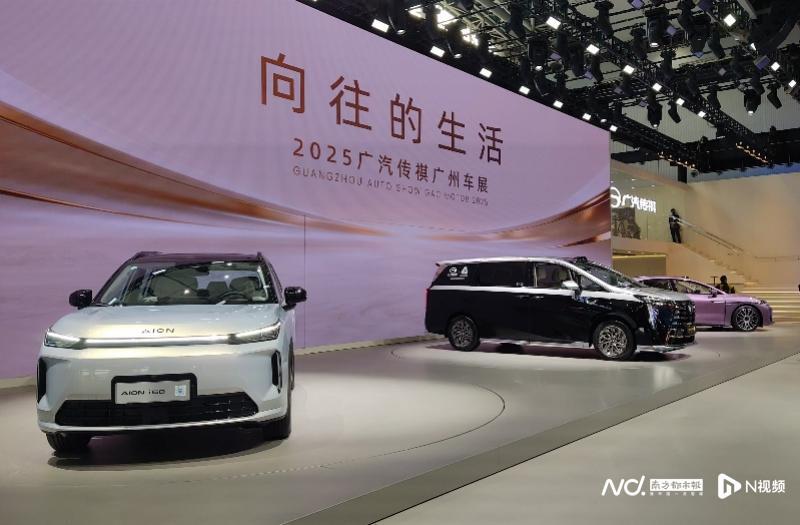
广汽集团11月销量近18万辆,环比增长5.2%
Nan Fang Du Shi Bao· 2025-12-07 08:20
Core Viewpoint - GAC Group has shown significant growth in both domestic and international markets, with a focus on smart and high-end vehicle development, alongside a newly appointed management team to drive its internationalization strategy [1][3][4]. Group 1: Sales Performance - In November, GAC Group's vehicle sales reached 179,700 units, representing a month-on-month increase of 5.2% [1]. - From January to November, GAC's self-owned brand overseas sales increased by 39% year-on-year [7]. - GAC Toyota's electric model, the Platinum Smart 3X, achieved a monthly sales figure of 10,010 units, marking two consecutive months of sales exceeding 10,000 units [5]. Group 2: Management and Strategy - GAC Group has appointed a new management team led by General Manager He Xianqing, responsible for key areas such as product management, R&D, manufacturing, marketing, internationalization, and strategic development [3]. - Chen Jiacai, an external talent with extensive experience in overseas business, will oversee GAC's international operations, contributing to the "ONE GAC 2.0" strategy [3]. Group 3: Product Development and Innovation - GAC continues to enhance its smart and high-end vehicle offerings, with significant sales increases in key models [4]. - GAC's Aion brand has launched its first dual-power model, the Aion i60, which received over 10,000 orders within two weeks of its release [4]. - GAC's Haobo brand has made strides in smart technology, obtaining an L3-level autonomous driving testing license, becoming the first company in China to receive such approval for speeds up to 120 km/h [4]. Group 4: Market Expansion - GAC has entered the Australian and Argentine markets in November and is advancing localization efforts in Europe, partnering with Magna for production in Austria [7]. - The AION V has commenced production at Magna's Graz facility, with plans to expand cooperation into more European markets [7].

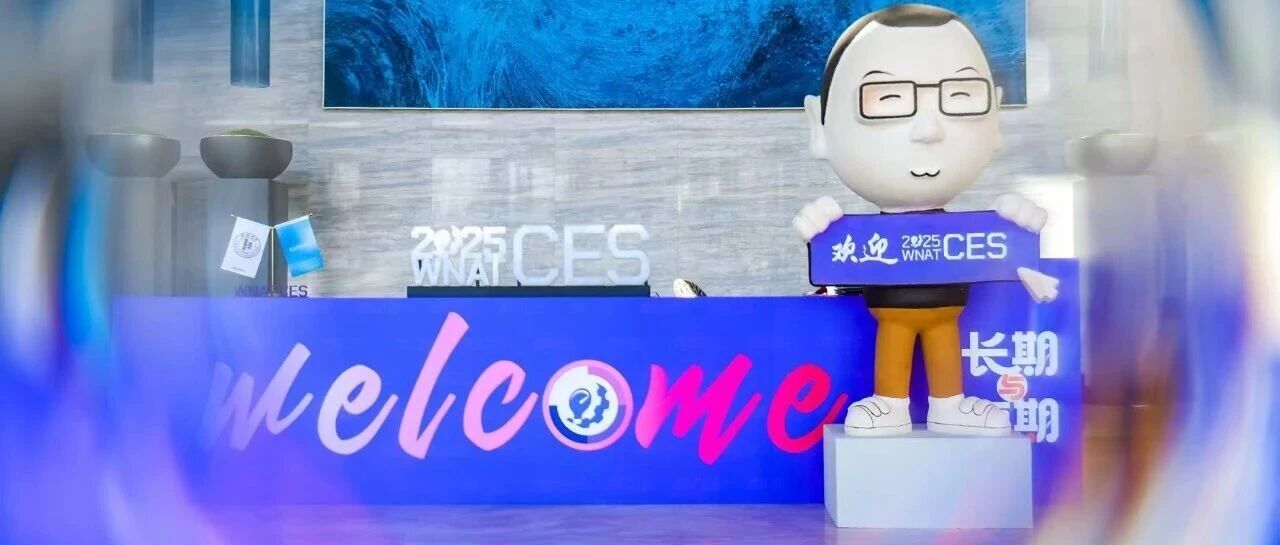
搭建主零桥梁,中国新汽车CES第二天
汽车商业评论· 2025-12-06 23:07
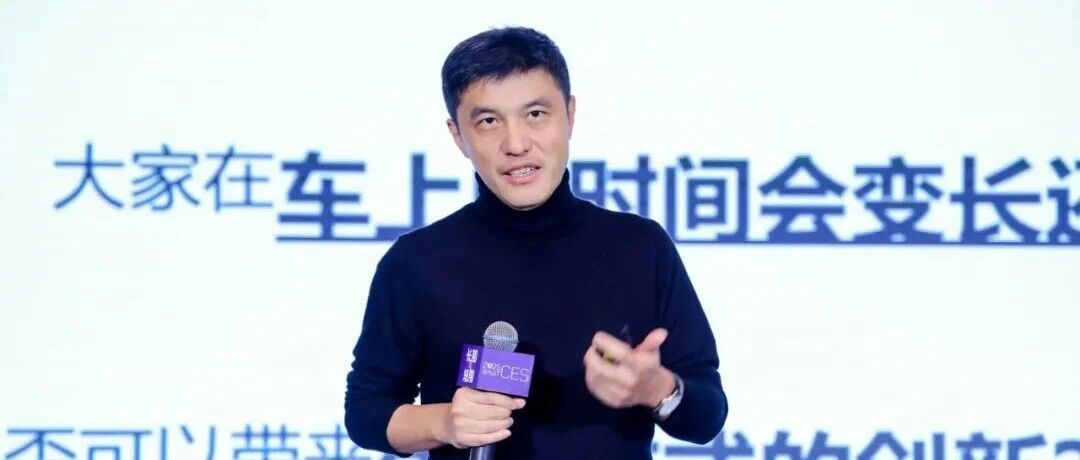
Core Viewpoint - The automotive industry is experiencing a significant transformation driven by competition among different technology routes, including pure electric, plug-in hybrid, and range-extended vehicles. This has led to a shift in the relationship between manufacturers and suppliers, emphasizing collaboration and shared growth in the face of survival anxiety [5][7][14]. Group 1: Industry Dynamics - The competition in the automotive sector is intensifying, with the landscape for electrification still uncertain while the race for intelligence in vehicles is accelerating [5]. - Suppliers are now taking on a more prominent role in defining technologies, particularly in key areas such as the three electric systems, intelligent driving, and vehicle chips, marking a structural shift in their industry position [7]. - The relationship between manufacturers and suppliers is evolving from a linear model to a collaborative partnership, especially as Chinese automotive companies expand globally [7][9]. Group 2: Challenges and Opportunities - Despite an increase in orders for many component manufacturers, profit margins are shrinking, leading to a paradox where value creation is becoming more challenging [7]. - The automotive industry is entering a critical phase of scale development, with projections indicating that by 2025, the penetration rate of new energy vehicles in China will exceed 50% [28]. - The industry faces regulatory challenges, such as the EU battery regulations that trace carbon footprints back to mineral sourcing, necessitating a transformation in supply chain structures [23][24]. Group 3: Technological Innovations - The focus on quality is paramount, as it is seen as the foundation for long-term cooperation and high-quality development within the industry [18]. - Innovations in thermal management systems are becoming increasingly important, with energy consumption in electric vehicles attributed to these systems ranging from 15% to 20% [28]. - The integration of new refrigerants and thermal management technologies is essential for improving vehicle performance and reducing costs [36][40]. Group 4: Strategic Collaborations - Companies are encouraged to shift from a transactional relationship to a co-creative partnership, enhancing their collaborative capabilities to develop core technologies together [26]. - The automotive sector is witnessing a trend towards creating shared, open, and win-win ecosystems, moving away from short-term transactional dynamics [24]. - The emphasis on long-term strategic collaboration is crucial for navigating the competitive landscape and ensuring sustainable growth [24][26].
研判2025!全球及中国汽车照明系统行业发展历程、发展背景、市场规模、重点企业及未来展望:汽车产业稳健发展,为照明系统市场注入强劲动力[图]
Chan Ye Xin Xi Wang· 2025-12-06 02:40
Core Insights - The automotive lighting system is undergoing a significant transformation from traditional functional lighting to intelligent scene definition, becoming a core component affecting driving safety and interaction experience [1][10] - China has developed into a significant player in the global automotive lighting sector due to its robust industrial chain, continuous technological innovation, and strong policy support [1][10] - The market size of China's automotive lighting system is projected to grow from 55.86 billion yuan in 2020 to 80.9 billion yuan in 2024, with a compound annual growth rate (CAGR) of 9.7% [1][11] Industry Overview - The automotive lighting system is designed to ensure driving safety and consists of external lighting, internal lighting, and light signal systems [3] - External lighting includes headlights, fog lights, and turn signals, while internal lighting provides convenience for passengers [3] Industry Development History - The evolution of automotive lighting systems has gone through four stages: from fuel-based lighting to incandescent bulbs, then to gas discharge lamps (HID), and finally to semiconductor light-emitting diodes (LED) [4][3] Industry Background - The automotive industry is a crucial pillar of the national economy, with China's automotive production expected to grow from 24.5 million units in 2015 to 31.28 million units in 2024, reflecting a CAGR of 27.5% [4][5] - The continuous expansion of automotive production and sales provides a solid foundation for the growth of the automotive lighting system market in China [4] Industry Value Chain - The automotive lighting system industry chain includes upstream raw materials and core components, midstream manufacturing and integration, and downstream markets for new vehicle matching and aftermarket modifications [5][6] Current Industry Status - The global automotive lighting system market is steadily growing, with its value expected to increase from $30.2 billion in 2020 to $35.9 billion in 2024, reflecting a CAGR of 4.44% [8][9] Industry Trends - Lighting technology is evolving towards higher precision and integration, with Micro LED and laser light sources expected to be applied in high-end models [15] - The integration of lighting systems with sensors will enhance the functionality of automotive lighting, transforming it into a composite system that includes communication and environmental perception capabilities [15][16]




科博达技术股份有限公司关于2025年第三季度业绩说明会召开情况的公告
Shang Hai Zheng Quan Bao· 2025-12-05 19:23
Core Viewpoint - The company held a Q3 2025 earnings presentation on December 5, 2025, to address investor inquiries regarding its performance and strategic developments [1][2]. Group 1: Company Globalization and Client Structure - The company is advancing its global layout and localization strategy, having established a factory in Japan in 2023 and made significant progress on a Czech facility, which is now in trial production [3]. - In the first three quarters of 2025, the top five end customers contributed 61.30% of the company's revenue, with notable growth from NIO [4]. - The commercial vehicle business accounted for less than 15% of total revenue in the same period [5]. Group 2: Financial Performance and Cost Management - The company's QS expenses decreased by 57% year-on-year, indicating effective cost control measures [6]. Group 3: Product Development and Market Position - The company is a leader in the global lighting control sector, with products supplied to over 30 major automotive manufacturers, including Volkswagen and BMW [7]. - The company has developed high-cost performance automotive central computing platforms and smart driving domain control products, with projected sales exceeding 20 billion yuan from ongoing projects [8]. - The Efuse products have gained traction with clients such as Zeekr, Ideal, Mercedes-Benz, and Ford, reflecting strong market acceptance [8]. Group 4: Revenue Growth and Future Outlook - USB product revenue grew by over 20% year-on-year in the first three quarters of 2025, with future performance dependent on market demand [9]. Group 5: Compliance and Corporate Governance - The independent directors confirmed the legality and compliance of the proposed convertible bond issuance, ensuring it aligns with regulatory requirements and does not harm shareholder interests [9].
