
修昔底德陷阱

Search documents
一场不容错过的对话!两个“看多中国的人”深谈稀土博弈、制度韧性与中美格局重估……
聪明投资者· 2025-11-04 07:10
Core Viewpoint - The dialogue between Wang Guohui and Ma Kaishuo at the APS 30th anniversary forum provides insights into the evolving dynamics of the US-China relationship, particularly in the context of the "Thucydides Trap" and the potential for investment opportunities in China despite geopolitical tensions [2][3][4]. Group 1: Investment Perspective - Wang Guohui highlights that the US's multi-dimensional containment strategy against China is showing signs of fatigue, while China's structural advantages in areas like rare earths and supply chain capabilities are being revalued by the market [3][4]. - APS has shifted its investment strategy to focus entirely on China, believing that market concerns were already priced in, leading to a favorable investment environment [11][12]. - The Chinese stock market has experienced a bull market for 13 consecutive months, and the bond market has rebounded for 24 months, indicating resilience in the face of external pressures [17]. Group 2: Geopolitical Dynamics - The dialogue addresses the critical moment in US-China competition, with both parties acknowledging the need to not underestimate the US's capabilities and the importance of China's institutional stability and technological accumulation [4][19]. - The US has engaged in systematic competition with China across five fronts: trade, technology, finance, public opinion, and geopolitical influence, but signs suggest that these strategies may be failing [16][19]. - The discussion emphasizes the significance of rare earths in the geopolitical landscape, with China controlling 90% of global rare earth processing, which is crucial for military and high-tech sectors [18][25]. Group 3: Future Outlook - Both Wang and Ma express optimism about China's long-term growth potential, with Ma suggesting that China's economic rise could continue for at least another century, driven by its historical resilience and civilizational strength [54][58]. - The conversation anticipates that the US will continue to view China's rise as a threat, leading to ongoing competition, but also hints at the possibility of cooperation in certain areas [33][49]. - The dialogue concludes with reflections on the need for stability and predictability in China, as well as the recognition that the US will need to engage with the global community, including China, to address shared challenges [32][40].


周其仁:大变局下的未来机会
和讯· 2025-10-10 09:35
Core Viewpoint - The article discusses the significant changes in the global competitive landscape, particularly focusing on the decline of the United States and its implications for China and the world [2][10]. Historical Context - The establishment of Sino-American relations began in 1978 with agreements on student exchanges and trade, leading to China's entry into the World Trade Organization in 2000 [3]. - The 1990s marked the peak of U.S. dominance post-Cold War, but subsequent years have seen a decline in its global influence [5][9]. Economic Challenges - The article highlights the issue of "Rust Belt" in the U.S., where traditional industries have faced decline, contrasting with countries like Switzerland that have maintained economic stability despite high wages [6][7]. - The U.S. economy is burdened by a significant trade deficit of $1.2 trillion and a national debt of $36 trillion, raising concerns about its sustainability [9]. Global Dynamics - The article references the "Thucydides Trap," suggesting that as China rises, the potential for conflict with the U.S. increases, although there are examples of countries avoiding such outcomes [10][11]. - The shift in global power dynamics indicates that the U.S. can no longer maintain its previous level of global engagement without addressing domestic issues [12][14]. Future Outlook - The article posits that regardless of the direction the world takes, economic considerations will remain central, with historical examples showing that crises can lead to new economic opportunities [15][16].

黄金大涨与普通人没有太大的关系 :不要过分解读
Sou Hu Cai Jing· 2025-10-09 03:28
Group 1 - The core viewpoint is that the price of gold has increased significantly, with a nearly 45% rise since 2025, driven by various factors including central bank purchases and inflation expectations [2][6] - The trend of global currency depreciation is seen as inevitable, with experts advocating for the issuance of long-term special government bonds to manage debt [4][6] - Geopolitical instability, particularly the tensions between the US and China, is contributing to increased demand for gold as a safe-haven asset [6] Group 2 - Ordinary individuals are generally not purchasing gold for investment due to the volatility and the speculative nature of short-term trading, which is more suited for wealthier investors [9] - The long-term outlook for gold remains positive, as depreciation of currency is expected to drive its value higher over time [6][9]
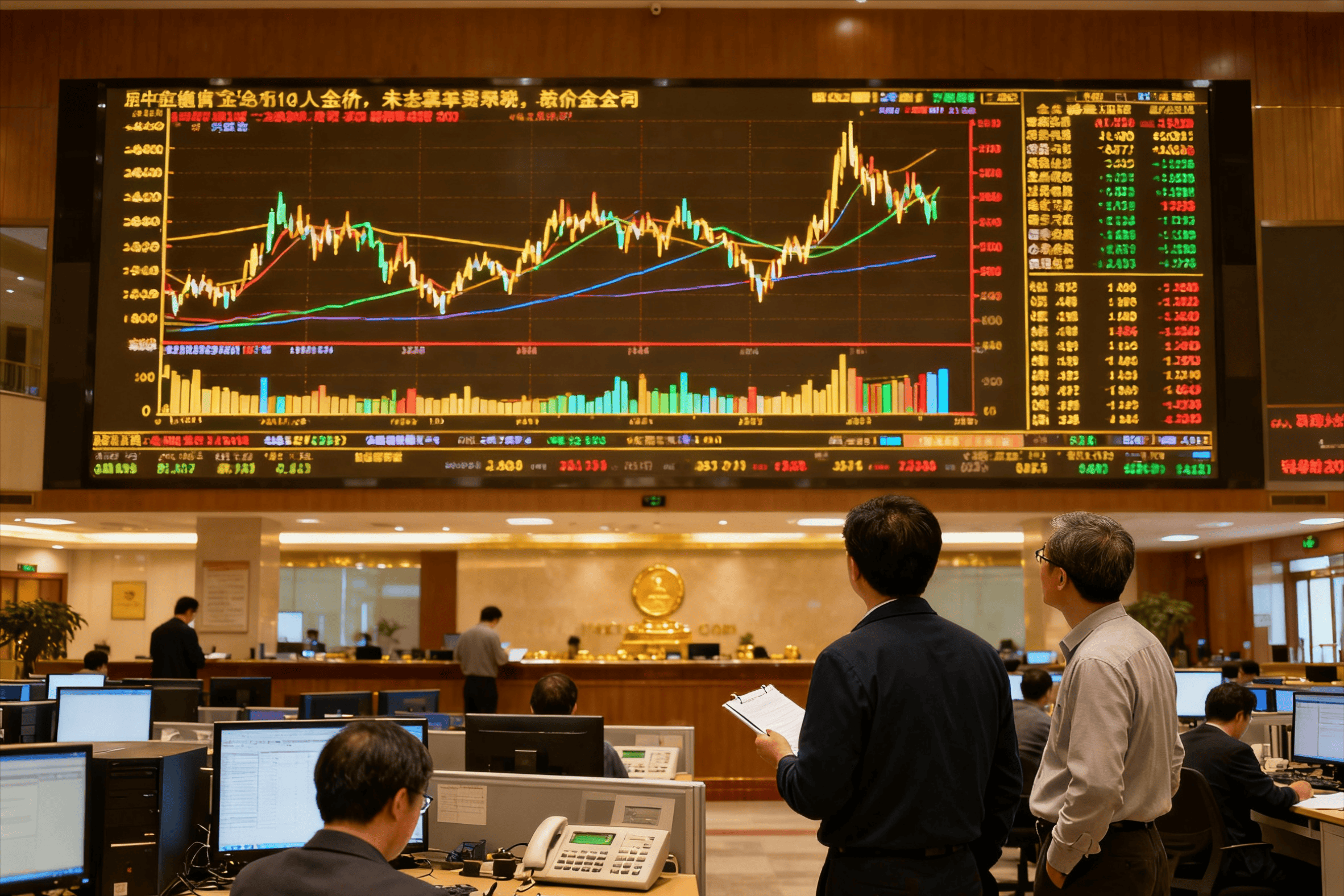
29年来首次!黄金或超美债,全球央行储备格局巨变
21世纪经济报道· 2025-09-11 10:52
Core Viewpoint - The global central bank reserve structure is undergoing a significant transformation, with gold surpassing U.S. Treasury bonds for the first time since 1996, marking gold's ascendance as a primary reserve asset [1][2]. Group 1: Central Bank Gold Reserves - China's central bank has increased its gold reserves for ten consecutive months, reaching 7.402 million ounces (approximately 2302.28 tons) by the end of August, with a month-on-month increase of 6,000 ounces (about 1.86 tons) [1]. - As of the end of August, China's gold reserve value rose by $9.858 billion to $253.843 billion, with gold reserves accounting for 7.64% of total foreign exchange reserves, a historical high [1]. - A survey by the World Gold Council indicates that over 95% of central banks expect to continue increasing gold reserves in the next 12 months, the highest percentage since the survey began in 2019, up 17 percentage points from the previous year [2]. Group 2: Factors Influencing Central Bank Behavior - Three main factors are reshaping central bank asset allocation: the deepening cracks in the dollar-centric international monetary system, high U.S. debt levels undermining dollar credibility, and the restructuring of global order prompting central banks to accumulate gold to mitigate political risks [2][3]. - The freezing of Russian reserve assets has accelerated gold accumulation among central banks, with Russia leading this trend [3]. - The U.S. federal government debt is projected to reach 124.3% of GDP by the end of 2024, leading to a decline in the ability to service debt, prompting other countries to reduce dollar assets in favor of gold [3]. Group 3: Structural Changes in Reserve Strategies - A structural shift in central bank gold reserve strategies is evident, with 59% of central banks opting to store gold domestically, an increase of 18 percentage points from 2024 [4]. - 73% of central banks anticipate a decline in the share of U.S. dollar reserves over the next five years, while the shares of the euro, renminbi, and gold are expected to rise [4].

29年来首次!黄金或超美债 全球央行储备格局巨变
2 1 Shi Ji Jing Ji Bao Dao· 2025-09-11 10:43
Core Insights - The global central bank reserve landscape is undergoing a significant transformation, with gold surpassing U.S. Treasury bonds for the first time since 1996 in terms of reserve composition, marking a milestone for gold as a reserve asset [1] - China's central bank has increased its gold reserves for ten consecutive months, reaching 7.402 million ounces (approximately 2302.28 tons) by the end of August, with a reserve value increase of $9.858 billion to $253.843 billion, representing a historical high of 7.64% of total foreign reserves [1][2] - A recent survey by the World Gold Council indicates that 95% of central banks expect to continue increasing their gold reserves in the next 12 months, the highest level since the survey began in 2019, with 43% planning to add to their gold holdings despite rising gold prices [2] Group 1: Factors Influencing Central Bank Gold Purchases - The deepening cracks in the U.S.-centric international monetary system, highlighted by the freezing of Russian reserve assets, have prompted central banks to accelerate gold accumulation as a direct response [3] - The high level of U.S. government debt, projected to reach 124.3% of GDP by the end of 2024, undermines the credibility of the dollar, leading other countries to reduce dollar assets in favor of gold as a safer, inflation-resistant alternative [3] - The restructuring of the global order and increased political risks have led central banks, especially in emerging markets, to prefer gold over dollar assets to hedge against potential structural risks in the dollar system [4] Group 2: Changes in Central Bank Reserve Strategies - A structural shift in central bank gold reserve strategies is evident, with 59% of central banks opting to store gold domestically, an increase of 18 percentage points from 2024 [4] - 73% of central banks anticipate a decline in the share of dollar reserves over the next five years, while the shares of the euro, renminbi, and gold are expected to rise [4]
英国专家严厉警告:中美若开战,极具毁灭性,战场不在国内!
Sou Hu Cai Jing· 2025-08-23 14:28
Group 1 - The article discusses the escalating tensions between China and the United States, highlighting the potential for conflict to extend beyond traditional battlefields into cyberspace and outer space [1][16] - The historical context of Sino-American relations is outlined, noting significant events such as Nixon's visit in 1972 and China's accession to the WTO in 2001, which marked a shift towards economic interdependence [3][5] - The trade war initiated by the Trump administration in 2018, involving tariffs on $550 billion worth of Chinese goods, is identified as a key trigger for current tensions [7] Group 2 - China's Belt and Road Initiative is mentioned as a strategy to expand its market presence, with trade agreements signed with over 150 countries and trade volume exceeding $2 trillion by 2024 [9] - The military dynamics in the South China Sea are highlighted, with the U.S. Navy conducting over 120 freedom of navigation operations in 2024, while China enhances its military presence in the region [10][12] - The article notes the significant military sales from the U.S. to Taiwan, including an $8 billion arms deal in 2025, and China's corresponding military exercises in the Taiwan Strait [12][27] Group 3 - Cyber warfare is emphasized as a primary threat, with incidents such as the 2021 Colonial Pipeline attack and accusations of Chinese hacking resulting in significant economic losses [18][19] - The potential for a catastrophic impact on global financial systems due to cyber attacks is discussed, with simulations indicating losses of up to $2.5 trillion from a single incident [21] - The militarization of space is addressed, with both nations developing capabilities to target each other's satellites, raising concerns about the implications for global navigation and communication systems [23] Group 4 - The article warns that the South China Sea could be a flashpoint for conflict, with U.S. naval operations leading to close encounters with Chinese forces, increasing the risk of miscalculation [25] - Cultural and ideological differences are cited as exacerbating tensions, with U.S. narratives framing China's rise as a threat to global order [29][30] - The potential global economic repercussions of a conflict are outlined, estimating that a disruption in the South China Sea could lead to over $1 trillion in trade losses [32] Group 5 - The article suggests that diplomatic efforts are crucial to avoid war, highlighting recent high-level talks between U.S. and Chinese officials aimed at addressing trade disputes [34] - China's defense policy is characterized as defensive, focusing on economic stability and regional cooperation, with significant investments in renewable energy [36] - International collaboration is emphasized, with initiatives like the Digital Silk Road and discussions on space demilitarization reflecting a desire for constructive engagement [38][40]
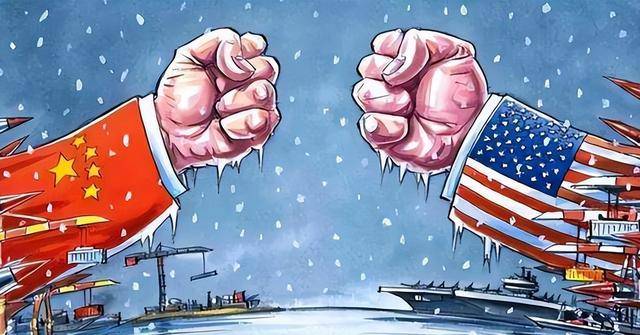
刘建超:所谓“以实力促和平”是霸权思维的新化身
Zhong Guo Xin Wen Wang· 2025-07-04 01:10
Group 1 - The core viewpoint of the article emphasizes that the U.S. notion of "promoting peace through strength" is a manifestation of hegemonic thinking, aiming for military action rather than dialogue [1] - Liu Jianchao highlights that under such a mindset, the "Thucydides Trap" becomes an inevitable fate for great powers, with smaller nations often forced to choose sides and become victims of great power rivalries [1] - The article discusses the fundamental changes in the nature of warfare today, warning that an obsession with zero-sum games and absolute security, including the use of AI in warfare, could lead to catastrophic consequences for humanity [1] Group 2 - Liu Jianchao asserts that the peace and stability in Asia over the past 80 years is attributed to the region's countries having their own values and methods for problem-solving, emphasizing a preference for dialogue and negotiation over military solutions [2] - The article notes that military solutions are seen as temporary fixes, while negotiated solutions are viewed as long-term resolutions [2]
事关中美,一场12次被掌声打断的对话
凤凰网财经· 2025-07-02 13:50
Group 1 - The forum aimed to provide a high-end platform for Chinese companies to tackle challenges in going global amidst deep restructuring of global supply chains [1] - The discussion highlighted the importance of understanding the dynamics of US-China relations and the implications for Chinese enterprises seeking to expand internationally [1][2] Group 2 - The concept of the Thucydides Trap was debated, with experts arguing that a direct conflict between China and the US is unlikely due to the catastrophic consequences of war [2] - The US is perceived to be haunted by two nightmares: the fear of China surpassing it and the fear that a powerful China would seek global dominance, which experts argue is unfounded [3] Group 3 - Chinese companies are encouraged to champion free trade as a means to secure their international presence, contrasting with the US's recent shift away from free trade principles [3][4] - The trade volume between China and the US has significantly increased over the past two decades, indicating a complex interdependence that is difficult to alter [4] Group 4 - The ongoing tariff war initiated by the US is viewed as ultimately self-defeating, as tariffs are primarily borne by American consumers rather than foreign entities [4] - Chinese companies are urged to capitalize on the current situation, as losing the trade war could jeopardize decades of economic progress [4] Group 5 - Chinese enterprises are advised to adopt a more strategic approach to international expansion, learning from successful foreign companies operating in China [5] - Successful international ventures require understanding local markets and consumer preferences, as demonstrated by the examples of Chinese food brands adapting to foreign tastes [5] Group 6 - The overarching message is for China to focus on internal development and stability while contributing positively to global trade and economic cooperation [6] - Emphasizing the importance of maintaining a strong domestic foundation, the experts advocate for a steady and cautious approach to international engagement [6]

关税大棒逼中国10天内让步,王毅淡然四字回应,全球稀土格局要变
Sou Hu Cai Jing· 2025-07-02 09:34
Core Points - The article discusses the escalating tensions between the U.S. and China regarding rare earth elements, with a critical deadline approaching on July 8, which marks the end of a tariff suspension period [3][6] - The U.S. is particularly anxious due to its heavy reliance on China for rare earth supplies, with 80% of its needs being imported from China [7][9] - China's response, articulated by Wang Yi, emphasizes a cooperative yet principled approach, encapsulated in the phrase "和而不同" (harmony without uniformity), indicating a willingness to dialogue without yielding to threats [13][15][18] U.S. Concerns - The U.S. Department of Defense has issued a report indicating that the rare earth shortage warning index has reached its highest level in a decade, highlighting both economic and national security risks [10][11] - Major defense contractors have warned the Pentagon that delays in rare earth supplies could impact critical military projects [9] China's Strategy - China's approach to the U.S. ultimatum involves a structured management of rare earth exports, asserting that all applications will be approved according to legal standards, thereby maintaining control over the export process [34][35] - This strategy aligns with WTO rules and allows China to manage exports flexibly while countering U.S. pressure [35][39] Global Reactions - The situation has caused global concern, with rare earth prices spiking by 12% within 24 hours and trading volumes at the London Metal Exchange reaching a three-year high [24] - European and Japanese markets are particularly sensitive to the potential disruption of rare earth supplies, with both regions expressing urgency for dialogue to resolve the conflict [26][28] - The United Nations Conference on Trade and Development has warned that a significant disruption in global rare earth supplies could lead to losses exceeding $2.8 trillion in the high-tech sector [30] Implications for Future Relations - The article suggests that the ongoing tensions are not merely about rare earths but also about redefining global resource governance, with China positioning itself as a key player in establishing new rules [37][39] - The concept of "和而不同" reflects a desire for a cooperative framework that acknowledges differences while seeking common interests, indicating a potential shift in how global relations may evolve [39][41]
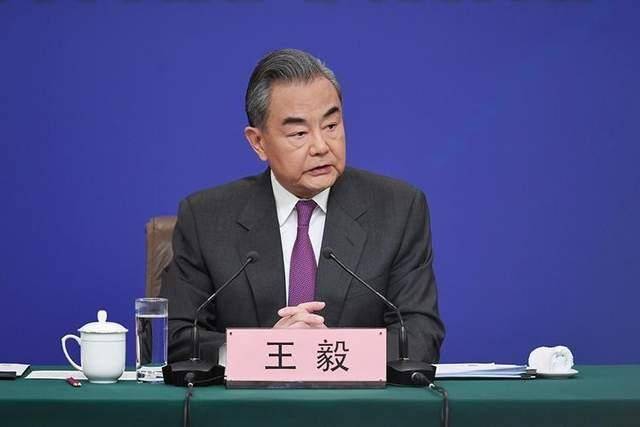
事发深圳,一场12次被掌声打断的对话
Feng Huang Wang Cai Jing· 2025-07-02 07:14
Core Viewpoint - The "2025 China Enterprises Going Global Summit" aims to provide a high-end platform for Chinese companies to address challenges in globalization and explore win-win transformation paths amidst global industrial chain restructuring [1]. Group 1: U.S.-China Relations - The discussion highlighted skepticism about the inevitability of conflict between the U.S. and China, with experts arguing that both nations prefer peace due to the catastrophic consequences of war [3][4]. - Concerns were raised about the U.S. perceiving China as a threat to its global dominance, with experts asserting that China's rise does not equate to a desire for hegemony [5][6]. Group 2: Trade and Globalization - Experts emphasized the importance of free trade for Chinese enterprises going global, suggesting that China should champion globalization as the U.S. retreats from its previous stance [5][6]. - The trade volume between the U.S. and China has significantly increased over the past two decades, indicating a complex interdependence that challenges simplistic narratives about trade conflicts [6]. Group 3: Challenges for Chinese Enterprises - Chinese companies are encouraged to adopt strategies similar to successful German firms in China, focusing on localization and collaboration with local partners to better understand market demands [7][8]. - The need for thorough market research and understanding of local consumer preferences was highlighted, with examples of successful Chinese brands adapting their offerings for foreign markets [7]. Group 4: China's Global Contribution - The discussion concluded with the assertion that China's greatest contribution to the world is to manage its own affairs effectively, thereby fulfilling its international responsibilities without seeking to lead others [8].
