人工智能

Search documents
未知机构:财联社3月29日电海南自由贸易港民营企业座谈会在海口召开-20260330
未知机构· 2026-03-30 01:40
Summary of the Conference Call Industry Overview - The conference focused on the Hainan Free Trade Port and its development, particularly in the context of artificial intelligence (AI) applications [1] Key Points and Arguments - The provincial departments provided updates on the progress of the Hainan Free Trade Port construction and discussed relevant AI development [1] - The financial and tax policies of the Hainan Free Trade Port were explained, highlighting the supportive regulatory environment for businesses [1] - The first batch of AI application scenarios in Hainan was announced, indicating a commitment to integrating AI into various sectors [1] - Representatives from 15 private enterprises, including SF Express, Dongchao Technology, BGI, and SenseTime, participated in discussions aimed at enhancing the application of AI technologies [1] - The focus was on strengthening scenario-driven approaches, deepening ecological collaboration, and accelerating the implementation of AI technologies to improve industry quality and efficiency [1] Additional Important Content - The conference emphasized the importance of collaboration among private enterprises to leverage AI for industrial enhancement [1] - The discussions underscored the role of AI in driving innovation and efficiency within the Hainan Free Trade Port [1]
华沿机器人上市:国科投资15个月收获一个明星IPO
投中网· 2026-03-30 01:32
Core Viewpoint - The article highlights the successful IPO of Huayan Robotics, emphasizing the significant investment returns for Guoke Investment and the potential of the collaborative robotics sector in China [3][4][10]. Investment Highlights - Guoke Investment's exclusive investment of 100 million yuan in Huayan Robotics led to a return exceeding three times the initial investment within 15 months, following the company's IPO with a market valuation of 9 billion HKD [4][10]. - The investment was strategically timed, as Guoke Investment anticipated explosive growth in the collaborative robotics market [10]. Company Background - Huayan Robotics was founded in 2017 by experienced professionals from Dazhu Laser, focusing on high-precision collaborative robots and core motion components [7]. - The company has established itself as a leading player in the collaborative robotics field, recognized for its innovative products and strong technical foundation [10][11]. Market Position - According to Frost & Sullivan, Huayan Robotics is the second-largest collaborative robotics company in China and among the top five globally [10]. - The company's products are widely used across various industries, including electronics, automotive, healthcare, and logistics, with sales in over 50 countries [11]. Investment Strategy - Guoke Investment has a long history of supporting technology commercialization, having invested in over 150 tech companies and focusing on sectors like smart manufacturing, new energy, and AI [19][20]. - The firm aims to capitalize on emerging trends in technology, particularly in AI and embodied intelligence, with a goal of achieving significant returns on investment [18][24]. Future Outlook - Guoke Investment's chairman, Sun Hua, believes that China will become a global technology powerhouse in the next decade, with a focus on sectors like tokenization, innovative pharmaceuticals, and humanoid robots [21][22]. - The firm is preparing for a new wave of technological revolution, aiming to invest heavily in AI and embodied intelligence, with plans to allocate over 50% of its investment portfolio to these areas [25][26].


台积电2nm,售罄
半导体行业观察· 2026-03-30 01:07
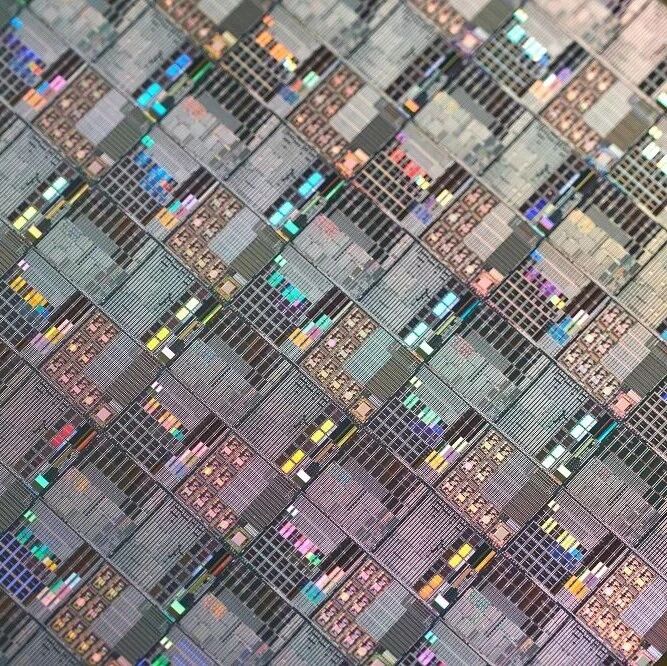
Core Viewpoint - TSMC's 2nm process capacity is fully booked until 2028 due to high demand from major tech companies, creating opportunities for Samsung Electronics as an alternative foundry option [1][2]. Group 1: TSMC's Dominance and Capacity Constraints - TSMC holds a 72% market share in the global wafer foundry market, while Samsung has only 7% [2]. - TSMC's 2nm process is in high demand from companies like Nvidia, AMD, Qualcomm, and Apple, leading to a complete reservation of its capacity [1][2]. - TSMC's Arizona Fab 4, focused on 2nm and below processes, is not yet operational but has all its capacity booked [1]. Group 2: Samsung's Opportunities - Samsung is positioned as a viable alternative for large tech companies due to its advanced 2nm process technology [2]. - Recent orders from Tesla and Nvidia may help Samsung's foundry division turn profitable this year [2]. - Samsung must demonstrate stable yield rates to gain customer trust and compete effectively against TSMC [2]. Group 3: Market Dynamics and Pricing - TSMC's 3nm process generated approximately $25 billion in revenue last year, doubling from the previous year [3]. - The competition for advanced process nodes is intensifying, with customers willing to pay a premium for stable supply [3]. - TSMC's pricing power is reflected in its gross margin of 62.3% in Q4 2025, nearing software company levels [7]. Group 4: Shifts in Client Relationships - Apple, previously TSMC's top client, is losing its preferential treatment due to increased demand from AI clients like Nvidia [5][6]. - Nvidia's revenue growth rate for FY2026 is projected at 62%, compared to Apple's 3.6% [5]. - TSMC's capacity allocation is now more competitive, resembling an auction where AI clients are prioritized [7]. Group 5: Strategic Shifts by Apple - Apple is shifting its strategy by partnering with Intel for manufacturing to reduce reliance on TSMC [7]. - The competition between Apple and Nvidia is extending into advanced packaging technologies, indicating a strategic focus on "packaging supremacy" in the semiconductor industry [7].


存储不再是周期性产业
半导体行业观察· 2026-03-30 01:07
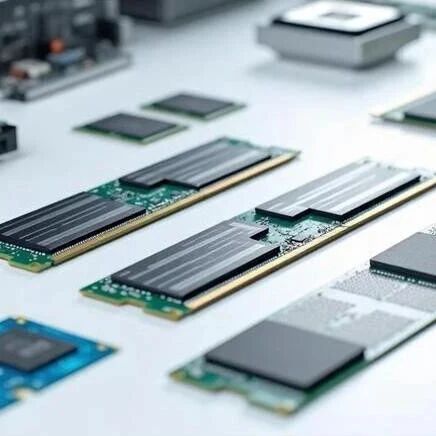
Core Viewpoint - The memory industry is not in a "super cycle" but is undergoing a structural transformation that allows for sustained higher value rather than cyclical fluctuations [3][7]. Group 1: Market Dynamics - The traditional memory industry followed a predictable cyclical pattern where slight oversupply led to price crashes, followed by reduced investment and eventual recovery [5]. - Major players in the memory market have shifted focus from aggressive capacity expansion to profitability, capital efficiency, and customer structure due to past experiences with oversupply and price drops [5][6]. - The demand for High Bandwidth Memory (HBM) is complex and requires strategic supply management, making long-term contracts essential for stability rather than just sales tools [6][7]. Group 2: HBM Market Requirements - To purchase HBM from SK Hynix, companies must meet three criteria: access to TSMC's advanced packaging capacity, the ability to operate large-scale data centers, and sufficient funding [9][11]. - The actual buyer pool for HBM has narrowed to large-scale data centers and companies like NVIDIA, Microsoft, Google, Amazon, and Meta, which can meet the necessary infrastructure and financial requirements [11][12]. Group 3: Structural Changes in the Industry - The memory industry is transitioning from a commodity-focused business to a solution-oriented business, with a greater emphasis on custom design and collaboration with clients [13][15]. - The construction of large data centers requires a comprehensive approach involving not just DRAM but also GPUs, HBM, packaging, networking, SSDs, and power infrastructure, fundamentally changing the supply chain dynamics [16][20]. - The demand for memory driven by AI data centers is no longer cyclical but is tied to long-term infrastructure investments by major companies, altering the nature of price fluctuations in the memory market [19][20].

国信证券晨会纪要-20260330
Guoxin Securities· 2026-03-30 01:00
Key Insights - The report emphasizes the ongoing bull market that began in September 2024, suggesting that recent market adjustments are typical fluctuations within a bull cycle, with a positive outlook for the future [8][9][10] - The report highlights the impact of high oil prices on various sectors, indicating that upstream industries like oil extraction and coal are benefiting, while downstream manufacturing may face profit pressures due to rising costs [15][16] - The report discusses the growth of fixed income funds, particularly the "fixed income plus" funds, which are expected to see significant growth in assets under management, driven by market conditions and investor behavior [18][19] Macro and Strategy - The report outlines the nature of market volatility, comparing it to thunderstorms within a bull market, and suggests that the current market environment remains optimistic despite recent fluctuations [8][10] - It identifies key signals to watch for market recovery, including geopolitical stability, domestic policy support, and advancements in AI applications [11] Industry and Company Analysis - The report provides insights into various companies, such as China Pacific Insurance and CITIC Securities, noting their strong performance and growth potential in the current market environment [6] - It highlights the performance of the REITs market, indicating a weak trend but noting significant developments such as the first insurance asset management participation in commercial real estate REITs [21][22] - The report discusses the performance of the bond market, particularly the long-term bonds, which are expected to stabilize despite geopolitical tensions affecting oil prices [24][25]
新书爆料:扎克伯格沉迷VR,错过了收购DeepMind,被谷歌抢下“AI最大交易”
硬AI· 2026-03-30 00:58
Core Insights - The article discusses the strategic acquisition of DeepMind by Google in 2014, highlighting the competitive dynamics between Google and Facebook during the negotiation process [2][3] - The acquisition is framed as a pivotal moment in the AI landscape, establishing Google's leadership in the field [3] Group 1: Strategic Conversations - In June 2013, Google CEO Larry Page met with DeepMind founder Demis Hassabis at a party, suggesting that Hassabis leverage Google's resources to achieve his goal of building artificial general intelligence (AGI) [6] - Hassabis expressed his frustration with fundraising and recognized the value of utilizing Google's computational resources to tackle intelligence problems [6] Group 2: Negotiation Dynamics - In the fall of 2013, Hassabis and his co-founder engaged in secret negotiations with Google, initially avoiding price discussions to focus on research budgets and AI safety governance [8] - Suleyman insisted on establishing an independent oversight committee for AI technology deployment, reflecting concerns about potential misuse by Google [9] Group 3: Competitive Bidding - To pressure Google, DeepMind approached Facebook, where a proposal was made to acquire shares at a lower price but with substantial signing bonuses for the founders [10] - Hassabis conducted a covert assessment of Mark Zuckerberg's understanding of AI, concluding that despite Facebook's higher offer, he preferred to work with someone who truly comprehended AI's potential [11] Group 4: Talent Acquisition Pressure - Following the failed bid, Zuckerberg sought to recruit deep learning pioneer Yann LeCun to build Facebook's AI research team, targeting DeepMind talent [13] - In December 2013, concerns about potential talent loss prompted Hassabis to expedite negotiations with Google, leading to a final agreement [14] Group 5: Final Agreement - In January 2014, Google completed the acquisition of DeepMind for $650 million, including unconventional terms such as the establishment of an independent ethics and safety review committee [16] - The deal faced significant internal resistance at Google due to its implications for asset control, but was ultimately approved based on confidence in Hassabis's vision for AI [16] - Over the following decade, Google invested billions into DeepMind, solidifying its status as a leading AI research institution, far exceeding initial financial projections [17]



全球大公司要闻 | 苹果拟推AI应用商店,Anthropic最强模型意外泄露
Wind万得· 2026-03-30 00:56
Group 1 - SoftBank Group announced a $40 billion bridge loan to increase investment in OpenAI and for general corporate purposes, indicating its ongoing strategic focus on the artificial intelligence sector [2] - Anthropic's new AI model "Claude Mythos" was accidentally exposed due to data leaks, described as the most powerful model to date, but raises concerns over cybersecurity risks [2] - Four major state-owned banks in China reported their 2025 financial results, with total net profits exceeding 900 billion yuan, reflecting modest growth in revenue and profit across the board [2] Group 2 - Samsung Electronics is encouraged by Artisan Partners to consider listing American Depositary Receipts (ADRs) as part of its ongoing evaluation of costs and benefits [3] - Sony announced a price increase for its PlayStation consoles, citing ongoing pressures from the global economic environment [3] Group 3 - Tianshan Aluminum expects a 107.92% year-on-year increase in net profit for Q1 2026, driven by rising aluminum prices and improved capacity utilization [5] - Zijin Mining's shareholder changes have sparked market interest in resource sector allocation, while the company maintains steady production and expansion [5] - Luoyang Molybdenum reported a 2.98% decrease in revenue for 2025 but a 50.30% increase in net profit, attributed to rising prices of core metals [5] - TSMC announced plans to expand its 2nm wafer fabrication capacity to meet AI chip demand, with new capacity expected to be released gradually by 2027 [5] Group 4 - Xiaomi's CEO introduced advancements in the company's robotic team, showcasing a new dexterous robotic hand capable of high-precision tasks [6] - Tencent Cloud unveiled its upgraded MaaS platform and enterprise-level governance solutions at its Shanghai summit [6] - XPeng Motors changed its name to XPeng Group, signaling a strategic shift towards a diversified technology group [6] - China Mobile launched a key laboratory focused on the integration of quantum technology and artificial intelligence [6] Group 5 - SK Hynix achieved a profit of 430 billion won, surpassing Samsung in the storage sector, while addressing helium price surges [12] - Toyota's GAC Toyota launched the Platinum 7 electric sedan with significant pre-order interest, targeting the core market for electric vehicles [12] - LG opened reservations for a new gaming monitor, emphasizing high cost-performance [12] - Emirates Global Aluminium's production facility was damaged in an attack, potentially impacting global aluminum supply chains [13] Group 6 - Fincantieri Group reported a 13.1% year-on-year revenue increase for 2025, with a significant rise in net profit and new orders [15] - Nestlé reported a theft of 12 tons of KitKat chocolate during transport in Europe, with the vehicle and cargo currently missing [15] - Chevron's Gorgon LNG project resumed normal operations after disruptions caused by a storm [15]

沐曦股份再添大动作!
是说芯语· 2026-03-30 00:52
Core Viewpoint - Muxi Co., Ltd. (沐曦股份) is strategically enhancing its capabilities in the high-performance GPU sector by establishing subsidiaries in Shanghai, focusing on a comprehensive strategy that integrates chip design, software development, and ecosystem building [1][5][6]. Group 1: Company Developments - On January 20, 2026, Muxi Digital (Shanghai) Technology Co., Ltd. was established with a registered capital of 100 million RMB, focusing on integrated circuit design and sales, marking a significant step in the company's hardware business in Shanghai [1]. - On March 19, 2026, Muxi New Intelligence Technology (Shanghai) Co., Ltd. was founded with a registered capital of 50 million RMB, extending the company's reach into AI software and algorithm development, thus enhancing its strategic depth [3][4]. - The establishment of Muxi New Intelligence is seen as a move to strengthen the synergy between foundational computing chips and upper-layer AI applications, transitioning towards an integrated solution of chips and algorithm optimization [4]. Group 2: Strategic Positioning - Muxi Co., Ltd. has been deeply involved in full-stack GPU product research and design since its inception in 2020, and its recent establishment of subsidiaries reflects a concentrated effort to build a national collaborative innovation network [5]. - The company aims to leverage Shanghai's advantages in the integrated circuit industry and AI development to solidify its hardware research foundation while capturing technological advancements in AI theory and algorithms [5][6]. - Muxi New Intelligence is expected to become a key base for innovation at the intersection of AI foundational theory and chip design, enhancing the company's core products and contributing to the evolution of domestic general-purpose computing capabilities [5][6].
游戏大厂不需要人情味运营!裁员超千人致患癌员工失去保险,家属发声;DeepSeek深夜突发大规模崩溃,暂未恢复正常;字节通报:65人被辞退
雷峰网· 2026-03-30 00:29
Group 1 - Epic Games announced layoffs of over 1,000 employees due to declining user engagement and rising costs, affecting nearly a quarter of its workforce [4][5] - The layoffs included a programmer battling brain cancer, whose insurance was terminated upon dismissal, raising concerns about the human impact of corporate decisions [4][5] - The layoffs also affected the Chinese team, leading to dissatisfaction among users who valued the community engagement of the Chinese operations [5] Group 2 - DeepSeek experienced significant service disruptions, impacting students and professionals during critical deadlines, attributed to a surge in demand and potential DDoS attacks [6][7] - The platform's daily active users grew by 66.7% while computational power only increased by 8.3%, highlighting a mismatch in supply and demand [6] Group 3 - ByteDance reported the dismissal of 65 employees for disciplinary violations, including serious offenses leading to criminal charges [15] - The company is focusing on strengthening information security and compliance management to prevent future breaches [15] Group 4 - Apple is offering substantial bonuses to iPhone hardware designers, ranging from $200,000 to $400,000, to retain talent amid competition from AI startups [43][44] - This move reflects Apple's increasing concern over talent retention as it prepares to enhance its AI product strategy [44] Group 5 - Nikon is forecasting a loss of 85 billion yen for the 2025 fiscal year, marking its worst performance in over a century, due to a significant decline in its market share in advanced lithography equipment [46] - The company's strategic missteps, including rejecting key technological advancements and failing to adapt to market changes, have contributed to its decline [46] Group 6 - Manycore Tech Inc. has successfully passed the Hong Kong Stock Exchange listing hearing, marking a significant step towards its IPO [51]

中金:油价上行,买什么,卖什么?
中金点睛· 2026-03-30 00:26
Core Viewpoint - The article discusses the impact of the Middle East conflict on global markets, highlighting the resilience of the A-share market amidst significant fluctuations in global asset prices since the conflict began on February 28. [2][3] Market Performance - Since the outbreak of the conflict, Brent crude oil prices have risen by 45.2%, the US dollar index has increased by 2.6%, and the yield on 10-year US Treasury bonds has risen by 47 basis points to 4.44%. In contrast, COMEX gold has seen a significant decline of 15.2%. Major global stock indices, particularly in the Asia-Pacific region, have faced pressure, with the Korean Composite Index down 12.9%, the Nikkei 225 down 9.3%, the S&P 500 down 7.4%, and the Hang Seng Index down 6.3%. The Shanghai Composite Index has shown relative resilience with a decline of 6.0%. [2] Market Sentiment Shift - The market's trading logic has shifted from an initial expectation of a "short-term controllable conflict" to concerns about "rising global inflation" and the potential for weakening global growth. Historical analysis of past geopolitical conflicts indicates that initial market reactions are often characterized by emotional shocks and increased risk premiums, leading to a shift of funds from equity assets to safe-haven assets. [3] Industry Analysis - Since the conflict began, the A-share market has focused on "defensive and safe-haven" sectors and "energy substitution." As of March 27, sectors such as utilities, coal, banking, and power equipment have seen gains, while other sectors, particularly non-ferrous metals and defense industries, have experienced declines. The oil and petrochemical sectors have faced increased volatility due to short-term news and long-term demand concerns. [4] Impact of Rising Oil Prices - Rising oil prices are expected to exert short-term valuation pressure on the A-share market, with mid-term implications for corporate profitability. The conflict has disrupted global energy infrastructure and transportation routes, leading to concerns about sustained high oil prices. [6] Supply Chain and Inflation Concerns - The high oil prices are expected to impact global supply chains and macroeconomic conditions, with potential implications for corporate profit margins. The article emphasizes the importance of monitoring how rising energy and transportation costs affect corporate profitability, particularly if the conflict prolongs. [7][8] Profitability Channels - Oil prices influence corporate profitability through three main channels: 1. Cost shocks and profit redistribution within the supply chain, benefiting upstream oil and gas extraction and coal sectors while pressuring industries sensitive to fuel and logistics costs. [8] 2. Supply substitution and potential increases in export shares for certain domestic industries due to reduced Middle Eastern supply. [9] 3. The importance of long-term energy security and the reshaping of global competitive dynamics, with China's energy self-sufficiency projected to reach 84.4% by 2025, enhancing its competitive position. [10] Economic and Market Outlook - The sustained high oil prices are likely to affect China's economic and A-share profit expectations, necessitating attention to potential policy responses. Historical data suggests that when oil prices remain above $80 per barrel, A-share non-financial sectors may face profitability pressures. [11][12][13] Investment Strategy - The article suggests focusing on sectors with high growth potential and strong earnings certainty, such as AI technology, energy, and materials, while also considering high dividend opportunities in the current market environment. [16][17]