
下沉市场

Search documents
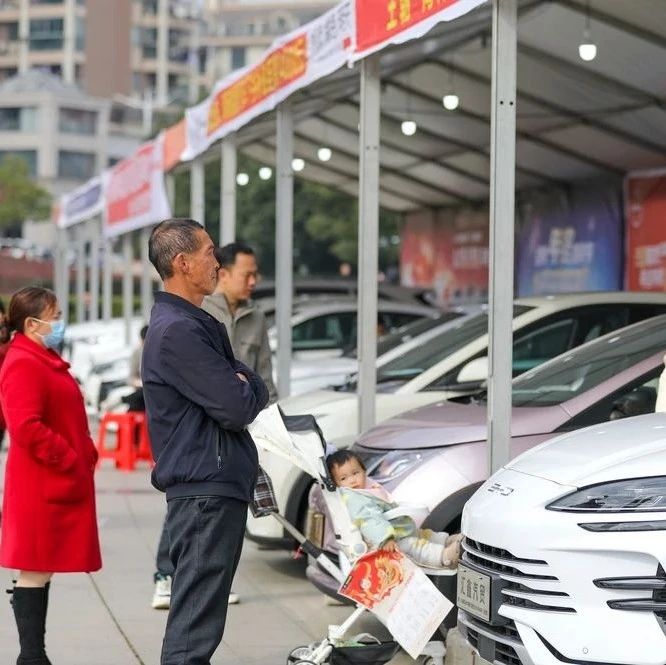
新能源汽车下一仗,打到村里去了
和讯· 2025-06-05 10:16
Core Viewpoint - The article discusses the ongoing development and expansion of the "New Energy Vehicles Going to the Countryside" initiative, highlighting its increasing participation, diverse vehicle offerings, and the importance of policy support in stimulating rural markets for electric vehicles [3][4][5]. Group 1: Participation and Vehicle Offerings - The 2023 initiative saw participation from 39 brands and 52 models, with projections for 2025 indicating 33 mainstream brands and 124 models [3]. - The price range of participating models has expanded significantly, covering 50,000 to 500,000 yuan, with a variety of vehicle types including sedans, SUVs, pickups, and MPVs [3][4]. - Notable brands such as BYD, Changan, and new energy vehicle startups like Li Auto and NIO are actively participating, with a trend towards higher-end models entering the rural market [5][6]. Group 2: Policy Support and Market Dynamics - The initiative benefits from coordinated policies, including tax reductions and local purchase incentives, which enhance the overall discount for consumers [4]. - The initiative has successfully activated the market, with nearly 15 million vehicles sold over five years, demonstrating its effectiveness in driving industry growth [7][8]. - The penetration of new energy vehicles in rural areas is gradually increasing, as consumer perceptions shift positively through direct experience [8]. Group 3: Market Potential and Challenges - The current market for new energy vehicles is experiencing growth but faces challenges in breaking through existing market share limitations, particularly in lower-tier cities [9][10]. - The potential for growth in the new energy vehicle sector is primarily seen in lower-tier cities and rural areas, where market saturation in high-tier cities is becoming evident [10]. - Key challenges include product adaptability to rural needs and the lack of charging infrastructure, which have been identified as significant barriers to market expansion [11][12]. Group 4: Strategic Initiatives by Companies - Companies are responding to market opportunities by developing products tailored to rural needs, such as Changan's new energy micro trucks designed for agricultural transport [12][13]. - Major players like Li Auto and BYD are focusing on building sales and service networks in lower-tier cities to enhance market penetration [13]. - The overall development of the rural new energy vehicle market requires a comprehensive approach, addressing consumer needs through product design, infrastructure improvement, and financial support [13].




一年干了400亿,“零食界拼多多”即将上市
Sou Hu Cai Jing· 2025-06-05 09:33
Company Overview - Mingming Hen Mang Commercial Chain Co., Ltd. reported a retail revenue of 55.5 billion RMB and an annual revenue of 39.3 billion RMB, with over 14,394 stores as of April 28, 2024, indicating strong growth potential in a challenging market [2] - The company emerged from the merger of "Zero Snack Busy" and "Zhao Yiming Snacks" in 2024, combining strengths in market penetration and product selection [10] Market Insights - The Chinese snack retail market is projected to reach 1.3596 trillion RMB by 2025, showing steady growth [3] - Consumer demand for snacks is increasingly diverse, focusing on health, taste, convenience, and cost-effectiveness, leading to the rise of various new brands [7] Business Model and Strategy - Mingming Hen Mang operates on a low-price, high-quality model, with over 1,800 SKUs per store and a significant number of new products launched monthly [14] - The company maintains a strict supply chain management system, collaborating with 2,300 factories to reduce costs to 54%-70% of industry averages [14] - The company has established 36 warehouses nationwide, ensuring efficient logistics and fresh product delivery within 24 hours [15] Franchise and Expansion - The franchise model includes free franchise opportunities and comprehensive support for franchisees, enhancing profitability and brand cohesion [16] - 58% of the stores are located in lower-tier cities, demonstrating a strategic focus on market penetration across various demographics [16] Sales Channels and Marketing - Mingming Hen Mang employs a multi-channel sales strategy, including its own website, major e-commerce platforms, and delivery services, achieving an average delivery time of under 2 hours [17] - The brand utilizes social media and content marketing to connect with younger consumers, enhancing brand loyalty and influence [19] Industry Trends - The retail industry is shifting from a reliance on traffic-driven models to a focus on supply chain efficiency, with Mingming Hen Mang exemplifying this trend through its integrated supply chain approach [25] - The perception of lower-tier markets is evolving; they are seen as opportunities for diverse consumer needs rather than merely low-cost competition [25]

今年的618:即时零售成刚需,AI重塑供应链,人本零售定未来
Zheng Quan Zhi Xing· 2025-06-05 06:51
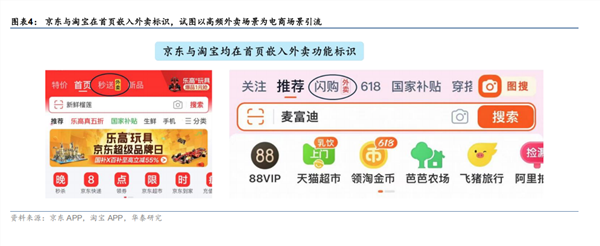
Core Insights - The 618 shopping festival is evolving with new players like Meituan joining, indicating a need for fresh energy in a market that has become more rational and competitive [1] - Instant retail has transformed from an optional convenience to a baseline expectation for consumers, with major e-commerce platforms increasing investments in this area [2] - AI technology is increasingly integrated into the e-commerce supply chain, enhancing efficiency and enabling new marketing tools for merchants [4][5] - Consumer decision-making is shifting towards a balance of rational cost-benefit analysis and emotional value, indicating a deeper engagement with brands [7] - The "trade-in" policy and the activation of lower-tier markets are driving new growth opportunities for e-commerce platforms [8][10] - The competition landscape is evolving, focusing on customer experience, emotional resonance, and effective management of existing assets [11] Group 1: Instant Retail - Instant retail has become a critical component of consumer experience, with platforms like Meituan and JD.com enhancing their delivery capabilities [2] - Major platforms are launching features like "1-hour delivery" to meet consumer demands for speed and convenience [2] Group 2: AI Integration - AI tools are being deployed across the e-commerce chain, with Alibaba and JD.com offering new AI-driven marketing solutions to help merchants reduce costs and improve efficiency [4][5] - The introduction of AI-generated video content is significantly reducing production costs and time for merchants [5] Group 3: Consumer Behavior - Consumers are increasingly acting as "calculators," seeking maximum value while also being influenced by emotional factors such as brand stories and sustainability [7] - The rise of niche brands that resonate emotionally with consumers indicates a shift in purchasing motivations [7] Group 4: Market Growth Drivers - The "trade-in" policy is being leveraged by platforms to stimulate demand for durable goods, with significant subsidies being offered [8][10] - Lower-tier markets are showing strong purchasing power, prompting brands to refine their strategies to cater to these consumers [10] Group 5: Competitive Landscape - The focus of competition is shifting from price wars to enhancing fulfillment experiences and emotional connections with consumers [11] - Companies must develop sharper consumer insights and more flexible supply chains to thrive in this evolving market [11]


全品类货架型品牌,“结硬寨”践行长期主义——古茗(1364.HK)投资价值分析报告
EBSCN· 2025-06-05 00:30
Investment Rating - The report gives a "Buy" rating for the company, marking its first coverage [3][13][5]. Core Insights - Guming is a leading affordable fresh tea beverage brand with significant advantages, having expanded from Zhejiang to over 200 cities across 17 provinces in China, with 9,914 stores by the end of 2024 [1][25]. - The company has a strong supply chain and unique channel strategies that have propelled it to become the second-largest brand in the industry, focusing on lower-tier cities to avoid intense competition [2][11]. - The tea beverage market is expected to grow significantly, with a projected market size exceeding 600 billion CNY by 2024, and Guming is well-positioned to capitalize on this growth [1][52]. Summary by Sections Company Overview - Guming has been in the fresh tea beverage industry for over a decade, establishing a robust presence with a high average quarterly repurchase rate of 53% and a store operating profit margin of approximately 20% [1][25]. - The company operates primarily through a franchise model, which has facilitated rapid expansion and a strong brand presence in lower-tier cities [2][11]. Market Potential - The fresh beverage market in China is projected to reach over 1 trillion CNY by 2028, with the fresh tea segment being the largest [52][55]. - The market for fresh tea beverages is expected to grow at a CAGR of 19.2% from 2024 to 2028, particularly in lower-tier cities where Guming has focused its expansion efforts [55][60]. Supply Chain and Competitive Advantage - Guming's supply chain is a core competitive advantage, allowing for efficient operations and the ability to quickly respond to market demands [2][11]. - The company has implemented a regional density strategy, enhancing its market penetration and brand recognition in areas with multiple store locations [2][11]. Financial Projections - The company is projected to achieve net profits of 1.96 billion CNY, 2.36 billion CNY, and 2.76 billion CNY for the years 2025, 2026, and 2027, respectively, with corresponding EPS of 0.82, 0.99, and 1.16 CNY [3][4][13]. - Guming's revenue is expected to grow significantly, with a forecasted revenue of 11.16 billion CNY in 2025, reflecting a 27% growth rate [4][8]. Strategic Initiatives - Guming plans to increase its store count by 2,000 in 2025, focusing on provinces such as Anhui, Hubei, Hunan, Guangdong, and Guangxi [2][11]. - The introduction of coffee products is anticipated to contribute positively to store revenue, with an estimated 10% increase in sales per store [2][11].
突发,拼多多杀入快递行业
Sou Hu Cai Jing· 2025-06-03 13:46
Core Insights - Pinduoduo is expanding into the logistics sector with its newly branded "Pinduoduo Station," which offers 24-hour self-service pickup and home delivery, indicating a strategic shift towards enhancing its logistics capabilities [2][6][8] Group 1: Business Strategy - Pinduoduo's entry into the logistics market is part of a broader strategy to integrate its e-commerce and community group buying services, creating a seamless consumer experience [8][12] - The company aims to leverage its existing user base of over 900 million active users to drive traffic to its stations, enhancing both logistics and e-commerce growth [12][8] - Pinduoduo's low-barrier entry model for station operators, including zero franchise fees and substantial subsidies, is designed to attract a large number of small entrepreneurs into the logistics space [9][12] Group 2: Market Positioning - The logistics market is highly competitive, with established players like Alibaba's Cainiao already holding significant market share, making Pinduoduo's late entry a challenging endeavor [7][13] - Pinduoduo's strategy includes a focus on lower-tier markets, where it can effectively reach consumers and utilize its logistics services to support e-commerce growth [12][9] - The company is attempting to create a dual benefit for users by allowing them to pick up their group-buying items alongside their packages, thus enhancing customer engagement [12][8] Group 3: Operational Challenges - Despite rapid expansion, Pinduoduo faces challenges related to service quality and customer trust, as evidenced by numerous complaints regarding its logistics services [15][16] - The financial sustainability of its aggressive subsidy strategy is under scrutiny, especially as operational costs continue to rise significantly [15][12] - Pinduoduo's logistics operations have been criticized for their service shortcomings, which could hinder its ability to compete effectively in the long term [15][16]


超6.53亿人次!流动中国的三个深层脉动
Sou Hu Cai Jing· 2025-06-03 12:44
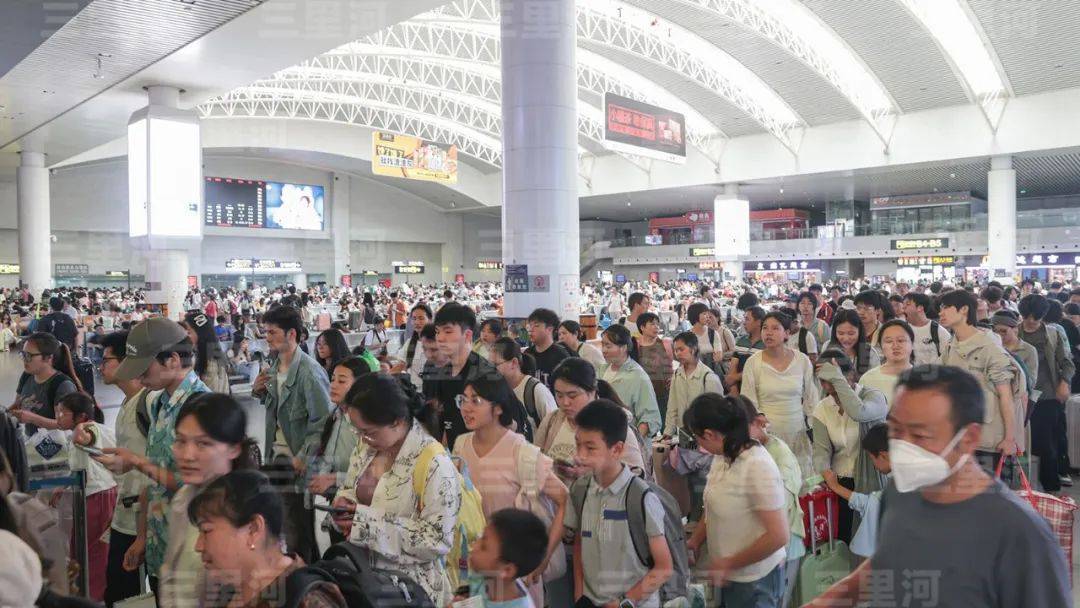
Core Insights - The Dragon Boat Festival holiday saw a significant increase in consumer travel, with a total of 653.7 million trips made, averaging 21.79 million trips per day, representing a year-on-year growth of 2.5% [1][3][14] - The robust travel activity reflects the strong consumption vitality within the Chinese economy, indicating a resilient and expansive domestic market [3][14] Transportation and Travel Data - Daily railway passenger volume reached 16.01 million, while road travel averaged 19.91 million, and air travel averaged 1.88 million passengers per day [1] - The holiday period saw a notable increase in short-distance travel, with self-driving trips accounting for a high proportion of the traffic, particularly on highways [10][11] Regional Tourism Performance - In Henan, the province received 15.12 million tourists, generating a tourism revenue of 6.79 billion yuan, with year-on-year growth of 4.7% and 5.3% respectively [4] - Beijing welcomed 8.21 million tourists, achieving a total tourism expenditure of 10.77 billion yuan, reflecting a year-on-year increase of 5.4% and 6.7% [4] - Guangdong reported 23.21 million tourists and a tourism revenue of 11.44 billion yuan, with year-on-year growth of 20.6% and 25.6% respectively [5] Cultural and Experiential Trends - Traditional cultural elements like dragon boats and rice dumplings have transformed into significant drivers of local consumption and tourism [6] - Events such as concerts and sports matches have become major attractions, leading to increased travel across provinces and cities, highlighting a surge in consumer willingness to pay for experiences [7][9] Infrastructure and Connectivity - China's extensive high-speed rail and highway networks, along with an improving civil aviation system, have significantly reduced travel costs and time, enhancing people's willingness to travel [11][12] - The efficient transportation infrastructure supports the high volume of travel, making the 653.7 million trips possible and forming the backbone of a dynamic and mobile society [12][14]
王健林为啥宁可卖一二线万达,也要死守小县城,打的是精明的算盘
Sou Hu Cai Jing· 2025-05-30 18:37
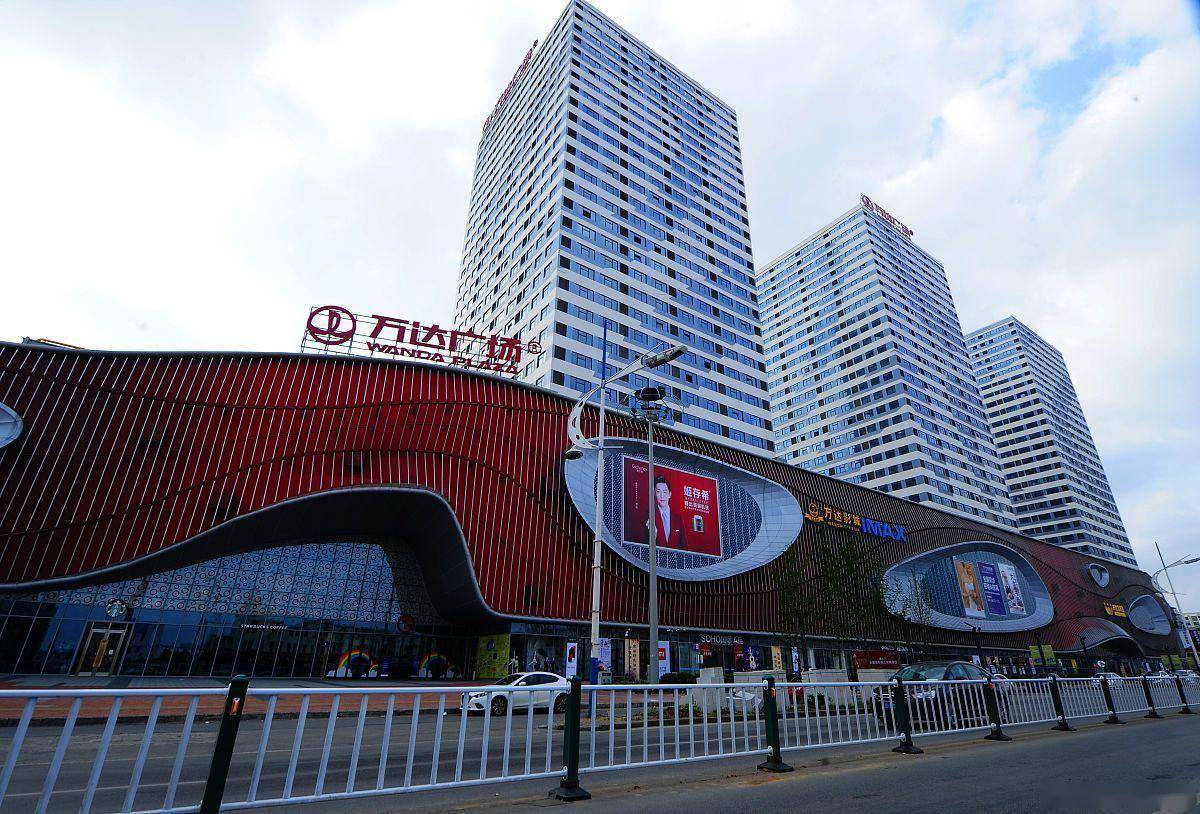
Core Insights - The article highlights the strategic shift of Wang Jianlin, who is focusing on smaller cities rather than traditional first and second-tier cities, indicating a calculated move rather than a desperate gamble [1][3][11] Group 1: Market Dynamics - Smaller cities like Yidu, Hubei, are showing promising investment returns with lower costs, such as land and labor, which are approximately 30% lower than in larger cities, leading to an investment return rate of 6.8% [3][5] - The trend indicates that while first and second-tier cities have become saturated with high operational costs and longer payback periods, smaller markets present untapped opportunities for growth [5][9] Group 2: Consumer Behavior - The consumer base in smaller cities has evolved, with increased demand for high-quality brands and experiences, which were previously lacking [7][9] - The opening of Starbucks in Yidu, generating over 2 million in revenue in its first month, exemplifies the potential for high consumer engagement in these markets [5][9] Group 3: Strategic Execution - Wang Jianlin's approach involves meticulous site selection and brand partnerships, leveraging a well-established operational framework to minimize risks and maximize returns [9][11] - The strategy is not merely about retreating from larger markets but rather about capitalizing on overlooked opportunities in smaller cities, which can yield quicker returns and lower risks [7][11]
杯盏间的刀光剑影:茶饮股的营销博弈之道
Jin Rong Jie· 2025-05-30 12:49
Core Insights - The article highlights the contrasting business models of tea beverage brands in China, with a focus on the shift from self-operated models to asset-light franchise operations, exemplified by brands like Mixue and Bawang Chaji [1][29]. Business Models - Mixue and other emerging brands like Gu Ming, Hu Shang A Yi, and Cha Bai Dao primarily adopt a franchise model for rapid expansion, generating revenue mainly from supplying products and equipment to franchisees rather than from franchise fees [1][2]. - In contrast, traditional franchise models, such as McDonald's, rely heavily on rental income and franchise fees, providing a safety net even if franchisees perform poorly [2]. Marketing Strategies - Mixue employs social media and various offline activities to engage consumers, with a marketing expenditure of 1.599 billion RMB in 2024, representing 6.44% of total revenue [3][4]. - Gu Ming's marketing spending surged by 42.43% to 479 million RMB, accounting for 5.45% of its revenue [5][6]. - Hu Shang A Yi focuses on a multi-channel marketing approach, with a marketing budget of 394 million RMB, which is 12.0% of its revenue [7][9]. - Cha Bai Dao's marketing expenses increased by 201.64% to 395 million RMB, making up 8.03% of its revenue, reflecting the competitive landscape [10][11]. - Bawang Chaji's marketing costs skyrocketed by 323.96% to 1.109 billion RMB, constituting 8.94% of its revenue, indicating aggressive promotional efforts [12]. Store Expansion - Mixue has expanded to 46,500 stores globally, with a significant presence in lower-tier cities, where 51.33% of its stores are located [13][14]. - Gu Ming has established a presence in 17 provinces, with 80% of its stores in second-tier and below cities, indicating a focus on untapped markets [15][16]. - Hu Shang A Yi operates 9,176 stores across various regions, with 50.4% in lower-tier cities, and has begun international expansion [18][19]. - Cha Bai Dao has increased its store count in lower-tier cities, with plans for further expansion and improved logistics [22]. - Bawang Chaji has rapidly expanded to 6,440 stores, with a notable presence in East China, but faces challenges in maintaining growth [23][24]. Franchisee Retention - The article discusses the importance of franchisee retention rates as a measure of brand attractiveness, with Mixue showing a lower franchisee turnover rate compared to its competitors [26][28]. - Mixue's franchisee turnover rate is approximately 6.97%, while Gu Ming, Hu Shang A Yi, and Cha Bai Dao report significantly higher rates of 18.88%, 19.47%, and 20.66%, respectively [28]. Conclusion - The article concludes that the new tea beverage brands are reshaping the industry with a franchise ecosystem that emphasizes supply chain efficiency over traditional rental models [29]. - Mixue stands out for its effective low-cost marketing strategy, while Bawang Chaji's aggressive expansion raises questions about sustainable growth [29].
卖不掉的县城万达,可能更有性价比
阿尔法工场研究院· 2025-05-29 13:40
Core Viewpoint - The article discusses the strategic decision of Wanda Commercial Management to sell high-value, easily liquidated assets in first and second-tier cities while retaining projects in lower-tier markets, which may be the most advantageous choice for the company amid liquidity challenges [2][11]. Group 1: Asset Sales and Financial Strategy - Wanda Commercial Management is undergoing a significant asset sale, with a recent transaction involving the acquisition of 48 Wanda Plaza companies by a consortium including Tencent, reportedly valued at 50 billion yuan [2][5]. - Over the past two years, Wanda has sold more than 30 Wanda Plazas, with seven sold at the beginning of this year alone, indicating a focused strategy to alleviate financial pressures [2][3]. - The company is prioritizing the sale of assets in first and second-tier cities due to their higher asset values, which can quickly generate cash flow to address debt issues [11][19]. Group 2: Market Position and Competitive Landscape - The sold Wanda Plazas are primarily located in first, new first, and second-tier cities, where competition in commercial real estate has intensified, leading to a perception of these properties as outdated [5][11]. - In contrast, Wanda Plazas in lower-tier cities remain highly valued, with the company holding a leading position in these markets, having established nearly 30 projects in the top 100 counties in China [11][14]. - The article highlights the changing consumer landscape, where lower-tier cities are experiencing economic growth and increased consumer spending, benefiting Wanda's early investments in these markets [14][15]. Group 3: Future Challenges and Competition - The competition for consumer attention in lower-tier markets is intensifying, with other players like Wuyue Plaza and China Resources' Mixc entering the fray, posing a challenge to Wanda's market dominance [18][19]. - As Wanda continues to divest from first and second-tier cities, maintaining its competitive edge in lower-tier markets will be crucial for the company's long-term success [19].

餐饮创业“败北”一线城市,他们回县城“all in”
Sou Hu Cai Jing· 2025-05-29 04:13
Core Insights - The trend of rural entrepreneurship is gaining momentum, with unique businesses like bakeries, hot pot restaurants, and coffee shops emerging in rural areas, driven by both survival pressures and new market opportunities [2][31]. Group 1: Bakery Trends - A variety of bakeries are opening in rural areas, such as the "窑大叔窑烤面包店" in 桐乡, which uses traditional methods to create popular baked goods [2][4]. - Another example is the "窑远乡村柴窑面包房" in 襄城, which offers over 60 types of bread and has a daily production of 300 to 500 pieces, with a 50% repurchase rate [6][8]. - The "仙居伊知・溪畔窑烤面包店" combines traditional baking with cultural experiences, achieving a daily sales volume of around 300 pieces [8]. Group 2: Hot Pot Expansion - The "火锅进村" phenomenon is rapidly spreading, with establishments like "华阳串根香" in 什邡 attracting significant local traffic and becoming popular dining spots [10][11]. - A notable case is the "回村涮肉" hot pot restaurant, which achieved a revenue of 70,000 yuan within just half a month of trial operation [13]. - The "坝坝火锅" in 重庆 showcases local ingredients and has successfully integrated entertainment into the dining experience, boosting local agricultural sales [14][16]. Group 3: Coffee Shop Growth - The rise of "村咖" (village coffee shops) is notable, with over 40,000 coffee shops now located in rural areas across the country [18]. - Innovative concepts like "猪咖" (pig coffee) are emerging, where visitors can interact with animals while enjoying coffee, creating a unique rural experience [19]. - Various regions are seeing the development of themed coffee shops that leverage local culture and scenery, enhancing the appeal of rural tourism [19]. Group 4: Common Characteristics - These rural establishments share similarities in location selection, often utilizing natural landscapes and repurposing old buildings for their businesses [22][23]. - Many adopt a collaborative business model involving local communities, ensuring mutual benefits and shared profits [24][25]. - Marketing strategies heavily rely on social media platforms to attract customers and build a loyal following [26]. Group 5: Market Dynamics - The shift in consumer behavior towards "reverse tourism" is driving demand for rural dining experiences, as people seek authentic local cuisine [31][32]. - Entrepreneurs are increasingly looking to rural markets for opportunities, as urban areas become saturated and competition intensifies [33][36]. - The introduction of advanced business practices and diverse dining options is revitalizing rural economies and enhancing local food quality [40]. Group 6: Challenges in Rural Entrepreneurship - Despite the opportunities, rural entrepreneurs face challenges such as limited customer flow and reliance on local populations for business sustainability [41][42]. - There is a shortage of skilled labor in rural areas, making it difficult to maintain service quality and operational standards [43]. - Regulatory hurdles and changing local policies can complicate the establishment and operation of rural businesses [45].

