
制造业回流

Search documents
台积电美国亚利桑那州第三座晶圆厂开建
news flash· 2025-04-30 01:28
金十数据4月30日讯,在特朗普政府威胁进一步征收关税以刺激美国制造业之际,台积电已开始在亚利 桑那州建设第三座晶圆厂,加大在美国的扩张力度。在美国商务部长卢特尼克参观台积电厂址的同一 天,台积电宣布了其在美国的第三期扩张计划。台积电是苹果和英伟达的主要芯片制造商,也是美国政 府吸引制造业回流的核心。今年3月,台积电董事长兼总裁魏哲家在白宫与特朗普共同宣布了向美国工 厂追加投资1,000亿美元的计划。 台积电美国亚利桑那州第三座晶圆厂开建 跟踪芯片领域动态 +订阅 ...

美财长贝森特:特朗普政府推进贸易与税收政策改革 瞄准制造业回流与财政收入双赢
智通财经网· 2025-04-29 14:22
关于汽车关税减免方面,贝森特并未透露具体细节,但表示该政策目标是"推动汽车制造回归美国本 土"。白宫方面表示,特朗普总统将在周二晚些时候签署相关行政命令。 此外,莱维特表示,国会距离通过特朗普总统所称的"一份伟大而美丽的预算案"已"非常接近"。 与此同时,白宫新闻秘书卡罗琳·莱维特表示,总统特朗普认为亚马逊(AMZN.US)近期将关税影响标注 在产品定价上的行为是"一种敌对且具有政治意味的举动"。 贝森特在发布会上指出,总统特朗普目前采取"战略性不确定性"策略,以争取更有利的贸易协议。"在 谈判中,不确定性未必是坏事。" 贝森特预计,新的关税政策不会对供应链造成冲击。他还补充称,即将公布的税改法案将为企业提 供"明确的投资预期"。"这项税改法案将对国内投资产生强劲推动力,"他说,并透露法案将回溯至今年 1月20日生效,允许企业对建设美国制造产能的支出进行全额抵扣。 智通财经APP获悉,美国财政部长斯科特·贝森特周二表示,特朗普政府在推动贸易政策上,旨在实现 两个目标,即长期关税收益与新的贸易协议。他强调,征收关税将带动美国制造业回流,并为政府带 来"可观的财政收入"。 贝森特指出,亚洲贸易伙伴目前正在积极参与 ...

关税风暴下 美电商集体涨价 “太多人会撑不过去”
Yang Shi Xin Wen· 2025-04-28 01:55
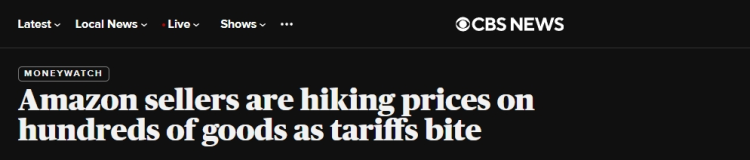
Core Viewpoint - The article highlights the impact of U.S. government tariffs on consumer prices, particularly in the e-commerce sector, leading to significant price increases on various goods [1][2][4]. E-commerce Sector - Amazon sellers have raised prices on nearly 1,000 items since the second week of April, with an average increase of close to 30% attributed solely to tariff impacts [2]. - Many U.S. importers relying on Chinese goods are facing operational difficulties due to high tariffs, with small sellers being particularly vulnerable [4][5]. - The e-commerce industry is experiencing a "freeze" in supply chains, as companies halt orders and await potential tariff reductions [5]. Consumer Goods Pricing - A wide range of products, including clothing, toys, and household items, are seeing price hikes, with predictions of a 65% increase in clothing prices and up to 87% for shoes over the next year [7][8]. - Basic clothing items, such as T-shirts and underwear, are particularly affected due to their high import frequency and stable demand [7]. - The toy industry is also under pressure, with nearly 80% of toys sold in the U.S. manufactured in China, leading to significant price increases that may render affordable toys as luxury items [9]. Operational Costs - Companies are facing skyrocketing operational costs, with examples such as a Hawaii-based company experiencing a 145% increase in packaging costs due to tariffs [10]. - SmartScout's analysis indicates that since April 9, Amazon has seen an average price increase of 29% across 930 items, reflecting the broader trend of rising costs impacting both consumers and businesses [10].

美国承认发生战略性误判,我们对此深表遗憾但再也回不去了!
Sou Hu Cai Jing· 2025-04-27 09:06
Group 1 - The article discusses the strategic misjudgment by the U.S. regarding China, highlighting that the U.S. underestimated China's determination and response to tariffs [1][3] - It mentions that the U.S. has faced significant challenges in its trade war with China, with American retailers warning about the consequences of ongoing tariffs [1][5] - The article indicates that China has successfully shifted its orders from the U.S. to other countries, making it difficult for the U.S. to revert to previous trade conditions even if it softens its stance [7] Group 2 - The article points out that the U.S. is struggling with internal economic pressures, including the Federal Reserve's decision not to lower interest rates amidst a challenging trade environment [5] - It emphasizes that the U.S. has not secured any new trade agreements with other countries, which complicates its position in the ongoing trade conflict [7] - The article suggests that the timeline for significant changes in U.S. trade policy is limited, as the upcoming midterm elections may restrict the administration's ability to enact substantial reforms [5]
【海外TMT】消费电子中长期仍面临较大不确定性,半导体看好自主可控+代工回流方向——关税对港股电子影响分析(付天姿/王贇/黄铮)
光大证券研究· 2025-04-26 13:01
点击注册小程序 查看完整报告 特别申明: 本订阅号中所涉及的证券研究信息由光大证券研究所编写,仅面向光大证券专业投资者客 户,用作新媒体形势下研究信息和研究观点的沟通交流。非光大证券专业投资者客户,请勿 订阅、接收或使用本订阅号中的任何信息。本订阅号难以设置访问权限,若给您造成不便, 敬请谅解。光大证券研究所不会因关注、收到或阅读本订阅号推送内容而视相关人员为光大 证券的客户。 报告摘要 消费电子对等关税豁免短期缓解智能手机供应链、终端品牌公司压力,中长期仍面临较大不确定性: 美国商务部长明确表示,消费电子对等关税豁免措施仅是过渡性安排,后续将推出专项关税,预计具体政 策将在未来1-2个月内出台,带来不确定性。 消费电子专项关税落地前,产业备货需求旺盛。下半年进入库存消化阶段,警惕智能手机、PC出货量表现 转弱风险。 智能手机供应链、终端品牌公司转嫁稀释关税成本的方式主要包括: 1)加快产能从中国大陆向东南亚等关税优惠国家或地区迁移;2)提高价格。相关公司在产能被迫迁移的 早期阶段或将面临当地劳动力素质参差不齐、营商政策等风险,带来额外成本;提高价格则将增加消费者 支出,影响终端销量。 苹果的业务模式具有显著 ...
中金研究 | 本周精选:宏观、策略
中金点睛· 2025-04-25 23:38
中金点睛"本周精选"栏目将带您回顾本周深受读者欢迎的研究报告。 01 宏观 Macroeconomy 特朗普的两个目标均难实现 >>点击图片查看全文<< 特朗普政府试图通过加征关税促使美国贸易逆差收窄,制造业回流,我们认为这两个目标难以通过关税实现。首先,关税难以使得美国贸易逆差收 窄。从理论来看,提升关税并不一定能够缩减逆差(扩大顺差)。根据勒纳对称定理,对进口征税等同于对本国的出口征税。关税难以促使制造业回 流美国。全球供应链对中国的依赖度比较高,而且无论是从劳动者数量、质量,还是就业意愿来看,美国制造业回流都将面临着劳动力短缺的问题。 美国制造业成本高,也是其制造业回流的挑战。特朗普关税或对美国产生滞胀式影响,美国衰退风险加大。除了"滞胀"风险,特朗普的减税、削减支 出和关税组合或将损害美国大多数家庭,对低收入人群损害更大,加剧美国内部不平衡。实际上,从经济视角来看,美国没有非常突出的外部失衡问 题,但内部分配问题很严重。 资料来源:US Census Bureau,中金公司研究部 >>点击图片跳转报告原文<< 2025.04.23 | 张文朗 黄亚东等 02 宏观 Macroeconomy 从汇率、利 ...
凌晨,美联储巧妙出手,给了世界一个大大的上涨理由
凤凰网财经· 2025-04-24 22:44
纽约股市三大股指24日上涨。截至当天收盘,道琼斯工业平均指数比前一交易日上涨486.83点,收于40093.40点,涨幅为1.23%;标准普尔500种 股票指数上涨108.91点,收于5484.77点,涨幅为2.03%;纳斯达克综合指数上涨457.99点,收于17166.04点,涨幅为2.74%。 明星科技股普涨,特斯拉、亚马逊、微软涨超3%,谷歌、Meta涨逾2%,苹果涨近2%。半导体板块涨幅居前,美光科技、博通涨逾6%,英特尔、 AMD涨超4%,英伟达涨逾3%。 热门中概股多数上涨,纳斯达克中国金龙指数收涨0.68%。蔚来、富途控股涨逾6%,拼多多、百度、网易、哔哩哔哩涨超2%。 美股昨夜上涨,直接原因为美联储一改此前对降息所秉承的绝对谨慎的态度,转而巧妙地在各种前置条件下,释放了一定的降息预期。 首先,在美股盘前,克利夫兰联储主席哈马克虽然排除了在5月份降息的可能性,但表示如果经济走向有明确证据,美联储最早可能在6月份采取行 动。降息预期提振市场情绪。 然后,美股早盘,美联储理事沃勒表示,如果关税导致就业岗位流失,他将支持降息。此后,美股涨幅扩大,纳指领涨美国三大股指。美债收益率全 线走低,10年期美债 ...


Citadel创始人:特朗普的贸易战已“毫无意义”,砸了美国资产的牌子,还让美国人更穷了
华尔街见闻· 2025-04-24 10:30
Ken Griffin猛烈抨击特朗普的关税政策,认为其正在损害美国声誉。 据媒体报道,周三,对冲基金巨头Citadel创始人兼首席执行官肯·格里芬(Ken Griffin)在世界经济峰会上接受媒体采访时表示, 特朗普行动过快,疏远了盟友, 并玷污了美国资产曾经"无可比拟"的卓越声誉,包括美国国债、美元强势和国家信用度。 Griffin警告称: 不幸的是,贸易战已经变得毫无意义,这意味着我们要花时间思考供应链。 我们将品牌置于风险之中。要修复已经造成的损害,可能需要一辈子的时间。 他将当前情况与哈佛大学的遭遇相提并论,认为政府对这所美国顶尖学府的施压,无异于"攻击美国最卓越的品牌之一"。 关税无法推动制造业回流,美国四周内已变穷20% 近几周来,由于特朗普在关税问题上反复无常的态度,以及一度暗示可能解雇美联储主席(后又收回言论),投资者纷纷抛售美国股票和国债,市场剧烈波 动,深层的不安情绪持续存在。 Griffin对特朗普旨在通过关税复兴美国制造业的核心目标表示强烈怀疑。他认为: 我告诉你什么不会发生:人们不会筹集资金在美国建厂,因为政策的波动性实际上破坏了你试图实现的目标。 Griffin引用欧元作为参照, ...
特朗普关税奏效了?ABB继本田、诺华之后响应加码20亿投资美国
3 6 Ke· 2025-04-24 08:43
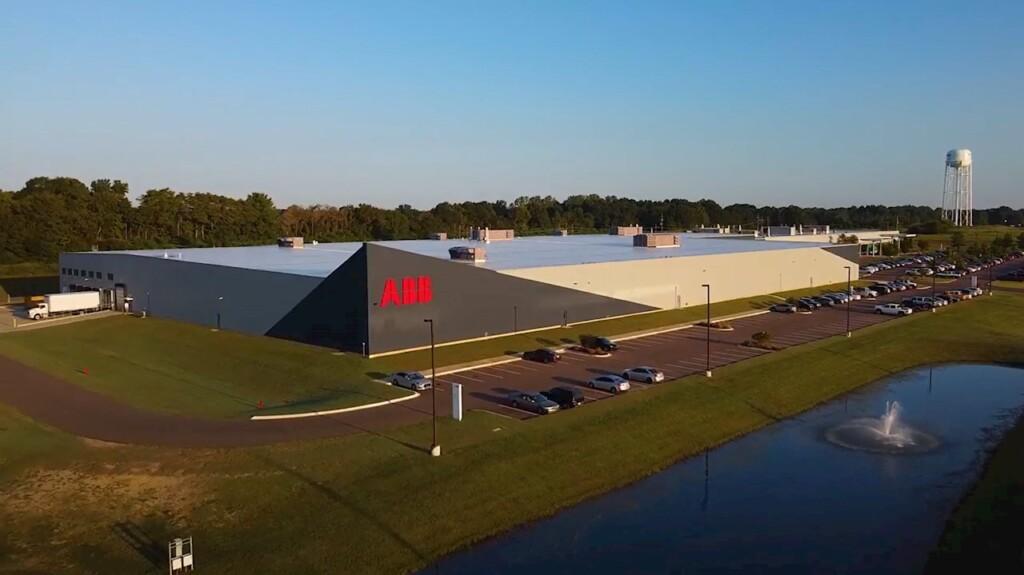
Core Viewpoint - ABB is expanding its production investment in the U.S. in response to Trump's tariff policies, raising questions about the actual effects of U.S. trade protectionism on global supply chains [1][5]. Group 1: ABB's Investment Strategy - ABB plans to increase its local production ratio in the U.S. to over 90% through a combination of organic investment and acquisitions [3]. - Currently, 75%-80% of ABB's sales in the U.S. rely on domestic production, with a total investment of approximately $500 million (about 3.7 billion RMB) over the past three years for factory expansions [3]. - Recent investments include a $40 million (about 290 million RMB) expansion in Senatobia, Mississippi, creating 122 technical jobs and doubling production capacity, and an $80 million (about 580 million RMB) new factory in Selmer, Tennessee, focused on power distribution equipment [3][5]. Group 2: Industry Context and Reactions - Other companies, such as Honda and Novartis, are also increasing their U.S. production to mitigate tariff risks, with Honda planning a 30% increase in U.S. auto production and Novartis investing $23 billion (about 161 billion RMB) [5]. - ABB's CEO emphasized the need to reduce import dependence in the U.S. market, aligning with the Trump administration's goals to boost domestic manufacturing and employment [5]. - The Mississippi Development Authority supports ABB through tax incentive programs, highlighting the state's attractive business environment [5]. Group 3: Market Concerns and Economic Impact - Despite ABB's investments being seen as a short-term success of tariff policies, there are concerns about the long-term sustainability of these strategies [7]. - Analysts express worries that rising costs due to tariffs may squeeze corporate profits, and that mergers and acquisitions could increase financial risks [7]. - The local economy has benefited from ABB's investments, with new jobs contributing to community stability, although actual job creation may fall short of initial promises [7][9].

中金:特朗普的两个目标均难实现
中金点睛· 2025-04-23 23:55
点击小程序查看报告原文 Abstract 特朗普政府试图通过加征关税促使美国贸易逆差收窄,制造业回流,我们认为这两个目标难以通过关税实现。首先,关税难以使得美国贸易逆差收窄。 从理论来看,提升关税并不一定能够缩减逆差(扩大顺差)。根据勒纳对称定理,对进口征税等同于对本国的出口征税。从历史来看,1890年《麦金利关 税法案》后,美国顺差一度上升,但是1930年《斯穆特-霍利关税法案》后,美国顺差下降,甚至一度转为逆差,说明了关税和贸易顺差之间的复杂关 系。1890年,美国仍然处于工业化相对早期阶段,面临英国的竞争,关税可以保护其幼稚产业。而到了1930年《斯穆特-霍利关税法案》出台时,美国的 国际地位已经超过英国,在全球出口中的份额也已经超过英国。对于一个大国而言,关税可能同时导致其进口和出口下降,而贸易逆差未必收窄。 关税难以促使制造业回流美国。 前几年美国制造业投资一度加速,但并未持续,近来制造业新开工投资、短期的投资计划出现下滑。中国的中间品对美 国的出口远低于对新兴市场的出口,也反映美国制造业回流缓慢。全球制造业产业链更多的是调整到新兴市场国家,而非美国。与之相应的是,中国与美 国之间的供应链长度增加。 ...