滞胀

Search documents
海外高频 | 美欧日制造业PMI反弹、美国扩大钢铝关税(申万宏观·赵伟团队)
赵伟宏观探索· 2025-08-24 16:17
Group 1 - The article highlights a rebound in manufacturing PMIs for the US, Eurozone, and Japan, indicating a recovery in overseas manufacturing demand [64][61] - The US has expanded tariffs on steel and aluminum derivatives, affecting 407 product categories with a 50% tariff, impacting approximately $138 billion in imports [42][48] - The Federal Reserve's Chairman Powell delivered a dovish speech at the Jackson Hole conference, suggesting potential adjustments to policy due to risks in the labor market [57][59] Group 2 - Major developed market indices saw increases, with the S&P 500 up 0.3% and the FTSE 100 up 2.0%, while emerging markets also showed positive trends [2][3] - The energy, real estate, and financial sectors in the US experienced gains of 2.8%, 2.4%, and 2.1% respectively, while information technology and communication services declined [6][11] - The article notes a general decline in commodity prices, with WTI crude oil rising 1.4% to $63.7 per barrel, while coking coal and rebar prices fell [32][37] Group 3 - The US 10-year Treasury yield decreased by 7.0 basis points to 4.3%, while emerging market yields generally increased, with Turkey's rising by 208.0 basis points to 31.3% [16][18] - The article reports a decrease in the US dollar index by 0.1% to 97.72, with mixed performance among other currencies [21][28] - Japan's core CPI for July exceeded expectations, indicating potential for the Bank of Japan to raise interest rates in the second half of the year [61]

JH:鲍威尔鸽的很勉强、警惕“越降息越滞胀”、南美路演交流感受
2025-08-24 14:47
Summary of Conference Call Notes Industry or Company Involved - The discussion primarily revolves around the **U.S. economy**, **South American investment trends**, and **Chinese market dynamics**. Core Points and Arguments 1. **U.S. Economic Challenges**: The U.S. economy is facing risks of stagflation, with declining consumer confidence and rising inflation expectations. The service sector PMI indicates rising prices while economic activity indicators are declining, similar to the situation in 2022 [1][4]. 2. **Impact of Tariffs and Immigration Policies**: Tightening tariffs and immigration policies are major factors affecting the U.S. economy. The Trump administration's tariff investigation on imported furniture and the suspension of work visas for truck drivers may lead to stock price declines and increased unemployment pressure [1][5][6]. 3. **Federal Reserve's Dilemma**: The Federal Reserve's potential interest rate cuts may not alleviate stagflation, as the root causes lie in immigration and tariff policies. Lowering rates could accelerate price increases, worsening CPI and PPI [1][7]. 4. **South American Pension Funds**: Chile and Peru have reduced their allocations to Chinese assets due to weak performance during the pandemic. Chile's pension fund is approximately $190 billion, while Peru's is around $34 billion. Both countries have allowed early pension withdrawals, leading to a 15% reduction in fund sizes [1][8]. 5. **Concerns of South American Investors**: Investors from South America express concerns about China's economic outlook, including weak real estate, low consumer confidence, rising youth unemployment, and regulatory risks. These factors influence their investment decisions [1][9]. 6. **U.S.-China Tariff Negotiations**: Current U.S.-China tariff negotiations appear stable, with ongoing discussions and no immediate negative impacts anticipated [1][10]. 7. **Chinese Stock Market Dynamics**: The rise in the Chinese stock market is supported by a soft landing in the real estate sector, initial economic recovery, ample liquidity, and a depreciating dollar. However, consumer growth remains relatively lagging [1][11]. 8. **Real Estate Market in China**: The Chinese real estate market is adjusting but has not triggered a financial crisis, indicating a relatively orderly soft landing [1][12][13]. 9. **Consumer Behavior in China**: Consumption in China is often a lagging indicator due to its production-oriented economy. The wealth effect is shifting from real estate to the stock market, which may delay consumption growth [1][14]. 10. **Manufacturing Sector Insights**: Despite narrow profit margins, China's manufacturing competitiveness is improving, with rising global market shares in electric vehicles and other products [1][15]. 11. **Inflation and Deflation Analysis**: Long-term economic growth relies on productivity improvements and population growth, suggesting resilience in potential economic growth rates [1][16]. 12. **Liquidity and Policy Outlook**: The likelihood of restrictive policies is low in the early recovery phase, with the central bank maintaining ample liquidity [1][17]. 13. **Investment Perspectives**: South American investors are increasingly open to Chinese investments, while U.S. investors remain cautious due to geopolitical tensions [1][18]. Other Important but Possibly Overlooked Content - The dual challenges of inflation and unemployment in the U.S. create a complex environment for the Federal Reserve, necessitating a careful balancing act in monetary policy [1][4][7]. - The potential for increased South American investment in China is contrasted with the more conservative approach of U.S. investors, highlighting differing regional attitudes towards risk and opportunity [1][18].
美国经济数据变天,引发美元资产抛售潮,特朗普的变盘日要来了?
Sou Hu Cai Jing· 2025-08-24 13:00
美国经济数据变天,引发美元资产抛售潮,特朗普的变盘日要来了? 前一段时间美国的非农就业数据公布之后,惹的特朗普政府是大为光火,对着媒体大骂统计局局长,说他在数据造假。因为在特朗普的领导下,美国经济 正在欣欣向荣,蓬勃发展,就业数据不可能那么差,一定是因为这个统计局局长是拜登政府时期任命的,搞一些假的就业数据,隐藏了特朗普执政的政 绩。 后续,有分析人士在猜测,可能是因为那个统计局局长为了给特朗普缴纳投名状,故意将非农就业数据做低,以此倒逼美联储进行降息。 但是不管怎么样,特朗普现在换了一个统计局局长,并且开了一个声势浩大的任命会,现在美国又公布了7月份的PPI数据。 这个统计数据,很明显反方向用力,为了彰显特朗普的功绩,公布的PPI数据好的吓人。最新的美国PPI数据到底如何?会引发金融市场怎样的波动? PPI暴雷:数据魔术师的"穿帮现场" 8月14日,美国公布了7月份的PPI数据,PPI是价格统计指标体系的重要组成部分,反映了国民经济活动中生产环节的产品价格变动情况,对监测宏观经济运 行情况具有重要作用。 数据显示,美国7月PPI年率3.3%,前值:2.4%;市场预期:2.5%,大幅高于前值和市场预期。 美国 ...
最担心的事情发生了,美元资产抛售潮加大,只有中国市场表现强硬
Sou Hu Cai Jing· 2025-08-24 12:54
今天的金融市场的气氛显得十分的低迷,除了中国A股之外,几乎所有的资本市场都受到了美国非农就业数据的影响。 最担心的事情发生了,美元资产抛售潮加大,只有中国市场表现强硬 美国劳工部一纸非农报告,竟让华尔街集体怀疑人生——高盛放话数据可能"注水"近百万,特朗普反手就把统计局长炒了鱿鱼,当钱都不信钱了,金融游 戏还怎么玩? 这边美元资产遭全球抛售,那边A股却低开高走硬气翻红。一场颠覆70年货币秩序的变局正加速杀到。 为何美元资产下跌之后,A股却能强势翻红?押注半个世纪的美元信仰崩塌后,全球资本该往哪逃? 非农"魔术"穿帮,美元信仰塌方 更为关键的是,不仅仅是5月份和6月份的就业数据面临大幅度的下修。美国劳工部预计在9月份发布2025年3月份"基准修正"初步估计。 高盛直接捅破窗户纸,过去9个月的非农数据可能要砍掉55-95万人,相当于每月平均要减少4.5-8万人的就业。 大家普遍认为被解雇的局长成了数据造假的替罪羊,而真正的病灶,是美国政府拿关税当强心针的短视操作。 今年4月那轮125%-145%的对华天价关税,本想逼制造业回流,结果物价飙,美国的零售商着急提价,老百姓买条牛仔裤多掏50%的钱,中小企业原料成 本炸 ...
鲍威尔意外“放鸽”,分析师发警告
21世纪经济报道· 2025-08-23 08:36
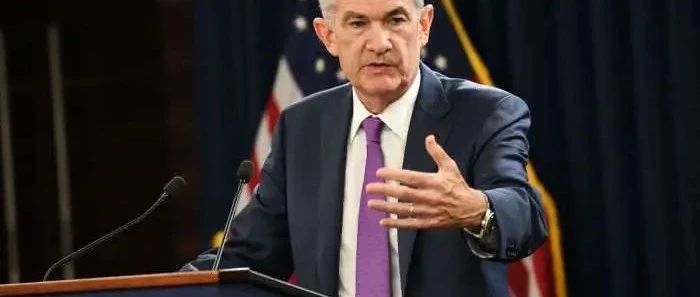
Group 1 - The core viewpoint of the article is that Federal Reserve Chairman Jerome Powell's speech at the Jackson Hole conference signaled a more dovish stance, which was interpreted by the market as a signal for potential monetary easing, leading to a significant market rally [1][2] - Following Powell's remarks, the two-year U.S. Treasury yield fell by 10 basis points to 3.69%, and the implied probability of a rate cut in September surged from 70% to 80% [1] - Major stock indices reacted positively, with the S&P 500 rising by 1.5%, the Nasdaq by 1.88%, and the Dow Jones reaching a new historical closing high, while small-cap stocks surged by 3.8% [1] Group 2 - Some Wall Street strategists believe that Powell's comments were meant to reassure the market, but there are concerns that the market may be overreacting [2] - There are mixed sentiments in the market; while some investors are optimistic about potential gradual rate cuts, others worry that economic slowdown and worsening employment could reverse the current market rebound [2] - The independence of the Federal Reserve has come under scrutiny again, particularly due to public pressure from President Trump for rate cuts and threats regarding the dismissal of Fed officials [2]
鲍威尔“鸽声”引爆市场狂欢 部分业内人士谨慎观望
智通财经网· 2025-08-23 06:36
Core Viewpoint - Federal Reserve Chairman Jerome Powell's speech at Jackson Hole has led to a rise in risk assets, but some investors remain cautious due to concerns about potential stagflation and market optimism [1][2] Group 1: Federal Reserve's Monetary Policy - Powell hinted at a possible interest rate cut in September but did not provide a clear statement, balancing between employment market risks and persistent inflation concerns [1] - Market expectations for a rate cut have fluctuated, with a recent increase in concerns about high inflation limiting the Fed's ability to implement significant cuts [2] - Prior to Powell's speech, the likelihood of a 25 basis point cut in September was estimated at 70%, which rose to 80% after his remarks [3] Group 2: Market Reactions - Major U.S. stock indices saw significant gains, with the Dow Jones up 1.89%, the S&P 500 up 1.52%, and the Nasdaq up 1.88% [3] - The 2-year U.S. Treasury yield fell by approximately 10 basis points to 3.69%, while the 10-year yield dropped nearly 8 basis points to 4.26% [3] Group 3: Economic Concerns - Concerns about economic slowdown were heightened by Powell's speech, leading to a notable decline in the U.S. dollar, which fell by 1% [5] - The potential for lower interest rates may reduce the dollar's attractiveness to high-yield-seeking investors, impacting demand for the currency [5] Group 4: Independence of the Federal Reserve - There are growing concerns regarding the independence of the Federal Reserve, particularly in light of political pressures from the White House [5] - President Trump has previously pressured Powell to lower rates and has called for the resignation of Fed Governor Lisa Cook, raising concerns about the Fed's autonomy [5]
深夜重磅!鲍威尔暗示美联储可能降息!美股大涨
Guo Ji Jin Rong Bao· 2025-08-22 15:19
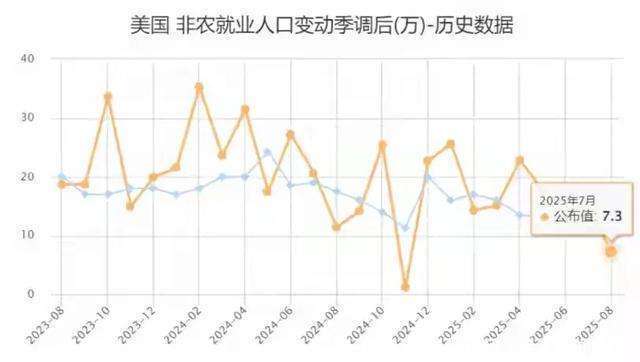
Group 1 - The annual Jackson Hole Global Central Bank Conference commenced on August 21, with Federal Reserve Chairman Powell delivering a keynote speech indicating that inflation is expected to rise while the labor market remains weak, suggesting potential interest rate cuts to support economic growth [1] - Following Powell's remarks, U.S. stock markets surged, with the Dow Jones Industrial Average rising by 720 points (1.6%), the S&P 500 increasing by 1.4%, and the Nasdaq Composite gaining 1.6% [1] - The U.S. Department of Labor reported an increase of 11,000 in initial jobless claims for the week ending August 16, reaching 235,000, the highest since June 20, and above the expected 225,000 [1] Group 2 - The July non-farm payrolls increased by only 73,000, significantly below the market expectation of 100,000, with revisions showing a downward adjustment of 258,000 jobs for May and June combined, leading to a rise in the unemployment rate to 4.2% [2] - The Federal Reserve has maintained interest rates unchanged for eight consecutive months since December, with concerns about the labor market and inflation expressed in the July meeting minutes [3] - Analysis suggests that Powell's dovish stance at the Jackson Hole conference indicates readiness for a rate cut in September, with market expectations for a 90% probability of a 25 basis point cut, up from 70% prior to his speech [4]
暗示降息,全球沸腾!
Wind万得· 2025-08-22 14:23
Core Viewpoint - Federal Reserve Chairman Jerome Powell signaled a cautious approach towards potential interest rate cuts, emphasizing the heightened uncertainty that complicates monetary policy decisions [1][3][6]. Group 1: Interest Rate Expectations - Traders currently estimate a 90% probability of a rate cut in September, up from 75% prior to Powell's speech [1]. - The market is pricing in two rate cuts by the end of the year [1]. Group 2: Economic Conditions - Powell noted that while the labor market remains robust and the economy shows resilience, downside risks are increasing [3][6]. - He warned that increased tariffs could lead to new inflationary pressures, raising the risk of stagflation, which the Fed aims to avoid [3][6]. Group 3: Policy Framework Review - Powell discussed the Fed's five-year review of its policy framework, acknowledging past mistakes in underestimating inflation, which reached a 40-year high [7]. - The Fed reaffirmed its commitment to a long-term inflation target of 2%, which is seen as crucial for maintaining stable inflation expectations [7].

特朗普拖到最后一晚才签字,关税战输给中国,他心里还是不甘心
Sou Hu Cai Jing· 2025-08-21 06:59
Core Viewpoint - The recent decision by Trump to extend the tariff "truce" for 90 days appears to alleviate tensions between the US and China, but underlying economic anxieties remain prevalent [1][9]. Economic Situation - The US economy is reportedly on the brink of collapse, with July's non-farm payrolls adding only 70,000 jobs, significantly below the expected 100,000 [5] - The unemployment rate has reached a three-year high, and labor participation rates have plummeted, indicating severe economic distress [5] - Small business owners have expressed concerns over rising import costs due to tariffs, leading to layoffs and reduced inventory, contradicting the notion of "tariff benefits" [5] Trump's Response - Trump has delayed the tariff decision until the last moment, indicating a lack of options to prevent further economic damage [3] - He has attempted to shift blame for economic failures onto others, including the Labor Department, while the reality of rising unemployment persists [5] - Trump's proposed policies, such as the "American Manufacturing" plan and hopes for interest rate cuts from the Federal Reserve, reflect his desperation to stimulate the economy [6] Tariff Impact - The ongoing tariff war is causing more harm to the US economy than anticipated, with evidence suggesting that it exacerbates economic challenges rather than alleviating them [7][9] - The "poisonous effect" of tariffs is seen as more damaging than any potential economic recovery measures [6] Conclusion - The temporary truce in tariffs and Trump's attempts to mask the underlying economic issues highlight a broader inability to effectively manage the economic crisis [9]
野村:面对关税动荡,美联储与日本央行来到十字路口
Zhi Tong Cai Jing· 2025-08-21 04:48
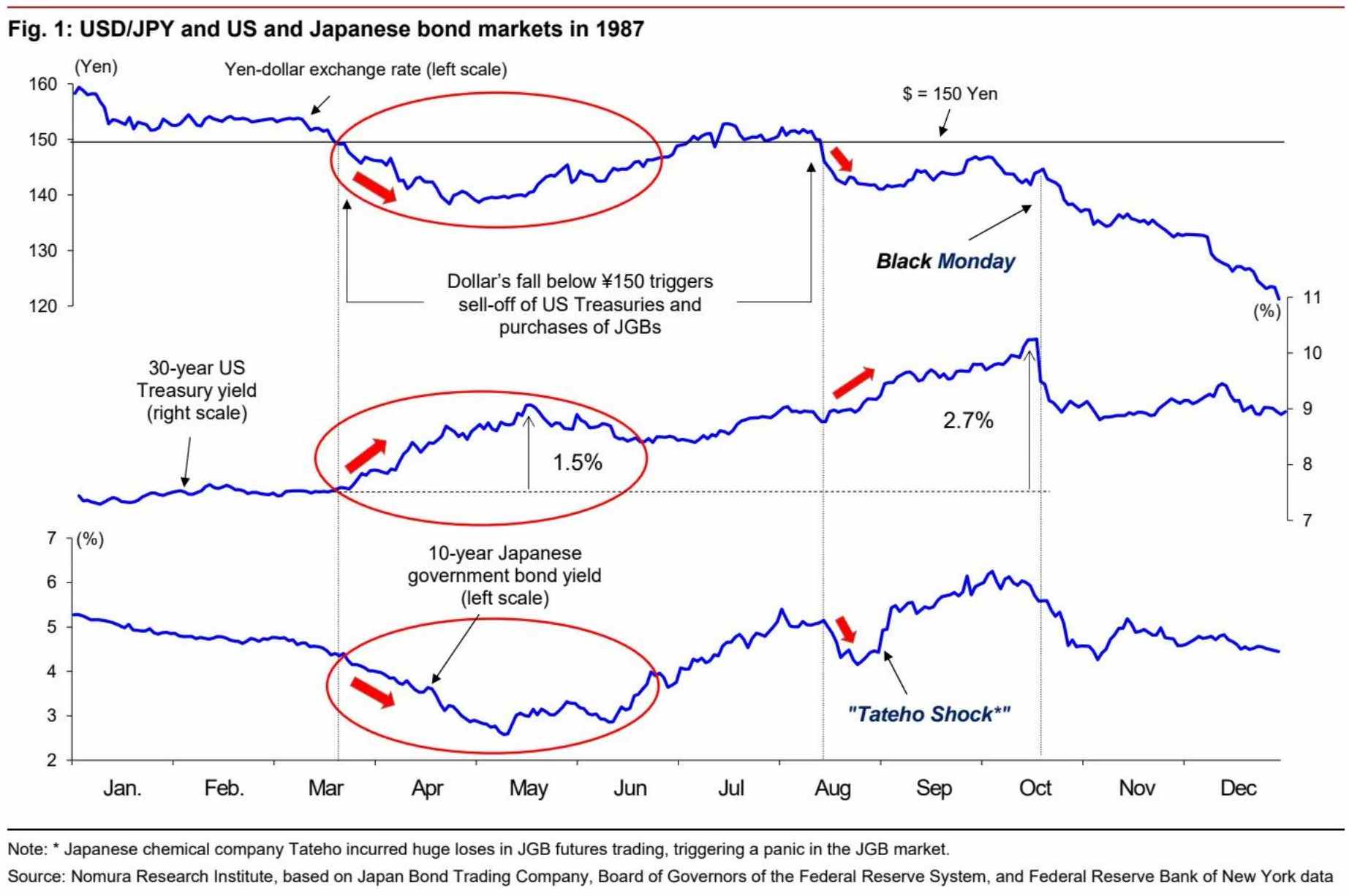
Group 1 - The article highlights the increasing economic uncertainty due to hasty tariff negotiations between the U.S. and other countries, which raises inflation risks and necessitates caution from central banks like the Federal Reserve and the Bank of Japan [1][6] - The chaotic tariff negotiations initiated by the Trump administration have led to global confusion, with the U.S. negotiating with multiple countries simultaneously, resulting in vague agreements and disputes [2] - The report draws parallels between the current situation and the 1985 Plaza Accord, emphasizing the potential for a repeat of historical market events, such as the significant depreciation of the dollar and the subsequent market crash in 1987 [3] Group 2 - The Federal Reserve faces inflation risks due to tariffs and labor shortages, making it hesitant to cut interest rates despite pressure from the Trump administration [6] - The Bank of Japan is delaying interest rate hikes due to the impact of tariffs on the Japanese economy, even as a weak yen exacerbates food inflation [6] - The article suggests that both central banks must navigate complex economic challenges, with the Federal Reserve needing to monitor inflation closely to avoid stagflation, while Japan should consider raising rates to stabilize the yen and curb inflation [6]