贸易摩擦

Search documents
多空因素交织 金银上有支撑下有波动
Jin Tou Wang· 2025-09-25 07:16
Market Overview - The US dollar index experienced a continuous rise, approaching the 98 mark but ultimately closing at 97.86, up 0.66% [2][3] - Spot gold fell from historical highs, hitting a low of $3717.52, down $60 from the daily high, and closed at $3735.89, down 0.75% [2][3] - Spot silver also declined, closing at $43.89, down 0.3% [2][3] Economic Insights - US Treasury Secretary Yellen expressed support for significant interest rate cuts, suggesting a reduction of 100 to 150 basis points, which strengthened market expectations for a loosening cycle [3] - Diverging opinions within the Federal Reserve were noted, with some members warning against excessive rate cuts while others supported further easing due to slowing economic growth and low inflation [3] Trade Relations - The US and EU reached an agreement on auto tariffs, but the US initiated a 232 investigation into medical devices, indicating ongoing trade friction [3] - The Kremlin criticized Trump's attempts to raise global energy prices, while the restoration of the Iraq-Turkey oil pipeline and the EU's plan to increase tariffs on Russian oil imports heightened energy and geopolitical tensions [3] Trading Strategy - The interplay of easing expectations and geopolitical risks provides support for gold and silver, but internal Fed disagreements and evolving trade situations may lead to volatility [4] - Key technical levels for gold are noted, with support around $3700 and resistance near $3900, while silver support is at $43 and target at $45 [4] - A strategy of accumulating positions on dips is recommended, with caution advised against chasing prices and managing positions carefully [4]
拿到2582吨稀土后,欧盟态度说变就变!制裁令发往中国,12家中企面临艰难考验
Sou Hu Cai Jing· 2025-09-24 06:55
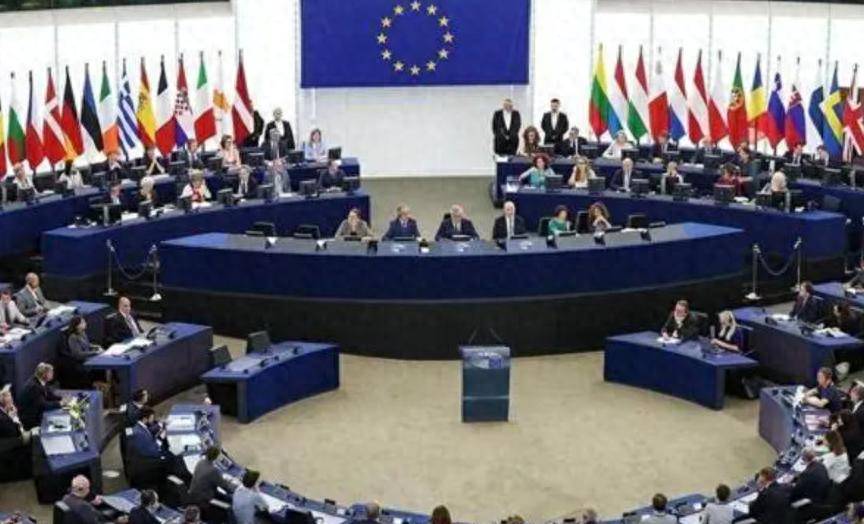
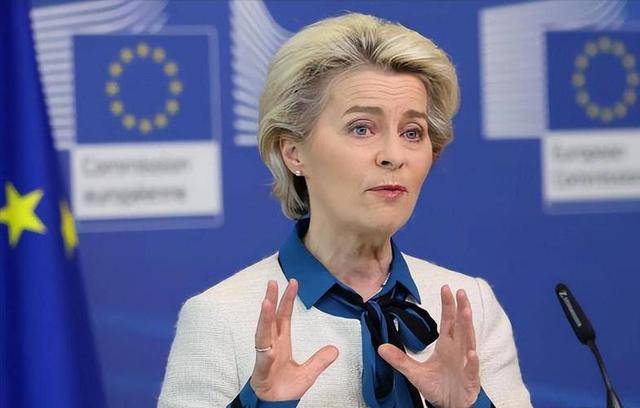
Core Viewpoint - The European Commission President Ursula von der Leyen is attempting to balance relations between the US and China while implementing sanctions against both Russia and 12 Chinese companies, which heightens tensions in EU-China relations and introduces uncertainty into the global economic landscape [1][3]. Group 1: EU's Sanctions and Trade Relations - The 19th round of sanctions proposed by the EU targets not only Russian enterprises but also includes Chinese companies, which complicates the EU's trade relationship with China [1][3]. - Despite the sanctions, EU countries continue to import Russian energy, highlighting a double standard in their approach to sanctions [3]. - In August, China's exports of rare earth magnets to the EU increased by 21%, reaching 2,582 tons, indicating a temporary improvement in trade relations [1]. Group 2: China's Response and Economic Strategy - In retaliation to the EU's sanctions, China imposed a temporary anti-dumping tax of 62.4% on EU pork and related products, significantly impacting the EU's economy, as pork exports to China account for 55% of the EU's total exports in this category [5]. - China is leveraging its control over rare earth refining technology, which constitutes 90% of global capabilities, to assert its influence in the supply chain [5][8]. - The delays in export approvals for rare earths from China indicate a strategic move to maintain control over this critical resource [5]. Group 3: Future Implications for EU-China Relations - The ongoing trade friction between the EU and China is a critical battleground, with the EU needing to choose between aligning with the US or seeking cooperative relations with China for sustainable economic development [7][8]. - The competition in key sectors such as rare earths and electric vehicles is expected to continue, with China actively participating in rule-making rather than being a passive player [8]. - The EU's fluctuating stance in the US-China rivalry could significantly impact its economic interests and its role in international relations in the 21st century [8].

上会倒计时!蘅东光 IPO 藏“扩产迷局”
Sou Hu Cai Jing· 2025-09-24 06:35
Group 1 - The company plans to raise funds of 4.94 billion yuan, a decrease of 24% from the previously disclosed amount of 6.51 billion yuan, with significant cuts in the funding for its Vietnam production base expansion project [3] - The company intends to increase its production capacity by 1.5 times, despite a significant drop in capacity utilization rates, which fell from 94.06% in 2023 to 73.33% in the first half of 2025 [3] - The company's revenue is heavily reliant on international markets, with 90% of its income coming from abroad, primarily the U.S., raising concerns about its exposure to trade tensions and currency fluctuations [4] Group 2 - The company has a high customer concentration, with the top five customers accounting for 79.87% of sales, and the largest customer, AFL, representing 58.22% of sales, which has increased from 34.80% in 2022 [5] - The dual role of AFL as both a customer and supplier creates risks, including potential profit margin impacts and a high accounts receivable ratio, with 55.05% of revenue tied to accounts receivable, 36.25% of which is owed by AFL-related entities [6] - The company faces compliance issues regarding its overseas subsidiaries, with previous instances of shareholding arrangements that have raised regulatory concerns [4][6]

莫迪派团去美国谈判,背后暗战暗流涌
Sou Hu Cai Jing· 2025-09-23 01:57
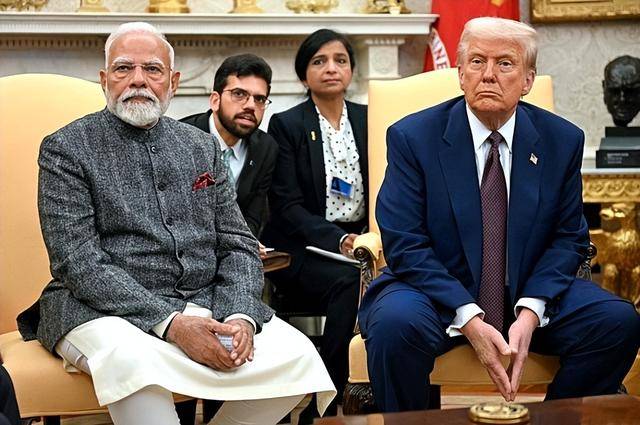
Core Insights - The trade friction between India and the US is likened to a chess game, with underlying tensions despite a seemingly calm surface [1] - India's Minister of Commerce and Industry, Goyal, is set to visit Washington to address the long-stalled trade agreement, reflecting India's strategic positioning in economic sovereignty and international negotiations [1][3] - The recent increase in tariffs and visa fees by the US has significantly impacted India's exports and its information technology sector, prompting India to adopt a self-reliant approach [3][5] Trade Negotiations - The atmosphere during the recent negotiations between India's chief negotiator Agarwal and the US trade representative's team was described as "positive," indicating a strategic diplomatic approach [1] - The US has imposed a 25% tariff on Indian oil imports, doubling the overall tariff to 50%, which has led to a decline in India's exports to the US from $8.01 billion in July to $6.86 billion in August [1][3] - The US is pushing for India to open its agricultural and dairy markets, a contentious issue that has previously led to the cancellation of planned visits by US representatives [3][5] Economic Strategy - India's government is promoting domestic consumption and resilience in response to external pressures, indicating a shift towards a more self-sufficient economic model [3][5] - The increase in H-1B visa fees, targeting India's IT services sector, represents a direct challenge to India's economic interests, yet the government remains firm in its negotiation stance [3][5] - India's strategic autonomy is reflected in its flexible domestic economic policies, including tax reductions and support for local products, creating a dynamic balance between external pressures and internal market stability [5] Global Economic Dynamics - The ongoing trade negotiations highlight a broader shift in global economic power dynamics, with India asserting its position as a strategic player rather than a passive market [5][7] - Goyal's visit to the US is not just about advancing trade agreements but also serves as a platform for India to showcase its economic autonomy and resilience [5][7] - The interplay of tariffs, visa policies, and market access negotiations underscores India's control over its economic destiny and its response to global economic challenges [7]
国证国际港股晨报-20250922
Guosen International· 2025-09-22 09:06
Group 1: Company Overview - The company, 西普尼 (2083.HK), is a designer, manufacturer, and brand owner of gold case and gold bezel watches in China, primarily generating revenue from its flagship brand "HIPINE" and ODM business [6] - Revenue is projected to grow from 320 million RMB in 2022 to 456 million RMB in 2024, with a compound annual growth rate (CAGR) of 18% [6] - Net profit is expected to increase from 24 million RMB to 49 million RMB during the same period, with a CAGR of 43% [6] Group 2: Industry Status and Outlook - The precious metal watch market in China is expected to grow steadily, with a projected market size of 26.46 billion RMB by 2024, reflecting a CAGR of 4.54% from 2019 to 2024 [7] - The company's market share in the gold watch segment is the largest, with a projected market share of 27.08% in the gold case watch sector and 28.96% in the gold bezel watch sector by 2024 [7] Group 3: Strengths and Opportunities - The company has a strong reputation for product design that aligns with market demands, allowing it to capture changing consumer preferences effectively [8] - It possesses robust R&D capabilities, enabling the production of high-quality gold watches without compromising gold purity [8] - The company has a wide and stable sales network, with products available in over 3,000 offline retail points and various e-commerce platforms [8] Group 4: Fundraising and Use of Proceeds - The company anticipates net fundraising of 255 million HKD, with approximately 40% allocated to capacity enhancement, 17% to R&D improvement, 33% to brand activities and sales network expansion, and 10% for working capital [12]
特朗普刚签署,白宫紧急澄清!美国豆农没有收到中国订单,急了!
Sou Hu Cai Jing· 2025-09-22 03:46
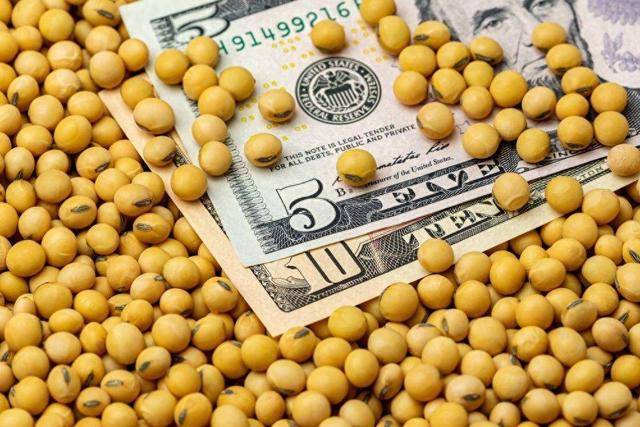
Core Insights - The U.S. soybean industry is facing significant challenges due to a sharp decline in exports to China, which has shifted its purchasing to South America [3][5][14] - Recent U.S. immigration policies are causing unrest in both the agricultural and high-tech sectors, further complicating the economic landscape [9][20] Group 1: Export Dynamics - In the 2023-2024 marketing year, U.S. soybean exports to China reached 24.9 million tons, significantly higher than exports to the EU and Mexico [3] - By 2025, major Chinese grain traders have almost entirely shifted their soybean purchases to South America, leading to a drastic reduction in U.S. market share [3][14] - The U.S. Soybean Association reports that the loss of Chinese orders is causing financial distress for approximately 500,000 soybean farmers [5][11] Group 2: Financial Impact on Farmers - A survey by the U.S. Agricultural Census indicates that household income for soybean farmers in the Midwest fell by over 30% year-on-year in Q2 2025 [7] - The U.S. Department of Agriculture predicts an 18% year-on-year increase in soybean inventory by Q4 2025, putting downward pressure on prices [13] - Many farmers are being forced to reduce planting areas or switch to less profitable crops like corn and wheat due to financial pressures [13][16] Group 3: Policy and Market Reactions - The recent increase in H-1B visa application fees has raised concerns among tech companies about higher operational costs and reduced global talent attraction [9][20] - The U.S. government is attempting to negotiate agricultural tariff agreements with other markets, but these efforts are unlikely to replace the significant volume of trade with China [16][20] - The agricultural sector is calling for a rational approach to trade policies to rebuild a healthy international trade order [20]
美议员喊话特朗普:若北京不答应美国的要求,就不准中国做一件事
Sou Hu Cai Jing· 2025-09-21 11:23
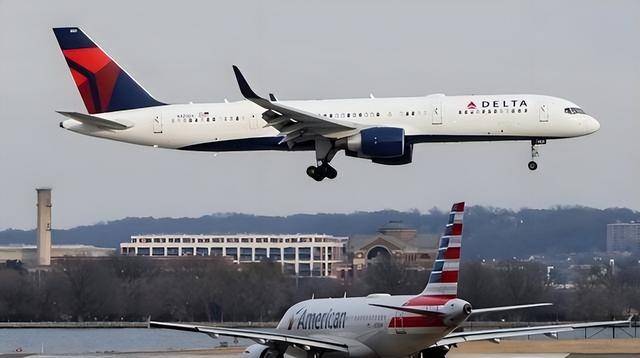
Group 1 - The escalation of trade tensions between the US and China began in early 2023, with the US imposing tariffs and China responding with export restrictions on key minerals, including rare earth elements [1][2] - China controls over 80% of global rare earth production and over 90% of refining and magnet processing, leading to significant supply chain disruptions in the US and Europe [1][2] - The price of dysprosium surged from $300 to $850 per kilogram within five weeks due to export restrictions, causing production halts in automotive factories [1] Group 2 - The EU expressed concerns over China's export restrictions, urging for local sourcing and the establishment of a critical raw materials act to reduce dependency on Chinese supplies [4][9] - The US Congress is considering actions against China, including suspending landing rights for Chinese airlines in the US until export restrictions are lifted, which could severely impact US-China air travel and trade [6][8] - The EU's response includes calls for transparency from China regarding export data, as companies report increased production delays and project suspensions due to supply chain issues [9]
美国重拳出击!德国制造业被绞杀大量人口失业,346亿欧元蒸发掉
Sou Hu Cai Jing· 2025-09-21 06:37
Group 1 - The transatlantic trade agreement, initially praised for bringing stability to Europe, has failed to deliver on its promises, leading to increased uncertainty for the German industrial sector [1][3] - Following the agreement, the U.S. unexpectedly imposed tariffs on certain European machinery products, exceeding the agreed-upon baseline of 15%, causing shock among European industrial leaders [3][5] - Germany's exports to the U.S. fell to their lowest level since 2021 in July, with a significant month-on-month decline of 7.9%, indicating a troubling trend for the German economy [6][8] Group 2 - The overall industrial output in Germany has been declining for eight consecutive quarters, with a year-on-year decrease of 2.1% in the second quarter, reflecting a broader economic downturn [10][12] - The automotive industry, a cornerstone of the German economy, is facing severe challenges due to increased tariffs, which could result in additional costs amounting to billions of euros annually for manufacturers [13][15] - Employment in the industrial sector has been adversely affected, with approximately 51,500 jobs lost in the automotive industry alone, representing nearly 7% of total jobs in that sector [19][20] Group 3 - The crisis has highlighted the vulnerabilities of an export-oriented economy like Germany's, particularly in the current geopolitical climate, where reliance on external demand poses significant risks [22] - Calls for renegotiation of the trade agreement with the U.S. reflect a sense of urgency and frustration within the German machinery sector, emphasizing the need for a more balanced approach to trade [20][22] - The situation necessitates a deeper introspection for Germany, focusing on overcoming internal challenges such as technological innovation and adapting to an increasingly uncertain global market [22]
巴西总统卢拉:和特朗普没有关系,他又不是世界之王
Sou Hu Cai Jing· 2025-09-18 06:33
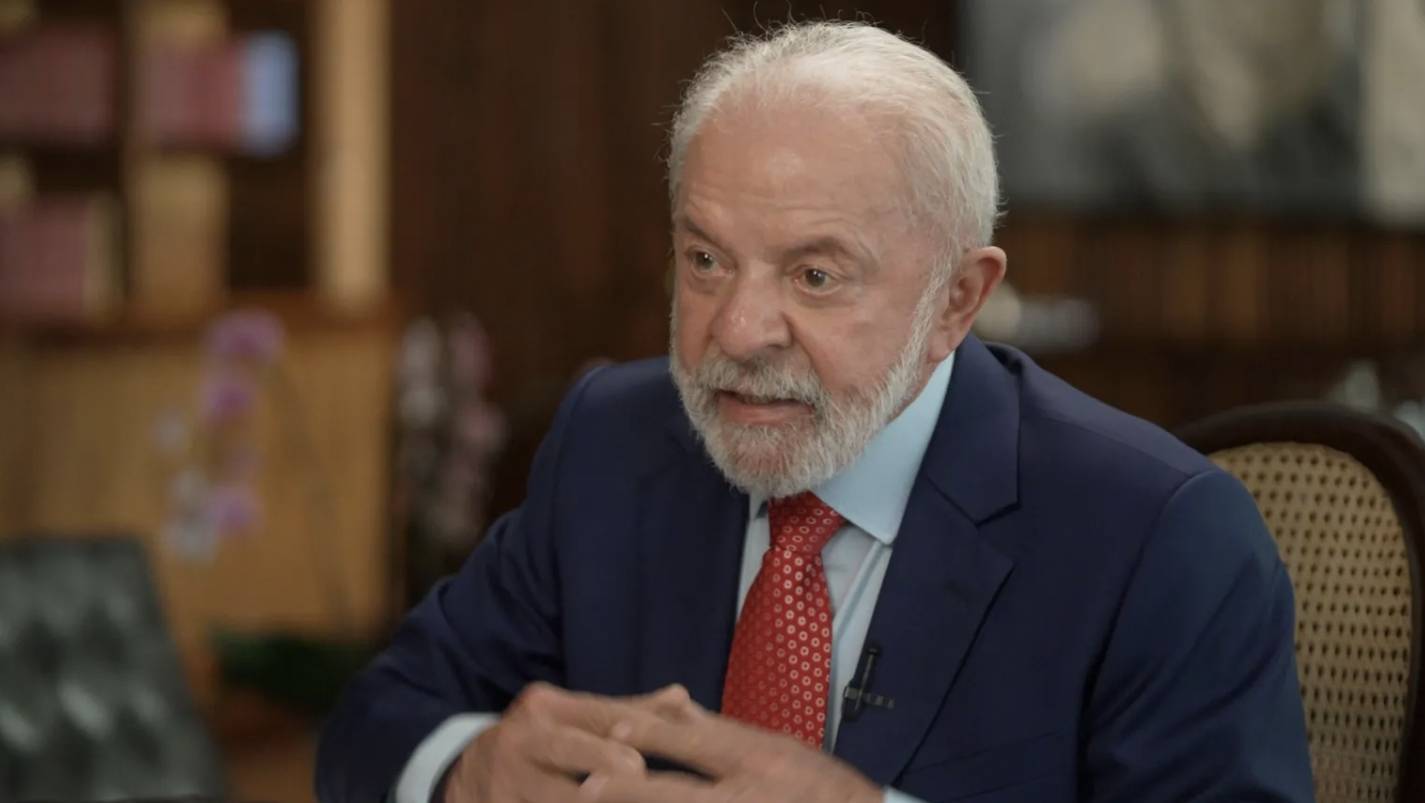
Core Viewpoint - The relationship between Brazil and the United States has deteriorated significantly due to Trump's tariff policies and interference in Brazil's internal affairs, leading to strong criticism from Brazilian President Lula [1][2]. Trade Relations - Trump imposed a 50% tariff on Brazilian goods, effective from early August, despite the U.S. having a trade surplus with Brazil [2]. - The tariff has adversely affected Brazilian exports to the U.S., particularly in coffee and beef, leading to significant price increases for these products [2]. Political Dynamics - Lula criticized the U.S. tariff policy as politically motivated, aimed at pressuring his government regarding investigations into former President Bolsonaro [2][8]. - Lula emphasized that he has never had direct communication with Trump, highlighting a complete breakdown in communication between the two leaders [3][4]. Bolsonaro's Conviction - Former President Bolsonaro was sentenced to 27 years and 3 months in prison for attempting to orchestrate a coup after losing the 2022 election, marking a significant moment in Brazilian political history [7]. - Lula expressed pride in the Brazilian Supreme Court's decision, asserting it was based on constitutional law and not a witch hunt [8]. Future Relations - Lula indicated that while Brazil is preparing countermeasures against the U.S. tariffs, there is no urgency for retaliation, and he prefers to resolve disputes through negotiation [9]. - Lula called for mutual respect and cooperation between Brazil and the U.S. for the benefit of both nations' citizens [10].
中国没有下单,美国毫无办法!美方警告:形势极其严峻!特朗普要联合27国对华征税?
Sou Hu Cai Jing· 2025-09-17 05:31
Core Viewpoint - The U.S. soybean harvest season is facing a crisis as China, the largest buyer of U.S. soybeans, has placed zero orders this year, leading to significant financial distress for American farmers [1][3]. Group 1: Impact on U.S. Agriculture - U.S. agriculture contributes $9.5 trillion to the GDP, accounting for nearly 20% of the national economy, with soybeans being a critical component [3]. - Historically, China has purchased around 25 million tons of U.S. soybeans annually, representing over half of U.S. soybean exports, but this year, orders have dropped to zero [3]. - The Chicago soybean futures price has plummeted by 40% over three years, currently trading at $10.10 per bushel, which is below the production cost of $11.03 [3]. Group 2: Political and Economic Responses - The American Soybean Association has expressed severe concerns to President Trump, indicating that the situation is extremely dire, with record-high production but overwhelming inventory and financial pressures [3][6]. - Trump's administration has attempted to pressure China through tariffs and sanctions, but this strategy has not yielded the desired results, as it risks further alienating China and solidifying its alternative supply chains [4][6]. Group 3: Market Dynamics and Future Outlook - The ongoing crisis has led to fears of a domino effect throughout the agricultural supply chain, potentially resulting in farmer bankruptcies, business closures, and a deteriorating rural economy [6]. - China has diversified its soybean supply sources, increasing imports from Brazil and Argentina, and enhancing domestic production, which diminishes reliance on U.S. soybeans [6][8]. - Analysts believe that it is unlikely for China to triple its orders from the U.S. under current tariff conditions, as U.S. soybeans lack competitiveness due to a 23% import tariff [8].